Quentin Long witnesses an extraordinary celebration of culture at Australia’s largest Indigenous event – the Garma Festival – in Arnhem Land.
In dry and easy terms, the Garma Festival is the nation’s “largest", “biggest" or “most important" annual celebration of Indigenous culture in Australia. The reality of living with around 1000 white fellas and 1000 black fellas on the edge of an escarpment in remote Australia is certainly something big and important. But it’s also much more than that.
We have returned to Garma since this story was published, check out the latest update Experiencing Garma.
What is Garma?
Organised by the Yothu Yindi foundation as a celebration of Yolnju culture, the Garma Festival is an opportunity to highlight the plight of Aboriginal people, and a chance for two-way learning between the Yolnju and peoples from all over the world.
The Yolnju are from the northeastern tip of the NT and Arnhem Land. Their most famous exports are the didgeridoo and the Yothu Yindi band. The band’s lead singer, Mandawuy Yunupingu, is a key figure in the clan and the Yothu Yindi foundation. His brother, Galarrwuy, was the real seat of power in the nation. Together with a number of other families, the Yunupingu are responsible for the Yolnju people being one of the most respected, powerful and pioneering of all Aboriginal peoples.
Where is it?
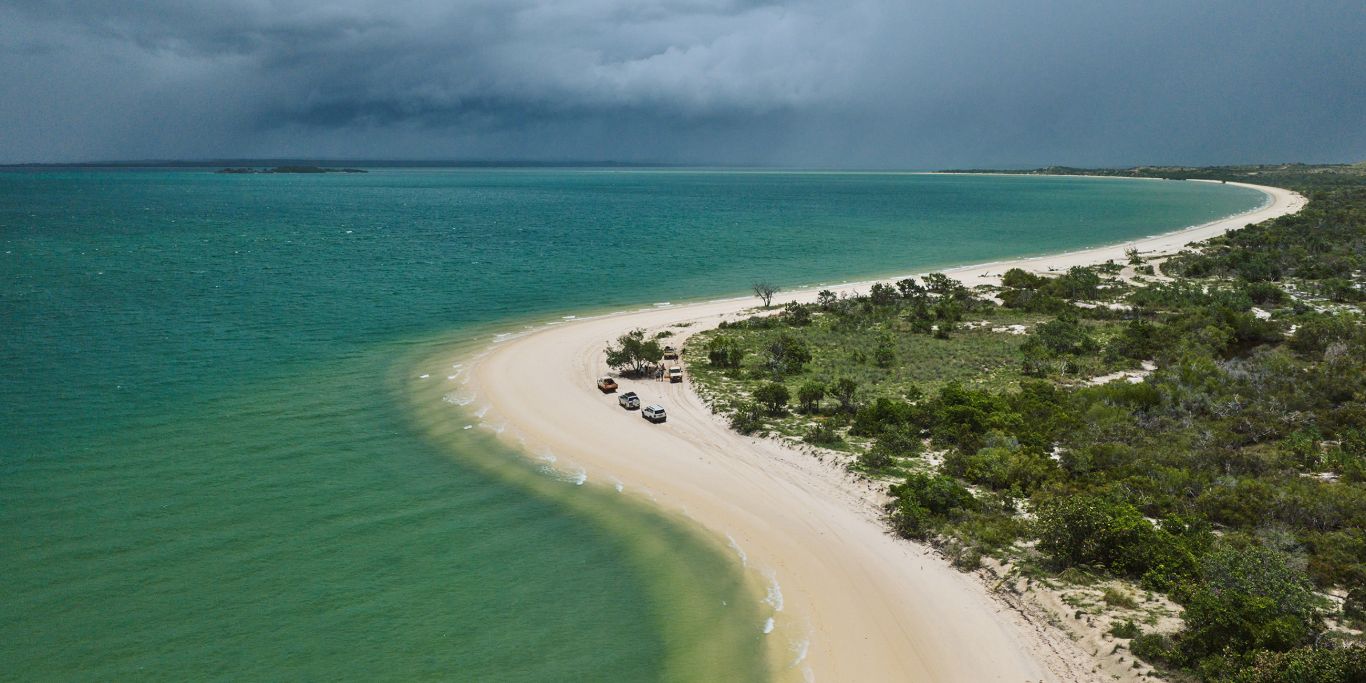
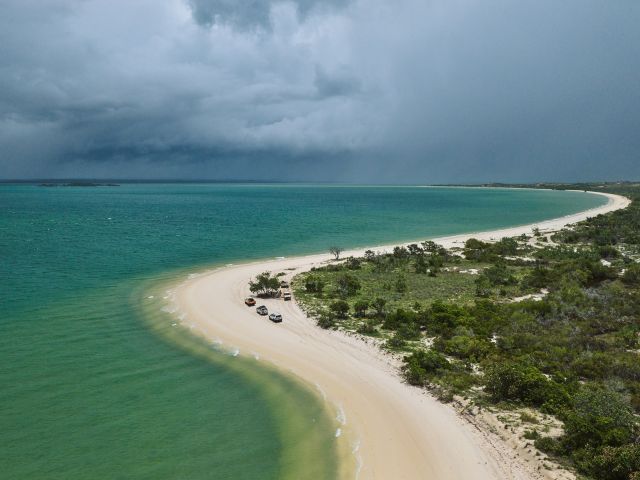
Garma is held a 30-minute drive from Nhulunbuy on the Gove Peninsula at a place called Gulkula. In Yolnju culture, this is the home of the didgeridoo, known as a yidaki. It’s at Gulkula that the yidaki was first made in Australia centuries ago.
How do I get there?
Most people fly to Nhulunbuy from either Cairns or Darwin. AT drove the 13 hours from Darwin, nine of which were along the dangerous dirt track of the Central Arnhem Road.
Notes to travellers: FLY. It’s safer and easier. The road has no fuel stops, infrequent travellers, and fatal accidents are far too common.
Where do I stay?
Everyone camps at Garma – tents, meals, toilet blocks and cold showers are all supplied. You can’t just pay your money and show up either. You must complete a registration of interest and be accepted to attend.
This is to ensure those with the most to gain from the experience get to go.
Need tips, more detail or itinerary ideas tailored to you? Ask AT.
AI Prompt
What goes on there?
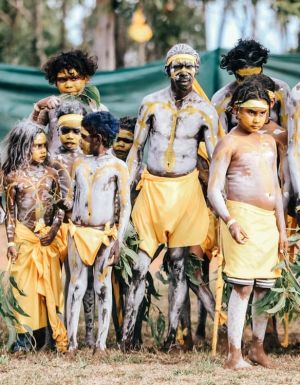
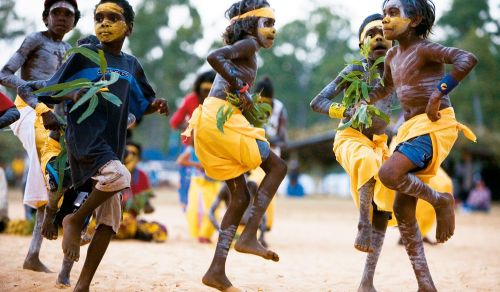
Every afternoon at around four o’clock the day ends with a Bunngul – traditional dancing. This brings everyone together for a good old-fashioned spectacular. Each dance is accompanied by cheers and encouragement in several languages.
After dinner, there’s a stage for bands, providing a platform to practice live performances and get noticed within the community.
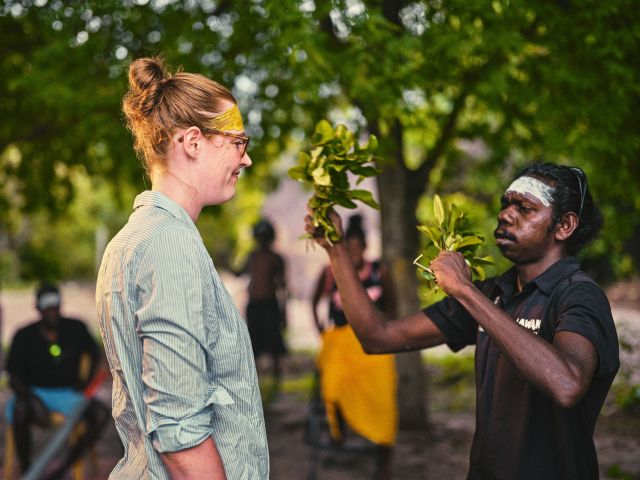
The reasons people attend are many and varied. Some are at a conference on Aboriginal health, education or welfare (every year it’s one of these three). Some are learning a musical instrument. Others, like Australian Traveller, are on organised cultural tours.
At the same time many of the Yolnju youngsters are being taught valuable skills for employment. Some are recording the festival for their media training, while yet others are acting as security at the concerts to gain their security certificates.
Garma draws people from all over the world for any number of surprising reasons. They spend four or five nights camping out, enduring cold showers and reasonable (yet very bush) conditions. Australian Traveller was there to be part of Garma – but as it means so many things to so many different people, we’ve let them tell their own stories . . .
The Mates
Jack Thompson has been coming to Garma for seven years. The festival is so important to him that nothing prevents him from attending – not even Hollywood. Jack’s contract for the Baz Luhrmann film Australia explicitly states his unavailability while Garma is on.
Jack has been in the ear of one of his mates, telling him for ages that this is well and truly “his kind of gig."
In fact, George Negus has been on the receiving end of Jack’s invitations – he calls it “nagging" – for the past five years. George found Garma to his liking. “Personally and professionally, this is an opportunity not many of us have," he says.
“And we must be involved when the opportunity arises. Seeing and sensing the difference close up and having to live with it is even better. Having one of the oldest cultures on earth in this country, we should not only be proud, but feel like it’s a privilege."
When asked why he comes to Garma, Jack, perhaps uncharacteristically, is near speechless. He’s certainly in love with the land and the people.
“I do not have to go to Africa to feel and experience a unique and ancient culture," he says. “It’s all right here."
But dig a little deeper and you realise it’s also work. Jack is part of the Garma family. He was adopted by Mandawuy and Galarrwuy Yunupingu, and often acts as a spokesperson to the media when, and if, the need arises.
It’s an honour Jack takes incredibly seriously. “I said to Manda, I’m onto you, mate. This is not just an honour – it’s a bloody job."
Weekly travel news, experiences
insider tips, offers, and more.
The Students
Matthias Muller is attending his fifth Garma Festival. He travels from Basel in Switzerland to be at Garma and has done so for the past four years. He comes for one reason and one person. The yidaki is the Yolnju word for the didgeridoo. And every year at Garma, yidaki Master Djalu Gurruwiwi conducts a master class attracting people like Matthias from all over the world. The students relay much of what Djalu teaches and says.
According to Scott from the Sunshine Coast, who’s using the didgeridoo in his corporate team building exercises, Djalu is teaching more and more non-Aboriginal people, as they seem the most passionate and interested. Djalu is disappointed but feels the knowledge must be maintained and handed on.
The master class starts with students learning the pronunciation and words. It’s a bit like learning to read sheet music. Djalu believes you cannot play the yidaki without having your mouth trained to form sounds like the original performers.
The second most important part of the training is receiving the yidaki spirit. Djalu teaches that the yidaki is a lot more than a musical instrument. It can be used to heal, educate, communicate and tell stories.
Students sit in front of Djalu, close their eyes and place the yidaki on their stomach. Djalu tells Scott he can help cure aches and ailments with his yidaki.
“Garma is an opportunity to understand the spirit of the yidaki," says Scott. “To be with a man of this stature and to share in his tradition is very special. I love what Djalu says at the beginning. We’re not of the same colour skin, but of the same colour blood."
The Dancer
Crusoe Kurrdal isn’t a name you’ll forget once you realise who he is. As the lead in Ten Canoes, Australia’s most successful Indigenous movie, Crusoe would be hot property anywhere outside Australia. At Garma, he’s just relaxing with his mates. He’s not even slightly put out by the attention of a Garma worker, Tizza, who’s determined to get a “me and the celebrity" photo. Crusoe smiles and poses languidly next to the stocky Tizza.
Crusoe isn’t that talkative. When asked why he came, he looks confused. It’s like asking someone why they eat. “Dancing," he says. “The people asked me to come and dance." And just to be absolutely certain the concept is getting across, Crusoe adds, “It’s good fun."
To the majority of Garma people the festival is about having a great time singing, dancing and meeting with their mates. To the rest of us, it seems as though we’re witnessing a celebration of culture.
Want to see more stories from Australian Traveller in your Google search results?
- Click here to set Australian Traveller as a preferred source.
- Tick the box next to "Australian Traveller". That's it.

Australian Traveller
View profile and articles