Murphy’s Haystacks South Australia Explained

hero media
AT rock hound Kerry van der Jagt steps back in geological time to investigate this extraordinary South Australian cluster.

Short answer:

Near Streaky Bay, 700km northwest of Adelaide, a group of rock stars take centre stage in the middle of a wheat field.

Long Answer:

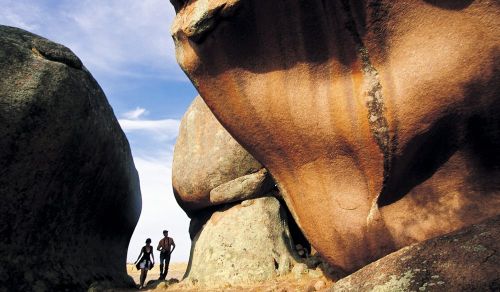
Murphy’s Haystacks are ancient wind-worn pink granite boulders that formed 1500 million years ago. Around 40km south of the popular fishing and tourist town of Streaky Bay on SA’s Eyre Peninsular, they stand like a crooked set of giant’s molars on a hilltop just 2km off the Flinders Hwy.
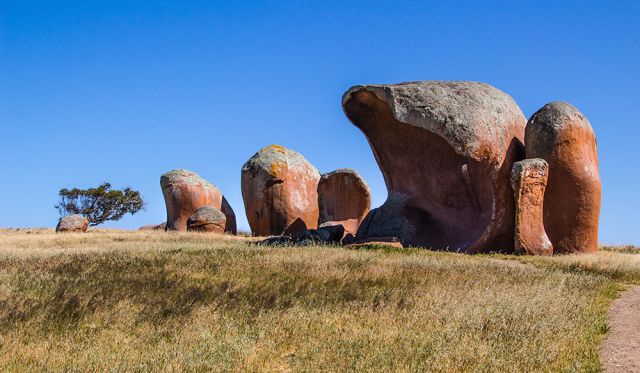
Murphy’s haystacks in all their glory

Folklore has them named after a Scottish agricultural expert who spotted the crop of remarkable rocks from the local mail coach. The Scotsman obviously had a fertile imagination. “That man must harrow," he commented to his fellow travellers. “Look at all the hay he has saved."


The owner of the land was Denis Murphy, and faster than you could shout “mine’s a Guinness!" the Murphy’s Haystacks nickname had stuck. Of course they’ve nothing to do with haymaking and are in fact great examples of weathered granite inselberg formations (German for “island-mountain"). They’re part of a larger mass called the Hiltaba Granite, named for the Hiltaba Station in the southwest Gawler Ranges, under which much of the mass lies.


The granite was originally hidden deep in the Earth’s crust, probably some 7-10 km below the surface, but over eons the overlying rocks have worn to be transported and deposited on the surrounding continental shelf and inland basins.
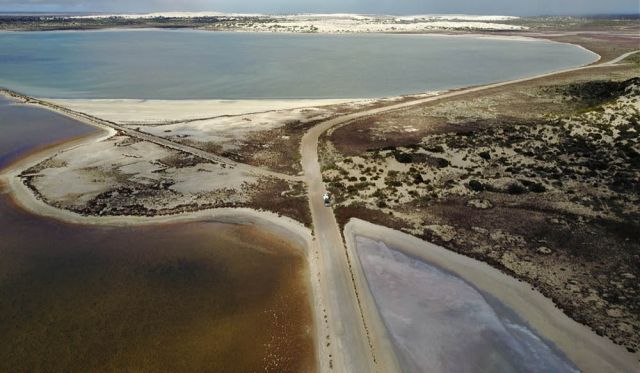
Next time you’re crossing the Nullabor, think about a detour

The granite hills of the district, including the haystacks, were buried by calcareous dune sand about 30,000 years ago. Gradual weathering has shaped the granite to reveal the weird and wonky pillars and boulders we see today.


So, if you’re crossing the Nullarbor or visiting the Eyre Peninsular, hop off the highway, skip down a side street and jump around among an ancient rock garden as old as time itself.

Fun fact:

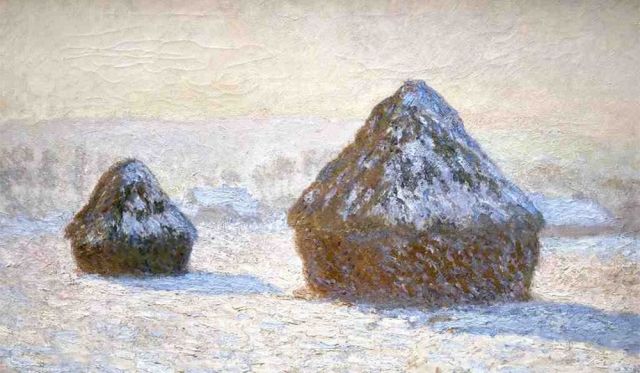
French Impressionist painter Claude Monet had a thing for haystacks. Haystacks, Midday 1890 is part of the collection held by the National Gallery of Australia in Canberra.
Did you know:

The name Murphy is a modern form of the ancient Irish name O’ Murchadha, which means “descendant of sea warrior" in Gaelic
And did you also know: The popular TV series MythBusters attempted to find “a needle in a haystack" by means of fire, water and a magnet (they managed it, but it was unbelievably difficult).

This hidden region in Victoria is home to a peaceful lake trail

    Craig TansleyBy Craig Tansley

    Video credit: Tourism Australia

    From pink salt landscapes to oases fringed by forests of red gums, the lakes of this rural region are astounding. 

    You’re going to find peace and quiet when you take a road trip through the lakes of the Wimmera Mallee region. Whether it’s mirror-like pink salt lakes that look like an inland sea, or lakes fringed by forests of red gums that showcase Victoria’s arid beauty, there’s a lake for you out here somewhere.  

    1. Lake Tyrrell  

    Lake Tyrrell
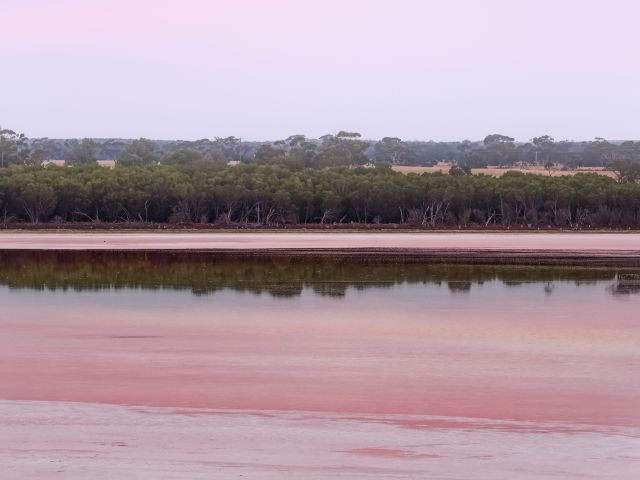
    The colours of Lake Tyrrell blend into the sky. (Image: Visit Victoria/Anne Morely)

    Located in the dead heart of the Mallee, Victoria’s largest salt lake, Lake Tyrrell , is a landscape photographer’s dream – especially at sunrise and sunset when the pink salt flats look like a gigantic mirror. It’s easy to camp or park a caravan nearby, too, though the tiny town of Sea Lake is just south (with accommodation). In winter, shallow water covers the salt, creating surreal reflections of the sky.  

    2. Nhill Lake  

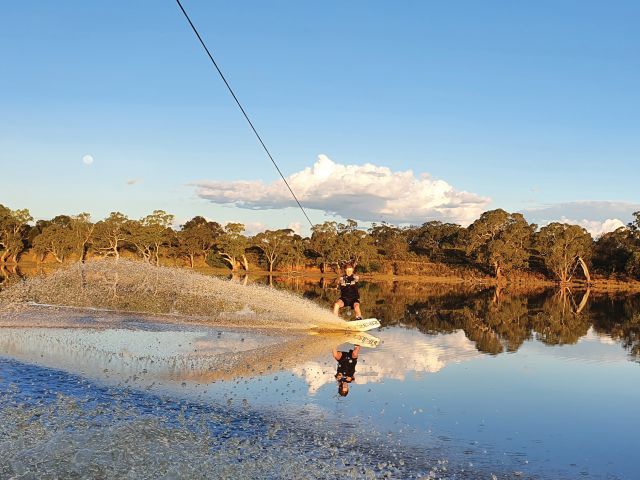
    There’s a permanent water source here, so there’s always plenty of water for water skiing, swimming and fishing (the trout and redfin fishing here is legendary). Located beside the pretty heritage town of Nhill with its main street of historic buildings, there’s options for eating and drinking right next door. There’s also a barbecue area with plenty of shady picnic spots and a boardwalk for walking around the lake.  

    3. Lake Bringalbert  

    Lake Bringalert
    Lake Bringalert is a great spot for aquatic adventures.

    Located south-west of the pretty Mallee town of Kaniva, Lake Bringalbert epitomises the best of ‘outback’ Victoria. It’s ringed by red gums and red mallee and feels completely hidden from the world – you’ll barely ever see another person. There’s basic camping on its foreshore and Kaniva offers more accommodation options. It’s the perfect lake for swimming, kayaking and skiing, and the stars at night come without even a hint of city glow.  

    4. Lake Hindmarsh 

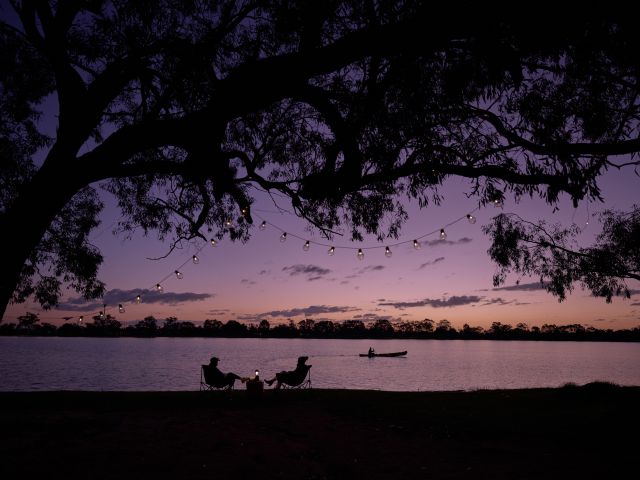
    If you’re a bird fan, you’ll love Lake Hindmarsh . Located north of Dimboola, Victoria’s largest natural freshwater lake is like an inland sea full of pelicans, swans and numerous species of ducks – but it also teems with everything from spoonbills to parrots. Sunsets here will blow your mind – the lake is a mirror for the pinks and golds you’ll see on the horizon. There’s free camping spots along the foreshore if you’d like to really contemplate the magic of the lake.  

    5. Pink Lake 

    pink lake
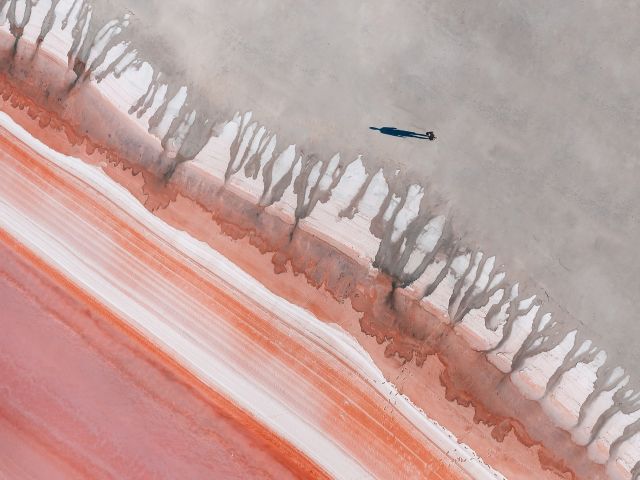
    The Pink Lake is most vivid after rain. (Image: Visit Victoria/Anne Morely)

    Also known as Loch Lel , the summer months offer up some seriously vivid pink water colour at this lake north of Dimboola. The pink varies throughout the year, but is best after rain (hence why summer is the time to visit).

    pink lake
    Pink Lake, also known as Loch Lel, is located near Dimboola in the Grampians. (Image: Tourism Australia)

    There’s plenty of birds, including wedge-tailed eagles, but you’re as likely to spot big lace monitors, kangaroos and echidnas. Nearby, check out the uber-cute heritage town of Dimboola and its eclectic shops, and Little Desert National Park, full of walking trails through mallee heathland. 

    6. Lake Lascelles 

    Lake Lascelles
    You can camp at Lake Lascelles.

    On a hot summer’s day, there’s nowhere better for a cooling dip, kayak or boat ride. You can camp by the lake , or at powered caravan sites – or the pretty town of Hopetoun offers numerous accommodation options a short walk away. At night you’ll see the lights of Hopetoun reflect off the lake. Fish for yellow belly, redfin or catfish, or try water-skiing. There’s also a great walking trail around the lake, where there’s more birds than you can count.