How a surfer and a rock legend saved Australia’s beaches

hero media
Australia’s National Surfing Reserves are hallowed ground when it comes to the beaches found along our coast, and not only for surfers.

Head down to the beach at daybreak, anywhere the swell is permitted to reach the shore, and you’ll see them. The wetsuit-clad meditators, the board shorts and bikini brigade, the groms and the silver-haired sea dogs with boards under arm, all gathered in their sandy place of worship.

Peeling towards rocky points, butting up against sandbars or curling around artificial reefs, waves break rhythmically on Australia’s coastline in all kinds of conditions. The surf calls to the soul of those who find solace duck-diving into its salty embrace. Those hooked on the indescribable feeling of riding a wave.
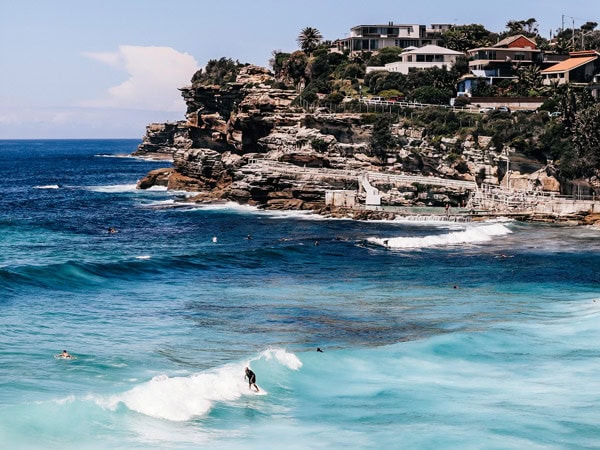
surfing in Bondi Beach
Bondi Beach is one of Australia’s most iconic surf spots. (Image: Elise Hassey)

When it comes to the quality of surf breaks, and the sheer number of them that ring the continent, Australia is indeed the lucky country. Surfing took off in Australia after being introduced by Hawaiian Duke Kahanamoku in 1915, its popularity never waning. Australia is renowned as one of the world’s premier surfing destinations and it’s inescapably intertwined in the coastal fabric.
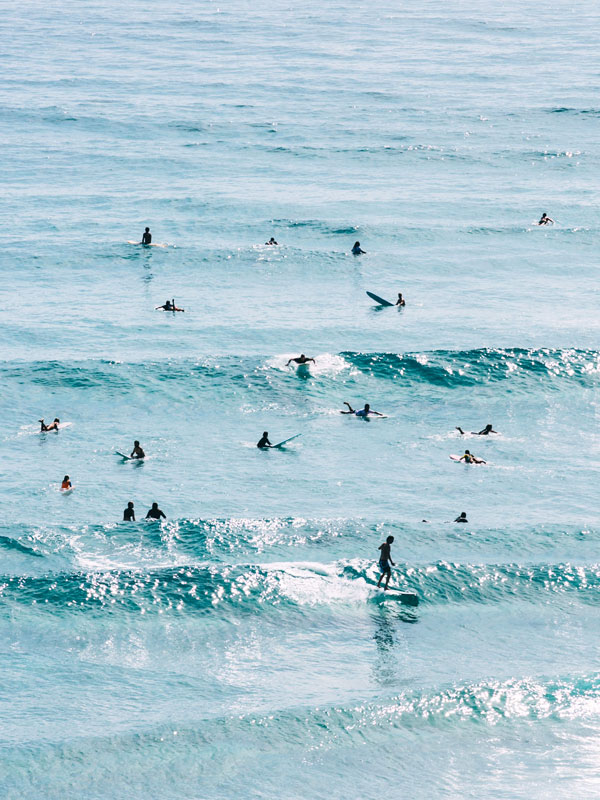
surfers hitting the waves
Australia’s surf breaks are the envy of the world. (Image: Elise Hassey)

“Surfing is much more than a sport," says conservationist Brad Farmer. “It’s a culture, it’s an art form, it’s a pastime, it’s a meditation. That’s why people go to the beach. Billions of visitors go there for this experience, which is really subjective and ephemeral."
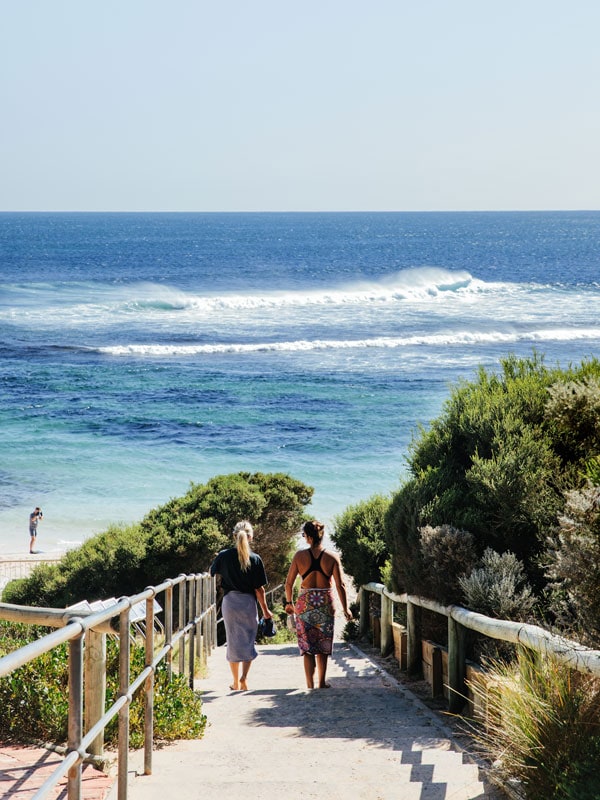
two women walking down the beach staircase at Yallingup Beach
Yallingup is paradise for surfers and sun worshippers. (Image: Elise Hassey)

If Farmer’s name rings a bell, it’s because he’s also the man responsible for declaring the top beaches in Australia each year as Tourism Australia’s Beach Ambassador – a title he’s held since publishing his book 101 Best Australian Beaches with co-author Professor Andy Short in 2013. The annual list is carefully curated to showcase the diversity of beaches Australia has to offer.
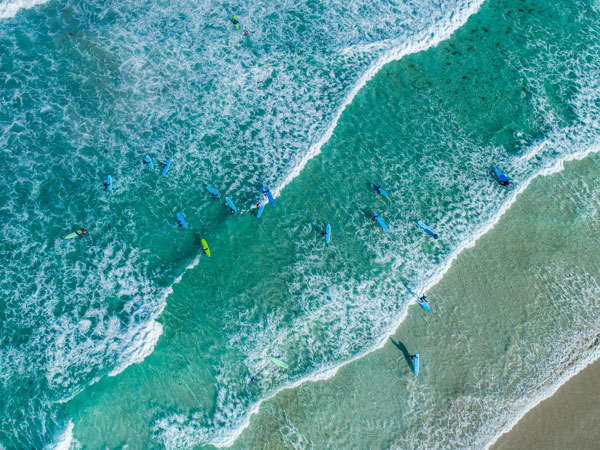
surfing at Margaret River
Margaret River Surf School runs private surf lessons for all ages. (Image: Tourism Australia)

As a surfer himself, Farmer comes at it with a long history of advocating for Australian beaches. He’s responsible for creating the non-profits Surfrider Foundation Australia and Ocean Care Day, and is working alongside indomitable pro-surfer Kelly Slater to develop a model for UNESCO to recognise significant coastal sites. But it was his work as the founder of National Surfing Reserves that has led to the most profound change in how we value Australia’s outstanding surf breaks and the lifestyle they afford.
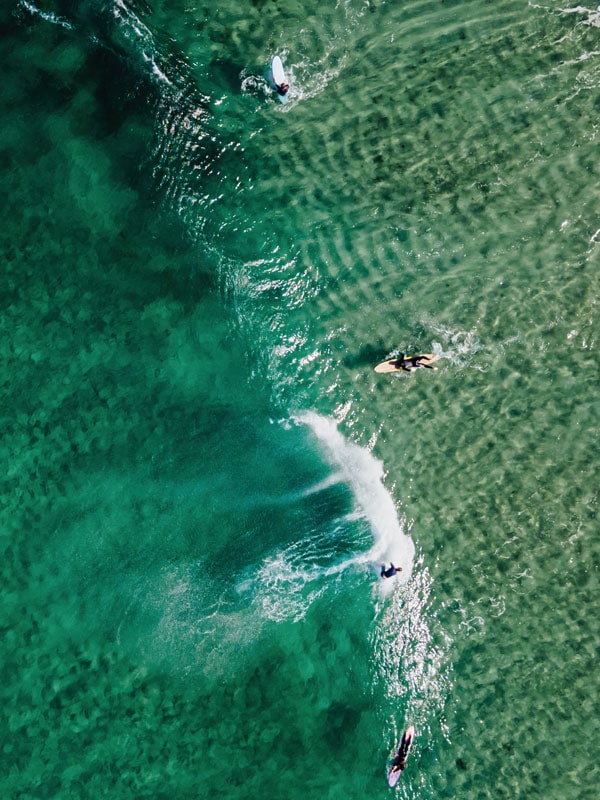
surfing at Margaret River
Margaret River is a swell magnet in the south-western corner of WA. (Image: Elise Hassey)

What are National Surfing Reserves?

The idea to protect surf breaks was seeded in 1973 when a group of local surfers created a ‘Surfing Recreation Reserve’ at Bells Beach, Victoria.
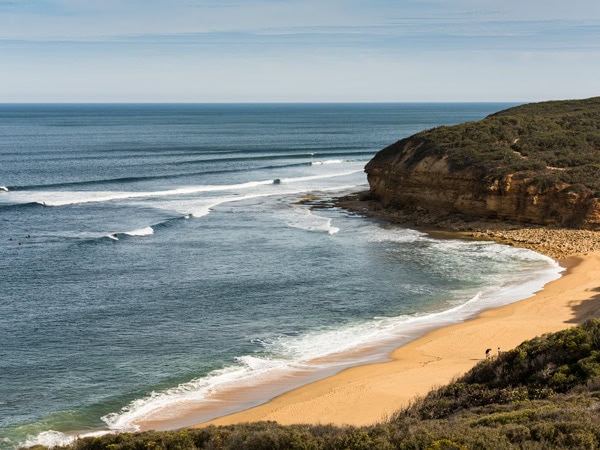
an aerial view of Bells Beach
Bells Beach is where pro Mick Fanning won his first-ever World Surf League tour. (Image: Robert Blackburn/Visit Victoria)

At the time, Australia’s surf culture was quickly gaining pace – it was the early days of Rip Curl and a time when shortboards were adopted to surf punchy beach breaks, as opposed to the longboards beloved in places like California. With our remote and untouched landscapes – and the advent of innovative gear such as wetsuits and board shorts that made the game a whole lot more enjoyable – Australia’s surf scene quickly became the envy of the world.
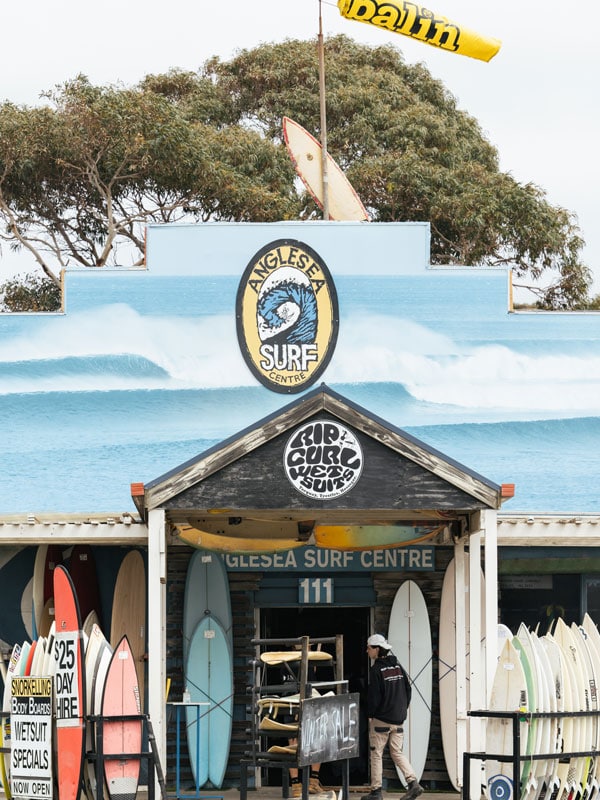
the Anglesea Surf Shop, Victoria
Pick up a secondhand surfboard from the old-school surf shop in Anglesea, Victoria. (Image: Elise Hassey)

Taking the concept of Bells and the power the reserve had held in the face of relentless coastal development, Farmer established the not-for-profit National Surfing Reserves in 2005 under the patronage of rock legend, environmentalist and then Federal Member of Parliament, Peter Garrett.

He had a list – the top surf spots found among about 1100 surfing beaches ringing Australia’s coast – and since Maroubra was declared as the first National Surfing Reserve in 2006, 18 more renowned breaks have been added to the list.

The criteria is strict and the application process can take anywhere from nine months to six years, but ultimately, each successful reserve is recognised as a place of “intrinsic environmental, heritage, sporting and cultural value to our nation".
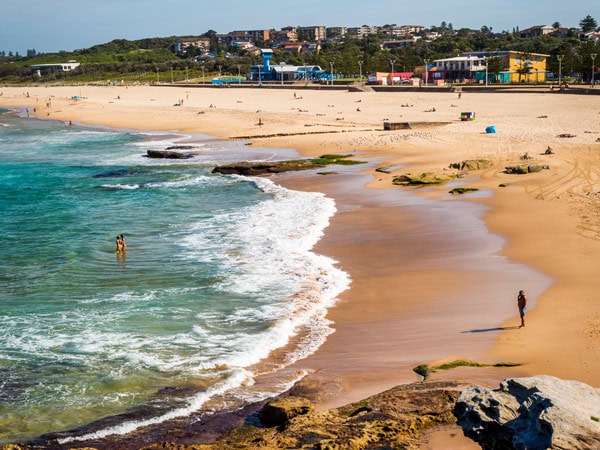
the Maroubra Beach National Surfing Reserve in Sydney
Sydney’s Maroubra Beach was Australia’s first National Surfing Reserve. (Image: Destination NSW/Anna Kucera)

In 2009, Farmer helped the non-governmental Save The Waves Coalition take the idea global with the launch of World Surfing Reserves, and in 2016, Regional Surfing Reserves were added, extending to “any local surf breaks that have good waves and the community feel a sense of pride."

“It’s as much about protecting these sandy spots of worship, as it is about the community around them," says Farmer. “Empowering those who love and use our beaches, with a say in how they’re managed," he says. “This is what we call a sacred site – similar to how Indigenous Australians would have a bora ring or midden. The community have a sense that this is a place of awe, there’s something sacred about this particular site, not only for the quality of its waves."
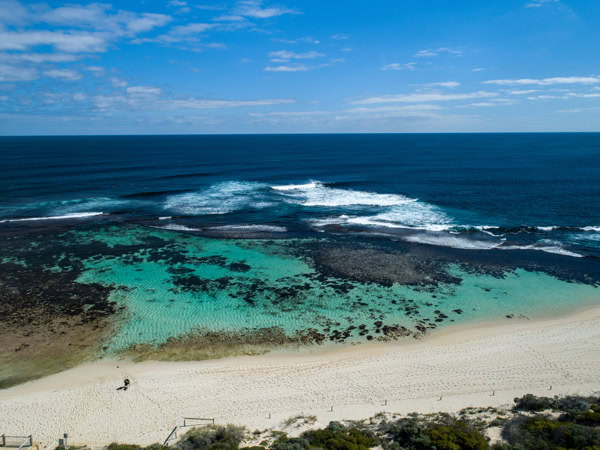
the Yallingup Beach in WA
Yallingup Beach is considered by many as the birthplace of boardriding in WA. (Image: Tourism Australia)

For Australia’s Saltwater people, the First Nations groups born and raised to understand and care for the coast and its waves like no other, the ocean is like family. Indigenous ex-pro and co-founder of the Royal Indigenous Surfing Association, Robbie Page, sees it similarly to Farmer. “Surfing’s a healing place," he said in the ABC documentary Changing Tides. “It’s got no prejudice, it teaches every human, welcomes every human."
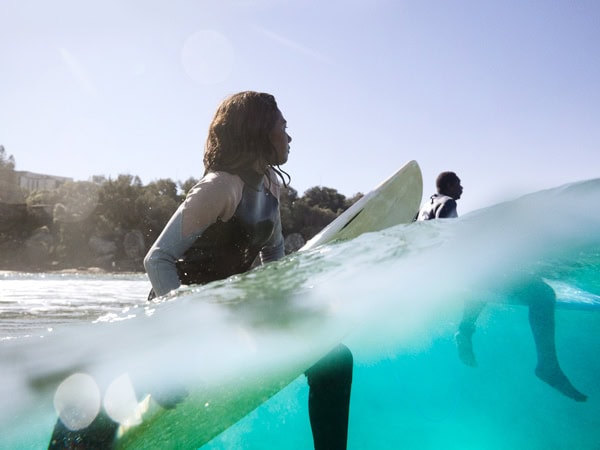
surfing at Freshwater Beach
Freshwater Beach has more than a century of surfing heritage. (Image: Destination NSW/Mark Clinton)

What do National Surfing Reserves protect?

National Surfing Reserves are essentially decreed so that all people can enjoy, understand and protect these special coastal environments. While the volunteer-led National Surfing Reserves has always had people power on its side – and likely the approval of tourism boards who use the reserves in their marketing efforts – until recently, it lacked legal sway.
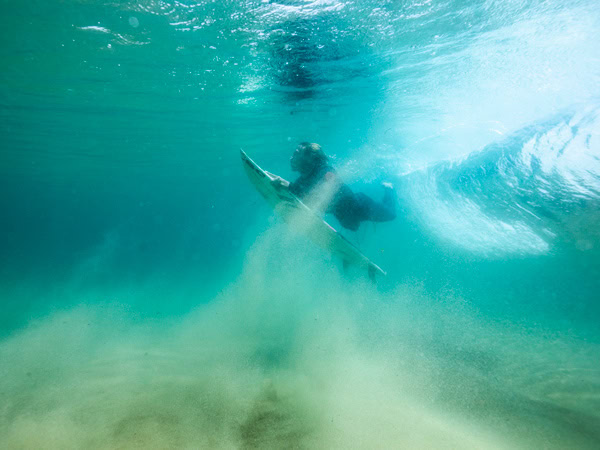
a surfer duck-diving under a wave at North Narrabeen Beach
A surfer ducks under a wave at North Narrabeen Beach. (Image: Destination NSW/Guy Williment)

The movement had been able to persuade the NSW government to gazette surfing reserves in 2007, formally recognising them in the Crown Lands Act. “It was the first time in the world that surfing and surfers had been recognised in any law in any country," says Farmer.

However, the reserves have since become a springboard for surf communities to read the riot act. Which is exactly what happened in 2020, when there was a threat of over-development at Killalea Regional Park – aka The Farm. “It was fought on the basis of surf reserves, and is now a [protected area] park," explains Farmer.
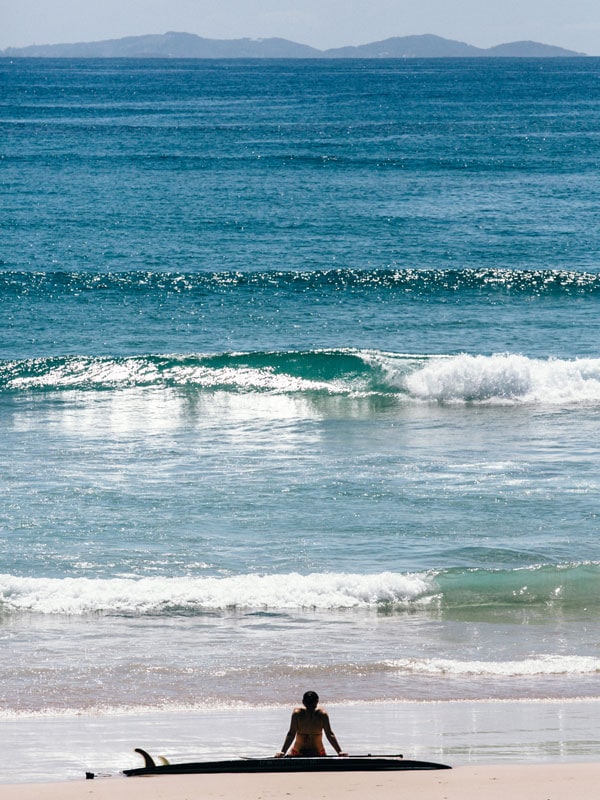
a surfer sitting on a surfboard on the shore while watching the waves
Surfers travel to Australia to find a magical break. (Image: Elise Hassey)

One of the key players in this fight was a local surfer called Chris Homer, the then-president of National Surfing Reserves. Leading a record-breaking paddle out to oppose the construction of a 200-seat function centre and 15 cabins inside Killalea Reserve, Homer’s passion and leadership saw him elected as mayor of Shellharbour soon after, even though he had no prior political experience.

“Whether in legislation, or lore, these places are sacrosanct and not to be touched, and the wording is such that surfers will have primacy in the decision-making process," says Farmer.
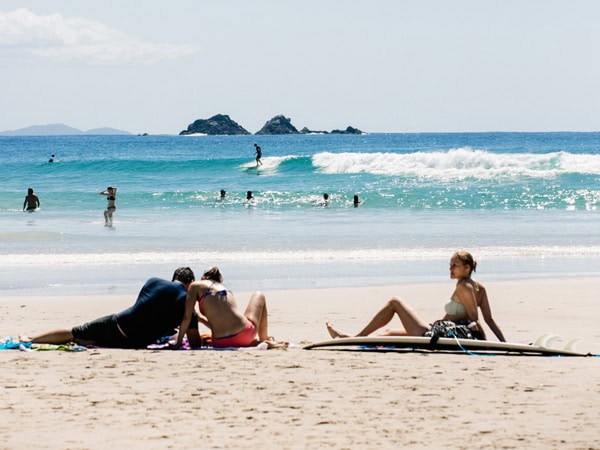
surfers sitting on the beach at Byron Bay
Byron Bay in NSW’s Northern Rivers is a wonderland for surfers. (Image: Elise Hassey)

In mid-2023, with a strong contingent of those surfers on the Central Coast, Norah Head National Surfing Reserve welcomed the news that a wind farm proposed off the coast of NSW would no longer include the surf spot. The original proposal had the potential to affect two iconic surf reserves, Norah Head and Merewether – both hotbeds of surfing talent.

Since then, more research has come to light on not only the importance of Australia’s surf breaks from an environmental point of view, but an economic one, too. Surfing is worth almost $3 billion annually to Australia’s economy, according to a recent study by the Australian National University, and that’s making more people in higher places sit up and pay attention.
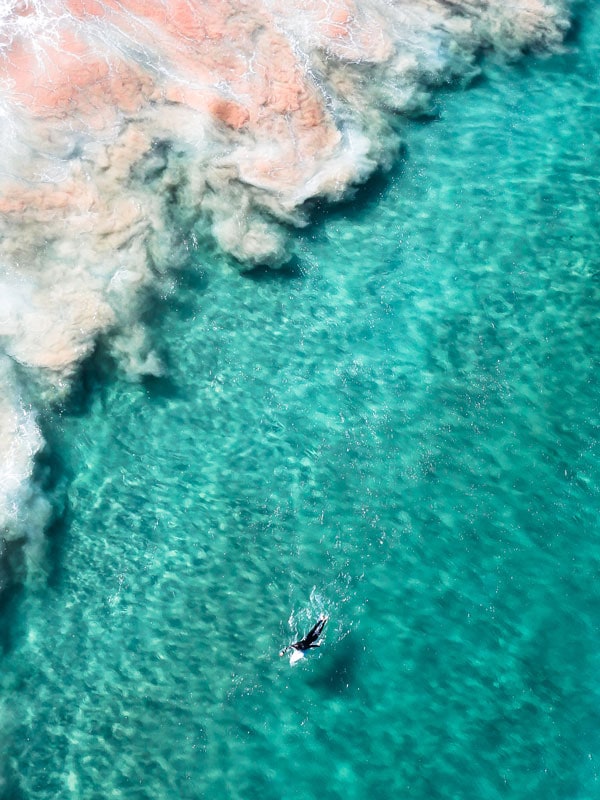
surfing at Freshwater Beach, Sydney
A surfer paddling at Freshwater Beach, Sydney. (Image: Destination NSW/Adam Krowitz)

How National Surfing Reserves are keeping surf culture alive

Another goal of National Surfing Reserves is to safeguard the continuum of surf culture. City of Gold Coast council even has a detailed Surf Management Plan, which includes programs to teach surf etiquette, to ensure visitors clearly understand local safety customs. Similarly, Noosa has a Surfer Code to reduce the chance of conflict and injury.
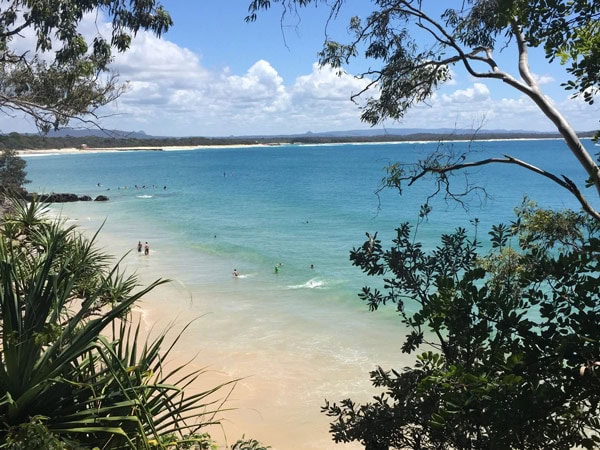
the Main Beach in Noosa
Noosa’s pristine Main Beach is a surfing hotspot. (Image: Tourism Australia/Glen Davis)

Surfers, after all, are not just those out riding the waves. The beauty, value and mental health benefits of surfing permeate the desirable beachside lifestyle so many Australians enjoy and visitors yearn to experience.
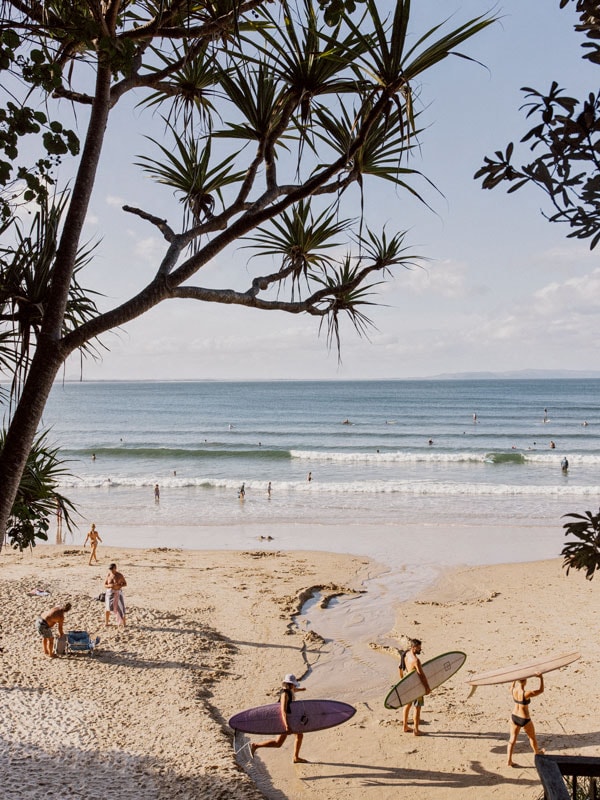
the surf culture in Noosa
Local community and surf culture, such as that found in Noosa, are a determining factor in what qualifies as a Surfing Reserve. (Image: Elise Hassey)

Ultimately, whether you’re a hardcore big-wave rider with saltwater in your veins or have no desire to go further than watching the waves with a coffee in hand, understanding and appreciating that these sites have seen quality waves being ridden consistently – in some places for more than 100 years – provides a sense of legacy.
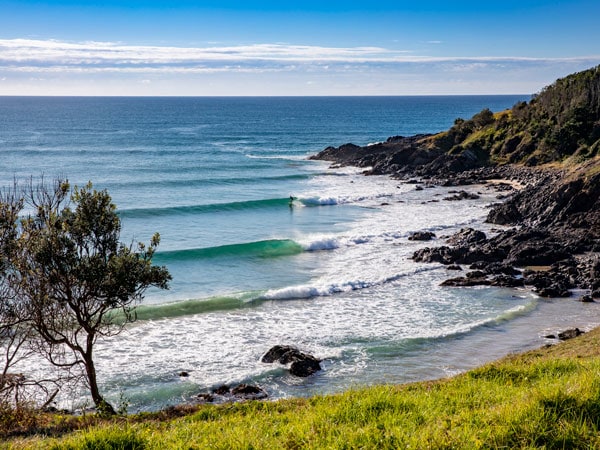
the surfing reserve at Crescent Head, NSW
Ride the waves at NSW’s Crescent Head. (Image: Destination NSW/Dallas Kilponen)

Years from now, Farmer believes, these surfing reserves will become akin to national parks and, he hopes, will be protected at all levels, not excluding UNESCO. “I will continue to argue that waves have absolutely unique qualities to humanity – not just to their enjoyment, but they’re a phenomena of nature … and they deserve to be recognised as such," says Farmer.
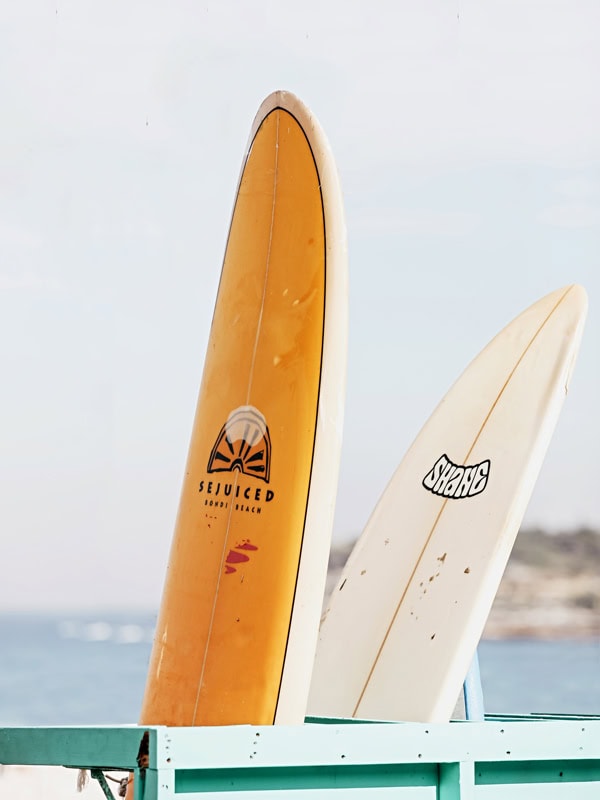
surfboards in Bondi Beach
Surfboards lined up at Bondi. (Image: Elise Hassey)

Australia’s National Surfing Reserves

  1. Maroubra, NSW, March 2006
  2. Angourie, NSW, January 2007
  3. Lennox Head, NSW, February 2008
  4. Crescent Head, NSW, June 2008
  5. Cronulla, NSW, September 2008
  6. Merewether, NSW, March 2009
  7. Killalea, NSW, June 2009
  8. North Narrabeen, NSW, October 2009
  9. Margaret River, WA, March 2010
  10. Kalbarri, WA, March 2010
  11. Manly-Freshwater, NSW, September 2010
  12. Yallingup, WA, December 2011
  13. Gold Coast (Burleigh Heads, Currumbin Alley, Snapper-Kirra), Qld, February 2012
  14. Daly Head, SA, January 2013
  15. Point Sinclair, SA, January 2013
  16. Phillip Island (Woolamai, Smiths Beach, Summerland, Cat Bay), Vic, March 2013
  17. Noosa, Qld, March 2015
  18. Bondi, NSW, December 2017
  19. Norah Head, NSW, November 2022
Celeste Mitchell
With visions of hosting Getaway, Celeste Mitchell graduated with a Bachelor of Journalism and entered the hard-hitting world of boy bands, puberty, and fashion, writing for magazines like Girlfriend, Total Girl, CLEO and TV Hits in the early noughties (there was a lot of Twilight references). Since switching gears to full-time freelancer in 2013, focused exclusively on travel, she’s criss-crossed the globe, opened a co-working space, lived in Mexico, and co-founded slow and sustainable site, Life Unhurried. The Sunshine Coast-based author (Life Unhurried & Ultimate Beaches Australia, Hardie Grant) and mum of two regularly pinches herself that she gets to explore new places and ask all the nosy questions she wants in the name of work.
See all articles
hero media

Inspire your senses with these iconic East Kimberley stays

The East Kimberley should be on every bucket list, and here’s why.

Livistona palms soar out of chasms the colour of Valencia oranges. Shady waterholes beckon travellers daring to venture off the bitumen. From the air, fruit farms give way to vast plains that meet rolling hills and fascinating geological formations centuries in the making. The East Kimberley is one of Australia’s most treasured wilderness areas, but don’t be fooled by its rust-coloured roads. This north-eastern corner of Western Australia is home to some of Australia’s most iconic stays by Discovery Resorts  that should be on everyone’s bucket list.

A group of people enjoy an intimate dining experience at El Questro Homestead.
Dine in the heart of nature.

Your guide to Lake Argyle

The backstory

With rolling hills that glow amber at sunrise and glassy water that reflects the Kimberley’s bright blue sky, a visit to Lake Argyle is nothing short of awe-inspiring. As Australia’s second-largest man-made freshwater lake, travellers flock here to soak in the views from boats, helicopters and Discovery Resorts – Lake Argyle .

The latter is a lakeside oasis, a resort where travellers crossing from Western Australia into the Northern Territory (or vice versa) converge. Fifty minutes’ drive south of Kununurra, the property is perched atop a cliff overlooking the sprawling Lake Argyle.

Discovery Resorts – Lake Argyle was originally built in the late 1960s to provide accommodation for builders of the Ord River dam, which formed Lake Argyle. In the decades that followed it had several owners, until a Kununurra local took the reins in 2004 and reinvented the property with luxury villas and its now world-famous infinity pool. The iconic property was added to the Discovery Resorts portfolio in 2021, undergoing a major upgrade that took the resort from a beloved campground to an all-encompassing resort with premium waterfront villas.

A boat glides across the expansive waters of Lake Argyle, surrounded by the breathtaking landscapes of the Kimberley. As part of the Discovery Holiday Parks experience, this unforgettable journey offers adventure and relaxation.
Glide across the vast, shimmering waters of Lake Argyle.

The rooms

A lakeside resort like no other, Discovery Resorts – Lake Argyle offers something for everyone, from campsites to villas and cabins . The Deluxe Lakeview Cabins have views of the opposing cliff and are surrounded by bush, ensuring plenty of privacy, while both the Deluxe and Standard Cabins are ideal for families, with contemporary furnishings and one, two or four bedrooms. The campsites also come in a variety of sizes.

The facilities

There’s no doubt the biggest drawcard to Discovery Resorts – Lake Argyle is the lake, 20 times the size of Sydney Harbour. One of the best ways to experience it is on the Kimberley Durack Sunset Explorer Cruise , during which you’ll see freshwater crocodiles nesting along the banks (it’s home to 30,000 freshies) and even get the chance to swim in their waters. The cruise also takes in Mt Misery, towering above the original and now submerged Argyle Downs Homestead.

If you have young children who need to get to bed early, a great alternative is the three-hour Lunch Explorer Cruise . You’ll tour around the lake’s bays as you learn about the local wildlife before stopping at a remote island for a swim.

Refuel between adventures at the onsite pub-style eatery, The Lake Argyle Cafe. The cafe is the heart of the resort, bringing together friends new and old over a steak, cold beer and live music. Hours vary with the seasons, but rest assured you’ll be able to enjoy a good feed year-round, with a well-stocked general store also open during the day.

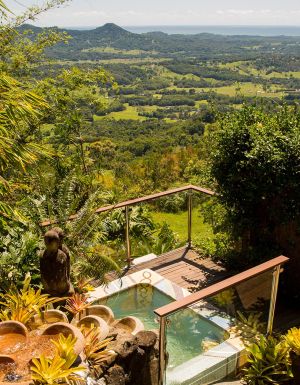
Cool off from a day of exploring in the striking infinity pool with some of the best views in the country (you’ll find sweeping views of the lake below). Or enjoy a flight with HeliSpirit, or clear your mind during a yoga class on the lawn.

Two people unwind in an infinity pool, overlooking stunning Lake Argyle at Discovery Holiday Parks.
Take a dip in the infinity pool and soak in breathtaking Lake Argyle views.

Your guide to El Questro

The backstory

One of the most famous stays in Australia is El Questro . A former cattle station, it’s evolved into one of the country’s most recognisable tourism destinations over the past 30 years, and is now embarking on a new chapter to elevate the region’s rich First Nations culture.

The property draws travellers seeking to reconnect with nature and the beauty of this country. Wild in spirit but immaculate in style, El Questro is a 283,000-hectare property like no other; surrounded by dramatic gorges, impressive mountain ranges, thermal springs, secluded waterfalls and even rainforest, it’s the perfect base for adventurous souls.

A person floats leisurely in the river at Discovery Holiday Parks, immersed in nature’s tranquillity.
Float along Zebedee Springs and immerse in nature.

The rooms

Across the sprawling El Questro are three properties catering to the wide variety of travellers who journey this way. The most impressive is the luxurious Homestead , where 10 suites perch at the edge of a burnt-orange cliff, with cantilevered bedrooms over the peaceful Chamberlain River. The adults-only, all-inclusive Homestead is a member of the prestigious Luxury Lodges of Australia collection and offers a backdrop of thick bushland; riverside, you’ll find an immaculate lawn and a shaded pool that lures guests out of their rooms.

At Emma Gorge , travellers will be immersed in the beauty of the Cockburn Ranges, falling asleep to the sounds of wildlife in safari-style tented cabins. This is where you come if you want to completely connect with your environment while retaining a few creature comforts. The Emma Gorge Tented Cabins sleep three or four people and feature private ensuites and ceiling fans.

Families also love The Station , home to simple yet comfortable air-conditioned rooms, as well as a large, leafy campground. Sitting by the Pentecost River, The Station is open from April to October and has a range of accommodation, from unpowered and powered campsites to air-conditioned tents for two people and a Gardenview Family Room for five.

Two people stand beside a suite perched on the edge of a striking burnt-orange cliff, gazing out over the serene Chamberlain River below.
Take a breather with stunning views of nature all around.

The facilities

Located in the heart of the Kimberley, El Questro retains its strong connection with its Traditional Owners, the Ngarinyin people. A highlight of a stay here is the Injiid Marlabu Calls Us experience ; over two hours, guests are immersed in the soul of Country by witnessing ancient healing rituals, listening to generational stories and learning about the land’s ancestral heritage.

Other experiences include bird watching, cruising through Chamberlain Gorge, hiking through Emma Gorge, horse riding, four-wheel-driving and soaking in Zebedee Springs. At the properties, you can also cool off in the pools, and relax in the restaurants or at private dining locations. A bonus of staying at The Homestead is the exclusive service of El Questro’s dedicated reservations team, who will craft a bespoke itinerary tailored to your travel tastes.

A group of people stand beside a tree, with a car parked nearby, taking in the surrounding natural beauty.
Experience thrilling nature activities.

Book your East Kimberley adventure today with Discovery Resorts.