Why Australia needs an aviation ombudsman.
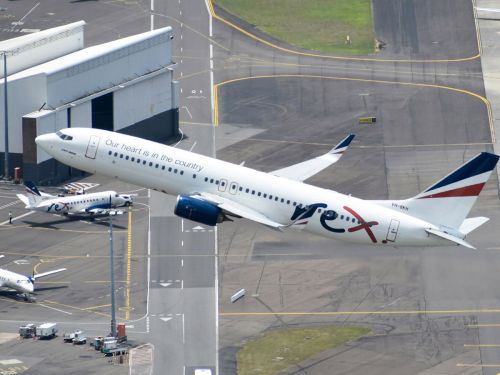
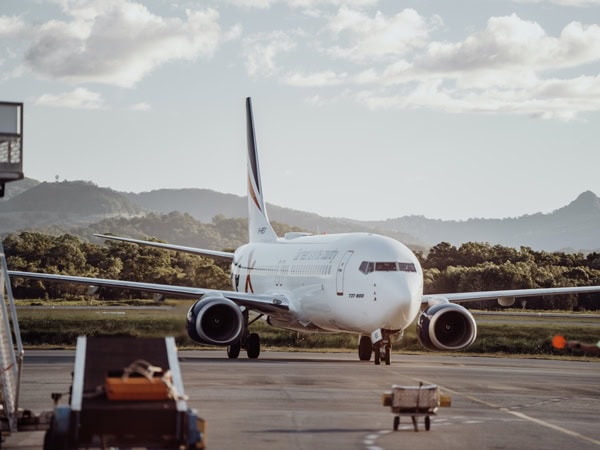
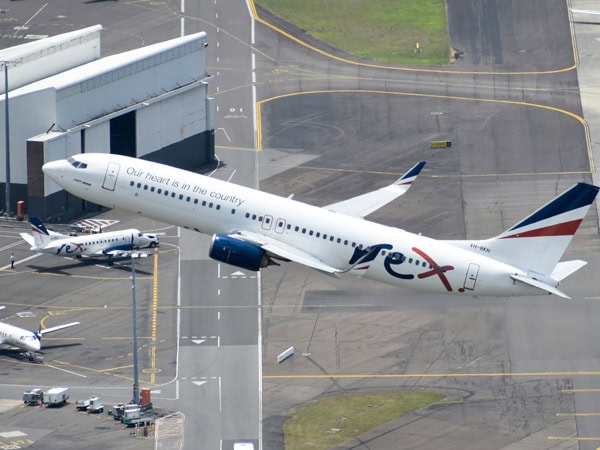
The financial difficulties of Rex Airlines, coming so soon after the bankruptcy of Bonza, have brought into sharp focus one of the federal government’s key priorities for aviation: enhancing passenger rights.
In each case, passengers were left with tickets for flights that did not fly. In the case of Rex, tickets were honoured by rivals Virgin Australia and Qantas, possibly trying to recapture the small toehold Rex had established in the Brisbane-Sydney-Melbourne golden triangle.
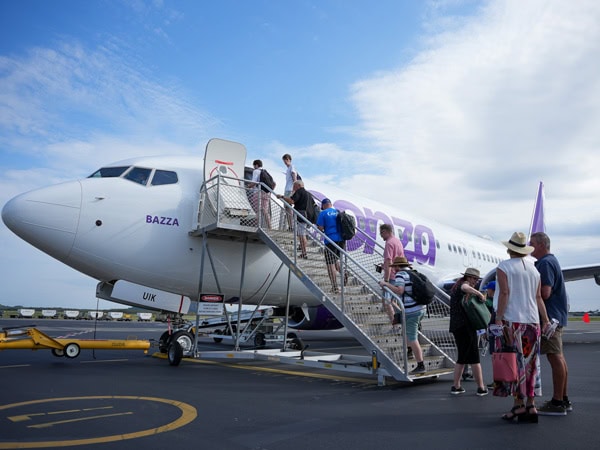
The Bonza story was more complex as the fledgling airline, which collapsed in May, had sought to exploit under-serviced routes to smaller leisure-based cities including Maroochydore and Port Macquarie.
In many cases, passengers were left out-of-pocket and stranded.
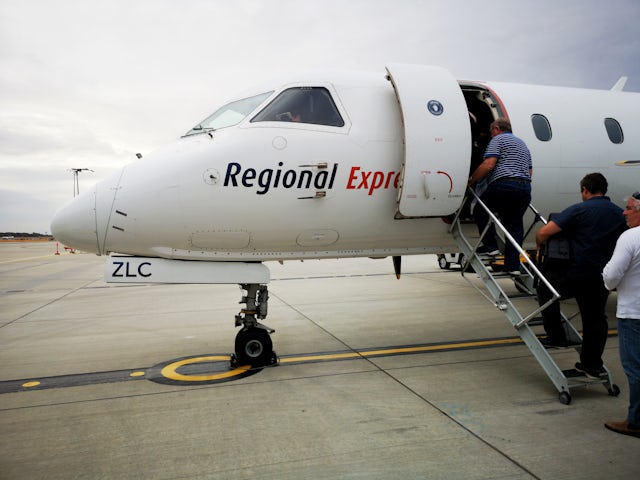
Passenger rights have been brought into sharp focus after the recent financial difficulties of Rex Airlines and Bonza.
Support for an ombudsman
These failures will have emboldened the federal government’s plans to introduce stronger passenger protections and an airline ombudsman.
The release of its policy white paper is imminent. The paper covers aviation issues including competition between airports and airlines, the sector’s environmental impact and better mechanisms for consultation.
After years of opposition, Qantas and Virgin quietly fell in behind the idea in May, signalling a deal is close to being announced.
The ombudsman is designed to protect consumer rights in what is often monopolistic or quasi-monopolistic operating environments. With the exception of residents of southeast Queensland and the western suburbs of Melbourne, most Australians only have one airport from which to fly.
This, coupled with an effective airline duopoly, can lead to higher prices and poorer service for consumers, the Australian Consumer and Competition Commission (ACCC) has argued.
The ACCC has been calling for better passenger rights for more than a decade. But its calls grew louder after it fined Qantas A$120 million for selling “ghost" flights in May.
Passengers did receive refunds, but the process was not easy compared to many overseas jurisdictions where compensation is automatic and based on distance travelled.
Australia is rare among developed countries for not having automatic compensation if a flight is cancelled or delayed.
The EU model
The leader in air passenger rights, as in many areas of consumer protection, is the European Union. The EU Passenger Rights regulation is 20 years old and now also applies to rail and bus passengers.
The regulation favours the passenger and awards compensation of up to €600 (almost A$1,000) for delays or cancellations. There are clauses for when a delay is unavoidable, but generally airlines have now built the scheme into their costs of doing business.
The scheme is well publicised and in 2022, about eight million passengers were eligible for refunds.
Air passenger rights in the UK continued in the EU mould after Brexit and were even strengthened.
But in a 2023 review into the UK scheme, some airlines argued “private insurance was a better option for some passengers", particularly those with disabilities.
The same reasoning led to the removal of Australia’s previous consumer protection scheme for airline passengers, the Travel Compensation Fund, which refunded customers when airlines or travel agencies went bankrupt.
The scheme was ended under the Abbott government in June 2014, with travellers told instead to take out their own travel insurance.
Labor is expected to reintroduce an element of corporate responsibility for airline delays, not least since Brazil, Canada and Türkiye have also followed the EU’s lead.
Brazil’s scheme is particularly generous, with up to R7,500 (A$1,950) available to passengers who have to pay for last minute accommodation if their flight is cancelled.
Lawmakers there countered claims by airlines that low cost airline passengers could stay in cheaper hotels, by applying the compensation uniformly, regardless of travel class.
Popular with voters
Air passenger rights can be a vote winner, too. Before he withdrew his bid for reelection, US President Joe Biden trumpeted the automatic airline compensation scheme the US Department for Transportation will bring in this year.
Until now, airline compensation was mandated by the states without coordinated processes meaning some airlines used vouchers, some credits and a few cash to compensate customers.
Despite this, about US$3 billion (A$4.6 billion) in refunds have been issued to US passengers since 2020, including more than US$600 million to Southwest Airlines passengers alone.
This was due to a serious scheduling crisis which forced the low-cost carrier to cancel almost 60% of its flights in the 2022 summer.
By contrast, in Australia, air passengers have only had basic protections under consumer rights law since deregulation in 2002.
There is no guarantee of a seat or even flight the consumer purchased. This has led consumer advocates including Choice to support calls for an airline ombudsman and automatic delay and cancellation compensation.
Justin Wastnage, Adjunct Industry Fellow, Griffith Institute for Tourism, Griffith University.
This article is republished from The Conversation under a Creative Commons license. Read the original article.
Want to see more stories from Australian Traveller in your Google search results?
- Click here to set Australian Traveller as a preferred source.
- Tick the box next to "Australian Traveller". That's it.