hero media

After years of restorations, Jenolan Caves is finally reopening

Credit: Destination NSW

The beloved Blue Mountains icon making a comeback in 2027.

In early 2024, severe weather and flash flooding swept across NSW’s Blue Mountains, leaving devastation in its wake. Large parts of the region were impacted, including must-visit attractions like the Megalong Valley, Echo Point and Jenolan Caves.
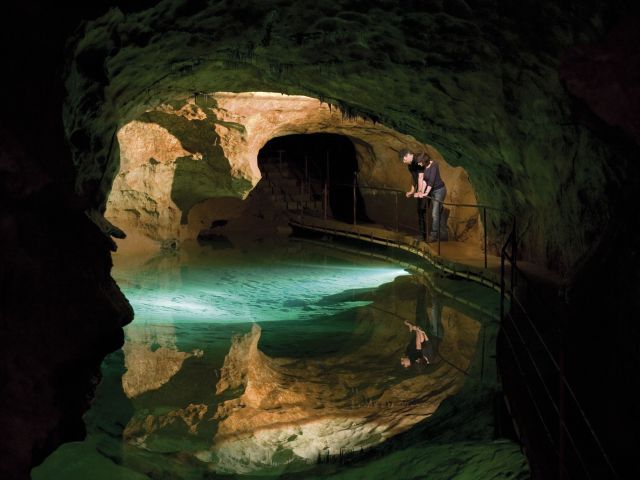
Jenolan Caves in the Blue Mountains, NSW
Jenolan Caves closed to the public following severe weather damage in 2024. (Credit: Jenolan Caves)

But as repairs were carried out and sites gradually reopened, access to Jenolan Caves remained strictly off limits. Months and then years passed, with many of us left wondering if it would ever welcome visitors again.

Now, the news we’ve all been waiting for is official. Following major restorative works and years of closure, one of Australia’s top natural wonders is finally making its long-awaited return.

When will Jenolan Caves reopen?

While the Jenolan Caves Reserve Trust is yet to confirm an exact date, the public can expect Jenolan Caves to reopen in early 2027. The milestone comes after almost three years of large-scale restoration works, made possible with help from the state government, Transport for NSW and NSW National Parks and Wildlife Services.
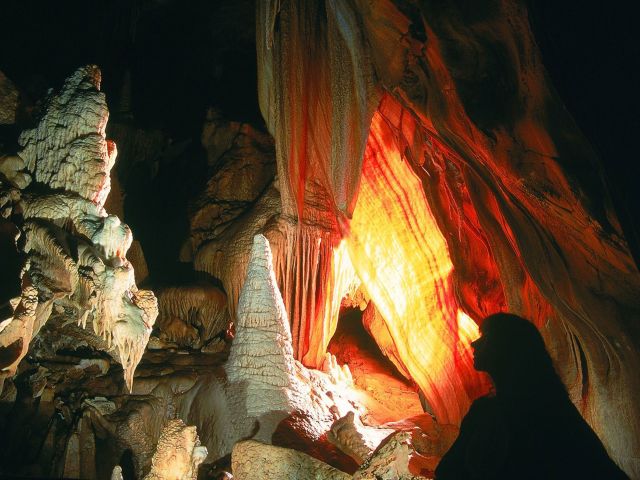
Jenolan Caves in the Blue Mountains, NSW
The natural wonder will finally reopen to visitors in early 2027. (Credit: Jenolan Caves)

Damage caused by the 2024 weather event was extensive and widespread. Thankfully, the cave system itself remained largely intact, no small feat considering it is the oldest of its kind in the world – dating back more than 300 million years.

But the infrastructure that facilitated tourism access to the site was significantly damaged. Roads were swept away, landslides filled Blue Lake with debris and the historic Caves House was inundated with floodwater. Over the following years, multiple governing bodies came together with the Jenolan Caves Reserve Trust to coordinate an extensive recovery effort.
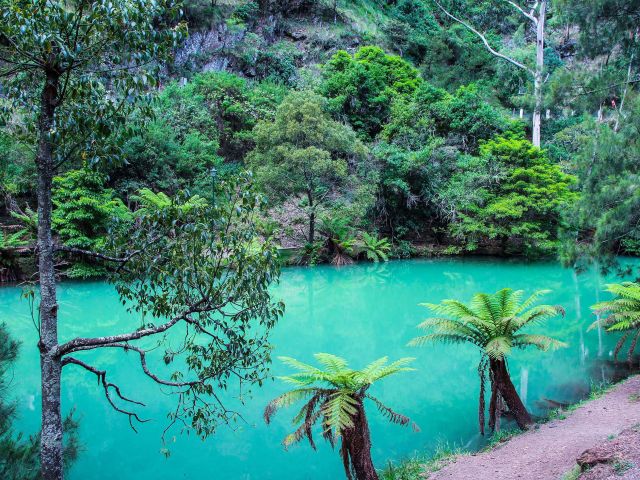
Blue Lake at Jenolan Caves in the Blue Mountains, NSW
The once vibrant Blue Lake was swamped with debris. (Credit: Destination NSW)

As of 2026, work across the site is ongoing, with upgrades progressing steadily and maintenance already yielding positive results. But while the finer details may remain uncertain, one thing is for sure: Jenolan Caves is on track for a more resilient future.

Need tips, more detail or itinerary ideas tailored to you? Ask AT.

AI Prompt

What’s new at Jenolan Caves?

Once it reopens, Jenolan Caves will look a little different to how we remember it. So, what can visitors expect upon their return in 2027?

The first changes you’ll notice will likely be the more practical ones, which are also some of the most important. The Two Mile section of Jenolan Caves Road will not only be fully repaired, but futureproofed to better withstand extreme weather events.
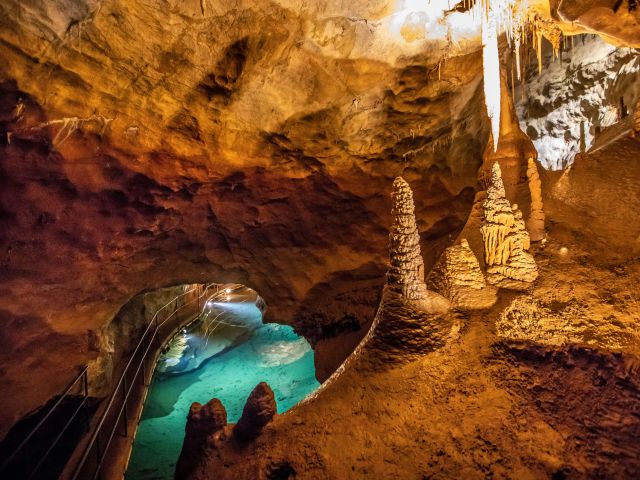
Jenolan Caves in the Blue Mountains, NSW
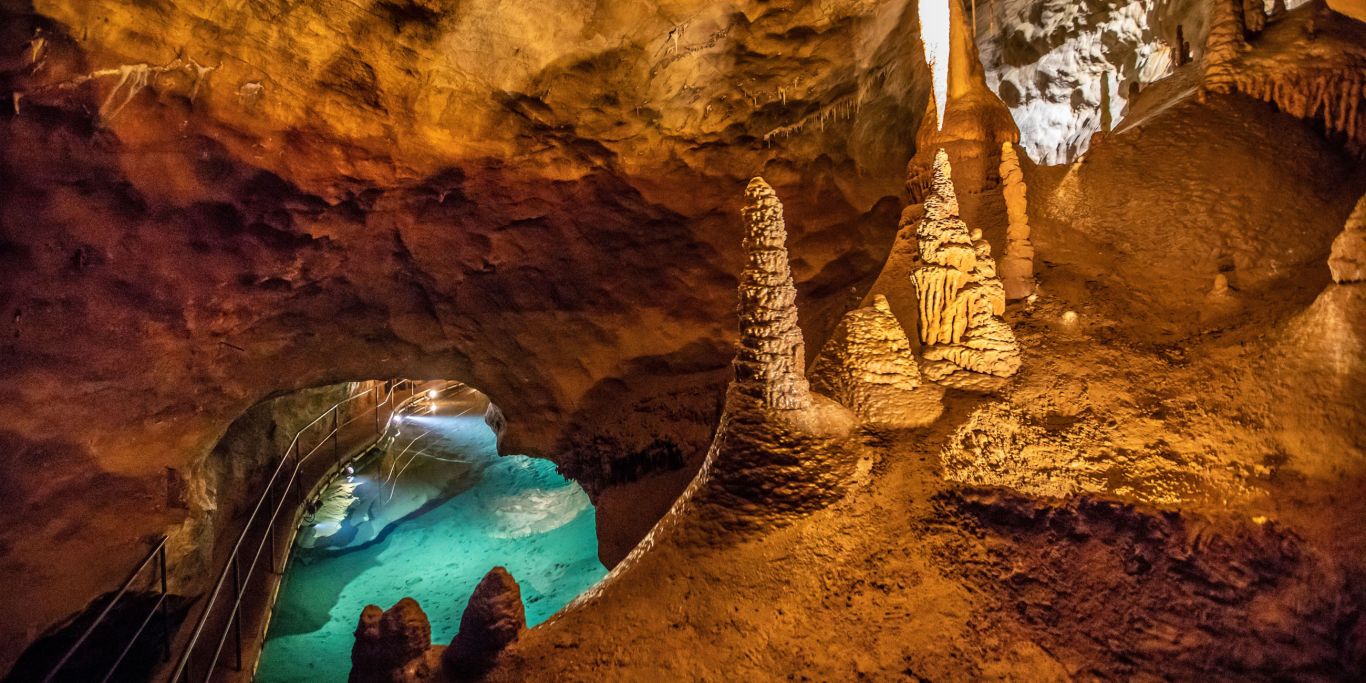
Infrastructure within the caves has been reinforced to ensure visitor safety. (Credit: Destination NSW)

The visitor carpark will also be upgraded to improve access and vehicle flow. Critical infrastructure both outside and within the cave systems will be reinforced, with the addition of culverts, drainage and other weather-resilient systems.

Thanks to extensive renovations, the historic Caves House is getting a new lease on life, too. Features include new en suites and air-conditioning in guestrooms, a hydronic heating system in communal areas, and improved accessibility throughout the building.
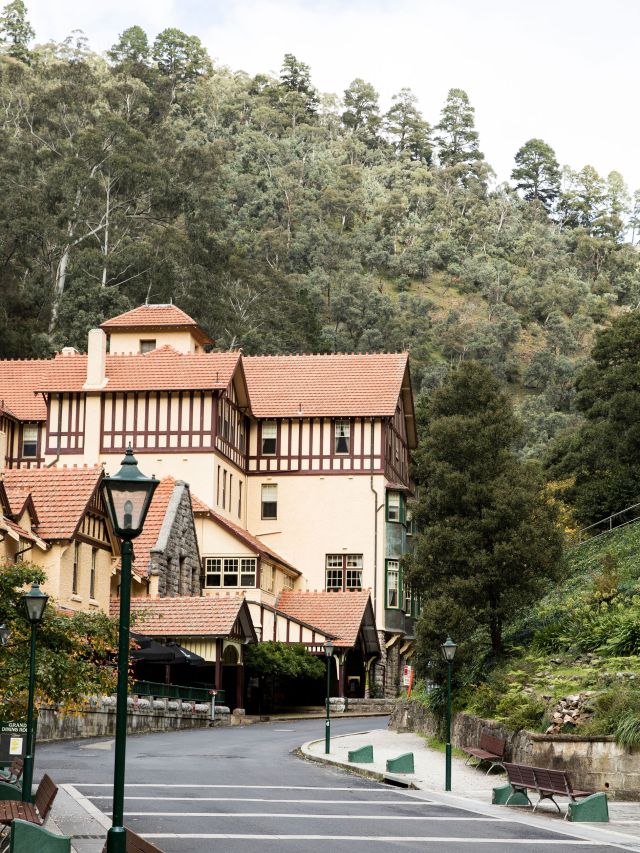
Caves House at Jenolan Caves in the Blue Mountains, NSW
Caves House is undergoing a full refurbishment. (Credit: Destination NSW)

Public guest spaces, from the reception desk and bar to the guest lounge and laundries, will all be fully refurbished. Fresh paint and carpet will complete the stylish makeover.

Outside, walking trails across the site will be revitalised to improve safety and navigation. A new boardwalk is also taking shape at Blue Lake, with more details to come closer to reopening.

Altogether, the restoration will deliver a completely renewed visitor experience once Jenolan Caves reopens in 2027. But returning guests needn’t worry. It’s still the special place you know and love, now just better equipped to stand the test of time.

Want to see more stories from Australian Traveller in your Google search results?

  1. Click here to set Australian Traveller as a preferred source.
  2. Tick the box next to "Australian Traveller". That's it.
Taylah Darnell
Taylah Darnell is Australian Traveller's Writer & Producer. She has been passionate about writing since she learnt to read, spending many hours either lost in the pages of books or attempting to write her own. This life-long love of words inspired her to study a Bachelor of Communication majoring in Creative Writing at the University of Technology Sydney, where she completed two editorial internships. She began her full-time career in publishing at Ocean Media before scoring her dream job with Australian Traveller. Now as Writer & Producer, Taylah passionately works across both digital platforms and print titles. When she's not wielding a red pen over magazine proofs, you can find Taylah among the aisles of a second-hand bookshop, following a good nature trail or cheering on her EPL team at 3am. While she's keen to check out places like Scotland and North America, her favourite place to explore will always be her homeland.
View profile and articles
hero media

7 Lake Macquarie secrets the locals don’t want you to know

Credit: Beau Pilgrim

An untapped side to this popular holiday spot is hiding in plain sight.

Laidback Lake Macquarie draws in holidaygoers and day trippers with its casual coastal allure and raw beauty. But even though it’s just 90 minutes from Sydney, most visitors have only scratched the surface of what this region has to offer.

Foodie hotspots, quaint towns, tranquil waterways and compelling art are all waiting to be discovered. You just need to know where to find them.

1. Most visitors don’t make it to the western side

Explore beyond the western side. (Credit: Beau Pilgrim)

While there’s no harm in walking the well-worn path in this idyllic pocket of the world, the area west of Lake Macquarie is defined by stretches of ancient rainforests and quaint towns with a more local feel. Toronto is the largest town on this side and features a golf course and sailing clubs, while peninsula-based Wangi Wangi is fantastic for bushwalking and swimming.

2. There’s a booming arts scene

Museum of Art and Culture, YAPANG
Discover the Museum of Art and Culture, YAPANG.

Lake Macquarie is a must-visit destination for creatives. Discover the Museum of Art and Culture, YAPANG; this modern gallery is set on a five-hectare sculpture park and showcases a free rotating program of exhibitions and events, with a strong focus on contemporary Aboriginal art. In Wangi Wangi, explore the Wangi Owl Trail, which includes Dobell House, the preserved home of prolific artist Sir William Dobell. And enjoy live music every Saturday evening at the recently renovated Toronto Hotel.

3. It’s a nature lover’s paradise

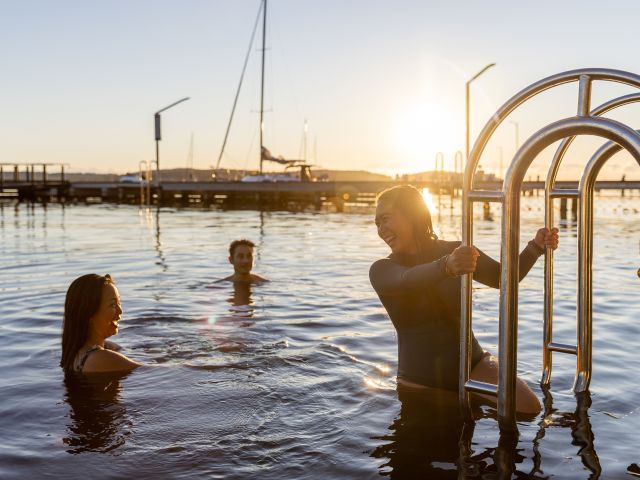
three people swimming in lake macquarie
In and out of the water, find a natural paradise. (Credit: Beau Pilgrim)

Lake Macquarie is a playground for nature lovers. It’s home to Australia’s largest saltwater lake, a 110-square-kilometre haven for swimming, fishing, boating and sunset views. Another oasis is the Lake Macquarie State Conservation Area, a 761-hectare protected reserve with wildflowers, Second World War heritage sites and spectacular views to Pulbah Island. The upgraded Toronto baths, complete with jetty decking and netting, make for a sheltered spot for a refreshing dip, while the Awaba Mountain Bike Park gives adrenaline junkies their fix.

4. The dining scene is unbeatable

8 at Trinity lake macquarie
Treat yourself to 8 at Trinity.

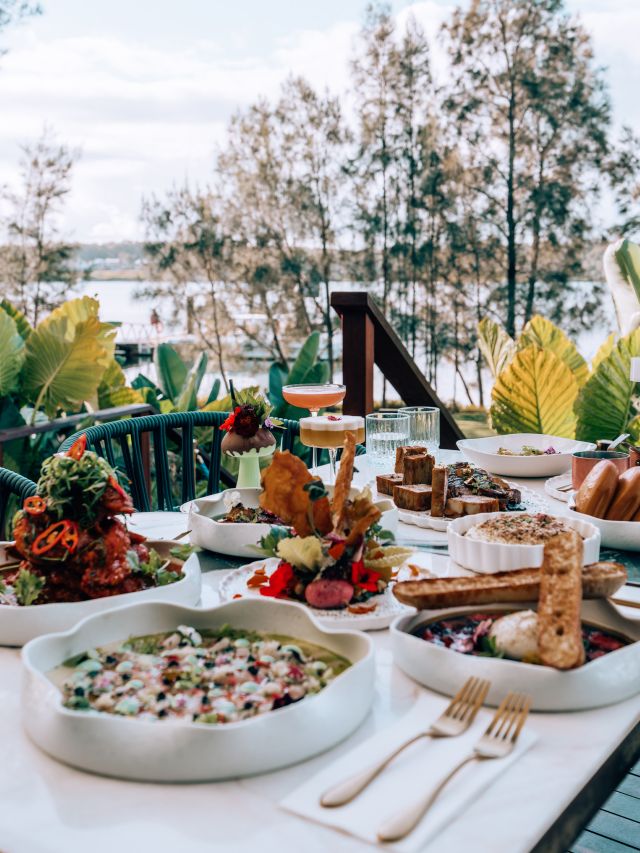
Gourmands are well looked after in Lake Macquarie. At Emerson’s on the Lake in Toronto, the modern Australian fine dining menu spoils seafood lovers with the freshest ocean produce and stunning lake views. Sitting on Trinity Point’s waterfront, 8 at Trinity is another standout offering, serving Mediterranean fare in an open-air setting. For a more relaxed affair, the microbrewery trail lets craft beer enthusiasts sip on inventive brews from The Yard, Lake Mac Brewing and Bread & Brewery.

5. There are hidden coves and waterways

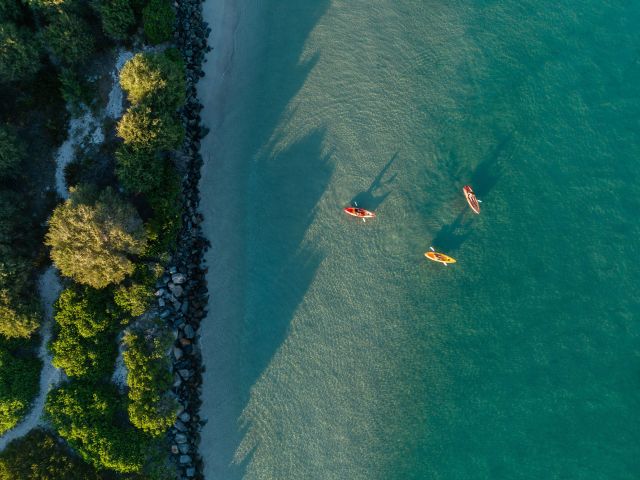
kayakers on lake macquarie local secrets
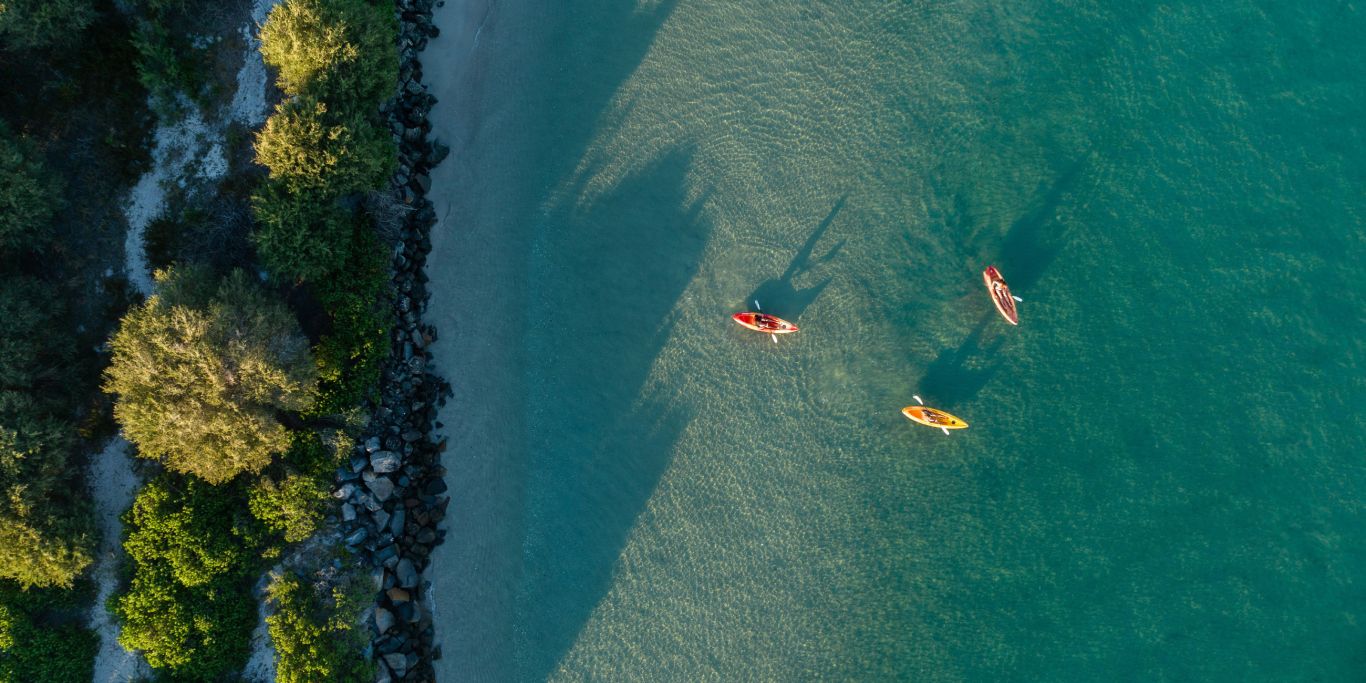
Get out onto the lake. (Credit: Beau Pilgrim)

There’s no better way to experience Lake Macquarie than directly on its waters, and in doing so you’ll discover a world of hidden coves and secluded waterways. Jump in a kayak for a tour with the friendly team at School of Yak and paddle to Cockle Creek, Awaba Bay, Green Point and Fennel Bay, discovering underwater life along the way. Or go all in and stay the night on one of Lake Macquarie Houseboats’ spacious vessels or hire a BBQ pontoon boat for the day from Lake Macquarie Boat Hire to enjoy a feast in the sunshine while admiring the marine life and picturesque waterscape.

6. It’s a birdwatcher’s paradise

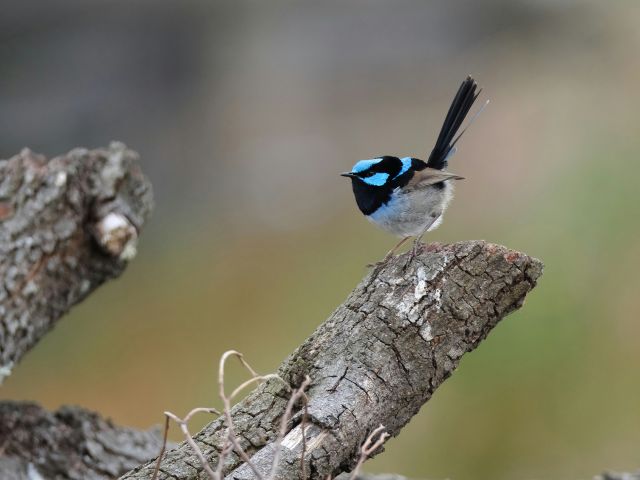
ll blue wren sitting on a tree branch
Keep an eye out for local birdlife. (Credit: Walter Coppola)

Twitchers are in for a real treat as hundreds of fascinating bird species such as Australian pelicans, black swans, white-bellied sea-eagles and superb fairy-wrens call this area home. Take a self-guided tour around top spots including Bird Cage Point and Lake Macquarie State Conservation Area (near Morisset) or be guided in a clear-bottom kayak through the waterways with Lake Macquarie Kayak Adventures, observing feathered friends as you go.

7. The lake has islands

sail lake macquarie
Charter a boat to see Lake Macquarie’s islands.

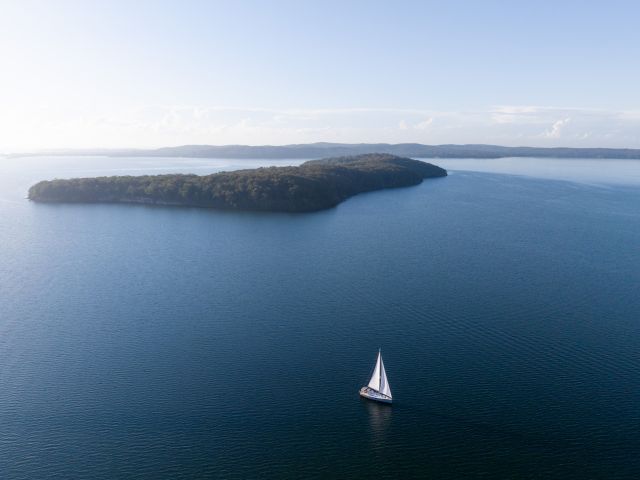
Hop on a private boat, kayak or charter around the lake to discover the plethora of small islands peppered around Lake Macquarie. The largest is Pulbah Island, a 69-hectare nature reserve home to goannas and sugar gliders with secluded beaches. Sandy islands such as Spectacle Island and Pelican Island have a tropical lagoon-like look to them as they sit in the tidal path of Swansea Channel, which filters the sand and creates a pristine environment. Stop by for a dip and a picnic.

Start living like the locals at visitlakemac.com.au.