Australia’s first wine region reveals its undiscovered side

hero media
Australia’s first wine region remains one of its favourites. But even for those of us who know the Hunter Valley well, it still holds surprises as it evolves while staying true to tradition.

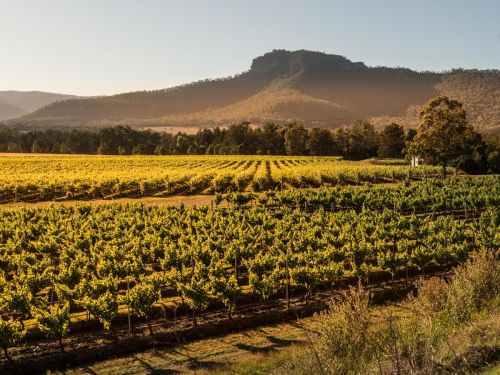
There are certain points during a trip to the Hunter Valley that make you feel like you’ve stepped straight into a Frederick McCubbin painting. The Australian impressionist captured in brushstrokes an early Australian pastoral ideal in all its tawny shades of green and burnished golds offset by a blue sky or a marbled sunset. And despite being Australia’s most popular wine region, just over two hours from Sydney and an even quicker skip down the road from Newcastle, the Hunter still serves up these vistas in abundance and quick succession: revealed once you round a bend en route from one winery to another, kangaroos grazing in the grasses in your periphery.

The Hunter’s ability to surprise

Traditional Lands of the Wonnarua people and encompassing 2605 hectares of vineyards, the Hunter is a patchwork of smaller subregions each with its own nuances in terms of wine characteristics. I join a gathering at Carillion Wines at Tallavera Grove to celebrate the 16th annual Hunter Valley Legends Awards, which recognises the region’s past, present and future.
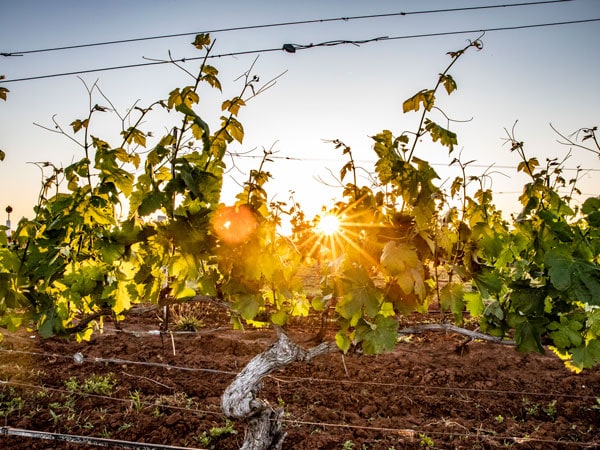
sun rising over Hunter Valley
The sun rises over vineyards in Australia’s oldest wine country, the Hunter Valley. (Image: Destination NSW)

Here in Mount View, in what has poetically been described as the dress circle of the Hunter Valley, vines grow on terra rossa soils derived from underlying limestone that you’d more readily associate with South Australia’s Coonawarra cabernet sauvignon than in a glass of classic Hunter semillon, verdelho, chardonnay or shiraz. Such is the surprise you can still find here. And, as we look out towards the vineyards cushioned by rolling hills, the bucolic vista belies the region’s urban proximity. “Welcome to this beautiful part of the valley," says chef Robert Molines of adjoining restaurant Bistro Molines, gesturing to the view. “That’s why we turn up every day."
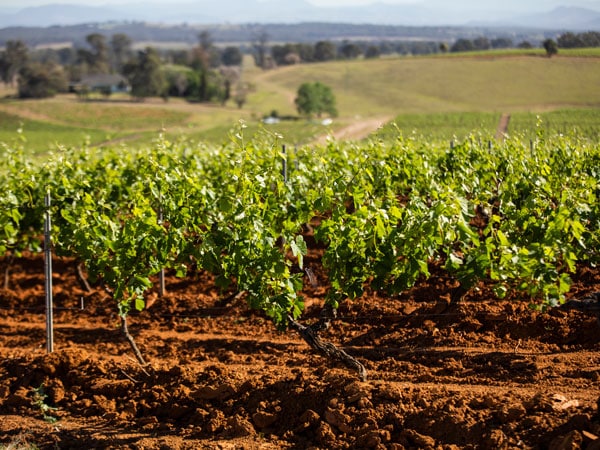
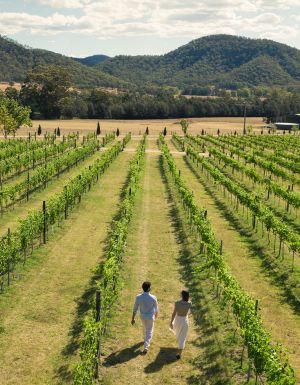
a vineyard in Hunter Valley
Stroll along Hunter Valley’s picturesque vineyards. (Image: Destination NSW)

With vines first planted from 1828, and on the map as a wine region both locally and internationally by the late 1800s, the Hunter Valley is Australia’s oldest and most visited surviving commercial wine region. Famous Australian wine names such as Wilkinson and Tyrrell are among the pioneering families still rooted in Hunter winemaking tradition today. And as I stand here right now among legends, including fourth-generation winemaker Bruce Tyrrell, I contemplate what has changed and what has stayed the same.
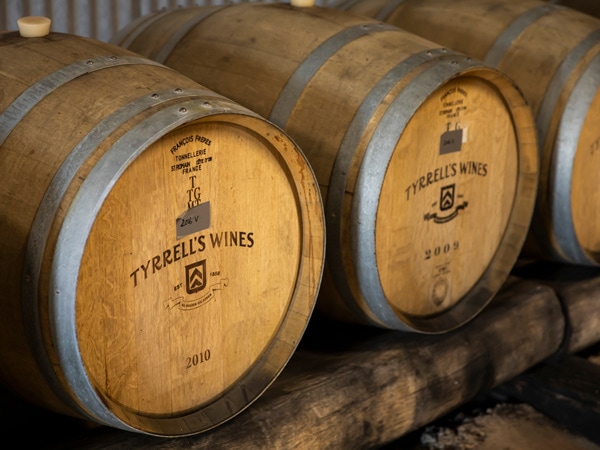
wine barrels at the Tyrrell’s Wines
Tyrrell’s Wines was founded in 1858 and is one of the region’s pioneering wineries. (Image: Destination NSW)

A wine trail in Broke Fordwich reveals an indie side to the Hunter

A further revelation comes in the shape of another subregion of the Hunter Valley. Just 20 minutes from the hub of Pokolbin, where you’ll find institutions such as Brokenwood and Tyrrell’s, Broke Fordwich feels a world away. With unique basalt- and iron-rich soils producing idiosyncratic wines, it even has its own Geographical Indication (GI).

The landscape, framed by ridges and mountains, opens up into those McCubbin vistas again. “Isn’t this God’s country?" asks our driver, Peter Butler of Rover Coaches, emphatically. An old romantic who’s ever-ready with a story of a Hunter proposal or wedding, he loves to bring guests to this pocket of the valley: “People don’t know it’s here."
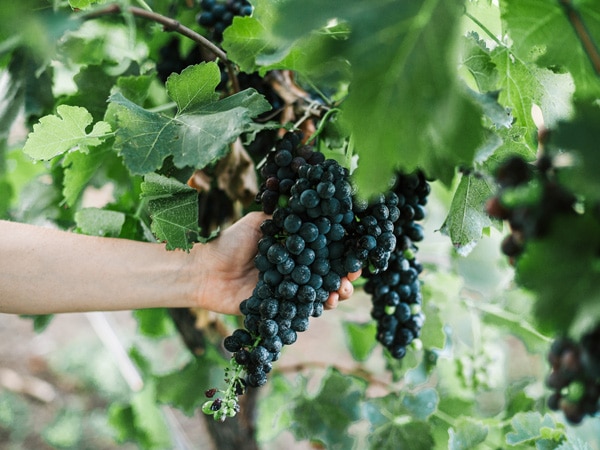
Shiraz and cabernet sauvignon grape varieties in Hunter Valley vineyards
Shiraz and cabernet sauvignon are among the red varietals in Hunter Valley vineyards.

Dotted with small, passionate businesses, Broke retains an indie streak. At Running Horse Wines , David Fromberg pours tastings to a soundtrack of alternative music while views of the equine-dotted paddocks flood in through huge shipping-container windows.

Family-run BARE Nature’sKin is an eclectic apothecary where you can stock up on handmade soaps and olive oil. French-inspired Krinklewood Estate is the Hunter’s first certified biodynamic winery: peacocks saunter between tables dotted around the sun-dappled courtyard while patrons linger over a cheese platter and basket press shiraz.
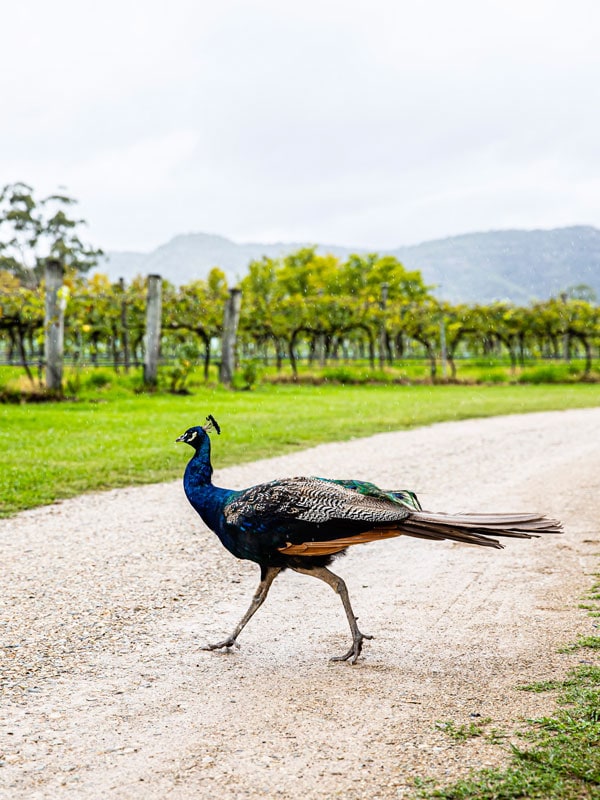
a peacock strolling around Krinklewood Estate
A peacock struts around Krinklewood Estate. (Image: Nikki To)

“We have a great community," says Karin Adcock, Winmark Wines owner and vigneron, who was instrumental in establishing a wine trail through the area. “It’s such an important thing for us to have a good wine trail that shows the world there’s a reason to come to Broke and many good places to visit. There’s a really good camaraderie between the vineyards and people are happy to help and share their knowledge."
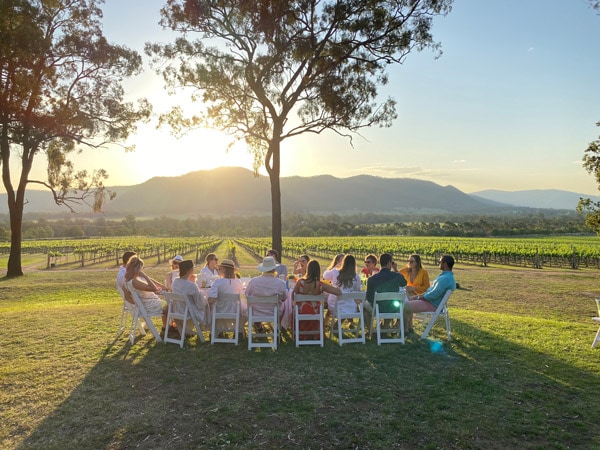
guests sipping chardonnay in the sun at Winmark Wines
Sip chardonnay in the sun at the cellar door of the year Winmark Wines.

Winmark Wines is fresh from winning Cellar Door of the Year at the 2023 Hunter Valley Legends Awards . Karin is breaking the mould with a winery – which translates to Field of Vines in her native Danish – dedicated solely to making best-in-class chardonnay with the help of leading viticulturist Liz Riley and vineyard manager David Grosser.
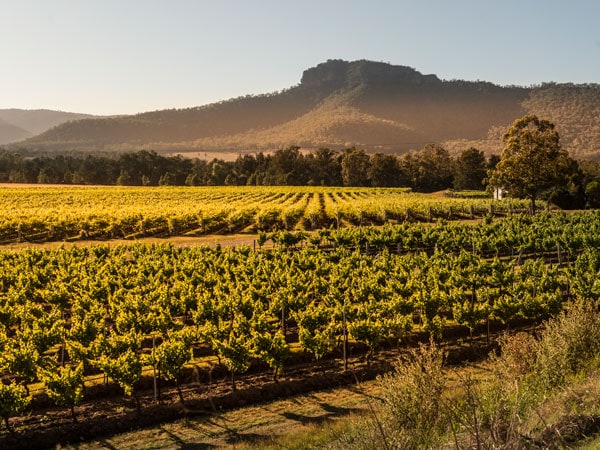
scenic vineyards over Yellow Rock and the Broke Fordwich wine region
Take in magical views over Yellow Rock and the Broke Fordwich wine region.

The mission? To introduce drinkers to the versatility of modern chardonnay (and banish any oak-driven preconceptions). The winery, which sits at the base of Yellow Rock, also does triple duty as an art gallery and accommodation complete with a tiny home and guest houses whose walls are lined with paintings; Karin, who brought Pandora jewellery to Australia, is an avid collector of art and sculpture.

That Karin doesn’t come from a winemaking background adds to the winning equation: she questions and innovates. And, from the boutique cellar door in the old storage shed to the barista coffee cart, activities for kids and sculpture walk, everything here is executed impeccably. “What gets me out of bed in the morning? Making people happy through exceptional experiences," says Karin.

It hasn’t quite nudged midday when I’m sipping chardonnay and eating homegrown olives pickled in fennel while looking out over the vines as Rosie the mini cavoodle darts around between tables. The sunsets here are said to be spectacular, with the light illuminating the dramatic sandstone escarpment. But Margan Wines down the road in Broke beckons for lunch at its elegant agri-dining restaurant and a tour of the property with Ollie Margan and 2023 Viticulturist of the Year, Nicolas Looby. In 2020, Ollie returned to the Hunter from Adelaide, where he ran cocktail bar Maybe Mae, to make wines at the family estate.
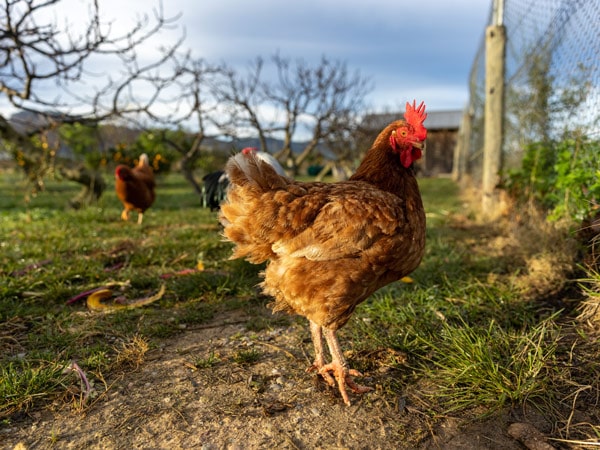
a chicken at Margan Estate, Hunter Valley
Estate-grown produce informs the menu at award-winning Margan Wines and Restaurant. (Image: Destination NSW)

He brings fresh ideas and a passion for sustainable, regenerative practices, with efforts focused on establishing an ecosystem that takes care of itself, he says. While traditional winemaking has been focused around a monoculture style of farming, the long-term plan is about improving soil vitality; currently, several biodynamic farming practices are employed and, as of 2020, Margan Wines set about converting its entire Broke property to organic. “You can evolve while respecting traditions," Ollie says.
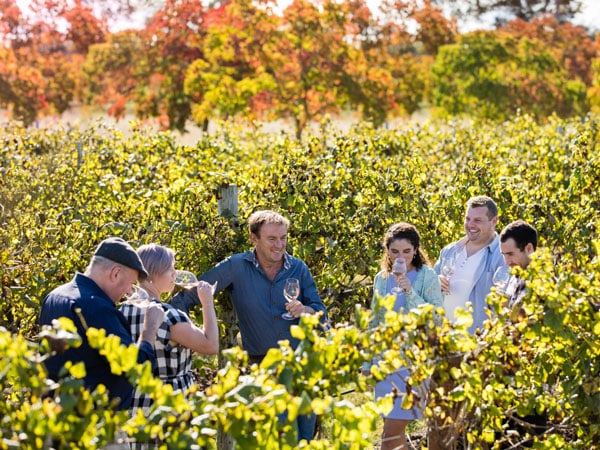
guests sampling wine atMargan Estate
Sampling wine in situ at Margan Estate. (Image: Hunter Valley Wine & Tourism Association)

A new generation of winemakers

Ollie is part of a new generation of winemakers who are finding space in a landscape steeped in history. For young-gun winemaker Emily Glover, who works at De Iuliis and is branching out with her own label, it’s about refocusing styles the region is famous for and building on wine with texture.

“The first release from Glover Wines embraces semillon in its traditional style. The result of attention to detail and a minimal-intervention approach is pristine young wine with subtle layers of texture," says Emily. “This style is made to be delicious and approachable as a young wine, but I hope will stand the test of time and sit among the other great wines of the Hunter Valley in years to come."

Hunter Valley alumni are spread all across Australia’s wine regions and are part of a proud tradition. Emily, who grew up locally, opted to stay and feels positive about more of the established winemakers opening up opportunities for young makers to cut their own groove. And others are making their own opportunities, too.

Mercedes Mendoza and Pierre Toumanoff started Stay n’ Sip , the Hunter Valley’s first after-hours wine-tasting service, in 2020 after meeting while studying at the Wine & Spirit Education Trust. They spotted a gap in the market: with wineries and cellar doors closed come 5pm, why not bring the wine to the visitors’ accommodation for an intimate tasting among friends?

Mercedes and Pierre, who previously worked at Krinklewood, work their Hunter connections to bring to the table exclusive wines that showcase the region and that you can’t buy elsewhere.
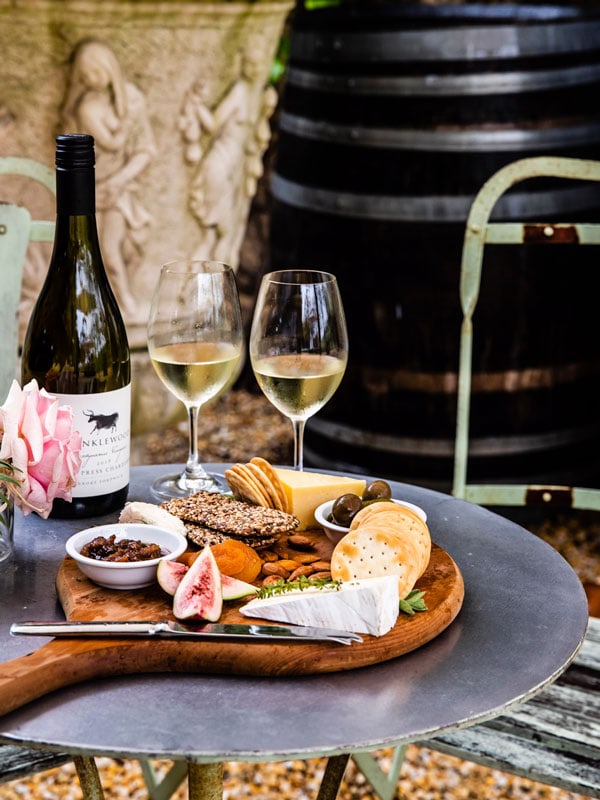
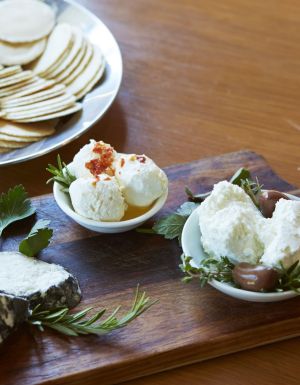
wine and cheese platter at Krinklewood Estate
Krinklewood Estate is a French-inspired biodynamic winery. (Image: Nikki To)

At Spicers Guesthouse , before enjoying a sumptuous dinner at in-house restaurant éRemo , we take our seats for a Gourmet Wine Tasting featuring drops from boutique cellar doors and private cellars matched with locally produced cheeses, honeycomb and chocolates. It’s a fun, interactive session that gets the whole group animated. “Even if you don’t speak the same language, open a bottle of wine and you understand each other," Pierre rightly says.

At Thomas Wines’ cellar door , third-time Winemaker of the Year Andrew ‘Thommo’ Thomas introduces us to his Like A Version bracket of semillon. A concept borrowed from Triple J radio’s Friday morning segment, here he presents the ‘original’ and a ‘cover version’ from one of the Hunter Valley’s most iconic semillon vineyards.

Guest winemakers include Ollie Margan and the Barossa’s Reid Bosward in collaboration with Thommo’s winemaker son, Daniel Thomas. We sample and compare notes. “It’s my nod to the lo-fi movement," Thommo says, “but at the same time, reinforcing why we do what we do." Offering a true sense of place, classic styles are still worth celebrating.
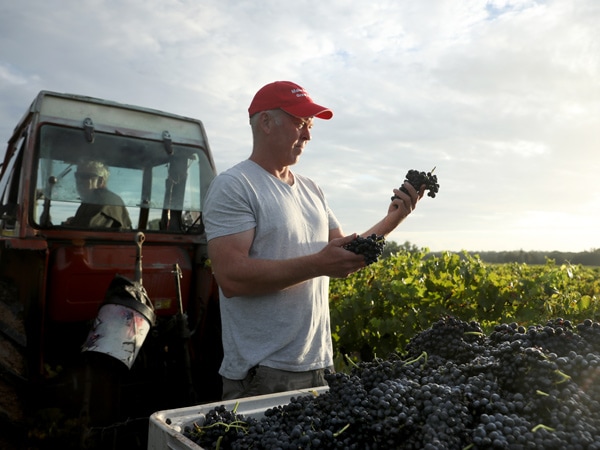
a man harvesting shiraz grapes at Thomas Wines
Harvesting shiraz grapes at Thomas Wines. (Image: Elfes Images)

A look back to the past

Back at Mount View, with those idyllic views from Carillion Wines, I speak to 2023 Tourism Industry Living Legend John Stevens, recognised for his 35-year commitment to tourism in the region including the development of The Vintage, and to Bruce Tyrrell, another living legend.

Bruce remembers when the Hunter was all dirt roads and a handful of wineries. The building of the freeway has been the biggest change, he says, cutting the four-and-a-half hour trip from Sydney in half and opening the region up to more visitors. In 2012, he and John worked together on the Vineyard Vision masterplan, which course-corrected the direction of evolving the valley. “It kept the fabric of what the valley was all about, and not overdeveloped," says John.
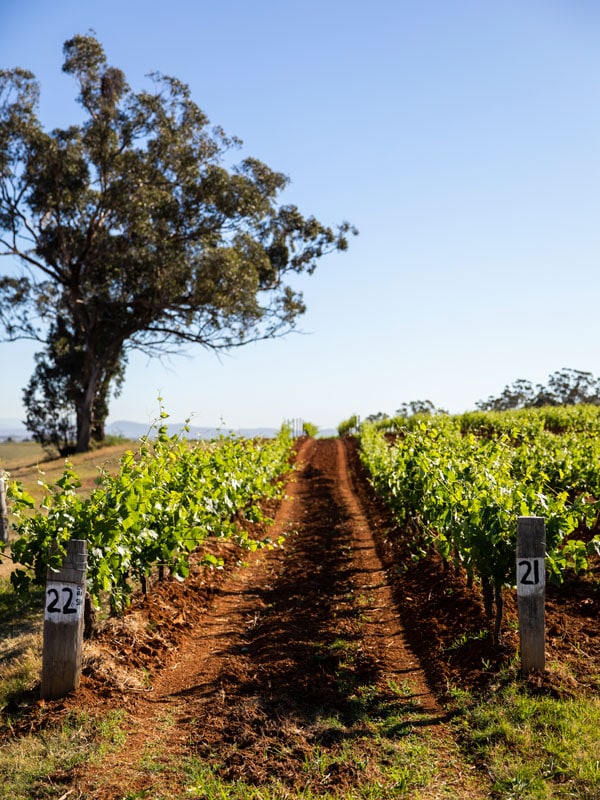
the vineyards at Tyrrell’s Wines
Tyrrell’s Wines is one of the oldest and most successful wineries in the region. (Image: Destination NSW)

“We need to continue to specialise in what we do – high-quality wine," says Bruce, while moving towards sustainable winegrowing; Tyrrell’s is part of Sustainable Winegrowing Australia and is aiming to become certified sustainable by the end of 2023. So some things have changed in Australia’s most enduring wine region, but thankfully much has stayed the same, too. “It’s about preserving the rural outlook," says Bruce, as we drink in the view.
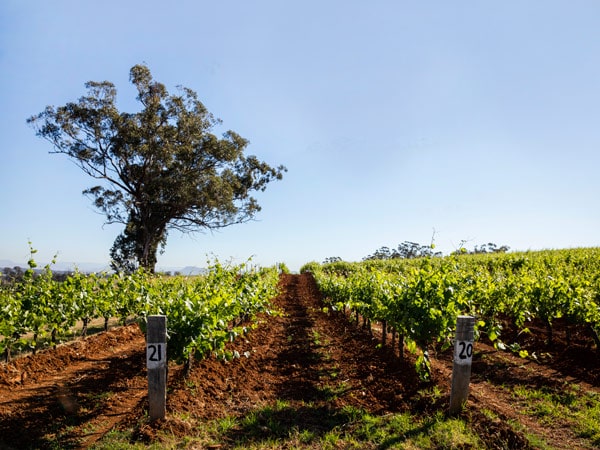
the vineyards at Tyrrell’s Wines
Family-owned Tyrrell’s Wines is a Hunter institution. (Image: Destination NSW)

A Traveller’s Checklist

Getting there

It takes about two hours via the M1 Motorway to get to the Hunter Valley from Sydney and one hour from Newcastle.   

Staying there

Château Élan at The Vintage is located mere steps away from the manicured fairways so you can play and stay in Pokolbin.
Spicers Guesthouse draws on the soft and subdued palette of the Hunter Valley for inspiration and has all the style and substance of a property in the Spicers stable.
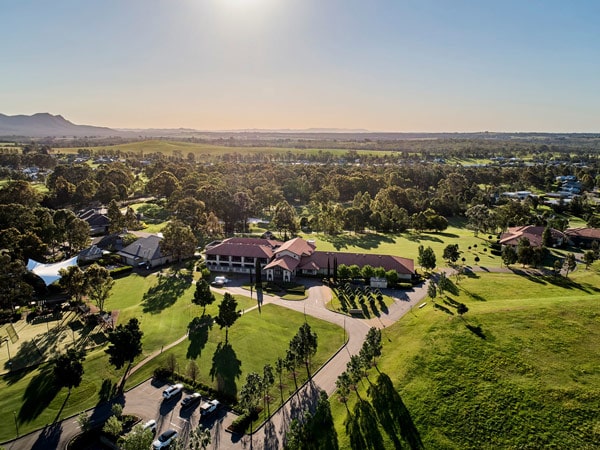
an aerial view of Château Élan
Château Élan at The Vintage. (Image: Destination NSW)

Family-run Tower Lodge is a unique and stylish luxury stay in the heart of Pokolbin, offering 14 suites, a fine dining restaurant, an outdoor pool and front-row seats to the best of the Hunter. 
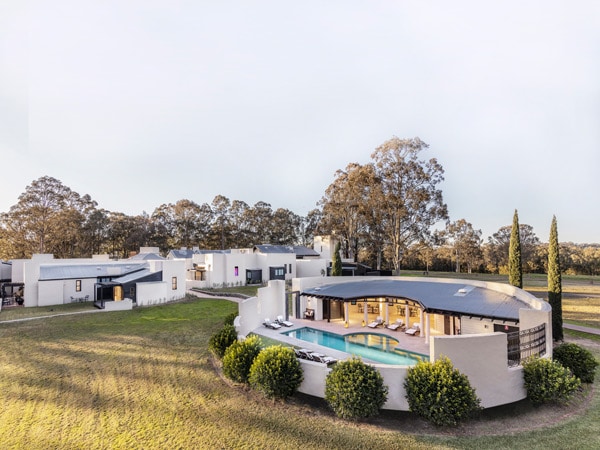
an aerial view of the outdoor pool at Tower Lodge
The outdoor pool at Tower Lodge offers respite and wellness between wine tastings. (Image: Hamilton Lund Photographer)

Playing there

Broke Fordwich wine trail encourages visitors to plot their own course to discover regional revelations, such as Winmark Wines and other hidden gems.

The Stay n’ Sip team will tailor a private, tutored wine-tasting experience and deliver it at your accommodation.

Experiences at Tower Lodge include everything from the flight of a lifetime in a helicopter or hot air balloon, to a chic-nic in the vines – all from a luxe base.

Balloon Aloft now operates NSW’s first wheelchair-accessible hot air balloon flight from the Hunter Valley.

The Hunter Valley has more than 50 wineries and cellar doors with accessible toilets, grab rails or ramps, as well as a raft of easy-access eateries and attractions. 

Eating there

Bistro Molines has a vibe that has been perfected by restaurateurs Robert and Sally Molines to match the sort of place you might find in Provence.
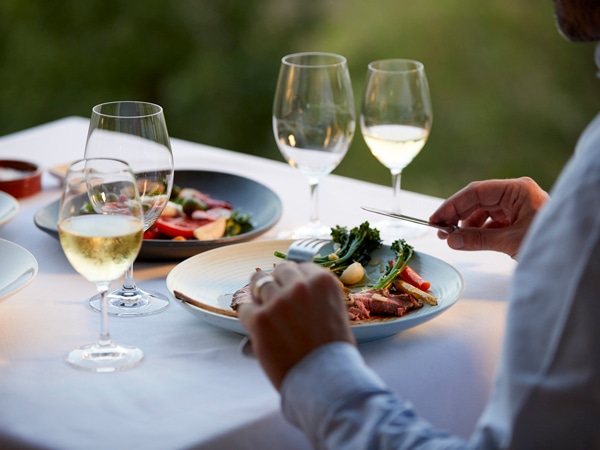
dining at Bistro Molines
Bistro Molines is a charming restaurant with bucolic vineyard views. (Image: Destination NSW)

Margan Restaurant & Winery is a must while in the Hunter: the family-run estate is acclaimed as much for its agri-dining experience as its environmental stewardship. 
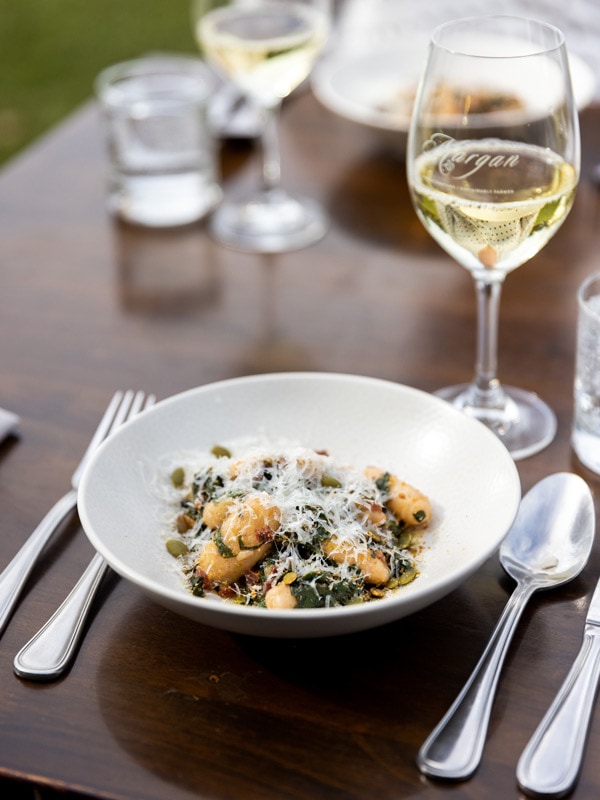
food and drinks on the table at Margan Restaurant & Winery
Margan Restaurant & Winery is known for its paddock-to-plate dining.
Imogen Eveson
Imogen Eveson is Australian Traveller’s Print Editor. She was named Editor of the Year at the 2024 Mumbrella Publish Awards and in 2023, was awarded the Cruise Line Industry Association (CLIA) Australia’s Media Award. Before joining Australian Traveller Media as sub-editor in 2017, Imogen wrote for publications including Broadsheet, Russh and SilverKris. She launched her career in London, where she graduated with a BA Hons degree in fashion communication from world-renowned arts and design college Central Saint Martins. She is the author/designer of The Wapping Project on Paper, published by Black Dog Publishing in 2014. Growing up in Glastonbury, home to the largest music and performing arts festival in the world, instilled in Imogen a passion for cultural cross-pollination that finds perfect expression today in shaping Australia’s leading travel titles. Imogen regularly appears as a guest on radio travel segments, including ABC National Nightlife, and is invited to attend global travel expos such as IMM, ILTM, Further East and We Are Africa.
See all articles
hero media

Why the Central Coast is a foodie mecca

Underpinned by grassroots hospitality and award-winning organic produce, the Central Coast’s gastronomy scene is thriving, with the region quickly becoming one of the best destinations in NSW for epicures.

Revered for its rugged natural splendour and laid-back seaside charm, NSW’s Central Coast has soared in popularity in recent years, becoming a top choice for an affordable slice of weekend escapism for Sydneysiders. Just a short 45-minute drive north of Sydney, it’s the kind of place that, no matter how many times you visit, leaves you with the sense that there’s always more to uncover. But while the ocean pools, bushwalks and beaches have (rightly) taken the spotlight, it’s the Central Coast food offerings which have been quietly simmering in the background.

From fresh-as-it-gets seafood and juicy organic citrus you can pluck yourself, through to regenerative farming and reputable farm-to-fork dining, this coastal gem has become an idyllic foodie mecca. Here are some of the best ways to immerse yourself in grassroots hospitality and gastronomic glory on the NSW Central Coast.

vegetables in a basket at Bells Garden at Bells At Killcare
From picking your own, to farm-to-table, discover the best Central Coast food experiences. (Image: Remy Brand)

Central Coast oyster experiences

From humble grub to opulent delicacy, oysters have ascended into a league of their own. Epicureans are fascinated by them – willing to pay upwards of $35 per dozen (double at some of Sydney’s reputable fine dining restaurants) – and ‘shuck bars’ seem to be popping up at every milestone celebration.

But it’s rare to find places that really draw back the curtain on how they’re farmed and why everyone is mad for these molluscs. The Central Coast , however, is home to several of these venues. With its pristine waters, mild climate and nutrient-rich estuaries, it’s the perfect breeding ground for oysters.

Learn about oyster farming and, importantly, how to shuck them at Sydney Oyster Farm Tours . Nestled on the Hawkesbury River at Mooney Mooney, Sheridan Beaumont and her team offer a hands-on foodie experience where you can feast on dozens of oysters (white tablecloth and all) while wading through the calm waters. You can even bring your own bottle of bubbles to wash them down.

guests in the water for an experience at Sydney Oyster Farm - Central Coast food
Learn tricks of the trade at Sydney Oyster Farm Tours. (Image: Remy Brand)

Elevate your oyster knowledge even further by heading north over the Hawkesbury River Bridge to the Hawkesbury River Oyster Shed . Tour their scenic oyster leases and saltwater paddocks by boat to uncover the distinct characteristics of the Sydney rock oyster and creamy Pacific oyster. They’ve also partnered with Broken Bay Pearl Farm to offer a one-of-a-kind oyster and pearl farming guided tour, showcasing the Central Coast’s very own pearl oyster, the Broken Bay ‘Akoya’. But if you’re simply in the mood to devour a dozen delectable oysters while soaking in the tranquil river views, pull up a chair at the shed. It’s friendly in every sense of the word: pets, families and BYO welcome.

shucking oysters at Broken Bay Pearl Farm
Taste freshly shucked oysters at Broken Bay Pearl Farm. (Image: James Horan)

Central Coast farms to pick your own fruit

While the Central Coast is known for its breathtaking 40 beaches and 80-kilometre coastline, its lush hinterland is equally impressive – abundant with orchards and agriculturally rich farmland. And when it comes to the simple joy of picking your own fruit, the Central Coast is a ripe playground.

Family-owned Meliora Farm at Peats Ridge is an orchard that blends conventional, biodynamic and organic philosophies. Third-generation farmer Tim Kemp and his wife Elise are dedicated to honouring the family legacy by growing a rich variety of oranges, lemons, limes, mandarins and avocados. In late May, roam the sustainable and nutrient-dense property during ‘Pick Your Own’ weekends.

Eastcoast Beverages is another bountiful citrus orchard boasting over 60 hectares of fruit. From June you can learn about the cultivation of high-quality ingredients – like lemons, limes, grapefruit and oranges – by touring both the farm and factory before setting out and picking your own straight from the source. You can also sample an array of citrus-inspired sweet and savoury treats at their on-site cafe, Bambino’s .

If it’s just juicy oranges you’re after, Cedar Farm in Dooralong is a must-visit. Located about 30 minutes north of Peats Ridge, it features 15 flourishing orchards and over 3000 orange trees – with take-home bags during the season (from July) at low prices. Not bad for a fruity weekend haul.

woman picking oranges at Oranges at Dooralong
Pick your own citrus fruits on the Central Coast. (Image: James Vodicka)

Organic dining

What makes the Central Coast hinterland so special is the unwavering respect the communities have for their cherished backyard. Locally owned and operated farms are all striving for more sustainable practices and methods to both enhance biodiversity and reduce environmental impact, each with a heartwarming food philosophy.

The Food Farm in Wyong Creek believes good food is worth both the work and the wait. Devoted to regenerative farming, first-generation ‘farmily’ Tim Eyes and Hannah Greenshields are recognised for their grass-fed, grass-finished beef and pasture-raised, gold medal-winning chickens. With an open gate policy, The Food Farm encourages visitors to swing by and try some of their slow-grown produce at their small ‘honesty’ farm shop. With no staff, you can pick up a few quality cuts of meat and pasteurised eggs, leaving the owing amount in cash or via eftpos.

Keeping the spirit of generational organic farming alive is Fanelli Organics . Nestled in the Central Coast’s scenic and sleepy Mangrove Mountain, founders Eden and Louise Fanelli own over 45 hectares of plentiful farmland and orchards that produce a huge range of organic fruit and vegetables, like purple Dutch carrots, blood oranges, broccoli and Tuscan kale. A true home-grown operation, Fanelli Organics shares its fresh produce with local restaurants and community markets, including the beloved markets at Like Minds Cafe at Avoca Beach every Wednesday afternoon.

farmers holding fresh produce picked at Fanelli Organics
See where your food comes from at Fanelli Organics.

Paddock-to-plate dining

High-quality ingredients go hand in hand with premium dining, and the Central Coast is home to several paddock-to-plate restaurants that showcase its diverse and rich agriculture. Paired with warm, grassroots hospitality, there are culinary triumphs, new menus and revered chefs constantly popping up, putting the local dining scene firmly on the map.

Award-winning Mount White restaurant Saddles is a quintessential Australian dining destination, dedicated to country-style cooking and seasonal produce. Nestled in thick bushland with wraparound verandahs, floral gardens and an idyllic dam, the gourmet homestead and bakehouse is unlike any restaurant on the Central Coast. Here, head chef Reece Collins and his team serve up an impressive breakfast and lunch menu that oozes rustic charm. Pull up a comfy armchair on the expansive deck, listen to birdsong, and tuck into flavoursome dishes like the farmhouse Benedict with honey-cured ham, lemon myrtle hollandaise and Warrigal gremolata, or the hearty beef brisket pie with confit garlic potato purée and rainbow chard.

woman writing in notebook next to a table of food at Saddles, Central Coast food
Taste country-style cooking at Saddles. (Image: Destination NSW)

Delivering a slice of sophistication and luxury to the shores and bushland of Bouddi Peninsula is Bells at Killcare . One of the few boutique resorts on the Central Coast, it’s known for its premium service and five-star suites, as well as its bountiful kitchen gardens that boast an orchard, olive trees, avocado trees, free-range hens and a honey bee hive.

Cameron Cansdell has returned to Bells at Killcare as head chef, bringing his expertise to the casual yet refined menus that feature a raw bar with Oscietra caviar, freshly shucked Sydney rock oysters and Moreton Bay bugs, all served alongside optional matched wines. Sample some of Australia’s best regional wines and standout dishes, like roasted Wollemi duck with grilled leeks, rocket, grilled grapes and 10-year-aged balsamic, or the shareworthy salt-crusted snapper with herb salad and salsa, before roaming the picturesque gardens, wine in hand.

cocktail at Bells At Killcare
Sample incredible wine, cocktails and dishes at Bells At Killcare. (Image: Nikki To)

Plan your next visit to the delicious Central Coast.