A mammoth-sized new national park is being created in Western Sydney. Meet Gulguer National Park.
The trouble with green space is that it becomes most valuable just after someone decides it would make an excellent housing estate. Gulguer National Park, a new nature reserve being created by the Minns Labor Government, is an increasingly rare case of land being valued for what it is, rather than what it could become.
The new national park sits west of Bringelly in Western Sydney and comprises an impressive 1100 hectares of bushland – that’s roughly the size of 1500 football (soccer) fields. The goal? Deliver a destination blending recreation, environmental conservation and Aboriginal heritage on the city’s growing western fringe.
Set to open within the next six months, Gulguer National Park will be an affordable natural playground for relaxing and appreciating local beauty. Walkers, wildlife photographers, families and mountain bikers are all counting it as a major win, along with nature lovers simply looking for room to breathe.
The reserve is arriving at a time when Western Sydney is undergoing rapid transformation, with major infrastructure projects like Western Sydney International Airport bringing new attention to the need for balanced growth.
Where is Gulguer National Park?
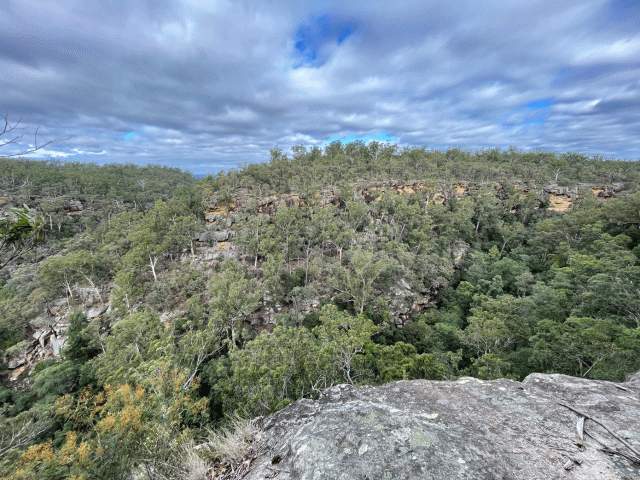
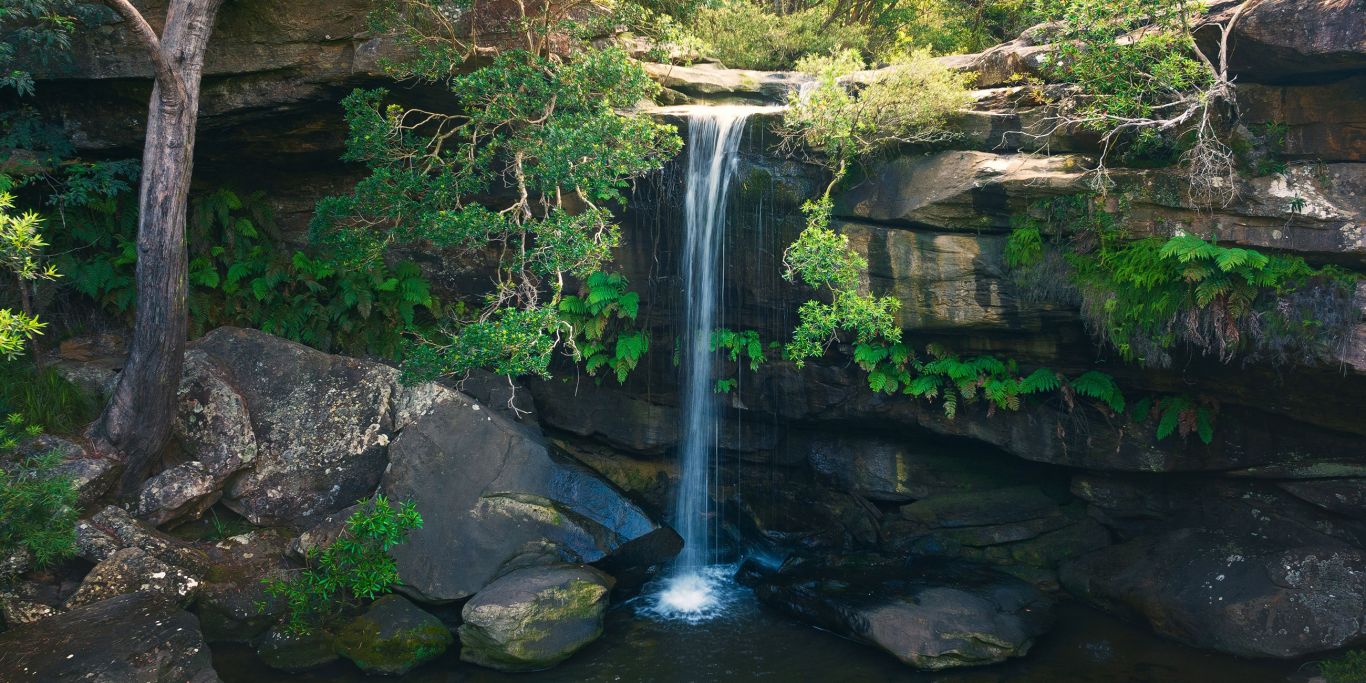
A section of the land proposed for restoration within Gulguer National Park.
Located in Western Sydney, the park is just a few kilometres west of Bringelly, near Greendale, and around a 40-minute drive from Liverpool. It will add roughly 700 hectares of new land to the existing environmentally protected areas at Bents Basin State Conservation Area and Gulguer Nature Reserve, spanning a total of 1100 hectares.
Why is it being created?
A place of Aboriginal heritage and for reconnecting with nature.
The Minns Labor Government is establishing Gulguer National Park for several reasons: to protect threatened wildlife species, preserve significant Aboriginal cultural artefacts and provide Sydneysiders with an expansive new space to reconnect with nature.
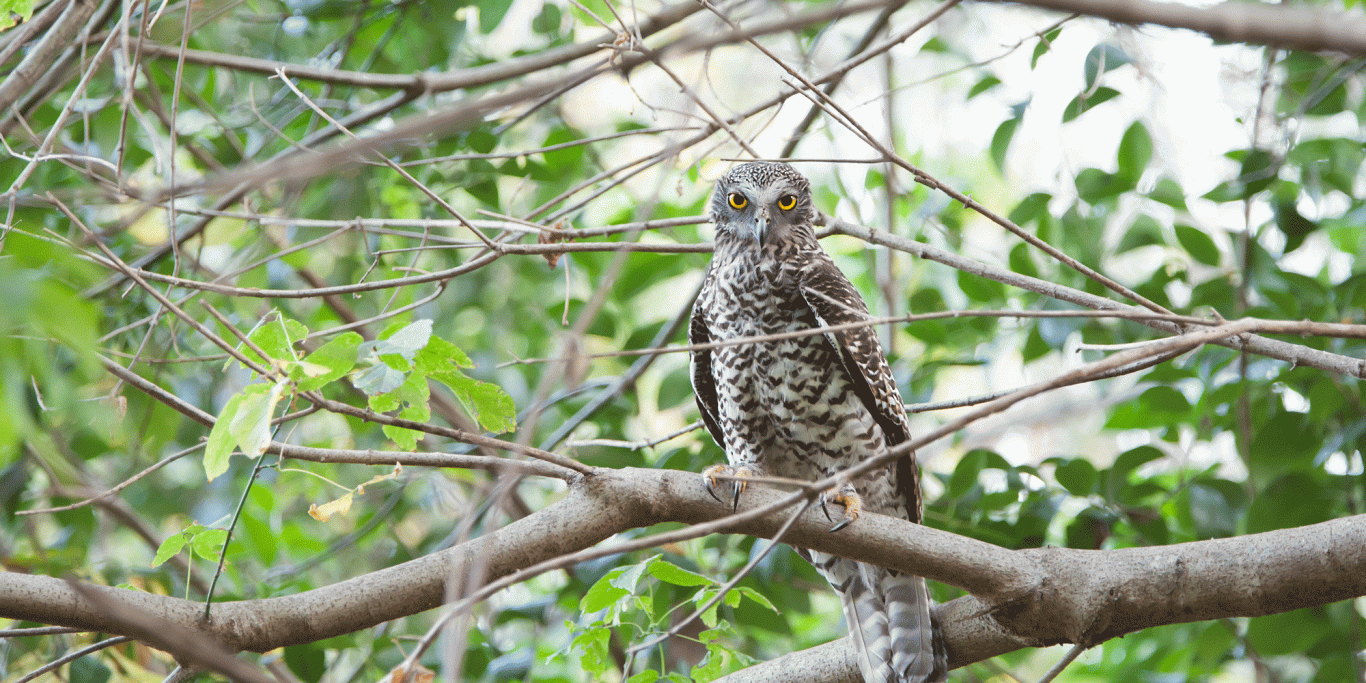
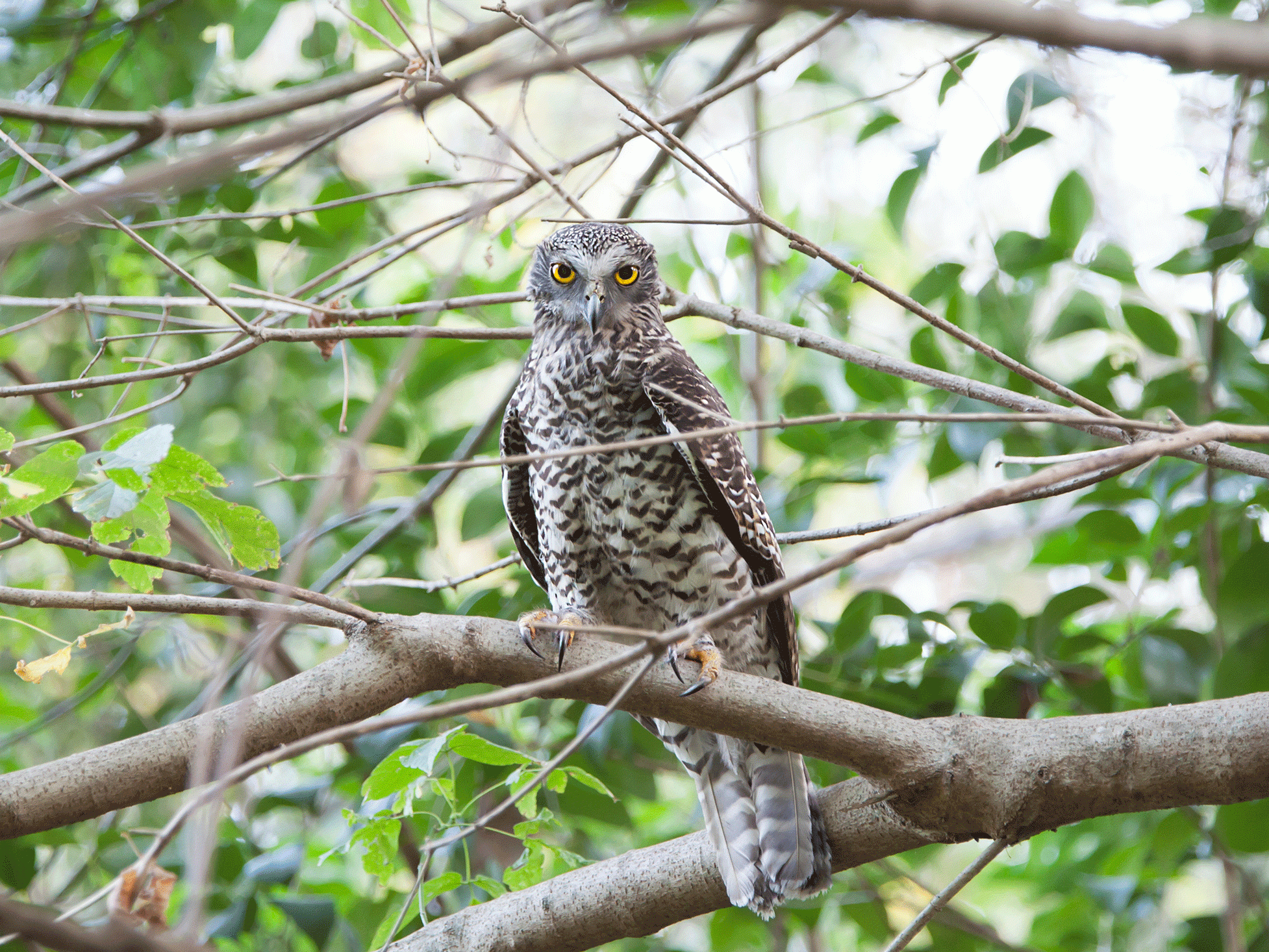
The reserve will safeguard important natural habitat for at least 28 threatened species, including the southern greater glider, powerful owl, giant burrowing frog, eastern coastal free-tailed bat and Cumberland and Dural land snails. In addition, it will provide greater protection for the critically endangered Shale Sandstone Transition Forest and Sydney Turpentine-Ironbark Forest.
“It is part of our ongoing commitment to boost conservation in Western Sydney, to ensure our precious native creatures and plants exist here for generations to come," says Minister for Climate Change and the Environment, Penny Sharpe.
Need tips, more detail or itinerary ideas tailored to you? Ask AT.
AI Prompt
The national park will protect the habitats of species such as the powerful owl.
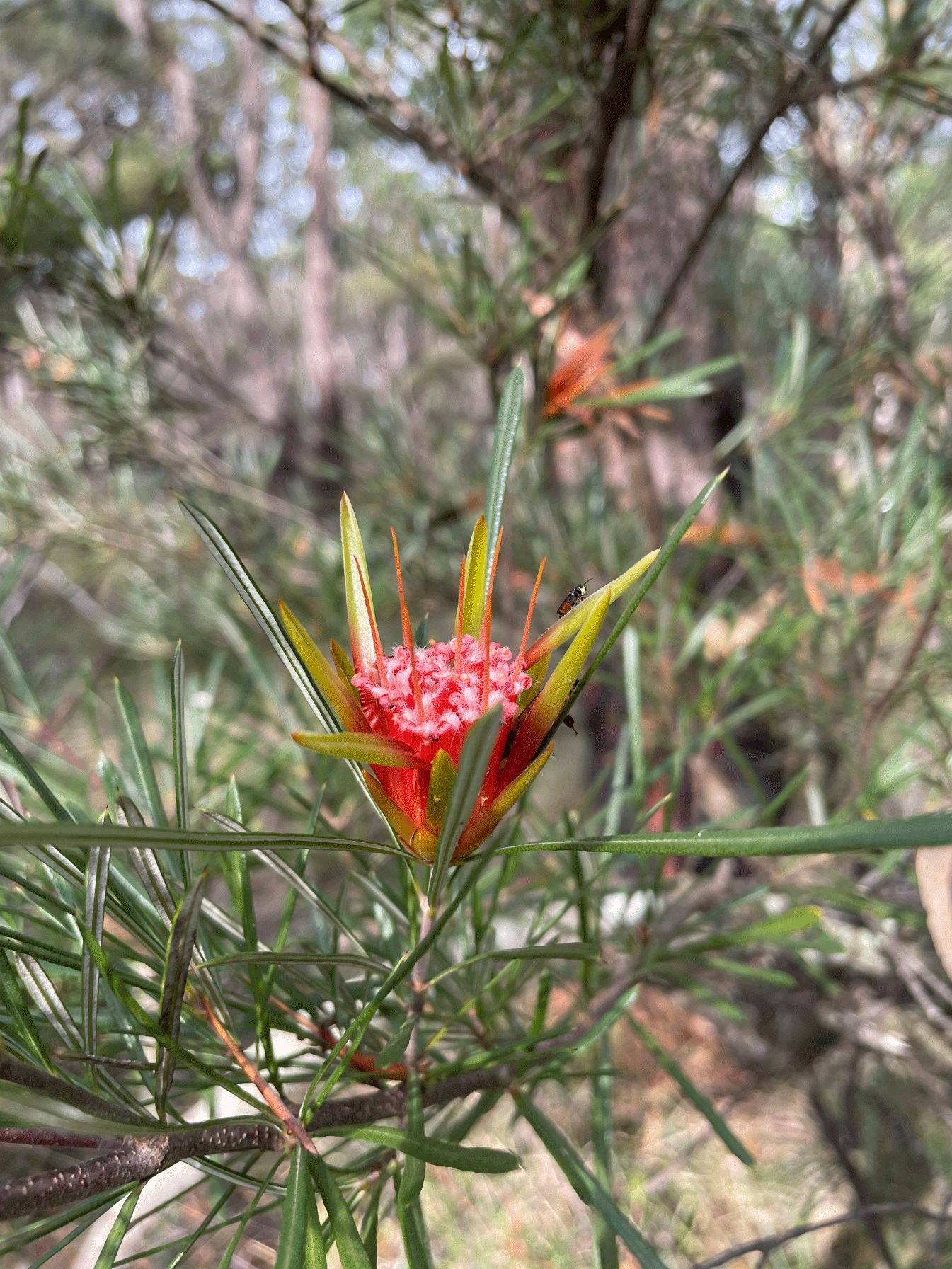
Admire native Australian plants such as the mountain devil flower.
Named after the Nepean River – a body of water spiritually significant for the Darug, Gandangara and other traditional owners of the Hawkesbury-Nepean basin –the park will also preserve Aboriginal cultural heritage sites including rock art, artefacts and shelters.
Beyond environmental and cultural preservation, Prue Car, Deputy Premier of New South Wales and Minister for Western Sydney, says the park will create affordable and convenient opportunities for local residents to access green spaces.
“For too long, families in Western Sydney have missed out on access to outdoor spaces that other parts of the city take for granted," Car says.
“At a time when families are under pressure, this new National Park will give locals a world-class destination right in their own backyard."
When will Gulguer National Park open?
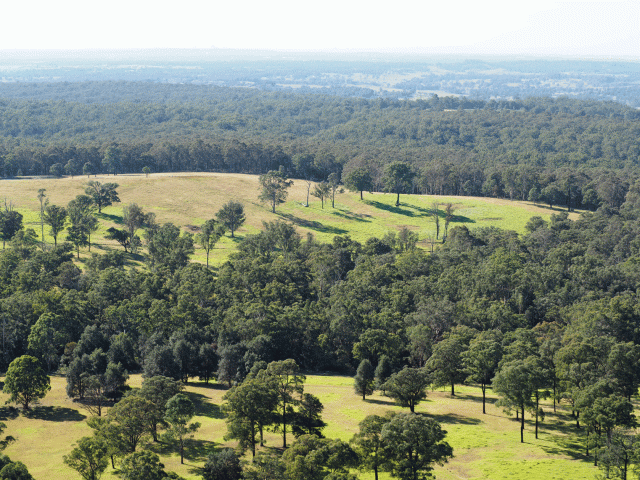
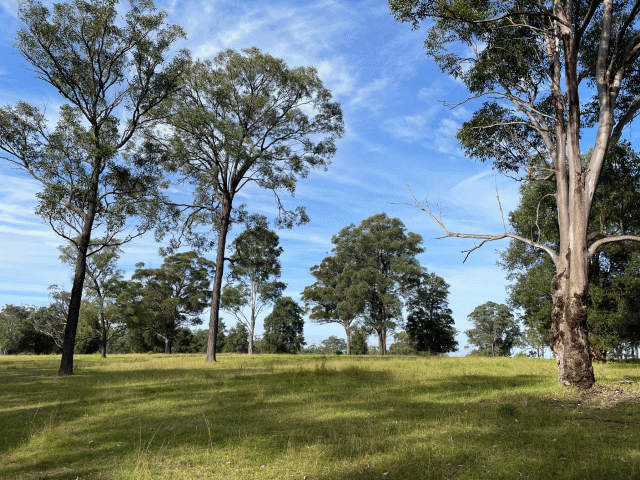
Remnant mature trees from cleared paddocks will provide a seed bank for rehabilitation.
According to the NSW government, Gulguer National Park is set to open in the next six months. If all goes to plan, that means full public access and new visitor facilities will be rolled out in early 2027.
There is no shortage of advice imploring us to spend more time in nature. Doctors prescribe it. Psychologists endorse it. Smartwatches guilt us towards it. The difficult part is actually finding somewhere close to home large enough to disappear into – yet Gulguer National Park promises exactly that.
Want to see more stories from Australian Traveller in your Google search results?
Tick the box next to "Australian Traveller". That's it.
Eleanor Edström is Australian Traveller’s Associate Editor. Previously a staff writer at Signature Luxury Travel & Style and Vacations & Travel magazines, she's a curious wordsmith with a penchant for conservation, adventure, the arts and design. She discovered her knack for storytelling much earlier, however – penning mermaid sagas in glitter ink at age seven. Proof that her spelling has since improved, she holds an honours degree in English and philosophy, and a French diploma from the University of Sydney. Off duty, you’ll find her pirouetting between Pilates and ballet classes, or testing her friends’ patience with increasingly obscure vocabulary.
Leave the frenetic pace of city life behind for a weekend of relaxation and entertainment on the Central Coast.
Home to more than 40 idyllic beaches, an eco-certified wilderness and a burgeoning hospitality scene, the Central Coast is a favoured holiday destination for good reason. Located just 90 minutes north of Sydney, you can easily enjoy a day trip here. But with so much to offer, this coastal haven deserves at least a weekend of your time – especially when a stay at Encore by Mingara makes lingering so effortless.
Here’s how to spend a memorable weekend on the Central Coast discovering its best offerings.
Day 1
Afternoon
Savour a slow morning before heading home.
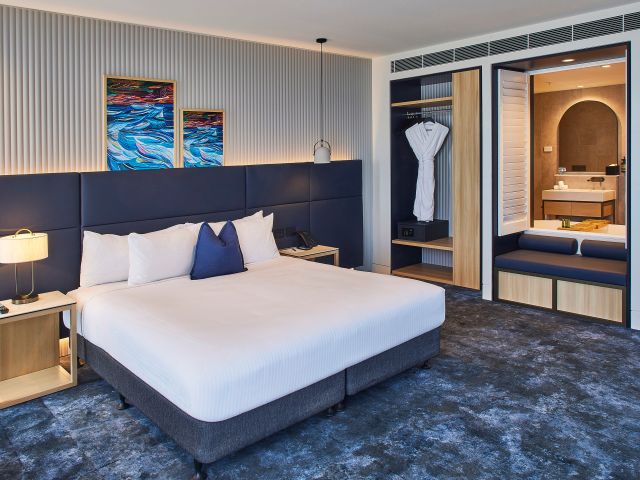
Holiday mode can be switched on as soon as you check into Encore by Mingara, a centrally located boutique hotel in Tumbi Umbi. Loved for its sleek rooms, diverse offerings and unbeatable location, in 2026 the property even received the Tripadvisor Travellers’ Choice Award. Taking cues from its coastal surrounds, the hotel’s design is luxurious yet welcoming. A sophisticated palette of ocean blues, ochre and sand tones is complemented by light joinery and punctuated by abstract artworks by the hotel’s artist in residence,Sarah Isbel Hill.
As the hotel is conveniently found in the Mingara Destination Precinct, you can spend a leisurely afternoon exploring the property’s impressive offerings. Energise the body at Mingara Recreation Club – complete with a world-class gym and Olympic-sized swimming pool – or pop into one of many restaurants or bars. You can also grab a wine from the bottle shop to imbibe in the comfort of your luxurious Harmony or Bravo suite; these generously sized rooms feature plush king beds, separate lounge spaces and dedicated working areas.
Evening
Treat yourself to an evening of great food and cocktails.
There’s no need to venture out when your hotel gives you access to fantastic dining options. Allow plenty of time to savour the culinary dishes at modern Australian restaurant, Hadley’s. Helmed by chef Peter Streckfuss, the relaxed eatery’s menu spans rib-sticking bites such as wood-fired pizzas and chicken parmigiana through to premium meats and fresh seafood. Pair them with the solid line-up of Australian and international wines.
Mosey over to Hadley’s Bar for a post-dinner nightcap. The stylish cocktail lounge’s mixologists shake up masterful tipples using the bar’s extensive spirit collection, as well as pouring local craft beers and fine wines.
Day 2
Morning
Explore the Central Coast’s great outdoors. (Image: Destination NSW)
With so much happening onsite, it’s tempting to stay put, but early birds can start their day by catching the sunrise at nearby Toowoon Bay, where a vivid display of warm tones is reflected in the calm waters.
Back at Mingara Recreation Club, top up your caffeine levels and try treats including scrolls, cakes, scones and tarts at The Roasted Berry. Or settle in for smashed avo or a mushroom bruschetta.
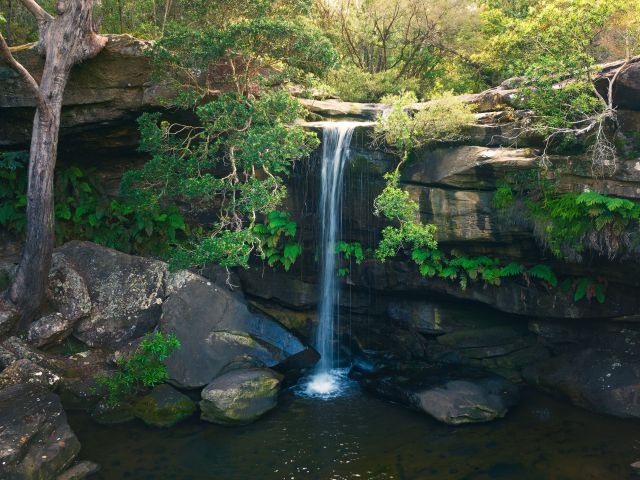
Fuelled and ready to go, spend some time exploring the Central Coast’s natural beauty. The region is a playground for outdoor lovers who can discover the Brisbane Water National Park, a haven for hiking, cycling and fishing. The 12,000-hectare reserve features stunning waterfalls, including the three-tiered Somersby Falls, and vantage points such as the Staples Lookout, which offers panoramic vistas of Brisbane Water and Woy Woy Bay.
Afternoon
Sip the flavours of Distillery Botanica. (Image: Destination NSW)
A well-deserved lunch in the garden at Distillery Botanica awaits just a 20-minute drive away. The brainchild of herbalist and master distiller Philip Moore, this innovative distillery is found in a lush landscape and produces a range of botanically infused craft spirits. Tuck into bruschetta, toasted sandwiches and charcuterie boards, paired with standout concoctions like the Framboise Martini with Botanica Vodka or Botanica Raspberry Liqueur, vanilla, lime and pineapple.
Evening
Head back to Encore by Mingara to freshen up for dinner at the onsite restaurant, Ming Dragon. The Chinese eatery offers a traditional yum cha experience with succulent favourites such as sweet and sour pork and steamed prawn dumplings.
End the night on a high note with entertainment at Mingara Recreation Club. The jam-packed schedule includes live music, major touring acts and big-name tribute band performances, such as Live Baby Live: The INXS Tribute Show.
Morning
Enjoy breakfast at The Roasted Berry.
The dreamy rooms at Encore by Mingara make sleeping in a little too easy, so take the morning at your own pace with a lie-in and a final swim or a yoga or pilates class. Amble down to The Roasted Berry for another delicious breakfast before your departure.
Afternoon
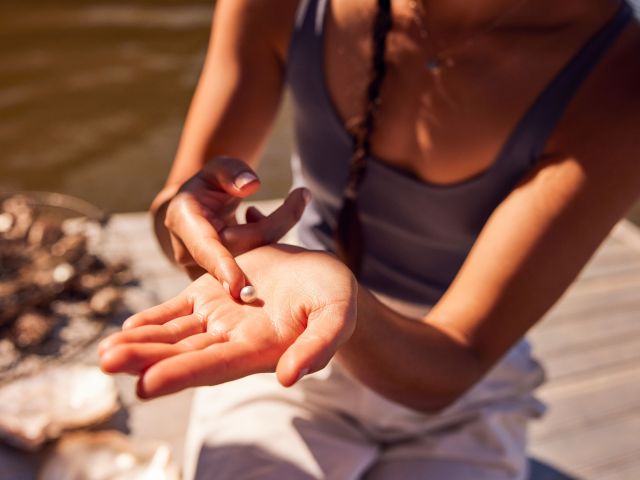
End your escape with a pearl farm visit. (Image: Destination NSW)
Another highlight of the Central Coast is the Broken Bay Pearl Farm on the Lower Hawkesbury River, a must-visit on your way home. Head to their ‘shellar door’ and join a tour out on the water, where you’ll discover their working oyster leases and indulge in the freshest Australian Akoya, Angasi and Sydney rock oysters. You’ll also get to witness a live pearl harvest and learn the fine art of pearl grading. Those with an appetite can also enjoy a gourmet grazing lunch while soaking up scenic river views. Commemorate the weekend with an elegant pearl memento from the farm’s shop.