Aimee Frodsham on how a tight-knit industry is helping keep a rare art form alive

hero media
For a snapshot in time, we asked eight people around the country to reflect on Australia Now. Here, Aimee Frodsham, Artistic Director of Canberra Glassworks in the ACT, shares her thoughts on what the global pandemic has taught her.

Keep reading our Australia Now series here.


What do three-metre-long eel traps and a pair of cowboy boots have in common? They’re both currently on display at major Melbourne exhibitions: Maree Clarke: Ancestral Memories at the NGV and Patricia Piccinini’s A Miracle Constantly Repeated at Flinders Street Station. And they were both created in glass at Canberra Glassworks.


Working with some of Australia’s biggest names in art on commissions like these is one of many strands that Canberra Glassworks – Australia’s leading centre for contemporary glass art, craft and design – deals in. Housed in the historic Kingston Power House, which powered the early development of the city, it’s a place that simultaneously innovates and celebrates the centuries-old glassmaking tradition in all its multifarious forms.
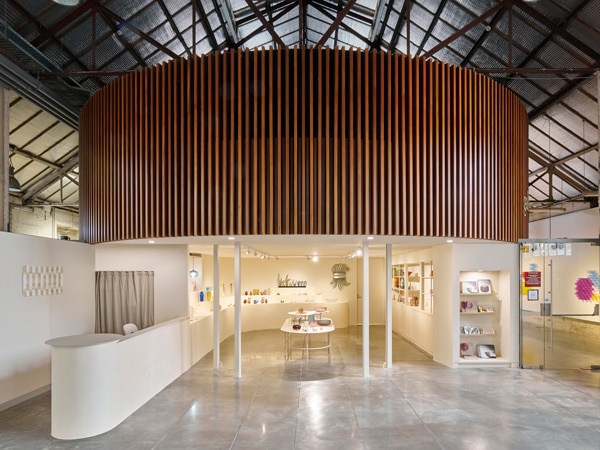
Canberra Glassworks Shop
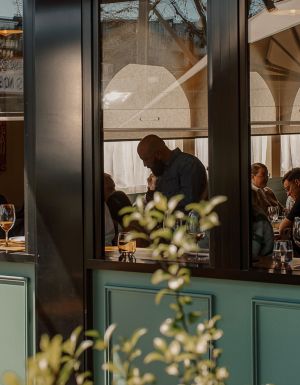
The new shop at Canberra Glassworks, Australia’s leading centre for contemporary glass art, is winning plaudits for its interior design. (Image: Pew Pew Studio/Skeehan Studio)

A day in the life of an artistic director

In her role as artistic director, Aimee Frodsham looks after the centre’s exhibition program and helps facilitate making in the studios (whether that’s the fabrication of work for exhibitions and commissions or glassmakers operating their own business from the centre).


A glassblower herself who trained at ANU School of Art & Design (then Canberra School of Art) during a febrile time in the 1990s, Aimee often finds herself on the floor working with the makers across the various areas, including the hot shop and kiln, helping to facilitate fabrication of works that take many forms and specialisms. (“I’d never ask a goblet maker to make a bead for me," she explains, to highlight the sheer diversity that exists within glassmaking.)


“I love the history, the tradition and the skill, and I love and admire the artists that have dedicated their whole careers to mastering one particular area," Aimee says of her passion for glasswork. “I think that is just so mind-blowing in this contemporary world; nothing that we do is done on the computer." Without these phenomenal makers, she says, these crafts would be lost: consider the neon signs we see everywhere from shopfronts to Sydney’s famous Coca-Cola billboard.

What she loves about glassmaking

The knowledge of this now-rare trade is at the risk of dying out, and the relationship Canberra Glassworks has forged with the industry is helping to fill the skills gap, demystify long-held secrets (that no longer need to be kept from a commercial sense), and turn the trade into an art form; as part of the National Portrait Gallery’s Australian Love Stories exhibition earlier in 2021, artist Harriet Schwarzrock created 120 sublime glass heart sculptures pumped full of neon.


The skill and craft involved in glassmaking necessitates collaboration and breeds a tight-knit artistic community. “We all really love and support each other," says Aimee. “We have to, to be able to make our work." And this sense of community extends outwards, too, embracing the public through education programs and school tours (“For us it’s quite strategic, because it’s really important for the next generation to know that glassmaking is a career") or team-building exercises for, say, the local police force or volunteer firefighters post-Black Summer bushfires. And, of course, workshops, from jewellery-making to glassblowing, which were booked up for months in advance after the Netflix series Blown Away aired. “We really encourage people as hobbyists to come and learn and to make, and to be part of our community."
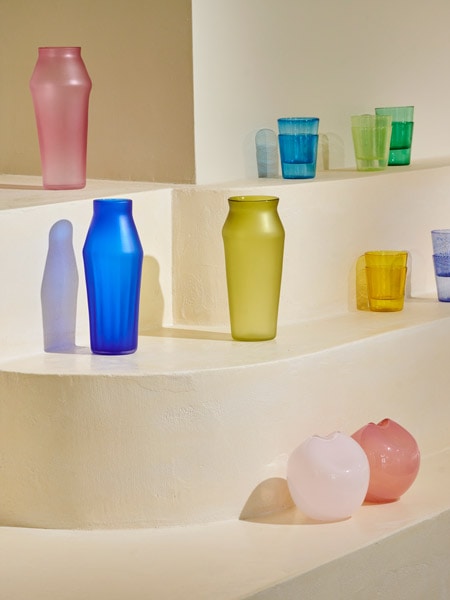
Colourful glassworks for sale at Canberra Glassworks
The knowledge of this now-rare trade is at the risk of dying out. (Image: Pew Pew Studio/Skeehan Studio)

What the pandemic has taught her

Learning to be a better communicator, especially in terms of safety issues, and to be more agile within the organisation are some of the positive takeaways of the pandemic for Aimee. And missing having people around in the same way forged a different type of connection, by way of weekly Zoom sessions for the Australia-wide glassmaking community: “Every week another group of artists leads a conversation. They’re quite informal and a way for us to see each other and connect. We’ll keep going with those kinds of things because it has made me realise how fragile access can be, and providing access in different ways is really important. Zoom has given us the ability to reach out to people in our community who maybe felt isolated without us realising it."


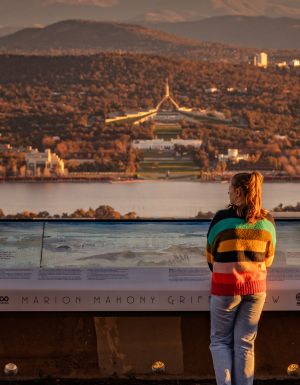
Aimee says she feels lucky to live in Canberra, which she found transformed upon her return in 2015 after living and working in London for 12 years. “It had grown into a really wonderful, exciting city that had lost quite a bit of that stigma around it being a public service town." The past 18 months have left her feeling in some ways more connected and rooted to Australia in general and optimistic that we’re leaders in the world for art: “I feel really connected to the arts community and the amazing things we’re doing here."

hero media

Red earth, light shows and ancient culture: discover the ultimate NT road trip

(Credit: Tourism & Events NT/ Ben Savage)

    Kassia ByrnesBy Kassia Byrnes
    The Northern Territory is made for road trips, and this one hits all the highlights.

    Craggy mountain ranges, inviting waterholes, ochre soil: the landscape of the Northern Territory is asking to be explored by road and foot. There are many iconic road trips to choose from here, but none so all-encompassing than the roughly 3000 kilometres of sealed road that make up Explorer’s Way.

    Spend 14 days (or more, to really make the most of it) driving this route from Adelaide, hitting the NT near the small settlement of Kulgera before later finishing in Darwin. Along the way, you’ll find nearly all the territory’s most iconic sights.

    Discover some of the top highlights that make Explorer’s Way one of Australia’s most incredible road trips.

    1. Alice Springs

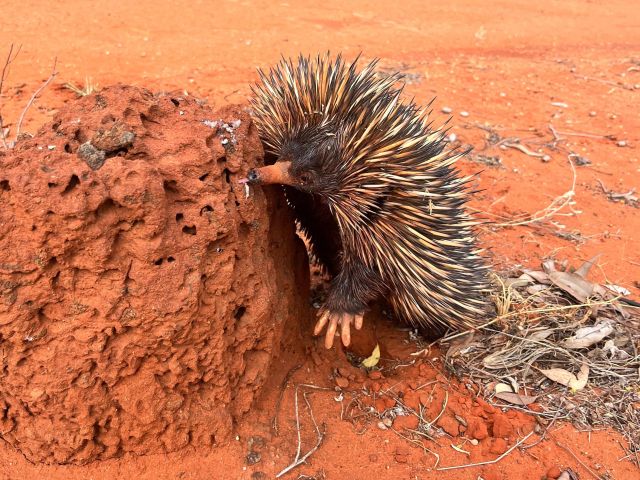
    echidna at Alice Springs Desert Park
    See the locals at Alice Springs Desert Park. (Credit: Tourism & Events NT)

    Recently hitting the big screen again with the story of The Kanagroo Sanctuary , there’s a lot to surprise you in Alice Springs.

    Three distinct desert habitats – desert rivers, sand country and woodland – are recreated over 1300 hectares at Alice Springs Desert Park . Time your visit for a presentation or a free bird show.

    Later, turn your attention to the skies above, taking a dive into local astronomy at Earth Sanctuary . You’ll find a range of experiences, from a 90-minute toe-dip into the stars through to an overnight adventure.

    Alice Springs packs a surprising punch with its tasty dining options, including pub grub and unique brews at Alice Springs Brewing Co , tapas and pizza at Epilogue Lounge and tasty cafe fare at the quirky Page 27 .

    2. Tjoritja/West MacDonnell National Park

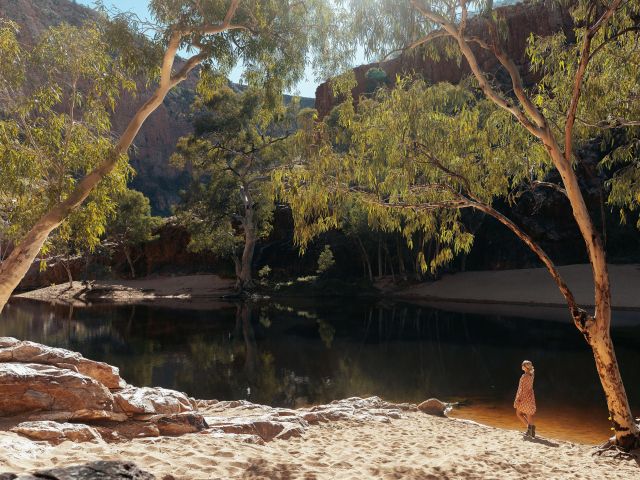
    woman standing at Ormiston Gorge
    Dive into Ormiston Gorge. (Credit: Tourism & Events NT/ Dom and Jesso)

    Beginning 15 minutes from Alice Springs and stretching across 161 kilometres, Tjoritja/West MacDonnell National Park is packed with striking ancient landscapes and inviting water holes.

    Visit Standley Chasm – traditionally known as Angkerle Atwatye, meaning ‘Gap of Water’ – to take in its bold red and orange hues, and to observe the diverse bird species, lizards and wallabies that call it home.

    Cool off in one of several picturesque natural swimming holes, like Ellery Creek Big Hole and Ormiston Gorge.

    3. Uluru & Kata Tjuta

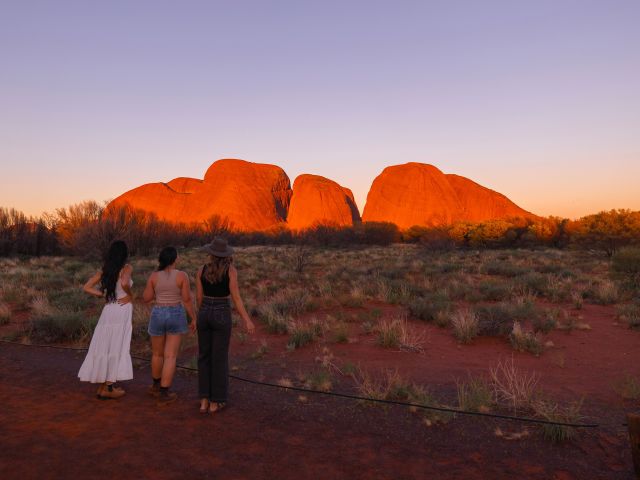
    three women looking at Kata Tjuta at sunset
    Explore Kata Tjuta. (Credit: Tourism & Events NT)

    Visiting the Cultural Heart of Australia is something everybody should experience. There are so many side trips in the Red Centre you could easily spend a week here, but to get the most out of a short time, park the car then get out on foot.

    Take the 10-kilometre Base Walk around the entirety of Uluru or join a free, ranger-guided Mala Walk along part of the base, learning about Tjukurpa (creation stories) and geology as you go.

    For a change of pace, wait until nightfall and wander through the iconic Field of Light display by celebrated artist Bruce Munro, or see the Wintjiri Wiru lightshow that shares the ancient Mala story using drones, lasers and projections.

    4. Tennant Creek

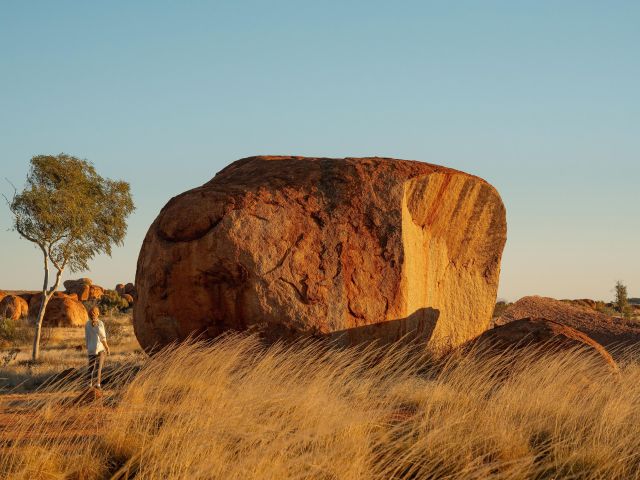
    pson looking at Karlu Karlu (Devils Marbles) northern territory
    See the ancient granite boulders of Karlu Karlu (Devils Marbles). (Credit: Tourism & Events NT/ Dom And Jesso)

    Tennant Creek was Australia’s third-largest gold mining town in the 1930s, and visitors can discover that history at Battery Hill Mining Centre – and even try their own hand at gold fossicking.

    For a completely different side of history, pop into Nyinkka Nyunyu Art & Culture Centre , which preserves and shares Warumungu culture through art, performance, a museum and more.

    Just outside town, find the ancient granite boulders of Karlu Karlu (Devils Marbles). A site integral to important stories held by the Warumungu, Kaytetye, Warlpiri and Alyawarra peoples, the boulders appear to almost have dropped out of the sky and seemingly continue to defy gravity.

    5. Mataranka

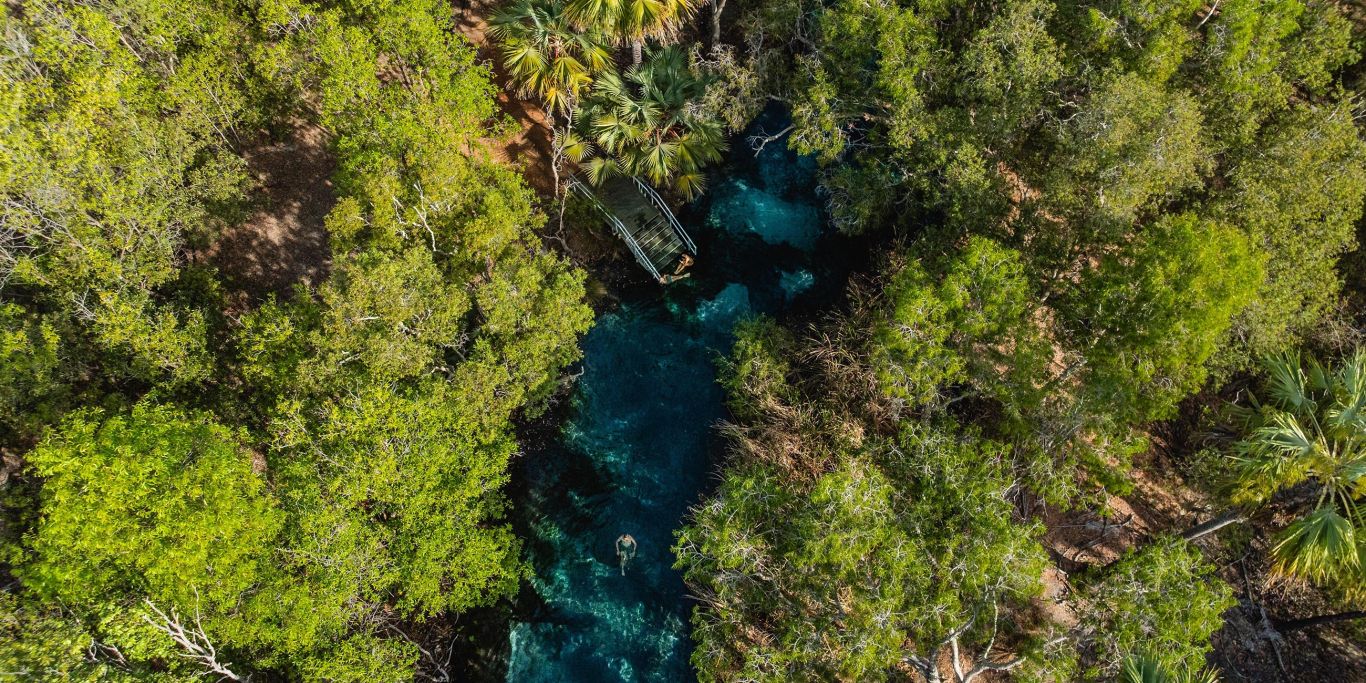
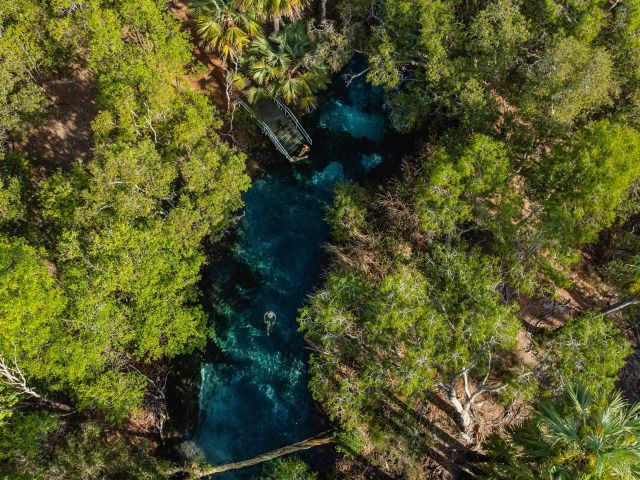
    aerial of people swimming in bitter springs northern territory
    Dive into Bitter Springs. (Credit: Tourism & Events NT/ Ben Savage)

    A town made famous by the novel We of the Never Never by Jeannie Gunn (and a movie of the same name), Mataranka is also known for its sandy-bottomed thermal pool, Bitter Springs , within Elsey National Park. Follow a 500-metre loop track around these spring-fed pools that stay a toasty 34°C year-round, before choosing your favourite spot to dive into. Enjoy the local birdlife while you relax.

    Elsewhere in the park, find historical sites, several scenic walks and Roper River, which is perfect for boating and fishing.

    6. Nitmiluk National Park

    Nabilil Dreaming Sunset Dinner Cruise
    Join a sunset cruise with Nabilil Dreaming. (Credit: Tourism & Events NT/ Lachlan Gardiner)

    Nitmiluk National Park is sandstone country, with 13 stunning gorges and plenty of waterfalls waiting to be explored.

    One of the most beautiful spots can be found along the 62-kilometre Jatbula Trail, a five-to-six day bushwalk that follows an ancient Jawoyn songline from Nitmiluk Gorge to Leliyn (Edith Falls). Numbers are restricted and book out quickly, so be sure to plan well ahead. Not up for the hike? Drive right up to the falls and enjoy a dip without the challenge.

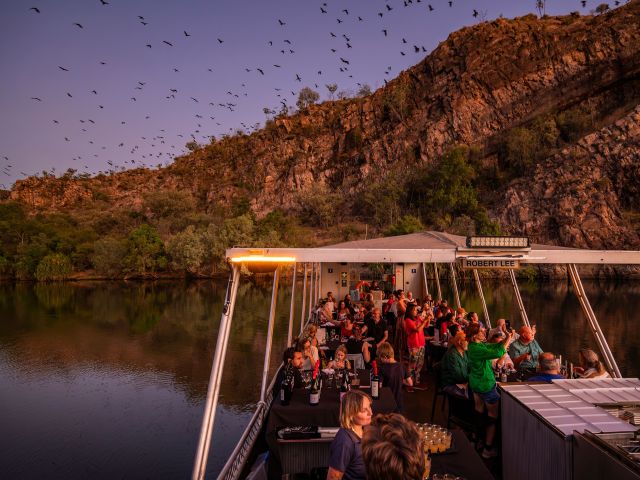
    Elsewhere, explore Nitmiluk (Katherine) Gorge. Paddle a kayak through the river running through the canyon, or save your energy on a Nabilil Dreaming Sunset Dinner Cruise , discovering the stories and ways of the Jawoyn people while enjoying a candlelit dinner as the cliffs around you shift colour and glow with the changing daylight.

    Continue your cultural journey at local art centres like Godinymayin Yijard Rivers Art & Culture Centre or Mimi Aboriginal Art & Craft .

    7. Litchfield National Park

    cathedral termite mounds in Litchfield national park
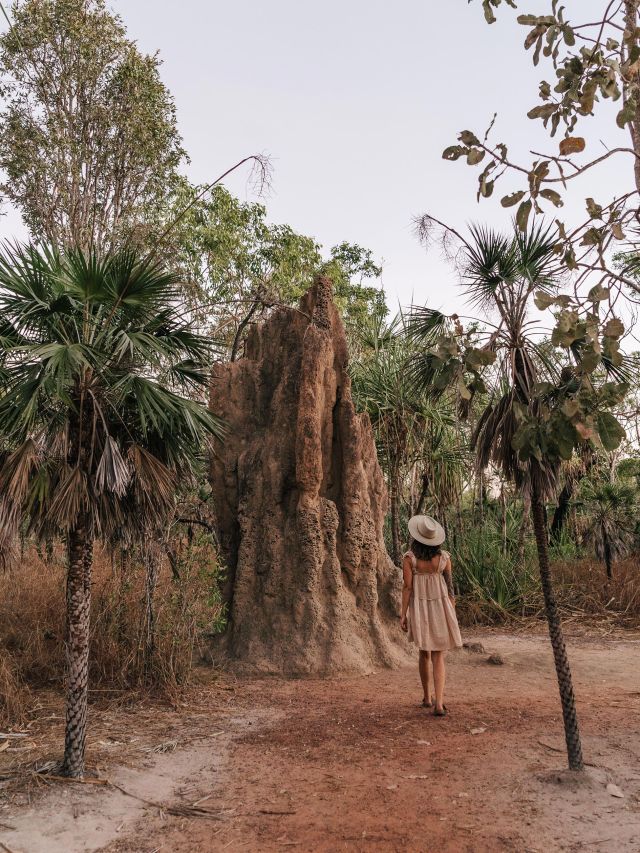
    Be awed by giant cathedral termite mounds. (Credit: Tourism & Events NT/ As We Wander)

    Just over an hour’s drive from Darwin lies the beautiful Litchfield National Park. It’s famous for stunning waterfalls and swimming holes, including Buley Rockhole, Wangi Falls, Florence Falls and Tjaynera Falls.

    Here you’ll also find hundreds of giant – and magnetic – cathedral termite mounds that are truly a sight to see. Ageing up to 100 years old, you won’t find mounds like these outside the northern parts of Australia. Stroll along the accessible boardwalk to see them up close.

    8. Darwin

    darwin street art
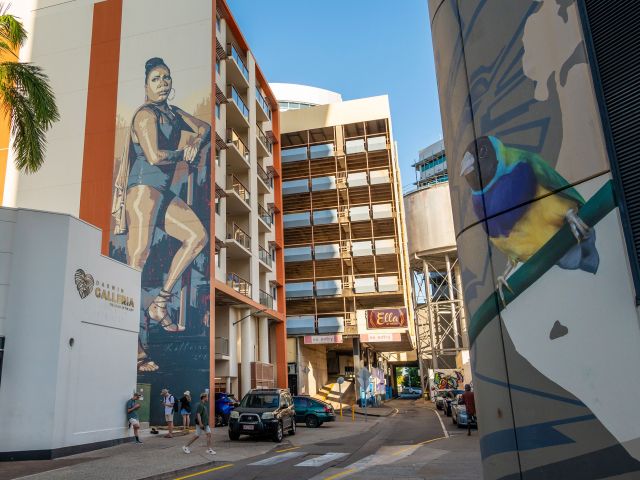
    Darwin art is streets ahead. (Credit: Tourism & Events NT/ Mark Fitzpatrick)

    This list wouldn’t be complete without the territory’s capital city: Darwin. Situate yourself upon arrival with a stroll through the main streets, admiring the many art murals by local, interstate and international artists. They’re all remnants of the annual Darwin Street Art Festival , one of Australia’s longest running street art festivals.

    Stop to recharge along Darwin’s Waterfront Precinct , an area of delectable restaurants, public swimming pools and free events. And, of course, it would be wrong to leave the city without enjoying a bowl of laksa at Mindil Beach Sunset Market as the sun goes down.

    Learn more and start planning your Explorer’s Way road trip at northernterritory.com/drive.