
This Canberra itinerary for families proves there are more reasons than ever to visit the national capital.
Canberra has long been a beacon for families and these days, there are more and more reasons than ever to visit the compact national capital. From where to eat, where to play and where to stay, follow our 5-day guide for a fun-filled holiday that will keep everyone in high spirits.
Day 1
Morning
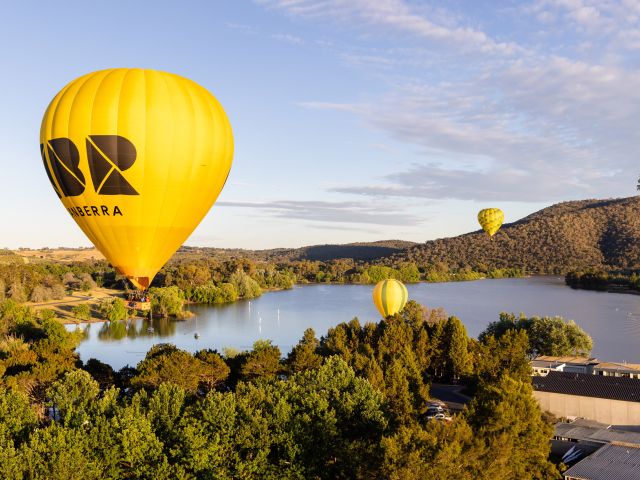
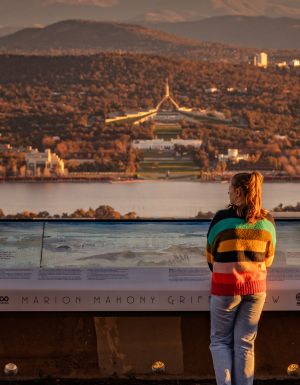
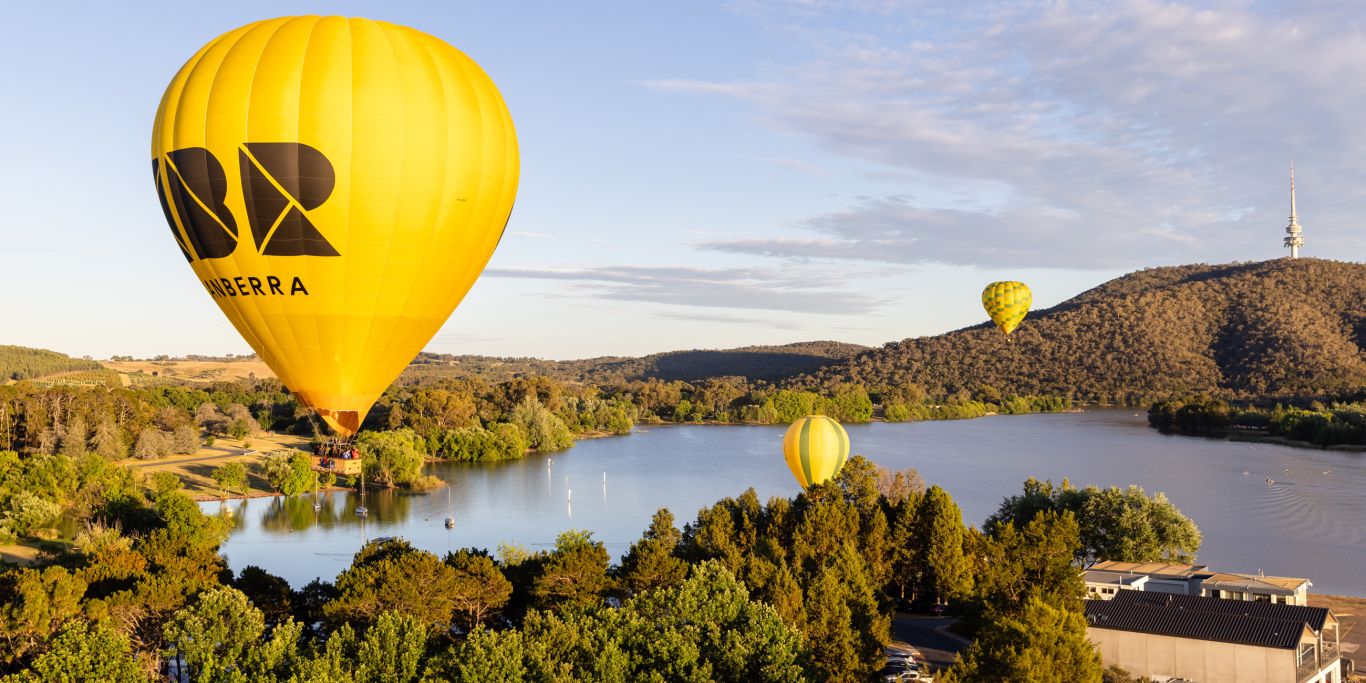
Drift above the skies of the nation’s capital with Balloon Aloft and you will see the city laid out before you, with the Brindabella Range swathed in fog during winter. You’ll also see the wheel-and-spoke street plan laid out by architect and city planner Walter Burley Griffin and the grand buildings dotted around the lake named after the famed American. The flight (suitable for children aged seven and over) will be followed by a breakfast (with bubbles for adults) at a local restaurant where each family member will receive a commemorative flight certificate.
Midday
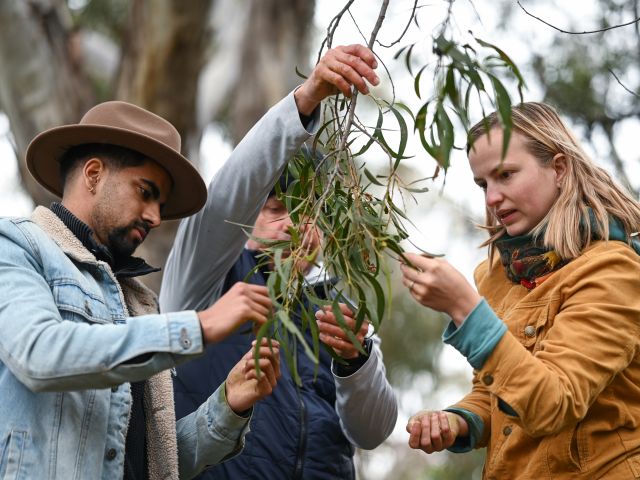
After the excitement of dawn, make the most of a day of dazzling Canberra sunshine by visiting Mt Majura where you can learn firsthand about the First People’s connection with the land. A two-hour Dhawura Tour with a Nugunawal guide offers an Indigenous interpretation of the landscape. Discover insights into the cultural significance of scar trees, where bark was removed to make canoes, shelters and coolamons (water carriers), as well as bush foods and medicines and their traditional uses.
Evening
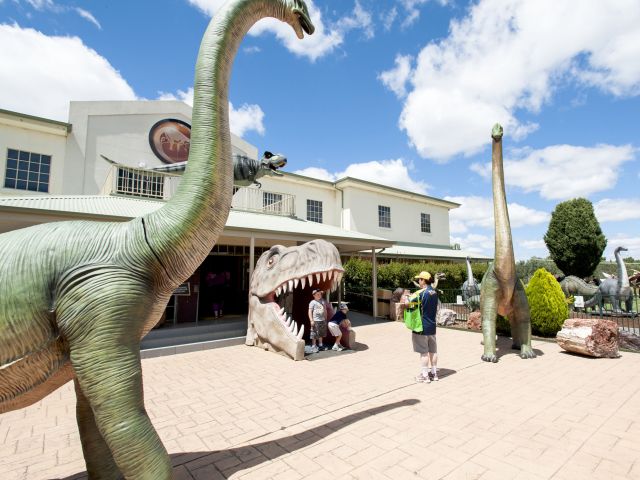
Check into your Kids Cubby + East Apartment at the East Hotel, which is the most family-friendly hotel in Canberra. Fuel up on dinner at Agostinis before heading into the National Dinosaur Museum , which often conducts tours after-hours that shine a light on reptiles of the Mesozoic era. Stroll past dino dioramas and into galleries filled with skulls and skeletons and gargantuan fossil replicas that bring the ancient predators to life. The National Dinosaur Museum also includes a landscaped dinosaur garden dominated by Stan, a 20-metre-long T. rex that towers over the entrance. Children must be accompanied by an adult.
Day 2
Morning
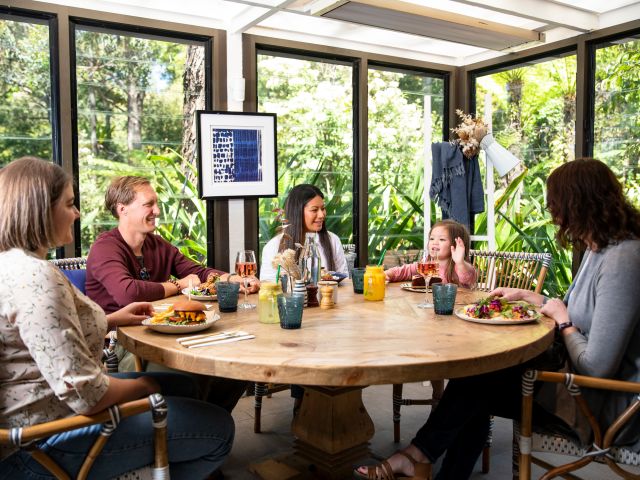
Strike a balance between ‘what the kids want to do’ and ‘what the adults want to do’ and meet in the middle for a visit to Australian National Botanic Gardens , a stone’s throw from Canberra’s CBD. The gardens, which open from 8.30am, support a living collection of some 70,000 plants and themed collections dotted around the 40-hectare property. Look for water dragons in the Tasmanian Garden Ponds. Connect the dots between activity stations along the Children’s Discovery Trail and visit the two-storey Treehouse in the paperbark garden. Refuel on waffles at the popular Pollen cafe.
Midday
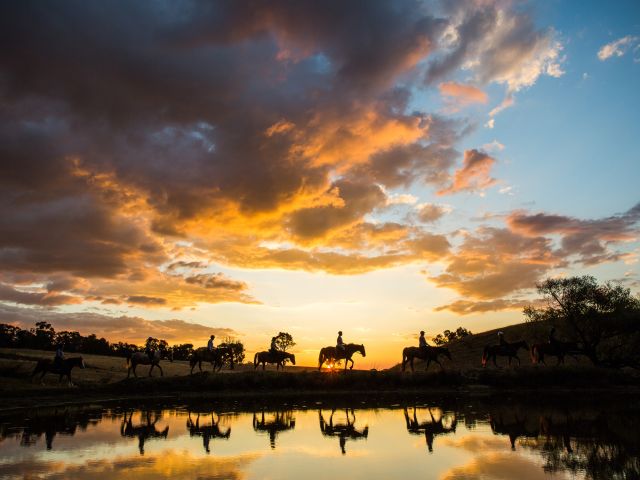
You don’t need to be an experienced equestrian to join Burnelee Excursions On Horseback for a one-hour ride near Murrumbateman, a 30-minute drive from Canberra’s CBD. The property is blanketed in bushland that is home to local wildlife such as kangaroos, echidnas, wedge-tailed eagles and wallabies. Clip-clop through the rolling countryside on Billie the Brumby and learn to canter across open paddocks on your Bush Experience, suitable for families with children aged eight and over. Visit nearby Robyn Rowe Chocolates for hot chocolates all round.
Evening
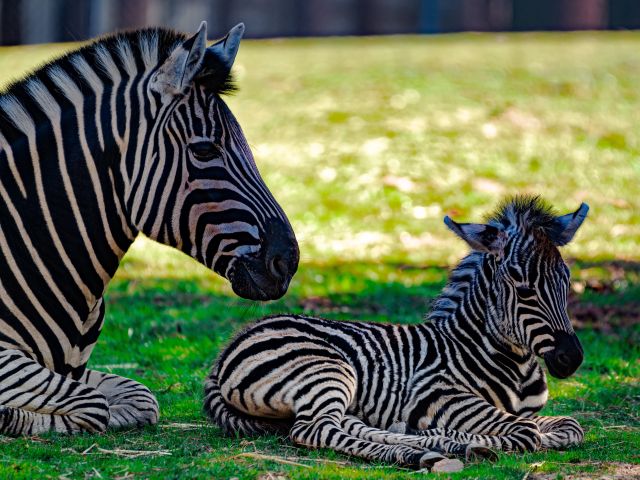
Check out the National Zoo & Aquarium before checking into your accommodation at Jamala Wildlife Lodge in order to maximise the amount of time you get to spend in your suite. Stay in one of the Jungle Bungalows , where lions, tigers and cheetahs prowl outside your big picture window. Or in the Giraffe Treehouses within the enclosure that houses African mammals. Guests at Jamala Wildlife Lodge also receive exclusive access to the zoo on the day of their departure.
Day 3
Morning
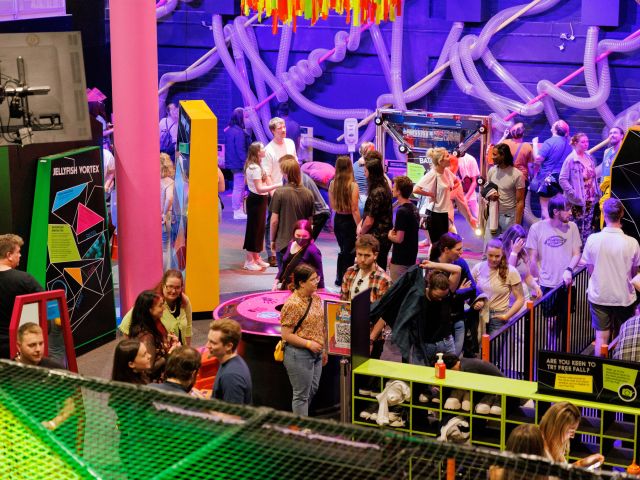
Dedicate most of the morning to bouncing between Canberra’s main cultural attractions, all of which cater to families. The must-visits include: Questacon to see the whimsically arranged Clockwork Universe, which explores scientific theories of astronomy, and RoboQ, a mechanical humanoid; and CSIRO Discovery Centre to learn first-hand about science. Competitive families can also channel their inner champion at the Australian Institute of Sport in the interactive Sportex exhibit. Head to the Sculpture Garden at the National Gallery of Australia to create crazy reflections in Bert Flugelman’s iconic steel Cones and take in some history at Parliament House .
Midday
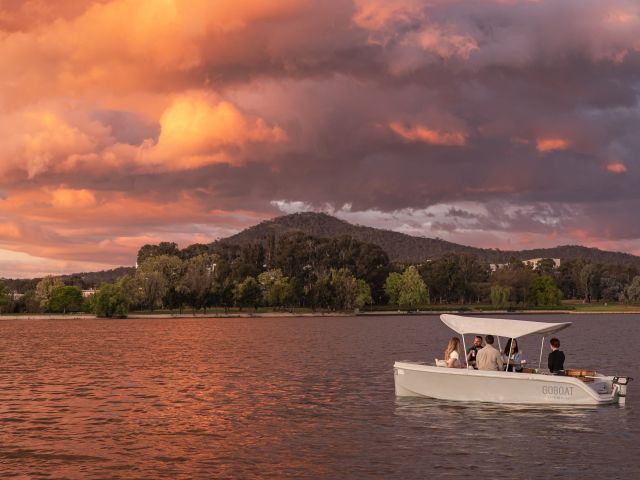
Take to the waters of Lake Burley Griffin on a GoBoat . No boat license or experience is required to take the electric picnic boats for a loop around the lake, which, on a fine day, mirrors the olive-green trees and blue of the sky. You can order a GoBoat Nibble + Nourish grazing platter to go. Or pack your own picnic for a cruise up the Central Basin to Springbank Island, where you will find barbecue facilities and undercover seating. Score a shady spot for a siesta under the weeping willows, which hang like leafy green curtains over the lake.
Evening
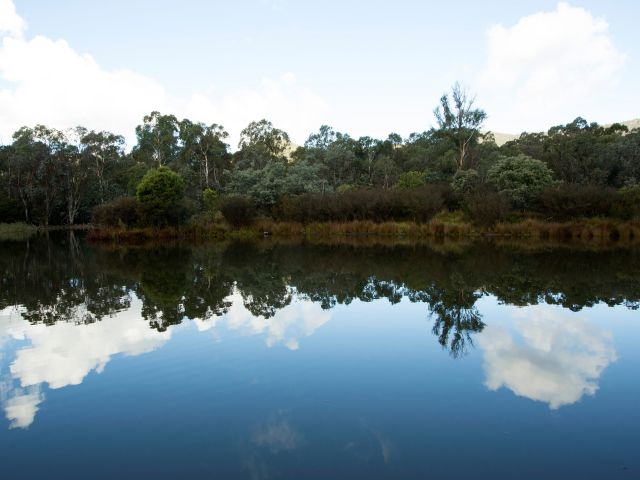
Arrive at Nils Desperandum as its silhouette starts to sharpen against the fading backdrop of Tidbinbilla Range . No, this rustic rammed earth cottage does not have wi-fi. Nor does it have electricity. What it does have is a fire pit located under a vast sky that might just help families break their tech addiction. Visit in winter when the temperature slips overnight producing a magical thin film of frost that covers the grass, turning it silver.
Day 4
Morning
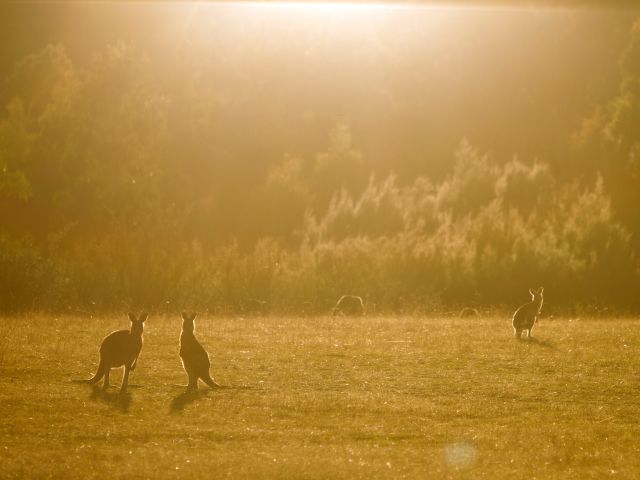
Rise with the sun and you will likely see kangaroos, koalas, emus and the ever-elusive platypus around the gorgeous grounds of Tidbinbilla Nature Reserve , 40 minutes from the city. The platypus are most active in August, when they are often spotted along the Sanctuary Loop . Take the 700-metre-long Koala Path to get to a grove of eucalypts where the arboreal marsupials reside high in the trees.
Midday

The award-winning Pod Playground occupies prime real estate at the National Arboretum Canberra , offering panoramic views of the landscape stubbled with native grasses and plantings of more than 44,000 rare and significant trees. I love taking my nephew to the acorn-themed playground. It opens at 7am, has climbing structures, slides, swings, giant acorn cubbies, and music-making instruments. Sign up for a kite-making workshop and float it high in the air from Dairy Farmers Hill. The nearby Children’s Garden also has a mix of active play spaces and areas designed for quiet contemplation.
Evening
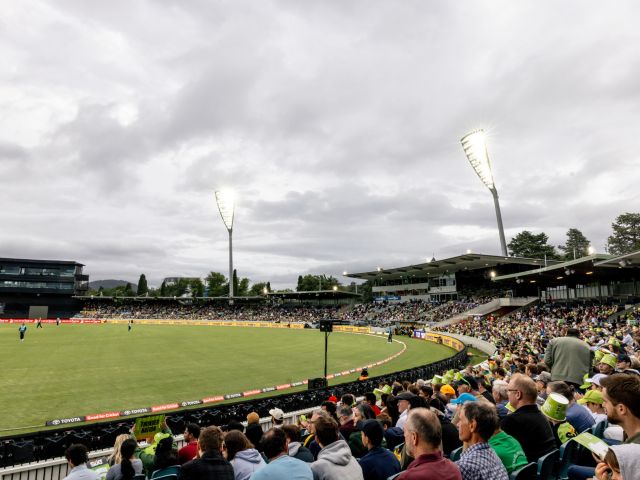
Watch the Giants play a game of Aussie Rules at Manuka Oval in winter before exploring the streets of Manuka, a neighbourhood crammed with restaurants and shops. Head to whimsical kids’ fashion store Wolfie , watch artists blow molten glass blobs into a desired shape at nearby Canberra Glassworks in Kingston and see what the fuss is about at local cult favourite Brodburger.
Day 5
Morning
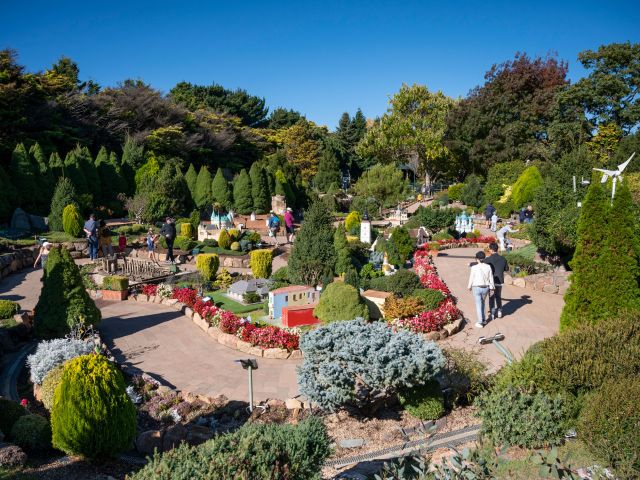
Want to keep young minds occupied? Spend the day exploring Gold Creek Village in the suburb of Nicholls, which is dotted with family-friendly attractions: go to Cockington Green Gardens , Canberra Reptile Zoo , Canberra Walk-In Aviary and the National Dinosaur Museum .
Or spend your morning in Fyshwick. The spiffy suburb is now home to designer op shops, artisan bakers, small-batch brewers and edgy markets. Both little and big kids will enjoy magical Quizzic Alley , home to the largest collection of Harry Potter merch in Australia.
Noon
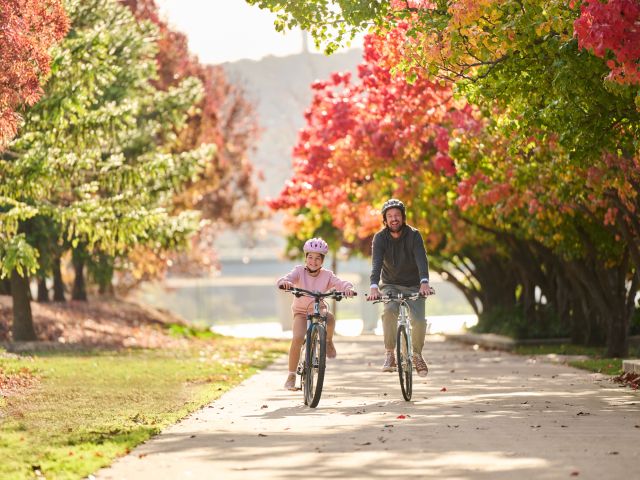
Download a city cycling map from Visit Canberra for city riding routes that pinpoint the perfect pit stops. The lake is surrounded by cycle paths and offers picturesque routes for a family bike ride. Share A Bike offers multiple automated bike rental machines. Hire bicycles for your brood to tackle the nine-kilometre Eastern Loop of the Lake Burley Griffin Circuit before returning to the East Hotel in Kingston.
Evening
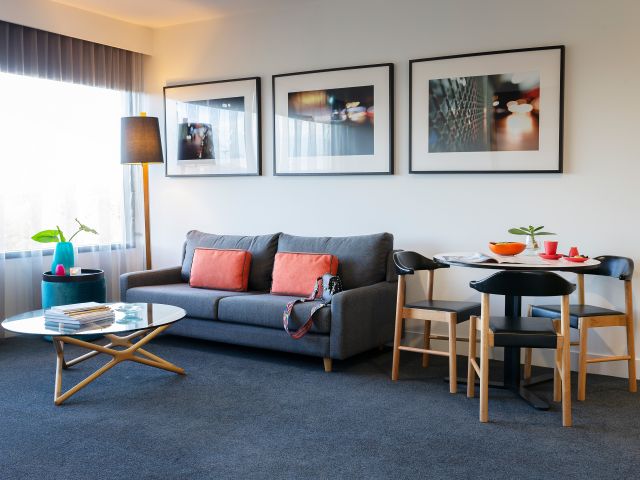
The Kids Cubby + East Apartment is supremely comfortable. Give everyone a chance to reset by returning to the East Hotel and ordering room service. The rooms have an Xbox One, a kids’ play table, and bean bags.
Getting around
Canberra’s light rail network runs from the northern suburb of Gungahlin and into the CBD.
Transport Canberra also operates the public bus network, a convenient and cost-effective way to get around the city. Neuron and Beam scooters are also great for getting around the city precinct for families with children over the age of 12.