3 emerging experiences in the ACT

hero media
Journey with our writers as they take you into the ACT’s top 3 emerging travel experiences from our 100 Emerging Destinations and Experiences series.

1. The tail-end of the Tiger Lane precincts

Travelling with: Carla Grossetti

Executive chef Shaun Presland (ex-Saké) has adopted and adapted food and flavours from hawker centres around Asia to inform the culinary direction of the new Tiger Lane dining precinct at the Canberra Centre.
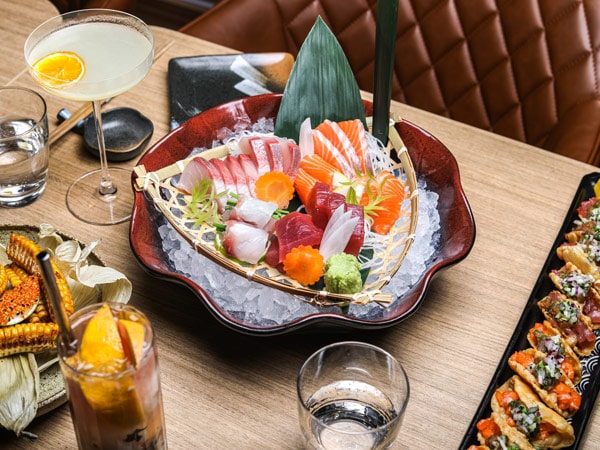
a Japanese feast at INARI
Satisfy your palate with a Japanese feast. (Image: Harry Chalker)

Expect the food and beverage options at the 12 eateries to nod to the neon-lit laneways in downtown Tokyo, the bustling riverside markets along the Mekong River and the diversity of the regional dishes of China for the final phased opening of the precinct mid-May.
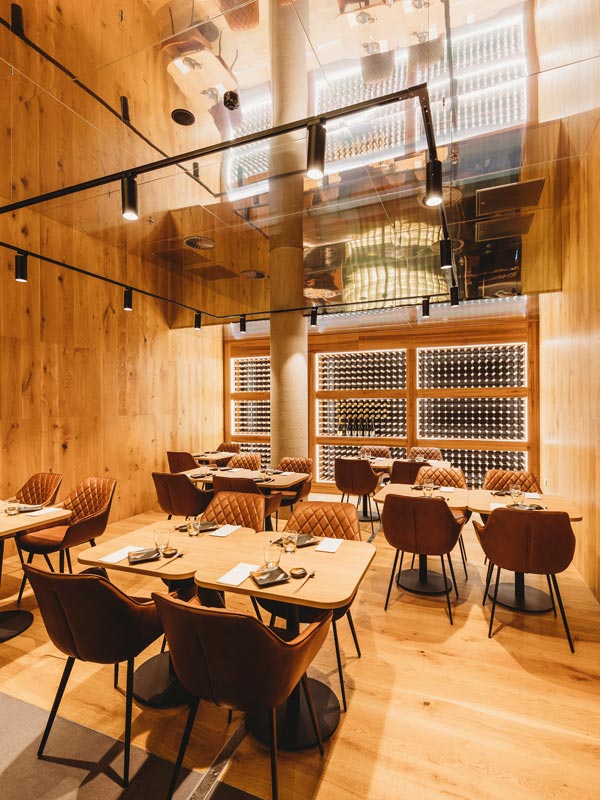
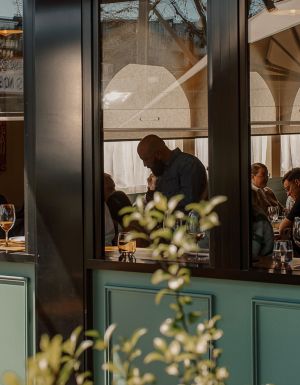
bright dining interior at INARI
Snag a spot for a wine night. (Image: Ben Calvert)

Restaurants Taki and Inari opened in 2022 and trace Presland’s culinary journey back to the time the sushi master lived and worked in the Yamagata Prefecture in Japan.
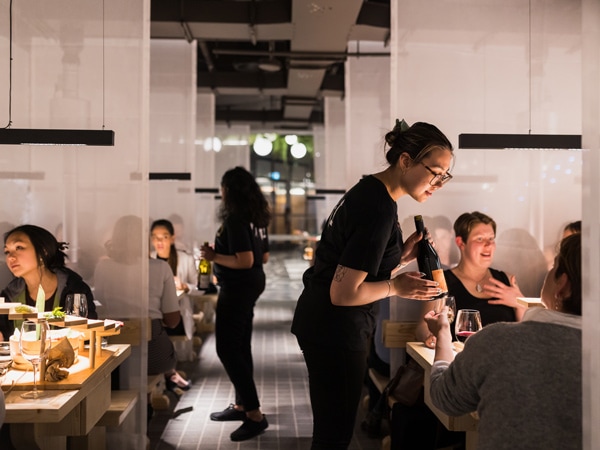
waiters serving guests at INARI
Dine at INARI. (Image: Ben Calvert)

2. Canberra’s newest village

Travelling with: Christine Aldred

On Ngunnawal Land in a place once reserved for car yards and industrial warehouses, Fyshwick’s Dairy Road precinct on the edge of Canberra has surfaced as a funky and fun place, rethinking how creative businesses and community can combine. A small village has been fashioned within transformed warehouses from the 1970s, alleyways with soaring ceilings and exposed timber trusses now leading the way through a string of eclectic enterprises, some with windows to peer through to witness the action.
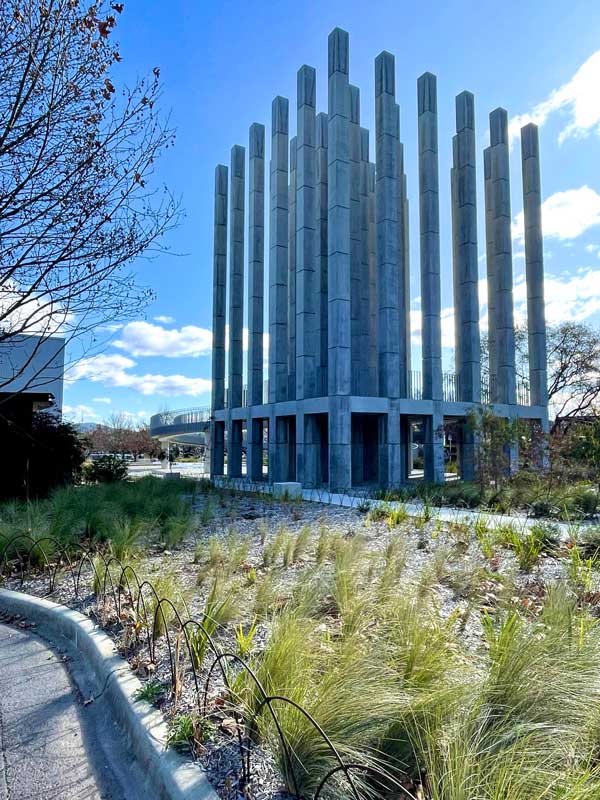
External Dairy Road featuring LESS artwork
Soak up sky-high architecture at External Dairy Road. (Image: Christine Aldred)

Dairy Road is a place to gather with friends over coffees or craft beers, to pick up a freshly distilled gin, browse an art gallery or to pick up everything from mid-century treasures to chocolate treats. But it is also where business is done. You can test your muscles bouldering, reset with a yoga or wellness session or indulge in a night of drama at the tiny but thoroughly professional Mill Theatre. Perhaps top it off with pre-theatre dinner and drinks, belly-warming ramen and sake from Japanese-inspired Canteen or casual pizza by the fire in front of indoor ski slopes. It’s an intriguing mix.
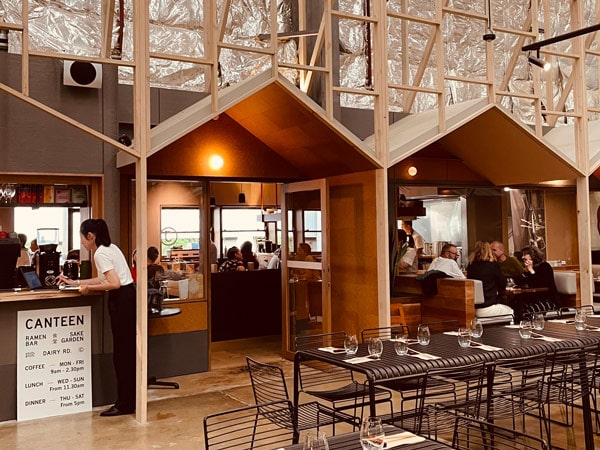
dining interior at Outside Canteen, Dairy Road
Order up a warm bowl of ramen at Outside Canteen. (Image: Christine Aldred)

Outside, the kids will relish exploring the running stream and garden spaces or run among a towering concrete art installation. If your timing is right, the professional entertainers employed on site may be around to inspire small people with open-ended and creative play while you relax. Watch out for regular community events and markets showcasing local produce. With planned residential accommodation, it’s a forward-thinking place worth visiting and watching.
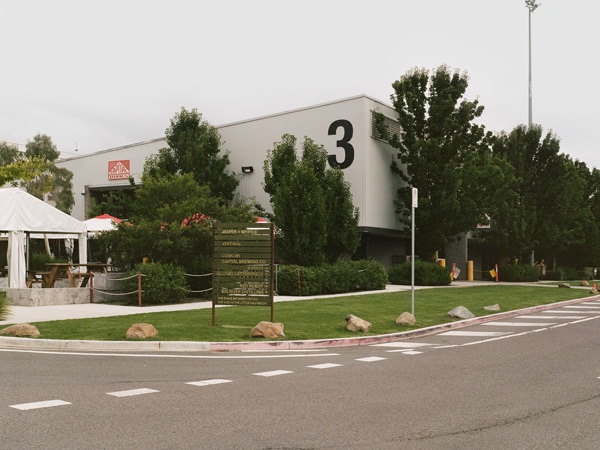
outside Dairy Road Building Capital Brewing Co Garden
Mingle over a beer at Capital Brewing Co.

3. Canberra Wine District: a new stomping ground for oenophiles

Travelling with: Carla Grossetti

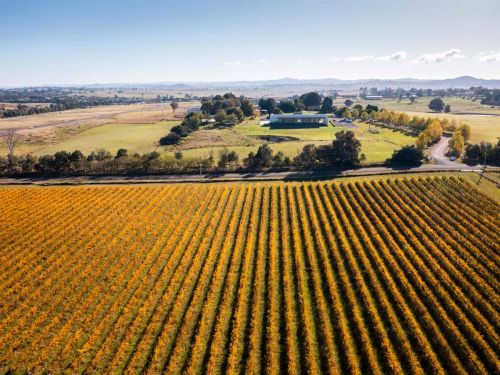
There are just too many cellar doors to squeeze into a weekend stay in the Canberra Wine District. Luckily, this year’s inaugural Stomp Festival made inroads into addressing this dilemma by showcasing more than 25 wineries and producers. Missed the 29–30 April event? No biggie. Just pore over the program and use it as a starting point to inspire your own itinerary. Book a table at Agostinis at Lark Hill, built into the side of Lake George Escarpment.
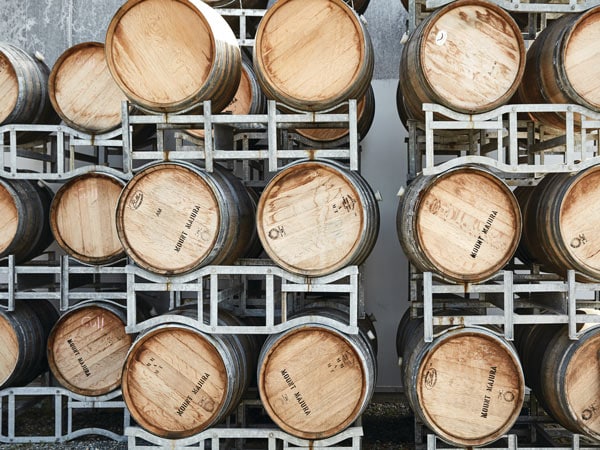
a stack of wine barrels in Canberra Wine District
Plot a winery trail through Canberra’s wine region.

Grasp the allure of the region’s cool-climate syrah during a tasting at Eden Road Wines . Or order a tutored tasting at Mount Majura Vineyard and pop into boutique Dionysus Winery.

The Canberra region is divided into three distinct subregions, so be sure to book a few return visits to check out the 140-plus vineyards that make up this exciting cool-climate district.
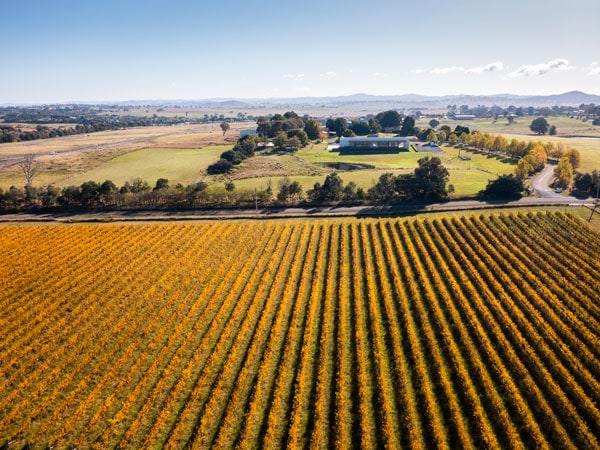
an overhead shot of the vineyards at Canberra Wine District
Don’t expect to see it all in one visit – there are over 140 vineyards. (Image: Tourism Australia)
hero media

A must-visit list of Victoria’s most iconic spots

From natural wonders to historical sites, we’ve rounded up Victoria’s most epic icons that deserve a place on your itinerary.

Grampians (Gariwerd) National Park

Mount William peak in Grampians (Gariwerd) National Park
Mount William is the highest peak in the Grampians (Gariwerd) National Park. (Image: Matt Donovan)

From towering mountains to crystal cascades and ancient rock art sites, the Grampians (Gariwerd) National Park is a playground for both outdoor adventurers and nature lovers. Don’t miss the views from the highest peak Mount William or the iconic Pinnacle.

Murray River

A paddle steamer down the Murray in Echuca
The wonders of the Murray are best experienced on board a paddle steamer. (Image: Visit Victoria)

A natural icon of majestic proportions, the Murray River flows for a staggering 2700 kilometres, making it one of the world’s longest navigable rivers. Meandering through Victoria before flowing out to sea at Goolwa in South Australia, the river is home to diverse wildlife, picturesque towns and secluded creeks and beaches.

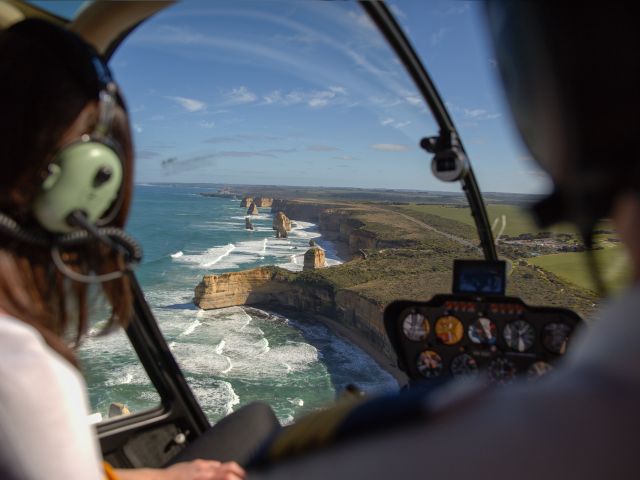
Twelve Apostles, Port Campbell

the Twelve Apostles, Great Ocean Road
The Twelve Apostles are a star attraction on the Great Ocean Road. (Image: Tourism Australia/Two Palms/Harry Pope)

These limestone sea stacks are arguably Victoria’s most famous icon . After an $8-million upgrade to its lookout, The Blowhole near Loch Ard Gorge/Poombeeyt Kontapool (meaning breath of the whale) has recently reopened. A brand-new Twelve Apostles Visitor Experience Centre, complete with rooftop lookout, will open in 2026.

You Yangs, Geelong

kangaroos in You Yangs
Kangaroos enjoy dusk in the You Yangs. (Image: Tourism Australia)

Rising 300-plus metres from the flat volcanic plains between Melbourne/Naarm and Geelong, the You Yangs are massive granite boulders named for the local Wadawurrung word ‘Youang’, meaning ‘big hills’. Hiking, biking, rock climbing and horse-riding are popular within this regional park.

Redwood Forest, Yarra Valley

Redwood Forest, Yarra Valley
Yarra Valley’s soaring Redwood Forest. (Image: Tourism Australia)

Near the town of Warburton, an extraordinary forest of some 1500 Californian Redwoods stands among native orchids, eucalypt trees and rich birdlife. Planted in the 1930s, these 55-metre-plus trees can live for 2000 years and will grow to be some of the world’s tallest.

Wilsons Promontory, Gippsland

the Wilsons Promontory
Wilsons Promontory is home to the incredible Skull Rock formation. (Image: Tourism Australia)

The Prom, as it’s known locally, is the southernmost tip of mainland Australia. This 50,000-hectare reserve comprises granite mountains and forest, fringed by sandy beaches and surrounded by a marine park rich in marine biodiversity. It’s also home to the incredible and imposing Skull Rock formation.

Hanging Rock Reserve, Macedon Ranges

the Hanging Rock Reserve, Macedon Ranges
Enigmatic Hanging Rock. (Image: Visit Victoria/ Rob Blackburn)

This six-million-year-old volcanic rock  was thrown into the national spotlight thanks to the 1967 novel and consequent 1975 film based on the fictional disappearance of schoolgirls in 1901. Mystery aside, visitors can walk the steep 105-metre summit, fish for trout and go twitching.

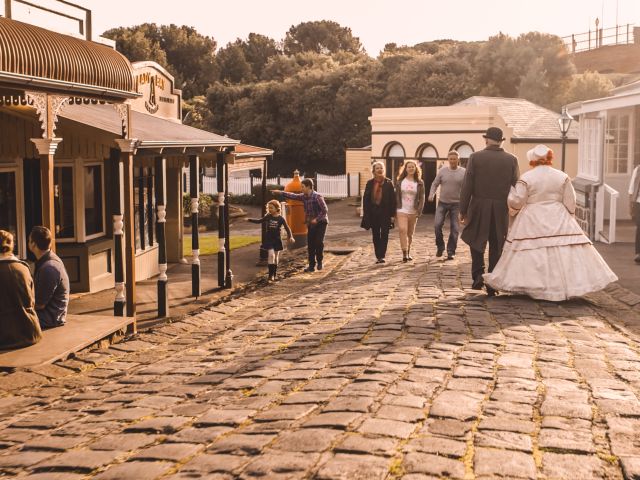
Sovereign Hill, Ballarat

exploring Sovereign Hill
Step back in time at Sovereign Hill. (Image: Tourism Australia)

Cry ‘eureka!’ at Sovereign Hill , a living museum to the prosperous Gold Rush era of the 1850s, during which Ballarat produced the most gold in the world. Visitors to this much-loved attraction can walk historic  streets, enter a gold mine and try panning for the good stuff, too.

The Great Stupa, Bendigo

Great Stupa, Bendigo
The Great Stupa in Bendigo. (Image: Tourism Australia)

Who’d have thought the largest Buddhist temple in the Western world would be tucked away in Bendigo’s bushland? Welcoming visitors to explore, this sacred Buddhist pagoda is an epicentre for Tibetan culture, architecture, art and interfaith harmony.

Cape Schanck Lighthouse, Mornington Peninsula

the Cape Schanck Lighthouse from above
Heritage-listed Cape Schanck Lighthouse. (Image: Tourism Australia/Two Palms/Harry Pope)

Ensuring the safe passage of ships in the notoriously treacherous Bass Strait since 1859, this heritage-listed lighthouse overlooks dramatic volcanic coast and wild beaches. The surrounding reserve is home to a plethora of wildlife including little penguins, seals and echidnas.