6 of the best wineries in Australia

hero media
Raise your glass to Australia’s best wineries where Old World expertise marries with New World innovation with beautiful results.


From meeting leading winemakers from each region to experiencing some of the country’s most beautiful places through their amazing wines, here are a few of the best wineries in Australia.  

1. Boydell’s, NSW 

The first-ever cellar door to open in Morpeth is housed in a historic slab hut near to vine-clad slopes on the banks of the Allyn River. Charles Boydell was one of the first to plant vines in the Hunter when he settled on the property in 1826.


The boutique vineyard in East Gresford is now run by Jane Maroulis and her vigneron husband Daniel Maroulis, who craft small-batch boutique wines made from grapes grown on the farm.


The cellar door will showcase these award-winning wines and in Boydell’s restaurant, where chef Sheldon Black oversees a seasonal menu focusing on local produce.


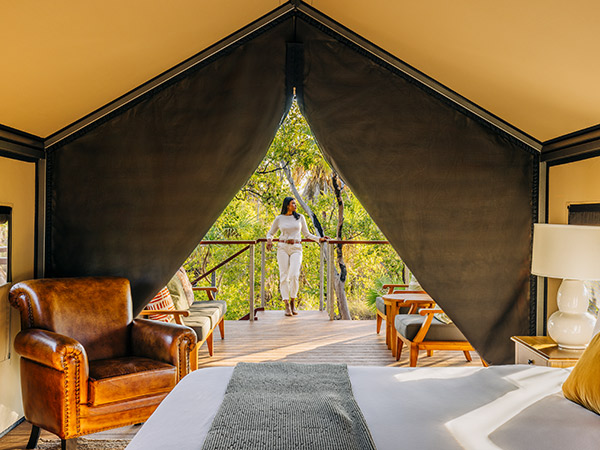
Boydell’s cellar door and restaurant also has a courtyard and log fire and a luxury safari-style glampsite built for two.
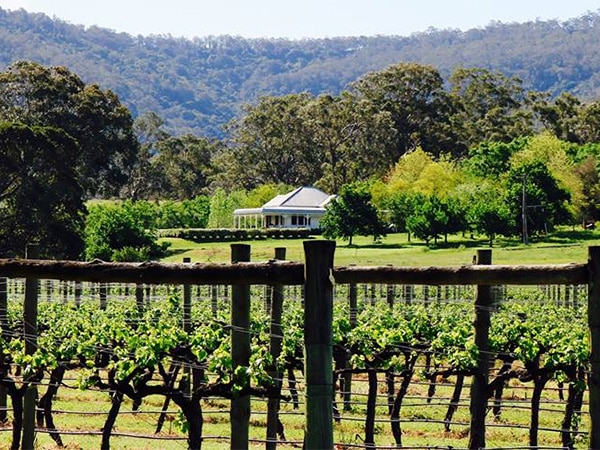
Charles Boydell was one of the first to plant vines in the Hunter

2. Tahbilk Winery, Victoria 

Wine tourists get a very special welcome when they leave the Tahbilk Winery after an Ultimate Winery Experience tour: a 750ml bottle of their own top drop after participating in a blending workshop.


In terms of quintessential Australian vineyard experiences, this place is up there and it’s all too easy to hang out here for a day: known as tabilk-tabilk ‘place of many waterholes’ in the language of the Daung-Daung-wurrung clans, the carbon-neutral winery comprises 1214 ha of rich river flats with a frontage of 11 km to the Goulburn River and 8 km of backwaters and creeks that spaghetti around the surrounds.


Tahbilk is somewhat of a tucked-away secret: located just 90 minutes from Melbourne on one of the nation’s premium viticultural areas. And, as the gnarled and twisted vines at Tahbik Winery attest, the vineyard and its varietals dates back about 150 years.
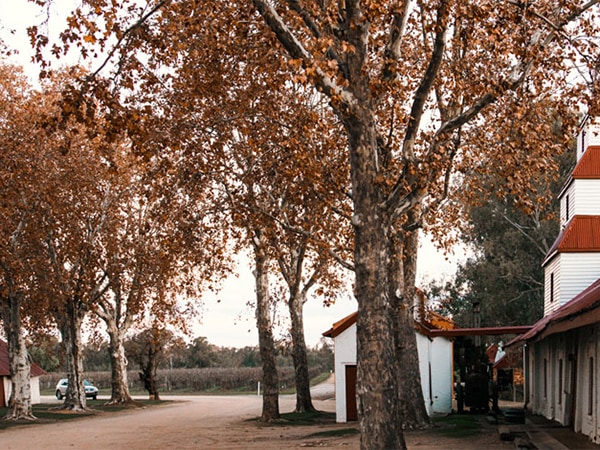
Tahbilk is somewhat of a tucked-away secret

3. Hahndorf Hill, South Australia 

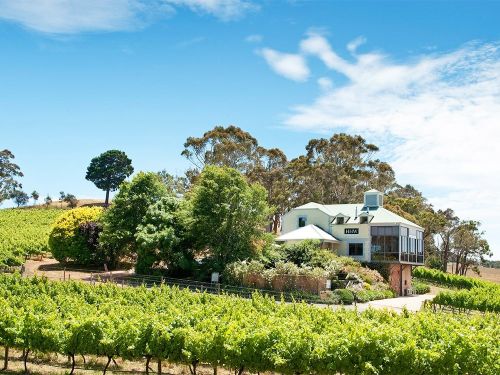
The hills of Adelaide are indeed alive with the Sound of Music at this winery that celebrates the white wine grape grüner veltliner and blaufrankisch (the red version of this grape), which are grown primarily in Austria.


This part of South Australia was settled in the 19th century by Lutherans and Germans fleeing persecution: it is known for its range of quality cool-climate wines and its distinct European feel.


In addition to its pioneering plantings of Austrian grape varieties, the estate produces wines the region is renowned for such as pinot grigio, shiraz and a fresh and dry rosé.


Conscious travellers will appreciate the vineyard’s environmentally sustainable farming methods, which protects the heritage of the hills.


Book a ChocoVino experience, where you can learn about terroir through chocolate and wine matching.
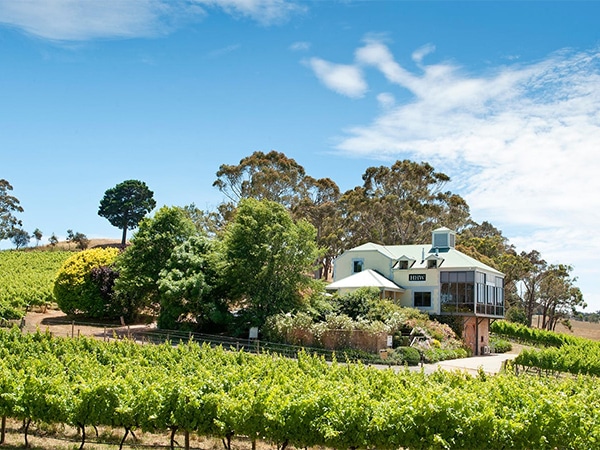
Handhorf seeks to protect the heritage of the hills

4. Bay of Fires, Tasmania 

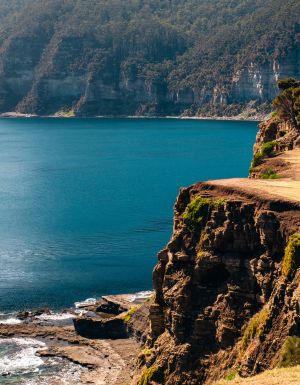
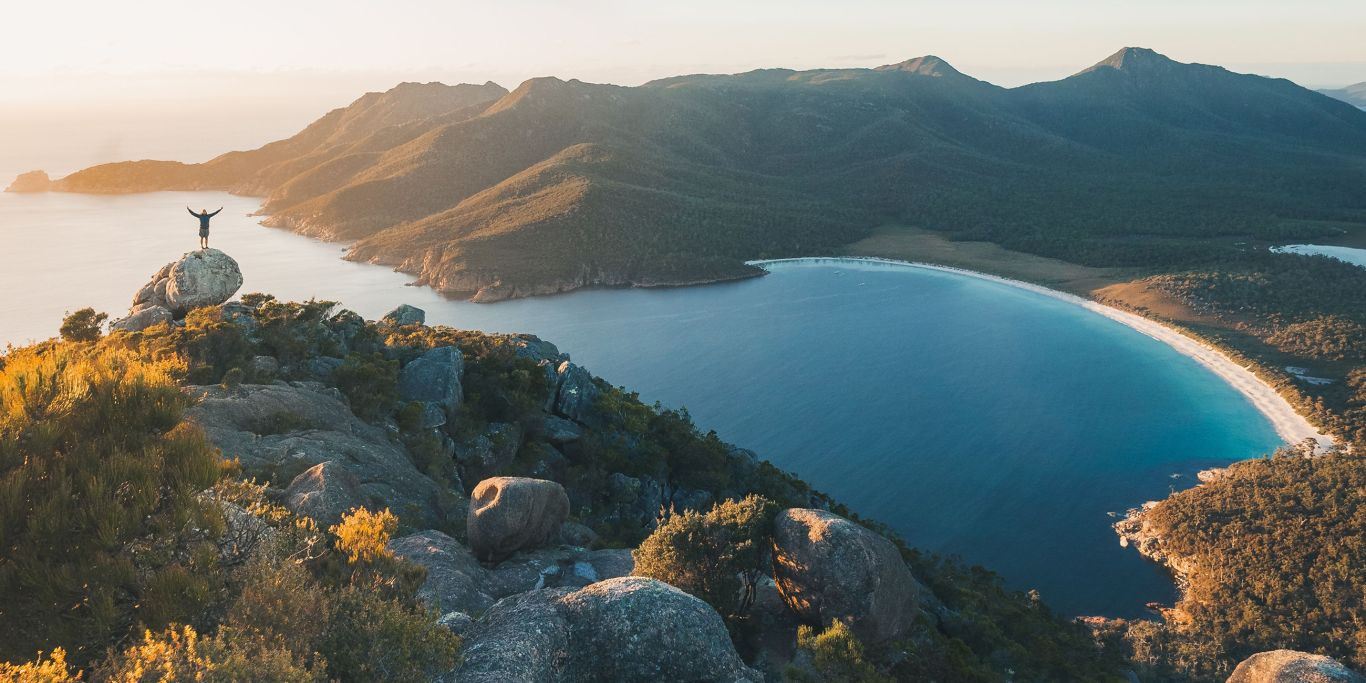
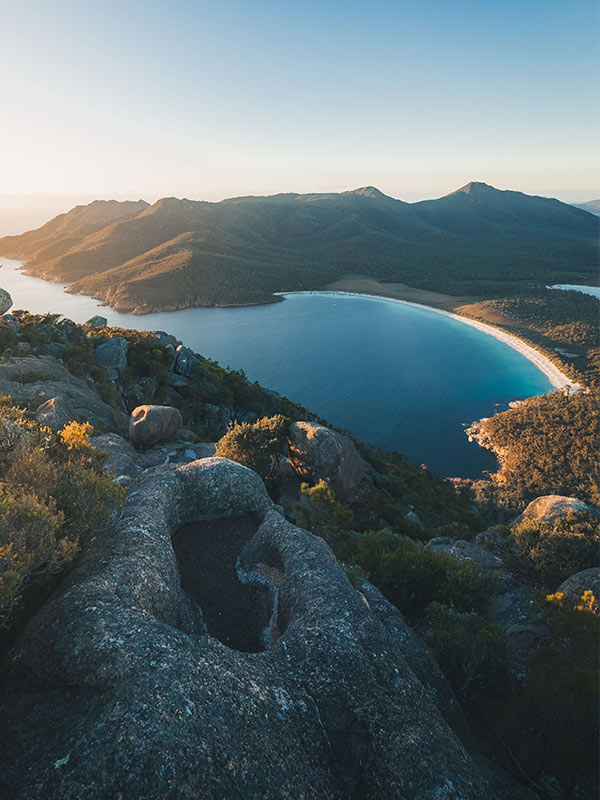
Head to the north of Tassie past the Tamar River and east into the Pipers River region to find the Bay of Fires, a winery named after this particularly beautiful swathe of the State’s rugged east coast.


The area was named ‘Bay of Fires‘ in 1773 when the aptly named Captain Tobias Furneaux noticed a number of spot fires dotted along the coast, evidence of occupation of the traditional Indigenous owners of the land.


Fast forward a couple of hundred years and winemaker Penny Jones is one of many breaking down the State’s outdated reputation of insularity: Jones has travelled the world to better understand the lay of the land and her now exceptional winemaking knowledge has resulted in some exceptional pinot noirs being produced on the property.


The winery is now one of Tassie’s headline attractions, prompting patronage from local and international oenophiles.
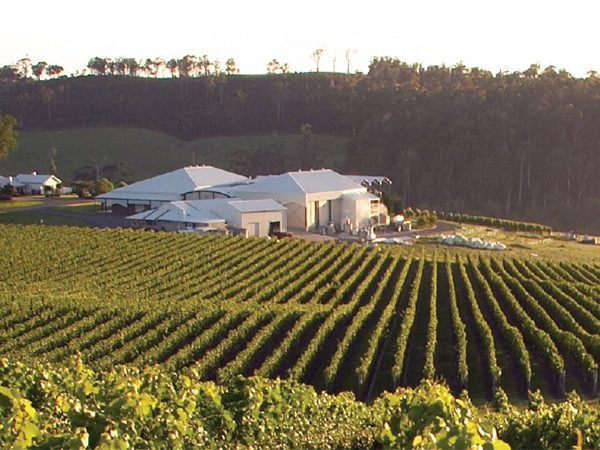
The Bay of Fires winery is named after this beautiful swathe of the east coast

5. Leeuwin Estate, Western Australia 

The cellar door at this family business is theatrically heavy on sandstone and wood, as is the restaurant, and art gallery, which have all been added to the original production facilities, which opened in 1978.


While terroir is said to determine the complexities of a wine and where it’s from, the estate in Margaret River in WA is also defined by its dedication to fine wine, food and art.


As well as producing wines ranked as some of the best in the world, Leeuwin Estate showcases its sense of place by staging world-class events.


It also embraces the arts by linking concerts and Art Series events back to its labels, which feature leading contemporary Australian artists.


Do a few hot laps of the gallery, which includes artworks from Lloyd Rees, Sir Sydney Nolan, John Olsen and Arthur Boyd.
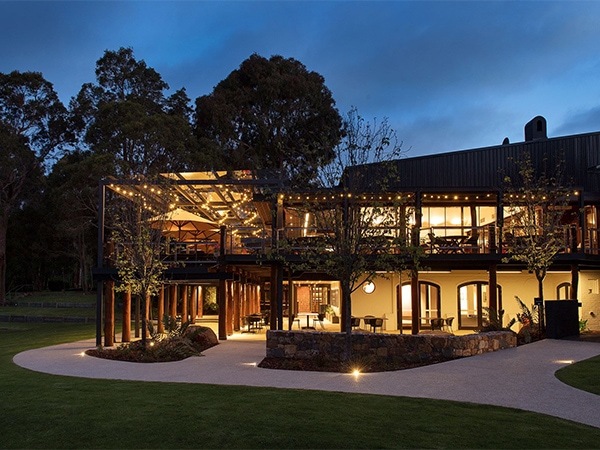
Leeuwin Estate showcases its sense of place by staging world-class events

6. Helm Wines, Canberra District 

The crisp, cool climate of the Canberra district enables winemakers in the region to craft complex wines of great subtlety and elegance.


A tutored tasting at Helm winery, housed in the original 1888 public school house, is a very intimate experience.


After 22 years of working as a horticulture scientist at the CSIRO, Helm purchased the 15 hectare property in 1973 and set up one of the district’s first wineries with wife Judith.


After his first wine, made in 1977, won first prize at the Forbes Wine Show, Helm figured he was onto a good thing: he is now credited with helping establish the Canberra District Wine Region’s reputation for producing world-class cool-climate wines. To go to the cellar door and find Helm himself there is a beautiful thing.
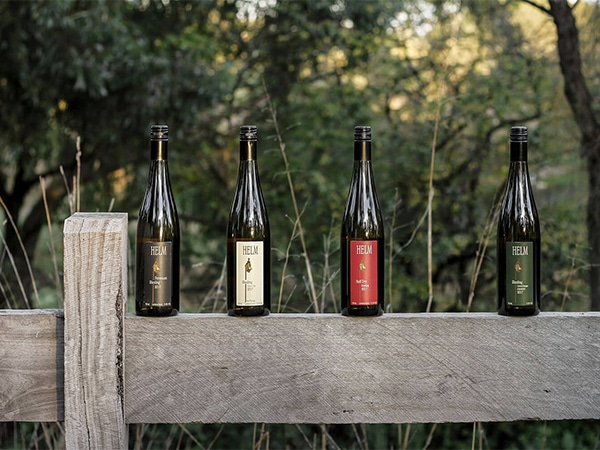
A tour of Helm wines is a very intimate experience
Carla Grossetti
Carla Grossetti avoided accruing a HECS debt by accepting a cadetship with News Corp. at the age of 18. After completing her cadetship at The Cairns Post Carla moved south to accept a position at The Canberra Times before heading off on a jaunt around Canada, the US, Mexico and Central America. During her career as a journalist, Carla has successfully combined her two loves – of writing and travel – and has more than two decades experience switch-footing between digital and print media. Carla’s CV also includes stints at delicious., The Sydney Morning Herald, and The Australian, where she specialises in food and travel. Carla also based herself in the UK where she worked at Conde Nast Traveller, and The Sunday Times’ Travel section before accepting a fulltime role as part of the pioneering digital team at The Guardian UK. Carla and has been freelancing for Australian Traveller for more than a decade, where she works as both a writer and a sub editor.
See all articles
hero media

6 reasons the best way to experience the Kimberley is by cruise

This remote corner of Australia is one of the world’s last frontiers. This is how to see it properly.

Vast, rugged and deeply spiritual, the Kimberley coast in Australia’s North West feels a world away from everyday Australia – and there are countless ways to explore it. But if you want to reach ancient rock art, hidden gorges and lonely waterfalls, it has to be by boat. Whether you’re aboard a nimble expedition vessel or a luxury yacht with all the trimmings, exploring by the water brings exclusive experiences, shows unique views and makes travel easier than any other mode. And that’s just the beginning of Australia’s North West cruises.

The True North Adventure Cruise in between sandstone cliffs.
Adventure starts where the road ends.

1. Discover Broome, and beyond

Explore your launchpad before you set sail: Broome. Here camels and their riders stride along the 22 kilometres of powdery Cable Beach at sunset. That’s just the start.

At Gantheaume Point, red pindan cliffs plunge into the turquoise sea, whose low tide uncovers fossilised dinosaur footprints. Broome’s pearling history runs deep. Japanese, Chinese, Malay and Aboriginal divers once worked these waters, and their legacy lives on in boutiques where South Sea pearls still shine.

If the moon’s right, you may catch the Staircase to the Moon over Roebuck Bay. Or simply kick back with a cold beverage and a film under the stars at Sun Pictures , screening since 1916.

Ride a camel along Cable Beach as the sun sinks into the Indian Ocean, casting golden light across the sand and sea.
Ride a camel along Cable Beach. (Image: Nick Dunn)

2. Unmatched access to The Kimberley

Once you’re onboard, expect a backstage pass to some of the most isolated places on Earth. No roads. No ports. No phone reception.

At Horizontal Falls/ Garaanngaddim, 10-metre tides surge through twin gorges like a natural waterpark ride that’ll make your palms sweat. Then there’s Montgomery Reef/ Yowjab: a giant living platform of coral and seagrass, where the sea pulls back to reveal waterfalls, sea turtles and ospreys.

Up north, King George Falls/ Oomari rage 80 metres down red cliffs. Zodiac boats often nudge in closer so you can feel the spray on your sun-warmed cheeks. You might even fly in to reach Mitchell Falls/ Punamii-unpuu, a four-tiered cascade where you can swim in freshwater pools above the drop.

Come spring, some itineraries veer west to Rowley Shoals: an atoll chain of white sand and reef walls. Then it’s up the winding Prince Regent River to King Cascade/ Maamboolbadda, tumbling over rock terraces, and into a Zodiac to view the Gwion Gwion rock art, whose slender, ochre-painted figures are older than the pyramids.

A cruise drifts beneath King George Falls, where sheer sandstone cliffs frame the thunderous plunge into turquoise waters.
Get closer to the Kimberley than ever before.

3. Taste the Kimberley with onboard hospitality

You might spend your days clambering over slippery rocks or charging past waterfalls. But when you’re back on the water, it’s a different story. Meals are chef-prepared and regionally inspired: grilled barramundi, pearl meat sashimi, mango tarts, and bush tomato chutney. One night it’s barefoot beach barbecues with your shipmates; the next, alfresco dining on the ship.

Small expedition ships each have their own personality, but many carry just 12 to 36 guests, making being out on the water a whole other experience. You might sink into a spa on the foredeck or sip coffee in a lounge while watching crocodiles cruise by. It’s choose-your-own-relaxation, Kimberley style.

4. Expert-led excursions through the Kimberley

These voyages are led by people who know the Kimberley like the back of their sunburnt hand. Attenborough-esque naturalists might gently tap your shoulder to point out rare birds or tell the story beneath a slab of rock. Historians can explain exactly how that rusted World War II relic came to rest here.

If your ship has a helipad, you might chopper straight to a waterfall-fed swimming hole. If not, you’ll still be hopping ashore for that wet landing at a secret creek.

Then come the evenings: songlines shared by Traditional Owners under the stars, or astronomy sessions that link what’s overhead with what’s underfoot and what’s within.

A small group glides through Kimberley’s rugged coastline by boat, passing ancient cliffs.
Explore with naturalists and historians by your side.

5. Relax in luxurious lodgings

Just because you’re off-grid doesn’t mean you have to rough it. These Kimberley vessels are small in size, but mighty in luxury. True North’s ships come with their own helicopters and a no-sea-days policy, so you’re always in the thick of it. Try the luxurious offerings from Ocean Dream Charters for exploration in style. Kimberley Quest offers a fast boat for easy, off-ship adventures. On the larger end of the scale, Coral Expeditions has open-deck bars and curated wine cellars. And then there’s Ponant’s luxury yachts sleek and incredibly stylish French sailing yachts.

A helicopter soars above the sea, with a sleek cruise ship gliding in the distance.
See the Kimberley from sky to shore.

6. The adventure continues with pre- and post-cruise experiences

You’ve already come this far – so, why not go further? Broome makes it easy to ease in before you board, or wind down when your voyage ends, and there is no reason to stop there.

Head an hour and a half south to Eco Beach to stay off-grid and off the clock. Join a Yawuru guide for a mangrove walk or ocean forage. Dive even deeper into Broome’s pearling past at Willie Creek or Cygnet Bay, where divers and craftspeople still pull the seawater-slicked gems from the deep.

If you’re still craving adventure, it’s time to go further. Soar over the Buccaneer Archipelago, or detour inland with a 4WD trip along the Gibb River Road. Book a scenic flight over the Bungle Bungles. Or – because you never know when you’ll be back – do all three.

aerial of people walking on eco beach in the kimberley western australia
Stay off grid at Eco Beach. (Image: Tourism WA)

Find out more about your trip to Australia’s North West at australiasnorthwest.com .