Airport taxi and rideshare scams you need to know about

hero media
There’s nothing worse than being hit with an unexpectedly high fare after a holiday. Here’s how to avoid the sting of a scam.

We’re pretty savvy when it comes to international travel, looking up local scams and keeping a sharp eye open. But what about in our own country? Rideshare and airport taxi scams at main terminals around Australia are not uncommon. Here’s what to look out for.

Book through the actual taxi service

I once booked a taxi through a website which was essentially Webjet for taxis. Except, of course, the price wasn’t shown. I’m usually a carshare fan, but there weren’t many around my area at the time and I needed to book in for an early morning flight.

My taxi arrived on time, and it was a legitimate and common brand you see around Sydney. So where was the scam? What was usually an approximately $20 fare had been inflated to $60. Luckily, my driver was a lovely and honest man who asked me if the fare was ok when I got in the taxi. When I was shocked, he wanted me not to book through a third party, as they charge an outrageously high price for the privilege that doesn’t put any extra dimes in the taxi driver’s pockets.
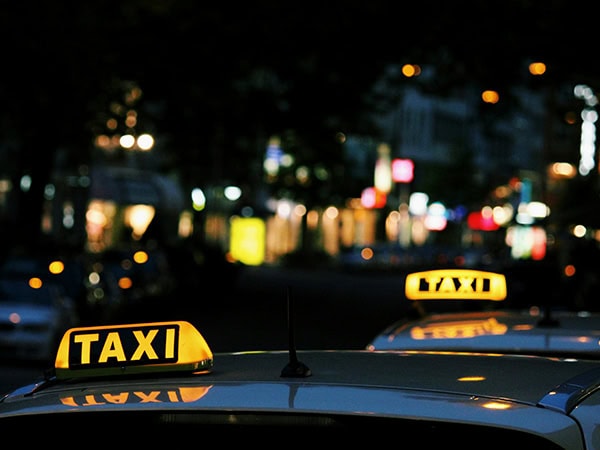
lights on top of two taxis against city lights
Book through official channels, not a third party. (Image: Lexi Anderson)

Keep an eye on the meter

If you’ve ever been shocked by the number on the meter at the end of a trip, there’s a possibility you were hit with the ‘jump up’ fare scam. This one is even trickier because most of us would never argue with the official taxi meter. The thing is, while some add-ons should be expected (like airport surcharge and sometimes tolls), if the change in fare is sudden, high and unexplained it could be a scam.

For example, one passenger recounts a $20 jump-up in the fare from one suburb to the next in Sydney. When the driver was asked to explain what the extra fees were, they admitted to ‘driving for a friend’ (ie, driving illegally) and offered a discount on the official fare. All of these reactions are red flags, don’t be fooled.
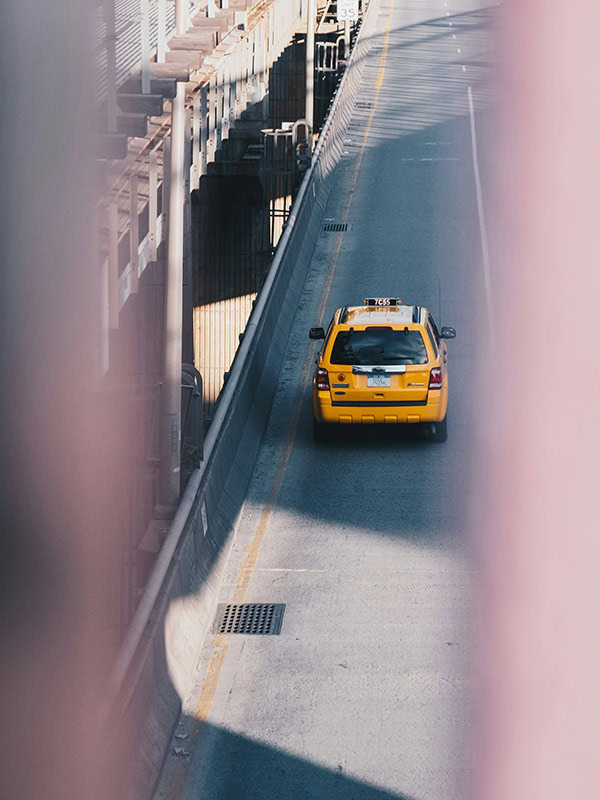
taxi crossing a bridge
Look out for unexplainable jumps in the fare. (Image: Zac Ong)

Beware of false fees

Fairly, if you make your carshare driver wait for you at the pickup location, they’re able to charge an extra fee. According to Uber’s guidelines, that wait has to be at least two minutes to apply. What some riders have noticed, however (particularly in Melbourne), is that a wait fee was added even though they were standing at the agreed pickup spot before they even booked a driver. The best part about rideshares is that when you do come across false fare charges like this, you’re usually able to get that extra money refunded when you complain via the app.

Other fees that can be added when necessary also include surge fees, toll fees and length of ride fees. While these can be added, there are stipulations. For example, surge fees should be shown before you book the Uber. Prices might change slightly, but should only be minimal (I personally have found DiDi to be much better at honest upfront pricing, though). Read the guidelines for the rideshare you’re using and be aware of any extra fees.

Another example is the time my driver missed the turn-off twice, despite my directions (and his satnav) and then charged me for the extra time it took him to loop back around and correct his mistake.
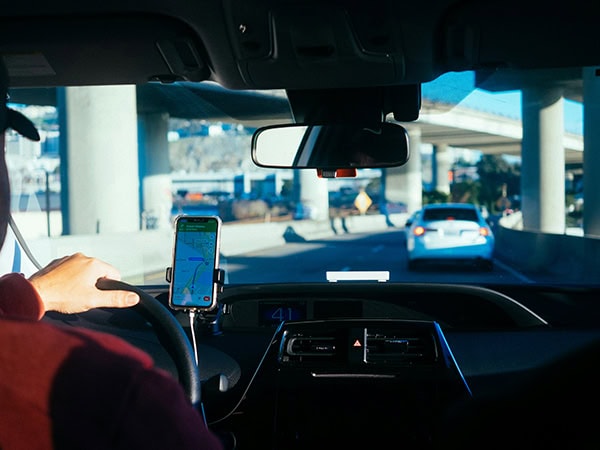
passenger view of an uber driver
Check your fee breakdown and dispute unfair additions. (Image: Paul Hanaoka)

Need tips, more detail or itinerary ideas tailored to you? Ask AT.

AI Prompt

Look out for fake cancellation scams

Sorry Melbourne, but this is another one mostly reported in the Victorian capital (although it’s also definitely happened to me in Sydney). After you’ve booked your fare, a scammer will accept your ride, make you wait for them, but then veer off-route at the last minute. Why? So they can claim they’re waiting for you, even though you’re at the agreed pickup location and there are no drivers in sight. Even after a chat in the app, they’ll drive around a little more ‘looking’ for you, just to do the same thing. After all this waiting for you, they’ve made it look like need to cancel the fare, which gets them an instant $10 cancellation fee, and you can’t contact them any more to dispute it. If that happens to you, immediately report the scam to Uber to get your $10 back.
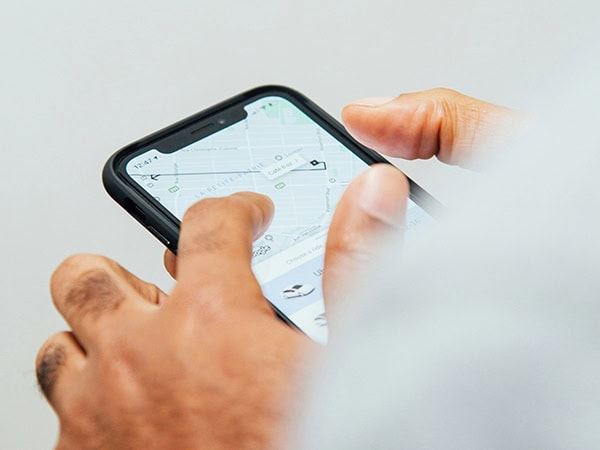
someone booking a ride through the uber app
Look out for cancellation scams. (Image: Charles Deluvio)

Never pay upfront

This taxi scam may be one you know to look out for overseas, but it’s commonly reported in Australia as well. You should never be asked to pay in cash upfront, that means it’s a scam and they may be overcharging you, or just avoiding paying their own fees.

Don’t be tricked by a ‘broken’ EFTPOS machine

Along a similar vein, some passengers have reported arriving at their destination, only to be told the EFTPOS machine isn’t working and being handed an alternative machine to swipe their card through. Next minute, a $10 fare has been charged as a $90 one. Always make sure you’re offered a regular and official payment method.
glimpse of a taxi crossing a bridge
There should be no surprises in the fare. (Image: Guillaume Fandre)
Kassia Byrnes
Kassia Byrnes is the Native Content Editor for Australian Traveller and International Traveller. She's come a long way since writing in her diary about family trips to Grandma's. After graduating a BA of Communication from University of Technology Sydney, she has been writing about her travels (and more) professionally for over 10 years for titles like AWOL, News.com.au, Pedestrian.TV, Body + Soul and Punkee. She's addicted to travel but has a terrible sense of direction, so you can usually find her getting lost somewhere new around the world. Luckily, she loves to explore and have new adventures – whether that’s exploring the backstreets, bungee jumping off a bridge or hiking for days. You can follow her adventures on Instagram @probably_kassia.
View profile and articles
hero media

The iconic Victorian beach where true Aussie surf culture was born

    Craig Tansley Craig Tansley
    Torquay’s Bells Beach is considered one of the best surf beaches in the world.

    It’d be easy to think Australian surf culture was born around the right-hand point breaks of the Gold Coast and Byron Bay. These regions seem the epitome of how the world views Aussie surfers – bronzed (or burnt), languishing in warm water and sunshine. The reality is a lot different.

    The rise of surf culture along Victoria’s coastline

    surfers at Bells Beach in Australia
    Surfers stand on the shore at Bells Beach, where the country’s biggest surfing competition is held each year. (Image: Getty/Filed Image)

    True Aussie surf culture was born on the chilly waves of Victoria’s winters, when huge swells from the Great Southern Ocean hit cliff-lined beaches along the Great Ocean Road. These beaches were the ultimate proving ground – surfers from all over Australia arrived in panel vans and VWs to do battle with the biggest waves they could find.

    huge swells from the Great Southern Ocean at Bells Beach
    Surfers take advantage of the huge swells from the Great Southern Ocean at Bells Beach. (Image: Tourism Australia/Cameron Murray)

    There are surf breaks all along this very picturesque coast – but those around Torquay were most revered. The ultimate test of a surfer’s ability – and durability – however, was Bells Beach: Australia’s answer to Hawai‘i’s Pipeline. Just beyond, the breaks at Jan Juc and Winkipop beckoned.

    an aerial view of surfers at Bells Beach
    Hit the waves along the picturesque coast. (Image: Tourism Australia)

    Torquay became surfing’s Silicon Valley: HQ for the entire Australian surf culture revolution. Four young locals worked out of their backyards in Torquay to create two of the world’s biggest surf labels – Rip Curl and Quiksilver, which soon became the region’s biggest employers.

    surfers out at Bells Beach
    Surfers out at Bells Beach, Victoria’s most famous beach. (Image: Tourism Australia/Cameron Murray)

    Rip Curl started sponsoring the Bells Beach Pro in 1973 – and have done ever since. It’s been going since 1962 – making it the world’s longest continually run surfing contest. Held every Easter, it’s part of the world surfing tour. Spectators line its 30-metre-high cliffs to watch the world’s best take on enormous waves – it’s the ultimate coliseum for the sport and has inspired generations of Aussie surfers to join the list of heroes whose names are on its iconic bell.

    Follow the waves through Victoria’s surfing heartland

    Australian National Surfing Museum, Torquay
    The Australian National Surfing Museum in Torquay. (Image: Tourism Australia)

    Just behind Torquay’s main drag, you can see all that history on display at the world’s best surf museum – the Australian National Surfing Museum. Here you can take your time absorbing the 100-year-or-so history of Australian surfing and check out the 150-strong surfboard collection.

    surfboards on display at Australian National Surfing Museum
    The museum holds surfing memorabilia, including a room dedicated to the history of boards. (Image: Tourism Australia)

    But classic Aussie surf culture can be observed in everyday life all over the Great Ocean Road and Torquay. Surfing dictates life here; no work is done until the big swells have come and gone. Just being here provides a window into 60-odd years of rebellion against convention; for no-one likes nine-to-five living on the Great Ocean Road.

    surfing memorabilia at Australian National Surfing Museum
    The varied displays celebrate the Bells Beach competition, surfing legends and Aussie surf culture. (Image: Tourism Australia)

    There’s less panel vans and VW Beetles these days, but surf culture still rules life. Surfers run this coast; you’re better off keeping out of their way when they’re running down past you to face the biggest swells – then hear them swap stories at cafes, restaurants and bars all around you.

    surfing at Bells Beach
    The beach near Torquay is Australia’s answer to Hawai‘i’s Pipeline. (Image: Visit Victoria/William Watt)