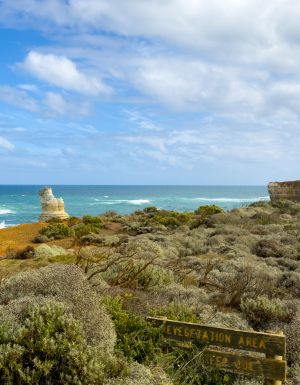
Torquay’s Bells Beach is considered one of the best surf beaches in the world.
It’d be easy to think Australian surf culture was born around the right-hand point breaks of the Gold Coast and Byron Bay. These regions seem the epitome of how the world views Aussie surfers – bronzed (or burnt), languishing in warm water and sunshine. The reality is a lot different.
The rise of surf culture along Victoria’s coastline
Surfers stand on the shore at Bells Beach, where the country’s biggest surfing competition is held each year. (Image: Getty/Filed Image)
True Aussie surf culture was born on the chilly waves of Victoria’s winters, when huge swells from the Great Southern Ocean hit cliff-lined beaches along the Great Ocean Road. These beaches were the ultimate proving ground – surfers from all over Australia arrived in panel vans and VWs to do battle with the biggest waves they could find.
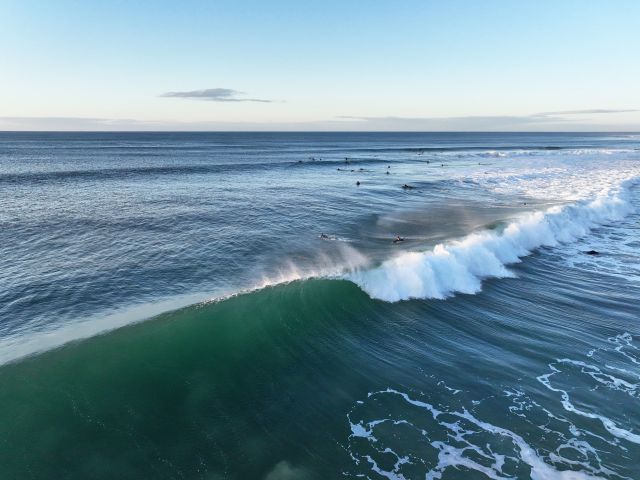
Surfers take advantage of the huge swells from the Great Southern Ocean at Bells Beach. (Image: Tourism Australia/Cameron Murray)
There are surf breaks all along this very picturesque coast – but those around Torquay were most revered. The ultimate test of a surfer’s ability – and durability – however, was Bells Beach: Australia’s answer to Hawai‘i’s Pipeline. Just beyond, the breaks at Jan Juc and Winkipop beckoned.
Hit the waves along the picturesque coast. (Image: Tourism Australia)
Torquay became surfing’s Silicon Valley: HQ for the entire Australian surf culture revolution. Four young locals worked out of their backyards in Torquay to create two of the world’s biggest surf labels – Rip Curl and Quiksilver, which soon became the region’s biggest employers.
Surfers out at Bells Beach, Victoria’s most famous beach. (Image: Tourism Australia/Cameron Murray)
Rip Curl started sponsoring the Bells Beach Pro in 1973 – and have done ever since. It’s been going since 1962 – making it the world’s longest continually run surfing contest. Held every Easter, it’s part of the world surfing tour. Spectators line its 30-metre-high cliffs to watch the world’s best take on enormous waves – it’s the ultimate coliseum for the sport and has inspired generations of Aussie surfers to join the list of heroes whose names are on its iconic bell.
Need tips, more detail or itinerary ideas tailored to you? Ask AT.
AI Prompt
Follow the waves through Victoria’s surfing heartland
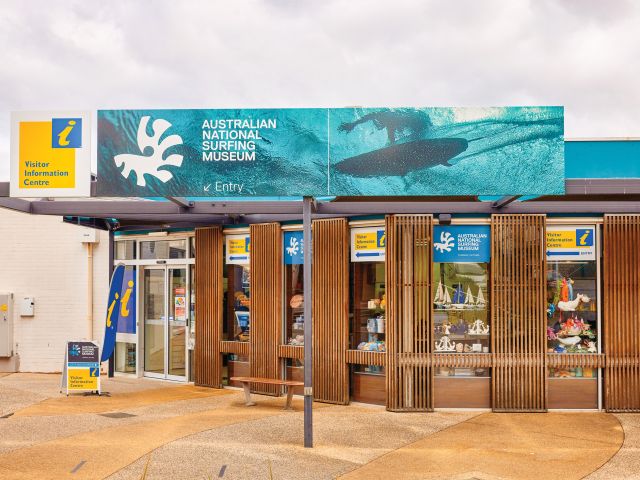
The Australian National Surfing Museum in Torquay. (Image: Tourism Australia)
Just behind Torquay’s main drag, you can see all that history on display at the world’s best surf museum – the Australian National Surfing Museum. Here you can take your time absorbing the 100-year-or-so history of Australian surfing and check out the 150-strong surfboard collection.
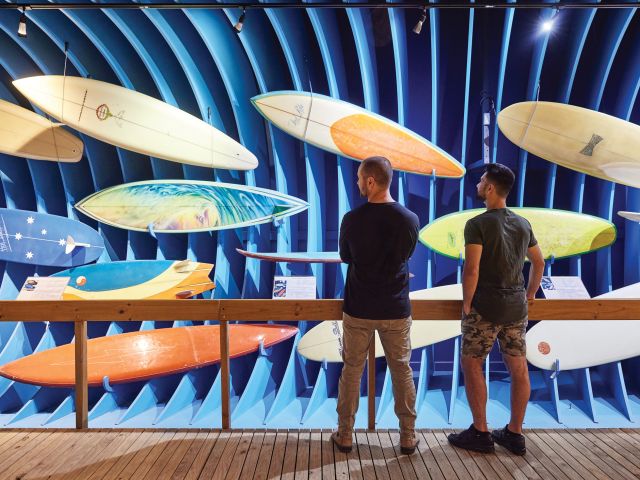
The museum holds surfing memorabilia, including a room dedicated to the history of boards. (Image: Tourism Australia)
But classic Aussie surf culture can be observed in everyday life all over the Great Ocean Road and Torquay. Surfing dictates life here; no work is done until the big swells have come and gone. Just being here provides a window into 60-odd years of rebellion against convention; for no-one likes nine-to-five living on the Great Ocean Road.
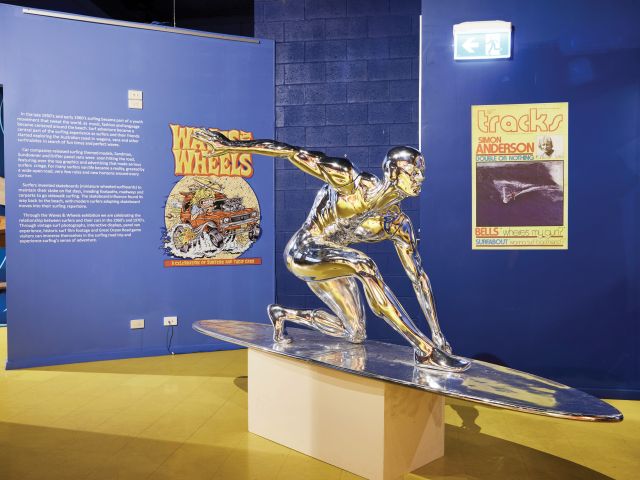
The varied displays celebrate the Bells Beach competition, surfing legends and Aussie surf culture. (Image: Tourism Australia)
There’s less panel vans and VW Beetles these days, but surf culture still rules life. Surfers run this coast; you’re better off keeping out of their way when they’re running down past you to face the biggest swells – then hear them swap stories at cafes, restaurants and bars all around you.
The beach near Torquay is Australia’s answer to Hawai‘i’s Pipeline. (Image: Visit Victoria/William Watt)
Want to see more stories from Australian Traveller in your Google search results?
Tick the box next to "Australian Traveller". That's it.
Craig Tansley has been a travel writer for over 20 years, winning numerous awards along the way. A long-time sucker for adventure, he loves to write about the experiences to be had on islands, on the sea, in forests or deserts; or anywhere in nature across Australia, and the world.
No matter your age and no matter your interests, Victoria’s coastal Bellarine region makes for a memorable getaway for the whole family.
Curving into Port Phillip Bay and extending south from Geelong, The Bellarine is a gorgeous coast-meets-country destination. It’s a captivating mix of beachside towns, rolling farms and vineyards, effortlessly cool eating and drinking spots and coastal vistas that seem to stretch beyond the horizon.
Among its many highlights is a plethora of family-friendly activities to suit all ages and all interests. Here’s your guide to the ultimate Bellarine getaway guaranteed to keep every generation happy.
1. Tuckerberry Hill Farm
Pick your own fruit at Tuckerberry Hill Farm.
There may be no better way to spend an early morning than by foraging and feasting on your own bounty of berries. At Tuckerberry Hill Farm, you can pick blueberries, strawberries and stone fruit from November through March. Take them home or enjoy on the farm’s sun-dappled grounds.
Tuckerberry also has a regular market selling farm-fresh produce, plus an inviting on-site cafe doing light lunches, drinks, home-baked treats and condiments – many of which incorporate the farm’s own harvest.
2. The Oxley Estate
Wake up to the neighbours.
A memorable holiday starts with a memorable place to stay, and The Oxley Estate delivers. Situated in the relaxed coastal town of Portarlington, the sprawling site offers thoughtfully styled rooms and activities that’ll keep both parents and kids entertained.
Wander the fragrant rose gardens, olive grove and fruit-laden orchards. Meet the resident alpacas, donkeys, goats, sheep, chickens and ducks. Challenge your crew to a round of giant chess or mini golf. Or cool off in the shimmering saltwater pool after a busy day of exploring.
Different room types cater to different groups, with the largest able to comfortably sleep eight.
3. Oneday Estate
Taste small batch wines at Oneday Estate.
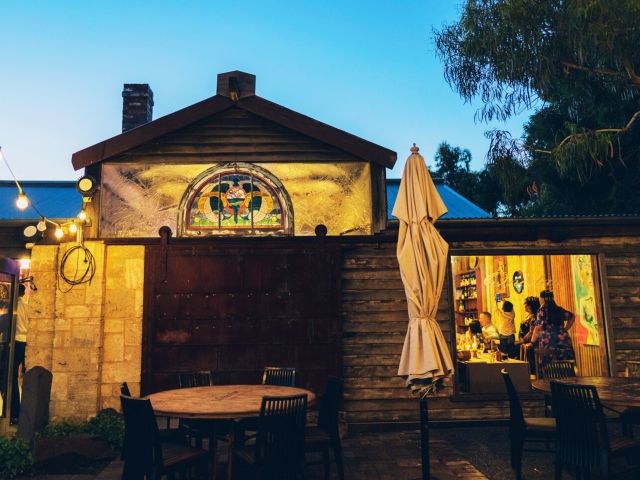
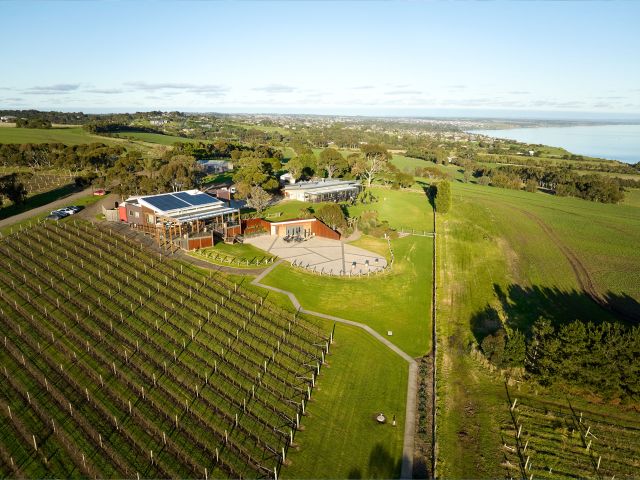
Oneday Estate is a must-visit, featuring a restaurant, winery and bar. The winery lets you try small-batch, estate-grown shiraz, pinot noir and riesling. It’s also a vibrant and character-filled Sunday lunch spot in an eclectic stone-and-timber hall crafted from recycled materials and 100-year-old relics repurposed from the surrounding region.
The on-site eatery and bar hosts weekly Sunday Sessions accompanied by tunes from local musicians, a buzzy atmosphere and flavour-packed food and drink. Order a round of delicious woodfired pizzas with toppings to suit all tastes, alongside a glass of Oneday’s signature wine.
4. BIG4 Ingenia Holidays Queenscliff Beacon
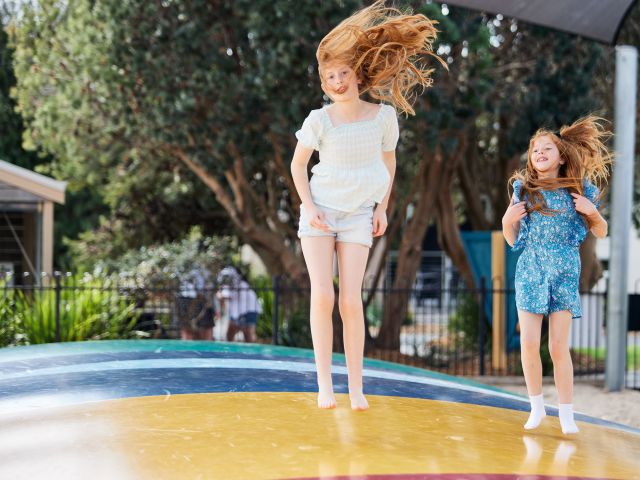
Kids will love BIG4 Ingenia Holidays Queenscliff Beacon.
BIG4 holiday parks are renowned for their all-ages appeal, and BIG4 Ingenia Holidays Queenscliff Beacon in the coastal enclave of Queenscliff is no different. The pool and gym are a given, but there’s also a playground, pickleball and basketball courts, a jumbo-sized jump pad, an interactive games arena and an indoor games room equipped with toys, activities and entertainment.
The diverse range of accommodation spans compact studios designed for three guests, all the way up to expansive beach houses accommodating up to 10, providing comfort and flexibility to suit every size of family.
5. Bellarine Railway
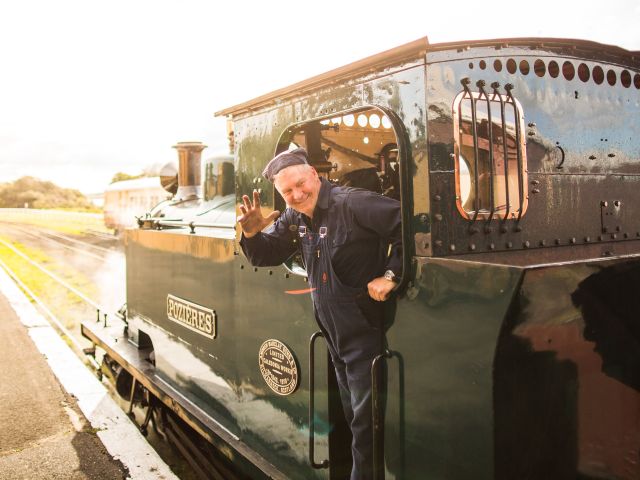
Take a journey aboard the Bellarine Railway.
If your entourage includes any locomotive enthusiasts, book a journey aboard the Bellarine Railway. The more than 100-year-old steam train transports you to a bygone era and takes you through the rolling farmland and windswept coastal landscapes that make The Bellarine so beautiful.
The Swan Bay Express is an easy 45-minute ride perfect for younger passengers (and even allows dogs on board), or you could opt for a themed trip. There are seasonal events like the Polar Express (a festive favourite in the lead-up to Christmas), along with the Blues Train (a high-energy experience of live music and dancing) and The Q Train (a roving fine-dining feast celebrating regional produce).
6. The Dunes
Save room for dessert. (Image: Visit Vic)
The Dunes offers the perfect balance of polished and playful, a breezy beachside bar and restaurant that appeals to adults and kids alike.
Feast on moreish snacks, share plates and mains from the Italian-inspired menu, or a selection of San Marzano-topped pizzas fresh from the wood-fired oven. Pair your meal with a classic cocktail, an ice-cold beer or a glass from the generous drinks menu, which brims with local drops. Little ones are well catered for with a line-up of kid-approved meals for breakfast and lunch.
If you’re simply swinging by en route to the family-friendly beach, grab a bite at The Dunes’ beachside kiosk before strolling down for a paddle or surf.
7. Sea All Dolphin Swims
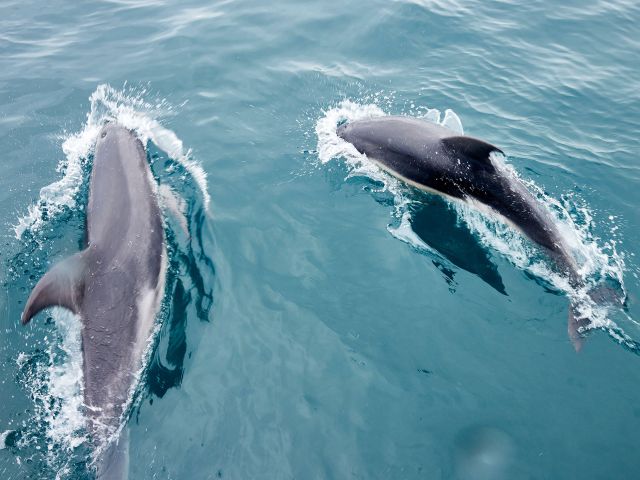
Spot the locals with Sea All Dolphin Swims. (Image: Visit Vic)
The sparkling waters around The Bellarine are home to dolphins, fur seals, plus a flurry of seabirds. Sea All Dolphin Swims lets you see some of these magnificent animals up close aboard one of their small-group vessels.
Head out on a sightseeing tour and spot local wildlife darting around the boat, or dive right in with a swim adventure tour. You’ll be swimming alongside dolphins and seals in their natural habitat – a bucket-list experience you won’t forget fast.
Swimming and snorkelling gear is provided, and guides are trained to ensure a gentle, eco-friendly encounter for both swimmers and sea creatures.
8. Jack Rabbit
Everyone has a menu to enjoy at Jack Rabbit. (Image: Visit Vic)
If your mood leans laid-back, the House of Jack Rabbit is a lovely spot for brunch, lunch or dinner. The cafe serves a produce-driven all-day menu filled with seasonal mains, generous sharing platters and a playful kids menu to suit even the pickiest of eaters.
If you’re after something more elevated, Jack Rabbit Restaurant does plates that change with the seasons and incorporate plenty of local produce. Even younger guests are well catered to, with a considered yet familiar kids’ menu that’s just as vibrant as the grown-up one.