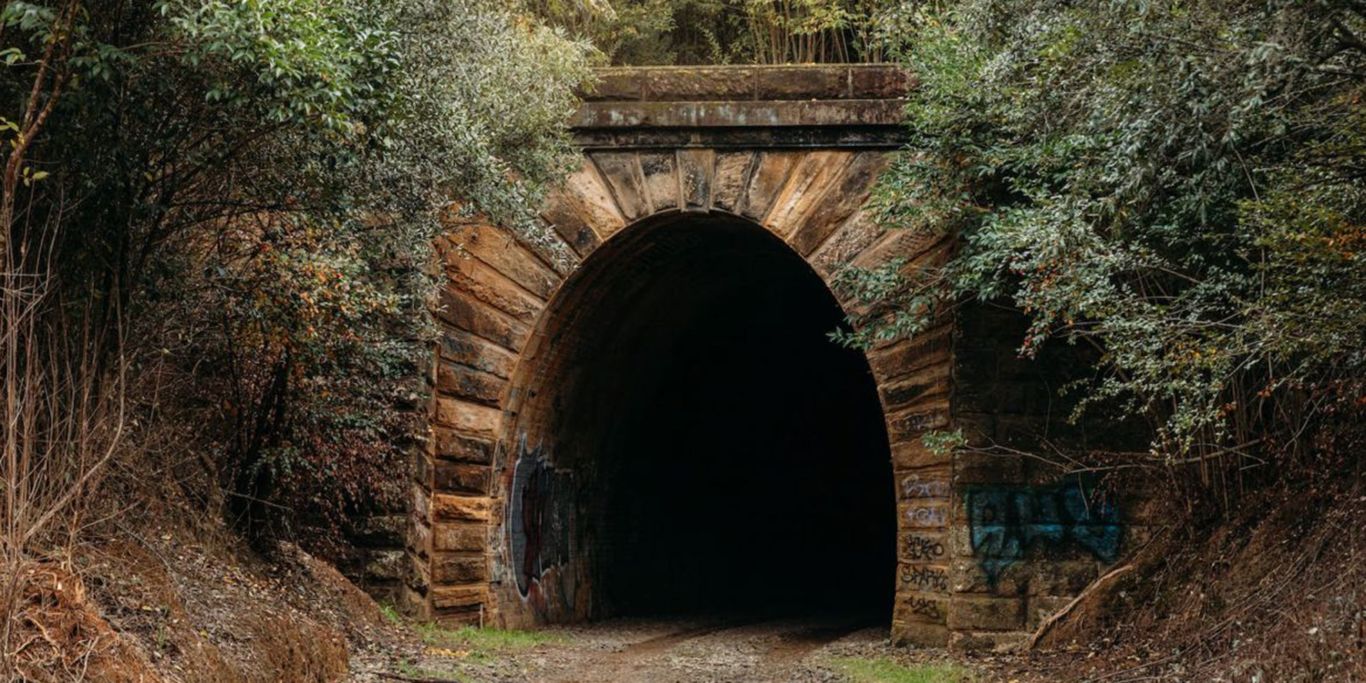

Here are the most haunted places in Australia to spook yourself silly (or avoid, if you’d rather not).
Eerie noises, unexplained breezes, doors that open without reason. There are many haunted places in Australia where a dark past seemingly carries into the present. From sites of tragic accidents to places that lay witness to mass killings, there are plenty of ghost towns and locations where you can do ghost tours in Australia, or simply visit to see if your hairs stand on end.
1. Princess Theatre, Melbourne, Victoria
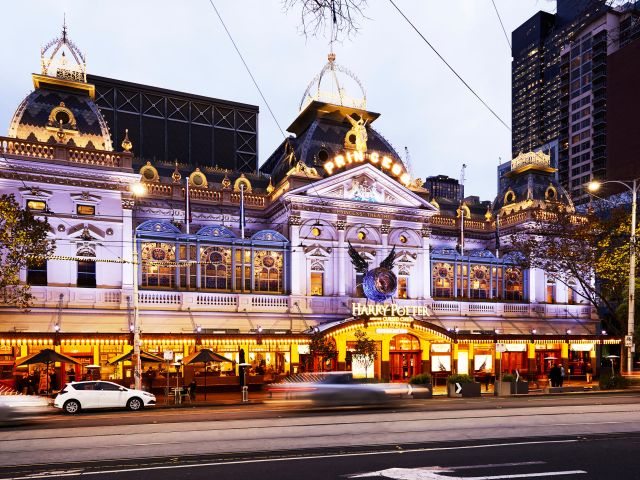
Melbourne’s Princess Theatre’s ghost is so prolific a seat is reserved for him on the opening night of performances. In 1887, Frederick Baker, known as ‘Federici’, took a leading role in the opera Faust. In his final scene, Federici fell through an on-stage trapdoor after suffering a heart attack and soon died backstage. Onlookers were none the wiser, assuming it was part of the show. Some even say he came out to take a final bow when the performance ended.
Over subsequent years, there were many reports of strange light flickering in the theatre and a number of people have said they felt something brush past them in an empty corridor. Strangest of all are the reported sightings of Federici himself in the theatre, often at night, where he is reportedly seen to be watching shows and critiquing performances.
2. Port Arthur, Tasmania
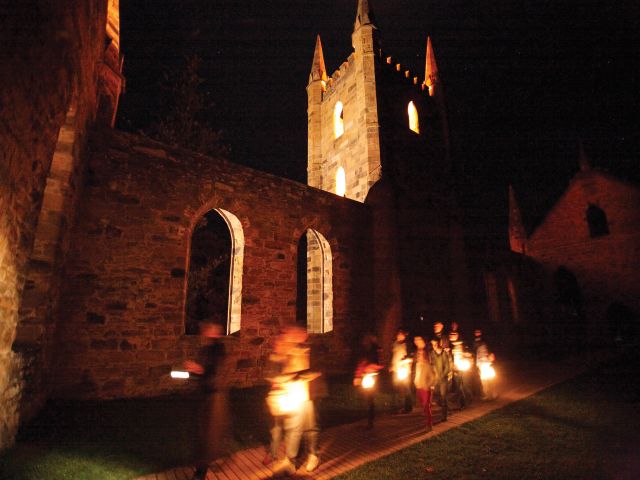
World Heritage-listed Port Arthur served as a convict settlement for almost 50 years, and more than 1000 people died at Port Arthur during this time.
series of unexplained events at the site have been reported since the arrival of free settlers and have been noted by soldiers and other visitors in more recent times. The old punishment cell in particular is known to be a hotspot for unusual activity.
Take a lantern-lit ghost tour at Port Arthur after dark and read about the experience here.
3. Aradale Lunatic Asylum, Ararat, Vic
This abandoned lunatic asylum (which we would now more appropriately call a psychiatric unit or mental health hospital) in Ararat is believed to be haunted, with many deaths occurring in the facility during its 126 years of use.
People have reported being pushed and tickled and have heard strange banging noises. Along with patients who died in the facility, the site is also said to be haunted by a former nurse. Ghost tours are offered at Aradale.
Need tips, more detail or itinerary ideas tailored to you? Ask AT.
AI Prompt
4. North Kapunda Hotel, South Australia
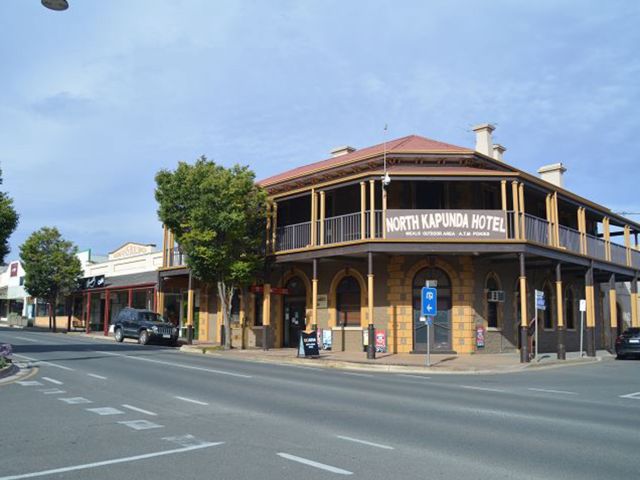
The North Kapunda Hotel has a solid reputation for being haunted. Kapunda, a one-hour drive north of Adelaide, was a busy mining town in the early 1800s and the pub opened in 1849 to service the region.
Many stories of crime are linked to the hotel, including a few murders. A ghostly woman, thought to be a sex worker killed in the pub, and a little girl, thought to be her daughter, are said to haunt the halls. Apparently, the ghost of a miner who died after having his leg amputated in the hotel can sometimes be seen cycling along nearby streets.
Ghost Crime Tours offer a ‘paranormal lockin’ at the hotel, where you’ll be kitted with equipment to try to get a reading on paranormal activity in the building.
5. Monte Cristo Homestead, Junee, NSW
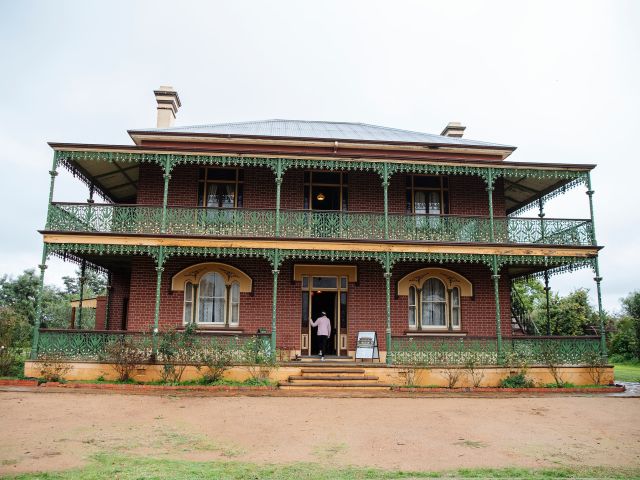
The Monte Cristo Homestead was constructed by Christopher William Crawley, a farmer whose fortunes changed when he built a hotel near a new railway line in the 1800s. Crawley and his family members lived in the homestead… and some of them also died there. This includes Crawley himself and his wife, both from illness. Apparently neither of them have left the building since.
More tragically, it’s said one of Crawley’s maids threw herself off the balcony (or, was pushed) when she discovered she was pregnant with Crawley’s child. Another of Crawley’s illegitimate children, also born to a maid, is thought to haunt the property too. He’s supposedly joined by a stable boy who burned to death in an arson attack.
These are just a few of the ghosts said to roam the property and you can try to feel their icy presence for yourself on a ghost tour at Monte Cristo.
6. Fremantle Arts Centre, Perth, Western Australia
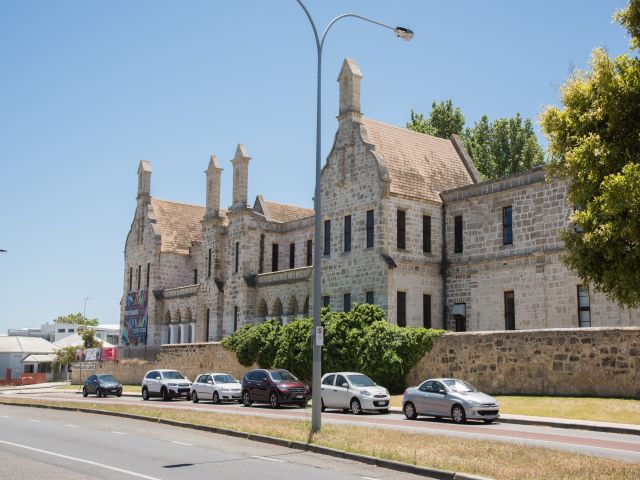
The building now known as the Fremantle Arts Centre was built by convicts in the 1860s as an asylum for those suffering from mental illness and ‘poor’ women. Patients were treated more like prisoners and the facility became overcrowded, as it was deemed a ‘solution’ to deal with people suffering from a range of conditions, including menopause and sunstroke.
The death of a woman at the hand of a violent inmate sparked the closure of the facility, and it was then used to house soldiers during WWII. This is when reports started of strange banging, whispering and crying at night. Staff who later came to work in the arts centre have reported sudden changes in temperature, thought to be the work of ghosts.
7. National Film and Sound Archive, Canberra, ACT
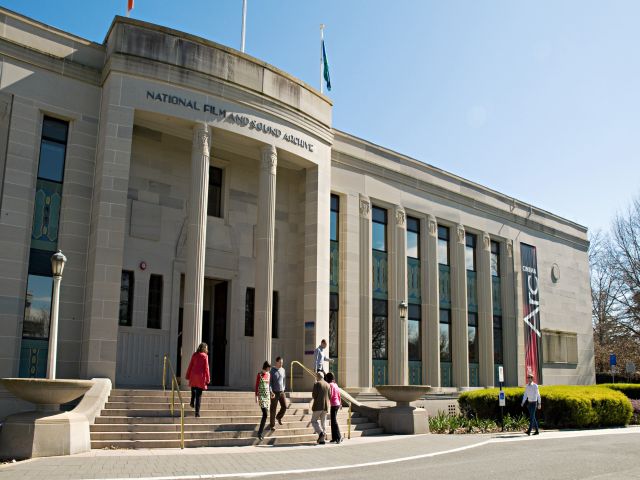
Today, the National Film and Sound Archive (NFSA) celebrates and protects Australia’s audiovisual heritage, but, in a previous life, it was an anatomical institute. The building has housed many skeletons and other human and animal specimens, including Phar Lap’s heart and Ned Kelly’s skull.
As a result, many ghost hunters say it’s one of the most haunted places in Australia. In particular, the ghost of the founder and first director of the former Australian Institute of Anatomy, Sir Colin MacKenzie, is known to loiter in the halls on occasion. His ashes are housed in a wall behind a plaque that recognises him, so, whether in ghost form or not, he’s literally in the building.
The NFSA sometimes runs ghost tours, check the events page for details.
Weekly travel news, experiences
insider tips, offers, and more.
8. Devil’s Pool, Babinda Boulders, Queensland
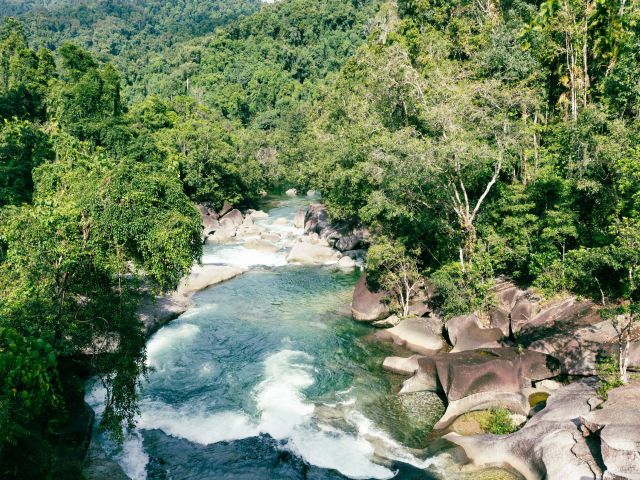
Devil’s Pool near Babinda in North Queensland is a stunningly beautiful place, but not all those who have been lured into its rainforest fringed, turquoise waters have come out alive. A notoriously dangerous swimming hole, 17 people have died here, mostly young men.
According to Aboriginal legend, a lovestruck woman named Oolana threw herself into the waters after being separated from her lover, Dyga, who, in a Romeo and Juliet-style tale, was from a different tribe.
Her spirit is believed to have never left the pool, and it’s said she now coaxes men in to join her in death. Some people have also reported unexplained crying in the area, thought to be Oolana crying out for Dyga.
9. Mushroom Tunnel, Picton, NSW
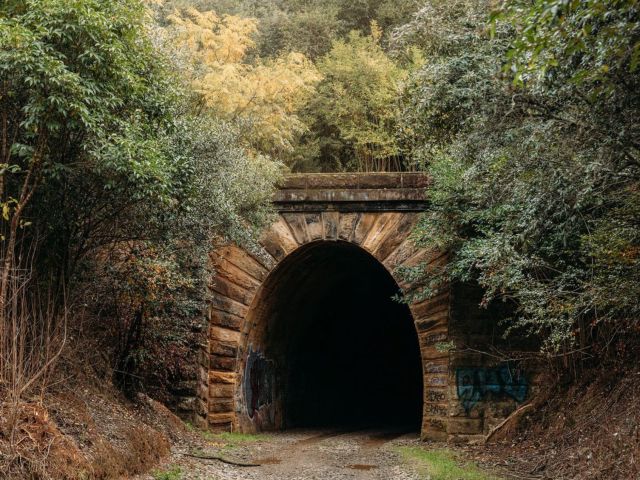
Picton, 90 minutes southwest of Sydney, is sometimes described as the most haunted town in Australia. When it was founded in 1821, the town was named Stonequarry, and its best-known landmark is the Mushroom Tunnel, formally known as the Redbank Range Railway Tunnel. It’s in this tunnel that a number of people have died – either accidentally or by suicide.
The ghost of Emily Bollard, who was killed by a train in 1916, is perhaps the most famous. She is thought to be the white flowing figure of a woman with no face, who has reportedly been sighted on a number of occasions.
Elsewhere around Picton, a matron is said to haunt the old maternity ward; a young boy and girl and a bearded man are said to haunt the Wollondilly Shire Hall; and the jukebox at the Imperial Hotel has been known to fire up on its own, even when unplugged.
Organised ghost tours no longer run in Picton, but you can show up and try to see or feel the departed for yourself.
Want to see more stories from Australian Traveller in your Google search results?
- Click here to set Australian Traveller as a preferred source.
- Tick the box next to "Australian Traveller". That's it.