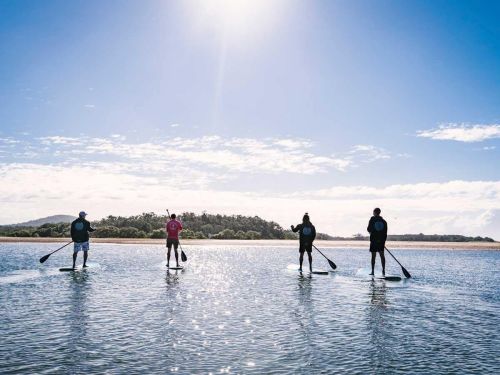
How Australia’s tourism industry is leading the way in sustainability

hero media
When it comes to scoring Australia’s sustainable report card, the travel and tourism industry has the opportunity to become a high achiever; let us explain.

Is it any wonder we’re yearning for the pure escapism of travel? The sobering realities of life in 2022 – from catastrophic floods to coral bleaching to the ongoing spectre of COVID-19 – are enough to send even diehard optimists scurrying for their suitcase. But when the act of escaping can also contribute to the very problems causing our hopelessness – particularly when it comes to the health of our planet – future-minded travellers are right to be asking: is travel in Australia sustainable? How does our country measure up?

Australia needs to do more to fight climate change

To be frank, in general, Australia needs to pull up its socks. The country’s embarrassing (lack of) progress on the United Nation’s Sustainable Development Goals saw it ranked dead last in an assessment of 60 countries for its policy response to the climate crisis. (And who can forget the dubious honour of winning the Colossal Fossil Award at COP26 in October 2021?) But when it comes to sustainability in travel specifically, Australia’s report card shows far more promise. In fact, the travel and tourism industry is shaping up as a key driver in the push for change.

As Tourism Australia’s head of sustainability, Penny Rafferty, puts it, the impetus for sustainability is baked right onto the very things the industry is built on. “The reasons people come here are our nature and wildlife. Our aquatic and coastal beauty. Our clean cities, and our incredible food and beverage scene, which is only made possible because we have clean air, water, soil, and vast, relatively unspoilt lands," she explains.

It makes sense. Why be in the game of taking visitors to see the Great Barrier Reef, for example, if you’re not doing everything in your power to protect it?
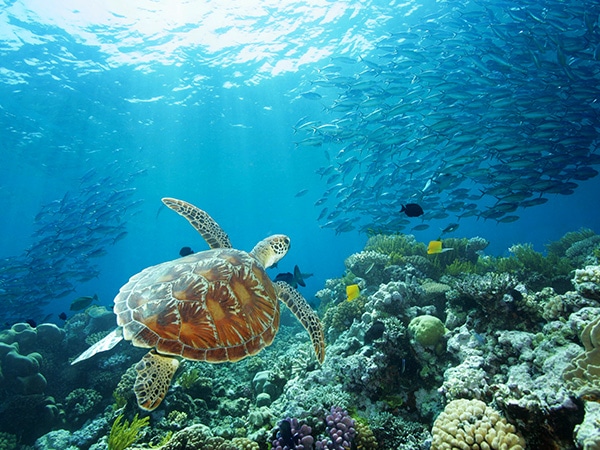
Turtle Great Barrier Reef Australia
Help protect the Great Barrier Reef. (Image: Tourism Port Douglas and Daintree)

Sustainability a core motivator for tourism operators

For many tourism operators (especially ECO-certified operators), sustainability has been the modus operandi from day one. For the rest of us, it may have taken a pandemic for us to recognise the impact of our jet-setting ways – brought home, no doubt, by images of Venice’s pristine waterways and Barcelona’s surreal crowd-free streets, transformed due to the sudden absence of the tens of thousands of tourists who’d usually flock to these cities on a daily basis. But it’s a positive side effect of COVID-19 we’re glad to be afflicted with, and one backed by data: research commissioned by Booking.com in the midst of the 2021 lockdowns found 61 per cent of travellers credit the pandemic for making them want to travel more sustainably in the future.
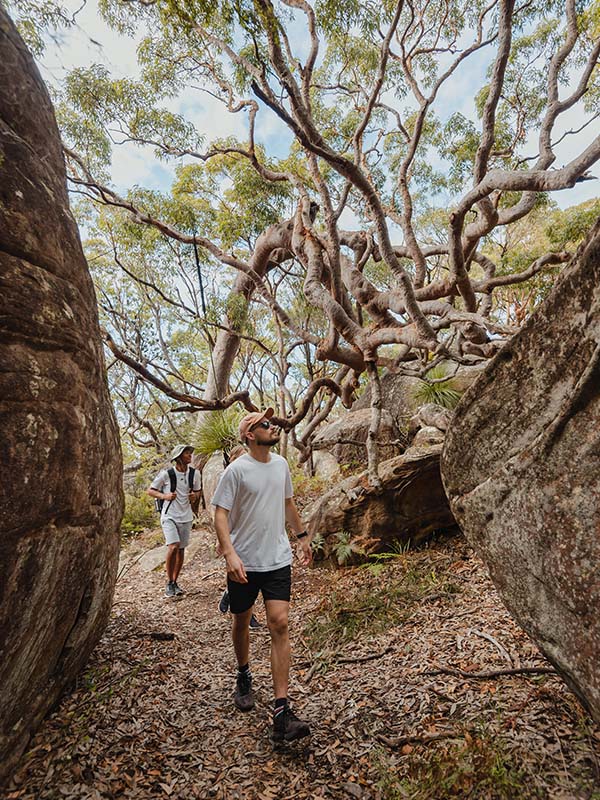
A man walks through the bush on the Central Coast, Australia
We’ve never had so much awareness and so much choice when it comes to voting with our tourism dollar. (Image: James Vodicka)

Sustainability needs to be about more than just the environment

Indeed, the pendulum has now swung so far that sustainable travel is ‘trendy’. Happily, clickbait headlines and earth-toned Instagram accounts are not the extent of the movement. The real changes are happening on the ground, and are being shaped by a fast-growing realisation that a truly sustainable travel industry can’t limit its focus to environmental concerns, but must also consider the sustainability of economies, communities and cultures.
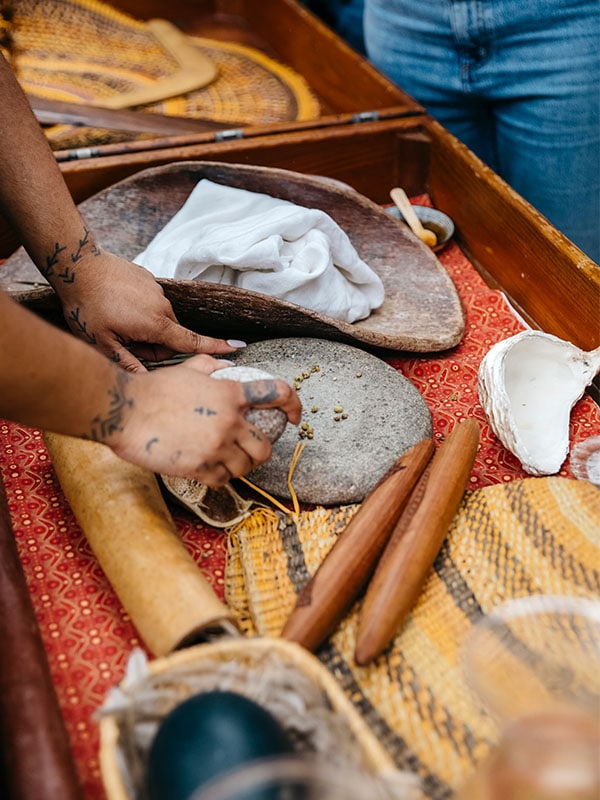
Indigenous Tour of Royal Botanic Garden Sydney
Embark on an Indigenous-led tour of Sydney’s Royal Botanic Garden. (Image: Destination NSW)

Examples that have earned big ticks on our report card include national parks being handed back to Traditional Owners, destinations receiving eco-certification, and companies heeding the call from their customers and seeking accreditation with organisations like Ecotourism Australia or B Corp. We’ve never had so much awareness and so much choice when it comes to voting with our tourism dollar.
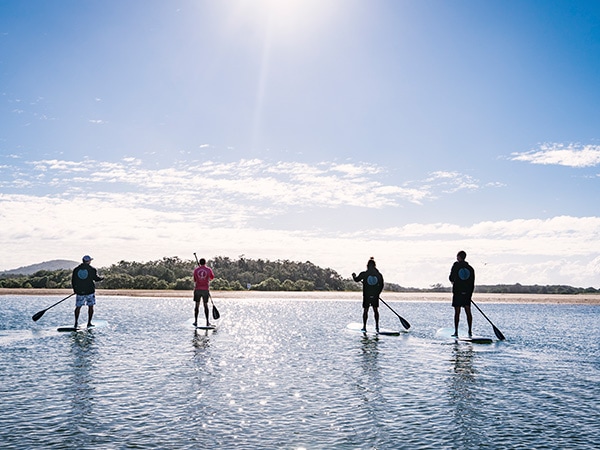
Coffs Coast with Wajaana Yaam Adventure Tours
Explore the Coffs Coast with Wajaana Yaam Adventure Tours. (Image: Destination NSW)

How to make your tourism dollars count

As you’d expect, those very dollars are also key drivers of industry change – attracting sustainable travellers means big bickies. The latest findings from Tourism Australia’s Consumer Demand Project showed sustainability was ‘very’ or ‘extremely’ important to almost 50 per cent of travellers when organising a holiday, and crucially, that travellers continue to seek experiences that are not only good for them, but good for people and places they love.

Now that the conversation around sustainability has moved from the ‘Why?’ to the ‘How?’, we’re planning our itineraries accordingly. We’re actively seeking out nature-based getaways and Indigenous led tourism experiences. We’ve realised the appeal of isolated, off-grid cabins and agritourism-style farm stays over cookie-cutter hotels. And we feel empowered to ask questions, and to expect sustainability to be part of any experience we’re considering.
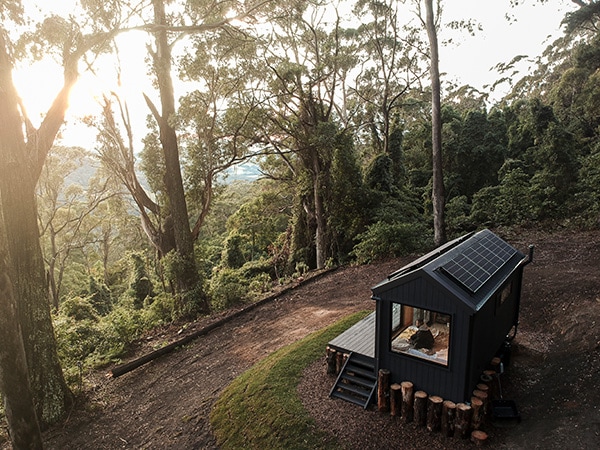
An off-grid stay at a tiny cabin
Travellers have realised the appeal of isolated, off-grid cabins and agritourism-style farm stays over cookie-cutter hotels. (Image Source: @the.wandering.boys)

A holistic approach to sustainable travel

For Rafferty, the only (ahem) sustainable approach to sustainability is a holistic one. “What I ask operators… is, ‘How does a product or experience have incremental positive impact on the environment that it operates in, the community that it engages with… and the culture, or cultures in our case, that it represents?’ "

This holistic viewpoint can also serve as a lens to place over all of our travel plans. How do we get there? Where do we stay? What do we do while we’re there? And how can we leave it better than we found it?

If we look at transport as the first step in the process, big providers such as Qantas have clear strategies and, as Rafferty puts it, “The airline has got some pretty audacious goals".

Qantas moves towards net-zero emissions

With a commitment to achieving net-zero emissions by 2050, tackling single-use plastics was first in the firing line. In the past three years, Qantas has cleared more than 80 million single-use plastic items out of operation, but it will take about five more years to phase them out completely. More pressing are the momentous carbon emissions created by flying, especially when aviation is predicted to grow by up to 300 per cent by 2050.

It’s why Qantas has committed $50 million towards the development of Sustainable Fuels (SAF) in Australia, setting a target of 10 per cent SAF in fuel uptake by 2030, and about 60 per cent by 2050. Its flights from London have been using a blend of sustainable fuel since the start of the year but, domestically, Australians need to look at options beyond flying, where possible, or at least ensure we fly direct and offset, which could include taking advantage of reward programs such as Qantas’s Green Tier.

Getting around sustainably on the ground

On the ground, Australia’s long-distance rail options score a C minus at best, which means road trips have remained an attractive option when it comes to domestic travel. But drivers are starting to think about sustainability – astronomical petrol prices fuelling the conversation – with electric vehicle sales tripling in Australia in 2021.

It’s still in its infancy, but Gold Coast start-up Outbound is putting the focus on ‘shared mobility’, placing electric vehicles and e-bikes into hotels, which can be hired through its app. Its first Tesla is now available for guests at Mantra at Sharks in Southport to book for $30 an hour and co-founder and CEO Luke Rust says they plan to be in 10 more hotels by the end of the year.

This hourly hire concept has been embraced by both hotels and consumers. “People are realising… they need to use a car while they’re visiting somewhere rather than renting a car for two weeks and using it three times," Rust says.

“There is this incredible collaboration between businesses and individuals who are driving sustainability in a very positive way," Rafferty reflects. “There’s an understanding that we either all win or we all lose basically. And so collaboration is an absolute hallmark of travel as a force for good."
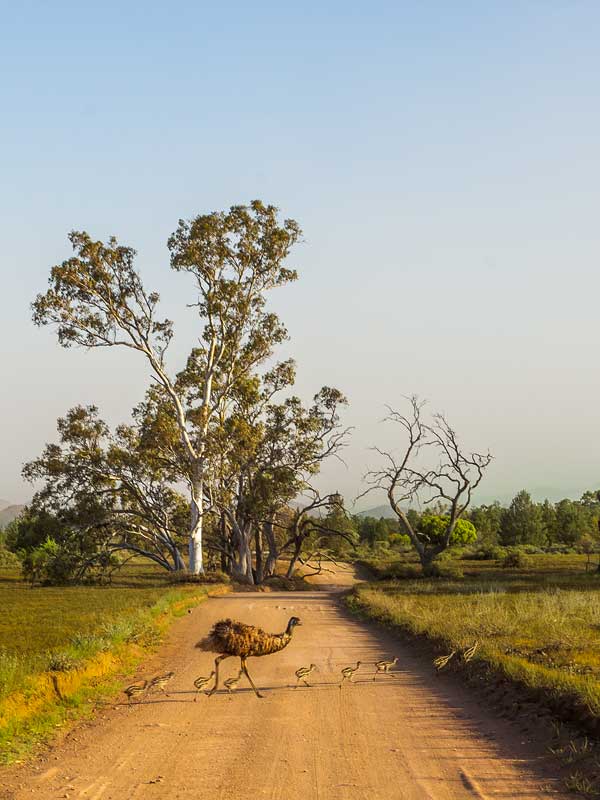
Emus in Flinders Ranges National Park
When it comes to sustainability we either all win or we all lose. (Image: Michael Waterhouse Photography)

Sustainable accommodation options

In Australia, it’s our younger generations leading the charge when it comes to sleeping sustainably, with research by IHG Hotels finding the average young Aussie adult would be prepared to pay up to 34 per cent more for green accommodation. Catering to demand, its newest hotel brand, voco, is introducing a fleet of handcrafted bamboo bicycles for guests to use free of charge across five Australian and New Zealand locations.

A bicycle with flowers in the basket leans against a gray wall
Businesses are putting more stock into bikes, e-bikes, and electric vehicles for guests who wish to travel around the area. (Image: voco IHG Hotels)

Other hotel groups – large and small – are making similar moves to sex up sustainability efforts. After trialling the concept for a year, Ovolo converted all of the restaurants in its hotels across Australia to plant-based menus in February. The Ovolo team has even created a white paper to help out other companies looking to move to a vegetarian-led philosophy in the hope it will encourage more industry collaboration.

For Rafferty, what makes considered initiatives like these score an A plus is they don’t just make for better sustainability outcomes and a better future, but also for better travel. “Knowing that you are enjoying it, but your kids and grandkids are going to enjoy it too… isn’t that a richer experience?"

For more tips and advice visit our guilt-free guide to sustainable travel.
Celeste Mitchell
With visions of hosting Getaway, Celeste Mitchell graduated with a Bachelor of Journalism and entered the hard-hitting world of boy bands, puberty, and fashion, writing for magazines like Girlfriend, Total Girl, CLEO and TV Hits in the early noughties (there was a lot of Twilight references). Since switching gears to full-time freelancer in 2013, focused exclusively on travel, she’s criss-crossed the globe, opened a co-working space, lived in Mexico, and co-founded slow and sustainable site, Life Unhurried. The Sunshine Coast-based author (Life Unhurried & Ultimate Beaches Australia, Hardie Grant) and mum of two regularly pinches herself that she gets to explore new places and ask all the nosy questions she wants in the name of work.
See all articles
hero media

Why the Central Coast is a foodie mecca

Underpinned by grassroots hospitality and award-winning organic produce, the Central Coast’s gastronomy scene is thriving, with the region quickly becoming one of the best destinations in NSW for epicures.

Revered for its rugged natural splendour and laid-back seaside charm, NSW’s Central Coast has soared in popularity in recent years, becoming a top choice for an affordable slice of weekend escapism for Sydneysiders. Just a short 45-minute drive north of Sydney, it’s the kind of place that, no matter how many times you visit, leaves you with the sense that there’s always more to uncover. But while the ocean pools, bushwalks and beaches have (rightly) taken the spotlight, it’s the Central Coast food offerings which have been quietly simmering in the background.

From fresh-as-it-gets seafood and juicy organic citrus you can pluck yourself, through to regenerative farming and reputable farm-to-fork dining, this coastal gem has become an idyllic foodie mecca. Here are some of the best ways to immerse yourself in grassroots hospitality and gastronomic glory on the NSW Central Coast.

vegetables in a basket at Bells Garden at Bells At Killcare
From picking your own, to farm-to-table, discover the best Central Coast food experiences. (Image: Remy Brand)

Central Coast oyster experiences

From humble grub to opulent delicacy, oysters have ascended into a league of their own. Epicureans are fascinated by them – willing to pay upwards of $35 per dozen (double at some of Sydney’s reputable fine dining restaurants) – and ‘shuck bars’ seem to be popping up at every milestone celebration.

But it’s rare to find places that really draw back the curtain on how they’re farmed and why everyone is mad for these molluscs. The Central Coast , however, is home to several of these venues. With its pristine waters, mild climate and nutrient-rich estuaries, it’s the perfect breeding ground for oysters.

Learn about oyster farming and, importantly, how to shuck them at Sydney Oyster Farm Tours . Nestled on the Hawkesbury River at Mooney Mooney, Sheridan Beaumont and her team offer a hands-on foodie experience where you can feast on dozens of oysters (white tablecloth and all) while wading through the calm waters. You can even bring your own bottle of bubbles to wash them down.

guests in the water for an experience at Sydney Oyster Farm - Central Coast food
Learn tricks of the trade at Sydney Oyster Farm Tours. (Image: Remy Brand)

Elevate your oyster knowledge even further by heading north over the Hawkesbury River Bridge to the Hawkesbury River Oyster Shed . Tour their scenic oyster leases and saltwater paddocks by boat to uncover the distinct characteristics of the Sydney rock oyster and creamy Pacific oyster. They’ve also partnered with Broken Bay Pearl Farm to offer a one-of-a-kind oyster and pearl farming guided tour, showcasing the Central Coast’s very own pearl oyster, the Broken Bay ‘Akoya’. But if you’re simply in the mood to devour a dozen delectable oysters while soaking in the tranquil river views, pull up a chair at the shed. It’s friendly in every sense of the word: pets, families and BYO welcome.

shucking oysters at Broken Bay Pearl Farm
Taste freshly shucked oysters at Broken Bay Pearl Farm. (Image: James Horan)

Central Coast farms to pick your own fruit

While the Central Coast is known for its breathtaking 40 beaches and 80-kilometre coastline, its lush hinterland is equally impressive – abundant with orchards and agriculturally rich farmland. And when it comes to the simple joy of picking your own fruit, the Central Coast is a ripe playground.

Family-owned Meliora Farm at Peats Ridge is an orchard that blends conventional, biodynamic and organic philosophies. Third-generation farmer Tim Kemp and his wife Elise are dedicated to honouring the family legacy by growing a rich variety of oranges, lemons, limes, mandarins and avocados. In late May, roam the sustainable and nutrient-dense property during ‘Pick Your Own’ weekends.

Eastcoast Beverages is another bountiful citrus orchard boasting over 60 hectares of fruit. From June you can learn about the cultivation of high-quality ingredients – like lemons, limes, grapefruit and oranges – by touring both the farm and factory before setting out and picking your own straight from the source. You can also sample an array of citrus-inspired sweet and savoury treats at their on-site cafe, Bambino’s .

If it’s just juicy oranges you’re after, Cedar Farm in Dooralong is a must-visit. Located about 30 minutes north of Peats Ridge, it features 15 flourishing orchards and over 3000 orange trees – with take-home bags during the season (from July) at low prices. Not bad for a fruity weekend haul.

woman picking oranges at Oranges at Dooralong
Pick your own citrus fruits on the Central Coast. (Image: James Vodicka)

Organic dining

What makes the Central Coast hinterland so special is the unwavering respect the communities have for their cherished backyard. Locally owned and operated farms are all striving for more sustainable practices and methods to both enhance biodiversity and reduce environmental impact, each with a heartwarming food philosophy.

The Food Farm in Wyong Creek believes good food is worth both the work and the wait. Devoted to regenerative farming, first-generation ‘farmily’ Tim Eyes and Hannah Greenshields are recognised for their grass-fed, grass-finished beef and pasture-raised, gold medal-winning chickens. With an open gate policy, The Food Farm encourages visitors to swing by and try some of their slow-grown produce at their small ‘honesty’ farm shop. With no staff, you can pick up a few quality cuts of meat and pasteurised eggs, leaving the owing amount in cash or via eftpos.

Keeping the spirit of generational organic farming alive is Fanelli Organics . Nestled in the Central Coast’s scenic and sleepy Mangrove Mountain, founders Eden and Louise Fanelli own over 45 hectares of plentiful farmland and orchards that produce a huge range of organic fruit and vegetables, like purple Dutch carrots, blood oranges, broccoli and Tuscan kale. A true home-grown operation, Fanelli Organics shares its fresh produce with local restaurants and community markets, including the beloved markets at Like Minds Cafe at Avoca Beach every Wednesday afternoon.

farmers holding fresh produce picked at Fanelli Organics
See where your food comes from at Fanelli Organics.

Paddock-to-plate dining

High-quality ingredients go hand in hand with premium dining, and the Central Coast is home to several paddock-to-plate restaurants that showcase its diverse and rich agriculture. Paired with warm, grassroots hospitality, there are culinary triumphs, new menus and revered chefs constantly popping up, putting the local dining scene firmly on the map.

Award-winning Mount White restaurant Saddles is a quintessential Australian dining destination, dedicated to country-style cooking and seasonal produce. Nestled in thick bushland with wraparound verandahs, floral gardens and an idyllic dam, the gourmet homestead and bakehouse is unlike any restaurant on the Central Coast. Here, head chef Reece Collins and his team serve up an impressive breakfast and lunch menu that oozes rustic charm. Pull up a comfy armchair on the expansive deck, listen to birdsong, and tuck into flavoursome dishes like the farmhouse Benedict with honey-cured ham, lemon myrtle hollandaise and Warrigal gremolata, or the hearty beef brisket pie with confit garlic potato purée and rainbow chard.

woman writing in notebook next to a table of food at Saddles, Central Coast food
Taste country-style cooking at Saddles. (Image: Destination NSW)

Delivering a slice of sophistication and luxury to the shores and bushland of Bouddi Peninsula is Bells at Killcare . One of the few boutique resorts on the Central Coast, it’s known for its premium service and five-star suites, as well as its bountiful kitchen gardens that boast an orchard, olive trees, avocado trees, free-range hens and a honey bee hive.

Cameron Cansdell has returned to Bells at Killcare as head chef, bringing his expertise to the casual yet refined menus that feature a raw bar with Oscietra caviar, freshly shucked Sydney rock oysters and Moreton Bay bugs, all served alongside optional matched wines. Sample some of Australia’s best regional wines and standout dishes, like roasted Wollemi duck with grilled leeks, rocket, grilled grapes and 10-year-aged balsamic, or the shareworthy salt-crusted snapper with herb salad and salsa, before roaming the picturesque gardens, wine in hand.

cocktail at Bells At Killcare
Sample incredible wine, cocktails and dishes at Bells At Killcare. (Image: Nikki To)

Plan your next visit to the delicious Central Coast.