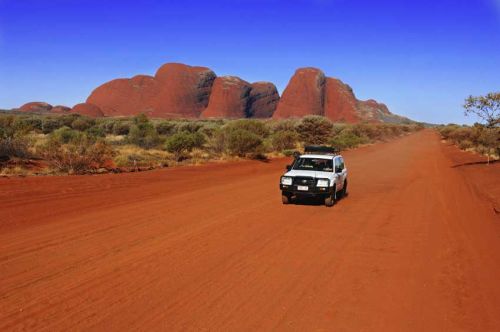
There are many places to go, modes of travel to get there and tours of the Australian Outback, Peter Robinson reveals which one may just suit you.
Heck, you don’t even need to own a 4WD.
With a bit of planning, touring the outback in a family sedan is achievable, as is walking or cycling, though a return isn’t guaranteed with those last two. That said, there are supported walking and cycling tours in some outback places such as the spectacular MacDonnell Ranges west of Alice Springs (but doing the solo Big Lap in a pair of runners isn’t recommended).
Major airlines fly to cities and towns in, or on the edge of, the outback. If you’ve got dollars you can charter light aircraft and choppers to almost anywhere and arrange personalised tours on the ground, or simply hire a vehicle for short on-road trips.
There are plenty of tour companies running outback trips in coaches, specially-built 4WD buses for smaller groups, flying tours, or speeding top to bottom by rail on The Ghan, or left to right on the Indian Pacific.
Coach tours are fine for a comfortable hotel/motel overview of an outback region such as Alice Springs, the MacDonnell Ranges, King’s Canyon and Uluru, and AAT Kings is one of the larger companies specialising in this field.
Small-group camping tours by 4WD bus are another way to venture forth without using your own vehicle or finding your GPS bearings, and this is one way to tour the Gibb River Road, for instance, and get a taste of camping at the same time.
Flying tours, or aircruising, is a terrific way to cover vast distances in comfort; veteran adventurer and travel writer Bill Peach has specialised in this tour market for many years. Not cheap, but extremely comfortable and scenic.
Rail travel to the outback has great appeal to enthusiasts, but you’ve got to really love rail journeys. The reality is this: The Ghan travels between Adelaide and Darwin via Alice Springs; a long trip, but if you break the journey at Alice it’s not so tiresome.
You need to travel first class to get a bed, the food’s not too bad, the rails are not smooth, and the scenery whizzes by in a blur of scrub – bypassing the very things that make the outback worthwhile. On the other hand, you can put your car/4WD on the train too, saving a lot of driving in one direction (or both).
In many outback regions it’s unwise to travel alone, so consider a “tag-along" adventure, where a convoy of 4WD vehicles embarks on a journey to remote regions. This style of travel offers safety in numbers, new friends and camping out under the stars, and is usually led by someone who knows the region well. Someone’s sure to have a satellite phone and HF radio. Motoring bodies (RACV, NRMA etc) in most states offer these types of tour and although there are costs involved, the advantages outweigh the expense.
The ultimate road trip begins and ends on NSW’s stunning Grand Pacific Drive.
Whales, charming villages, fine wine and stunning natural vistas: there’s a lot to love about a road trip along the Grand Pacific Drive in New South Wales. Winding from the Royal National Park through Wollongong, Shellharbour, Kiama and Shoalhaven before heading inland to the Southern Highlands, this scenic drive makes for an unforgettable road trip.
But like all great road trips, it’s not just about the drive but the stops made along the way. From incredible farm-to-plate (and grape-to-glass) dining options to unbeatable natural vistas and quaint towns with beautiful accommodation, there’s plenty to explore en route.
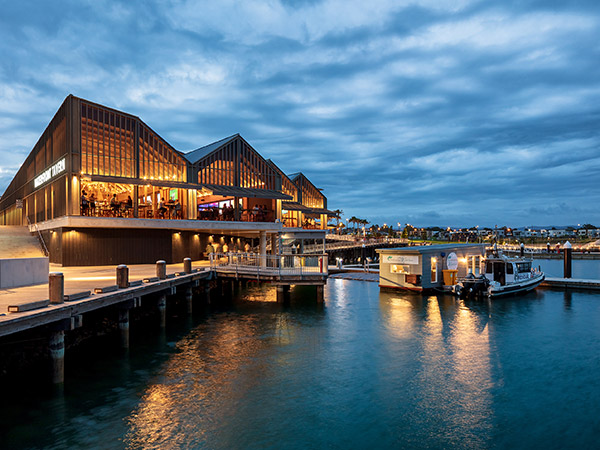
Spend time in Shellharbour Marina.
Where to eat
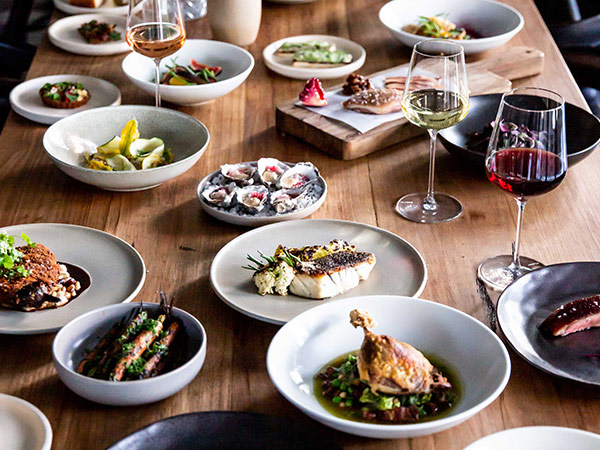
What is a road trip without incredible food? Whether you’re after fresh seafood, slow-cooked paddock-to-plate feasts or delicious wines, you’ll find something around every bend along Grand Pacific Drive.
Restaurant Santino is a local Wollongong secret we can’t keep quiet any longer. With a fresh take on Italian cuisine, servings are hearty and flavours are comforting. The chitarra with blue swimmer crab, garlic, chilli, parsley and crustacean oil is a crowd favourite.
Keep it local in Shellharbour with a menu all about fresh local produce at Relish on Addison. From South Coast oysters and blue swimmer crab linguine to crispy pork belly, surf and turf takes on an elevated meaning here.
Kiama’s neighbourhood wine and cocktail bar, Little Betty’s, is just as good for a tasty share plate as it is for creative cocktails. The signature Grilled Octopus with burnt honey, garlic confit and sautéed Asian greens is worth a trip on its own.
Only the best will do in Shoalhaven, where multi-award-winning Bangalay Dining uses native Australian ingredients to bring its dishes to life. Start with the Smoked trout croquette before moving on to the sautéed potato gnocchi. Don’t forget the white chocolate mousse for dessert.
Meanwhile, the Southern Highlands are full of culinary highlights. From dining on incredibly fresh, local fare (we’re talking ingredients plucked from the team’s on-site kitchen garden or sourced through local producers) at Eschalot Restaurant in Berrima to creating gin blends at Millsheds Distillery.
Taste native flavours at Bangalay Dining.
Exploring nature
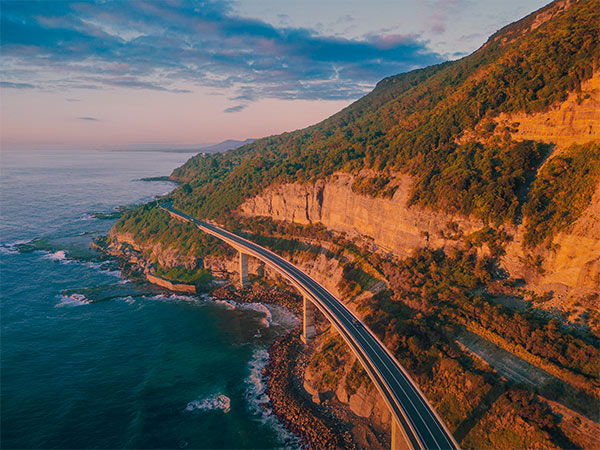
Scenery is everything when hitting the road, and Grand Pacific Drive serves it up in spades. Drivers don’t even have to leave the car to enjoy the iconic ocean views from Seacliff Bridge (but several lookouts make it easy to stop).
Seaside Kiama boasts stunning beaches and famous blowholes. But travellers can also swap ocean for rainforest when taking the Minnamurra Rainforest walk, culminating in a picturesque waterfall. Or soar overhead at Illawarra Fly Treetop Adventures.
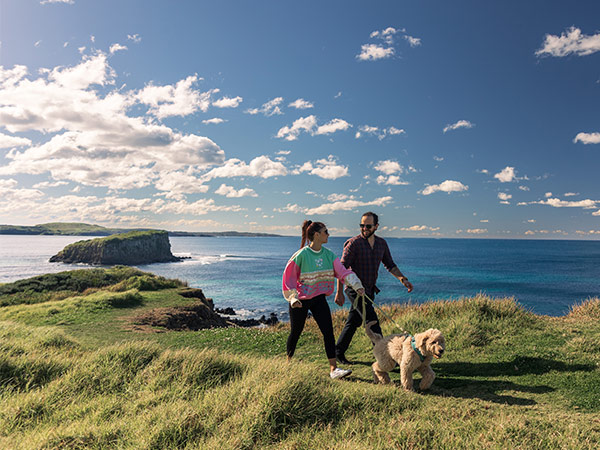
Cruise along the stunning Grand Pacific Drive.
Between May and November, 30,000 whales make their way passed the South Coast between May and November. Spot them from the coastal shores or join a whale-watching cruise from Shellharbour Marina or Jervis Bay. Dive in with Woebegone Freedive.
Shellharbour’s Killalea Regional Park is home to a traditional bush tucker and medicine walk with Aboriginal tour group, Gumaraa. Learn Indigenous healing practices and gain a deeper appreciation for the rich heritage and wisdom of the land’s Traditional Owners.
Wollongong is the perfect place for hikers, with the 6.5-kilometre Wodi Wodi track serving up views, settler history and a variety of landscapes in one loop. If you prefer, skip the walk and pull up at Bald Hill Lookout for expansive views south towards Wollongong (and a hang-glider or two).
For something truly unique, join the Highland Cow experience at The Swallow’s Nest in the Southern Highlands. In a brand-new offering, get a taste of farm life and help groom and feed these gorgeous creatures.
Wander the Kiama Coast Walk.
Unique experiences
No need to choose between an adrenaline rush or a culture fix, Grand Pacific Drive serves up both.
Soar into aviation history at Shellharbour’s HARS Aviation Museum.Tour the museum, then join a guided walk onto the wing of the record-breaking Qantas Boeing 747 and see the significant historic aircraft up close.
If ever there was a place to skydive, it’s in Wollongong. Dive from 15,000 feet (tandem, of course) with Sky Dive Wollongong and see the coastal beauty of this region from above.
Shoalhaven’s Bundanon Art Museum has to be one of the most unique offerings in the country. The legacy of artist Arthur Boyd and more than just a gallery, find eco-accommodation, fine dining, award-winning architecture and community here.
Kiama’s Crooked River Estate is about more than just delicious wine.Grab a picnic blanket and enjoy casual food and drinks with live music at Kick Back Fridays, every week.
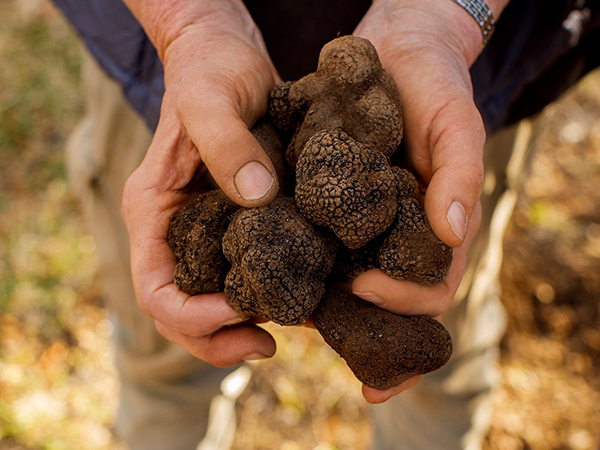
Between June and August, the Southern Highlands’ Robertson attracts novice truffle hunters. Join the hunt at family-owned and operated Robertson Truffles (alternatively, you can order truffle treats online, if your sense of adventure isn’t up for it).
Discover hidden gems beneath the soil in the Southern Highlands. (Image: Destination NSW)
Where to stay
Road trips are the ultimate promotion for slow travel, encouraging visitors to take their time, enjoy the journey and stop along the way to really immerse themselves in local towns.
Find history and elegance at Berida Hotel in the Southern Highlands. Intimately set amongst gardens, but still close to the main street of Bowral, this 1920s private residence turned boutique hotel is the perfect stay.
Stay in one of Barranca’s private villas with views of rolling farmland overlooking the dramatic escarpment at Kangaroo Valley or be surrounded by native bushland (a short walk from the beach) in Jervis Bay.
Speaking of beachside escapes, Headlands Hotel Austinmer Beach delivers unrivalled access to Wollongong’s beaches. These serviced apartments enjoy coastal views from spacious balconies.
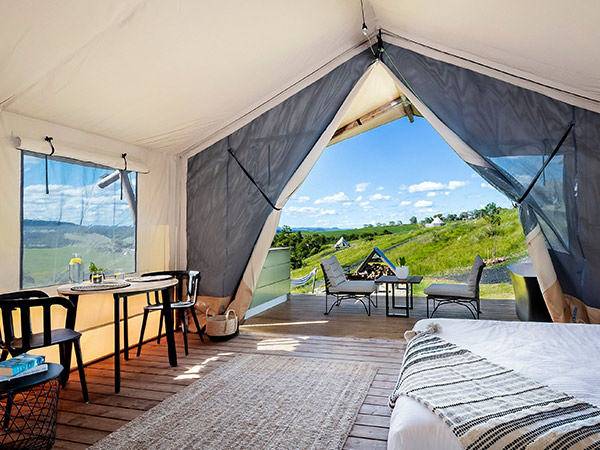
For something completely different again, check in at Cicada Luxury Camping. Stay in safari-style or large bell tents, each with a private fire pit and top-notch kitchen facilities. Outside, enjoy spectacular countryside views.