Outback survival stories that’ll stop your heart

hero media
The outback is a very beautiful place – but venture into it unprepared and you’ll soon find out just how hazardous it can be. Lauren Camp explores a few of the more miraculous (and ridiculous) stories of wilderness survival in what can often be a harsh and unforgiving place.

1. Spiritual quest goes awry

One of Australia’s most famous outback desert rescues occurred in 1999, when 33-year-old Alaskan fire fighter Robert Bogucki was found after 43 days wandering lost and alone in the Great Sandy Desert on a quest to “make peace with God". A little unluckily for Bogucki (and pray this never happens to you), he was found in some gorges east of Broome, not by police, Aboriginal trackers or the professional team of rescuers brought in from the US, but by Channel Nine’s A Current Affair news team.
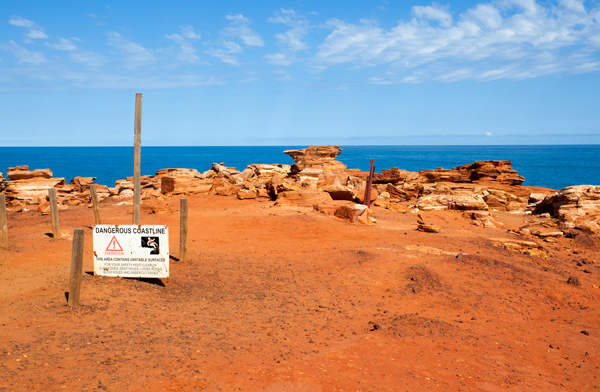
Gantheaume Point, Broome.

ACA came under intense scrutiny when it was revealed that, instead of flying him to a nearby camp to receive medical treatment, they spent almost 20 minutes interviewing Bogucki before flying him an hour back to Broome with their own TV reporter.


All-told, the rescue cost police and Bogucki’s parents around $150,000 – and Bogucki, who lost 20kg and survived by drinking muddy water and eating flowers and plants, told BBC News that he’d definitely “scratched the itch" that had him out there in the first place.

2. Addicted to getting lost

In September 2006 in Alice Springs, 50-year-old English tourist Martin Lake earned himself the nickname “the Bumbling Brit" when he got lost, in the words of local police, “within shouting distance of help".
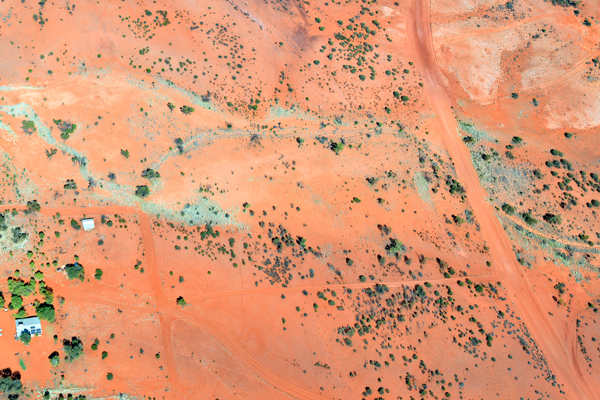
Alice Springs, NT.
Australia, NT, aerial view to farm in outback south of Alice Springs.

Wearing a black T-shirt and shorts, with no water, no hat and an almost-flat phone battery, he wandered off the path while looking for the old telegraph station north of town and wasn’t found for three days. But that’s not the absurd part. After apologising and receiving a stern lecture from rescue services, less than a week later he became lost again, under a mile from the exact same spot.


The helicopters and search parties were organised once more, to the tune of tens of thousands of dollars for local taxpayers, and Lake was re-rescued, this time after four days of wandering. It’s believed that he returned to the area because he dropped something the first time around and wanted to retrieve it.

3. Always carry a gizmo
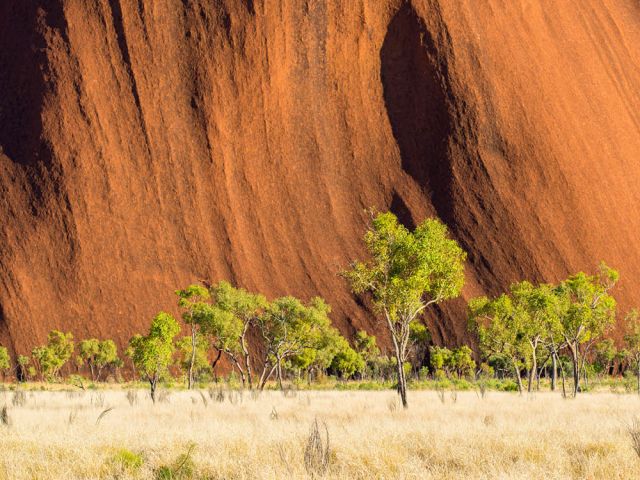
Uluru (Ayers Rock), Uluru-Kata Tjuta National Park, Northern Territory.
Uluru (Ayers Rock), Uluru-Kata Tjuta National Park, Northern Territory, Central Australia.

In January 2009, an experienced Romanian hiker, who’d previously trekked through the likes of South America and Asia, got a nasty fright when he became lost for six days during a 45km walk near Uluru.


He ran out of food and water on day three and had to head sluggishly back. Once within mobile phone range – which is pretty incredible because the reception is very dodgy out there – he managed to alert rescuers by getting a message to his family back in Romania, including his GPS location.


Rescuers said it was this fact alone that saved the man, which proves how important it is to be well prepared in the food, water and GPS stakes before venturing into the unknown.

4. Survival of the fittest

When 35-year-old Ricky Megee from Brisbane was heading to Port Hedland in late January 2006, he stopped to help a group of stranded motorists near the WA/NT border and agreed to ferry the smallest of the group to the nearest town.
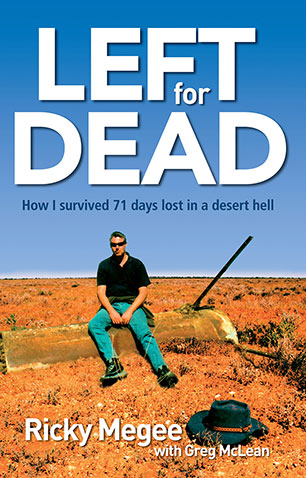
Left for Dead, the true story of Ricky Megee's outback survival.
Left for Dead, the true story of Ricky Megee’s outback survival.

That fateful day ended with Megee being drugged by his passenger and left for dead in a ditch, covered by a tarpaulin weighted down with rocks. He then wandered aimlessly for ten days before setting up camp under an old cattle trough beside a dam, which allowed him a constant flow of water and a diet of toads and lizards.


He survived in this fashion for ten weeks, before being discovered and rescued by two passing station hands – 60kg lighter, lucky to be alive.


Check out his book Left for Dead.

5. No water, plenty of beer

In October 2002, 36-year-old German man Kim Hardt sat alone in his 4WD for three days after getting bogged at Lake Disappointment on the rugged Canning Stock Route. He’d heard about the challenge the CSR presented to outback drivers on a German TV show, which must have been missing a few salient survival details because Hardt showed up by himself with hardly any water, no phone or GPS, but carrying ten litres of beer and a packet of bikkies.


Nothing like being well prepared. Some fellow tourists discovered Hardt and were able to leave some more water while they trundled off to alert a rescue team. By the time the team returned, Hardt was drinking the salt water from Lake Disappointment. Apparently he’d thought it would take about three days to traverse the 1700km CSR, 900 sand dunes and all.

6. Where there’s smoke, there’s a fire engine

This might not quite qualify as a survival story, but back in 2000, 43-year-old Edward Furtak got it into his head that a good way to give up smoking would be to drive his ancient converted fire engine into the desert and camp by himself for six months. “I needed to actually get out in the middle of nowhere where I just couldn’t have a smoke," he said later in an ABC radio interview.


While he claimed he “had a great time", his parents certainly didn’t, reporting him missing after three months. A police search was mounted but proved fruitless. The mystery of his disappearance from Sydney was finally solved after another three months went by, and he emerged from the desert into the small town of Forrest, 1150km east of Perth, to call his mum on her 78th birthday.

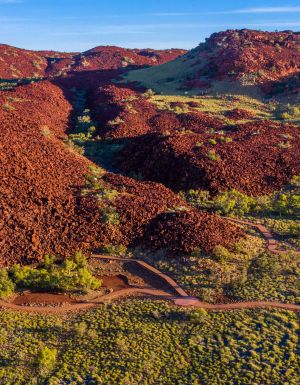
 

Still keen for an outback holiday? Of course you are! You now have your wits about you, so check out our guide to outback holidays right here.

How to spend a tasty long weekend in Geelong and the Bellarine

    Lucy CousinsBy Lucy Cousins
    hero media
    From rust-coloured foliage and foodie experiences to stunning sunsets, this part of Victoria is best explored as the mild days of winter arrive.

    As the heat of the summer sun subsides and the milder days roll in, the stunning landscapes of Geelong and the Bellarine add pops of colour. The slight chill in the air will stir your taste buds and invite you to explore the peninsula’s foodie hotspots, while the vivid sunsets and cooler evenings will draw you to cosy fireside chats and evening adventures to watch the stars appear one at a time.

    Just over an hour from busy Flinders Street, or a short 25-minute drive from Avalon Airport, Geelong is Melbourne’s cooler, more laid-back cousin with a sparkling marina, stunning surf beaches, impressive museums and a lively foodie scene.

    federal mill geelong in autumn
    Winter is the perfect time to see local sights.

    It’s also the perfect starting point from which to explore the Bellarine Peninsula. Packed full of jaw-dropping scenery, inviting townships and over 40 cellar doors serving up local cool-weather wines, winter here is distinctly beautiful with its change of colours, temperatures and produce.

    Whether you drive or catch the short but incredibly scenic ferry from the Mornington Peninsula, it’s no surprise this region offers up one of Australia’s best long weekend destinations. Here’s how to soak it all up.

    Day 1: Explore Geelong with the locals

    Morning

    Start the day by grabbing breakfast and strong coffee from Pavilion Geelong (try the braised mushrooms on toast) while watching the gentle waves lapping the edge of Corio Bay. After brekkie, join the locals walking along the scenic Art Deco waterfront to explore the historic piers, beautiful beaches and gleaming white yachts in the marina.

    Pavilion Geelong in winter
    Start the day at Pavilion Geelong.

    Afternoon

    After a morning in the sun, venture to the recently refurbished Federal Mill precinct , a grand old woollen mill built in 1915. Explore the industrial history of this area, as well as the gourmet produce on offer, before pulling up a table at the popular Paddock Bakery . Famous for their wood-fired sourdough and tasty pastries, this cafe serves up tasty dishes like their Crème Brûlée doughnuts. Chase your lunch down with an afternoon of gin tasting at Anther Distillery .

    Paddock Bakery Crème Brûlée doughnut
    Try the Paddock Bakery Crème Brûlée doughnuts.

    Night

    For an evening of frivolity and decadence, head back to Geelong for dinner and a show at the newly reopened Geelong Arts Centre . Later, enjoy a mini Negroni with a scoop of Black Pearl Oscietra Gold caviar at the sleek Non Disclosure Bar .

    Day 2: A foodie-centric day in Moorabool Valley

    Morning

    Wake up with the soft winter sun and cooler temperatures, then travel to the lush farmlands and stunning landscapes of Moorabool Valley, the home of Meredith Farm Store . Choose a seat outside in the leafy courtyard and enjoy a tasting platter of fresh produce among the flowers.

    Afternoon

    To explore the area, visit the cellar door at the Moorabool Valley Wine Collective , which encompasses three award-winning winemakers, before stopping by Austin’s Wines for lunch. Not only can you taste over 10 local wines at the dedicated tastings bar, but you can also curate your own cheese platter to eat outside on their shaded deck.

    two people trying the wine at Austin's wines
    Stop by Austin’s Wines for lunch.

    Night

    Continue on your foodie quest with dinner in Newtown at the Asian fusion Two Noble restaurant, or, inside the same venue at Sawyers Arms Tavern, dive into the European flavours of Eileen’s Charcoal Grill on your way back to Geelong.

    table spread at two noble restaurant
    The chef’s hatted Two Noble restaurant is waiting.

    Day 3: Adventures in The Bellarine

    Morning

    For a light breakfast, head 20 minutes out of town to the rustic Ket Baker , an artisan bakery known for their 100% sourdough croissants. Grab a hot cuppa under the gum trees and enjoy the morning chill in the air. Then spend the morning on the foodie-focused Bellarine Taste Trail , visiting local producers like  Bellarine Smokehouse Flying Brick Cider House  and FarmDog Brewing .

    croissants at ket baker
    Enjoy a light breakfast at Ket Baker.

    Lunch

    There’s no better way to enjoy lunch than to make it from scratch. With Harvest Experience’s Pasta & Pinot cooking class, you’ll have a genuine farm-to-plate experience as you learn to make fettuccini and filled ravioli from scratch. Once cooked, sit down, relax and enjoy your hard work with a glass of Bellarine Peninsula pinot noir.

    Afternoon and night

    Burn off your lunch with an afternoon trip to the bayside town of Portarlington , where Australian blue mussels are harvested offshore. Stop by the quirky Ducks Nuts and peruse the trinkets and treasures before making your way to the restored Portarlington Grand Hotel . Built in 1888, this beautiful building now houses four distinct dining experiences, including the new open-air spaces of The Atrium and Lawn, where you can enjoy a local gin as the sun sets over the bay.

    waiter holding mussels at Portarlington Grand Hotel
    Be sure to try Portarlington mussels.

    Start planning your ultimate Geelong & The Bellarine adventure at visitgeelongbellarine.com.au.