hero media

Jetstar to charge for overhead carry-on baggage, a move that’s illegal overseas

Credit: Unsplash/Nathana Reboucas

In a controversial overhaul of its carry-on policies, Jetstar will charge fees from $25 for carry-on luggage stored in the overhead lockers from 2027.

For those of you who’ve been snagging cheap Jetstar flights and squeezing your holiday’s worth of clothes into a carry-on suitcase, you may need to rethink your packing game.

From 2 Feburary 2027, Jetstar will charge its passengers at least $25 and up to $52 to bring overhead carry-on luggage as part of a major shake-up of its carry-on policy. 

This morning the airline revealed it will remove the 7kg carry-on weight limit and replace the restriction with a size-based model. All flight bookings from next year will include one underseat bag such as a handbag, small backpack or laptop bag. 

Passengers who need more carry-on allowance will no longer be able to store their baggage in the overhead lockers for free – they will need to purchase Priority Carry-On, which includes a larger bag and the chance to be among the first passengers to board the plane. 

Jetstar says the decision follows extensive research and feedback from customers and crew who express that struggling to find room in the overhead lockers is one of the “more stressful parts of the airport experience".  

The change will not apply to group bookings of 10 or more guests, nor to Jetstar Japan (GK) operated flights. 

Out of step with global baggage standards

While Jetstar claims the new size-based carry-on model is “similar to other leading low-fares carriers around the world", charging passengers for carry-on baggage is not an international standard.

In fact, the EU recently introduced a new law that bans airlines from sneaking extra carry-on fees into the airfare later in the booking process and requires airlines to show fares with hand baggage included from the outset in the default ticket price. The rule allows passengers to bring a free personal item (40cm x 30cm x 15cm), as well as a small wheeled bag with a maximum combined dimension of 100cm and a weight limit of seven kilograms. And over in the USA, only a handful of the many domestic carriers charge extra for larger carry-on bags.

Need tips, more detail or itinerary ideas tailored to you? Ask AT.

AI Prompt

The impacts
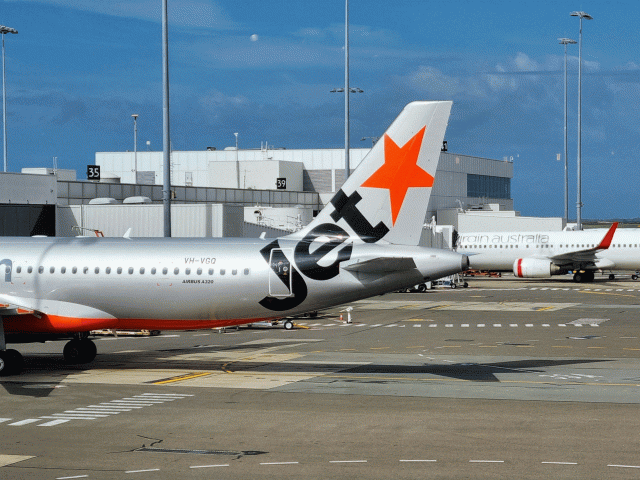
jetstar carry-on change
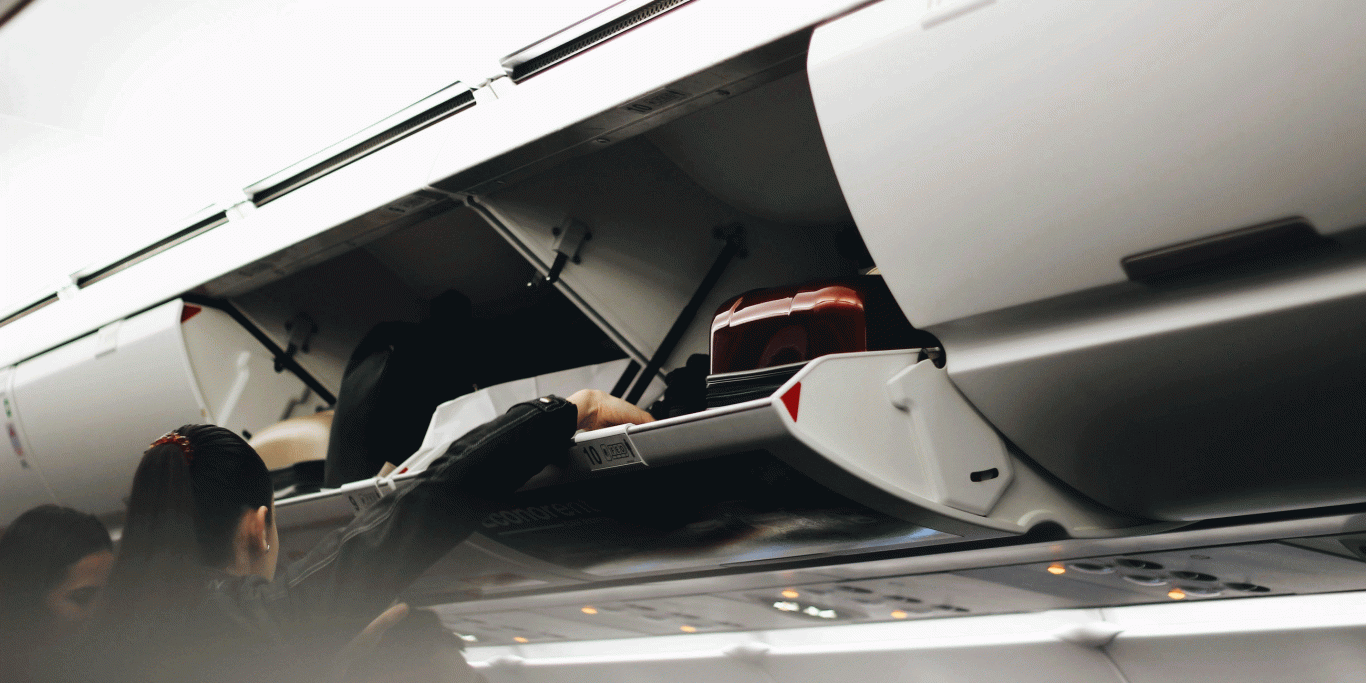
Jetstar’s carry-on change will remove the 7kg limit and charge for overhead baggage. (Credit: Unsplash/Max d1zt)

Jetstar’s carry-on policy change is intended to make boarding and getting settled on the plane easier and more efficient by swaying more passengers to pay for check-in luggage and removing the need to way carry-on luggage.

“We know that weighing carry-on bags at the gate can be frustrating for our customers and for our crew," says Jetstar CEO Stephanie Tully.

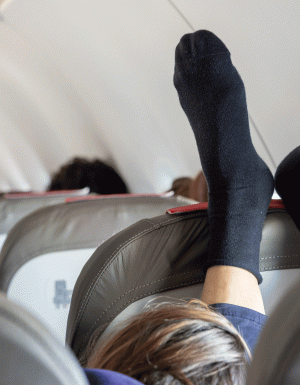
But for those refusing to fork out the extra charges, the policy could simply shift the problem elsewhere. As more passengers attempt to fit more belongings into bags that fit under the seat, underseat space may become more cramped, reducing comfort throughout the flight.  

“It moves the chaos from above to below," says Quentin Long, Co-Founder and Managing Director of Australian Traveller Media.

Another consideration is how change will disproportionately affect people travelling with babies. If you have a toddler or child, they will have their own plane seat, meaning their luggage can be stored under their seat. However, because babies sit on your lap, these families will essentially be forced to pay the upgrade fee either for Priority Carry-On or check-in baggage (or both). 

How much is Jetstar charging for carry-on vs checked luggage?
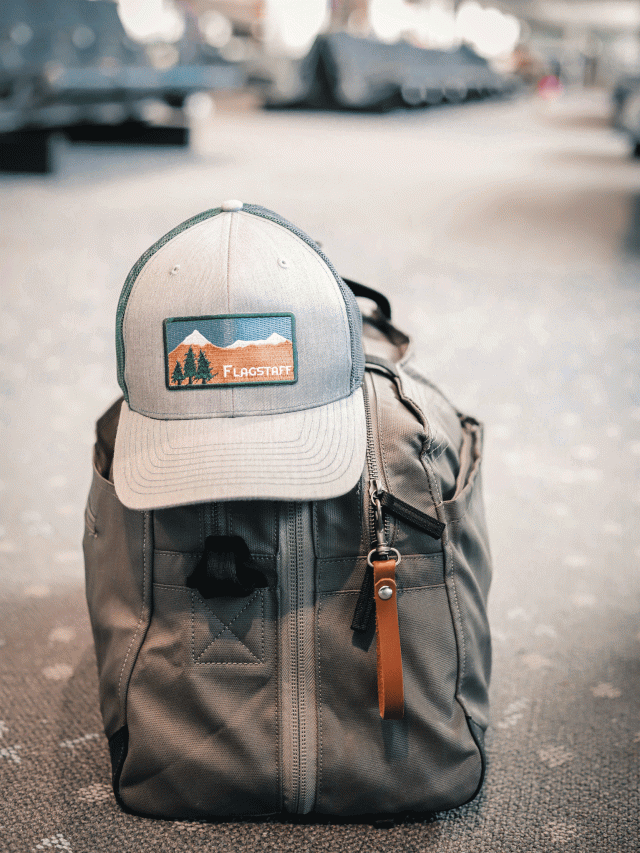
jetstar carry-on charges
An extra carry-on fee will now apply to bags that don’t fit under the seat in front. (Credit: Unsplash/Taylor Beach)

While passengers can bring one bag that fits underseat free of charge, the airline will introduce fees for larger baggage that doesn’t fit this requirement. Priority Carry-on is limited and starts at $25 one-way on selected flights, with prices varying depending on the flight path and length. For instance, flying Adelaide to Brisbane one-way will cost $26 for the upgrade, Perth to Bali will cost from $39 and Cairns to Tokyo will cost from $52. 

If you are opting to pay for check-in baggage instead, Jetstar tends to charge the following costs: 

  • Purchasing during initial online booking: around $30-$45 (Australia/NZ) or $70+ (international) 
  • At airport check-in desk: $120 for first 20kg (Australia/NZ) or $170 for first 15kg (international) 
  • At boarding gate for excess luggage: $125 (Australia/NZ) or $175 (international) 

Weekly travel news, experiences
insider tips, offers, and more.

What are the new Jetstar carry-on size limits?

From 2 February 2027, Jetstar’s carry-on bag size restrictions will be as follows: 

  •  Underseat bag (included in every fare): up to 40 × 30 × 20cm 
  • Overhead bag (available with Priority Carry-on): up to 56 × 36 × 23cm 

Check-in baggage must weigh no more than 32kg for a single bag.

Want to see more stories from Australian Traveller in your Google search results?

  1. Click here to set Australian Traveller as a preferred source.
  2. Tick the box next to "Australian Traveller". That's it.
Eleanor Edström
Eleanor Edström is Australian Traveller’s Associate Editor. Previously a staff writer at Signature Luxury Travel & Style and Vacations & Travel magazines, she's a curious wordsmith with a penchant for conservation, adventure, the arts and design. She discovered her knack for storytelling much earlier, however – penning mermaid sagas in glitter ink at age seven. Proof that her spelling has since improved, she holds an honours degree in English and philosophy, and a French diploma from the University of Sydney. Off duty, you’ll find her pirouetting between Pilates and ballet classes, or hunting down Sydney's cosiest cafes.
View profile and articles
hero media

Can’t handle the cold? Hamilton Island serves a slice of summer in winter

(Image: Hamilton Island)

When the winter chill settles in, an escape to Hamilton Island’s year-round tropical shores is the only acceptable coping mechanism.

As a heliophile with the cold tolerance of a Mediterranean house cat, the arrival of winter tends to spark a particular panic. How will I survive? Must I really start layering? What do you mean, Aperol season is over? But there are far better ways to spend the cooler months than sulking in the depths of your doona.

Enter, Hamilton Island. With its year-round sunshine and permanent on-holiday atmosphere, this Whitsundays favourite promises a veritable slice of summer in winter.

Think salt-stiff hair and the smug pleasure of devouring seafood beside the water while friends back home are defogging their windscreens. Here’s why Hamilton Island should figure into your winter plans.

1. Year-round summer weather

A woman hiking along the Passage Peak trail on Hamilton Island.
Hike under sunny winter skies on Hamilton Island. (Image: Andrew Caitens)

In the crisper months, Hamilton Island offers perfectly mild, sunny weather (17-24°C) that lends itself to morning swims and afternoon spritzes. Better still, you can enjoy the island’s outdoor adventures – from hiking to mountain biking – without the humidity or rain you’ll often find in summertime. With direct flights from most major Australian cities offering ease of access, Hamilton Island is the ideal place to flee the cold.

2. Getting active without the humidity

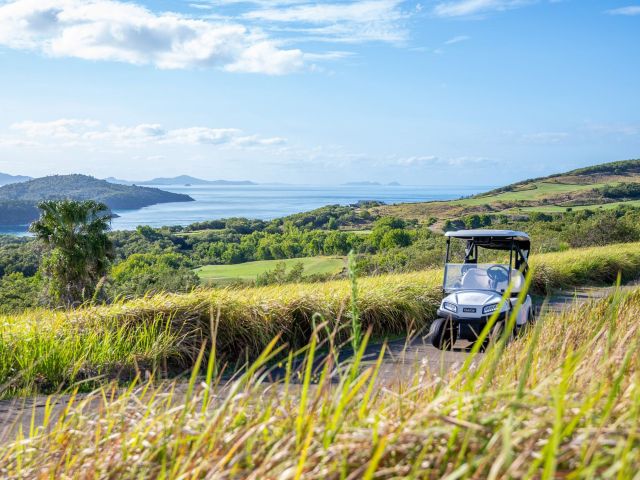
A buggy parked overlooking Hamilton Island’s golf course, with sweeping views of the sea at Whitsundays in winter.
Zip around Hamilton Island by buggy. (Image: Hamilton Island)

Whether you’re hiking up to Passage Peak or exploring the island by buggy, tropical Queensland humidity is nobody’s friend. The one way to guarantee you will avoid the inevitable stickiness and fluffy hair? Visit during winter. There’s plenty to be enjoyed, from sunrise yoga at The Sundays (exclusive to guests of The Sundays) to playing golf on Dent Island.

3. Hamilton Island Race Week

Yachts racing across the sparkling Whitsundays during Hamilton Island Race Week.
Feel the thrill of Hamilton Island Race Week. (Image: Salty Dingo)

Taking place in August, Hamilton Island Race Week is a destination in its own right that attracts spectators and racers from around the globe. Boating enthusiasts and thrill-seeking holidaymakers flock to the island, which is palpably energetic as the first yachts set off for Dent Passage from Hamilton Island Yacht Club. The annual action-packed week, taking place from 15 to 22 August in 2026, offers an exciting calendar of on- and off-water events – spanning everything from celebrity chef dinners to golfing comps and wine tastings.

4. Best time for snorkelling

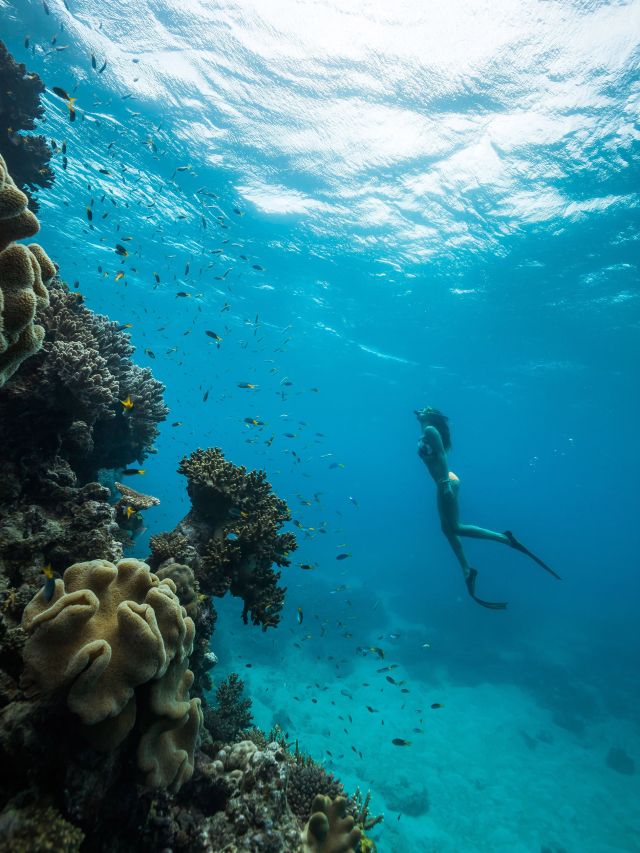
A woman snorkelling in the crystal-clear waters of the Great Barrier Reef.
Explore Hamilton Island’s winter waters. (Image: Andrew Caitens)

While the crowds on Hamilton Island may disperse with the cooler weather, the marine life certainly doesn’t. Winter is widely considered one of the best times to snorkel and dive in the Whitsundays.

It’s down to a number of reasons: excellent water visibility, higher chances of seeing whales as they migrate north and – best of all – no nasty stingers. This means no need to wear those notoriously unflattering full-body wetsuits visitors have to wear in warmer months. On top of all this, you’ll find calm seas ideal for sailing and Great Barrier Reef tours.

5. Fewer crowds

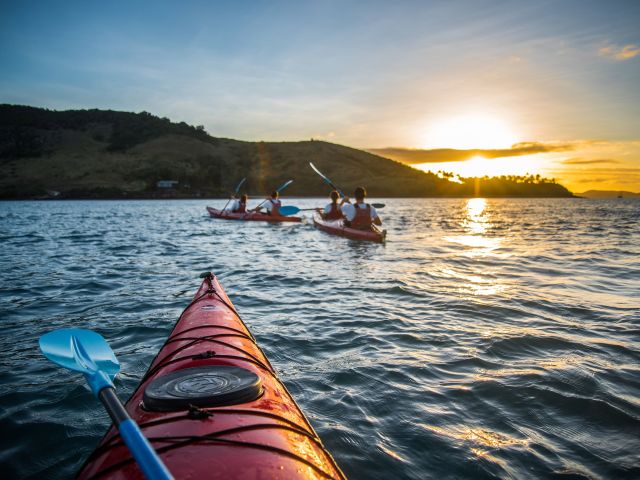
People kayaking.
Experience a quieter Hamilton Island on a kayaking adventure. (Image: Hamilton Island)

Winter is often the quietest time to visit Hamilton Island, with the peak season crowds thinned to a relaxed trickle. You can snorkel or dive straight off the reef-laced waters of Catseye Beach, then swap fins for a buggy and zip between One Tree Hill, the marina and sunset cocktails without the usual summer queues. Active days stretch from kayaking, sailing and jet skiing to hopping over to famous Whitehaven Beach to witness those breathtaking white swirls of silica sand. You won’t have to elbow your way to the front of the crowd to get a good snap.

6. Delicious dining

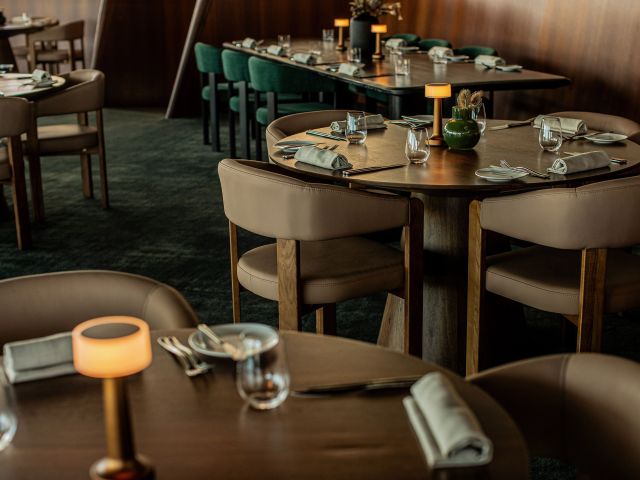
The interiors of Bommie Restaurant, featuring modern coastal design with warm lighting and elegant detailing.
Treat yourself to Bommie Restaurant’s fine dining featuring fresh, seasonal Aussie produce. (Image: Nikki To)

The food on Hamilton Island tastes just as good any time of year, and winter is still perfect weather for sundowners. Start with an iced tea Negroni at harbourside Bommie Deck, before transitioning to Bommie Restaurant for a fine-dining feast centering on seasonal Aussie ingredients. Or perhaps enjoy a more casual poolside evening at Sails Restaurant, where plates of chermoula chicken skewers, baked cauliflower steak and crispy sumac squid come served with ocean views. From family-friendly pub meals to elevated wine tastings, there’s something for everyone.

5. Clear skies for idyllic views

The golden hour across the Whitsundays in winter.
End your day with golden Hamilton Island sunsets over the water. (Image: Hamilton Island)

Never let a cloud rain on the parade of Hamilton Island’s spectacular scenery. Winter brings clearer skies and more stable weather to the Whitsundays, meaning your picture-perfect sunset at One Tree Hill is likely to remain that way. And after putting in the legwork to hike to a scenic lookout, the last thing you want is a vista hidden behind low cloud and haze.

To learn more about travelling to the Whitsundays in winter, visit hamitlonisland.com.au.