If Australia had this, passengers could be paid for cancelled flights

hero media
Why Australia needs an aviation ombudsman.

The financial difficulties of Rex Airlines , coming so soon after the bankruptcy of Bonza , have brought into sharp focus one of the federal government’s key priorities for aviation: enhancing passenger rights.

In each case, passengers were left with tickets for flights that did not fly. In the case of Rex, tickets were honoured by rivals Virgin Australia and Qantas, possibly trying to recapture the small toehold Rex had established in the Brisbane-Sydney-Melbourne golden triangle.

The Bonza story was more complex as the fledgling airline, which collapsed in May, had sought to exploit under-serviced routes to smaller leisure-based cities including Maroochydore and Port Macquarie.

In many cases, passengers were left out-of-pocket and stranded.
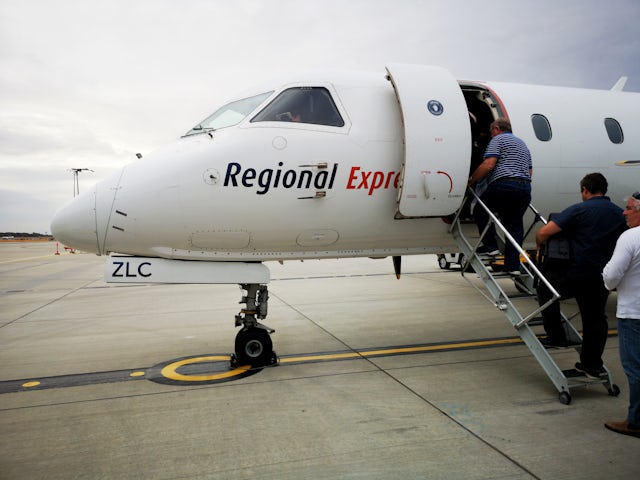
People boarding a Rex Airlines flight

Passenger rights have been brought into sharp focus after the recent financial difficulties of Rex Airlines and Bonza.

Support for an ombudsman

These failures will have emboldened the federal government’s plans to introduce stronger passenger protections and an airline ombudsman.

The release of its policy white paper is imminent. The paper covers aviation issues including competition between airports and airlines, the sector’s environmental impact and better mechanisms for consultation.

After years of opposition, Qantas and Virgin quietly fell in behind the idea in May , signalling a deal is close to being announced.

The ombudsman is designed to protect consumer rights in what is often monopolistic or quasi-monopolistic operating environments. With the exception of residents of southeast Queensland and the western suburbs of Melbourne, most Australians only have one airport from which to fly.

This, coupled with an effective airline duopoly, can lead to higher prices and poorer service for consumers, the Australian Consumer and Competition Commission (ACCC) has argued.
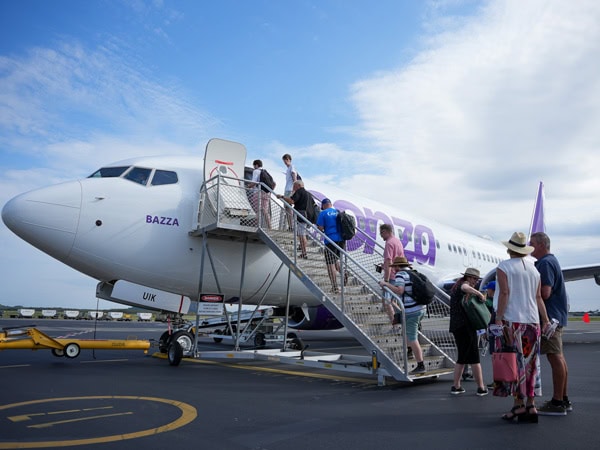
People boarding Bonza flight
Bonza suspended all flights and entered voluntary administration on 30 April.

The ACCC has been calling for better passenger rights for more than a decade. But its calls grew louder after it fined Qantas A$120 million for selling “ghost" flights in May .

Passengers did receive refunds, but the process was not easy compared to many overseas jurisdictions where compensation is automatic and based on distance travelled.

Australia is rare among developed countries for not having automatic compensation if a flight is cancelled or delayed.

The EU model

The leader in air passenger rights, as in many areas of consumer protection, is the European Union. The EU Passenger Rights regulation is 20 years old and now also applies to rail and bus passengers.

The regulation favours the passenger and awards compensation of up to €600 (almost A$1,000) for delays or cancellations . There are clauses for when a delay is unavoidable, but generally airlines have now built the scheme into their costs of doing business.

The scheme is well publicised and in 2022, about eight million passengers were eligible for refunds .

Air passenger rights in the UK continued in the EU mould after Brexit and were even strengthened.

But in a 2023 review into the UK scheme, some airlines argued “private insurance was a better option for some passengers", particularly those with disabilities.

The same reasoning led to the removal of Australia’s previous consumer protection scheme for airline passengers, the Travel Compensation Fund , which refunded customers when airlines or travel agencies went bankrupt.
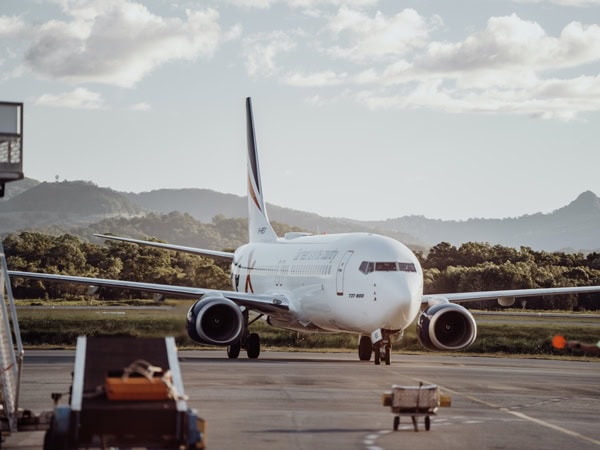
Rex flight on ground
Australia’s Travel Compensation Scheme was abolished in 2014. (Image: Josh Withers)

The scheme was ended under the Abbott government in June 2014, with travellers told instead to take out their own travel insurance.

Labor is expected to reintroduce an element of corporate responsibility for airline delays, not least since Brazil, Canada and Türkiye have also followed the EU’s lead.

Brazil’s scheme is particularly generous, with up to R7,500 (A$1,950) available to passengers who have to pay for last minute accommodation if their flight is cancelled.

Lawmakers there countered claims by airlines that low cost airline passengers could stay in cheaper hotels, by applying the compensation uniformly, regardless of travel class.

Air passenger rights can be a vote winner, too. Before he withdrew his bid for reelection, US President Joe Biden trumpeted the automatic airline compensation scheme the US Department for Transportation will bring in this year.

Until now, airline compensation was mandated by the states without coordinated processes meaning some airlines used vouchers, some credits and a few cash to compensate customers.

Despite this, about US$3 billion (A$4.6 billion) in refunds have been issued to US passengers since 2020, including more than US$600 million to Southwest Airlines passengers alone.

This was due to a serious scheduling crisis which forced the low-cost carrier to cancel almost 60% of its flights in the 2022 summer.

By contrast, in Australia, air passengers have only had basic protections under consumer rights law since deregulation in 2002.

There is no guarantee of a seat or even flight the consumer purchased. This has led consumer advocates including Choice to support calls for an airline ombudsman and automatic delay and cancellation compensation.The Conversation

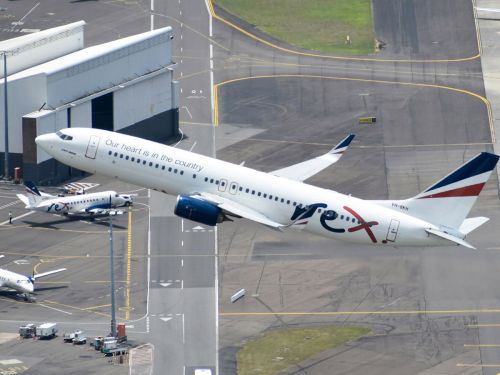
Rex flight in air
Australia offers weak consumer protection in a market with little competition. (Image: David Syphers)

Justin Wastnage , Adjunct Industry Fellow, Griffith Institute for Tourism, Griffith University .

This article is republished from The Conversation under a Creative Commons license. Read the original article .
Justin Wastnage
Justin Wastnage is the principal at aviation and tourism policy consultancy Message Shapers. In this position he has led research projects into cruise ship access options for Sydney Harbour, air transport access to New Caledonia and work around privatisation of council-owned airports in New South Wales.
See all articles
hero media

5 of the best day trips from Hobart

Hobart has quietly become our coolest capital, but the real wonder lies just beyond the city limits.

In the cool shade of Kunyani/ Mt Wellington, Hobart has earned a reputation. Home to culture-defining Dark MOFO, the city blends rugged, raw wilderness and rule-breaking galleries. But, step beyond the thrumming capital’s border and you’ll find a new perspective: historic towns, Jurassic-era cliffs and a UNESCO City of Gastronomy. With ALL Accor as your home away from home, fill your days with epicurean odysseys and wild scenery on the best day trips from Hobart.

Where to stay

Behind every good road trip is the perfect home base. Somewhere central to review your camera roll, make the most of Hobart’s dining scene and relax before setting off again.

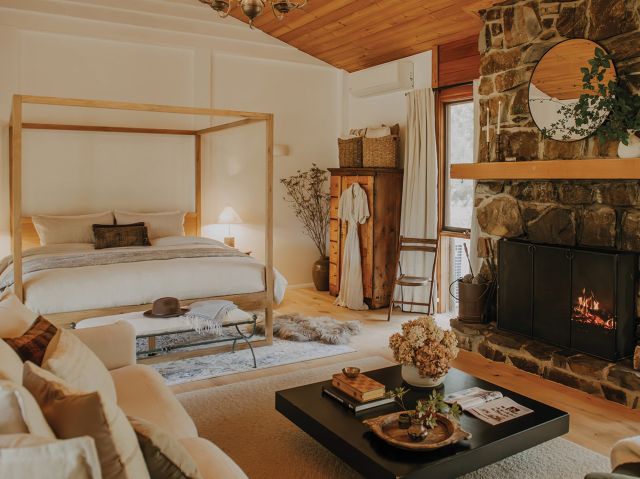
For modern, Tasmanian-inspired design, book a stay at the Movenpick Hotel Hobart . Standing at the Salamanca Markets, look to the Hobart skyline and the award-winning hotel will catch your eye. As the third-tallest building in the CBD, the views across the harbour toward Antarctica are totally unique to your room. Here, end each day at the daily free chocolate hour (plus a free Movenpick ice cream for the little ones).

For a more budget-conscious option, head to the picture book, sandstone buildings of Macquarie Street. Nestled along the buzzing, historic streetscape, you’ll find Tasmania’s biggest hotel: the Ibis Styles . Return home each day to defrost in one of the hotel’s two saunas. Make use of the proximity to MONA, or take an easy stroll to the candy-coloured cottages of Battery Point between your adventures.

A stylish, Tasmanian-inspired bedroom at Mövenpick Hotel Hobart, your perfect base for relaxing after the best day trips from Hobart.
Elevate your Hobart stay with sleek style at Mövenpick.

1. Bruny Island

Craggy cliffs and tropical-hued, white sand beaches signal your arrival to Bruny Island/ Lunawanna-Alonnah.

Start your day trip at the island’s most iconic spot, the Neck Game Reserve. Scale the Trunganini steps to gaze out over the teensy stretch of land that juts through the sea connecting the two ends of the island.

Catch a rare glimpse of the white furred wallabies that call Bruny Island home at Adventure Bay. Then, for ocean-fresh oysters, pull into the drive-thru window at Get Shucked . Sample Bruny Island cheese at the cellar door before catching the ferry home with an esky full of local produce.

Bruny Island Neck is an isthmus of land connecting north and south Bruny Island.
Begin your adventure with a climb and a view. (Image: Elise Weaver)

2. Mount Wellington

At 1271 metres, Mount Wellington watches protectively over Hobart. Follow the winding road to climb through alpine forest and tufts of snow to reach the summit. Gaze down over Hobart and out to sea, or over your shoulder to the southwestern wilderness.

Reset your adrenaline with a mountain bike ride back down. Or, make like the locals and head into the mountain on foot. Try the hike to the Jurassic-period Organ Pipes which slips under the mountain’s magnificent dolerite cliffs (perfect for families thanks to the trail’s minimal incline).

For a view of Mount Wellington itself, hike nearby Cathedral Rock.

No matter where you are in Hobart you are never far away from the City's beloved mountain, Kunanyi / Mount Wellington
Climb through alpine forest to the summit. (Image: Paul Flemming)

2. Port Arthur

Constructed entirely by convicts, the manicured gardens and penal buildings of Port Arthur offer a day trip that practically hums with history.

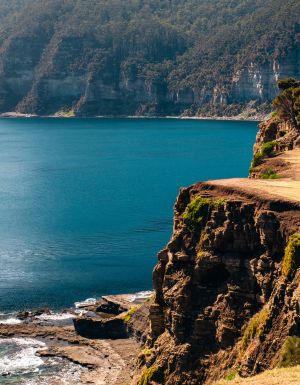
The rugged, seagirt location was chosen for its difficult escape conditions. Now, you can cruise the coast below the towering, jagged cliffs of the Tasman National Park or wander the sloping fields of fragrant lavender.

Tickets to Port Arthur include a walking tour and harbour cruise. See the Isle of the Dead where 1000 men are buried in marked and unmarked graves. And Point Puer, Britain’s first prison for children.

The Port Arthur Historic Site is one of Australia's most important heritage sites and tourist destinations. Located on the scenic Turrakana / Tasman Peninsula in the south east of Tasmania, it offers a unique and essential experience for all visitors to the area.
Wander convict-built grounds and gardens. (Image: Dearna Bond)

3. Launceston

You’ll find Launceston at the confluence of three rivers after an easy 2.5-hour drive from Hobart. Launceston is a patchwork of old and new. Here, heritage streetscapes meet modern architecture.

Visit Cataract Gorge, the green, sun-dappled heart of the town and sacred meeting point for Tasmania’s indigenous communities. Pull up at roadside produce stalls that dot the Tamar Valley, or dine out. Launceston is, after all, a UNESCO City of Gastronomy.

Should the local wine scene persuade you, simply extend your time in Launceston at Peppers Silo (but definitely at least stop by the onsite restaurant, Grain of the Silo , for a farm fresh menu) or Mercure Launceston before heading back to Hobart.

Walk the sunlit paths of Cataract Gorge. (Image: Nick H Visuals)

4. Bonorong Wildlife Sanctuary

Take a 35-minute drive from your hotel and you’ll find Bonorong Wildlife Sanctuary . This social enterprise is run by a team of extremely passionate Tasmanians with a mission to look after critically endangered species who have found sanctuary here after facing extinction on the mainland.

Choose to wander the sanctuary at your own pace or join a guided tour (free with your ticket) to come face to face with Tassie’s most iconic species. Tasmanian Devils, wombats and echidnas are part of the free tour. You can book up close encounters with your favourite animals, too.

Bonorong is a Sanctuary for wildlife run by a passionate team of like-minded people. We're a social enterprise: a little business with a big heart.
Snap a cuddle-worthy encounter. (Image: Tourism Australia)

5. Richmond Village & Coal River Valley

Richmond is a town that belongs in a snow globe. Fifty colonial-era, Georgian buildings have been painstakingly restored and turned into cafes, cosy restaurants and galleries. Visit Richmond Gaol , said to be the home of a prisoner so vile he inspired Charles Dickens to pen Oliver Twist’s Fagin.

Then, follow the Coal River as it flows past grassy, duckling-dotted knolls and under the iconic Richmond Bridge, the oldest bridge in Australia. From the crest of the bridge, see the oldest Catholic Church in Australia. The river crawls past many cellar doors, perfect for a day of wine tasting.

Richmond is a picture-perfect town in the Coal River Valley wine region, offering a glimpse into early colonial life, one of the best day trips from Hobart.
Trace the river through history and wine country. (Image: Fin Matson)

Plan your trip to Hobart and beyond with ALL Accor at All.com .