
These Aussie destinations, experiences and operators just got the world’s attention.
Every year, TIME puts out its World’s Greatest Places list and the whole travel industry holds its breath. 100 destinations. Global nominations. The full weight of one of the world’s most recognised mastheads behind each pick.
This year, Australia didn’t just make the cut – it made a statement. Four spots landed on the official list, up from the three inclusions last year. A fifth, from an Australian-owned expedition operator, snuck in under a different category. Together, they’re a pretty convincing argument that this country is doing something right.
Sea Sea Hotel, Crescent Head, NSW
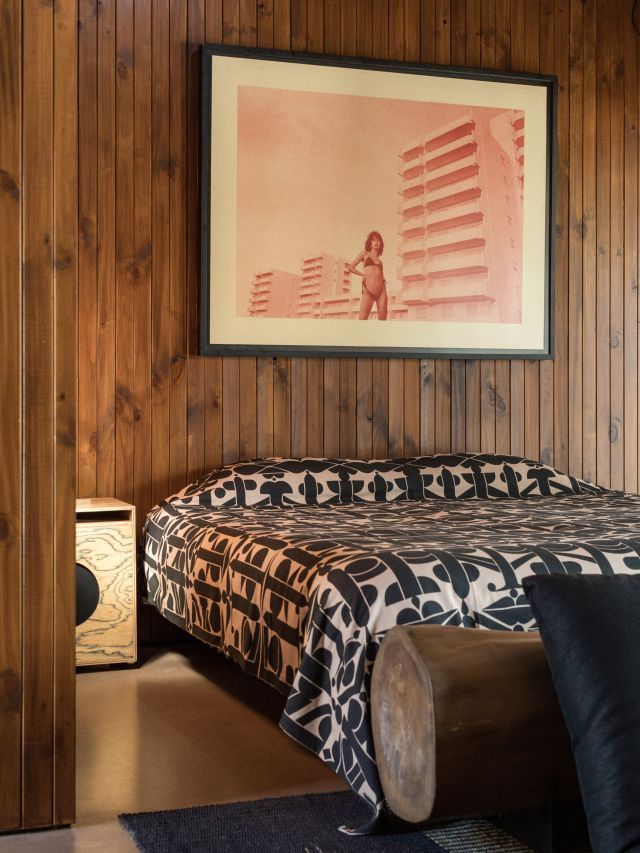
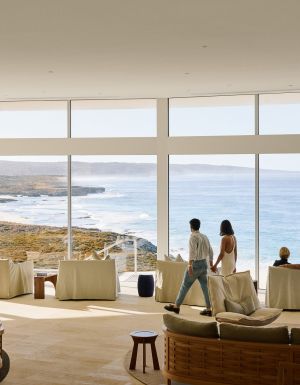
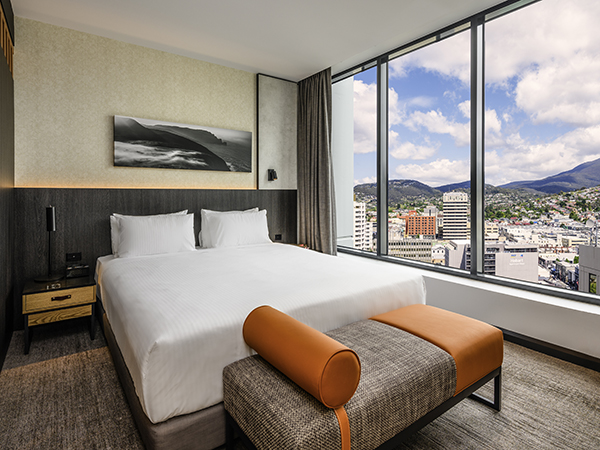
Sea Sea Hotel is a love letter to Crescent Head’s 1970s surf culture – retro in the best possible way, considered in every detail and sitting on Dunghutti Country near one of the coast’s most uncrowded breaks. TIME’s judges were taken by the whole package, but the kitchen deserves its own mention: former Icebergs chef Daniel Medcalf has built a modern-casual dining room around the native produce of the Macleay Valley.
On Board, Southwest Tasmania
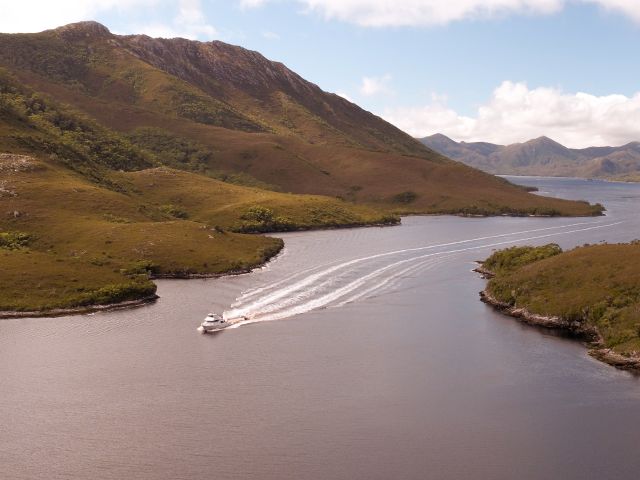
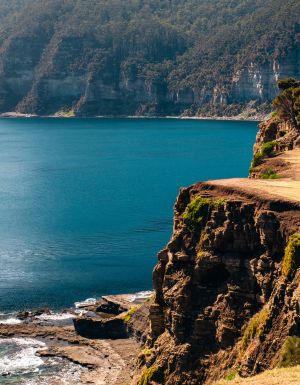
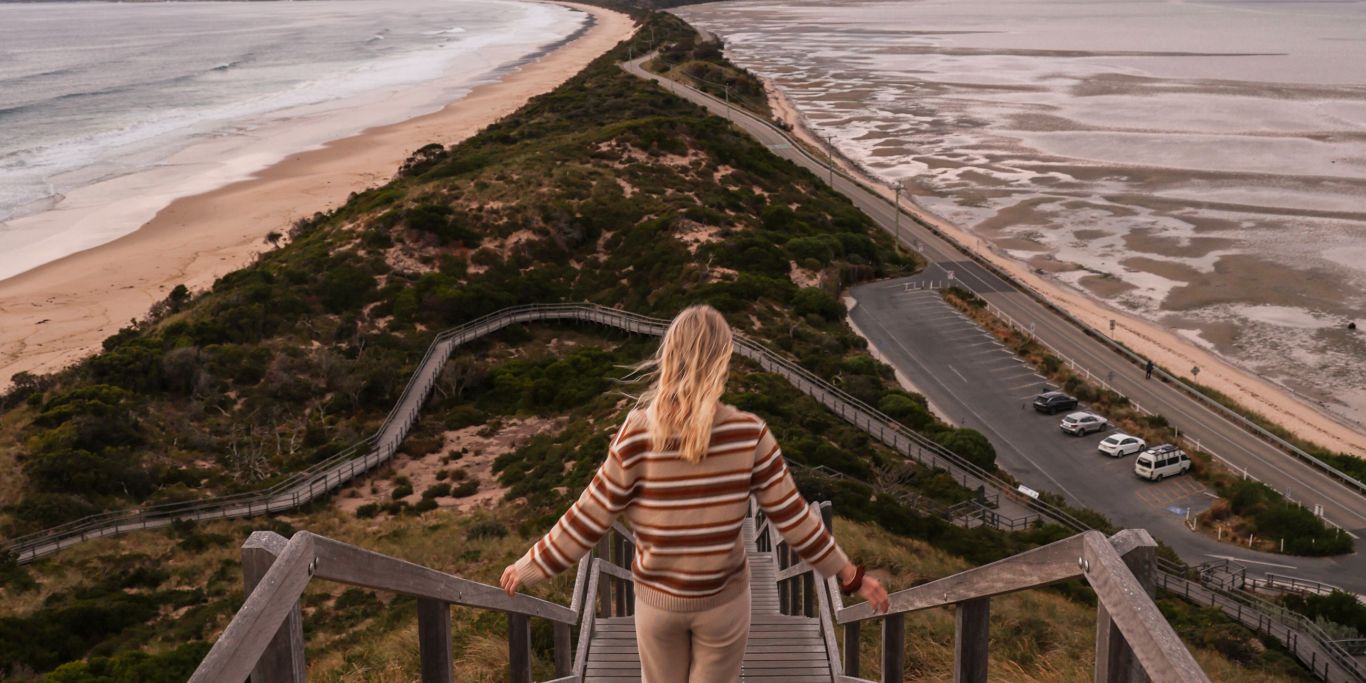
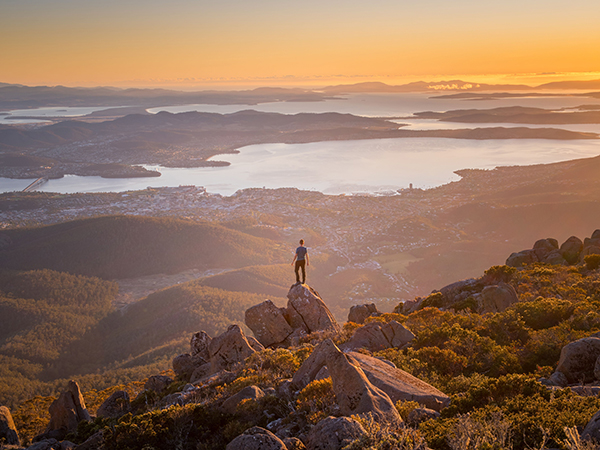
No roads. No towns. No hotels. The southwest corner of Tasmania is one of the most genuinely remote places in the country and On Board – a family-run operation that has known these waters since 1998 and is also now part of Luxury Lodges of Australia – is one of the only ways in. Its new Port Davey Highlights cruise starts the way all great adventures should: a 40-minute seaplane flight from Hobart over wilderness that looks like it was designed by someone who’d never heard the word ‘development’. From there, guests board the 12-passenger Odalisque III into Bathurst Harbour for three days of sea caves, Indigenous rock art, coastal hikes and possible sightings of the endangered, orange-bellied parrot.
Murujuga Cultural Landscape, Burrup Peninsula, WA
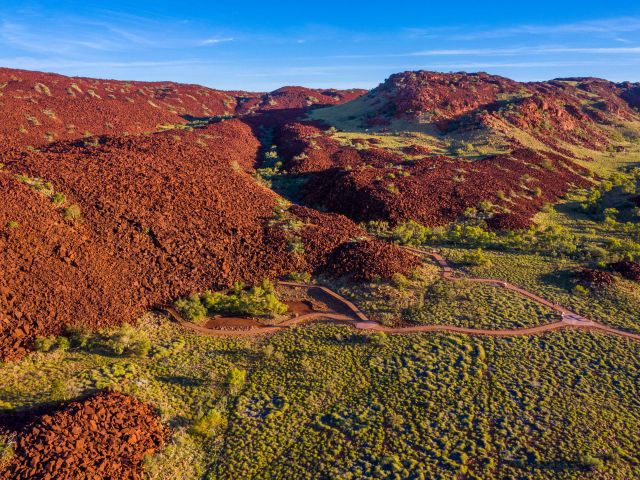
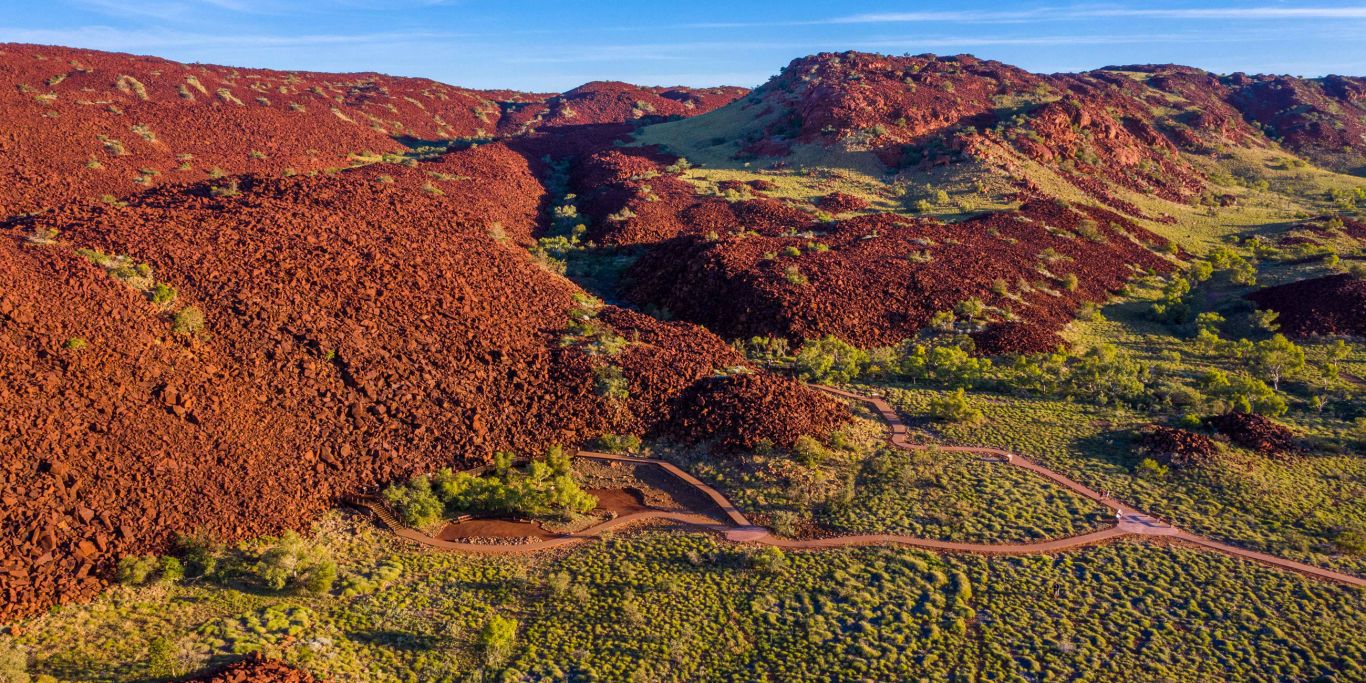
There are places in the world that make you feel small in the best possible way. Murujuga is one of them. Spread across the Burrup Peninsula in the Pilbara, this extraordinary landscape holds hundreds of thousands of ancient petroglyphs – rock engravings that represent one of the most significant concentrations of ancient rock art anywhere on Earth, and the continuous cultural practice of Aboriginal people across tens of thousands of years. The Ngarda-Ngarli people have cared for Country for more than 50,000 years; etched into its rusted boulders are prehistoric megafauna and early human life. UNESCO recognised it with World Heritage status in 2025 – only the second Australian site recognised solely for its First Nations cultural heritage.
Our print editor, Imogen Eveson, visited Murujuga shortly after the UNESCO inscription and came back changed. “It was one of those experiences that recentres you, offering a new appreciation not only for Australia – its natural and cultural history and the living heritage that continues today – but for the planet more broadly," she says.
“The more people who are able to experience Murujuga responsibly, as I did on an expedition cruise, the more people will come to understand and want to protect this extraordinary place."
Sydney Fish Market, NSW
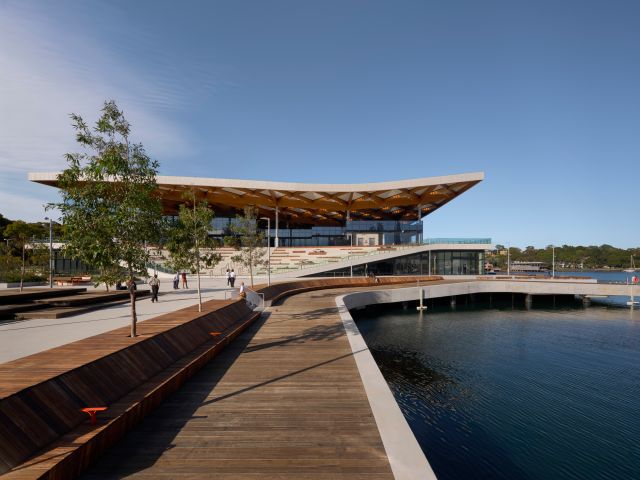
The old fish market had charm, seagulls and limited parking. The new Sydney Fish Market has an $836 million price tag, a wave-shaped roof and 40 restaurants under one address. The redesigned Blackwattle Bay precinct isn’t really a market anymore – it’s a waterfront destination that happens to sell excellent seafood, alongside Malaysian, Aegean and everything in between. TIME’s panel noted the ambition of what’s been built here: a place that genuinely integrates harbour life with serious dining. Sydney already had the Opera House. Now it has this.
Aurora Expeditions’ Douglas Mawson
It’s not officially in the Australia category – but Aurora Expeditions is an Australian-owned company, and its newest ship is too good to leave off this list. The Douglas Mawson launched in November 2025, named after the Antarctic explorer who would absolutely have approved of what’s been built in his honour. Small by design (just 130 expeditioners in polar regions), it’s equipped with a wave-piercing hull that tames the Drake Passage, a forward observation lounge, a citizen science centre and Zodiac platforms for getting off the ship and into the thick of it fast.