
Here’s your complete guide to catching a glimpse.
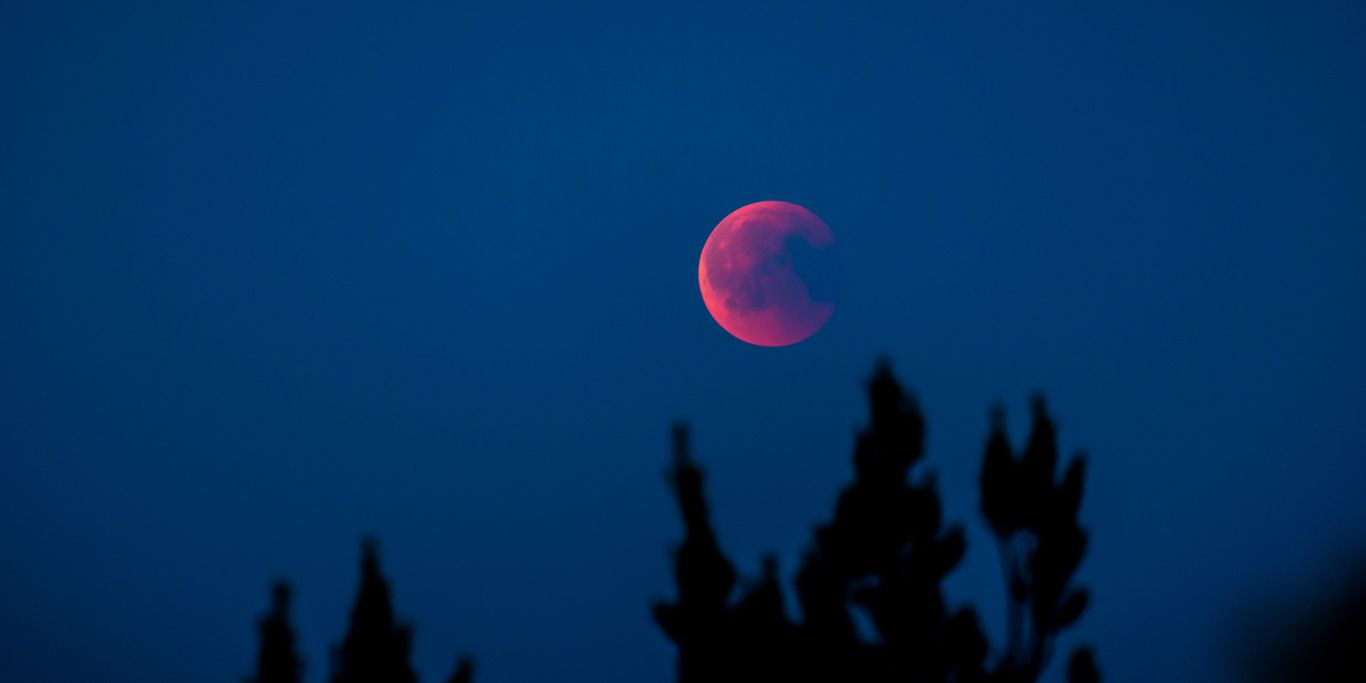
This March, Australians will have front-row seats to one of the sky’s most spectacular shows: a total lunar eclipse. Also known as a blood moon, the celestial event will paint the night in a smouldering palette of oranges and reds. Miss it and you’ll have to wait until 2028 for the next one – when the cosmos will deliver a double feature.
What is a total lunar eclipse?
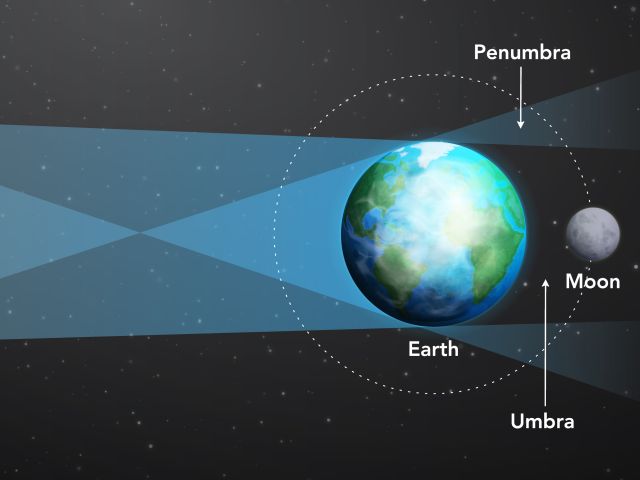
Lunar eclipses occur when Earth passes directly between the sun and a full moon, casting a shadow over our closest cosmic friend. While partial eclipses are quite common, a total lunar eclipse requires absolute precision – only unfolding when the Earth, moon and sun fall into near-perfect alignment.
Here’s how it works: Earth’s shadow is made up of two layers. The penumbral layer is the outer part of the shadow, where Earth can only block some of the sun’s light. The inner layer, known as the umbra, is much smaller, so Earth is able to block all direct sunlight.
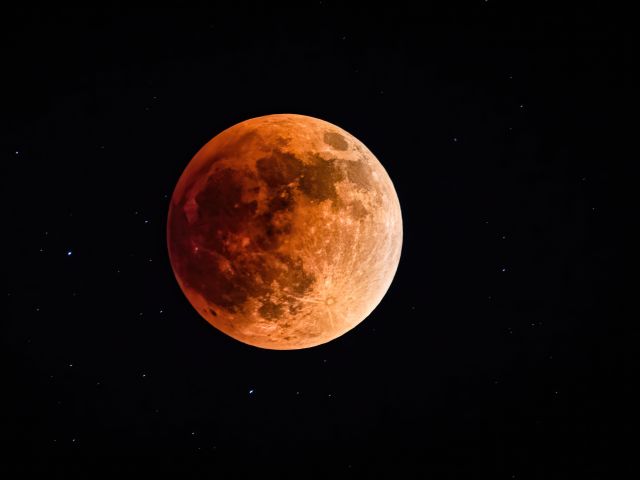
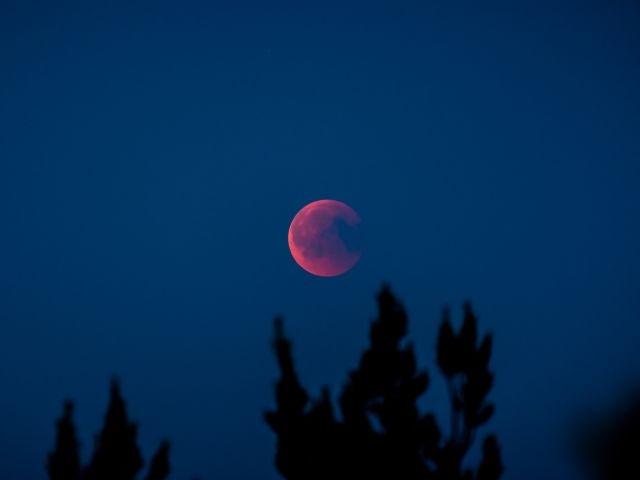
A partial solar eclipse occurs when only part of the moon slips into the umbra, creating a bite-like shadow on its surface. But when the moon falls completely within this dark and dense region, Earth’s shadow envelops the entire cratered surface, resulting in a total lunar eclipse or ‘blood moon’.
Despite its eerie nickname, a blood moon isn’t as sinister as it sounds. Much like the strawberry moon in June, it stems from the colours the celestial event creates. As Earth lines up with the sun and casts its shadow over the moon, our atmosphere bends and filters the light. Blue wavelengths are scattered while red light continues to pass through, bathing the moon in an amber glow that inspired its nickname.
Need tips, more detail or itinerary ideas tailored to you? Ask AT.
AI Prompt
When and where to see it in Australia
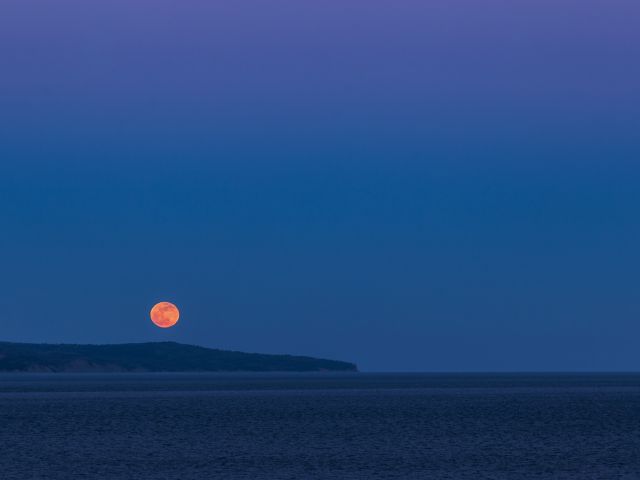
When it comes to night-sky phenomena, the southern hemisphere is often left in the dark – literally. While last year delivered particularly bright meteor showers like the Perseids, many astronomical events favour the northern hemisphere.
But this year, on Tuesday 3rd of March, the tables have turned. According to NASA, some continents (including Africa and Europe) won’t see the blood moon at all, and sightings in the United States will be limited to the west. Much of South America and Central Asia will only get a partial eclipse, too. For once, it seems like Aussies have the best seat in the house.
The total lunar eclipse will be visible in every state, though totality will occur at varying times. At its peak, the moon will remain fully shadowed for up to an hour – giving you plenty of time to soak it all in.
A quick state-by-state guide to totality*:
Tuesday 3rd of March
|
City |
Time |
Peak |
|
Perth |
7.04pm-8.02pm |
7.33pm |
|
Darwin |
8.34pm-9.32pm |
9.03pm |
|
Brisbane |
9.04pm-10.02pm |
9.33pm |
|
Adelaide |
9.34pm-10.32pm |
10.03pm |
|
Canberra |
10.04pm-11.02pm |
10.33pm |
|
Hobart |
10.04pm-11.02pm |
10.33pm |
|
Melbourne |
10.04pm-11.02pm |
10.33pm |
|
Sydney |
10.04pm-11.02pm |
10.33pm |
Unlike solar eclipses, no special equipment or protection is required to witness the blood moon – just clear skies and a bit of patience. It will also be visible to the naked eye, but keen astronomers can use binoculars or a telescope to get a closer look.
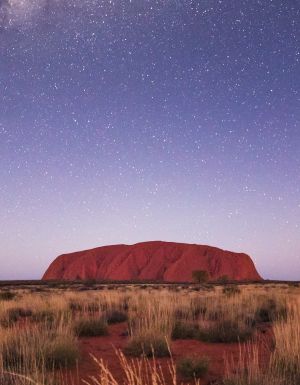
For the ultimate experience, it’s best to go remote – places like Wilpena Pound in SA, Warrumbungle National Park in NSW and WA’s Lake Ballard are some of Australia’s best spots for stargazing.
Weekly travel news, experiences
insider tips, offers, and more.
Save the date in 2028
Miss this year’s total lunar eclipse and you’ll be waiting nearly three years for another shot, with the next occurring on 31 December 2028. But even those who do catch it will want to mark their calendars.
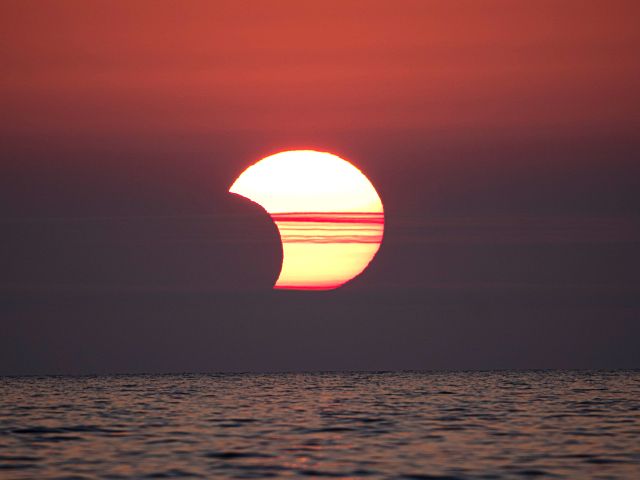
Not only will 2028 bring the next blood moon, but it will also deliver something even rarer: a total solar eclipse over Australia. While WA, Queensland and the Northern Territory were treated to a glimpse in 2023, other states haven’t experienced totality since 2002.
In a twist of cosmic luck, WA, Queensland and the NT are in line for another front-row seat come 2028. But this time, one more state will join them – and it may just have the best view of all.
On 22 July at 2pm, the eclipse will reach totality above Sydney, NSW. Lasting up to four minutes, it will mark the city’s first total solar eclipse in more than 20 years – and the last chance to catch one until 2037.
While those in South Australia, Victoria and Tasmania won’t experience totality, you’ll still catch a partial glimpse. But if that’s not enough, there’s ample time to plot a celestial road trip – because it’s moments like this that are worth travelling for.
*Times listed indicate totality window only. Head outside earlier if you’d like to watch the eclipse begin.
Want to see more stories from Australian Traveller in your Google search results?
- Click here to set Australian Traveller as a preferred source.
- Tick the box next to "Australian Traveller". That's it.