Australia’s top 10 culinary journeys

hero media
Our Top 10 Delicious Culinary Journeys are forks down the hottest (and tastiest) foodie experiences in Australian this year, complied from our 100 Incredible Experiences (right here in your backyard) special issue.

Buy the issue  now to savour the 100 best travel experiences of 2016. 

Australia is one massive, scrumptious food bowl. From the abundant seafood across the length of the south coast, to fine dining in some of the best restaurants in the world, to the tropical offerings of markets in north Queensland, travelling Australia is a culinary tour of the best its many cultures and regions has to offer, compiled by Adam Liaw.


Words: Adam Liaw is food columnist for The Sydney Morning Herald, The Age, Sunday Life and The Guardian, and the author of four cookbooks. On television, Adam hosts the prime-time SBS food and travel program, Destination Flavour, and was the winner of the 2010 season of MasterChef Australia.

1. The roaming restaurant pop-up dining – various locations, WA

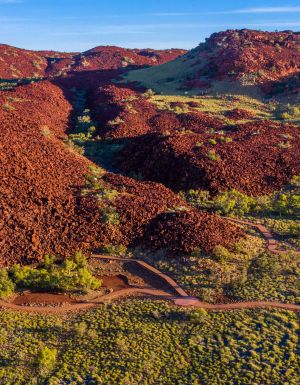
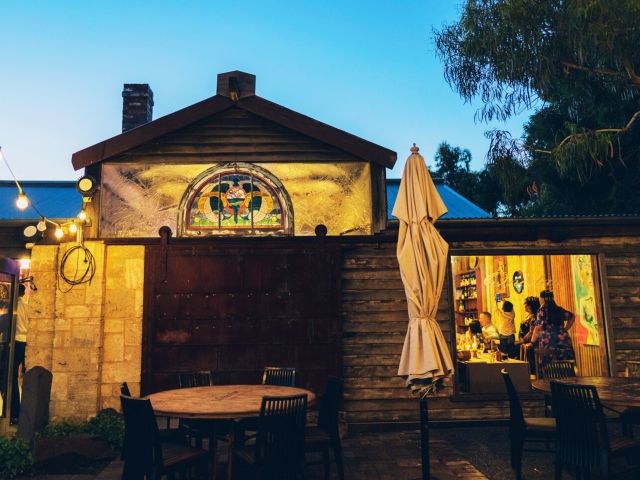
Paul Iskov has worked in some of Europe’s best restaurants and having Returned to his native WA, he and his friends set up roaming restaurant Fervor . using Native ingredients cooked over open fires in the WA outback and towns and presented in the finest fashion, this is a dining with a difference.


Why you should try it: It’s soul surfing but with food, and it might be the most ‘Australian’ dining experience you’ll ever have. 

2. Doing the Barossa properly – Barossa Valley, SA

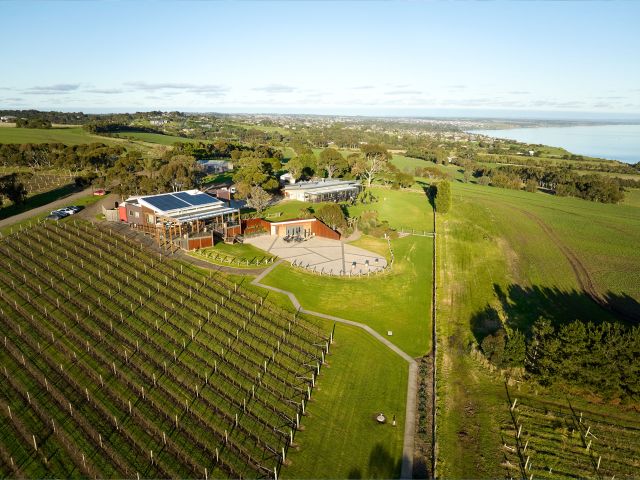
Everyone knows that a tasting tour of the Barossa Valley is an incredible wine experience, but if you forget the food you’re only getting half the story. Take a lazy lunch with local wine at 1918, a wood-fired bee sting cake from Apex Bakery and a truly local dinner at Appellation, and you won’t just have tasted the Barossa, you’ll have experienced it.


Why you should try it: The Barossa is a rite of passage for every Aussie.

3. Dining, Bondi-style – Bondi Beach

The restaurants at the two ends of Bondi Beach could be a metaphor for the two sides of Bondi culture. On the southern side, Icebergs is exquisitely cool, its polished glamour overlooking the famous Bondi Baths where the bronzed and beautiful can be found at any time of the day. On the northern side is Sean’s Panorama , casual and convivial with a European warmth to it. Locals stroll down for dinner with a bottle of wine under their arm and unwind at the tables perched on the footpath looking out to the horizon. The laughter and buzz of conversation echoes all the way to the beach.


Why you should try it: It’s a menu-less celebration of not just ingredients or cooking, but of the culture of dining itself. 

4. King George whiting and chips – Port Lincoln, SA

The pristine waters around South Australia’s Eyre Peninsula host the best seafood in the world. While much of it finds its way onto boats en route to Tokyo’s best sushi restaurants, there’s nothing like a local favourite fresh out of the water. While the Eastern states sing the praises of flathead for their fish and chips, in SA whiting is the king in both reputation and name. Catch it yourself if you can, but if you can’t just grab a King George whiting and chips from The Fresh Fish Place (and maybe a dozen Coffin Bay oysters while you’re at it) and head down to the foreshore.


Why you should try it: Because fish and chips in Australia isn’t the same if you don’t share it with the seagulls. See portlincolnseafood.com.au

5. Coffee on Centre Place – Melbourne

Melbourne is stunningly beautiful, and Centre Place might be the most photographed spot in the whole city. Grab a coffee at Vicolino and soak up the unique atmosphere here; coffee-culture at its best.


Why you should try it: It’s the quintessential Melbourne laneway, the one that people make a bee-line for when they’re after a coffee in the city.

6. A World-beating affogato gelato – Cow & The Moon, Enmore, Sydney

Lining up for after-dinner ice-cream has become a fixture of Sydney culture in recent years, and Cow & The Moon has some of the longest lines in the city. Deservedly so, as its famous affogato gelato is a world-beater, winning the World Gelato Tour in Rimini, Italy in 2014.


Why you should try it: It beat the Italians, enough said.

7. Fruit picking Rusty’s Markets – Cairns

Tropical North Queensland moves at a pace of its own, whether it’s local families knocking green mangoes out of the trees that line the streets, or enjoying a slow bucket of prawns and a few cold beers watching the sun set at Palm Beach. Rusty’s Markets is a Cairns institution and it’s one of the most eclectic markets around. The tropical fruits are as good as you’ll find anywhere in the world, from carambola and jackfruit to mangoes of every variety, but what I love are the homemade local products. They’re a multicultural mix from around Australia and Asia that you won’t find anywhere else.


Why you should try it: Pickled mangoes, homemade Thai-style sai krok fermented sausage, native fruit jams – there’s always something to surprise you. 

8. Grab an oyster from the sea – Freycinet Marine Farm, Tasmania

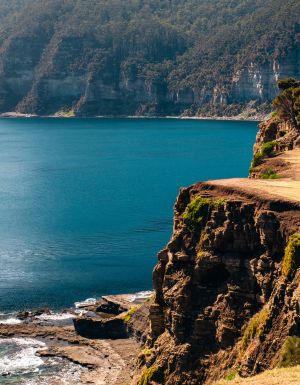
There’s truly no better way to eat an oyster than pulling it straight out of the water, shucking it, and tipping it straight into your mouth. And the best place in the world to do that is at the oyster shucking table at Tasmania’s Freycinet Marine Farm . Stand waist-deep in the water and just grab an oyster out of sea water as the fish swim around your legs.


Why you should try it: The only drawback is that it’ll spoil you for all other oysters for the rest of your life.

9. A sunset beach feast – Mindil Beach Sunset Market

Some compare the Mindil Beach Sunset Market to a South-east Asian hawker centre but it’s really so much more a temple to Darwin’s multiculturalism. Stroll from stall to stall as the sun sets into the ocean and try everything from hickory-smoked local mackerel and barbecued octopus to Thai laksa or nasi campur from Borneo. Go on an empty stomach and, if you can, make it for the last market of the year to enjoy live music and fireworks bursting over the horizon.


Why you should try it: You can’t beat the atmosphere. 

10. Going native – Attica, Melbourne

Ben Shewry is one of the world’s most innovative chefs. He was pushing native Australian ingredients to the limits of fine dining long before Noma rolled into Barangaroo.


Why you should try it: The degustation at Attica isn’t just delicious – it’s thoughtful, nostalgic and beautiful; a meal you won’t forget. 

hero media

8 Red Centre locations to explore after seeing the new movie, Kangaroo

Spend a few days visiting the real-life Central Australian locations that inspired the new film everyone is talking about, and discover why Alice Springs is such an important part of Australian culture.

In the credits of the new Australian film Kangaroo , the first name under ‘cast’ should read ‘The Northern Territory ’. Not only is Alice Springs (and the surrounding landscape) integral to the movie itself, but the spiritual heart of Australia and its local Indigenous owners also inform the look and feel of every frame, explains Producer Trisha Morton-Thomas of Brindle Films, who also plays Charlie’s grandmother Gwennie.

“By setting Kangaroo in Alice Springs (Mparntwe), the film embraces how visible Aboriginal people are here, and the living Aboriginal culture that is woven through this community,” she explains.

still from kangarro film
See Kangaroo, then visit the real-life filming locations.

And while shooting in such a sacred part of the Northern Territory required extra planning, it was something the cast and crew were highly invested in.

“There are incredibly significant sacred sites and places of deep cultural stories in the area, that at times are very gender-specific, which we’ve kept out of the production,” she explains. “Even if overhead drone footage captures a sacred site that isn’t meant to be seen by other people outside of that clan, we’ve made sure to omit it from the film.”

If Kangaroo piqued your interest in a Central Australian holiday, we don’t blame you. Read on to discover eight places featured in the movie that you can visit in real life – and get planning. Don’t forget to pack sunscreen and a hat.

1. Alice Springs/ Mparntwe

artist at Many Hands Art Centre
Visit the galleries of Alice Springs, like Many Hands Art Centre. (Image: Tourism NT/ Helen Orr/ Many Hands Art Centre)

The red and dusty streets of the film’s fictional town of Silvergum were filmed on the outskirts of Alice Springs. And, while the art gallery featured in the film is fictional, Alice Springs is a hub of creativity. See the work of local artists at the Araluen Art Centre , Yubu Napa Art Gallery , Iltja Ntjarra (Many Hands) Art Centre and the famous Tjanpi Desert Weavers .

2. The Kangaroo Sanctuary & Kangaroo Rescue Centre

The Kangaroo Sanctuary Alice Springs, the inspiration for the Kangaroo move
Visit the movie’s inspiration at Kangaroo Sanctuary. (Image: Tourism NT/ Kangaroo Sanctuary)

Kangaroo was inspired by the journey of Chris ‘Brolga’ Barns, who founded the now world-renowned Kangaroo Sanctuary based in Alice Springs. For lead actor, Aussie Ryan Corr, the animals were central to the movie, alongside the landscapes.

“The animals in this story were a real calling point for me,” he explains. “What this story tries to tell us about the connection between humans and animals is beautiful.”

To gain a real insight into the fauna and flora of the Red Centre, you can visit the Kangaroo Sanctuary on a sunset tour, where you might even get the chance to hold a baby kangaroo.

3. Ormiston Gorge

woman walking along the edge of Ormiston Gorge near alice springs
Take a dip in Ormiston Gorge. (Image: Tourism NT/ @domandjesso)

The film captures the raw beauty of the West MacDonnell Ranges, known in the Arrernte language as Tjoritja. This national park is rich in Indigenous culture and stark geological wonders.

Only a 15-minute drive from Alice Springs, Tjoritja offers visitors the chance to camp, hike and swim among ancient landscapes (most attractions are less than a three-hour drive away).

Ormiston Gorge , a cooling oasis in among the red desert sands, is one of the most popular destinations, no doubt because of the permanent swimming hole and towering red cliffs. From here, visitors can also embark on the beautiful Ormiston Pound Walk and the shorter – more accessible – Ghost Gum Walk. Bring your bathers – it’s safe for swimming.

4. Standley Chasm

woman walking through Standley Chasm near alice springs
Wander through Standley Chasm. (Image: Tourism NT)

The 1.2-kilometre walk to nearby Standley Chasm will be a highlight for any visitor as the imposing 40 metre-high chasm walls project strength and ancient wisdom.

Visit at midday to experience the path illumined by the midday sun. Not only will you fill your camera roll with vibrant red images of the gorge and its intoxicating shadows, but you can also camp nearby in a powered or unpowered site so you can watch the brilliance of the desert stars fill the night sky after dusk.

5. Simpsons Gap

three people walking on path through simpsons gap near alice springs
Walk the trails of Simpson’s Gap. (Image: Tourism NT/ Helen Orr)

Closer to Alice Springs, the photogenic Simpsons Gap is the perfect place to spot the endangered Black-footed Rock wallaby near the permanent watering hole. While swimming isn’t permitted, soaking up the sun and views certainly is.

Explore the area’s numerous walking trails, appreciate the soaring cliffs on either side of the ‘gap’ and pick out the shooting locations of Kangaroo in the area.

6. Ellery Creek Big Hole

aerial of Ellery Creek Big Hole near alice springs
Dive into Ellery Creek Big Hole. (Image: Tourism NT/ Tourism Australia)

When it comes to classic Northern Territory landscapes, you can’t go past Ellery Creek Big Hole/ Udepata : tall gum trees sidling up to a refreshing watering hole (fed by the West MacDonnell Ranges and surrounded by rugged red cliffs.

Swim in the cooling waters, hike the cliff tops, watch for birds and even stargaze as you camp here overnight. It’s locations like this that attracted the film’s director Kate Woods to the project.

“It humbles you to be in this environment: it’s so beautiful, so old and so vast,” she explains. “I was thrilled to get a chance to … shoot such a beautiful story in the incredible landscape of the Northern Territory.”

7. Larapinta Drive

aerial of Larapinta Drive into alice springs
Drive along Larapinta Drive. (Image: Tourism NT)

There is no better way to get a feel for how the characters arrived at the fictional Central Australian town of Silvergum than to travel along the iconic state road, Larapinta Drive.

Connecting Alice Springs to the mighty King’s Canyon in the west, via the historic community of Hermannsburg, this road takes in the West MacDonnell National Park, Alice Springs Desert Park and artist Albert Namatjira’s house, among other attractions. Take your time, bring a camera and prepare for numerous stops along the way.

8. Todd River

competitors in Henley on Todd Regatta, alice springs
Join in the fun of the quirky Henley on Todd Regatta. (Image: Tourism NT/ TImparja Creative)

Meandering through Alice Springs like a lazy Western Brown snake, the Todd River is a central part of Alice Springs culture. Known as an ‘intermittent river’, the Todd can go from a dry dusty riverbed to a flowing waterscape in less than 15 minutes after heavy rainfall.

When it’s dry, the famous Henley on Todd Regatta fills the sandy riverbed with handmade ‘boats’ carried by sailors. This is the world’s only dry river boating event, and it’s referenced in the ‘Silvergum Boat Race’ in the movie. Inspired by the real-life event, the characters built quirky “Flintstones-style boats” and competed in teams.

See Kangaroo in cinemas now, and start planning your NT getaway at northernterritory.com.