Where to see Australia’s unique wildlife

hero media
Australia boasts a weird and wonderful menagerie of creatures on land, sea and air.

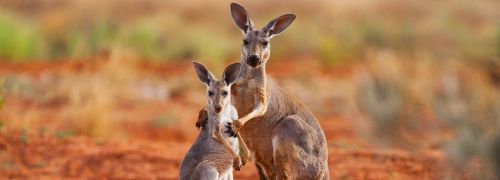
Kangaroo

One half of the national coat of arms (the other is the emu), the kangaroo is one of the country’s most celebrated animals. There are four different species of kangaroo: The Red; Antilopine; Eastern Grey; and Western Grey. The Red holds the distinction of being the world’s largest marsupial; some males stand as tall as six feet and weigh in at 200 pounds.

Fast fact: There are more kangaroos than humans in Australia (roughly 50 million versus 25.7 million), with an estimated 15.8 million red kangaroos alone.

Where to see them: You’ll find kangaroos all over Australia. They’re social creatures, so chances are if you see one there are more close by. They rest during the heat of the day, so the best time to catch sight of them is at dawn and dusk.
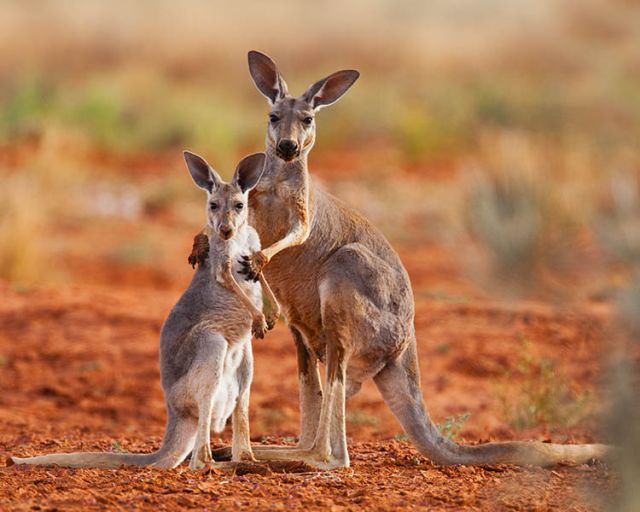
Kangaroo with its joey
The kangaroo is one of Australia’s most celebrated animals.

Koala

When it comes to the Aussie animal most visitors want to tick off their list, chances are it’s the koala. This impossibly cute tree-dwelling marsupial mammal survives on a diet exclusively made up of eucalyptus leaves. The trees are also their home, with koalas spending up to 19 hours a day sleeping in them before waking up to feed at night, making them largely nocturnal. While koalas have a pouch like kangaroos, they are more closely related to the wombat.

Fast fact: While they look all chubby and cuddly, koalas have seriously sharp claws and when threatened can run as fast as a rabbit.

Where to see them: Due to the fact that they spend most of their time up trees, koalas can be elusive to spot in the wild. Keep an eye out for them along the Great Ocean Road and on Raymond Island in Victoria, and around Port Stephens and Port Macquarie in New South Wales.
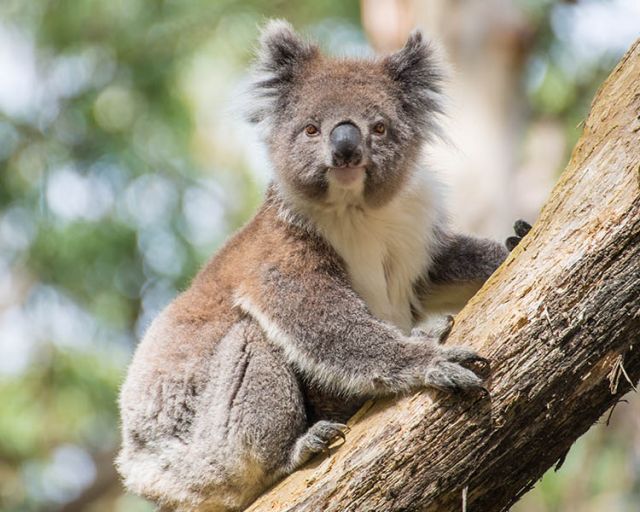
A Koala holding onto a branch
Koalas survive on a diet exclusively made up of eucalyptus leaves.

Wombat

These chubby creatures live in burrows and emerge at night to feast on a diet of grasses, bark and roots. Consisting of three species – the Common Wombat, the Northern Hairy-Nosed Wombat and the Southern Hairy-Nosed Wombat – wombats are an evolutionary wonder: they have a pouch like other marsupials but it faces backwards so that it doesn’t fill with dirt when they are digging. And its rump consists mostly of cartilage so that when it retreats headfirst into its hole it is almost impossible for predators to get a grip on.

Fast fact: Wombats’ poop is shaped like a cube. The theory is that as they mark their territory by defecating, the shape stops it from rolling away.

Where to see them: Wombats thrive in cool, damp environments, so you have a good chance of spotting them in places like Cradle Mountain-Lake St Clair National Park and Maria Island in Tasmania, Wilsons Promontory National Park in Victoria, and the Southern Highlands, less than two hours from Sydney.
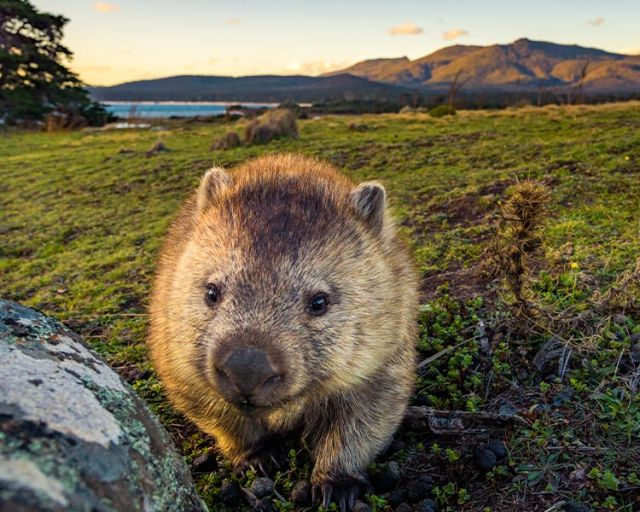
Wombat looking at the camera
Wombats live in burrows and emerge at night to feast on a diet of grasses, bark and roots.

Possum

When you are out and about at night in Australia, whether in the heart of Sydney or in the wilds of Freycinet National Park in Tasmania, chances are you will catch a glimpse of either a Common Brushtail Possum or a Common Ringtail Possum, the most prolific of Australia’s 23 species of possums.

With their soft fur and sweet faces, possums are one of the easiest marsupials to spot as they are quite adventurous in the pursuit of food. And if you can’t see them, you’re sure to hear them; researchers have identified at least 18 different sounds made by possums including screeching, hissing and grunting.

Fast fact: Both brushtail and ringtail possums have prehensile tails, which they use as a type of hand to cling to trees and carry things.

Where to see them: Brushtail and ringtail possums are found all over the country and are easy to spot when feeding at night – just look up.
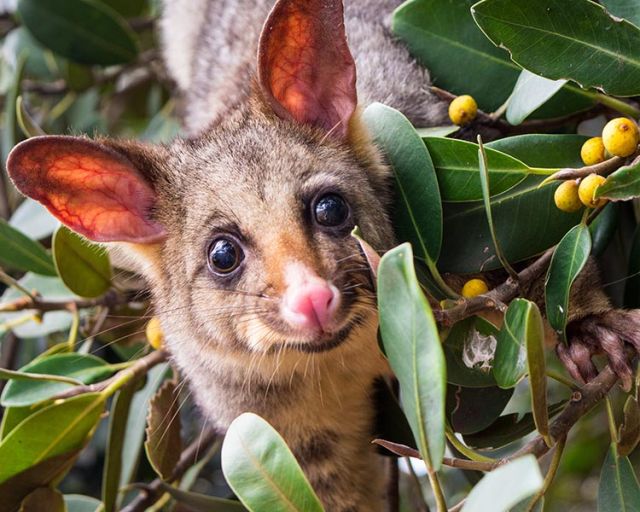
Possum looking into the camera
Possums are one of the easiest marsupials to spot.

Wallaby

A marsupial cousin of the kangaroo, wallabies are widely found across the country. Smaller than kangaroos, there are some 30 species of wallaby in Australia including the Rock Wallaby, Swamp Wallaby and the Tammar Wallaby, all of which hop to get around, tend to be more active at dawn and dusk, and carry their young in a pouch. Unlike kangaroos, however, wallabies are solitary creatures.

Fast fact: If a wallaby becomes pregnant while she still has a joey (baby) in her pouch, she can pause the gestation of the new embryo until its sibling has vacated the space.

Where to see them: Wallabies are widespread and plentiful, which means you are in with a good chance of seeing these delightful little creatures in any of Australia’s abundant National Parks.
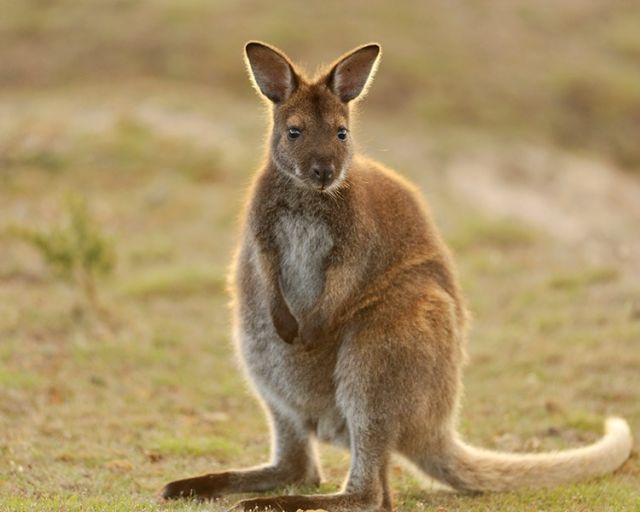
Wallaby
Wallabies are marsupial cousins of the kangaroo.

Kookaburra

Australia is home to abundant birdlife, but none is more genuinely wondrous than the kookaburra. Also known as the Laughing Kookaburra, this Kingfisher is famous for its loud and clear call that sounds like a hearty belly laugh but is actually a method to warn other birds off its territory.

Fast fact: Kookaburras are believed to pair for life, so when you see one bird its mate will most likely be nearby.

Where to see them: Found predominantly on the East Coast, you will usually hear them before you see them.
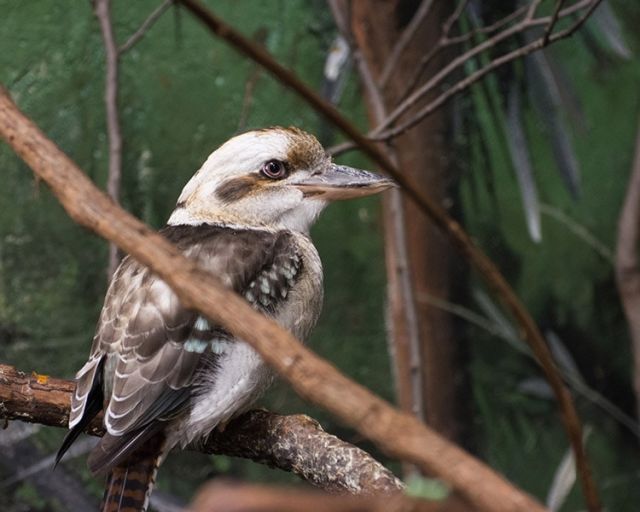
Kooraburra
Kookaburras are famous for their loud and clear call that sounds.

Tasmanian Devil

Found exclusively on the island state from which it gets its name, this carnivorous marsupial is actually a lot like its Looney Tunes cartoon persona, a snarling, irascible whirlwind of teeth and attitude. With a vocabulary of growls, grunts and snarls, they are vociferous (and slightly vicious) when threatened or protecting their food.

Fast fact: Further cementing its reputation, the Tasmanian Devil has the most powerful bite of any animal in the world based on its size.

Where to see them: As the devil is nocturnal, it is difficult to see in the wild; instead visit the Tasmanian Devil Conservation Park in Taranna, an easy drive from Hobart, Bonorong Wildlife Sanctuary, north of Hobart, or Devils @ Cradle Wildlife Park near Cradle Mountain National Park.
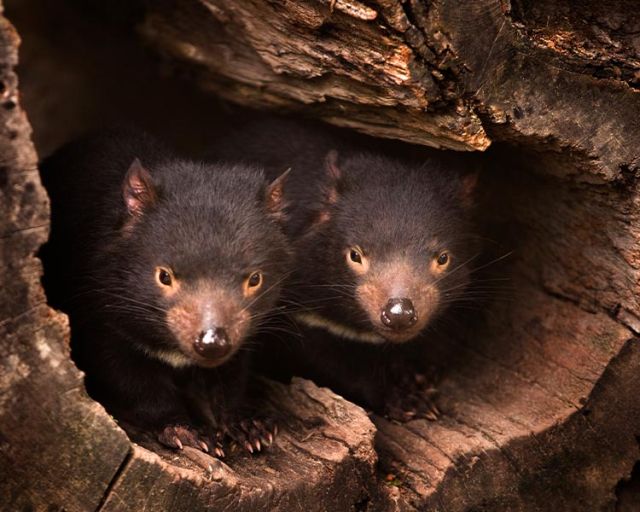
Two Tasmanian Devils
Tasmanian Devils are found exclusively on the island state from which it gets its name.

Also watch out for…

Echidna

This little egg-laying mammal is covered in sharp spikes and eats a diet largely made up of ants, hence its alternative name, the spiny anteater. They thrive in all manner of habitats, too.
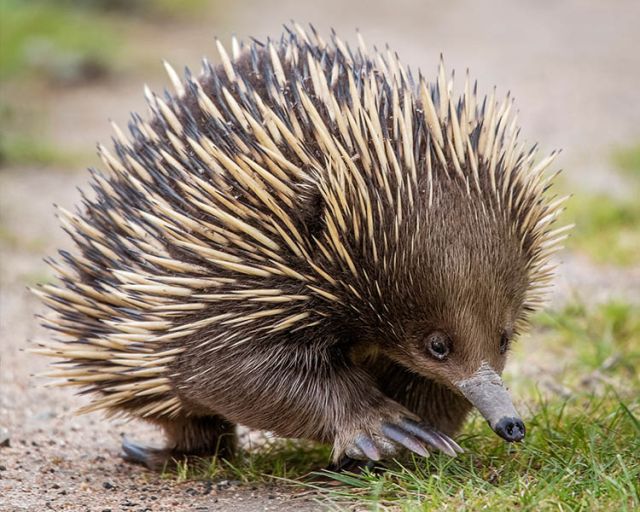
Echidna
The echidna eats a diet largely made up of ants.

Emu

The other half of the coat of arms, this flightless bird is the second biggest in the world after the ostrich; they can grow up to 6.5 feet tall. You’ll find them across mainland Australia.
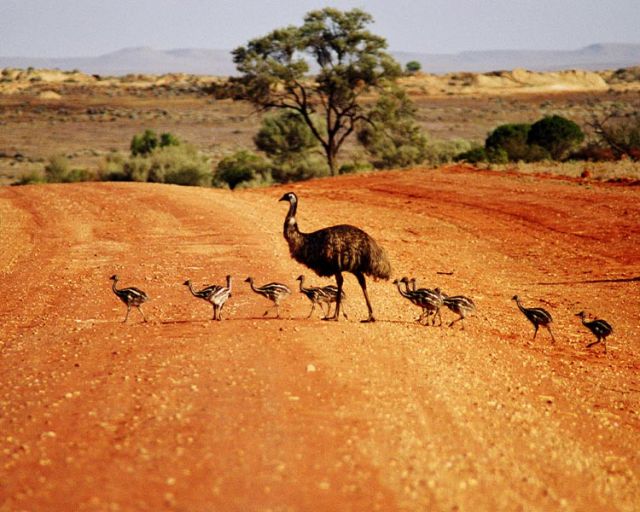
Emus crossing the road
Emus are the second biggest birds in the world after the ostrich.

Platypus

One of only two egg-laying mammals in the world (the other is the echidna), the platypus has a ducklike bill, webbed feet, is covered in fur and sleeps 14 hours a day on average.
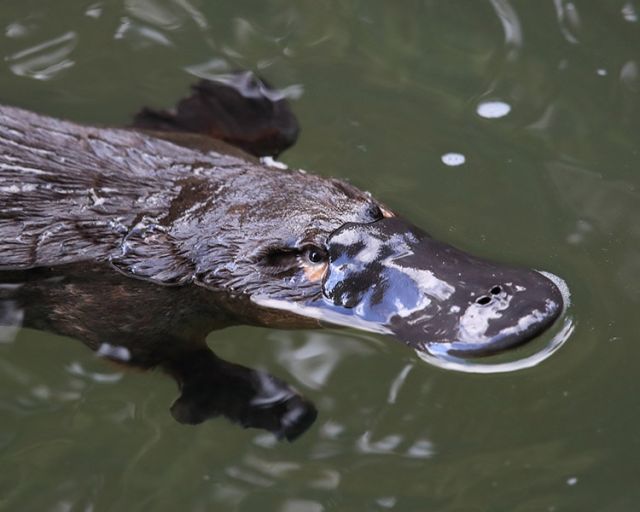
Platypus
One of only two egg-laying mammals in the world.

Dingo

Australia’s native wild dog, dingoes are found throughout the mainland states, including in the Northern Territory, and are known for their characteristic howl.
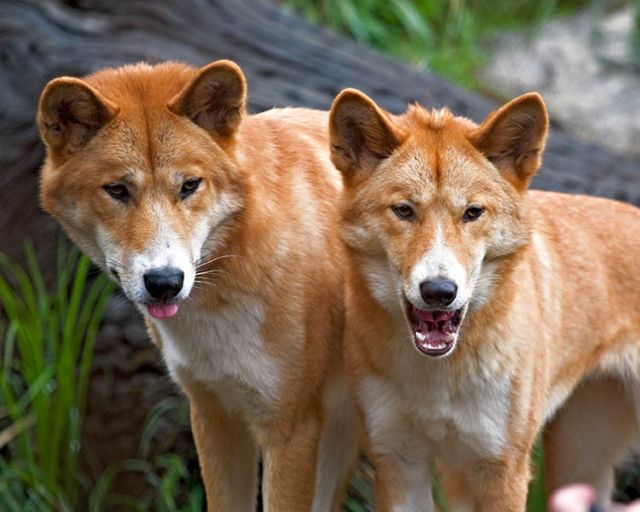
Two dingos
Dingoes are found throughout the mainland states.

Sulphur-crested Cockatoo

You’ll hear these cheeky native birds screeching loudly during the summer months as they dart from tree to tree or hang upside down from electricity wires.
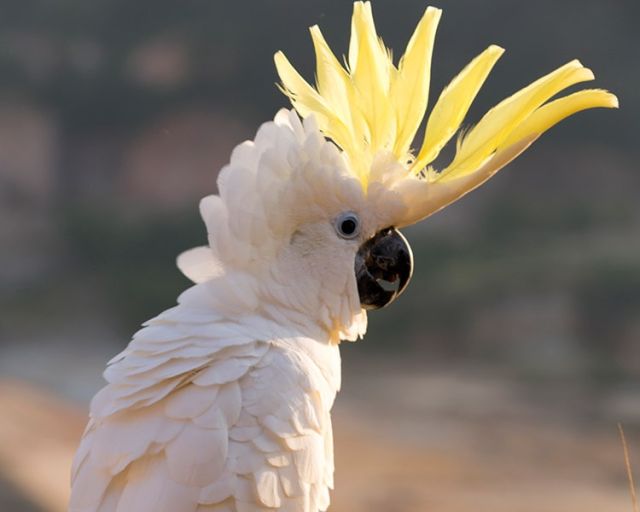
A white Sulphur Crested Cockatoo
Keep your eyes peeled for a Sulphur Crested Cockatoo.

Quokka

Native to Rottnest Island in Western Australia, the cuddly quokka is quite possibly Australia’s happiest marsupial, whose delightful grin has featured in many a cute selfie and social media post.
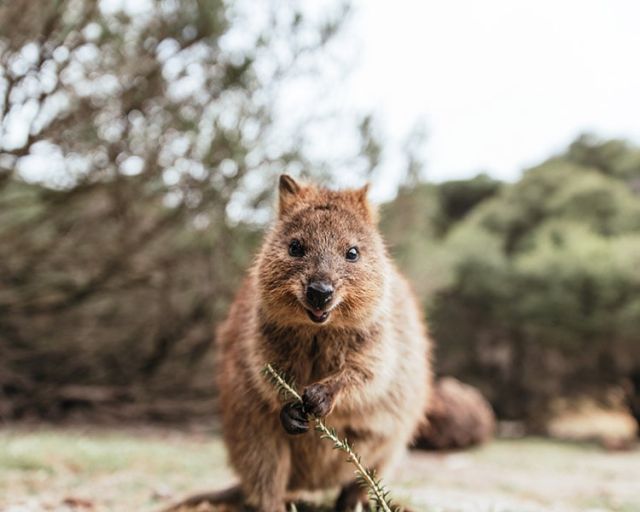
Quokka smiling at the camera
The cuddly quokka is quite possibly Australia’s happiest marsupial.
hero media

8 Thredbo hiking experiences you can only have in summer

Thredbo in summer is a nature lover’s dream of show-stopping alpine beauty, cool mountain air and magical moonlit adventure.

For many of us, Thredbo calls to mind shimmering slopes and snow-dusted gums, but come summer, this Alpine resort transforms into a playground of an entirely different kind. A cool mountain retreat despite the season, Thredbo summer hikes are astonishingly beautiful, criss-crossing over dramatic peaks, pristine glacial lakes and abundant flora and fauna.

From approachable tracks for novice walkers to more challenging hikes across the Main Range and even journeys under moonlight, Thredbo puts on an unforgettable show of natural splendour all summer. Lace up your walking boots and take the chairlift from Thredbo village to embark on a self-guided exploration or a tour of the Snowy Mountains’ most compelling landscapes.

These eight unforgettable hiking experiences are only available in summer and offer an alpine adventure like you’ve never experienced before.

1. Full Moon Hike to Mt Kosciuszko

Full Moon Hike to Mt Kosciuszko
Stand atop Mt Kosciuszko at full moon.

There’s something almost mystical about hiking by the light of a full moon. This guided experience begins with a 15-minute chairlift ride, where you’ll admire the Thredbo Valley below, bathed in the fading sun.

Once at the top, you’ll pass rivers, alpine lakes and spot nocturnal wildlife on your way to the Kosciuszko Lookout and Lake Cootapatamba. By the time you reach the summit, sunset is well underway as you watch day give way to night and the alpine landscape magically illuminated by the lunar glow. Enjoy a hot chocolate here before following the path back to Eagles Nest, brightened by the night sky.

This 13-kilometre hike will take place on 3 January, 2 February, and 2 April in 2026.

2. Super Full Moon Hike

Super Full Moon Hike in thredbo
Take in the might of a super full moon.

The only thing that could level up the celestial beauty of a full moon hike would be a super full moon hike . Following the same route, you’ll meet the moon when it is largest and closest to Earth by ascending to the summit of Mount Kosciuszko at an elevation of 2228 metres. From such a height, it almost feels as though you could reach out and touch its glowing surface.

Given the rarity and splendour of the super full moon, limited spots fill up fast for this awe-inspiring hike, so be sure to book the 5 December in advance.

3. Lunar Eclipse Hike

Thredbo Lunar Eclipse Hike
See dazzling celestial displays.

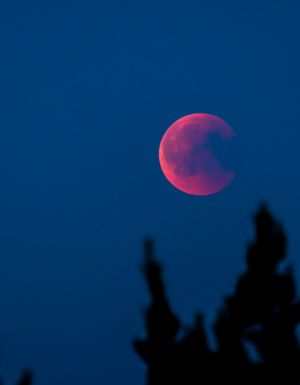
What could be more extraordinary than witnessing a lunar eclipse from Australia’s highest peak? Whether you’re a keen astronomer or simply revel in nature’s beauty, this guided 13-kilometre hike will place you on top of Mount Kosciuszko just as Earth passes between the sun and moon, throwing shade over the lunar surface before transforming it with a deep-red hue.

It’s an epic place to witness one of our galaxy’s most spectacular and rare light shows. Apart from the dazzling celestial display, you’ll also enjoy walking through the moon-bathed landscape, an evening chairlift ride, and a hot chocolate at the summit.

Book now for 3 March.

4. New Moon Hike

New Moon Hike Mt Kosciuszko
Catch the changing skies of a new moon.

A stargazer’s delight, the darkness of a new moon gives the Milky Way full permission to dazzle with its shimmering display. Both astronomers and photographers will relish this opportunity to observe and capture the starry skyscape from the lofty height of Australia’s highest peak, Mount Kosciuszko. Departing Thredbo Village at dusk and leaving its twinkling lights far below, you’ll arrive at the summit in time to see the sun slip away and the stars appear.

Catch this hike during the new moon lunar phase on 20 December, 19 January, 17 February, 19 March or 17 April.

5. Thredbo River Track

Thredbo River Track
Take yourself along the Thredbo River Track.

Embark on a gentle entry into the Snowy Mountain scenery with an amble along the Thredbo River. This self-guided hike hugs the river and wanders along the valley floor, revealing snow gum forests, swimming holes and little waterfalls that make for revitalising cold plunges in the summer heat.

6. Merritts Nature Track

Merritts Nature Track thredbo summer hikes
Stop at swimming holes along the way.

On warm summer days, venturing into the cooler air of Thredbo’s alpine tracks offers relief from the heat. Particularly if you set course for the four-kilometre Merritts Nature Track , where there are opportunities to take a refreshing dip in swimming holes along the way.

The two-to-three-hour self-guided hike meanders through towering ancient trees (dubbed the ‘Pixie Forest’ by locals), takes in stunning mountain vistas and is soundtracked by the melody of birdsong. Stop for a picnic and discover a hidden natural infinity pool, the location of which is given away by the roar of a cascading waterfall.

7. Mt Kosciuszko Summit Tour

Follow a guide along Mt Kosciuszko's summit.
Follow a guide along Mt Kosciuszko’s summit.

While you can easily steer yourself to Australia’s most iconic peak without a guide, following an expert guide to the summit of Mount Kosciuszko will colour your experience with a deeper knowledge of the landscape and its wild inhabitants. The 13-kilometre return trail puts the alpine scenery on display with 360-degree views from the highest spot in the country.

The walk begins at the top of the Kosciuszko Chairlift and takes around four to six hours to complete, but is gentle enough to be embarked upon by all ages.

8. Snowies Alpine Walk Experience

Snowies Alpine Walk Experience
Join a two- or three-day experience along Snowies Alpine Walk.

If you’re looking to truly untether from daily life and embark on a real immersion in Thredbo’s stunning alpine scenery, pack your hiking boots for the newest multi-day walk in the mountains. The Snowies Alpine Walk can be tackled over two or three days and includes nightly accommodation in the iconic Thredbo Alpine Hotel, daily buffet breakfast, packed lunch and dinner vouchers, plus daily transfers to and from trail heads in a brand-new Defender.

The two-day experience covers 24 kilometres, while the three-day experience almost doubles that at 44 kilometres. Along the way, explore barely trod landscapes, vast high-country plains and uplifting mountain horizons.

Discover the full offering of summer hikes in Thredbo at thredbo.com.au.