hero media

Moree’s iconic hot springs have reopened after almost two years

Credit: Destination NSW

Time to dive back into Moree’s iconic hot springs. Here’s all you need to know.

Renowned as the Artesian Spa Capital of Australia, Moree has been without its biggest tourism and wellness asset for almost two years. But no longer. The Moree Artesian Aquatic Centre is back in action this month.

Blessed to be sitting on top of the therapeutic Great Artesian Basin, these hot springs were discovered at this site in 1895. They feed the town of Moree (and other surrounding towns) with mineral-rich water at temperatures of 34-41°C (which is why you’ll want to visit a dedicated site where the temperatures are cooled to swimable levels). Not only does it just feel really nice to take a long bath, but the mineral water has also long been believed to help with skin health, joint function and tissue repair. What more could you want from a swim?

So why was this amazing asset closed? For a $3.223 million redevelopment, jointly funded by the NSW and Commonwealth governments, alongside Moree Plains Shire Council. Although the closure was never meant to take so long, something that the mayor acknowledged, she reiterated that it was essential to make sure the work was done properly after years of recurring issues.

“Witnessing the joy in the faces of families and visitors taking in the waters has been such a reward for our Councillors and team, following the reinstatement of one of the key jewels in the Moree Plains’ crown," said Moree’s Mayor, Cr Susannah Pearse.

“The artesian water has been a part of Moree’s identity since 1895. The love of artesian water and its thermal properties is a worldwide phenomenon, and we are so very lucky to have it here, beneath our feet".

What is the Great Artesian Basin?
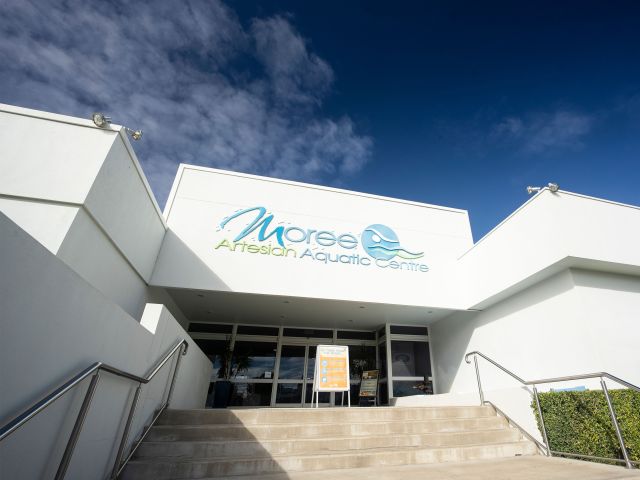
front of Moree Artesian Aquatic Centre
Step into bathing heaven, thanks to the Great Artesian Basin. (Credit: Destination NSW)

The Great Artesian Basin is a bit of a wonder all on its own. Covering 1.7 million square kilometres beneath 22 per cent of Australia (spanning parts of Queensland, New South Wales, South Australia and the Northern Territory), it’s the world’s largest and deepest underground freshwater resource.

Storing about 64,900 million megalitres, this millions-of-years-old water is rich in minerals like calcium, magnesium, potassium and silica, which is great for swimming, of course. But it’s also a vital water source for pastoral, agricultural and town supplies.

Need tips, more detail or itinerary ideas tailored to you? Ask AT.

AI Prompt

What to expect at Moree Artesian Aquatic Centre
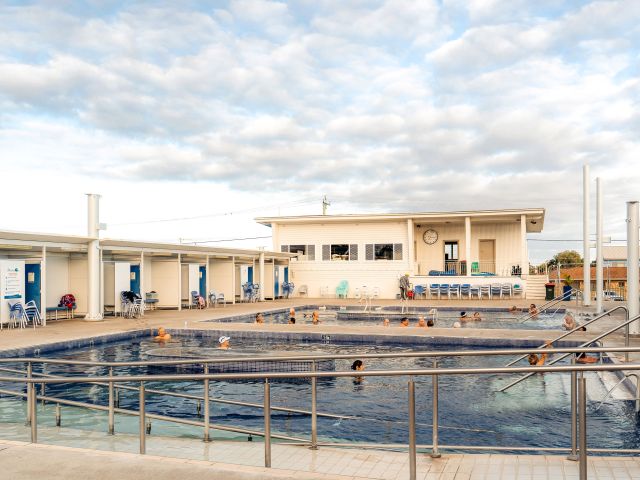
Moree Artesian Aquatic Centre pool
The new and improved centre is open for business. (Credit: Destination NSW)

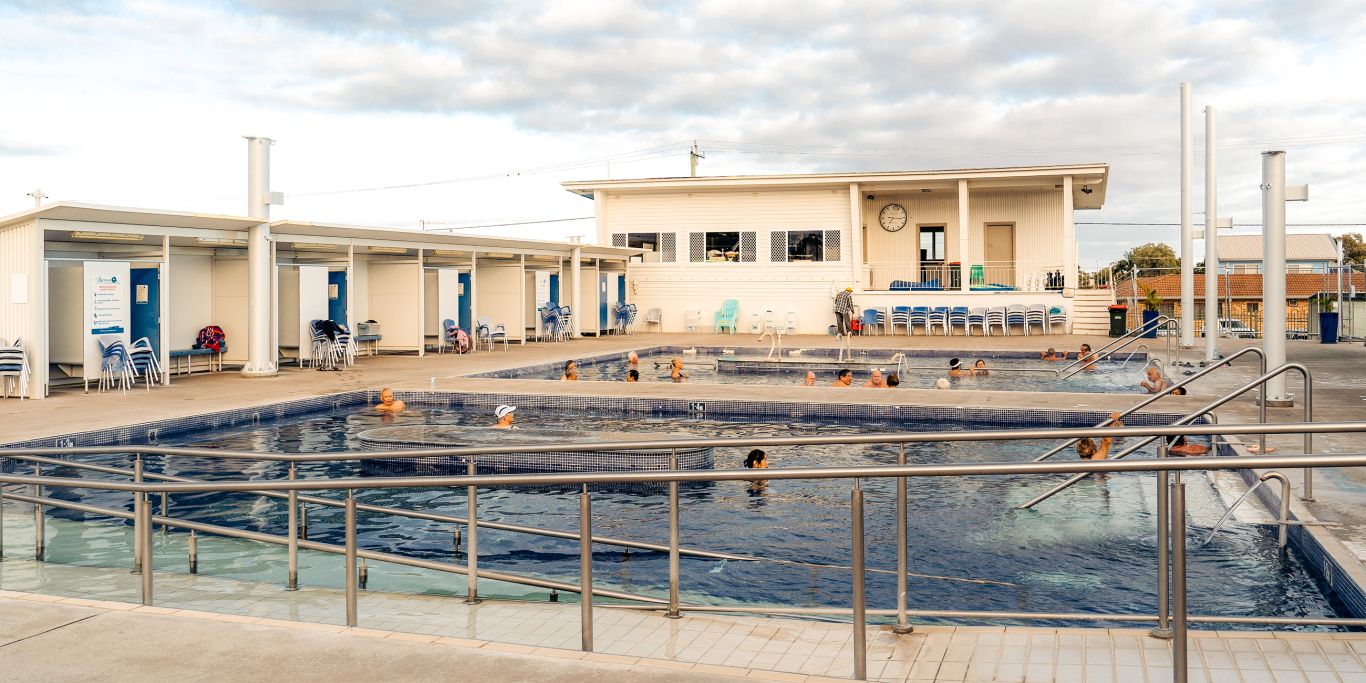
Moree Artesian Aquatic Centre (MAAC) is a state-of-the-art aquatic centre offering multiple indoor and outdoor pools using water from the Great Artesian Basin. Originally opened in 1923 to commemorate those who served in the First World War, renovations started in 2021 to bring the structure up to modern building standards and make it what it is today.

The two newly reopened Active Thermal Pool and Passive Thermal Pool both have water maintained at a relaxing 39-41°C. The cooler Program Pool sits at a milder average of 25°C. There’s a waterslide that is operational on weekends and limited hours during the school holiday period (for an extra fee). Additionally, there is a Wellness Pool, which is a private booking space with a separate entrance and fee.

Are there other artesian pools you can visit in Moree?
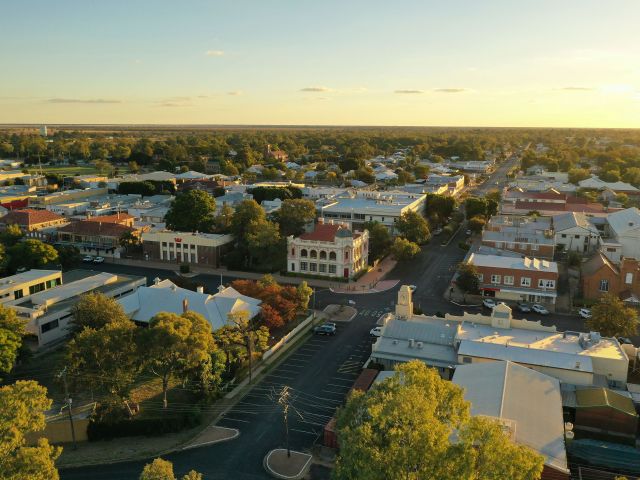
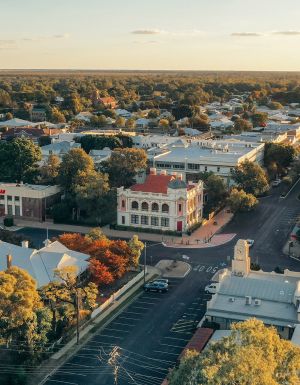
aerial of moree
Find more thermal pools around Moree. (Credit: Destination NSW)

Operating since 1979, Gwydir Thermal Pools Resort offers five artesian pools to motel and caravan park guests, ranging in soothing temperatures from 34 to 39 degrees. And that includes a 25-metre lap pool.

Really soak it all in by choosing from the resort’s range of accommodation, including one- and two-bedroom motel units, cabins, villas and caravan powered sites.

Weekly travel news, experiences
insider tips, offers, and more.

The details

How do you get to Moree?

Moree is in the New England region, approximately a seven-hour drive from Sydney and 5.5 hours from Brisbane. Qantas operate regular flights between Sydney and Moree.

Do you need to book?

Due to popularity, booking accommodation in advance is recommended.

How much does it cost to visit Moree Artesian Aquatic Centre?

Casual entry fees for non-locals are $9 for adults and $7 for kids (children under three have free entry).

Where can you find out more?

Find out more information via the Moree Artesian Aquatic Centre website.

Want to see more stories from Australian Traveller in your Google search results?

  1. Click here to set Australian Traveller as a preferred source.
  2. Tick the box next to "Australian Traveller". That's it.
Kassia Byrnes
Kassia Byrnes is the Native Content Editor for Australian Traveller and International Traveller. She's come a long way since writing in her diary about family trips to Grandma's. After graduating a BA of Communication from University of Technology Sydney, she has been writing about her travels (and more) professionally for over 10 years for titles like AWOL, News.com.au, Pedestrian.TV, Body + Soul and Punkee. She's addicted to travel but has a terrible sense of direction, so you can usually find her getting lost somewhere new around the world. Luckily, she loves to explore and have new adventures – whether that’s exploring the backstreets, bungee jumping off a bridge or hiking for days. You can follow her adventures on Instagram @probably_kassia.
View profile and articles
hero media

7 Lake Macquarie secrets the locals don’t want you to know

Credit: Beau Pilgrim

An untapped side to this popular holiday spot is hiding in plain sight.

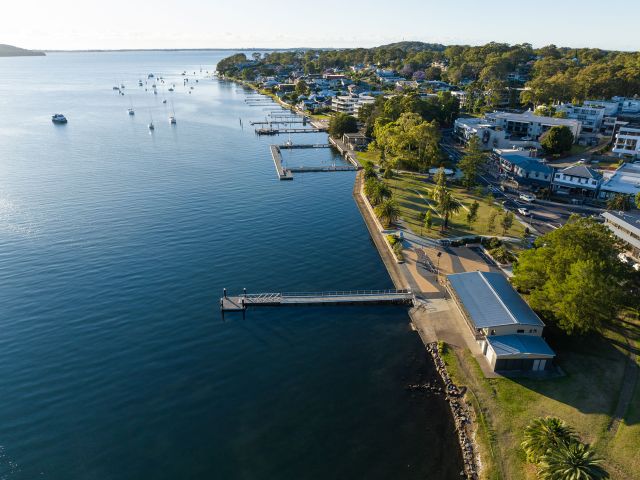
Laidback Lake Macquarie draws in holidaygoers and day trippers with its casual coastal allure and raw beauty. But even though it’s just 90 minutes from Sydney, most visitors have only scratched the surface of what this region has to offer.

Foodie hotspots, quaint towns, tranquil waterways and compelling art are all waiting to be discovered. You just need to know where to find them.

1. Most visitors don’t make it to the western side

Explore beyond the western side. (Credit: Beau Pilgrim)

While there’s no harm in walking the well-worn path in this idyllic pocket of the world, the area west of Lake Macquarie is defined by stretches of ancient rainforests and quaint towns with a more local feel. Toronto is the largest town on this side and features a golf course and sailing clubs, while peninsula-based Wangi Wangi is fantastic for bushwalking and swimming.

2. There’s a booming arts scene

Museum of Art and Culture, YAPANG
Discover the Museum of Art and Culture, YAPANG.

Lake Macquarie is a must-visit destination for creatives. Discover the Museum of Art and Culture, YAPANG; this modern gallery is set on a five-hectare sculpture park and showcases a free rotating program of exhibitions and events, with a strong focus on contemporary Aboriginal art. In Wangi Wangi, explore the Wangi Owl Trail, which includes Dobell House, the preserved home of prolific artist Sir William Dobell. And enjoy live music every Saturday evening at the recently renovated Toronto Hotel.

3. It’s a nature lover’s paradise

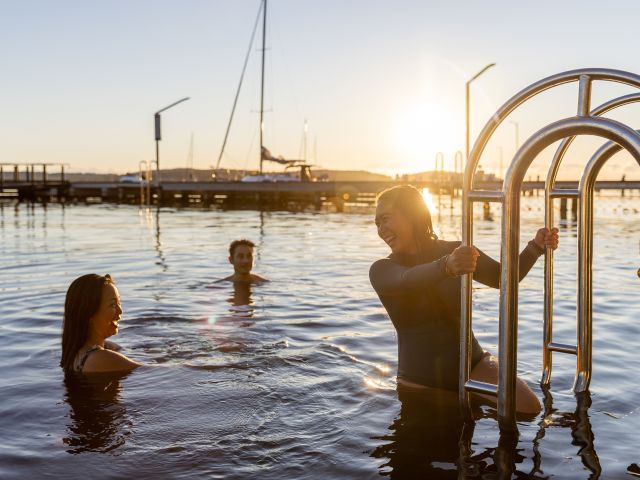
three people swimming in lake macquarie
In and out of the water, find a natural paradise. (Credit: Beau Pilgrim)

Lake Macquarie is a playground for nature lovers. It’s home to Australia’s largest saltwater lake, a 110-square-kilometre haven for swimming, fishing, boating and sunset views. Another oasis is the Lake Macquarie State Conservation Area, a 761-hectare protected reserve with wildflowers, Second World War heritage sites and spectacular views to Pulbah Island. The upgraded Toronto baths, complete with jetty decking and netting, make for a sheltered spot for a refreshing dip, while the Awaba Mountain Bike Park gives adrenaline junkies their fix.

4. The dining scene is unbeatable

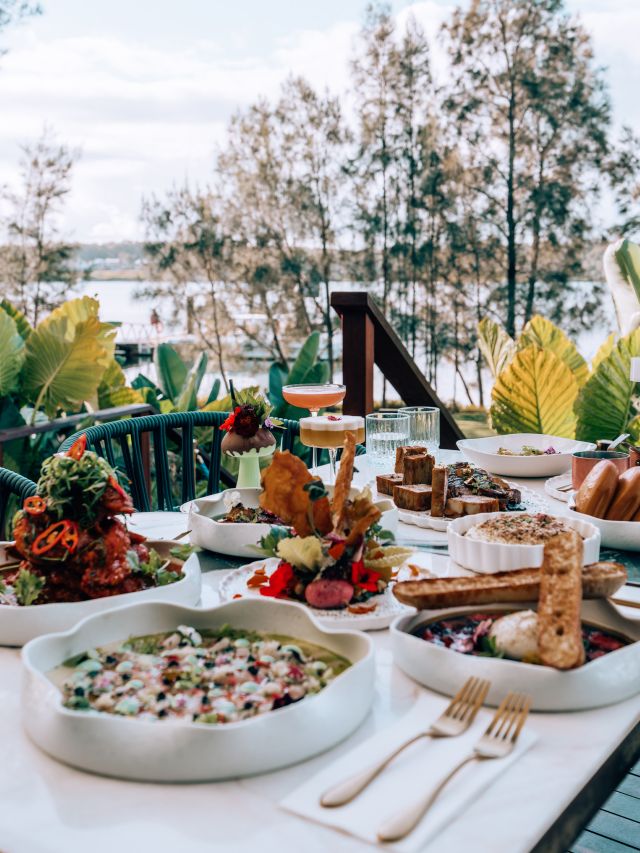
8 at Trinity lake macquarie
Treat yourself to 8 at Trinity.

Gourmands are well looked after in Lake Macquarie. At Emerson’s on the Lake in Toronto, the modern Australian fine dining menu spoils seafood lovers with the freshest ocean produce and stunning lake views. Sitting on Trinity Point’s waterfront, 8 at Trinity is another standout offering, serving Mediterranean fare in an open-air setting. For a more relaxed affair, the microbrewery trail lets craft beer enthusiasts sip on inventive brews from The Yard, Lake Mac Brewing and Bread & Brewery.

5. There are hidden coves and waterways

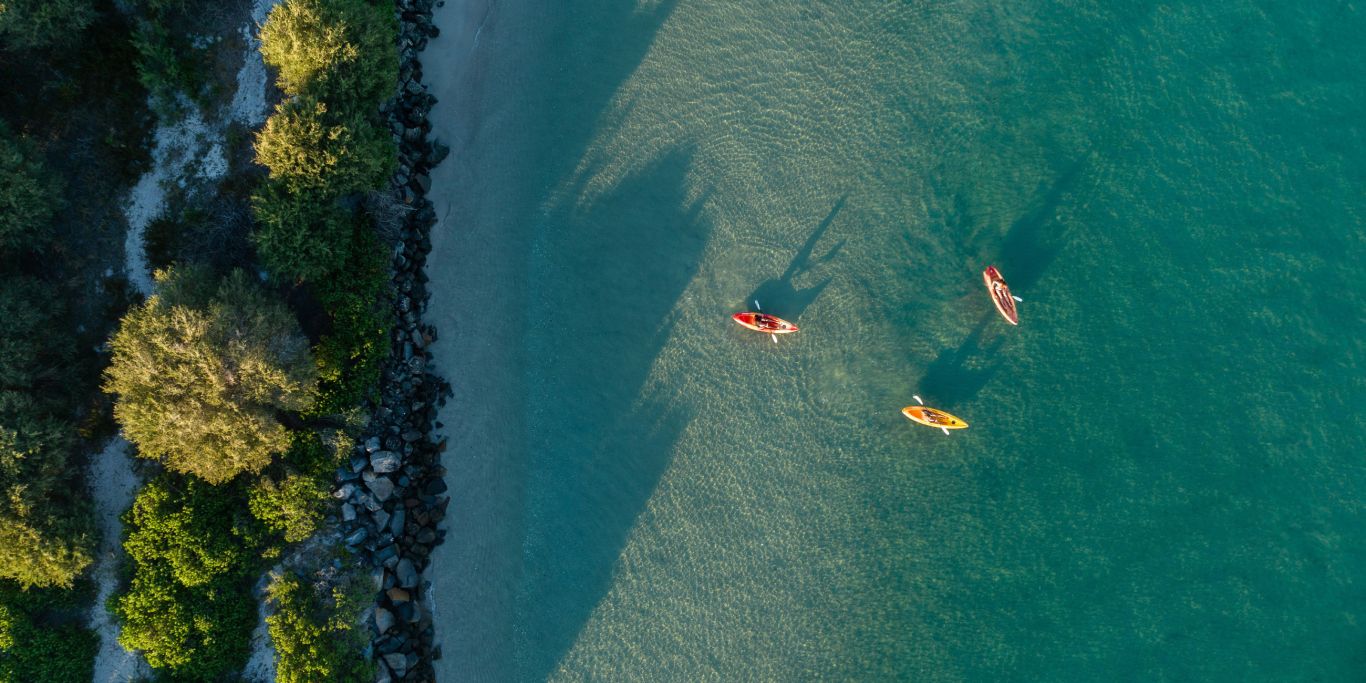
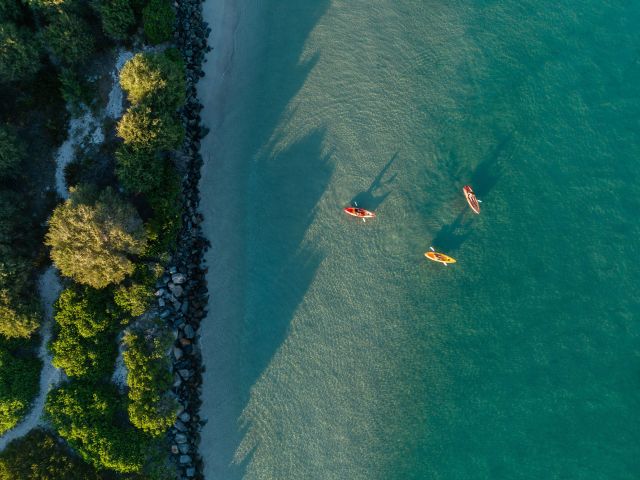
kayakers on lake macquarie local secrets
Get out onto the lake. (Credit: Beau Pilgrim)

There’s no better way to experience Lake Macquarie than directly on its waters, and in doing so you’ll discover a world of hidden coves and secluded waterways. Jump in a kayak for a tour with the friendly team at School of Yak and paddle to Cockle Creek, Awaba Bay, Green Point and Fennel Bay, discovering underwater life along the way. Or go all in and stay the night on one of Lake Macquarie Houseboats’ spacious vessels or hire a BBQ pontoon boat for the day from Lake Macquarie Boat Hire to enjoy a feast in the sunshine while admiring the marine life and picturesque waterscape.

6. It’s a birdwatcher’s paradise

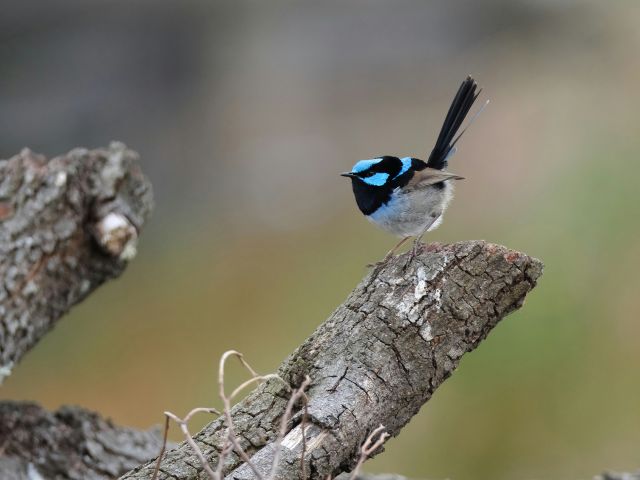
ll blue wren sitting on a tree branch
Keep an eye out for local birdlife. (Credit: Walter Coppola)

Twitchers are in for a real treat as hundreds of fascinating bird species such as Australian pelicans, black swans, white-bellied sea-eagles and superb fairy-wrens call this area home. Take a self-guided tour around top spots including Bird Cage Point and Lake Macquarie State Conservation Area (near Morisset) or be guided in a clear-bottom kayak through the waterways with Lake Macquarie Kayak Adventures, observing feathered friends as you go.

7. The lake has islands

sail lake macquarie
Charter a boat to see Lake Macquarie’s islands.

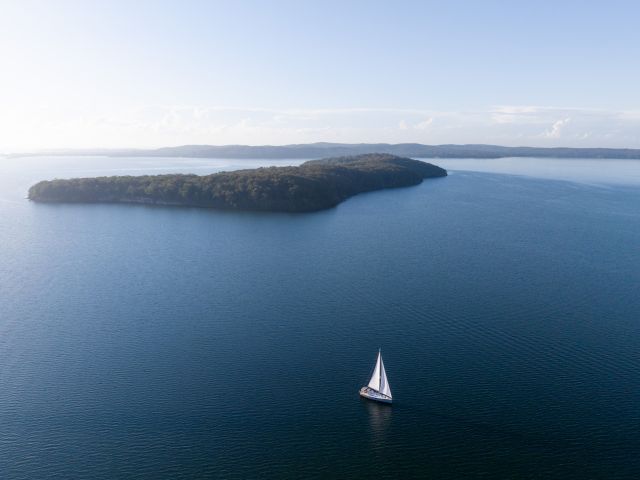
Hop on a private boat, kayak or charter around the lake to discover the plethora of small islands peppered around Lake Macquarie. The largest is Pulbah Island, a 69-hectare nature reserve home to goannas and sugar gliders with secluded beaches. Sandy islands such as Spectacle Island and Pelican Island have a tropical lagoon-like look to them as they sit in the tidal path of Swansea Channel, which filters the sand and creates a pristine environment. Stop by for a dip and a picnic.

Start living like the locals at visitlakemac.com.au.