From foraging festivals, swimming with seals and whale-watching adventures to mountain-biking, booming art events and bountiful local producers, the Eurobodalla region is a traveller’s paradise all year long.
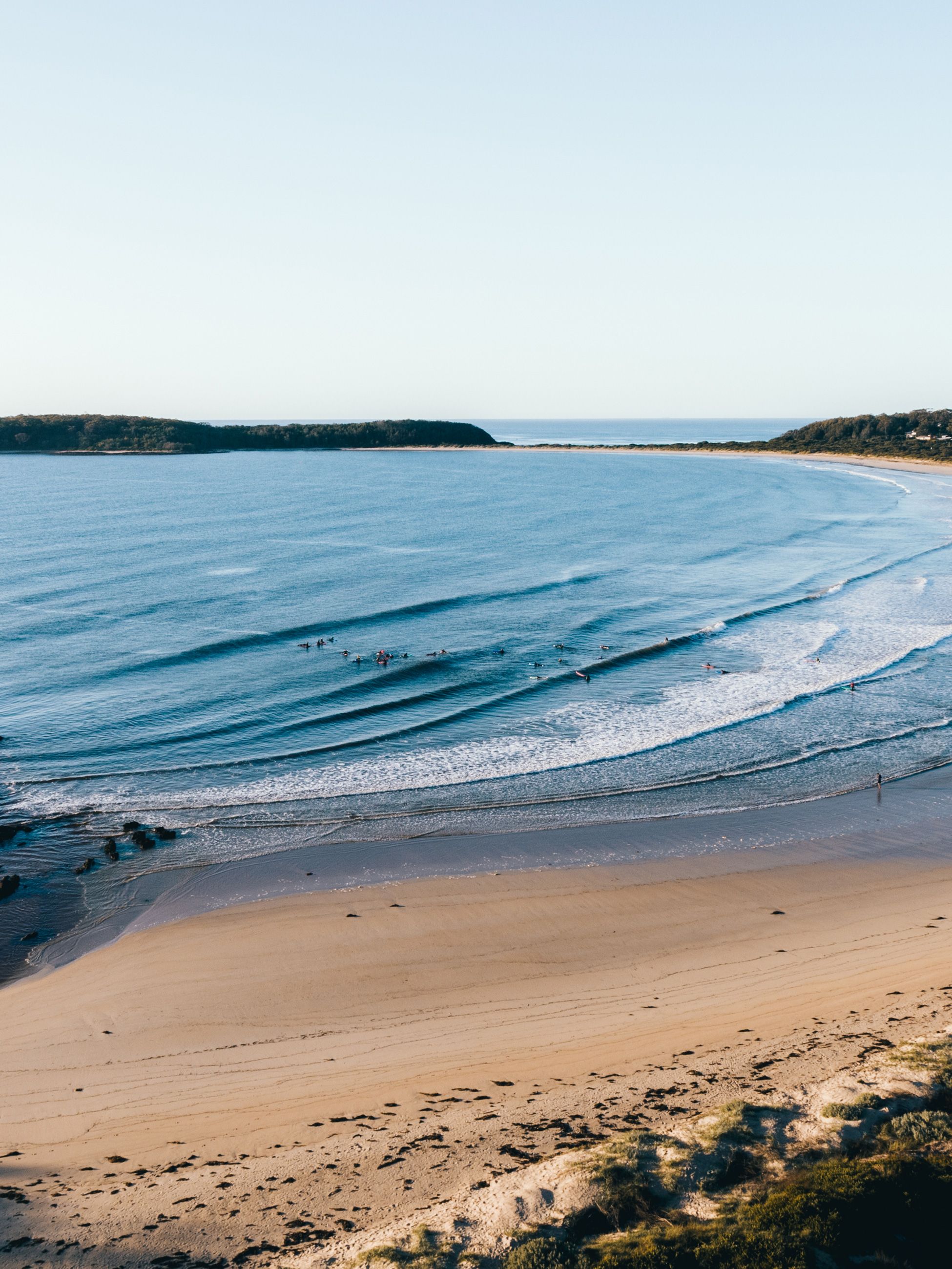
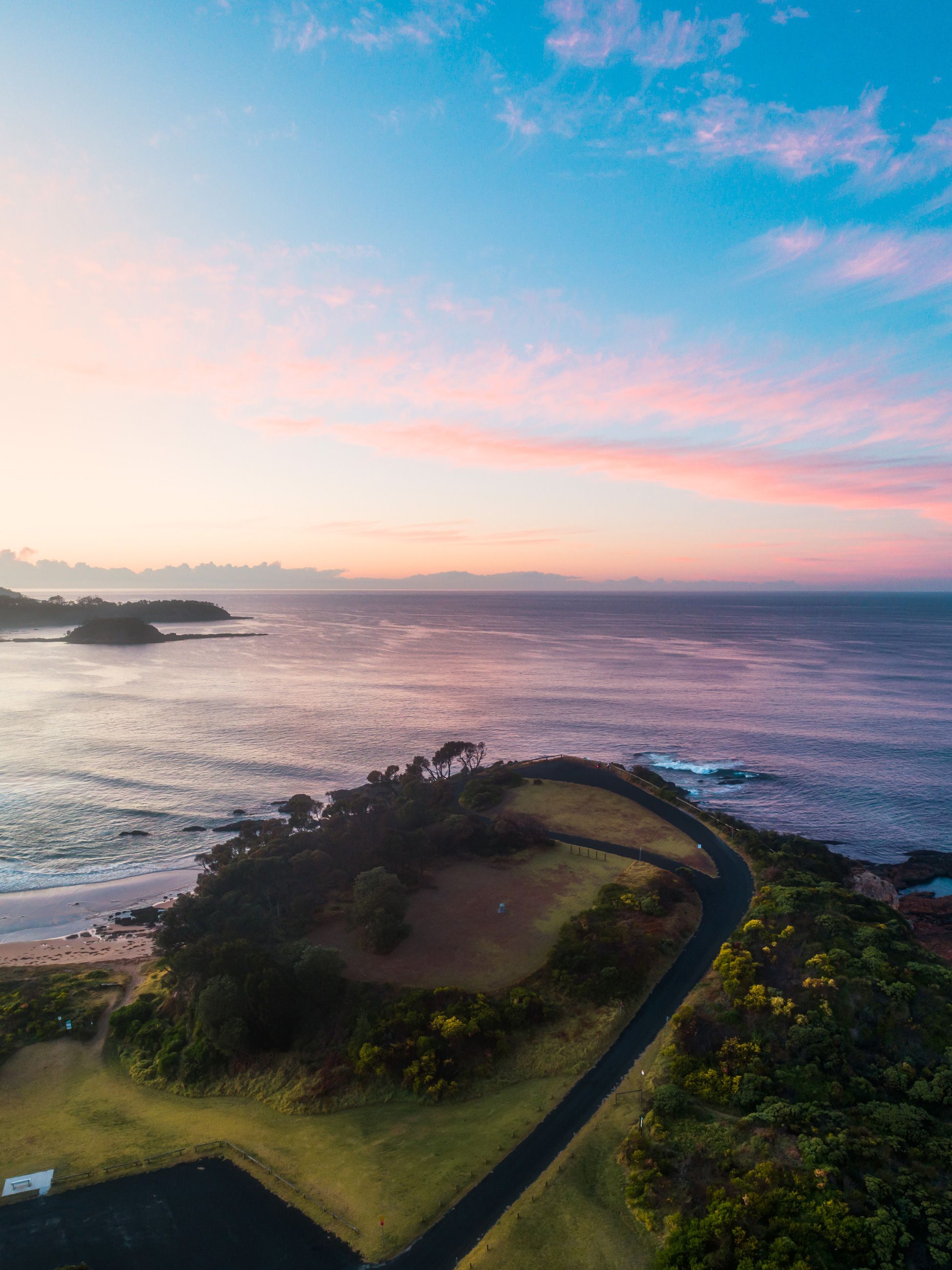
With azure beaches and lush, mountainous bushland, this pristine pocket of the NSW South Coast and the towns of the Eurobodalla Shire punch above their weight year-round. Come for the oysters and the coastline – and its prime whale-watching spots during the annual migrations – and stay for the local hospitality, hidden bushwalks and artistic adventures.
Eurobodalla in autumn: A long weekend in Mossy Point, Broulee and Moruya
One thing you can’t miss: spotting whales from land or sea during the northern migration
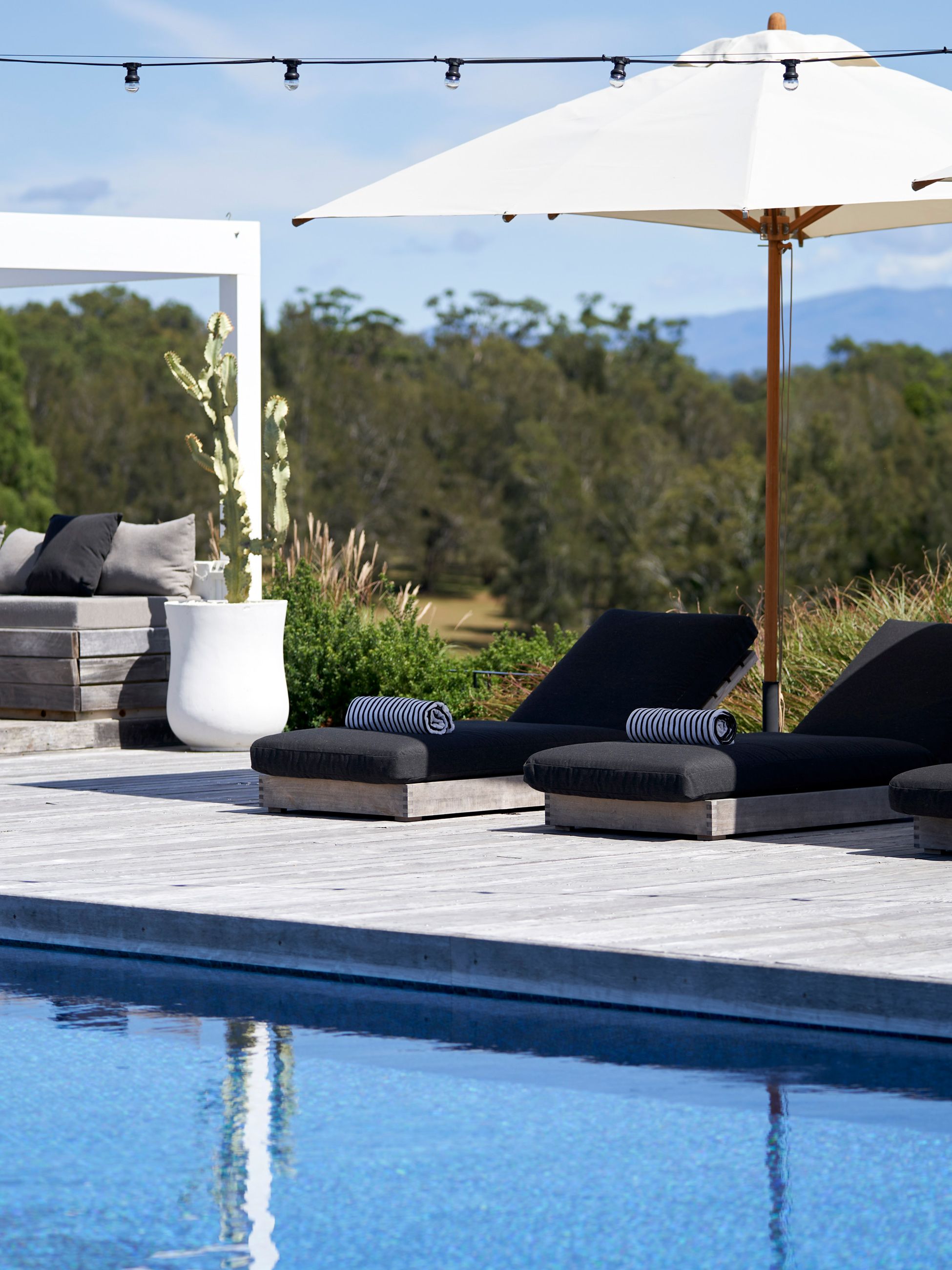
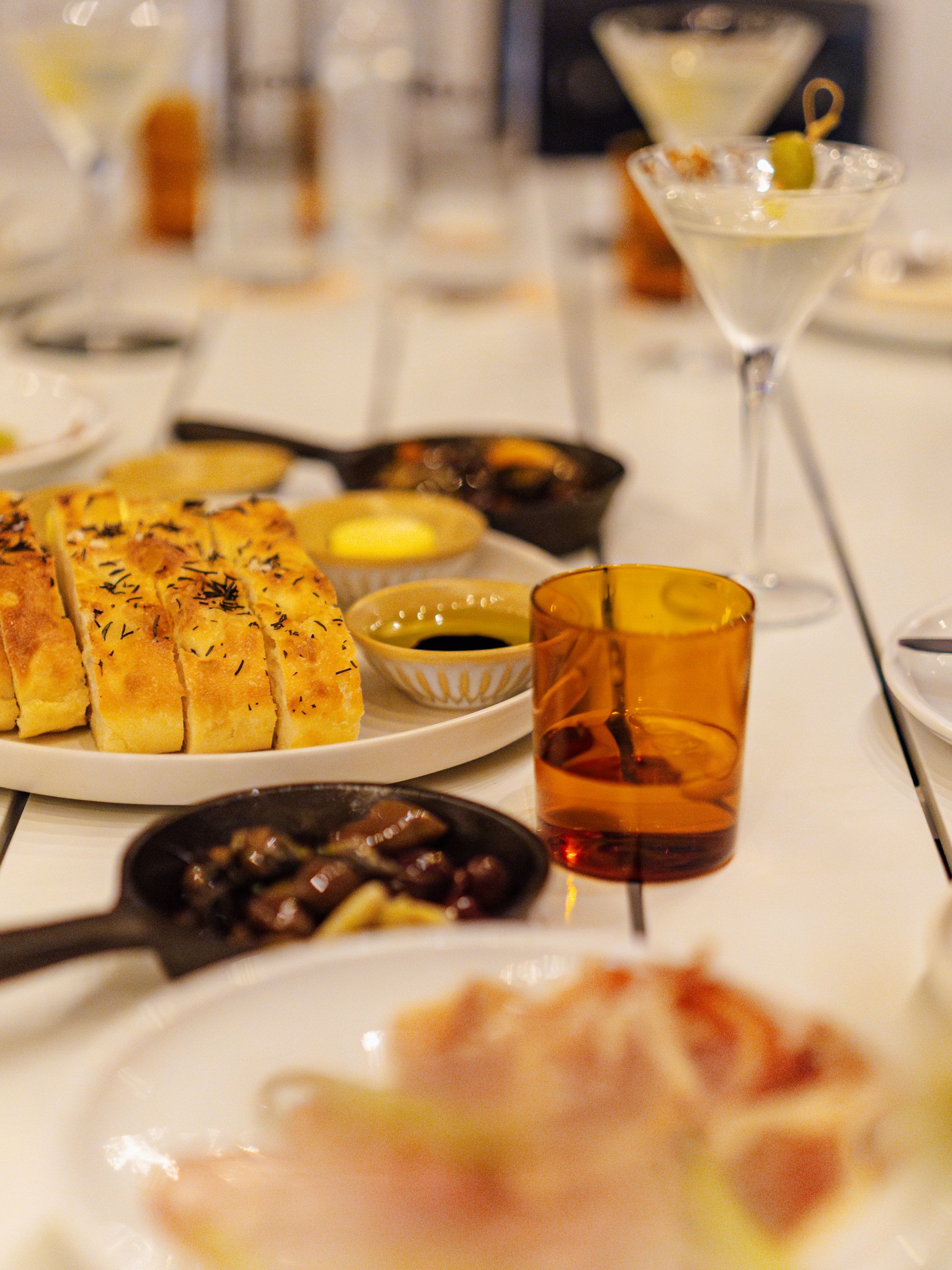
Base yourself at the luxurious Oaks Ranch, where 300 acres of private bushland (65 per cent of which is dedicated to conservation efforts) in Mossy Point are the perfect backdrop for seasonal stillness. Watch migratory birds zoom through whistling gum trees from the private deck of your self-contained villa (when you’re not doing laps in the onsite magnesium pool, that is), then settle in for dinner at onsite restaurant Arlo, where confit duck and local fish are served inside the hacienda-style Spanish Mission lodge. There’s complimentary yoga on Saturday mornings and access to the onsite nine-hole Greg Norman-designed golf course all week long.
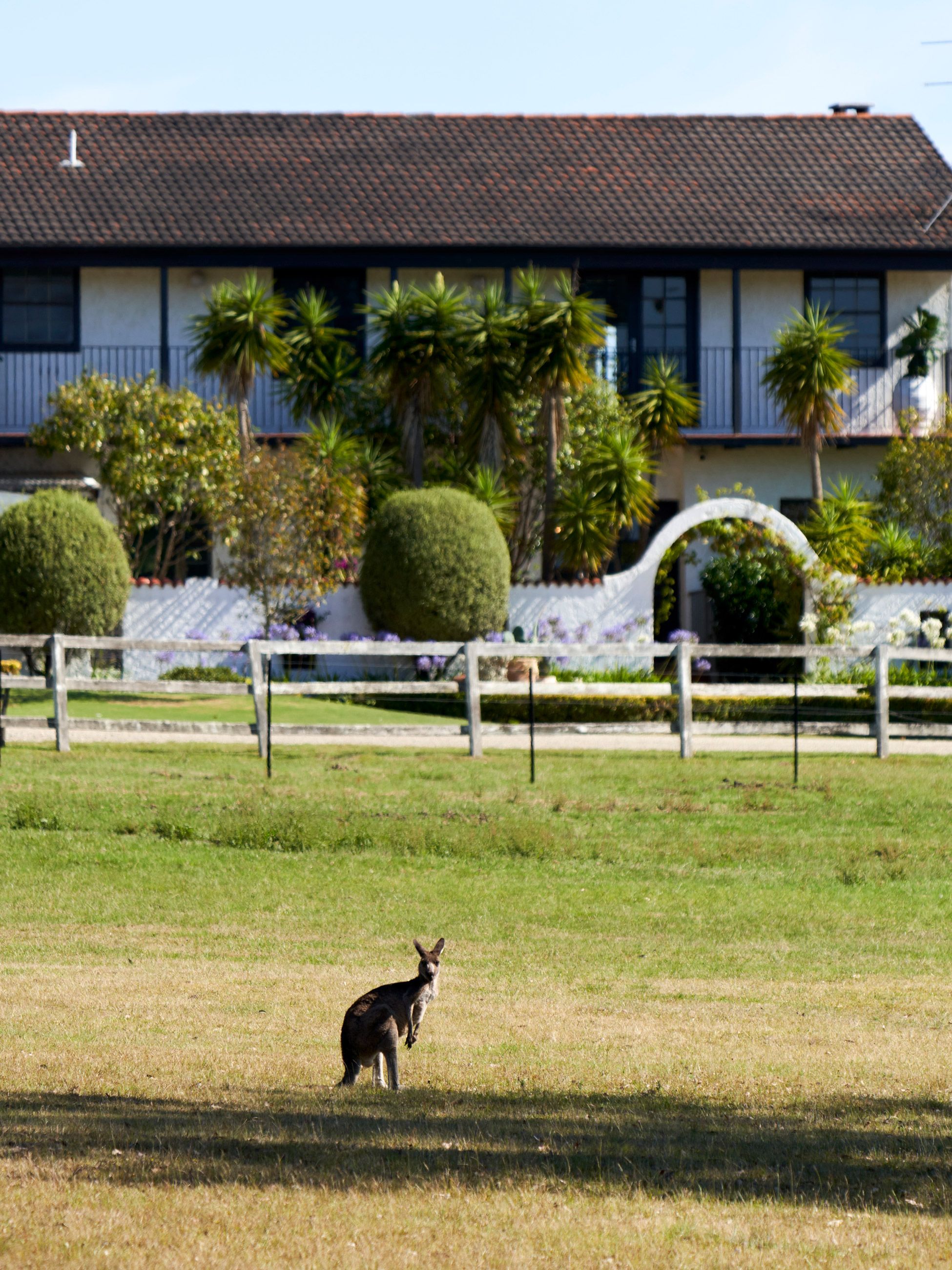
Oaks Ranch in Mossy Point is a luxury stay on an acreage. (Credit: Eurobodalla Coast Tourism & Grand Pacific Drive)
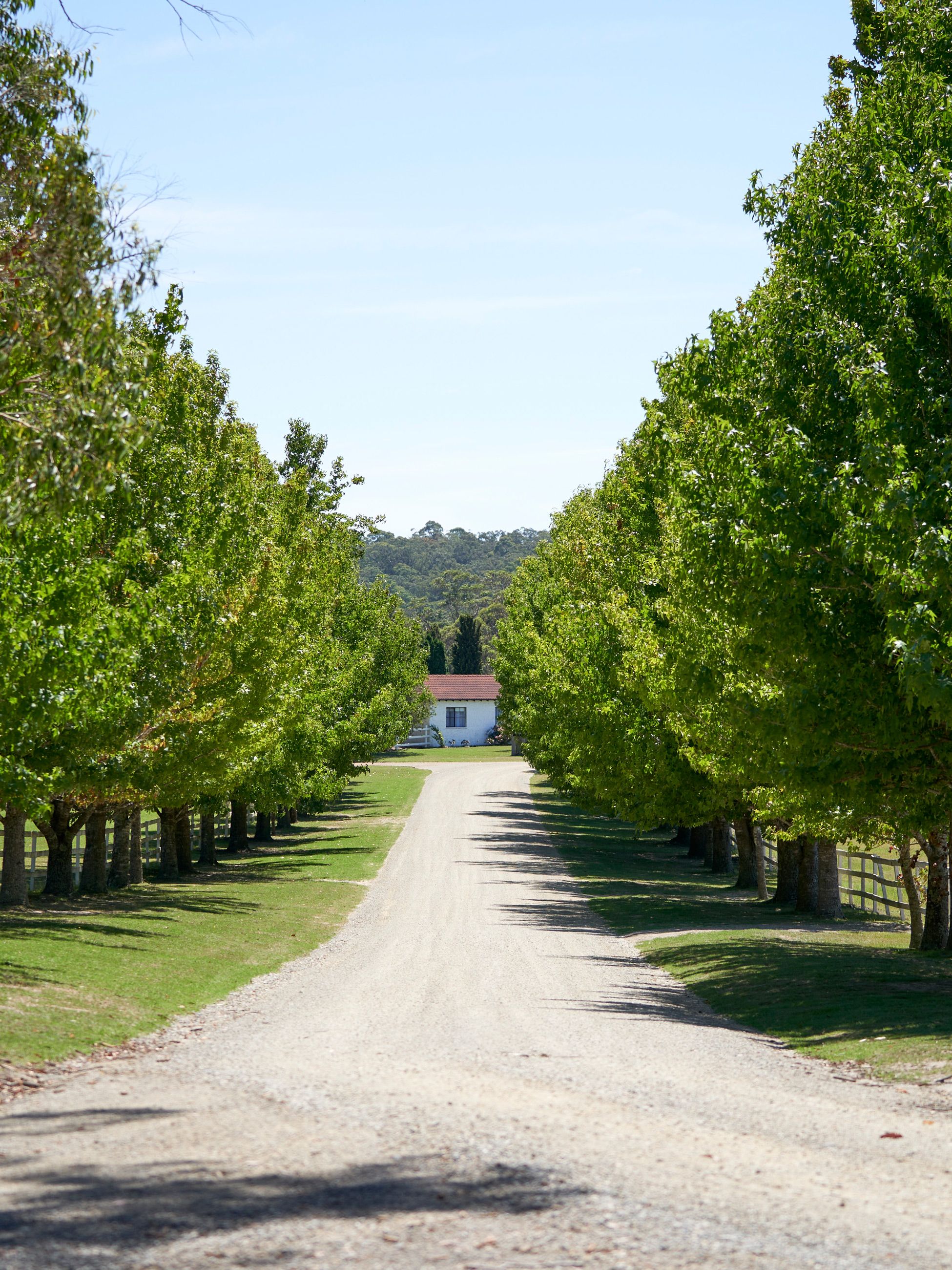
The property is set on 300 acres of private bushland. (Credit: Eurobodalla Coast Tourism & Grand Pacific Drive)
The majority of the acreage is dedicated to conservation efforts. (Credit: Eurobodalla Coast Tourism & Grand Pacific Drive)
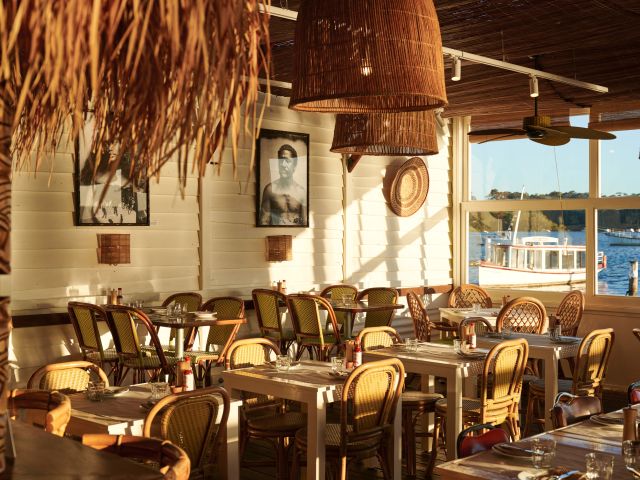
The onsite restaurant Arlo.(Credit: Eurobodalla Coast Tourism & Grand Pacific Drive)
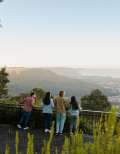
Autumn marks the northern migration of humpback whales, who trek along this coastline during May. From Oaks, it’s an 18-minute drive to Batemans Bay, where Batemans Bay Wild’s two-hour whale-watching tours depart daily, and a further 30-minute drive north to Meroo Head Lookout in Meroo National Park, one of the best land-sighting spots. Closer to the hotel, you’re in for a show at the Mossy Point Anchor Lookout or at Moruya Heads Lookout, 30 minutes south.
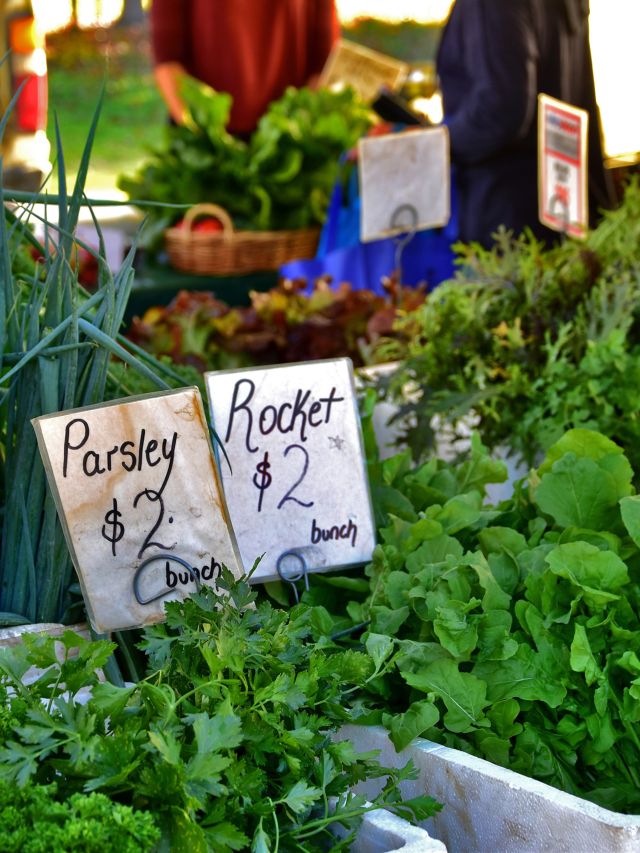
The SAGE Farmers Market on Tuesdays. (Credit: Eurobodalla Coast Tourism)
While you’re in Moruya, a historic riverside town that’s as famous for its granite as it is the Tuesday SAGE Farmers Market, pick up a treat at The Farmer’s Wife and pack it for waterside snacking at the Historic Quarry Park, which sits on the edge of the Moruya River and features a boardwalk with informative placards. The area’s granite was used for the Sydney Harbour Bridge pylons so it has some cred.
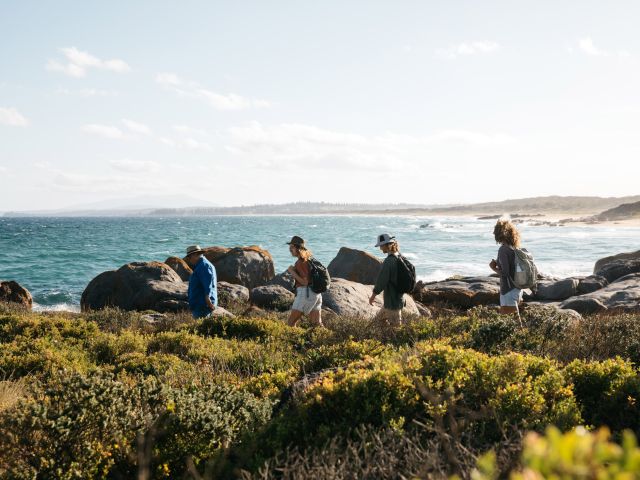
Spend the afternoon with Brinja-Yuin/Walbanga Elder Patricia Ellis, whose two-hour Minga Aboriginal Culture Tour walk reveals the First Nations stories and bush-food knowledge along a stretch of the Bingi Dreaming Track. FYI: the whole 13.5-kilometre track is worthy of a wander in its own right.
Join a two-hour Minga Aboriginal Culture Tour. (Credit: Eurobodalla Coast Tourism & Grand Pacific Drive)
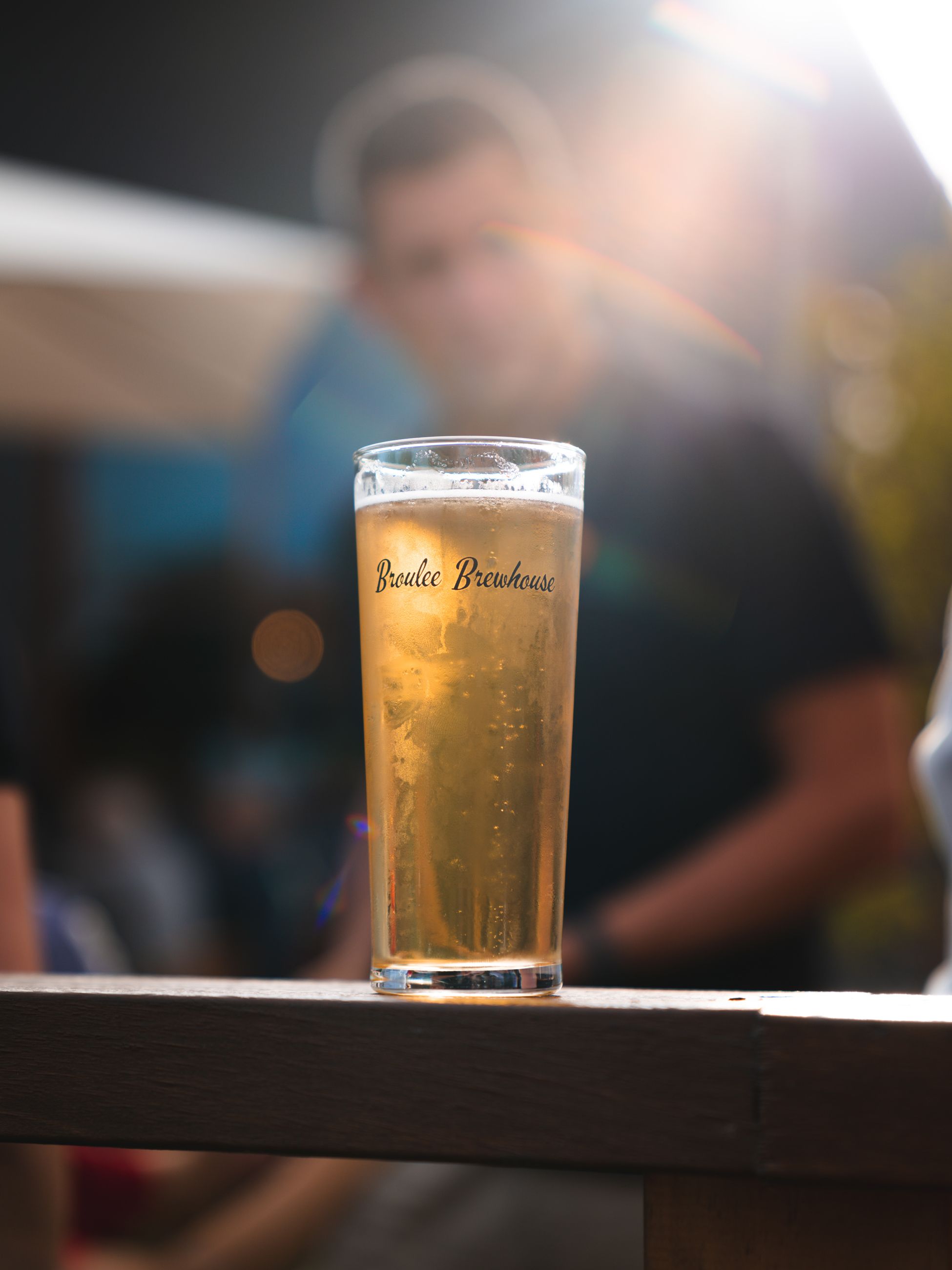
Dedicate half a day to the resilient 42-hectare Eurobodalla Regional Botanic Garden, which suffered devastation during the 2019 bushfires. The spacious, well-nurtured gardens feature winding walkable paths and more than 2000 species of carefully collected plants. Volunteers run free guided walks on the first Sunday of the month. Afterwards, head south to Broulee for a swim at protected Tomakin Cove or surf-friendly Broulee Beach before jalapeno poppers and stacked burgers at the Broulee Brewhouse.
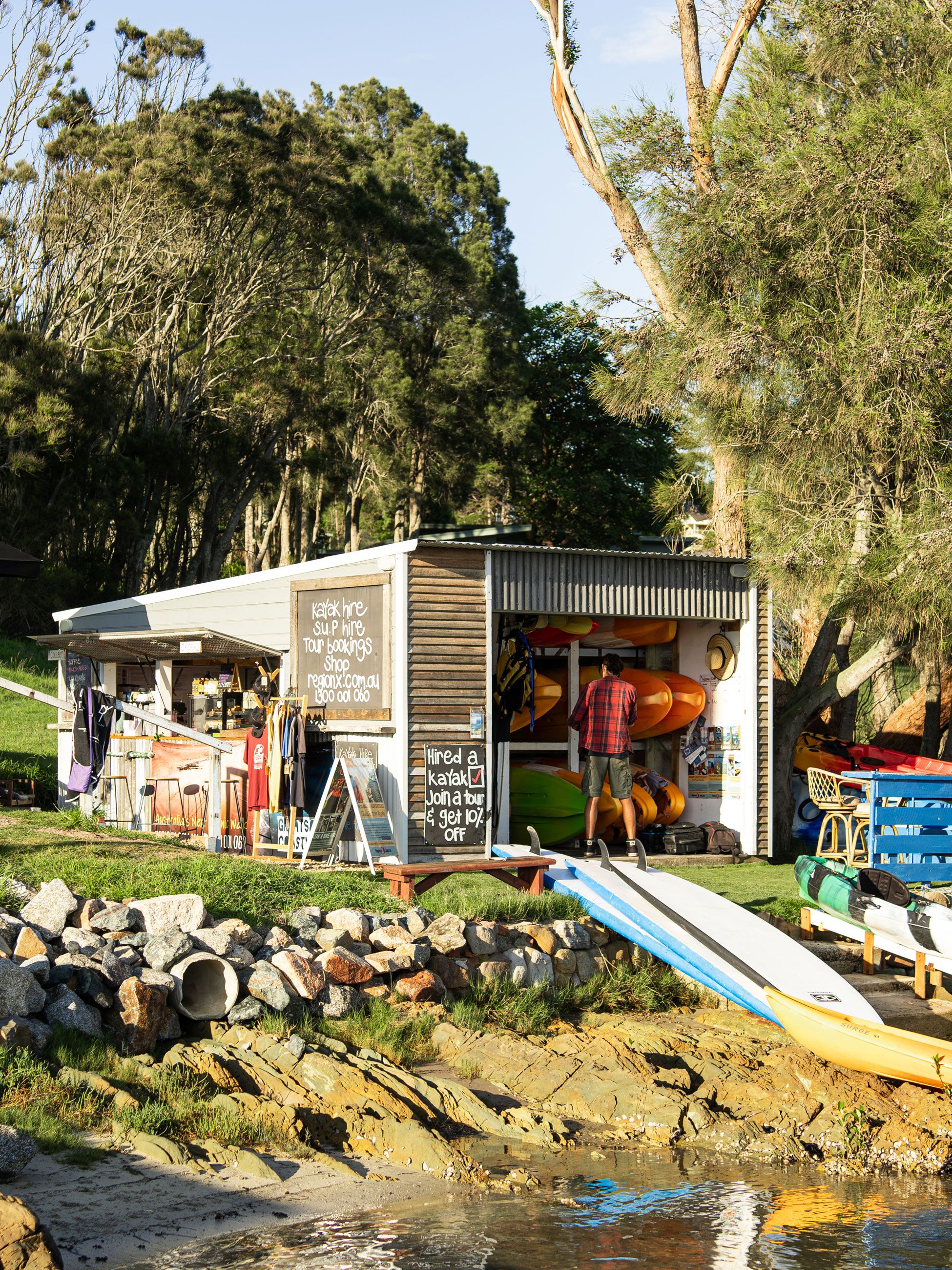
On your final day, stop in at the Mossy Cafe in Mossy Point for breakfast before renting a kayak from the Boat Shed to explore the winding Tomaga River and meet its resident stingrays.
Need tips, more detail or itinerary ideas tailored to you? Ask AT.
Eurobodalla in winter: four days in Bingie, Bodalla and Narooma
One thing you can’t miss: a scoop of gumleaf-smoked, macadamia-studded ice-cream in the town where Australia’s dairy industry began
Stay at the fully self-contained Somnium at Bingie, where a Main House and separate Barn offer accommodation for up to 15 people and frogs sing from a 3000-square-metre wetland. Soak up the winter sun from the lounge, watch the sky through expansive windows overlooking Mount Gulaga, and cosy up by the outdoor firepit as kangaroos bound past at dusk – marshmallows included. These architecturally-designed residences utilise passive-solar design to capture warmth regardless of the season.
Settle into this dreamy waterfront haven.
You’re only a 20-minute drive from Bodalla and a 35-minute drive to Narooma. Tuross Heads’ nine-hole golf course – and lawn bowls’ green – at Club Tuross enjoys water views, too. The views from the 4th and 5th holes come highly recommended.
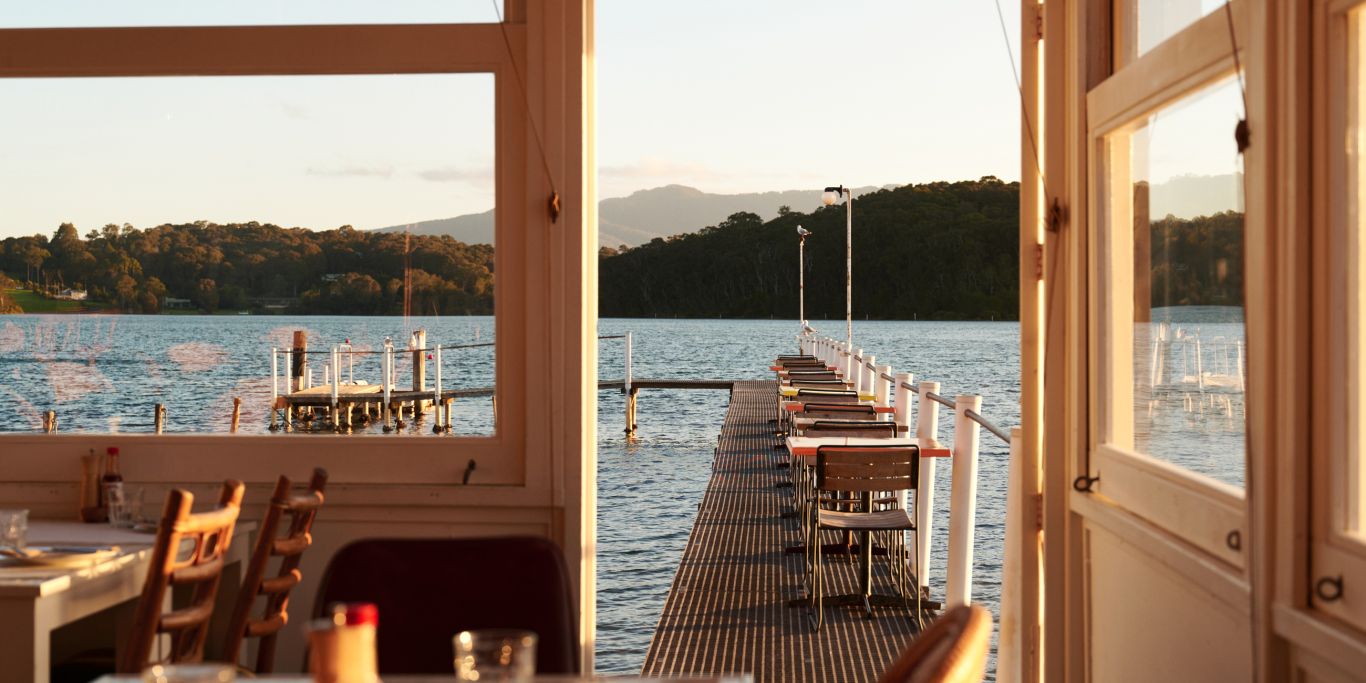
While fanatics descend on Narooma for the annual eponymous oyster festival in May, bivalves abound year-round at The Oyster Farmers Daughter, which offers shucked shells alongside wild caught Skull Island tiger prawns and local flathead tacos. Farmgates, including Oyster Pro and Narooma Bridge Seafoods, a family-run establishment where the day’s catch stars in the deli counter, are within short drives of each other. (If you’re happy to shuck your own, check out Montague Oysters, too.) Spend the day travelling between leases and meeting the locals, before dinner at Narooma’s Quarterdeck restaurant.
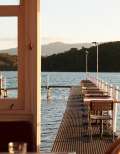
Don’t miss dinner at Narooma’s Quarterdeck restaurant. (Credit: Steven Woodburn)
Swim with seals in Narooma. (Credit: Destination NSW)
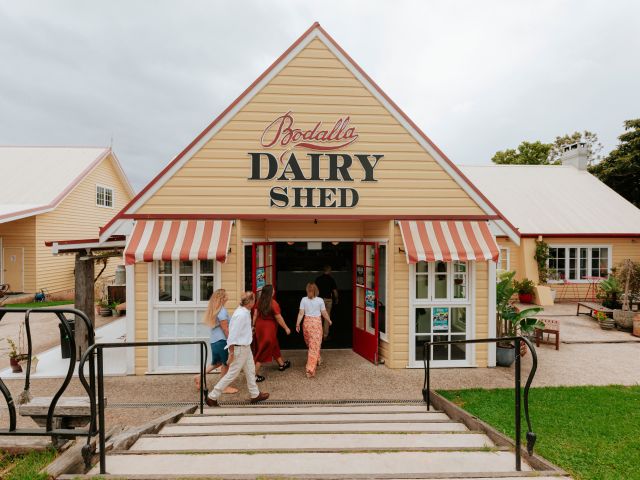
In Bodalla, you can’t go past the Bodalla Dairy Shed. This part of the world is where Australia’s first commercial cheese was produced. Grab a scoop of gumleaf-smoked ice-cream or a lime milkshake to lick while watching the calves. For something stronger, visit husband-and-wife-run Malt Man Brewing. The 3.5-kilometre Bodalla Historic Town Walk is perfect for an afternoon stroll and finishes at the Bodalla Pub, which was established in 1877.
Try the gumleaf-smoked ice-cream at Bodalla Dairy Shed. (Credit: Destination NSW)
Weekly travel news, experiences insider tips, offers, and more.
Eurobodalla in spring: a short holiday in Batemans Bay, Batehaven and Mogo
One thing you can’t miss: eating freshly shucked oysters from the comfort of your private kayak on a Clyde River paddling experience
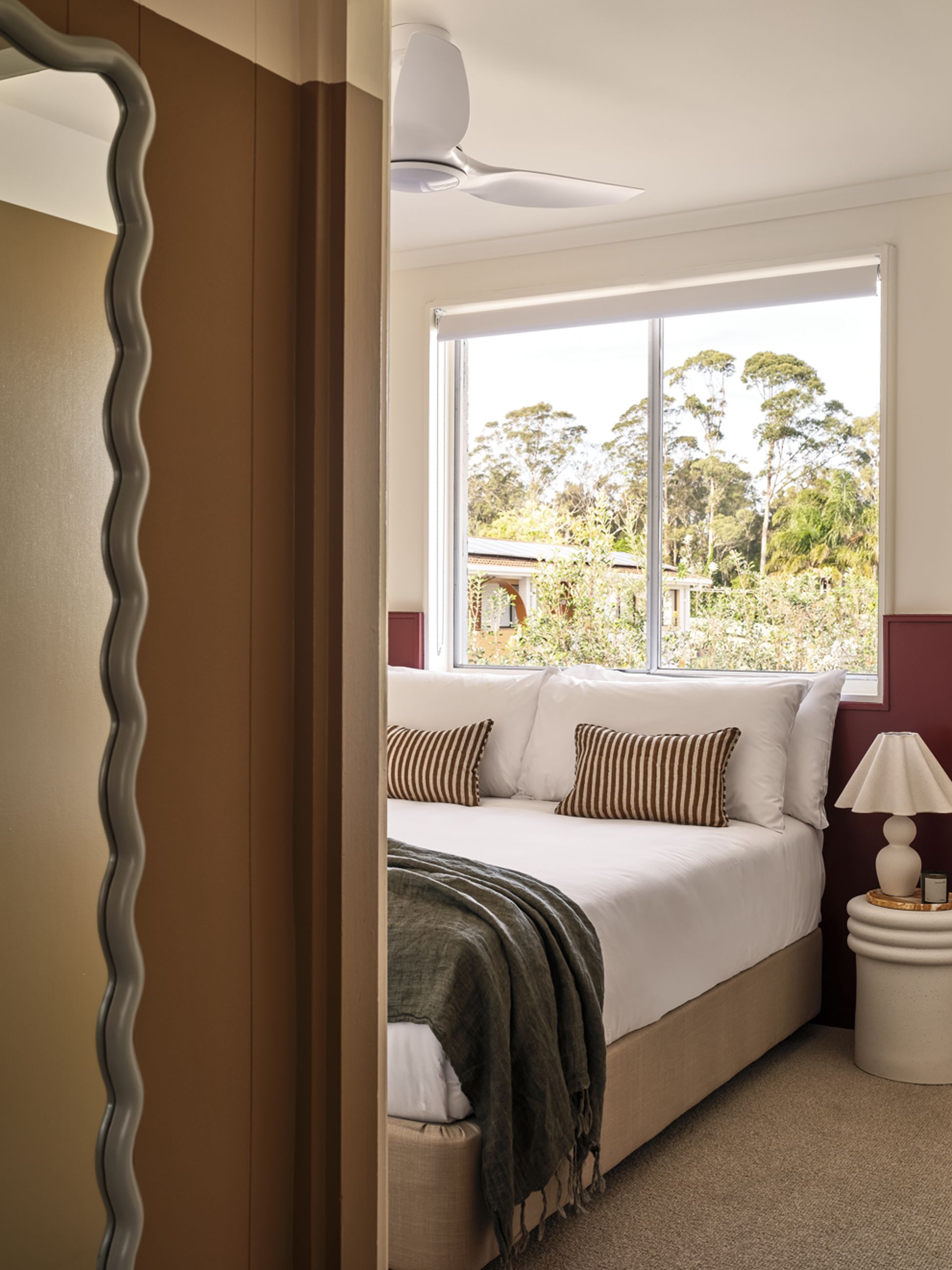
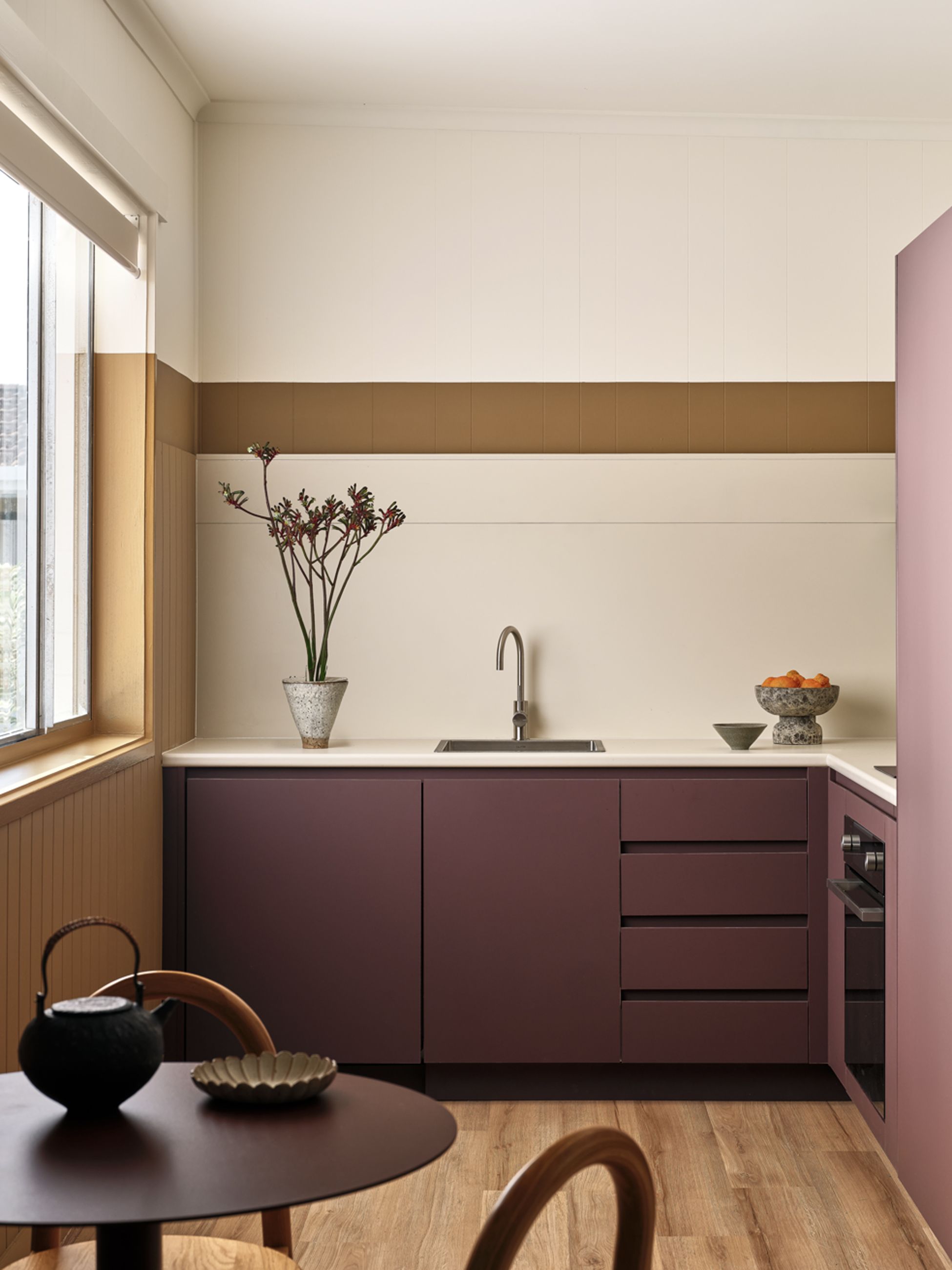
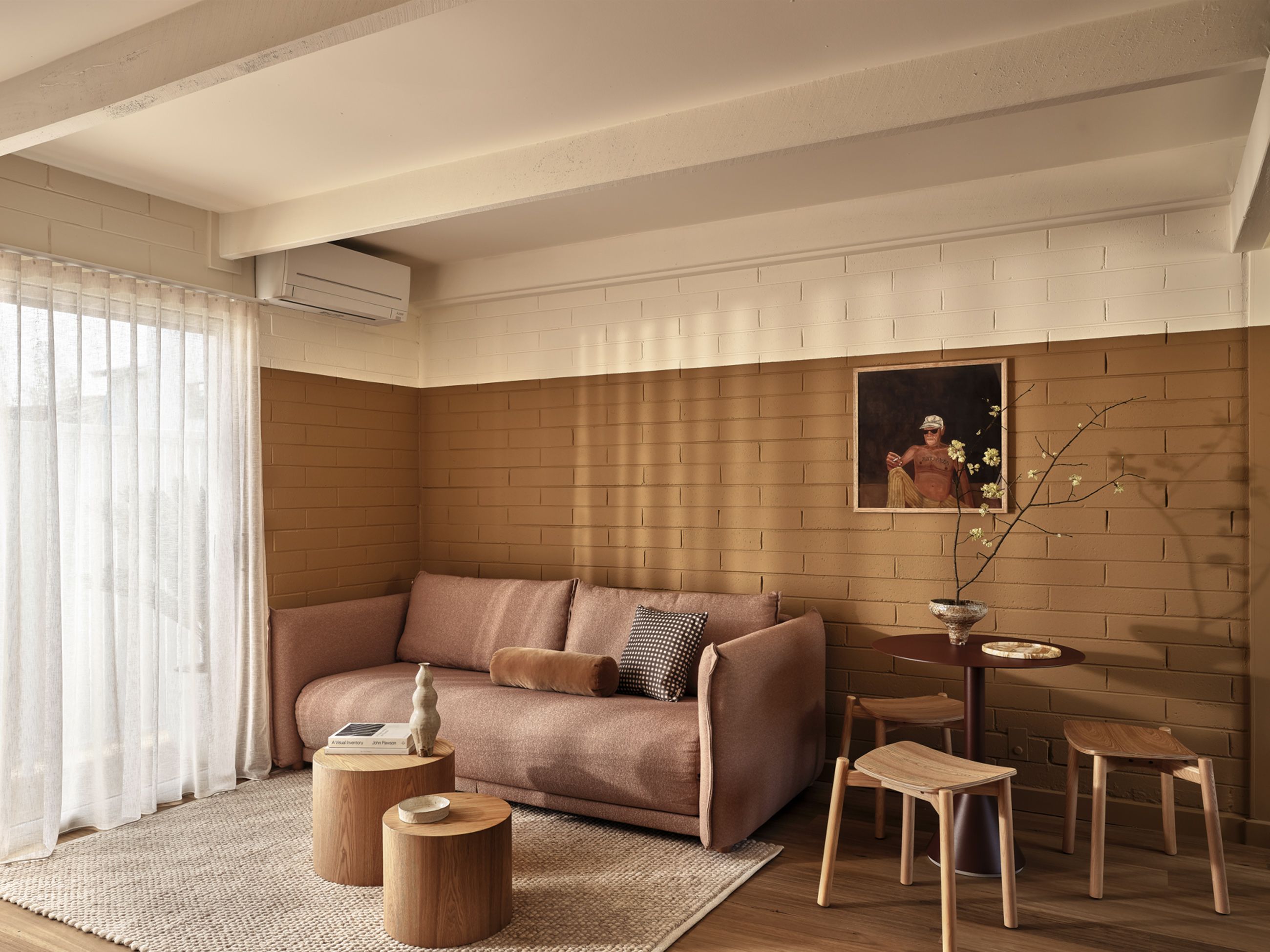
Whether you’re travelling solo, on a romantic trip away, or catering to a crowd, Casita – a retro-inspired modern motel across the road from Batehaven’s gentle Corrigans Beach Reserve – is a must. Each suite has a full kitchen, complimentary beach towels and all the mod-cons, but the rooftop Alto suite enjoys a sun-drenched patio, barbecue and room for five.
Casita is a retro-inspired modern motel. (Credit: Supplied)
Self cater during a stay at Casita. (Credit: Supplied)
Each suite has all the mod-cons. (Credit: Supplied)
It’s a 15-minute walk from Casita to the starting point of the Munjip Trail, a 15-kilometre scenic route that reaches down to McKenzies Beach via sparkling Malua Bay and a lookout at Denhams Beach.
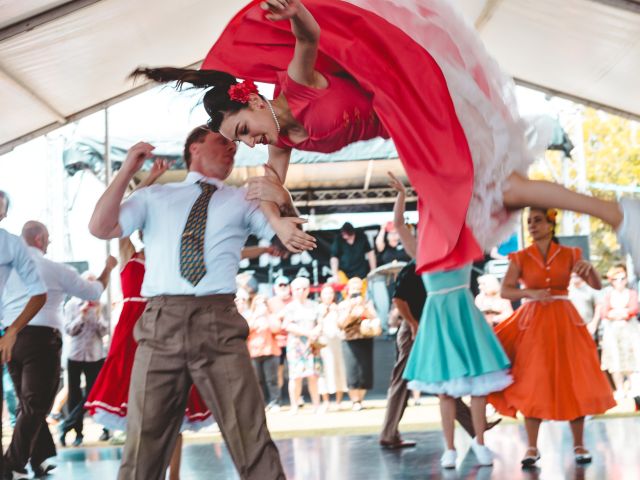
In the other direction, the Batemans Bay foreshore – about seven minutes from Casita by car – comes to life in late November for the Crank It Up Festival, a three-day homage to rock ‘n’ roll. Bounce along to country music, blues ballads and rockabilly favourites from Australian and international artists. Classic cars descend on Batemans for the festival too, with the main street closed off for two days to show off the hotrods in all their splendour. (Keen to go south? The River of Art festival runs across Moruya – 24 minutes south of Batehaven – for 11 days from late September, showcasing open studios, galleries and workshops from Durras to Cobargo. Moruya is the centre, and the town’s Mechanics Institute is where the River Art Prize is awarded at the event’s culmination.)
Crank It Up Festival, a three-day homage to rock ‘n’ roll. (Credit: Supplied)
You’re still in coastal country, though, so make the most of the warming weather and explore the Batemans Bay Snorkelling Trail, which encompasses three distinct destinations for spotting sea life and leafy seaweed forests.
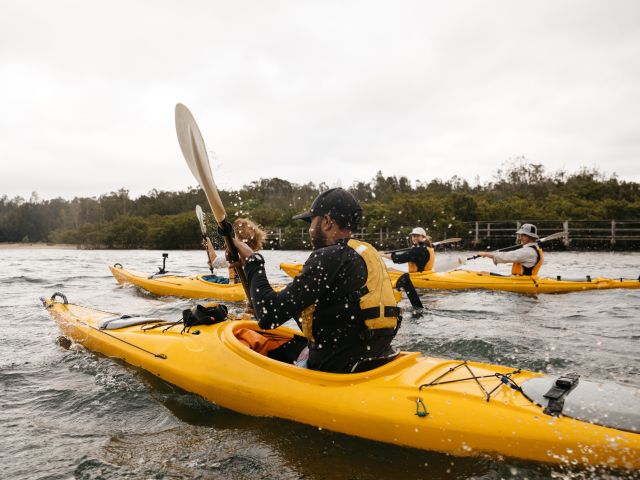
Prefer to enjoy the water without getting wet? Region X offers one-of-a-kind gourmet kayak experiences on the Clyde River. Pick your spot in the double kayak, glide through the Clyde River National Park and meet an oyster farmer – then sample freshly shucked bivalves – before returning to the Oyster Shed at Batemans Bay.
Kayak and sample oysters with Region X. (Credit: Eurobodalla Coast Tourism)
On your way out of town, pop into Mogo’s Wildlife Park to meet zebras and towering giraffes. If you’re keen on a two-wheel adventure, take your pick from 72-purpose-built tracks over 125 kilometres of parkland at Mogo Trails. (If you’re especially fond of mountain-biking, return for the Sea Otter Festival, which runs in October.) Swap stories of the routes over mandarin gin at Foxdog Distillery, or during a free guided tour of the property.
Tick the box next to "Australian Traveller". That's it.
Riley Wilson is a journalist and editor based between Sydney, Tamworth and Tasmania. She grew up in Australia and the United States, with extensive travels throughout Europe and Asia along the way. A former newspaper editor, she currently contributes to publications in Australia and abroad, covering travel, food, agriculture, sustainability and architecture. When she's not playing with words or chasing adventures, she spends her time fishing, bushwalking and sipping hot cuppas in far-flung places.
Discover what makes this country town the perfect place to slow down, switch off and recharge.
At first glance, the country town of Moree may look like just another charming highway town, with heritage buildings, a leafy town centre and classic pubs the locals love. However, this regional New South Wales town is Australia’s Artesian Spa Capital, a wellness hub with a rich Indigenous cultural history and a growing reputation as a destination for slow travel.
Moree is ideally located at the crossroads of the Gwydir and Newell highways (and is also easily reached by train and air), making it a refreshing destination, or stop, on any road trip. And these eight experiences show why.
1. Taste Moree on a Plate
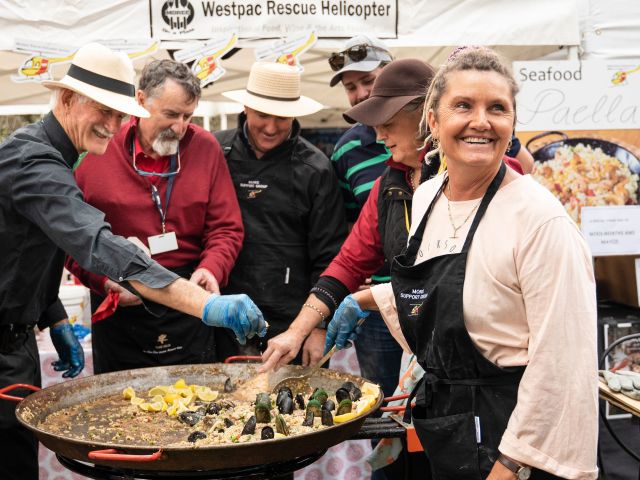
Taste the best of regional produce and culinary talent. (Credit: Destination NSW)
Time your trip for Mother’s Day weekend in May, and you’ll find yourself in the middle of the popular annual food and wine festival, Moree on a Plate, celebrating regional produce and culinary talent from the region’s fertile plains.
Browse the stalls and sample olives, pecans, citrus fruits, honey, boutique wines and handmade condiments. You can also enjoy live cooking demonstrations by celebrity chefs, a local barbecue competition, plein-air art, live music and a dedicated children’s activity area.
2. Experience artesian waters
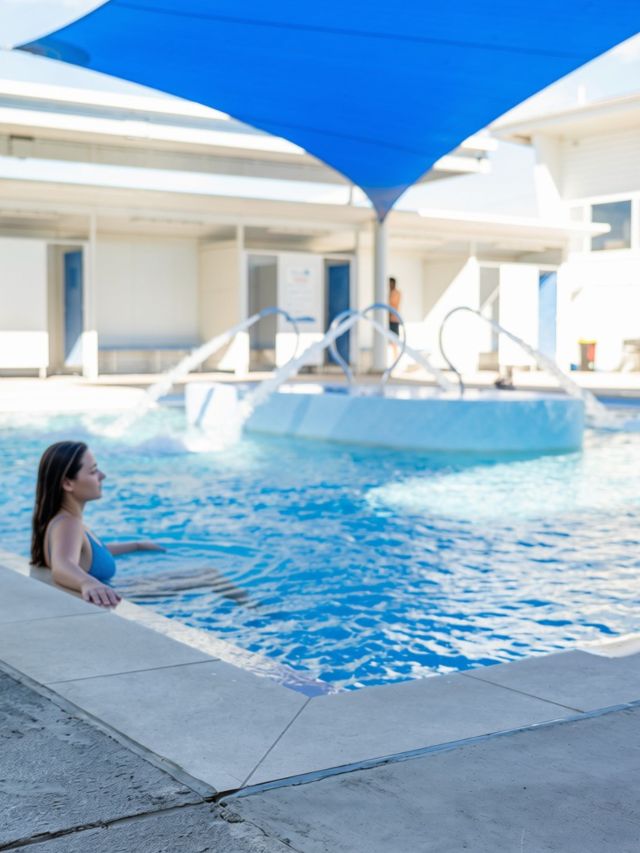
Chill out in Moree’s famous artesian waters.
Moree’s famous artesian waters have attracted visitors for over 130 years. First discovered by accident in 1895, this mineral-rich, naturally heated water is drawn from deep within the Great Artesian Basin. Soak and slow down in the recently renovated pools at the Moree Artesian Aquatic Centre, where you can choose between the active pool with massaging water jets or the passive pool for a more relaxing experience.
For a longer soak, stay at one of the many motels within walking distance of the aquatic centre. Or book a stay with its own artesian pools.
Gwydir Thermal Pools Motel & Caravan Park has five on-site thermal pools and a broad range of accommodation, while the Phoenix Resort offers both indoor spas and outdoor thermal pools as well as recently upgraded self-contained apartments and motel rooms. Meanwhile, the Artesian Spa Motel is set on five acres of landscaped gardens and features swimming and thermal pools, including an indoor artesian spa and an on-site restaurant.
3. Enjoy an arty experience
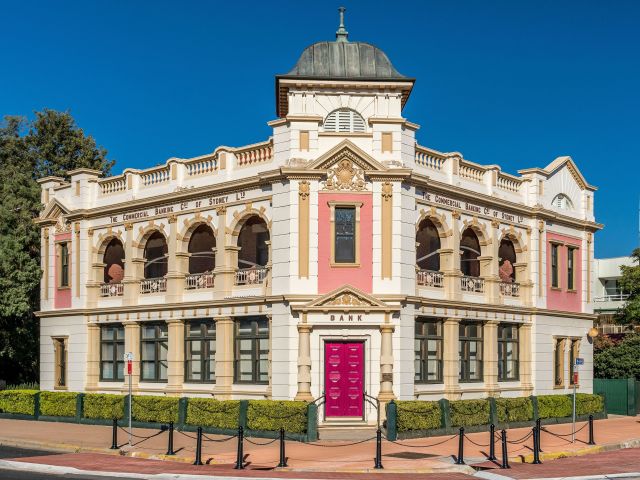
Step inside the gorgeous Bank Art Museum Moree. (Credit: Destination NSW)
To connect with Moree’s artistic side, head to Bank Art Museum Moree (BAMM), an independent contemporary art gallery housed in a beautifully preserved, Federation-era bank dating back to 1910. Inside, a nationally significant collection celebrates the art and culture of the Gamilaroi/Kamilaroi people and other First Nations artists alongside regional Australian art, while changing exhibitions offer something new.
Follow the Moree Art Mural Trail through the CBD, and you’ll pass large-scale murals and small galleries reflecting stories of the town’s people, history and culture. While you’re exploring this open-air gallery, look out for the eclectic mix of Art Deco and early 20th-century architecture, including the Moree Courthouse and the striking Capitol Theatre facade.
4. Discover cotton country
Learn more about Moree’s cotton industry. (Credit: Destination NSW)
Surrounded by the black-soil plains of the Gwydir Valley, Moree is at the centre of one of Australia’s major cotton-growing areas. Visit between March and May, and you’ll see fields covered in the distinctive fluffy white cotton bolls being harvested by huge machinery.
Trace the cotton from paddock to fabric on the Cotton Farm and Gin tour, running from April to September. You’ll visit a cotton farm and a working cotton gin up close, where you’ll see the cotton fibres separated from the seeds. Tours run weekly and include transfers.
5. Explore the Moree Plains
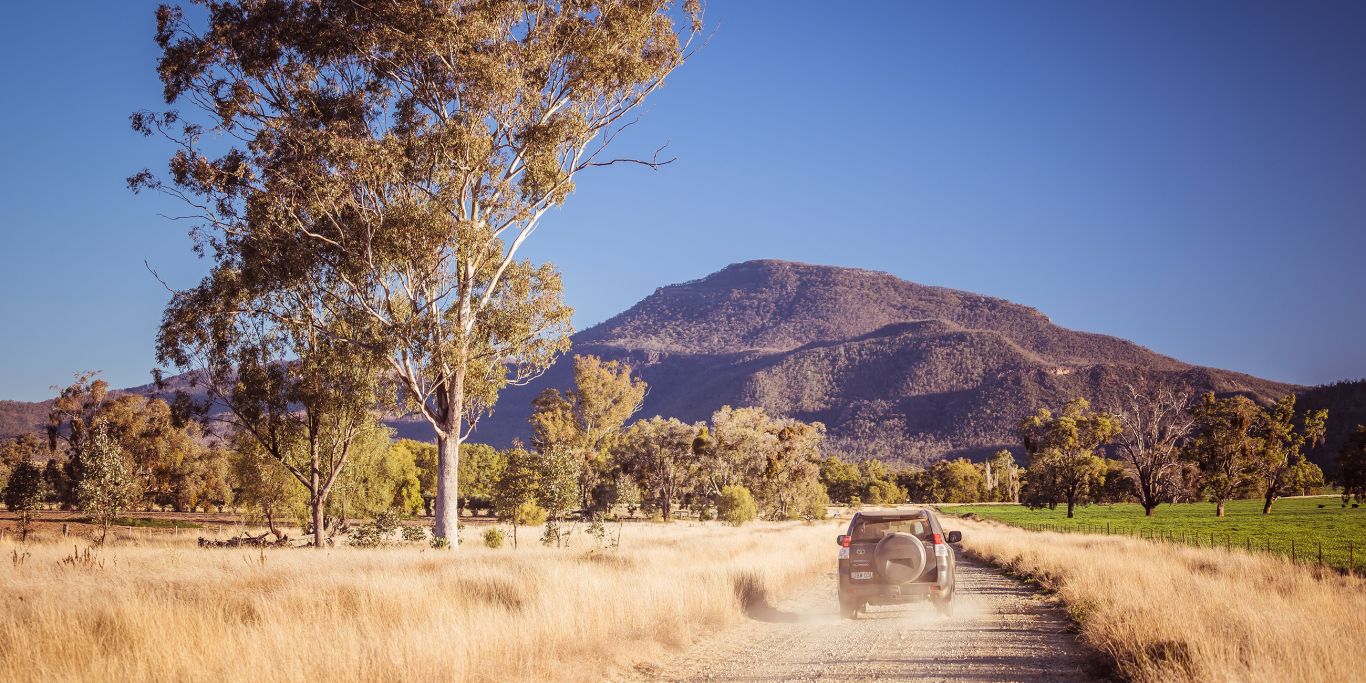
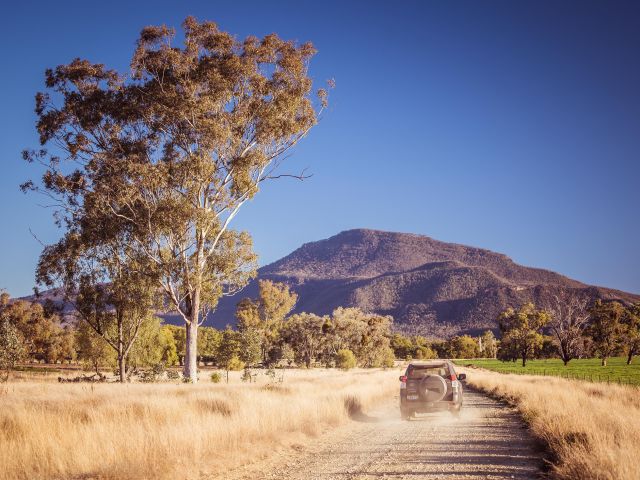
Head out of town to explore the plains.
Outside of the city centre, Moree is surrounded by charming rural villages dotted around the plains. The quiet village of Boomi, around 90 kilometres north-west of Moree, offers historic early 20th-century architecture, its own artesian thermal waters at the Boomi Artesian Baths and vast outback skies.
Further west, the pioneer border town of Mungindi straddles the Barwon River between New South Wales and Queensland. Follow the 2.5-kilometre sculpture trail to take in the outdoor public art, and you’ll cross the state border twice.
6. Relax by the water
Spot the locals at Gwydir Wetlands.
Just a short drive away, the peaceful Tareelaroi Weir Recreation Area makes the most of the meandering Gwydir River. Set up camp along the riverside and enjoy picnicking, fishing and swimming.
A little further afield, the Gwydir Wetlands are home to 75 recorded waterbird species, including brolgas, magpie geese, egrets, spoonbills, ibis and black-necked storks, also known as jabirus. Watchers can settle into the hide at Waterbird Lagoon, or follow a short walking trail through the wetlands, keeping an eye out for rare species.
7. Immerse in local Indigenous culture
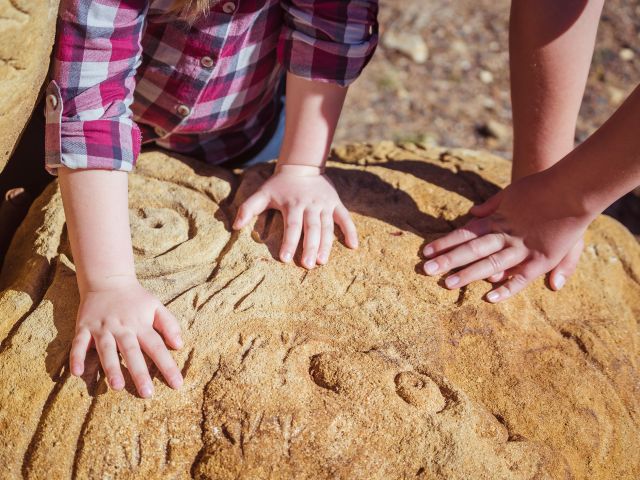
Learn about the history of the Gamilaroi People.
Moree lies on the traditional lands of the Gamilaroi People, whose connection to the land stretches back thousands of years. Today, visitors can learn about this history at Terry Hie Hie Aboriginal Area, which includes the 3.5 kilometre Yana-y Warruwi Walking Track.
Back in town, the Open Space Aboriginal Art Trail allows you to enjoy the Mehi River with a free, self-guided public art trail of work from local Indigenous artists and their personal connection to Country. Finish with a visit to the remarkable Dhiiyaan Aboriginal Centre, where more than 110,000 family genealogies are recorded. Browse artefacts, art and over 15,000 photographs. There are also changing exhibitions of historical photographs and local art.
8. Local cafe culture
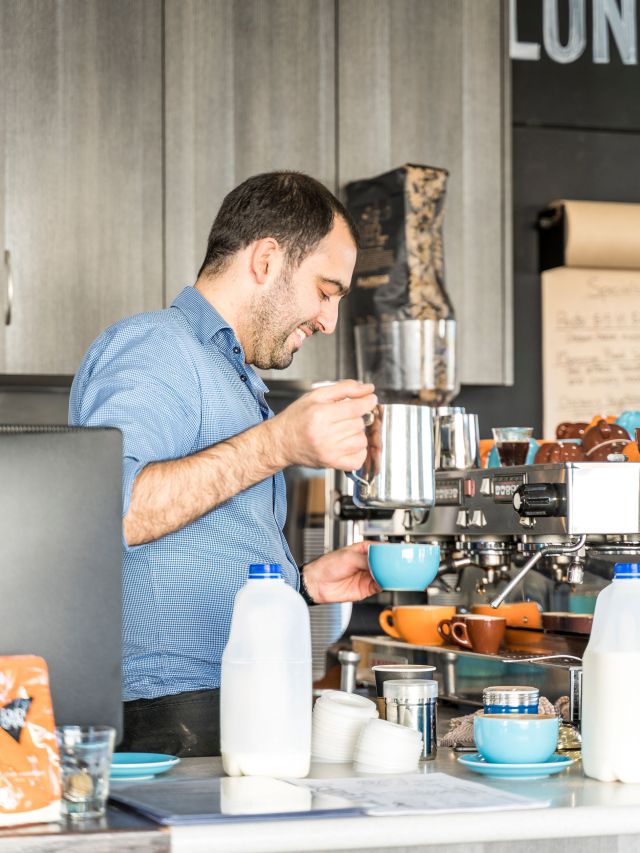
Get amongst’s Moree’s vibrant cafe scene. (Credit: Destination NSW)
From relaxed country cafes to stylish modern eateries, Moree’s CBD has a surprisingly vibrant foodie scene. There are plenty of spots to choose from for a freshly brewed coffee, long lunch or tasty dinner, featuring menus showcasing local produce and loads of country charm.
If you’d rather dine in the great outdoors, grab a takeaway coffee or a picnic and head to leafy Jellicoe Park, a riverside oasis just a short walk from the centre of town. Pick a spot under the trees, enjoy the park’s art installations and keep watch for waterbirds along the river.