A go-to guide to whale watching in Merimbula

hero media
A sighting of these majestic beasts is nearly guaranteed when armed with the right information.

Whale watching in Merimbula is most memorable due to the huge number of humpback whales that pass by on the Sapphire Coast’s so-called Humpback Highway. But it’s also possible to sight southern right whales, minke, orca and even the rarest of blue whales during the annual migration season from about August to November. It’s impossible not to lose yourself in the enormity of the experience. Here’s our guide on where to go whale watching in Merimbula.

Whale-watching season in Merimbula

Whale watching is popular right along Australia’s East Coast, from Port Stephens to Byron Bay. And it’s certainly one of the best things to do in Merimbula. The season extends from mid-July to November and peaks with the whale-watching festival in nearby Eden on the Sapphire Coast.

You can spot the whales travelling north from Antarctica to the Coral Sea between May and July. During August, there will be whales travelling both north and south. The largest number of whales pass by the Sapphire Coast during September and October.

a close-up shot of a whale in Merimbula
See the ocean’s gentle giants up close. (Image: David Rogers Photography)

The best time of day to see whales in Merimbula

It’s hard not to hold your breath at the drama of seeing a whale breach against the blue of a towering sky. The best thing about spotting whales while you’re in the ocean is the endless clear space all around. You will expand your sense of wonder while whale watching in Merimbula especially at dawn, when the ‘blow’ is backlit by the morning sun.

There’s also less glare glinting off the ocean later in the afternoon, which means whale watching in Merimbula is a bit easier in the late afternoon. Spring is best for whale watching according to data collected by volunteers during the annual whale count. And seeing the whales propel their mass out of the ocean is nothing short of awe-inspiring.

a huge whale jumping out of the water in Merimbula
Spring is the best time to spot whales in Merimbula. (Image: David Rogers Photography)

Whale-watching tours in Merimbula

You can choose your own adventure while whale watching in Merimbula along the Sapphire Coast Whale Trail. The region’s rugged coastline, a geographic embroidery overlaid with pink sandstone and red mudstone, is a playground for nature lovers. Head out on a whale-watching mission in Merimbula on a day when the sky is slate blue. From 2.5-hour whale-watching cruises to sunset cruises and discounted cruises on Groupon, there’s a whale-watching cruise to suit. 

whale watching tour boat, Sapphire Coastal Adventures
The Sapphire Coast’s rugged coastline sets the scene for a splendid day on the water. (Image: Destination NSW)

Need tips, more detail or itinerary ideas tailored to you? Ask AT.

AI Prompt

Sapphire Coastal Adventures

Sapphire Coastal Adventures is one of the best-known local whale-watching tour operators in Merimbula. The adventure company operate out of both Bermagui and Merimbula when the humpback whales are on their southern migration from the Queensland coast.

whale watching in Merimbula with Sapphire Coastal Adventures
Sign up for an epic whale-watching tour with Sapphire Coastal Adventures. (Image: David Rogers Photography)

During this time, the mothers can be seen playing with their calves off the Sapphire Coast. Sapphire Coastal Adventures also operate daily whale-watching tours from Eden during the season when tens of thousands of whales leave Antarctica and begin their journey to warmer waters along the East Coast.

Cat Balou Cruises

Book a few nights’ accommodation in Merimbula so that you are close to the launching-off point for an expedition with Cat Balou Cruises and Whale Watching Eden. You can spot the whales travelling north from Antarctica to the Coral Sea between May and July. During August, there will be whales travelling both north and south.

The cruise company hosts twilight cruises out of Twofold Bay between May and mid-November. If you’re lucky, you might sight seals and dolphins too. Eco-conscious travellers will appreciate the company’s sustainable approach to running the cruises.

a seal swimming in the water, Cat Balou Cruises
You might also spot seals and dolphins from a Cat Balou Cruise while searching for whales. (Image: Destination NSW)

Best vantage points to spot whales from the coast

Download the Wild About Whales app and bunker down in one of Merimbula’s best cafes to plot a course around the top whale-watching spots. The Sapphire Coast lies within the country of the Yuin-Monaro Nations, the Traditional Custodians of the region for tens of thousands of years. Walk in their footsteps along the Wajurda Point Walking Track until you get to Wajurda Point lookout in Mimosa Rocks National Park.

scenic coastal views from the Mimosa Rocks National Park, Tanja
Mimosa Rocks National Park offers seasonal whale-watching opportunities. (Image: Destination NSW)

Take a walking holiday with The Sapphire Coast Guiding Co. on the Light to Light walk. You can also go at your own pace on a self-guided tour.

Bittangabee Bay in Beowa National Park is another place along the NSW South Coast where the ocean roils with activity during the whale-watching season.

the Bittangabee Bay in Beowa National Park
Whales are often spotted in Bittangabee Bay. (Image: Destination NSW)

The view over the sky and sea will stop you in your tracks at the Disaster Bay Lookout even if you don’t spot whales. This vantage point is also known amid the bird-watching fraternity for being a top spot to sight sea birds.

an aerial view of the Green Cape lookout and lighthouse
Vast ocean views look stunning from the rocky peninsula of Green Cape lookout. (Image: Destination NSW)

Green Cape lookout is one of the best whale-watching spots near Merimbula. It’s where you can behold the glory of the Australian coastline from the Green Cape Lightstation which towers above the headland. The Green Cape Lighthouse and keeper’s cottage are so well preserved that they have become a landmark unto themselves.

a couple walking around the Green Cape Lighthouse, Green Cape
The Green Cape Lighthouse is not to be missed. (Image: Destination NSW)

Weekly travel news, experiences
insider tips, offers, and more.

What to bring on a whale-watching tour on land in Merimbula

For land-based whale watching, you should bring sturdy shoes, a camera, an all-weather windproof jacket and binoculars. And, regardless of the season, a hat and sunscreen are a must when you’re spending time in the Australian outdoors. Birdwatching is a popular pastime in Merimbula. Download the Merlin bird app, a digital field guide that will help you identify bird calls and songs while road-tripping along the NSW South Coast.

What to bring on a whale-watching cruise in Merimbula

Sharp-eyed whale watchers should bring a camera and binoculars. Bring ginger tablets to better handle the high seas, which affects a small fraction of visitors. Whale watching in Merimbula is a waiting game. In between scoping the sea for whales, you will spend time admiring the rugged headlands, thickets of banksia and groves of gums along the coastline.

whale watching with Sapphire Coastal Adventures
Don’t forget the essentials for your tour – including a hat. (Image: David Rogers Photography)

Bring sunglasses, sunscreen and a hat for sun protection regardless of the temperature or whether the sky is blue or curdled with clouds. Plan ahead and book dinner at one of Merimbula’s restaurants and bars so you can relive the performances put on by these behemoths.

Want to see more stories from Australian Traveller in your Google search results?

  1. Click here to set Australian Traveller as a preferred source.
  2. Tick the box next to "Australian Traveller". That's it.
Carla Grossetti
Carla Grossetti has written across print and digital for Australian Traveller and International Traveller for more than a decade and has spent more than two decades finding excuses to eat well and travel far. A prestigious News Corp cadetship launched her career at The Cairns Post, before a stint at The Canberra Times and The Sydney Morning Herald gave way to extended wanders through Canada, the US, Mexico, Central America, Asia and Europe. Carla was chief sub editor at delicious and has contributed to Good Food, Travel & Luxury, Explore Travel, Escape. While living in London, Carla was on staff at Condé Nast Traveller and The Sunday Times Travel desk and was part of the pioneering digital team at The Guardian UK.
View profile and articles
hero media

8 reasons Moree should be on your next road trip itinerary

    Lucy Cousins Lucy Cousins
    Discover what makes this country town the perfect place to slow down, switch off and recharge.

    At first glance, the country town of Moree may look like just another charming highway town, with heritage buildings, a leafy town centre and classic pubs the locals love. However, this regional New South Wales town is Australia’s Artesian Spa Capital, a wellness hub with a rich Indigenous cultural history and a growing reputation as a destination for slow travel.

    Moree is ideally located at the crossroads of the Gwydir and Newell highways (and is also easily reached by train and air), making it a refreshing destination, or stop, on any road trip. And these eight experiences show why.

    1. Taste Moree on a Plate

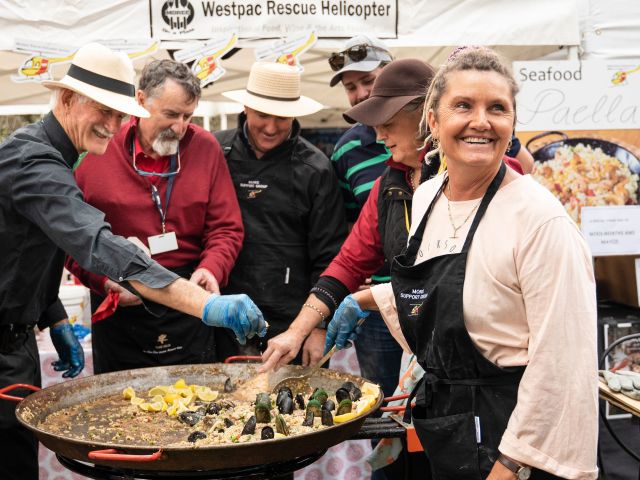
    Westpac Helicopter Rescue Service team with their Seafood Paella at the 2019 Moree on a Plate Festival
    Taste the best of regional produce and culinary talent. (Credit: Destination NSW)

    Time your trip for Mother’s Day weekend in May, and you’ll find yourself in the middle of the popular annual food and wine festival, Moree on a Plate, celebrating regional produce and culinary talent from the region’s fertile plains.

    Browse the stalls and sample olives, pecans, citrus fruits, honey, boutique wines and handmade condiments. You can also enjoy live cooking demonstrations by celebrity chefs, a local barbecue competition, plein-air art, live music and a dedicated children’s activity area.

    2. Experience artesian waters

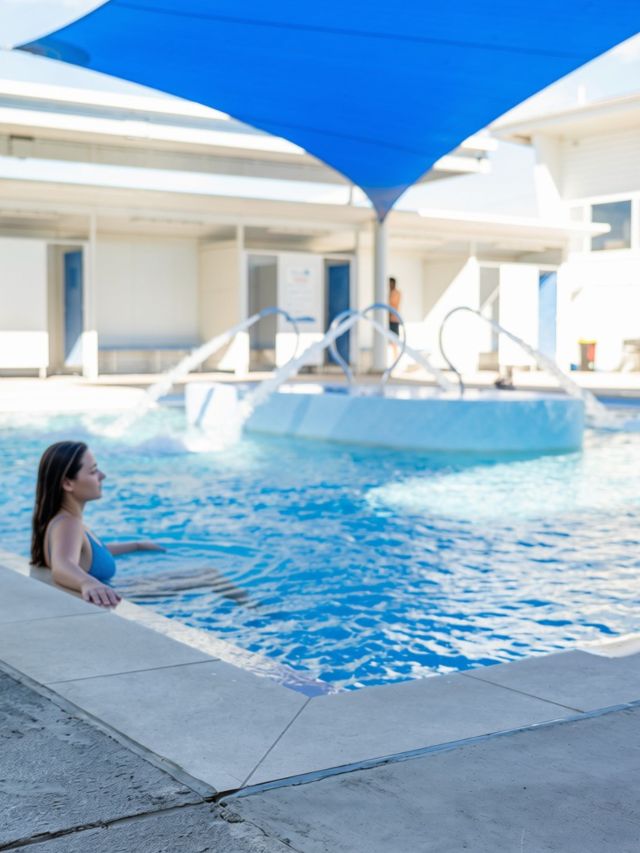
    woman at the Moree Artesian Aquatic Centre
    Chill out in Moree’s famous artesian waters.

    Moree’s famous artesian waters have attracted visitors for over 130 years. First discovered by accident in 1895, this mineral-rich, naturally heated water is drawn from deep within the Great Artesian Basin. Soak and slow down in the recently renovated pools at the Moree Artesian Aquatic Centre, where you can choose between the active pool with massaging water jets or the passive pool for a more relaxing experience.

    For a longer soak, stay at one of the many motels within walking distance of the aquatic centre. Or book a stay with its own artesian pools.

    Gwydir Thermal Pools Motel & Caravan Park has five on-site thermal pools and a broad range of accommodation, while the Phoenix Resort offers both indoor spas and outdoor thermal pools as well as recently upgraded self-contained apartments and motel rooms. Meanwhile, the Artesian Spa Motel is set on five acres of landscaped gardens and features swimming and thermal pools, including an indoor artesian spa and an on-site restaurant.

    3. Enjoy an arty experience

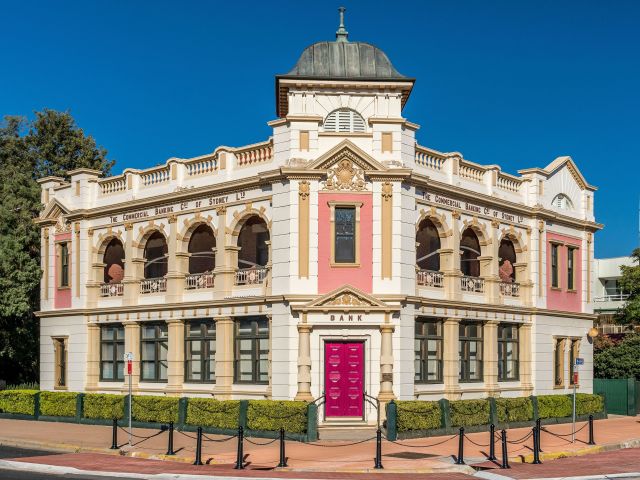
    Bank Art Museum Moree
    Step inside the gorgeous Bank Art Museum Moree. (Credit: Destination NSW)

    To connect with Moree’s artistic side, head to Bank Art Museum Moree (BAMM), an independent contemporary art gallery housed in a beautifully preserved, Federation-era bank dating back to 1910. Inside, a nationally significant collection celebrates the art and culture of the Gamilaroi/Kamilaroi people and other First Nations artists alongside regional Australian art, while changing exhibitions offer something new.

    Follow the Moree Art Mural Trail through the CBD, and you’ll pass large-scale murals and small galleries reflecting stories of the town’s people, history and culture. While you’re exploring this open-air gallery, look out for the eclectic mix of Art Deco and early 20th-century architecture, including the Moree Courthouse and the striking Capitol Theatre facade.

    4. Discover cotton country

    Aerial overlooking cotton farming in progress on the Newport Cotton Farm, Moree
    Learn more about Moree’s cotton industry. (Credit: Destination NSW)

    Surrounded by the black-soil plains of the Gwydir Valley, Moree is at the centre of one of Australia’s major cotton-growing areas. Visit between March and May, and you’ll see fields covered in the distinctive fluffy white cotton bolls being harvested by huge machinery.

    Trace the cotton from paddock to fabric on the Cotton Farm and Gin tour, running from April to September. You’ll visit a cotton farm and a working cotton gin up close, where you’ll see the cotton fibres separated from the seeds. Tours run weekly and include transfers.

    5. Explore the Moree Plains

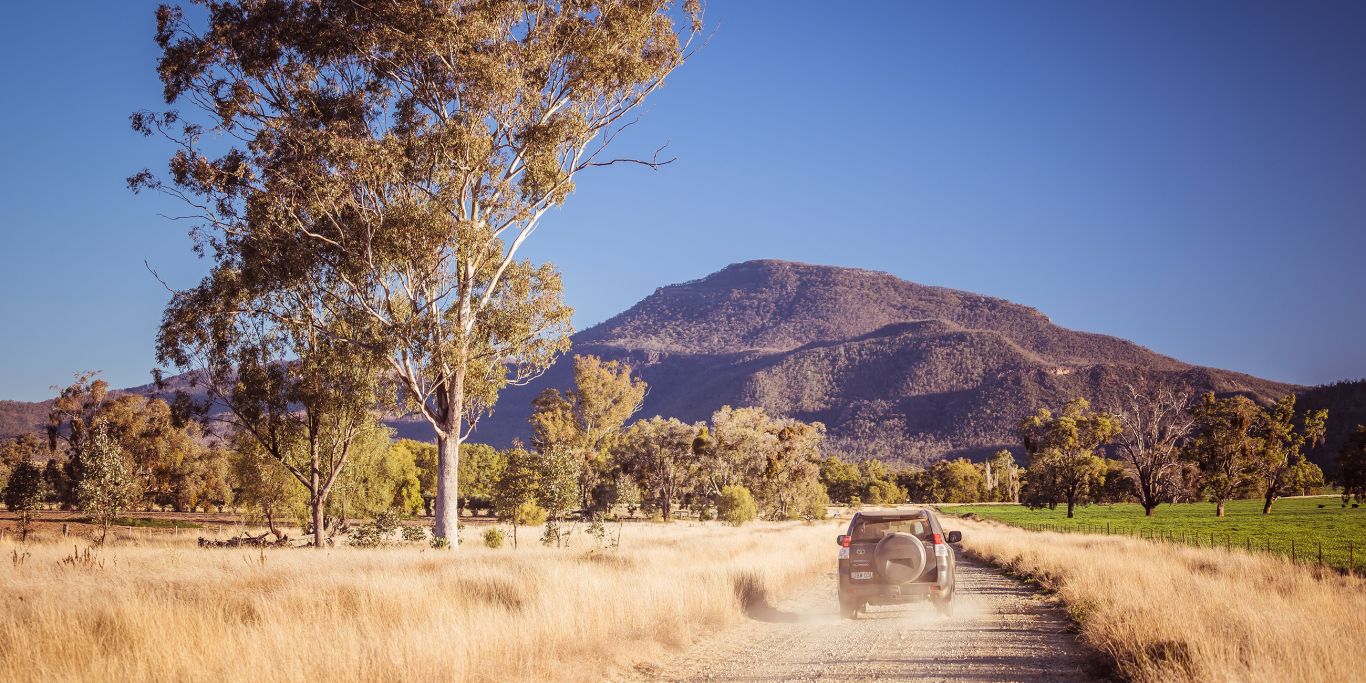
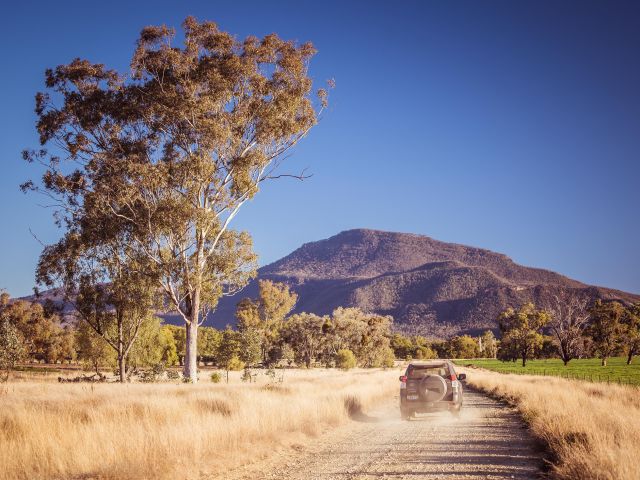
    care driving around moree
    Head out of town to explore the plains.

    Outside of the city centre, Moree is surrounded by charming rural villages dotted around the plains. The quiet village of Boomi, around 90 kilometres north-west of Moree, offers historic early 20th-century architecture, its own artesian thermal waters at the Boomi Artesian Baths and vast outback skies.

    Further west, the pioneer border town of Mungindi straddles the Barwon River between New South Wales and Queensland. Follow the 2.5-kilometre sculpture trail to take in the outdoor public art, and you’ll cross the state border twice.

    6. Relax by the water

    bird at Gwydir Wetlands in moree
    Spot the locals at Gwydir Wetlands.

    Just a short drive away, the peaceful Tareelaroi Weir Recreation Area makes the most of the meandering Gwydir River. Set up camp along the riverside and enjoy picnicking, fishing and swimming.

    A little further afield, the Gwydir Wetlands are home to 75 recorded waterbird species, including brolgas, magpie geese, egrets, spoonbills, ibis and black-necked storks, also known as jabirus. Watchers can settle into the hide at Waterbird Lagoon, or follow a short walking trail through the wetlands, keeping an eye out for rare species.

    7. Immerse in local Indigenous culture

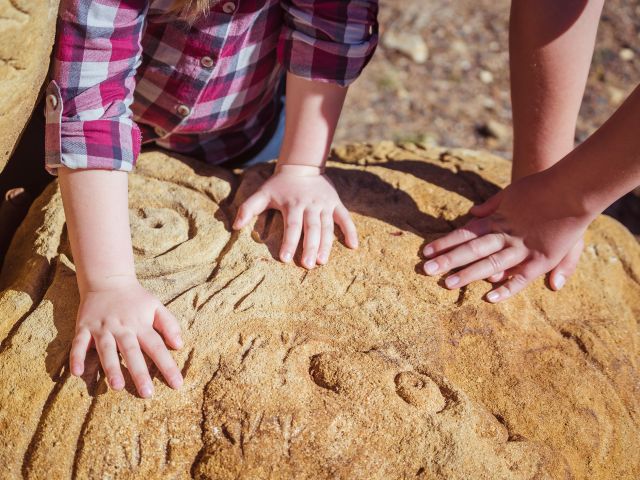
    Terry Hie Hie Aboriginal Area
    Learn about the history of the Gamilaroi People.

    Moree lies on the traditional lands of the Gamilaroi People, whose connection to the land stretches back thousands of years. Today, visitors can learn about this history at Terry Hie Hie Aboriginal Area, which includes the 3.5 kilometre Yana-y Warruwi Walking Track.

    Back in town, the Open Space Aboriginal Art Trail allows you to enjoy the Mehi River with a free, self-guided public art trail of work from local Indigenous artists and their personal connection to Country. Finish with a visit to the remarkable Dhiiyaan Aboriginal Centre, where more than 110,000 family genealogies are recorded. Browse artefacts, art and over 15,000 photographs. There are also changing exhibitions of historical photographs and local art.

    8. Local cafe culture

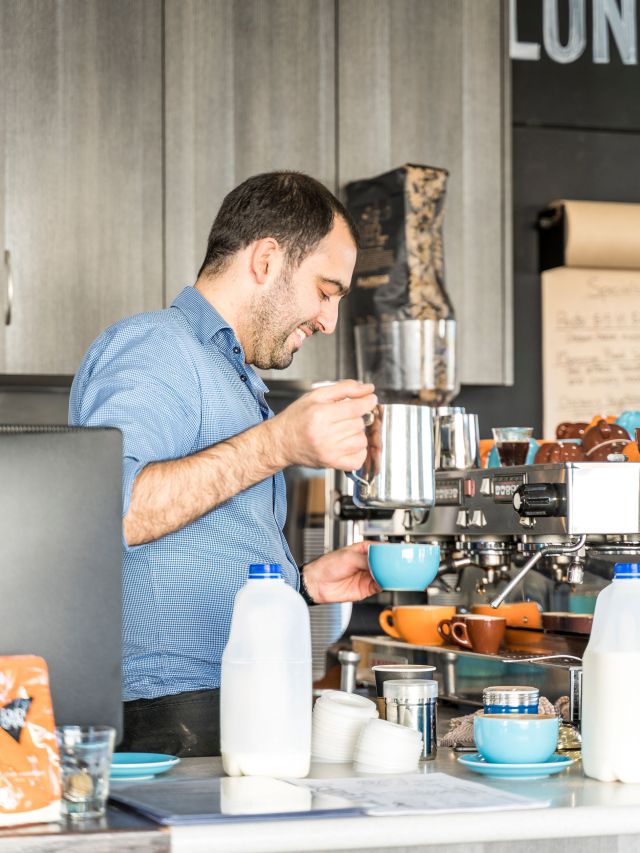
    Barista making a coffee order at 61 Balo Cafe, Moree
    Get amongst’s Moree’s vibrant cafe scene. (Credit: Destination NSW)

    From relaxed country cafes to stylish modern eateries, Moree’s CBD has a surprisingly vibrant foodie scene. There are plenty of spots to choose from for a freshly brewed coffee, long lunch or tasty dinner, featuring menus showcasing local produce and loads of country charm.

    If you’d rather dine in the great outdoors, grab a takeaway coffee or a picnic and head to leafy Jellicoe Park, a riverside oasis just a short walk from the centre of town. Pick a spot under the trees, enjoy the park’s art installations and keep watch for waterbirds along the river.

    Start planning your Moree retreat at visitmoreeplains.com.au.