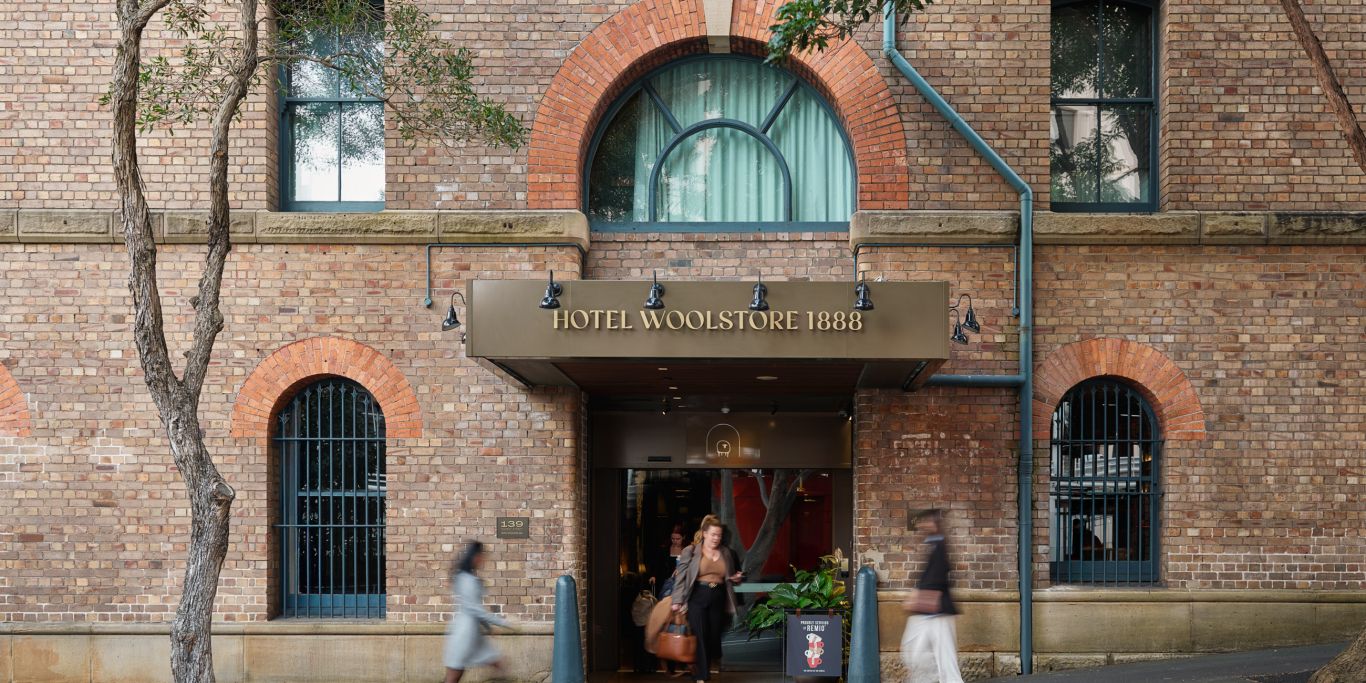
hero media

This tiny mark in my hotel room opened a window into Sydney’s past

During a stay at Hotel Woolstore 1888, two strangers separated by more than a century forge an unexpected connection.

When I was 15 years old, I carved my name into the Eiffel Tower. Despite hundreds of names and initials already chiselled into the steel balustrade, the act felt brave, bold, defiant even. In reality, it was an impulsive decision made by two young girls on a student exchange trip, fuelled by the thrill of doing something we shouldn’t.

More than a decade later, I feel a flush of guilt whenever I think about it, aware that I contributed to an ever-growing catalogue of vandalism. But I’d be lying if I said I regretted it. The friend beside me that day has since passed on, and I now find comfort in knowing that our names are immortalised on the iconic Paris monument forever.

It’s this memory that finds me as I look out the window of room 413 at Hotel Woolstore 1888. I’ve just checked into the five-star property and I’m looking forward to a quiet night of indulgence. But while admiring the city skyline, I notice a name etched in the sandstone on the other side of the glass.

It’s a small detail, almost hidden in plain sight, but it’s enough to spark my curiosity. What had this place once been? Who had stood here before me? Just like that, my short overnight stay became a journey through time, revealing a history far richer than I expected.

For history buffs, this Sydney stay is worth a closer look. Dating back to 1888, Hotel Woolstore 1888 still wears its past proudly, with original timber beams, exposed brick, sandstone details and remnants of its former life as a working wool store.

Where is Hotel Woolstore 1888?

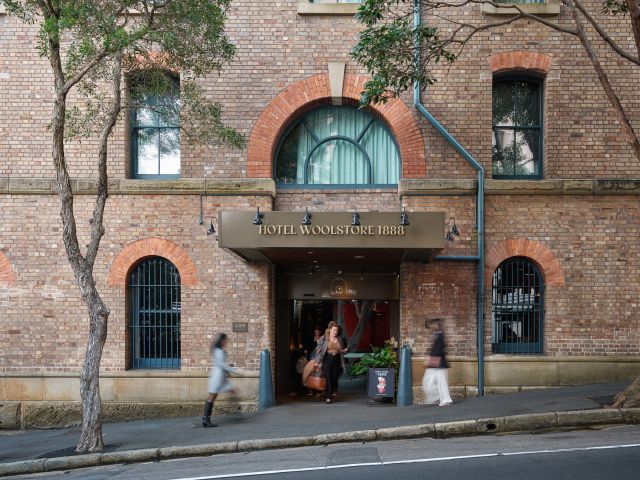
Hotel Woolstore 1888 is located on the corner of Murray Street in Pyrmont. Just 10 minutes from Sydney’s CBD, it’s within walking distance to some of the city’s top sights, including Darling Harbour, Barangaroo and the recently renovated Sydney Fish Market.
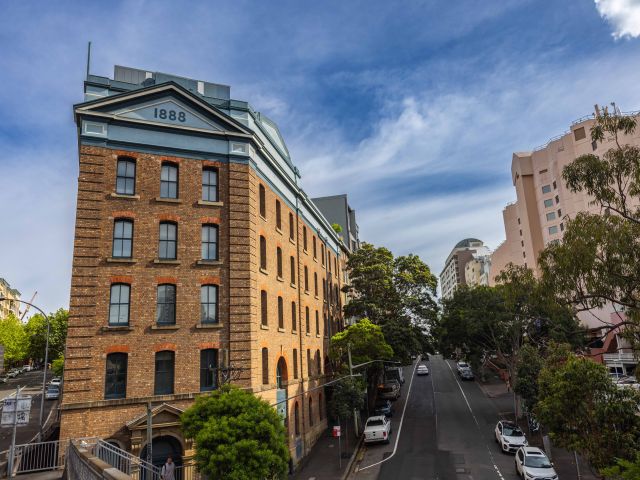
Hotel Woolstore 1888 in Sydney, NSW
Hotel Woolstore 1888 is located in the Sydney suburb of Pyrmont. (Credit: J Cohen)

Today, Pyrmont is characterised by bustling cafes, leafy streets and high-rise apartment blocks, where young professionals and small families enjoy city living at a slower pace. But it didn’t always look like this.

The suburb has its origins in the Victorian era, and it looked quite different back then. Sydney was on the cusp of an economic boom. Exports like gold, coal, leather and wool were hot commodities, and Australia was richly endowed with such resources.

Due to its position between major regional railway lines and Sydney Harbour’s shipping docks, Pyrmont quickly became an industrial hub for the wool trade. Brought in via rail from the country’s interior, the product was then transported by sea to feed England’s burgeoning textile mills.
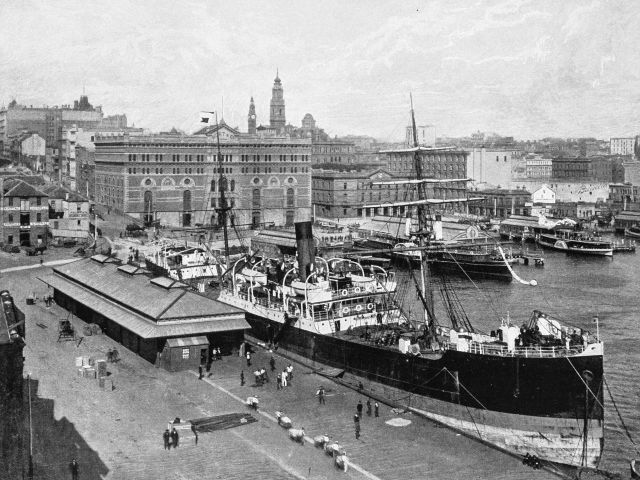
Historic image of Sydney during the late 19th century
Sydney’s shipping docks were a vital part of the 19th century’s industrial wool trade. (Credit: Getty/Ilbusca)

Of course, all that wool needed to be held somewhere while waiting for exportation. As a result, more than 20 wool stores were constructed across Pyrmont to store and sort the incoming goods. One of the very first opened on the corner of Murray Street in 1888. Sound familiar?

Style and character

The building’s first iteration was designed by architects Morell and Kemp on commission from wool industry pioneer J.H. Geddes, who first introduced mechanical shearing equipment to Australia. Strategically crafted to fit its distinct wedge-shaped block, the original structure remains mostly intact today.
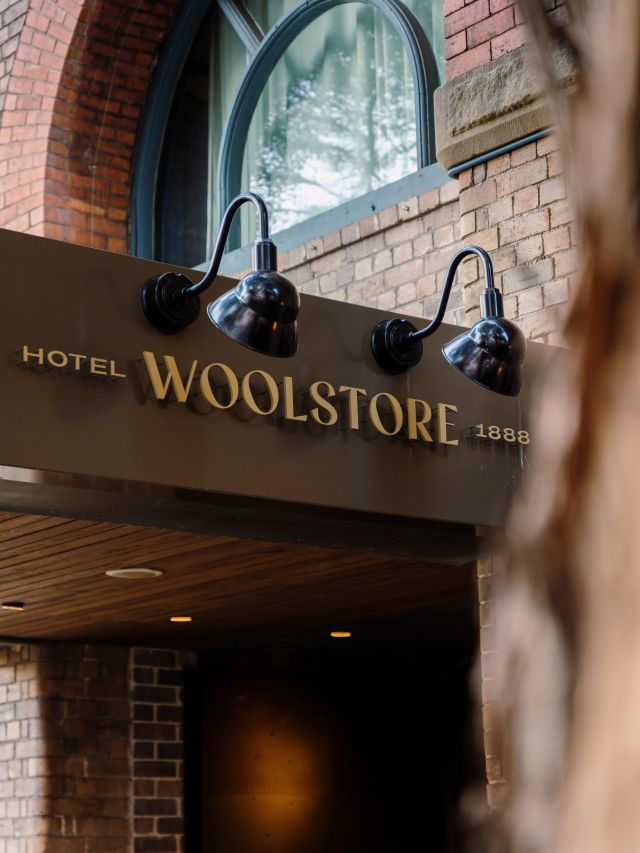
Hotel Woolstore 1888 in Sydney, NSW
Many original structural elements have been preserved over more than a century.

It catches my eye almost immediately as I pass through the Mannerist-style entrance and into the hotel lobby. The space opens up completely, its architectural bones on full display.

Each of the four guest floors have been built along the hotel’s perimeter, creating a centralised atrium that reveals the entire vertical span of the building’s structure. A sliver of blue sky peeks through a window in the roof, bathing the space in natural light.

While the interiors have clearly been updated to suit contemporary tastes, history is stitched into every layer, weaving past and present into a visual journey through time. Underfoot, a wooden track embedded in the floor traces the original cart path used to load and unload wool.
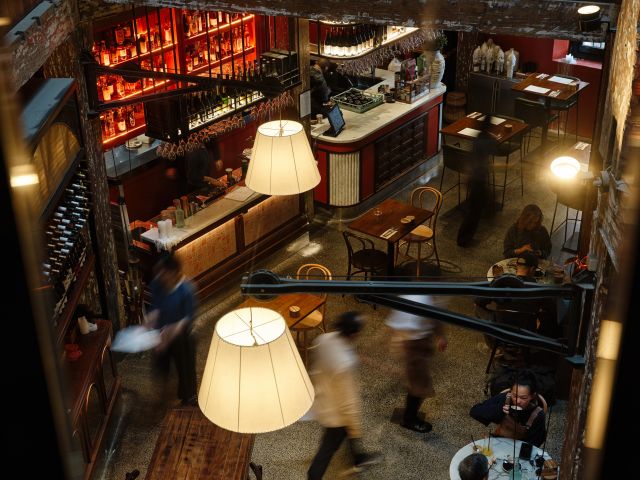
Hotel Woolstore 1888 in Sydney, NSW
Original timber beams hint towards the building’s industrial past. (Credit: Steven Woodburn)

Overhead, wooden beams the size of Roman columns contrast beautifully against polished timber. All around me, exposed brick walls allow more refined details to shine; a plush brown leather couch, a brass candleholder caked with wax, a felt hat sitting atop an attaché-style briefcase.

Rather than painting over its industrial past, Hotel Woolstore 1888 proudly showcases it. Deliberately designed to work with original features rather than replace them, the property ensures its storied past is an integral part of its modern-day identity.
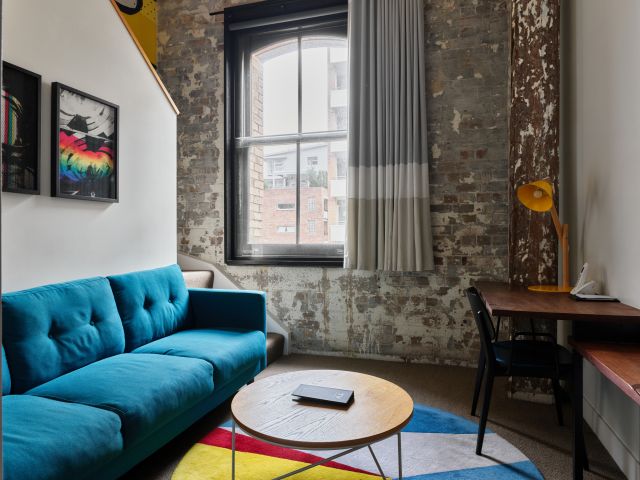
Hotel Woolstore 1888 in Sydney, NSW
Contemporary flair meets historic charm in guestrooms.

Today, it is the oldest surviving wool store in Sydney with a saw-tooth roof, one of just 21 remaining heritage-listed examples. From Pyrmont sandstone and ironbark timber to salvaged materials thoughtfully repurposed, every effort has been made to preserve what remains of its former life.

It’s fitting then, to find Hotel Woolstore 1888 among Accor’s Handwritten Collection. One of just 50 global stays chosen for their unique character, historic charm and bespoke design, it certainly meets the brief.

Need tips, more detail or itinerary ideas tailored to you? Ask AT.

AI Prompt

The rooms

Hotel Woolstore 1888 comprises 90 rooms and suites, with configurations to suit a range of occasions and budgets. Standard room types such as Coopworth and Romney are perfect for a fuss-free stay, while specialty suites like the Corriedale Loft and High Country Suite make for a more luxurious experience.
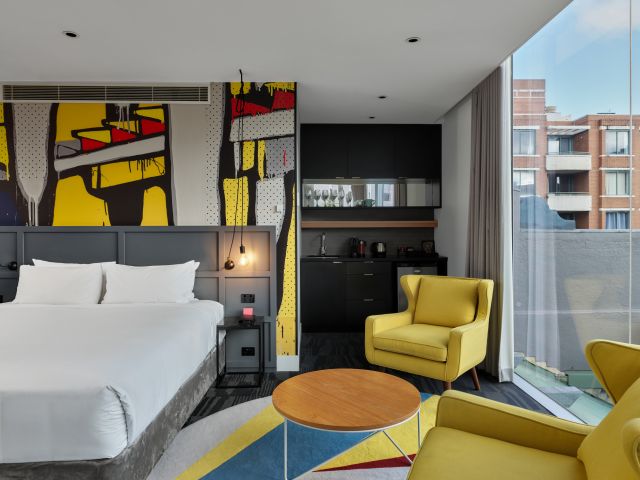
Hotel Woolstore 1888 in Sydney, NSW
The High Country Suite is perfect for an indulgent weekend stay. (Credit: Steven Woodburn)

From the lobby, I take one of two custom-built glass elevators to level four, watching the light change as I rise into the atrium. I’m staying in room 413, also known as the Shearer’s Suite, another playful nod to the hotel’s industrial roots.

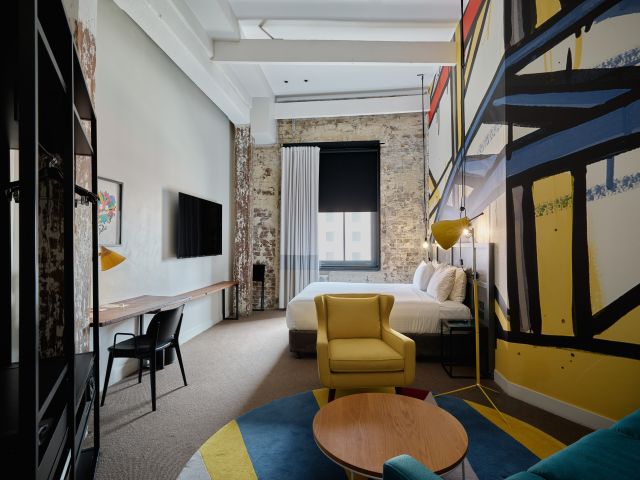
As if by fairy godmother, my wish for a little indulgence is granted the moment my door unlocks. The stylish suite features a wooden work bench, wall-mounted flatscreen TV, Nespresso coffee machine, curated snack box, minibar and cosy lounge area with custom furnishings. High ceilings amplify the room’s spacious layout and allow for an abundance of natural light.

The king-sized bed takes pride of place, framed by a vibrant Jasper Knight mural stretching the wall’s length. A separate en suite bathroom contains everything I’d want and more, from a walk-in rain shower and freestanding tub to plush bathrobes and bespoke personal-care products.
Hotel Woolstore 1888 in Sydney, NSW
A bold Jasper Knight artwork spans the back wall of the Shearer’s Suite. (Credit: Steven Woodburn)

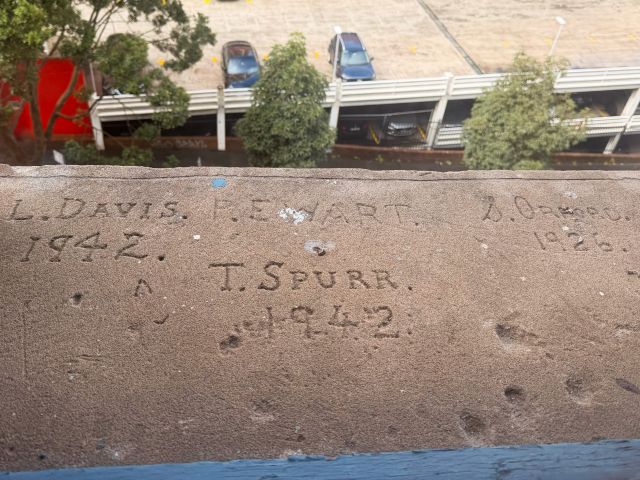
Being a brisk winter’s day in Sydney, I instinctively gravitate towards a patch of sun by the window. I’m enjoying its warmth when I spot the engravings; four names, two dates. But it’s the one in the centre that catches my eye; huge capital letters cut boldly next to smaller cursive and softened by the weight of time: P. EWERT.

The facilities

Ever the amateur sleuth, and with a few hours to spare before dinner, I decide to do a little digging. My quest leads me back down to the lobby, where the morning bustle has given way to a more relaxed rhythm.

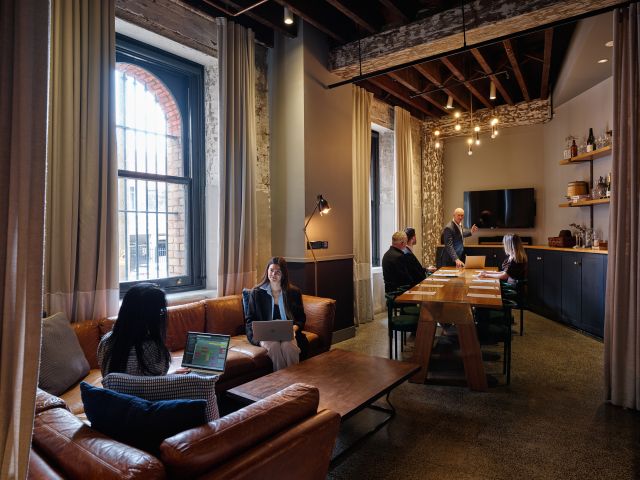
I wander into the ground-floor conference room, a sleek, well-appointed space designed to host everything from intimate gatherings to corporate events. One of two meeting rooms, it features a lounge area, centrepiece table with chairs and wall-mounted TV, separated from the lobby by a heavy curtain.
Hotel Woolstore 1888 in Sydney, NSW
The conference room is designed for both intimate gatherings and corporate events. (Credit: Steven Woodburn)

I’m studying the collection of curiosities lining its walls when an attentive staff member asks if I’m looking for anything in particular. When I inquire about the windowsill engraving, she beams. “This is one of my favourite stories to tell."

Turns out, P. EWERT. is James Percy Edward Ewert. Born in Redfern in 1891, he dedicated his working life to the wool trade in Pyrmont, earning a living as a wool classer at the Murray Street address during the early 20th century.

Historic records paint Percy as a man of cheeky charm and quick wit. Rarely seen without his trademark trilby hat, he enjoyed a quiet smoke, a glass of wine and a game of cards with neighbourhood friends.

As a skilled supervisor, he spent most of his days on the wool store’s fourth floor, inspecting, grading and sorting raw fleece to ensure it met market standards. It’s here that he eventually carved his name into the sandstone windowsill of what would become room 413. Over the years, three others followed suit.
Hotel Woolstore 1888 in Sydney, NSW
Percy Ewert carved his name into the windowsill of room 413 during the late 19th century.

Back in the present and beyond the conference room, Hotel Woolstore 1888 also offers a range of services that add an extra layer of comfort. Guests can expect practical amenities like air conditioning, complimentary wi-fi, daily housekeeping and room service, as well as fitness centre access at an additional cost.

Restaurants and bars

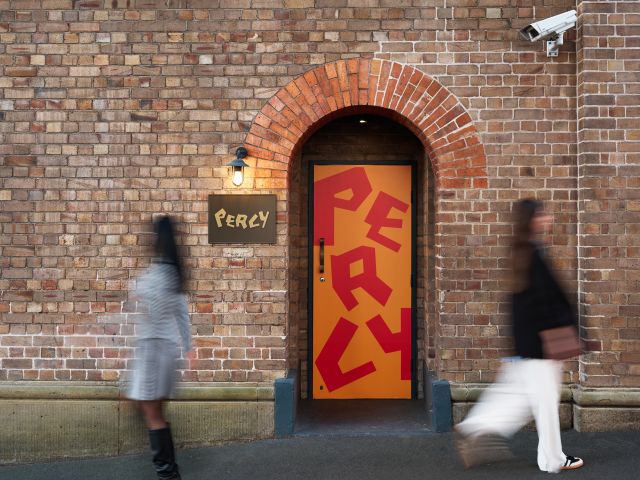
Come evening, I put my detective hat aside in favour of something a little more elegant before heading to the hotel’s onsite restaurant. Walking into the ground-floor dining space, I can’t help but smile when I clock its name.
Hotel Woolstore 1888 in Sydney, NSW
Hotel Woolstore 1888’s onsite restaurant is named after Percy Ewert. (Credit: Steven Woodburn)

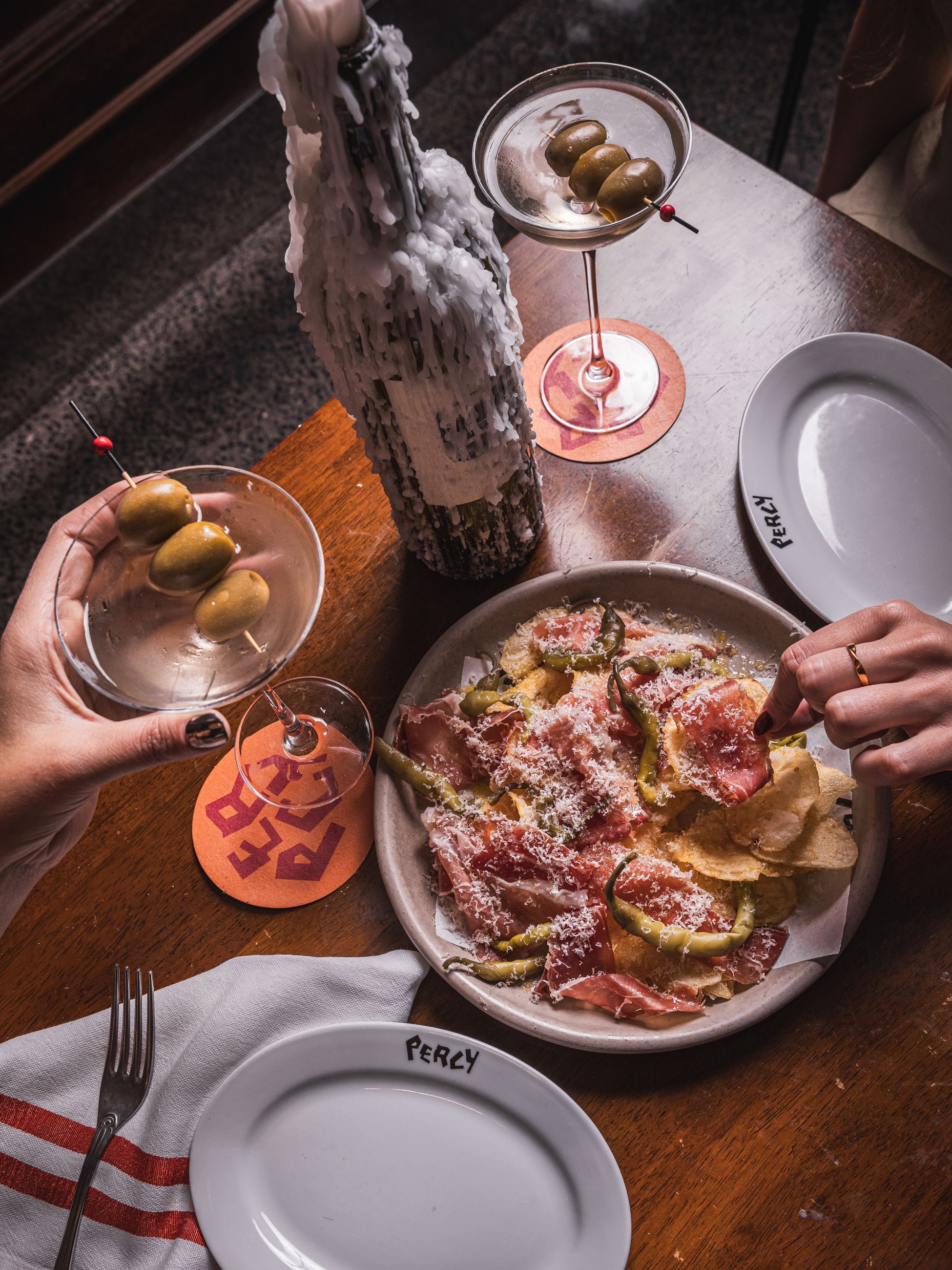
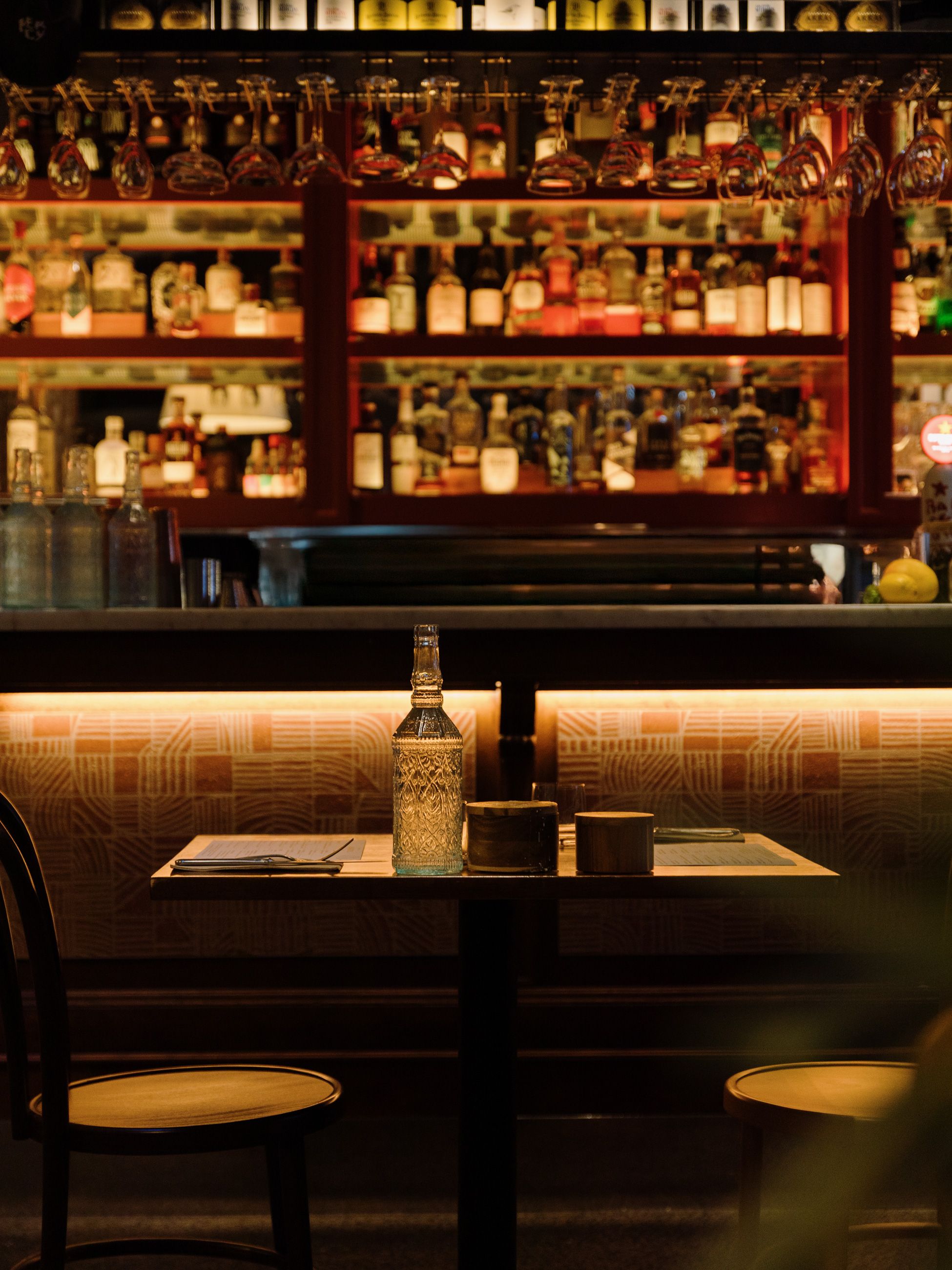
A trendy neighbourhood haunt serving Spanish-style tapas to both hotel guests and public walk-ins, PERCY is part restaurant, part wine bar. Its concept is inspired by the lively pintxos of Barcelona, evident everywhere from the menu to the decor.

Dimly lit by warm pendant lighting and candles dripping wax down wine bottles, the room is moody, the vibe effortlessly cool. Soft music with an upbeat tempo fills the air, punctuated by lively dinner chatter and the bartender slinging drinks nearby.

Executive chef Eli Lozada has curated a dynamic à la carte menu that captures the simplicity and joy of Spanish dining. I tuck into everything from a perfectly tender Riverina sirloin with just the right amount of char to butifarra blanca, a traditional pork sausage from Catalonia served alongside radicchio and prune puree.

Weekly travel news, experiences
insider tips, offers, and more.
Hotel Woolstore 1888 in Sydney, NSW
Dim lighting, exposed textures and tasteful furnishings set the mood at PERCY.
Hotel Woolstore 1888 in Sydney, NSW
Dine on Spanish-style tapas paired with premium wine and cocktails. (Credit: Trent van der Jagt)

It doesn’t take me long to dive into dessert, a crème Catalana with caramelised white chocolate that goes down almost too well. Feeling full and content, I sit back and allow my food to settle, silently vowing to come back to sample PERCY’s lunch menu.

Much like the rest of Hotel Woolstore 1888, I spot remnants of its past peeking through the modern veneer. Original timber beams, exposed sandstone walls, furnishings made from recycled wood. Old and new so fluidly intertwined that past and present feel equally at home.

Hotel Woolstore 1888 in Sydney, NSW
Hints of history can still be glimpsed through the hotel’s modern veneer. (Credit: Steven Woodburn)

I take a contented sip of my wine, a Valencian monastrell chosen from the extensive wine list. When my mind wanders to Percy, I’m struck by the curious sense of kinship I feel with a man who lived more than 100 years before me.

Separated by over a century but driven by the same mischievous impulse, we both left our mark on a place that would long outlive us. Perhaps that’s what Hotel Woolstore 1888 does so well: it preserves the stories of those who came before, while making room for those yet to come.

Is Hotel Woolstore 1888 accessible for guests with disabilities?

Hotel Woolstore 1888 features a stairless street-level entrance, with spacious lifts that service all floors. There are five accessible Romney rooms, each with step-free access, a king-sized bed and accessible bathrooms with a walk-in rain shower and grab rails. Modified features cater to guests with mobility needs, including accessible toilets, widened doorways and lowered vanity heights.

Is Hotel Woolstore 1888 family-friendly?

Families are welcome at Hotel Woolstore 1888, although the property is naturally more suited to adults. Most rooms accommodate two guests, while select rooms offer additional sleeping space on couches. The hotel is also pet-friendly; its Romney room is specifically designed to host you and your pooch, complete with a few special treats.

Details

Best for: History buffs seeking a sophisticated city stay

Address: 139 Murray St, Pyrmont NSW 2009

Phone: 02 8586 1888

Cost: Standard room rates start between $269–$339, while suite rates start between $430–$625. Sign up for an ALL Accor membership for discounted prices.

Want to see more stories from Australian Traveller in your Google search results?

  1. Click here to set Australian Traveller as a preferred source.
  2. Tick the box next to "Australian Traveller". That's it.
Taylah Darnell
Taylah Darnell is Australian Traveller's Writer & Producer. She has been passionate about writing since she learnt to read, spending many hours either lost in the pages of books or attempting to write her own. This life-long love of words inspired her to study a Bachelor of Communication majoring in Creative Writing at the University of Technology Sydney, where she completed two editorial internships. She began her full-time career in publishing at Ocean Media before scoring her dream job with Australian Traveller. Now as Writer & Producer, Taylah passionately works across both digital platforms and print titles. When she's not wielding a red pen over magazine proofs, you can find Taylah among the aisles of a second-hand bookshop, following a good nature trail or cheering on her EPL team at 3am. While she's keen to check out places like Scotland and North America, her favourite place to explore will always be her homeland.
View profile and articles
hero media

8 reasons Moree should be on your next road trip itinerary

    Lucy Cousins Lucy Cousins
    Discover what makes this country town the perfect place to slow down, switch off and recharge.

    At first glance, the country town of Moree may look like just another charming highway town, with heritage buildings, a leafy town centre and classic pubs the locals love. However, this regional New South Wales town is Australia’s Artesian Spa Capital, a wellness hub with a rich Indigenous cultural history and a growing reputation as a destination for slow travel.

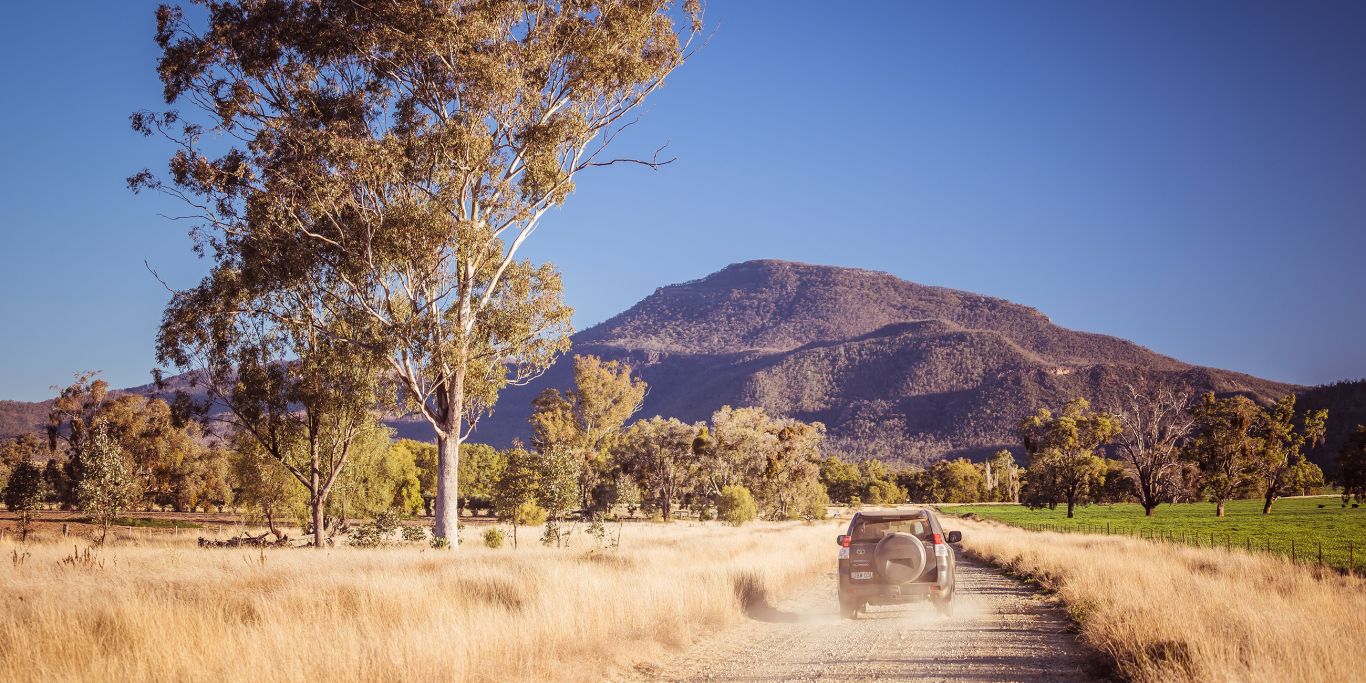
    Moree is ideally located at the crossroads of the Gwydir and Newell highways (and is also easily reached by train and air), making it a refreshing destination, or stop, on any road trip. And these eight experiences show why.

    1. Taste Moree on a Plate

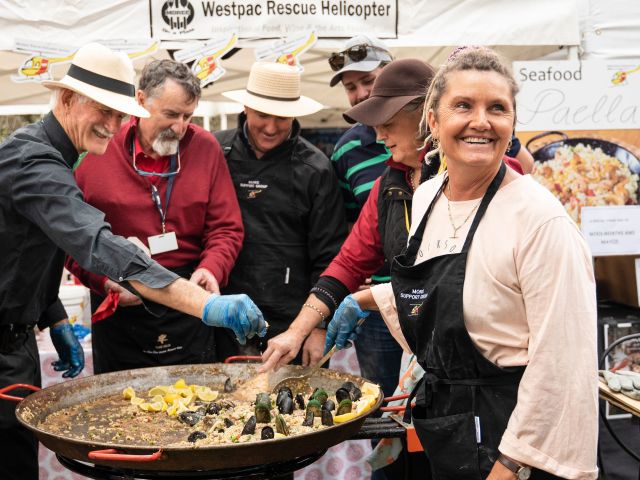
    Westpac Helicopter Rescue Service team with their Seafood Paella at the 2019 Moree on a Plate Festival
    Taste the best of regional produce and culinary talent. (Credit: Destination NSW)

    Time your trip for Mother’s Day weekend in May, and you’ll find yourself in the middle of the popular annual food and wine festival, Moree on a Plate, celebrating regional produce and culinary talent from the region’s fertile plains.

    Browse the stalls and sample olives, pecans, citrus fruits, honey, boutique wines and handmade condiments. You can also enjoy live cooking demonstrations by celebrity chefs, a local barbecue competition, plein-air art, live music and a dedicated children’s activity area.

    2. Experience artesian waters

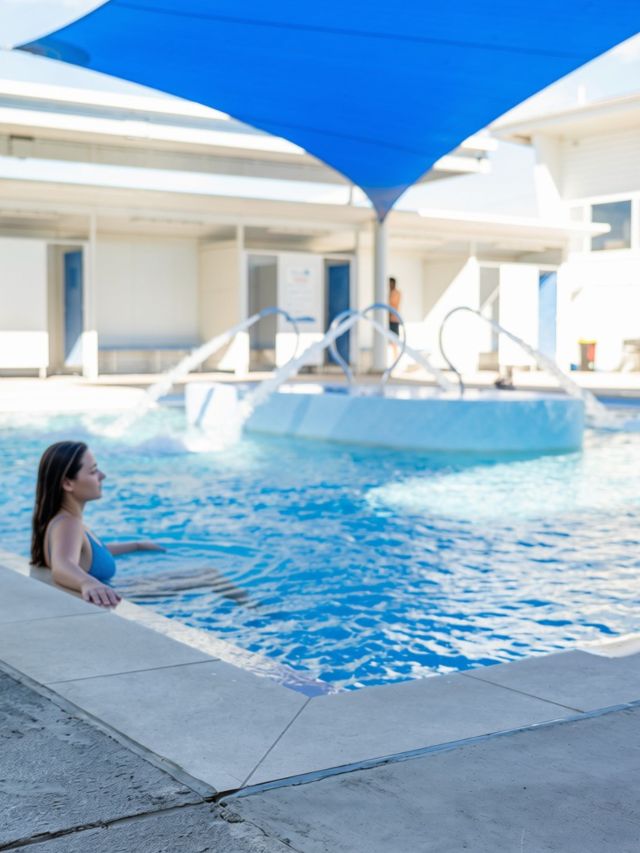
    woman at the Moree Artesian Aquatic Centre
    Chill out in Moree’s famous artesian waters.

    Moree’s famous artesian waters have attracted visitors for over 130 years. First discovered by accident in 1895, this mineral-rich, naturally heated water is drawn from deep within the Great Artesian Basin. Soak and slow down in the recently renovated pools at the Moree Artesian Aquatic Centre, where you can choose between the active pool with massaging water jets or the passive pool for a more relaxing experience.

    For a longer soak, stay at one of the many motels within walking distance of the aquatic centre. Or book a stay with its own artesian pools.

    Gwydir Thermal Pools Motel & Caravan Park has five on-site thermal pools and a broad range of accommodation, while the Phoenix Resort offers both indoor spas and outdoor thermal pools as well as recently upgraded self-contained apartments and motel rooms. Meanwhile, the Artesian Spa Motel is set on five acres of landscaped gardens and features swimming and thermal pools, including an indoor artesian spa and an on-site restaurant.

    3. Enjoy an arty experience

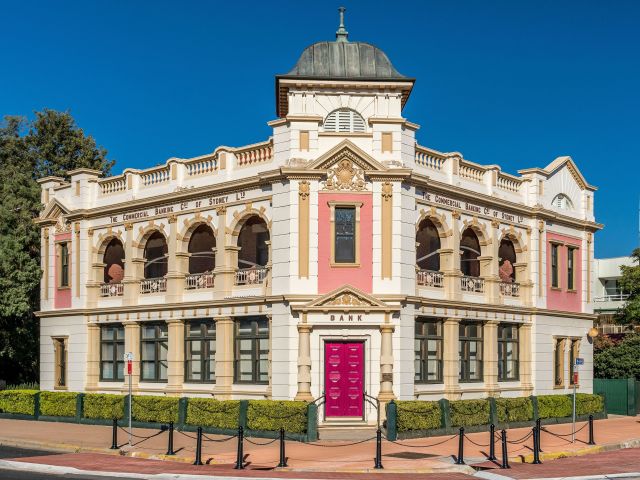
    Bank Art Museum Moree
    Step inside the gorgeous Bank Art Museum Moree. (Credit: Destination NSW)

    To connect with Moree’s artistic side, head to Bank Art Museum Moree (BAMM), an independent contemporary art gallery housed in a beautifully preserved, Federation-era bank dating back to 1910. Inside, a nationally significant collection celebrates the art and culture of the Gamilaroi/Kamilaroi people and other First Nations artists alongside regional Australian art, while changing exhibitions offer something new.

    Follow the Moree Art Mural Trail through the CBD, and you’ll pass large-scale murals and small galleries reflecting stories of the town’s people, history and culture. While you’re exploring this open-air gallery, look out for the eclectic mix of Art Deco and early 20th-century architecture, including the Moree Courthouse and the striking Capitol Theatre facade.

    4. Discover cotton country

    Aerial overlooking cotton farming in progress on the Newport Cotton Farm, Moree
    Learn more about Moree’s cotton industry. (Credit: Destination NSW)

    Surrounded by the black-soil plains of the Gwydir Valley, Moree is at the centre of one of Australia’s major cotton-growing areas. Visit between March and May, and you’ll see fields covered in the distinctive fluffy white cotton bolls being harvested by huge machinery.

    Trace the cotton from paddock to fabric on the Cotton Farm and Gin tour, running from April to September. You’ll visit a cotton farm and a working cotton gin up close, where you’ll see the cotton fibres separated from the seeds. Tours run weekly and include transfers.

    5. Explore the Moree Plains

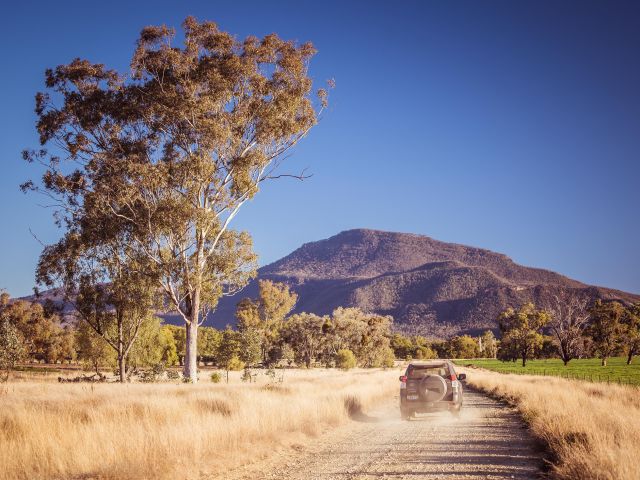
    care driving around moree
    Head out of town to explore the plains.

    Outside of the city centre, Moree is surrounded by charming rural villages dotted around the plains. The quiet village of Boomi, around 90 kilometres north-west of Moree, offers historic early 20th-century architecture, its own artesian thermal waters at the Boomi Artesian Baths and vast outback skies.

    Further west, the pioneer border town of Mungindi straddles the Barwon River between New South Wales and Queensland. Follow the 2.5-kilometre sculpture trail to take in the outdoor public art, and you’ll cross the state border twice.

    6. Relax by the water

    bird at Gwydir Wetlands in moree
    Spot the locals at Gwydir Wetlands.

    Just a short drive away, the peaceful Tareelaroi Weir Recreation Area makes the most of the meandering Gwydir River. Set up camp along the riverside and enjoy picnicking, fishing and swimming.

    A little further afield, the Gwydir Wetlands are home to 75 recorded waterbird species, including brolgas, magpie geese, egrets, spoonbills, ibis and black-necked storks, also known as jabirus. Watchers can settle into the hide at Waterbird Lagoon, or follow a short walking trail through the wetlands, keeping an eye out for rare species.

    7. Immerse in local Indigenous culture

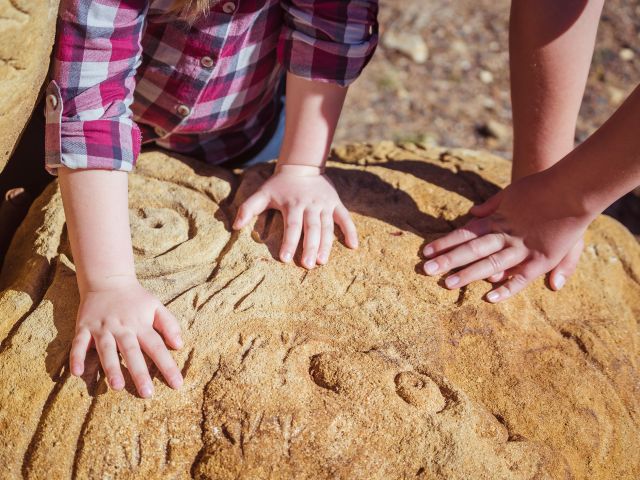
    Terry Hie Hie Aboriginal Area
    Learn about the history of the Gamilaroi People.

    Moree lies on the traditional lands of the Gamilaroi People, whose connection to the land stretches back thousands of years. Today, visitors can learn about this history at Terry Hie Hie Aboriginal Area, which includes the 3.5 kilometre Yana-y Warruwi Walking Track.

    Back in town, the Open Space Aboriginal Art Trail allows you to enjoy the Mehi River with a free, self-guided public art trail of work from local Indigenous artists and their personal connection to Country. Finish with a visit to the remarkable Dhiiyaan Aboriginal Centre, where more than 110,000 family genealogies are recorded. Browse artefacts, art and over 15,000 photographs. There are also changing exhibitions of historical photographs and local art.

    8. Local cafe culture

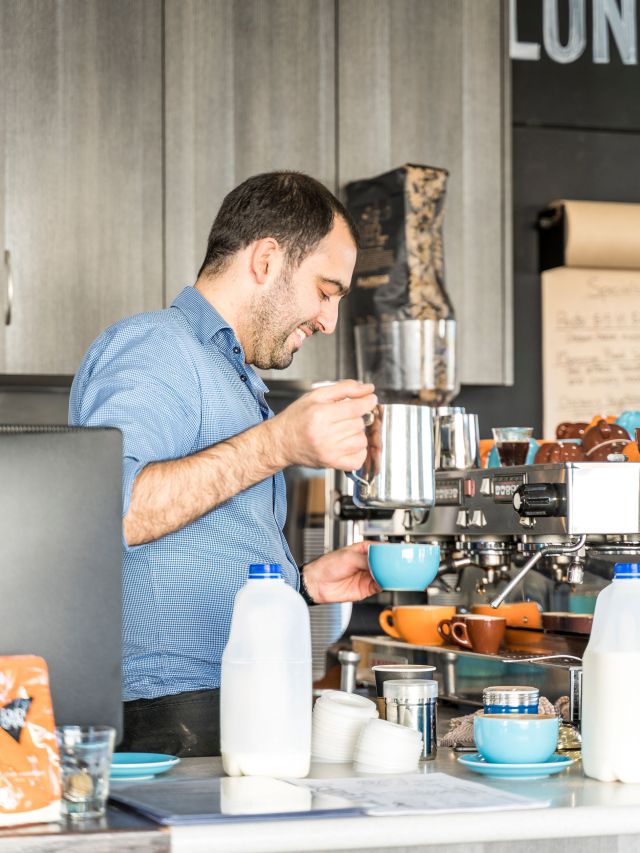
    Barista making a coffee order at 61 Balo Cafe, Moree
    Get amongst’s Moree’s vibrant cafe scene. (Credit: Destination NSW)

    From relaxed country cafes to stylish modern eateries, Moree’s CBD has a surprisingly vibrant foodie scene. There are plenty of spots to choose from for a freshly brewed coffee, long lunch or tasty dinner, featuring menus showcasing local produce and loads of country charm.

    If you’d rather dine in the great outdoors, grab a takeaway coffee or a picnic and head to leafy Jellicoe Park, a riverside oasis just a short walk from the centre of town. Pick a spot under the trees, enjoy the park’s art installations and keep watch for waterbirds along the river.

    Start planning your Moree retreat at visitmoreeplains.com.au.