12 Great Barrier Reef facts to help you plan a bucket list adventure

hero media
Soak up every extraordinary inch of the world’s largest coral reef system with our round-up of the most fascinating Great Barrier Reef facts.

Sure, you can join a whistlestop tour or marvel at it from parts of Queensland’s mainland, but nothing immerses you in the enchantment of the Great Barrier Reef like scratching beyond the surface. The world’s largest living entity, recently nominated for the United Nations Environment Programme’s Lifetime Achievement Award (typically reserved for humans), is a profoundly complex and captivating natural wonder stretching across more than 348,000 square kilometres.

Filled with thousands of individual reefs and more than 900 islands, it’s a bucket list destination that must be experienced (several times over) to grasp its magnitude. From the environmental factors that threaten its existence to the string of world-class snorkelling and diving spots it boasts, reading up on essential Great Barrier Reef facts will only enhance your visit. Here, we round up the basics. 

1. It’s estimated to be roughly 500,000 years old
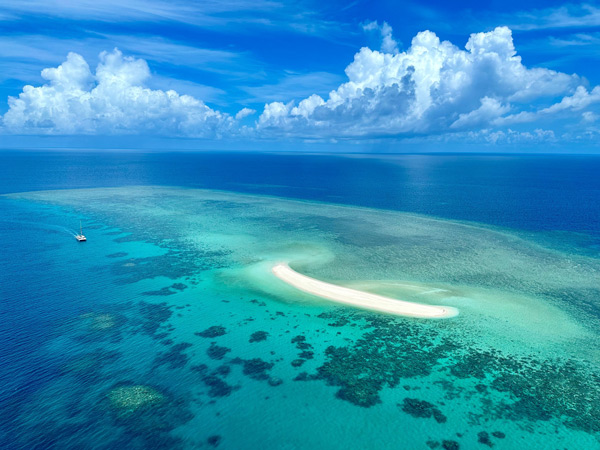
the white sand Low Isles coral cay from above
Larger coral reefs surround the white sand Low Isles coral cay. (Image: Tourism and Events Queensland)

According to multiple scientific reports, including one from the Great Barrier Reef Foundation , which was solely established to preserve and protect it, early sightings date back to more than 500,000 years ago — and potentially as far back as 600,000 years.

In terms of how it looks today, a major growth spurt occurred anywhere between 4,000 and 9,000 years ago, pushing new coral colonies to spread across the region. No matter how you carve it, the Great Barrier Reef is an ancient wonder.

2. You can see the Great Barrier Reef from space
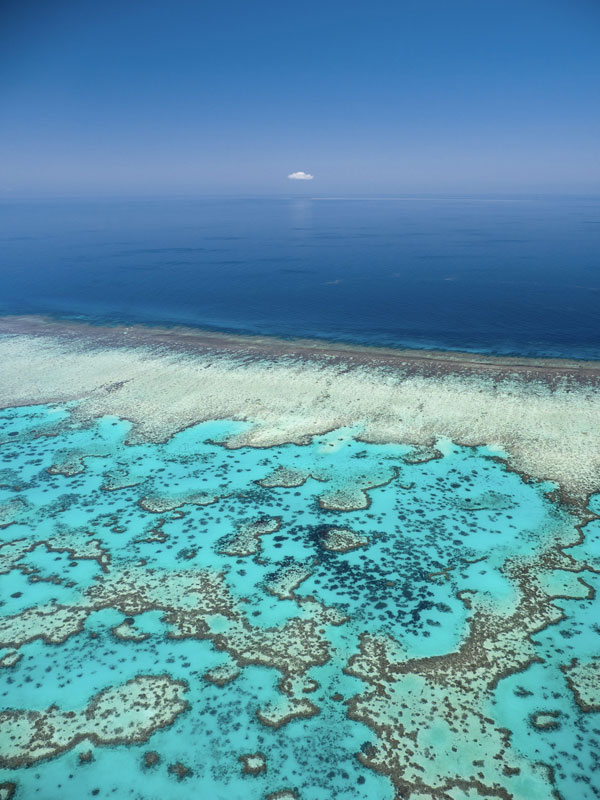
an aerial view of Heron Island, Great Barrier Reef
The 2300-kilometre-long Great Barrier Reef is visible from space. (Image: Tourism Australia)

The largest living structure on our planet, the Great Barrier Reef can be spied from as high up as space. It’s bigger than two Aussie states combined and larger than the entirety of Italy. Sweeping the Coral Sea from Bundaberg to Cape York, its expanse also sinks to extreme levels, notching up an average depth of 35 metres.

3. The best time to visit is during the dry season
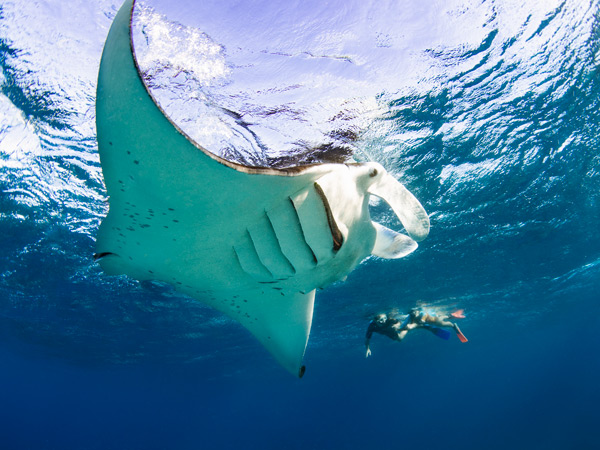
a huge manta ray swimming with divers, Great Barrier Reef
Chance upon a majestic manta ray on Lady Elliot Island. (Image: Tourism and Events Queensland)

While there’s never a terrible time to visit the Great Barrier Reef, you’ll likely experience less rain if you go during its dry season. Running from May to October, you’ll run into more clear skies above and fewer postponed boat excursions down low.

On the other hand, while November to May boosts a high chance of rain, water clarity is next level during these months. Epic manta ray and sea turtle selfies or guaranteed sunny backdrops? The choice is yours.

4. It’s a UNESCO World Heritage Site
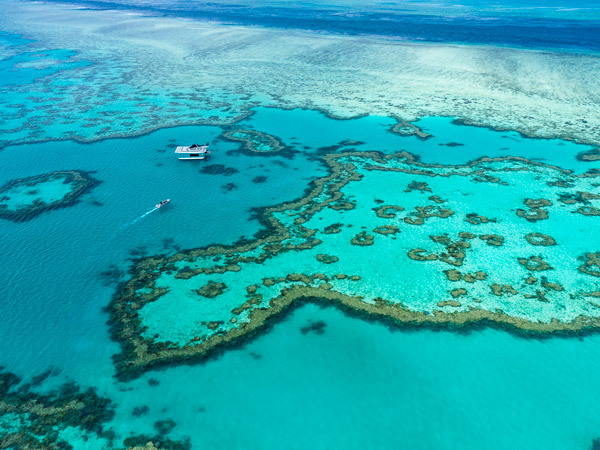
an aerial view of the reefs surrounding Hamilton Island, Great Barrier Reef
Hamilton Island is a gateway to the magnificent reef. (Image: Tourism and Events Queensland)

In 1981, the Great Barrier Reef was officially crowned a UNESCO World Heritage Site, added to the World Heritage List for its ‘Outstanding Universal Value’. So what? Well, it’s significant as it propels support for the reef’s preservation and reiterates its cultural value. Other global sites include the Pyramids of Egypt, the Grand Canyon in the USA and the Galápagos Islands in Ecuador — so we’re hanging with pretty solid company.

5. It is globally renowned for its biodiversity
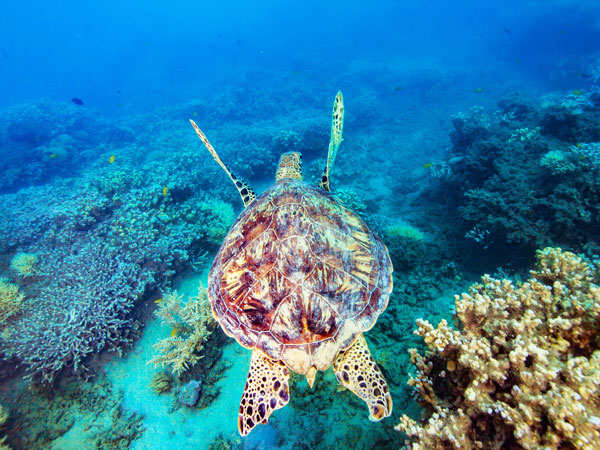
a sea turtle swimming beneath Frankland Islands, Great Barrier Reef
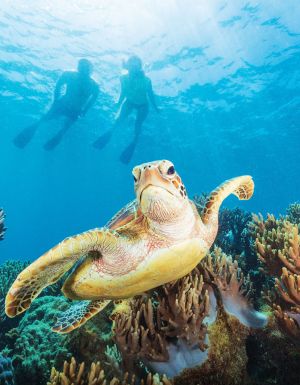
The Reef is home to six out of the world’s seven sea turtle species. (Image: Tourism Australia)

A staggeringly complex collection of more than 300 coral reefs, the Great Barrier Reef is home to more than 400 coral species, 1,500 fish species, six of the world’s seven marine turtle species, 2,000 square kilometres of mangroves and so much more. It supports much of the marine life Australia is renowned for, including dugongs. The reef is home to major dugong feeding grounds, creating one of the world’s largest dugong populations.

While we’re throwing out impressive numbers, add 30 species of whales and dolphins, more than 240 bird species and thousands of plant species to its roll call before you even consider counting each coral cay’s unique flora and fauna.

6. It’s threatened by a string of natural factors
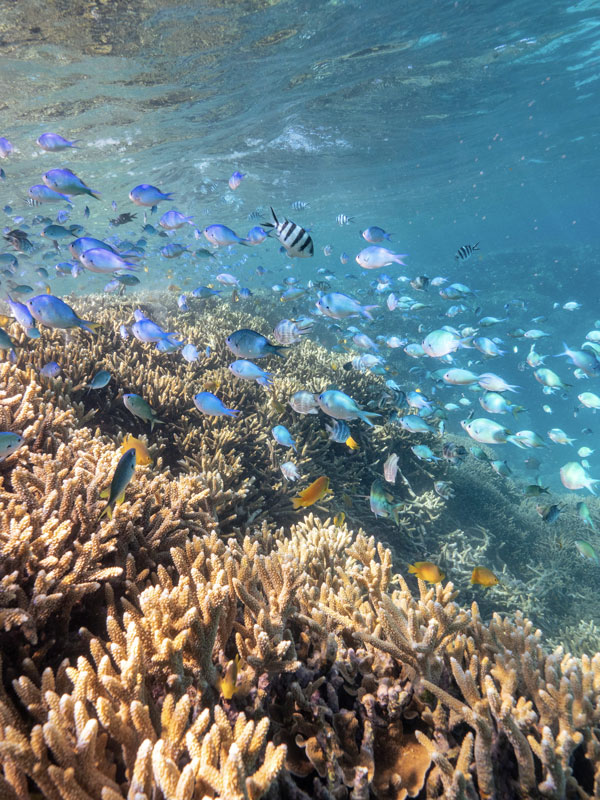
fishes swimming around vibrant coral reefs, Lady Musgrave Island
Coral bleaching continues to threaten the Reef’s marine species. (Image: Tourism Australia)

Sadly, natural elements serve as the biggest threat to the Great Barrier Reef. Rising sea temperatures affect coral livelihood and often lead to coral bleaching, where coral struggles to recover. Additionally, marine species are forced to search for cooler waters, meaning there’s impossible competition for food and shelter.

Declining water quality from land-based run-off is also bringing pesticides and other pollutants into the sea.

7. It’s also threatened by human interference
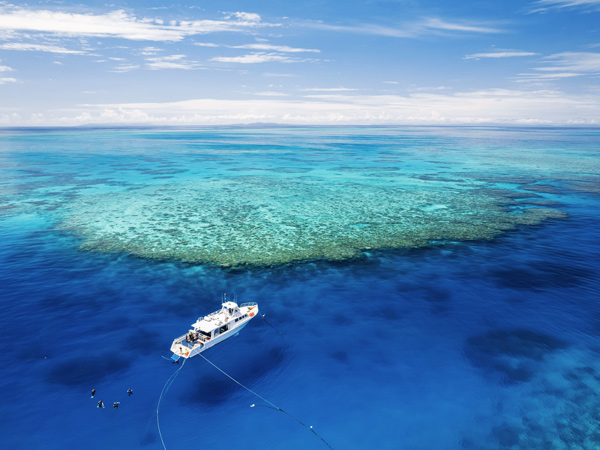
a boat conducting a Great Barrier Reef tour
Sustainable tours allow you to explore the reef responsibly. (Image: Tourism Australia)

Responsible commercial fishing practices are crucial in keeping the Great Barrier Reef safe. These practices, which include limiting fishing licences and restricting vessel capacity and sizes, work to prevent overfishing and the fishing of endangered species.

Additionally, pollution, plastic particularly, is also a key driver when it comes to the reef’s decline. Plastic effortlessly smothers seagrass beds and corals, blocking the sun from nourishing it and encouraging the growth of invasive dangers like the crown-of-thorns starfish.

8. It’s home to some of Australia’s most pristine islands
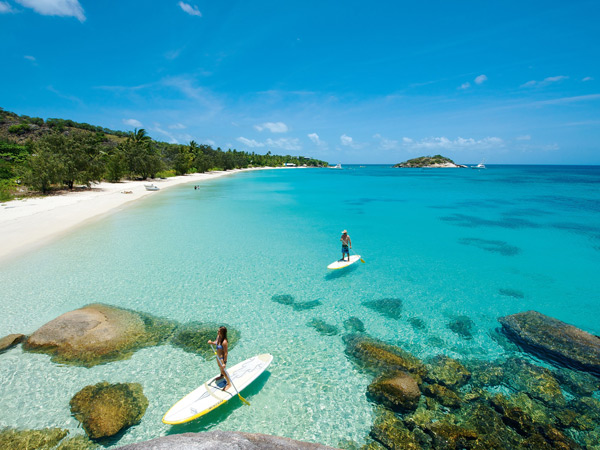
stand-up paddle boarding on Lizard Island
Go stand-up paddleboarding on the serene waters. (Image: Lizard Island)

Home to almost 1,000 islands in total, the Great Barrier Reef is where you’ll find the likes of Hamilton Island, Lizard Island, Lady Elliot Island and other highly coveted holiday hot spots. No matter where you point your compass, powdery white sand, rippling turquoise waters and outstanding snorkelling and diving hot spots abound.

9. You can spend a night under its waters
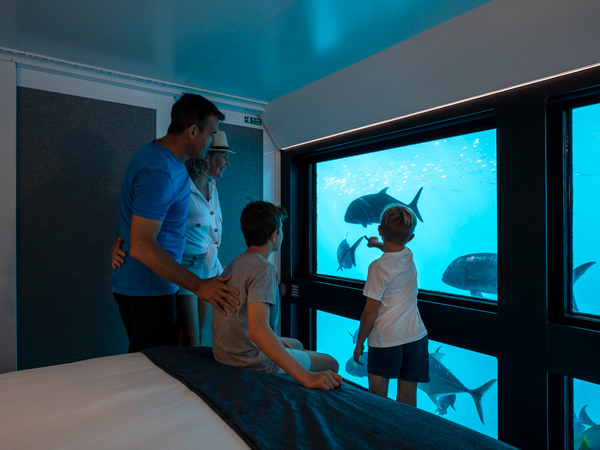
a family staying with the fishes at Reefsuites, Great Barrier Reef facts
Sleep with the fishes in Australia’s first underwater hotel. (Image: Tourism and Events Queensland)

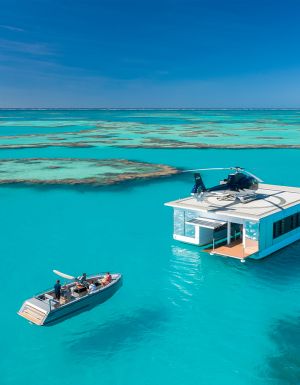
Embrace responsible tourism throughout the Great Barrier Reef via environmentally friendly accommodation picks. Arguably the most unique is Australia’s first underwater hotel, Reefsuites . Guests are invited to lie in bed and watch as incredible marine life flutters beyond floor-to-ceiling windows. Two room styles are available — either a king double or twin single variety — and all meals are included in every stay.

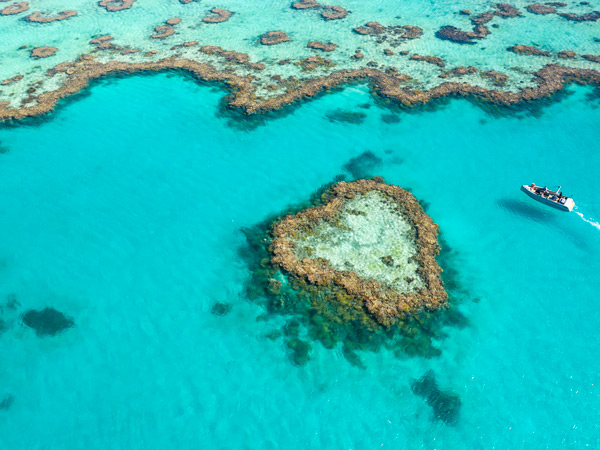
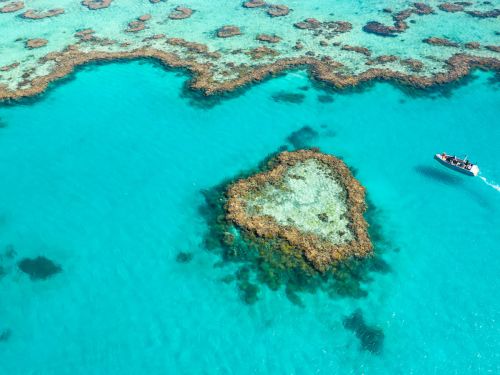
an aerial view of Heart Reef, Great Barrier Reef facts
Glimpse the heart-shaped reef from above. (Image: Tourism and Events Queensland)

One of the best day trips departing off Hamilton Island, Heart Reef is a tiny cluster of coral that has created the shape of a heart, especially when viewed from above. Simple to snap while exploring the Great Barrier Reef through one of its best aerial-based tours (more on touring the Great Barrier Reef below), the highly Instagrammable attraction is located within Hardy Reef, less than 10 kilometres from the Reefworld pontoon, which houses the glorious Reefsuites.

11. Cairns and Port Douglas offer easy day trip access
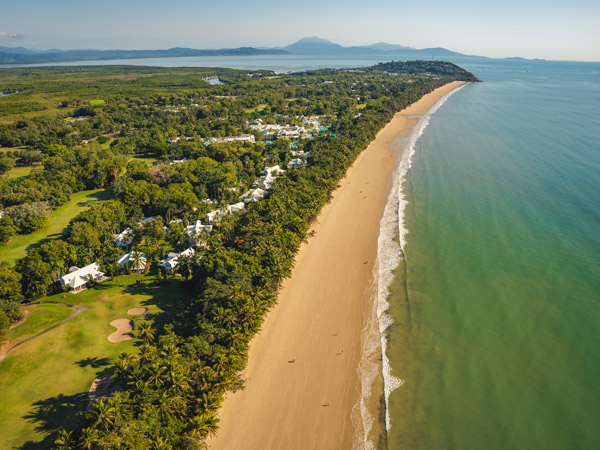
Four Mile Beach, Port Douglas from above
The mountains meet the sea on Four Mile Beach. (Image: Tourism and Events Queensland)

Serving as the main ports for Great Barrier Reef day tripping, Cairns and Port Douglas are magnets for active holiday makers. The most responsible way to comb through the highlights is via one of the reef’s most environmentally conscious tours, blending first-hand insight (often from marine biologists) with expert navigation throughout the region’s ultra-vibrant sights.

12. Visitors can help cement a sustainable future
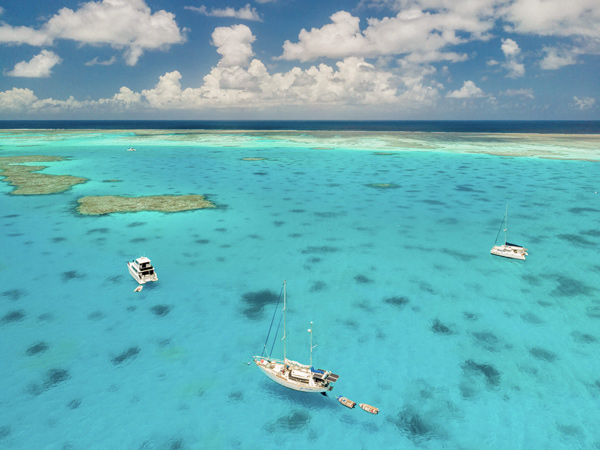
Great Barrier Reef boat tours on the turquoise, clear waters of Lady Musgrave Island
Sign up for environmentally conscious Great Barrier Reef tours. (Image: Tourism Australia)

There’s plenty more work to be done in ensuring the Great Barrier Reef remains as spectacular as it stands today. Play your part by choosing eco-conscious tours, which also support sustainable tourism, steering clear of physically touching coral, opting for mineral sunscreen rather than chemical-based varieties and removing litter where you can. They’re simple gestures but don’t underestimate their impact — our most beautiful natural creation requires more than a sliver of our attention.

Discover the best Great Barrier Reef accommodation near the Great Barrier Reef

Kristie Lau-Adams
Kristie Lau-Adams is a Gold Coast-based freelance writer after working as a journalist and editorial director for almost 20 years across Australia's best-known media brands including The Sun-Herald, WHO and Woman's Day. She has spent significant time exploring the world with highlights including trekking Japan’s life-changing Kumano Kodo Pilgrimage and ziplining 140 metres above the vines of Mexico’s Puerto Villarta. She loves exploring her own backyard (quite literally, with her two young children who love bugs), but can also be found stalking remote corners globally for outstanding chilli margaritas and soul-stirring cultural experiences.
See all articles
hero media

What it’s really like to stay on the world’s largest sand island

Exploring the world’s largest sand island starts with the perfect K’gari homebase.

The morning light is still soft, but it’s already a perfect sunny day. We left our K’gari homebase at Kingfisher Bay Resort  with our guide, Peter Meyer, at 9 am to make the most of our time to explore all that the world’s largest sand island holds. The size of K’gari is hard to grasp until you arrive here. This is no sandbar. Stretching 120 kilometres, unique lakes, mangrove systems, rainforest, 75 Miles of beach, historic shipwrecks, small townships and even one of Queensland’s best bakeries are all hidden within its bounds.

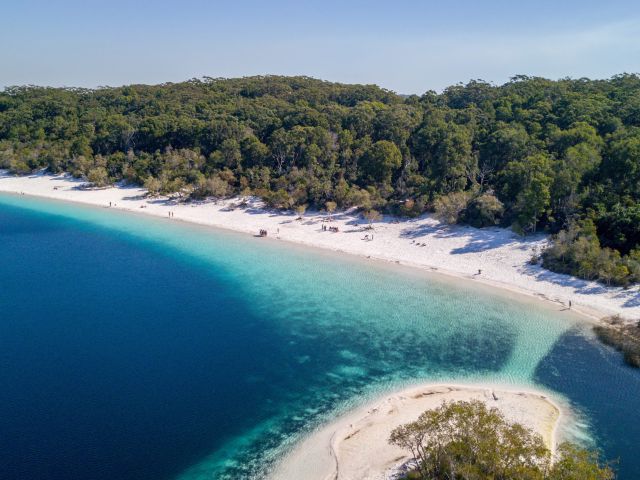
But first, one of the island’s most iconic sights: the pure silica sand and crystal clear waters of Lake McKenzie.

Laying eyes on it for the first time, I’m finally able to confirm that the photos don’t lie. The sand is pure white, without the merest hint of yellow. The water fades from a light halo of aqua around the edges to a deeper, royal blue, the deeper it gets (not that it’s particularly deep, six metres at most). The surface remains surprisingly undisturbed, like a mirror.

Arriving with our guide before 10 am means that no one else is around when we get here. Which means we have the pleasure of breaking the smooth surface with our own ripples as we enter. As a self-confessed wimp with chilly water temperatures, my fears are quickly assuaged. Even in the morning, the water stays around 23 degrees – perfect for lazing about all day. But we have more sights to see.

Exploring K’gari

ariel of in lake mckenzie on k'gari fraser island
Relax in the warm waters of Lake McKenzie. (Image: Ayeisha Sheldon)

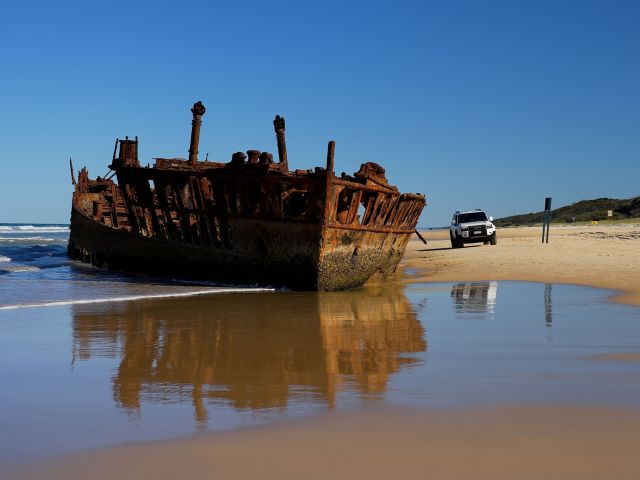
This was the Personalised 4WD tour offered by Kingfisher Bay Resort, and my absolute top pick of experiences. Over the course of the day, we had the freedom to create our own bespoke itinerary (plus a provided picnic lunch along the way), with an expert guide who had plenty of stories and local expertise to give context to what we were looking at. From the history of the SS Maheno shipwreck, which survived the First World War only to be washed ashore by a cyclone in 1935, to a detailed description of how an island made of sand could sustain such diverse flora.

If it’s your first time to K’gari, the Beauty Spots Tour is another great option. Departing daily from Kingfisher Bay Resort (you’ll start to notice a trend, as many of the tours do start and end here), an air-conditioned, 4WD bus takes guests to the island’s most iconic locations, including the best places to swim, like Lake McKenzie and Eli Creek. The latter offers a gentle current, perfect for riding with a blow-up tyre out towards the ocean.

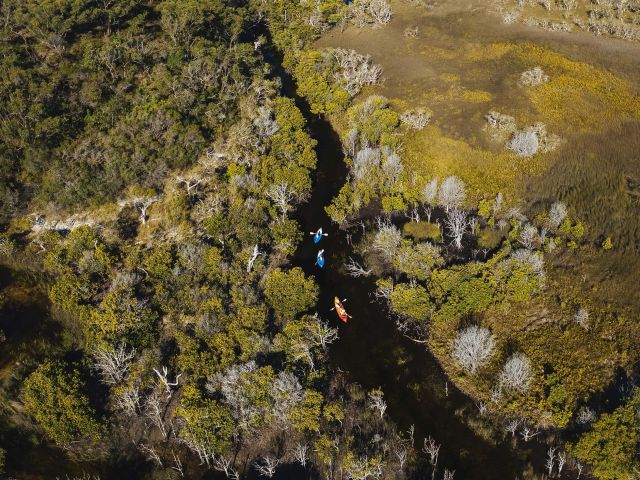
The next day, for a look at a completely different side of K’gari, I joined one of Kingfisher Bay Resort’s Immersive Ranger-guided tours to kayak through the mangroves of Dundonga Creek. This long, snake-like stretch of creek winds its way inland from the ocean outlet we entered by, at times too narrow for three kayaks to be side-by-side. Small insects buzz from leaf to leaf, while birds call overhead. Occasional bubbles indicate we’ve passed some fish that call this place home.

kayak tour through the mangroves at k'gari island
Learn about the island’s mangroves from your Ranger. (Image: Reuben Nutt/ TEQ)

If kayaking isn’t for you – or if, like me, you simply want more – other ranger-led experiences include nature walks and a dedicated Junior Eco Ranger Program for kids ages five to 12 (these run every weekend, and daily over the peak December holidays). Just ask for a timetable of upcoming tours when you check in.

While during whale season, Hervey Bay Whale Watch & Charters operates tours from the hotel’s jetty to get up close to the famous Humpback Highway of Hervey Bay, from 7 November to 31 May, attention turns to the Aqua Oasis Cruise . Departing from the resort every Tuesday, Thursday, Saturday and Sunday for resort guests, adventure along the island’s remote western coast, pointing out wildlife like dolphins, turtles, flying fish and eagles along the way.

The cruise drops anchor so guests can jump into the water using the boat’s equipment – from SUP boards to inflatable slides and jumping platforms. Then refuel with a provided lunch, of course.

Unwind at sunset

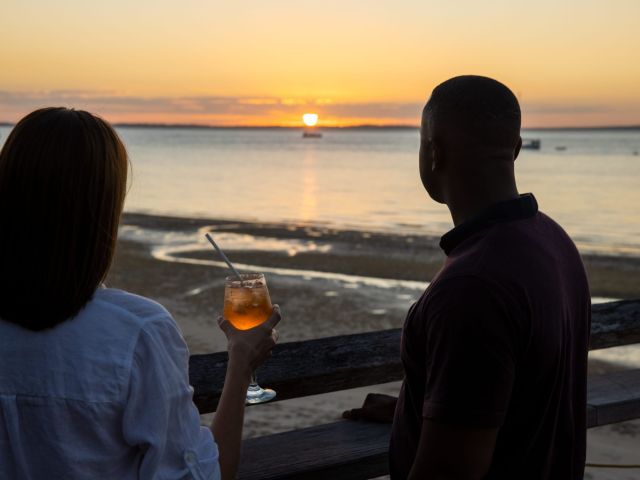
two people drinking cocktails at sunset bar, kingfisher bay resort
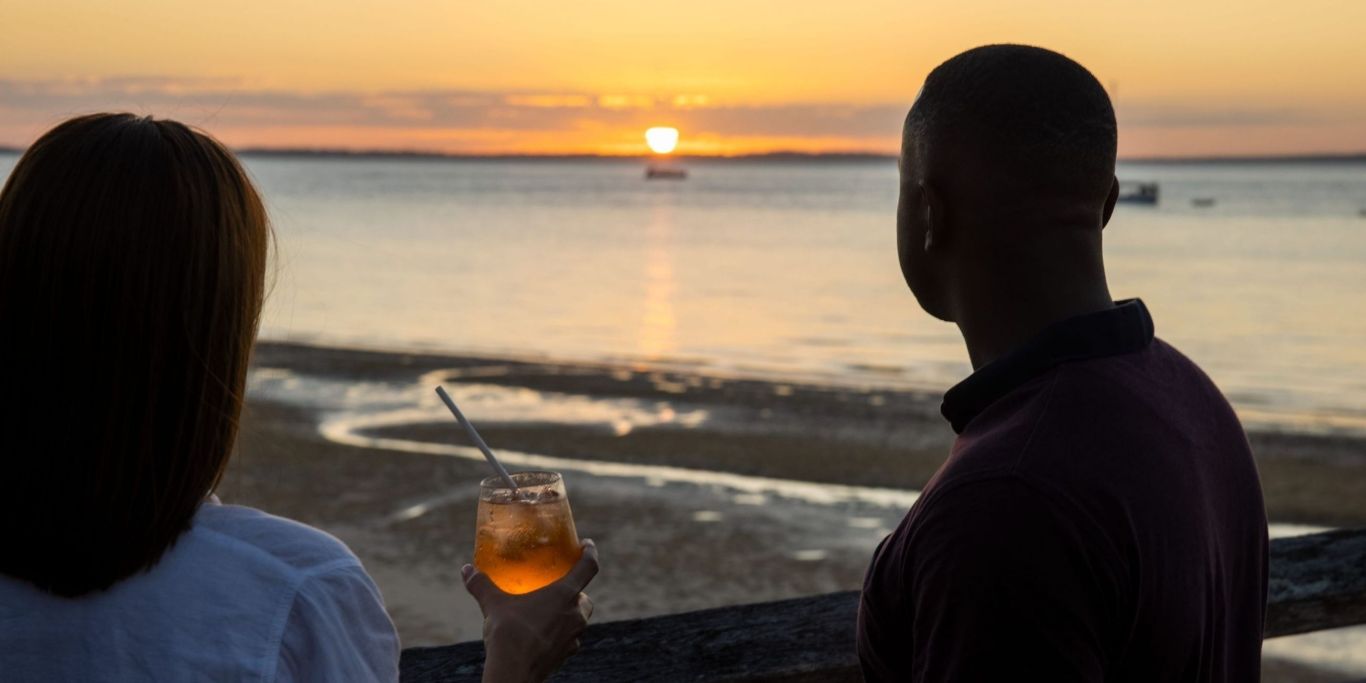
Unwind at the Sunset Bar. (Image: Sean Scott)

As much as days on K’gari can be filled with adventure, to me, the afternoons and evenings there are for unwinding. Sunsets on K’gari are absolutely unbelievable, with Kingfisher Bay on the west side being the best spot to catch the colours.

The Sunset Bar , located at the start of the resort’s jetty and overlooking the beach, is the ultimate location for sundowners. Let chill beats wash over you as you sip on cool wines, beers and cocktails in a relaxed, friendly vibe. Personally, a cheese board was also absolutely called for. As the sun sinks, the sand, sea and horizon turn a vibrant shade of orange, with the jetty casting a dramatic shadow across the water.

When the show is over, head back to the hotel for dinner at the Asian-fusion Dune restaurant, or the pub-style Sand + Wood. But if your appetite is still whetted for more lights and colours, the evening isn’t over yet.

Settle into the Illumina stage for Return to Sky, an immersive light and sound show leading viewers on a captivating journey through K’gari’s stories and landscapes.

Indulge and disconnect

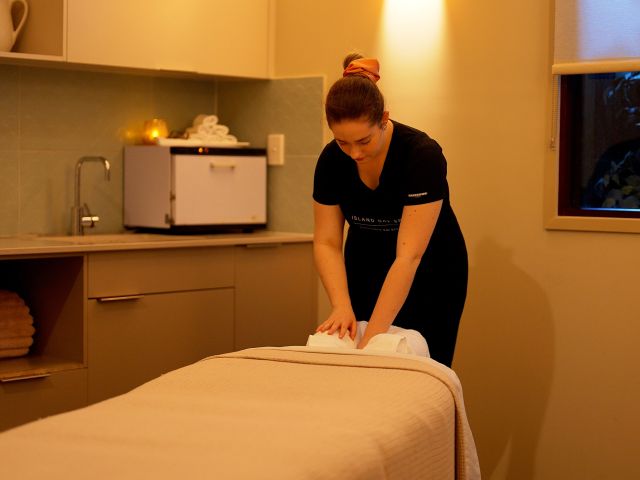
woman setting up massage room at kingfisher bay resort Island Day Spa
Find bliss at Island Day Spa. (Image: Jessica Miocevich)

Of course, there is a type of traveller who knows that balance is important, day or night. While Kingfisher Bay Resort offers more than one pool for guests to spend all day lounging by (they’ll even serve you food and drinks while you do it), you’ll find me at the Island Day Spa.

The masseuses could match the magic hands of any big city spa, and I felt the warm welcome as I walked into the light, breezy reception. Choose from a range of botanical facials, beauty treatments and soothing massages using traditional techniques (obviously, I couldn’t go past a relaxing massage). All products used contain organic, native botanical ingredients with nutrient-rich plant extracts to soothe skin and mind. To really indulge, try out one of the packages, couples treatment or even a pre-wedding day offering.

Getting there

kingfisher bay resort 4wd tour driving passed ss maheno on k'gari island
The world of K’gari awaits. (Image: Jessica Miocevich)

Getting to K’gari is shockingly easy. Find daily flights into Hervey Bay from Brisbane, Melbourne and Sydney. Kingfisher Bay Resort offers a shuttle bus between the airport, their headquarters in Hervey Bay and the ferry to take you to K’gari.