10 things you must experience while on Norfolk Island

hero media
There’s something special about Norfolk Island . This paradise has a unique appeal that draws visitors again and again. Here are 10 things on Norfolk Island you must experience.

1. Discover convict history

The convict settlement site located at Kingston is World Heritage listed and the oldest of Australia’s 11 convict sites. There are four museums depicting the four layers of the island’s history.

2. Hire a mini-moke

Have fun driving around the island taking in the beautiful scenery. Practise the Norfolk wave as you pass vehicles and give way to the roaming cows and chooks!

3. Get twitching

Norfolk Island is the home of five birds that are endemic to the island: the green parrot, the boobook owl, the grey gerygone, the Pacific robin and the slender-billed silver eye. You may spot one
of these birds whilst bushwalking in the parks and reserves.

4. Experience authentic paddock-to-plate

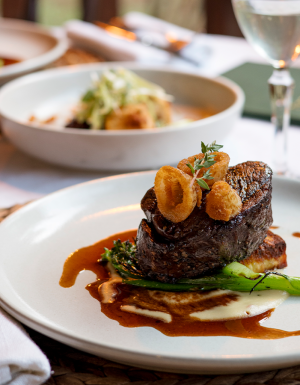
There’s no food miles here; rather food metres with most things grown on the island. Enjoy fresh in-season fruit and vegetables, indulge in local cheeses, wines, coffee and honey. Taste Norfolk Island Food Festival is held in November and incorporates Thanksgiving Day, a legacy left by American whalers during the 1960s.

5. Visit ‘Fletcher’s Mutiny Cyclorama’

The cyclorama is a 360-degree painting created by local artists Sue Draper and Tracey Yager depicting the Mutiny on the Bounty story and the descendants settling on Norfolk Island in 1856.

6. Take a lagoon dip

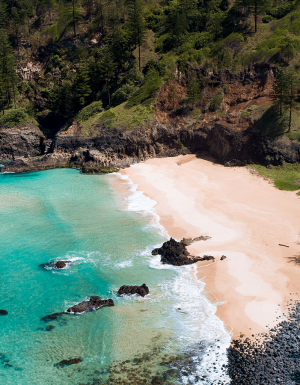
Emily Bay has a safe beach with surrounding reef, teeming with amazing fish life and corals. It’s perfect for snorkelling.

7. Play a round of golf

Near the seaside at Kingston, this will probably be the cheapest week of golf you’ll ever play. The golf club and pro shop are located in an historical convict building.

8. Capture the moment

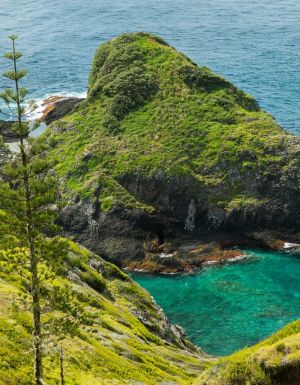
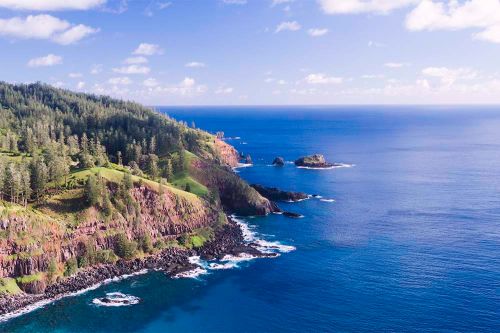
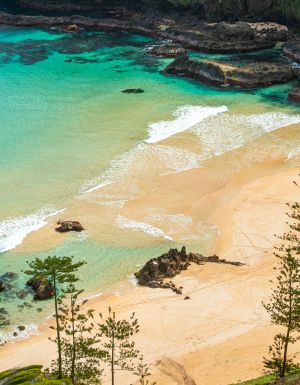
Norfolk Island is a photographer’s paradise, with a rugged coastline, the majestic Norfolk pinetrees and more than 30 per cent of the island being national parks and public reserves.

9. Watch the sun rise and set

Witness the best sunsets and sunrises at one of the cliff top vantage points.

10. Immerse yourself in culture

The Norfolk Islanders inherited from their Tahitian foremothers the art of island cooking and weaving. You can see demonstrations on an island culture tour. You might also hear the local language – “Watawieh" means hello.

How a $1 deal saved Bendigo’s historic tramways

The passionate community that saved Bendigo Tramways has kept the story of this city alive for generations.

It was an absolute steal: a fleet of 23 trams for just $1. But such a fortunate purchase didn’t happen easily. It was 1972 when the Bendigo Trust handed over a single buck for the city’s historic collection of battery, steam and electric trams, which had transported locals since 1890.

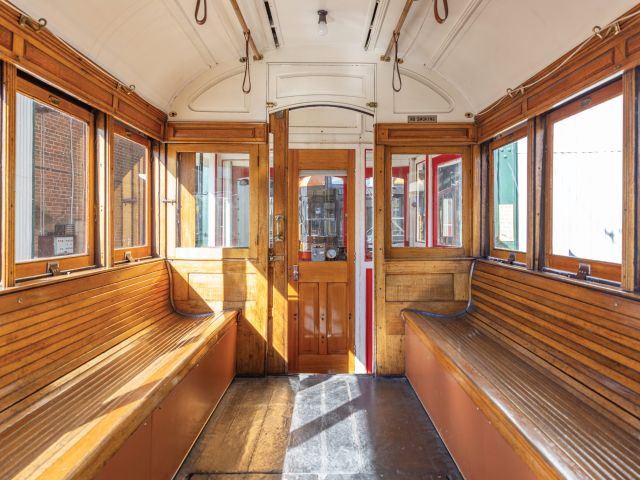
inside the historic Bendigo Tram
Bendigo Tramways is a historic transport line turned tourist service. (Image: Bendigo Heritage)

The city’s tram network had been declared defunct since 1970 due to post-war shortages in materials to upkeep the trams and declining passenger numbers as motor vehicles were increasing. However, determined locals would not hear of their beloved trams being sold off around the world.

The Bendigo Trust was enlisted to preserve this heritage, by converting the trams into a tourist service. The Victorian government approved a trial, however news spread that the Australian Electric Tramways Museum in Adelaide had acquired one of the streetcars for its collection.

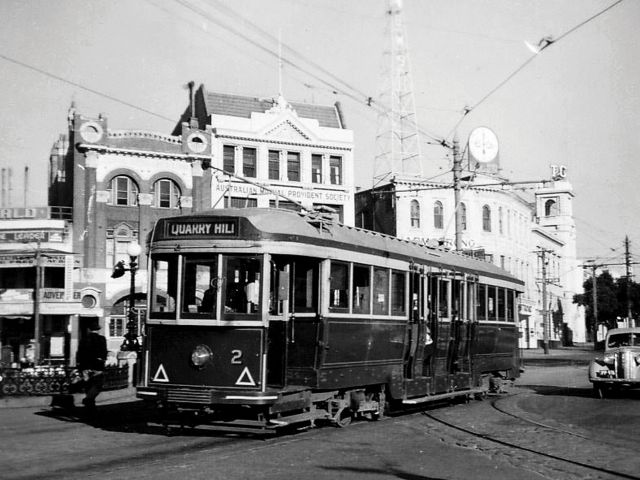
a tram heading to Quarry Hill in 1957
A tram on its way to Quarry Hill in 1957. (Image: Bendigo Heritage)

An impassioned group rallied together to make this physically impossible. Breaking into the tram sheds, they welded iron pipes to the rails, removed carbon brushes from the motors, and formed a blockade at the depot. The community response was extraordinary, and a $1 deal was sealed.

A new chapter for the city’s fleet

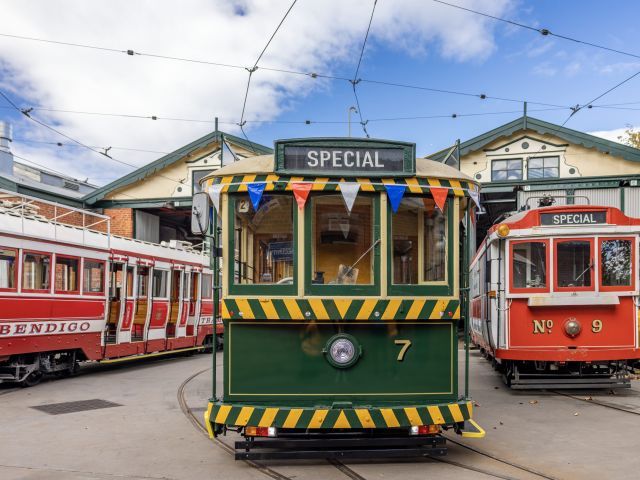
the old Tramways Depot and Workshop
The old Tramways Depot and Workshop is one of the stops on the hop-on, hop-off service. (Image: Tourism Australia)

Today, Bendigo Tramways welcomes some 40,000 passengers annually, operating as a hop-on, hop-off touring service aboard the restored trams. Fifteen of the now 45-strong fleet are dubbed ‘Talking Trams’ because of the taped commentary that is played along the route. The trams loop between Central Deborah Gold Mine and the Bendigo Joss House Temple, which has been a place of Chinese worship since 1871, via other sites including the old Tramways Depot and Workshop.

a Gold Mine Bendigo Tram
The fleet comprises 45 trams that have been restored. (Image: Visit Victoria/Robert Blackburn)

Keeping things interesting, throughout the year visitors can step aboard different themed trams. Tram No. 302 becomes the Yarn Bomb Tram, decorated both inside and out with colourful crochet by an anonymous group of locals.

During the festive season, Tram No. 15 operates as a tinsel-festooned Santa Tram, and the big man himself hides out somewhere along the route for excited children to find. And on selected dates, the adults-only Groove Tram runs nighttime tours of the city, accompanied by local musicians playing live tunes and a pop-up bar.

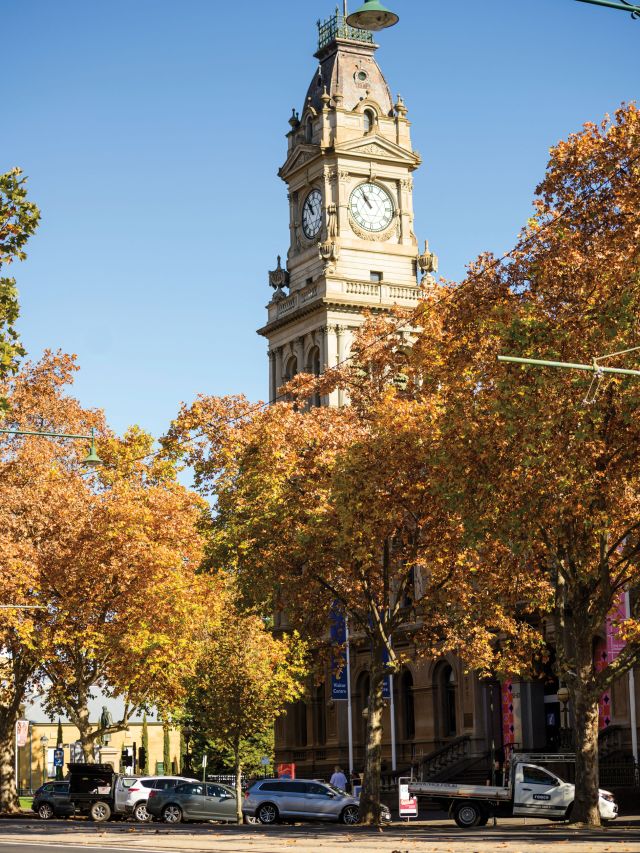
the historic post office turned visitor centre in Bendigo
Visitors can hop on and off to see the city’s sites such as the historic post office turned visitor centre. (Image: Tourism Australia)

As well as preserving the city’s history, however, the continuation of the tram service has kept the skills of tram building and craftsmanship alive in a practical sense. Bendigo’s Heritage Rail Workshop is world-renowned for restoring heritage trams and repurposing vehicles in creative ways.

Locally, for example, Tram No. 918 was transformed into the Dja Dja Wurrung Tram with original Aboriginal artworks by emerging artist Natasha Carter, with special commentary and music that shares the stories and traditions of Bendigo’s first people. You can’t put a price on preserving history. Nonetheless, it was a dollar very well spent.