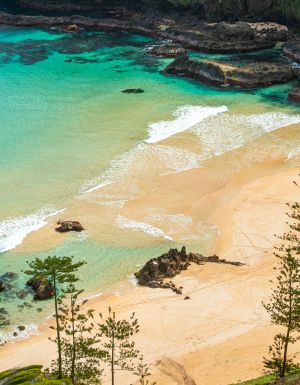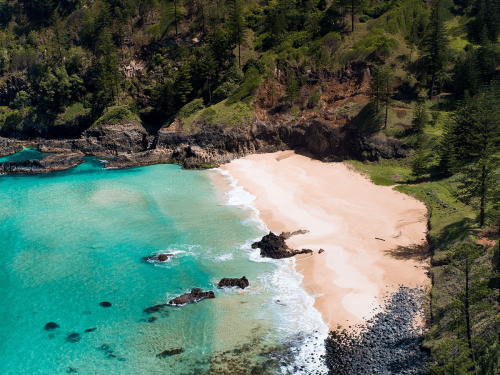
We uncover the best swimming spots along the 32-kilometre coastline of Norfolk Island.
Norfolk Island remains one of Australia’s lesser-known island gems. Having quietly dodged the march of mass tourism, the island still boasts an array of uncrowded, pristine swimming spots and a mild sub-tropical climate to enjoy them in.
Discover our top picks for the best swimming spots on Norfolk Island, featuring stunning beaches and crystal-clear waters perfect for a refreshing dip.
Emily Bay Lagoon
Best for: this one is the all-rounder
Emily Bay Lagoon is our pick of the bunch for swimming on Norfolk Island. Find sheltered reefs, calm horizons and aqua-azure waters reminiscent of the Maldives. It’s renowned as one of the safest beaches in the world – and one of the top 10 beaches in Australia according to Trip Advisor.
The clear sandy-bottomed waters of Emily Bay Lagoon provide a kaleidoscope of underwater beauty to explore. Snorkel with sea life at Lone Pine headland or relax on the pontoon in between dips.
From the sand, you can spot views out to Phillip Island and Nepean Island, Salthouse Ruins and the Convict Settlement. Facilities include a food truck serving refreshments and snacks during the day, change rooms and toilets.
Slaughter Bay
Best for: snorkelling
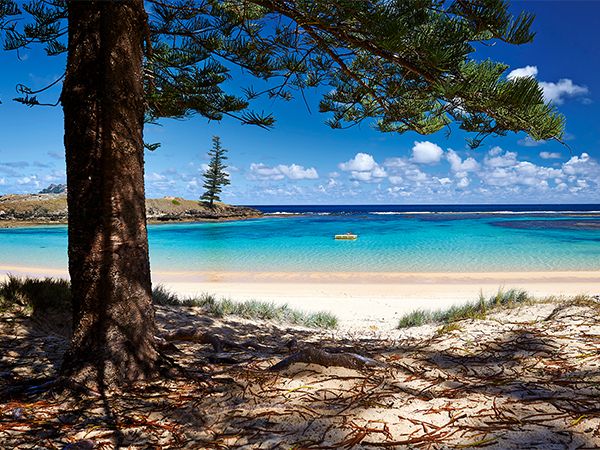
Don’t let the seemingly ominous name deter you. Slaughter Bay is derived from an old English word that means ‘slow-moving water’ – setting the scene for exactly what you can expect here.
Find it tucked away in the Kingston and Arthurs Vale Historic Area (KAVHA) of the island. Its calm crystal clear waters play host to a living aquarium, and with a maximum depth of four metres Slaughter Bay remains one of the best spots to snorkel on the island. You can also catch some waves off the reef when the conditions are right, so bring your surfboard along for the ride.
Need tips, more detail or itinerary ideas tailored to you? Ask AT.
AI Prompt
Cemetery Beach
Best for: dogs and a history lesson
For those who like to combine swimming with a history lesson, Cemetery Beach is the place for you. Find it just past the Kingston Cemetery – the reason for the moniker – in the KAVHA.
Once you’ve taken a dip in the impossibly blue water, relive the history of the island’s convict era by taking a walk around the neighbouring cemetery. The headstones and inscriptions, which date back as early as 1792, provide anecdotal accounts of the oft-violent deaths of the settler convicts – many of which were executed.
Head back to the beach to explore the rock pools at low tide and bring your pets, as this is one of the only beaches on the island that is dog-friendly.
Cresswell Bay
Best for: learning to surf
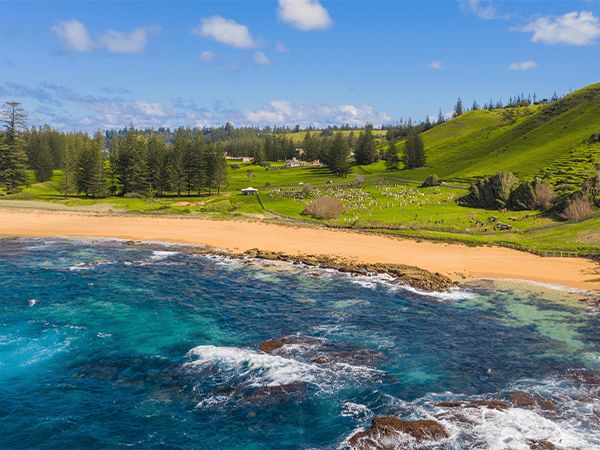
You’ll find the idyllic Cresswell Bay, affectionately named “Bumby" by the locals, at the bottom of Bumboras Reserve on the southern side of the island.
Popular for surfing, swimming and rock fishing, the secluded crescent-shaped beach is also commonly used by the local surfing school – so it’s a brilliant spot to tick ‘learning to surf’ off your bucket list. There is also a well-maintained boardwalk and toilet facilities located a few metres walk from the beach.
Weekly travel news, experiences
insider tips, offers, and more.
Anson Bay
Best for: views and total seclusion – not recommended for swimming
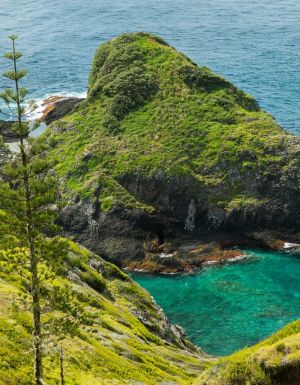
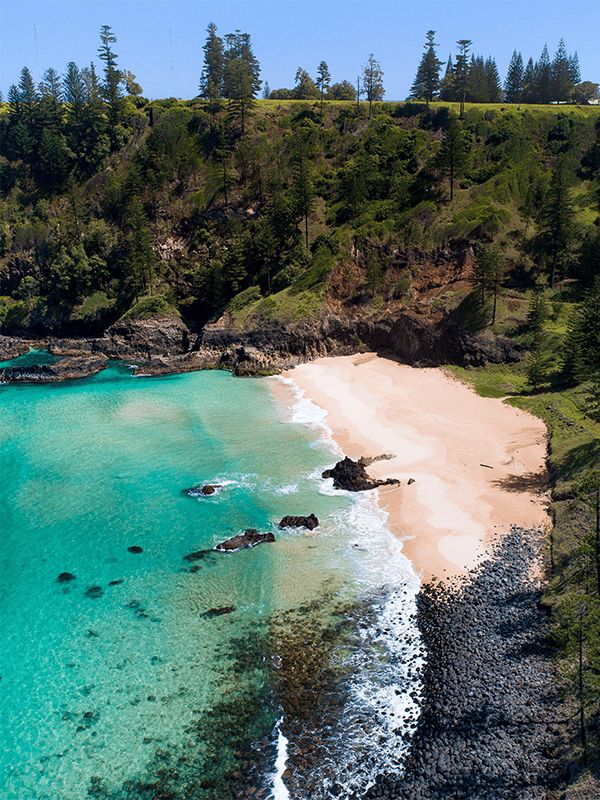
Find Anson Bay at the base of one of Norfolk Island’s headlands. Reaching this slice of paradise will take some effort. Prepare for a fairly challenging walk down to the beach – a good level of fitness is recommended.
While its secluded position makes it a little less accessible than some of the more popular beaches on the island, what it lacks in accessibility it more than makes up for in natural beauty. Once you reach the beach, you’re likely be the only one there. Enjoy the seclusion and explore the water’s edge.
This one makes the list for its beauty alone, the shore drops away rapidly into deep water, so it isn’t recommended for swimming. Take the track back up to the top to enjoy the views and cook up a barbeque lunch.
Discover the best things to do on Norfolk Island
Want to see more stories from Australian Traveller in your Google search results?
- Click here to set Australian Traveller as a preferred source.
- Tick the box next to "Australian Traveller". That's it.

Australian Traveller
View profile and articles