Discover the delights of Daylesford with local Jodi Flockhart, of Sault Restaurant.Have a look at the wonderful sights to see in Daylesford, which landed it at no.16 on your list of Top 50 Aussie towns.
“I often describe Daylesford as the Byron Bay of Melbourne. It’s a gorgeous melting pot of artisans, delicious wholefood, coffee, restaurants and wineries," says Jodi Flockhart, actor, presenter and co-owner of Sault Restaurant, a destination diner on a scenic estate carpeted by lavender and sunflower fields.
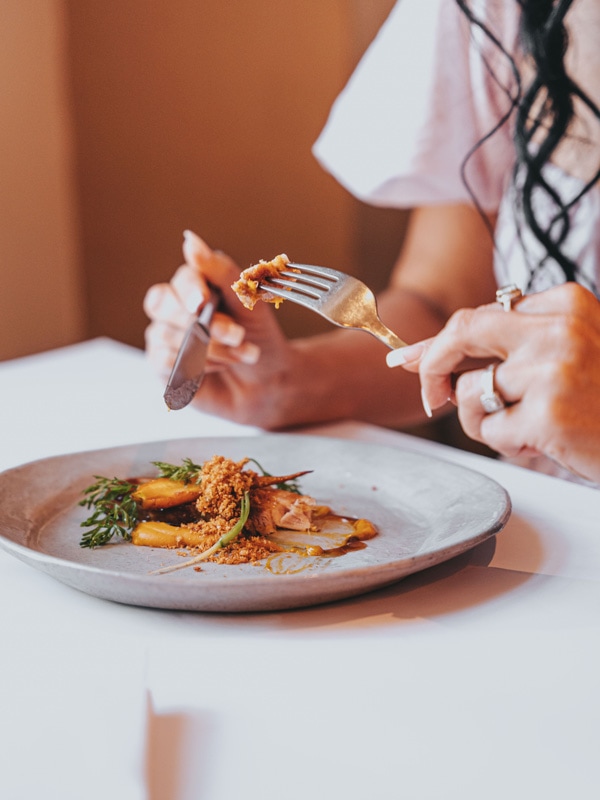
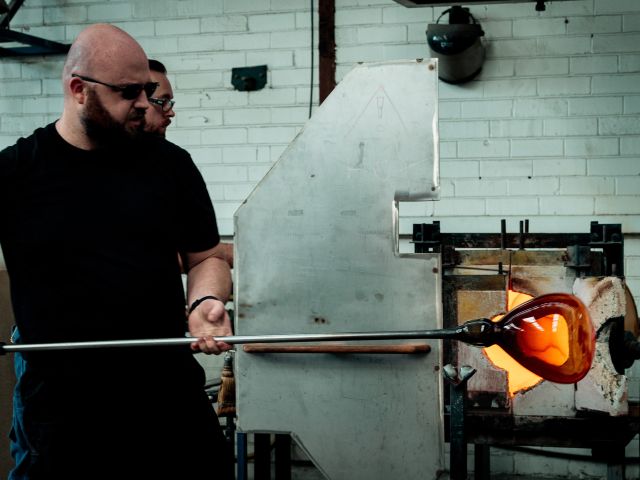
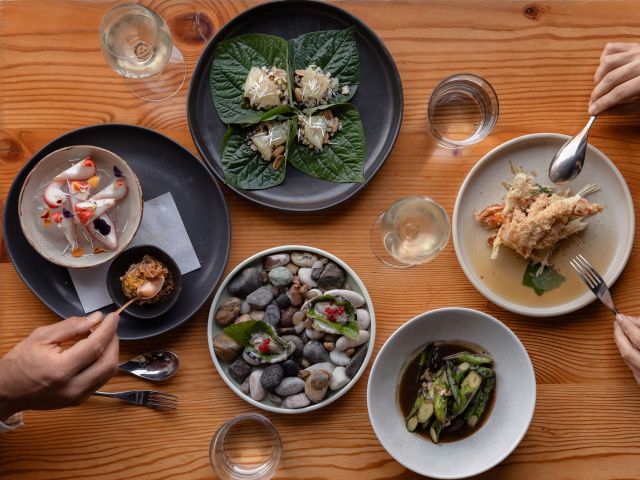
An ethical ethos underpins the menu at Sault. (Image: Sault Restaurant)
You’ll find Sault on the outskirts of this Victorian spa town famous for its epicurean delights, linger-worthy galleries and shops, all-seasons appeal and iconic Lake House hotel.
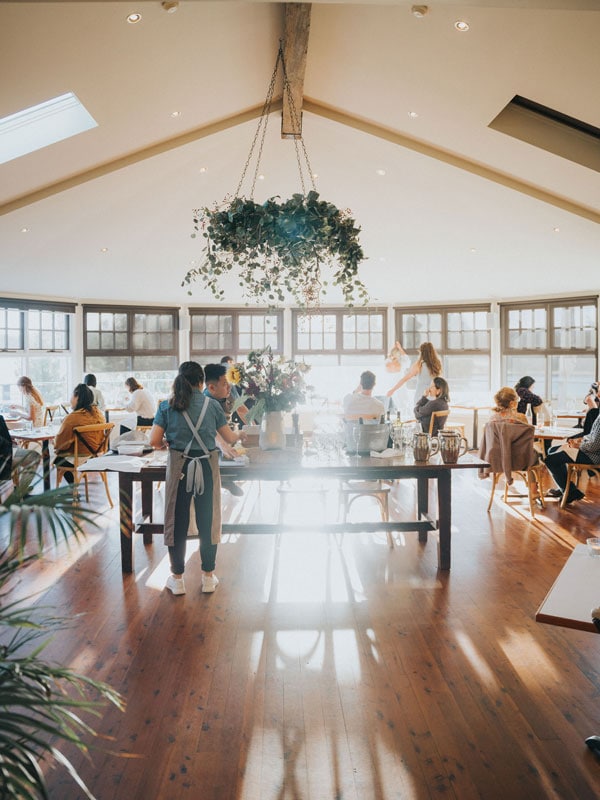
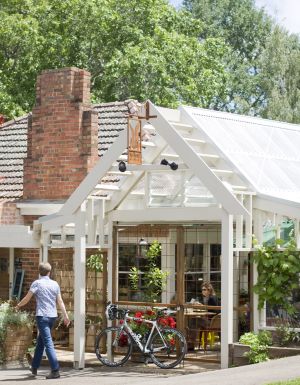
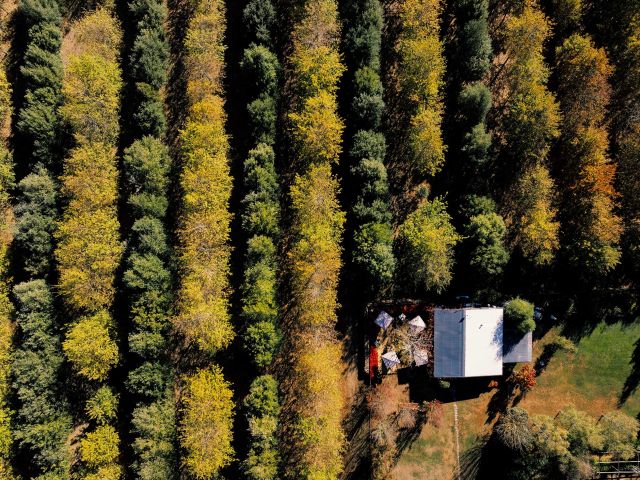
The light-filled restaurant is set on a scenic estate. (Image: Sault Restaurant)
“My husband and I decided on a tree change 16 years ago and have never looked back," she says. “We actually got married at Sault and then a chance meeting with the owners one night led to a conversation that would literally change the course of our lives for the better."
The story behind Sault
The couple bought the restaurant with a vision of making Sault a bucket-list spot that would also house their ever-expanding kitchen garden, rotating flower fields and showcase the work of local artists such as Tahlia Stanton and James Robertson along with bespoke ceramics by Bridget Bodenham.
A family business with a sustainable ethos underpinning everything, even the kids – Max and Lilly, 10 and 12 – get involved, helping out with the flower fields in their summer holidays and creating projects to engage the littlest of customers.
“Our kids package up seeds from our kitchen garden and gift them to the kids who dine at Sault to share the importance of children knowing where their food comes from and the importance of nurturing the Earth," says Jodi.
Sault’s Jodi Flockhart (left) harvests some of their local produce.
It’s a philosophy that percolates through town. On living in Daylesford, Jodi says, “I love the fresh clean air, the kindness of the people who live here, the gentle energy that is our town. I love forest walks with my children at sunset and seeing them catch yabbies in the rivers. It’s the most wonderful place to slow down in such a busy age that we live in. There is a feeling of calm and beauty that is the heartbeat of Daylesford."
Need tips, more detail or itinerary ideas tailored to you? Ask AT.
AI Prompt
Where to eat and drink in Daylesford
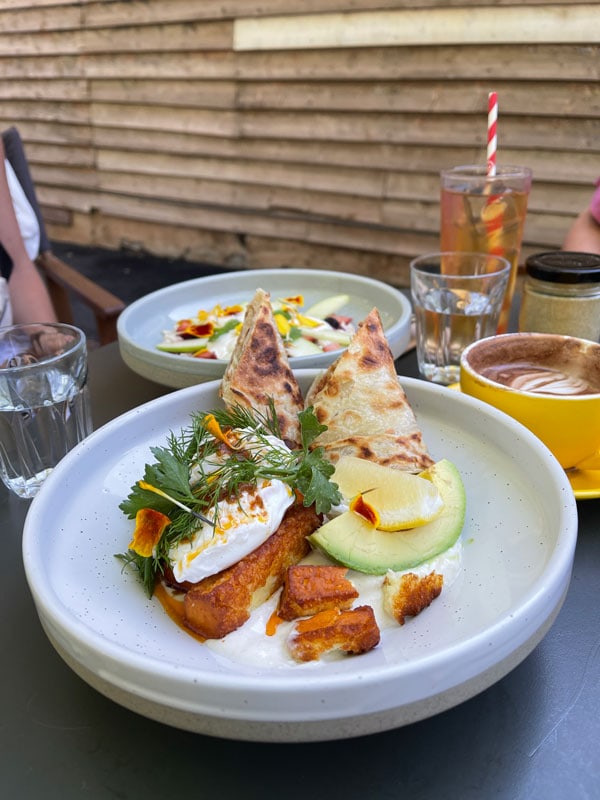
Drop by Cliffy’s Emporium for a tasty brunch.
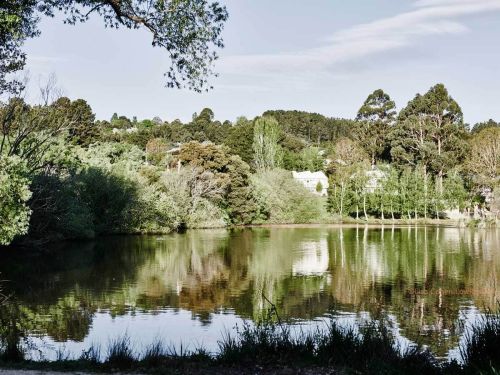
Aside from a visit to Sault, Jodi recommends visitors stop for coffee at Cliffy’s Emporium, pick up wholefood goodies from Daylesford Health Foods for a picnic at Twin Bridges, take a walk by Lake Daylesford at sunset before sampling local drops at Winespeake Cellar + Deli.
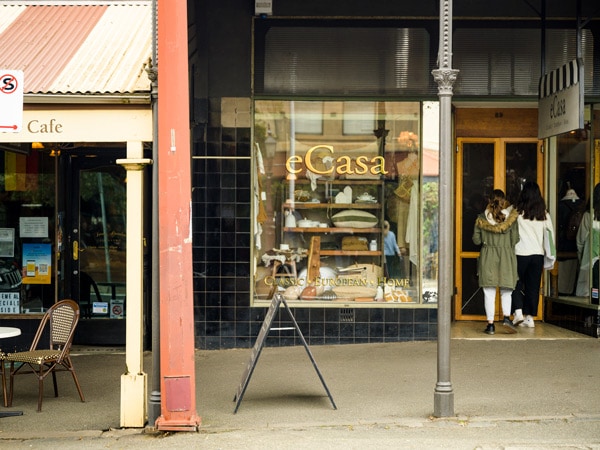
Shop for gifts at eCasa.
Take home flowers or plants from Wombat Hill Nursery and Florist and check out eCasa for gorgeous gifts. Jodi’s top local’s tip? “Tipperary Springs is gorgeous and Mt Franklin for Insta moments and peaceful walks." Follow @flockhartjodi and @sault_daylesford for more inspiration.
Come for a couple of unmissable festivals, stay for a long, leisurely weekend of wining, dining and exploring all the heritage-rich glory Ballarat has to offer.
Far from a sleepy town, the historic city of Ballarat is an unexpectedly vibrant cultural and culinary destination. Year-round, it hosts a roster of events and experiences – including the upcoming Ballarat Heritage Festival, a celebration of the city’s past, and the new Ballarat Craft and Design Week, a must for fans of all things handmade and thoughtfully designed.
Beyond the festivals, there’s a bevy of things to see, do, eat and drink – making a weekend in Ballarat an absolute no-brainer.
Plus, just 90 minutes away from Melbourne by car along the Western Freeway or an easy train ride from Southern Cross, getting here is simple and stress-free.
Day 1
Morning
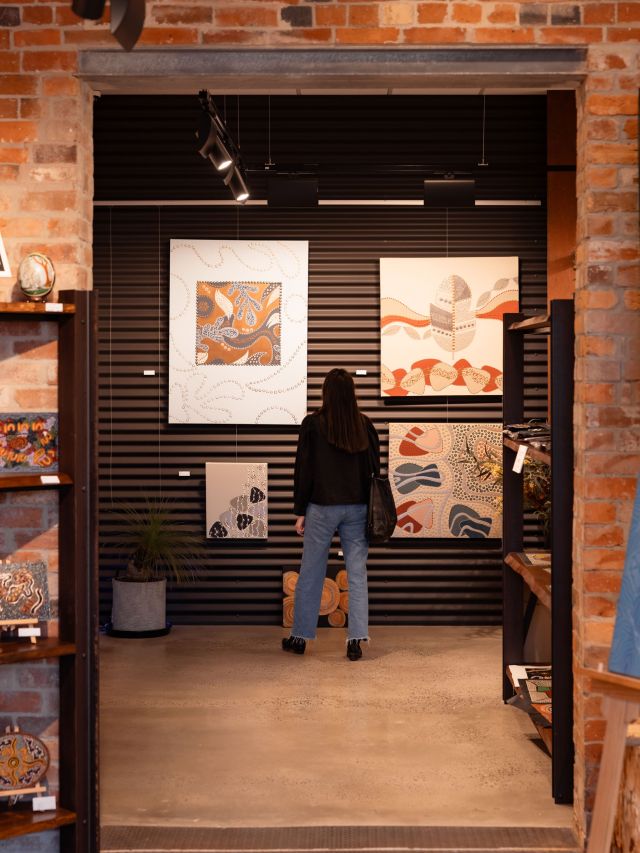
Peruse works by local First Nations artists at Perridak Arts. (Credit: Tony Evans)
Start your Ballarat jaunt at Johnny Alloo, a beautifully restored cafe harking back to the 1870s with original details and contemporary touches. Order a seasonal plate from the all-day brunch menu alongside a cleverly reimagined ‘cup of tea’ – the cafe’s very own Earl Grey-infused early bird spritz.
Next, head to Perridak Arts, a First Nations-owned and operated gallery filled with powerful works by local First Nations artists. Your next stop is Hop Lane, an alleyway crowned by a floating canopy of technicoloured umbrellas and centred on Hop Queen, a striking mural of a commanding female figure.
Afternoon
Create your own artworks at The Pottage. (Credit: Mass Motion)
Cobb’s Coffee is a firm favourite for consistently good coffee and thoughtful food, making it a solid lunch spot. The cafe’s signature sandwiches and toasties are well worth trying as you take in the heritage surrounds.
While away your afternoon at The Pottage, where Ballarat ceramicist and social media favourite Shelby Sherritt has just moved into brand-new digs. Try a throwing workshop, or pick a piece of pottery to paint from the extensive collection (the team will post it to you once it’s fired).
Now it’s time to check into Hotel Vera, the newest boutique accommodation in the city’s already-impressive line-up. The hotel presents a modern spin on Ballarat’s gold rush-era past – think design-led rooms, gold detailing and a curated art collection. There are only seven suites, each as beautifully finished as the next, with high-quality linens and plush furnishings.
Evening
Sit down to a seven-course feast at Babae. (Credit: Einwick)
Treat yourself to a pre-dinner drink at Grainery Lane. The saloon-style bar has rich, period-inspired decor (including an original bar top sourced from Chicago) and drinks reminiscent of 1900s classics, crafted with local ingredients.
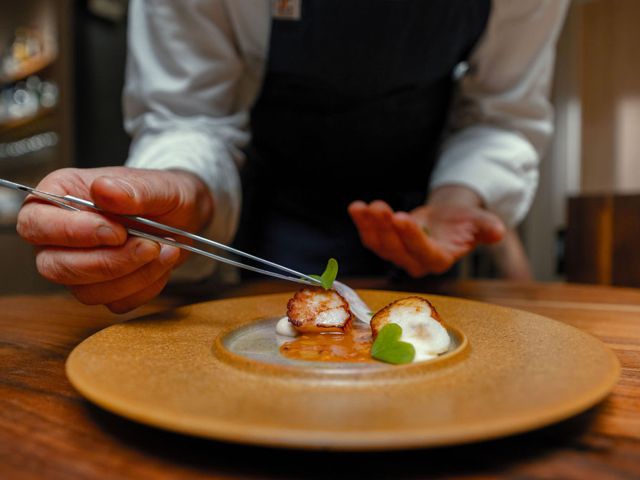
Head back to Hotel Vera for a seven-course feast at Babae. This intimate dining room serves up a refined, ever-evolving menu made with exceptional produce and is a truly memorable experience.
Day 2
Spend the day at Ballarat Craft and Design Week. (Credit: Klapper Films)
Linger over a slow breakfast at Hotel Vera. You’ll graze your way through a spread of locally sourced treats, from toasted granola and pastries to seasonal fruit, and will need a strong coffee before a busy day at the main event: Ballarat Craft and Design Week.
This year marks the event’s inauguration, a celebration of artists, makers, designers and manufacturers. It’s a testament to Ballarat’s position as a UNESCO Creative City of Crafts and Folk Art.
The festival features a thoughtfully curated roster of events and activities, including free talks, hands-on workshops where you can craft your own keepsake, displays, studio tours and more. The central theme is Bound, with a flagship exhibition hosted in Ballarat’s grand and iconic Mining Exchange. The exhibition brings together five immersive projects designed to be touched, explored and experienced.
Afternoon
Discuss your favourite artworks over lunch at Pancho. (Credit Einwick)
The Craft and Design program continues at The Unicorn Collection. The gallery is hosting Why Are You Here?, an installation presented by artists from the community that centres on the meaning of Ballarat as home.
Recharge with lunch at Pancho, which turns out vibrant food from across Central and South America. Make sure to order from the specials board, often featuring dishes from more far-flung locations.
For a top-up of local craftsmanship, a visit to Wootten is a must. This workshop and retail space is a Ballarat institution, making and selling made-to-order and customised footwear alongside a selection of handcrafted leather goods.
Evening
Ballarat’s streets contain incredible dining options. (Credit: Tony Evans)
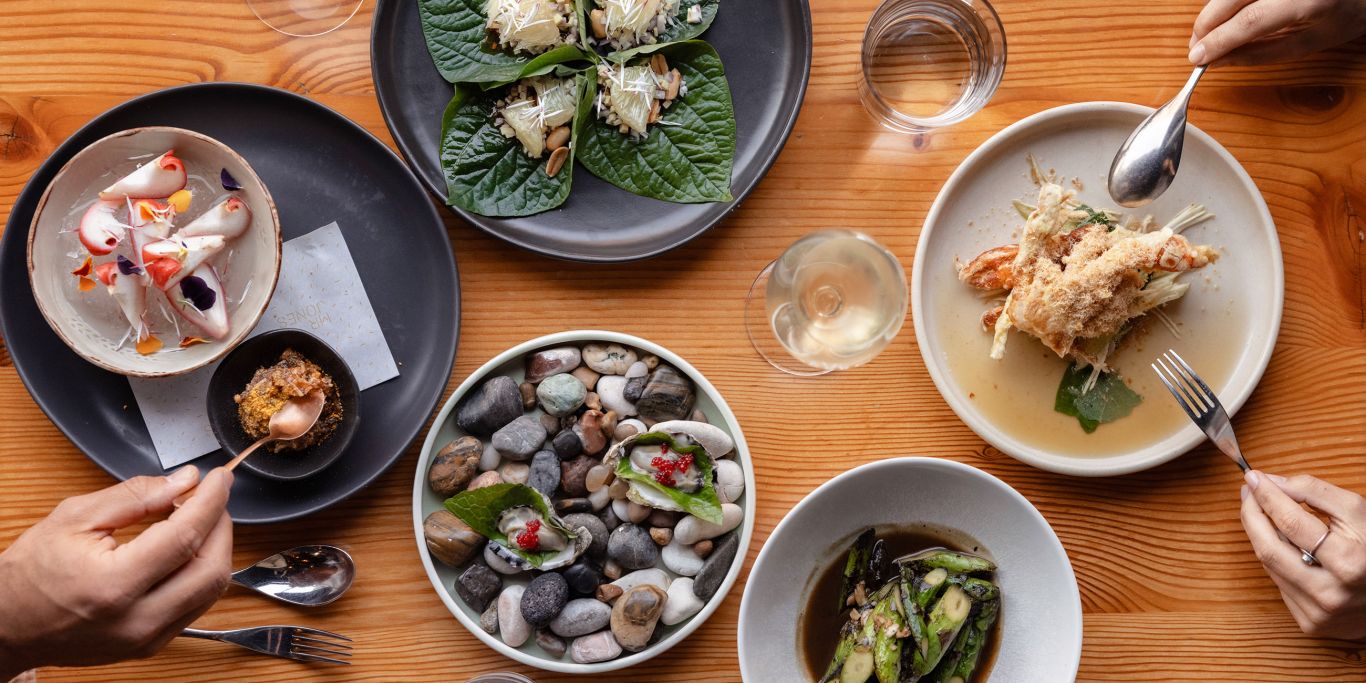
Book a table at Mr Jones, headed by chef Damian Jones, who’s worked in Michelin-Starred restaurants around the globe. The modern Asian menu changes weekly, but you can always expect the very best ingredients cooked with precision and restraint.
Finish off your day of art and exploration with a nightcap (and maybe a cheeky late-night snack) at Renard. This intimate and atmospheric cocktail bar does clever drinks alongside French-leaning small plates – we love the smoked trout pate and goat’s cheese doughnuts.
Day 3
Morning
Stop into Black Cat Truffles before heading home. (Credit Einwick)
It’s your final morning in Ballarat (that is, until you inevitably return), so it’s worth making it an unhurried one. Turret Cafe is your best bet for a relaxed and satisfying breakfast, with a produce-driven all-day menu and excellent coffee inside a character-filled setting.
A wander around the leafy Ballarat Botanical Gardens, followed by an excursion to Ross Creek Gallery, is the ideal way to stretch your legs after your morning feast. The gardens are replete with seasonal flower displays and heritage-listed trees, while the gallery is hosting a group exhibition centred on printmakers from across the region as part of Craft and Design Week.
Farewell your weekend escape – and fuel up for the journey home – at Black Cat Truffles. True to its name, the restaurant serves truffle-infused dishes (alongside regular fare) and the surrounding farm hosts truffle hunts and experiences. Pair your meal with a drop from the on-site Meredith Wines cellar door.