After seven years sitting dormant, one of Victoria’s grandest coastal hotels is back – and it’s more glamorous than ever.
The Bellarine Peninsula has long delivered beachy charm, historic piers and low-key summer escapes. But now it has something new to boast about: the return of a heritage-listed grande dame that once welcomed Melbourne’s elite by paddle steamer.
First established in 1888, The Queenscliff Hotel will reopen in March following an extensive three-year restoration, transforming the landmark into a boutique luxury destination while carefully preserving its architectural soul.
And if the photos are anything to go by, this is not just a refresh. It’s a full-scale revival.
A sleeping beauty, reawakened
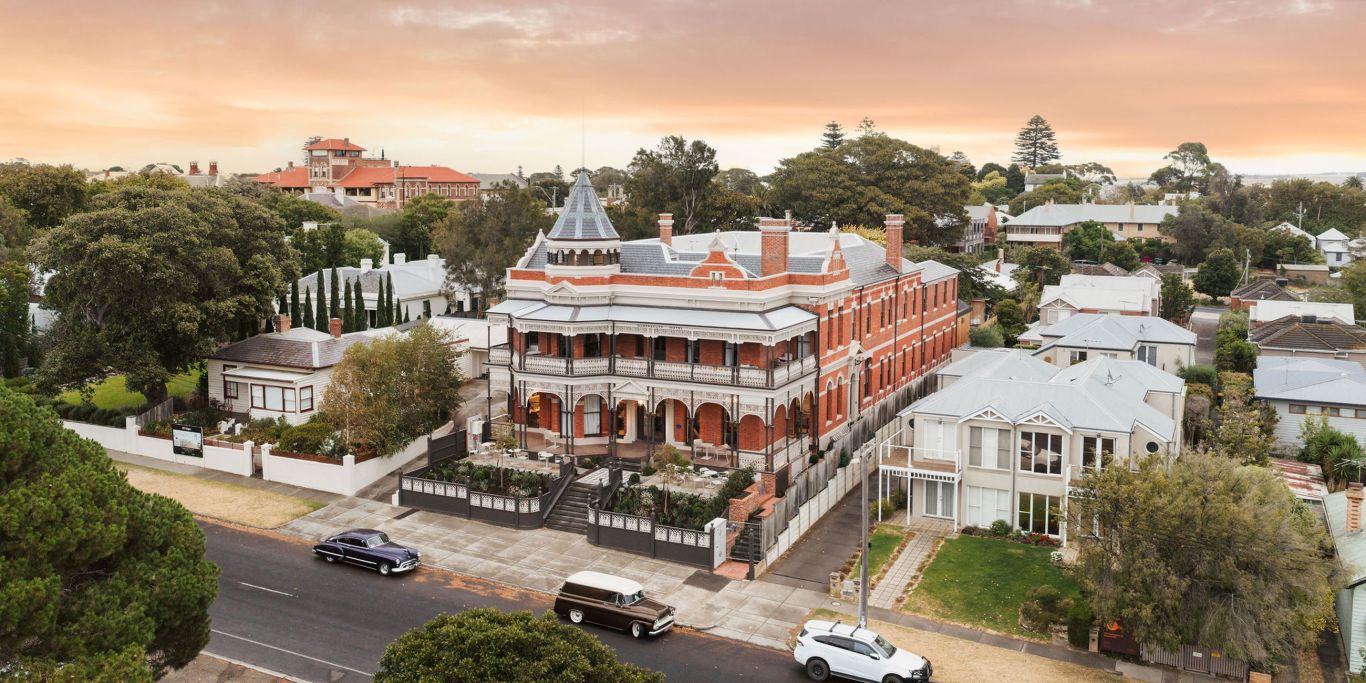
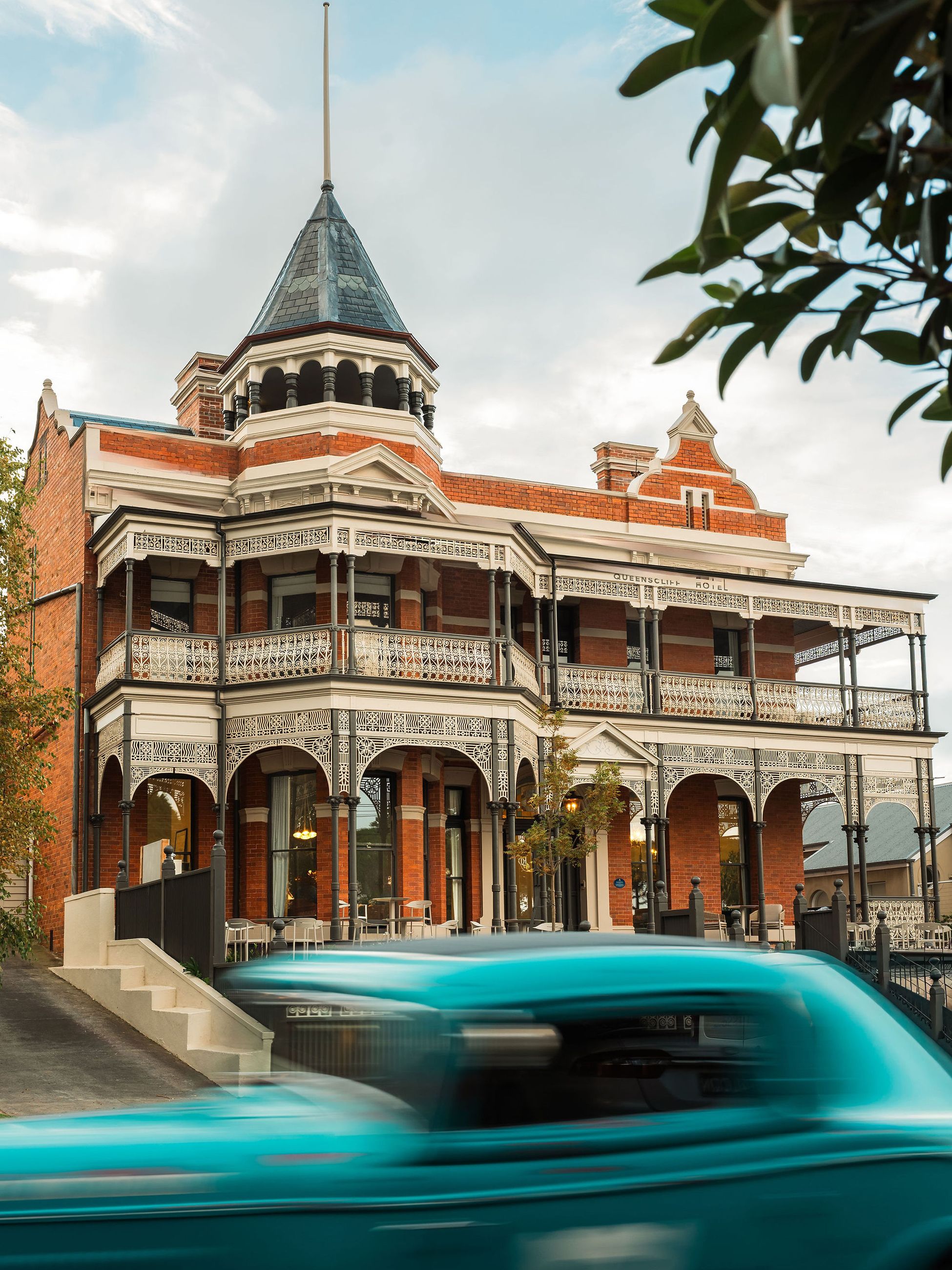
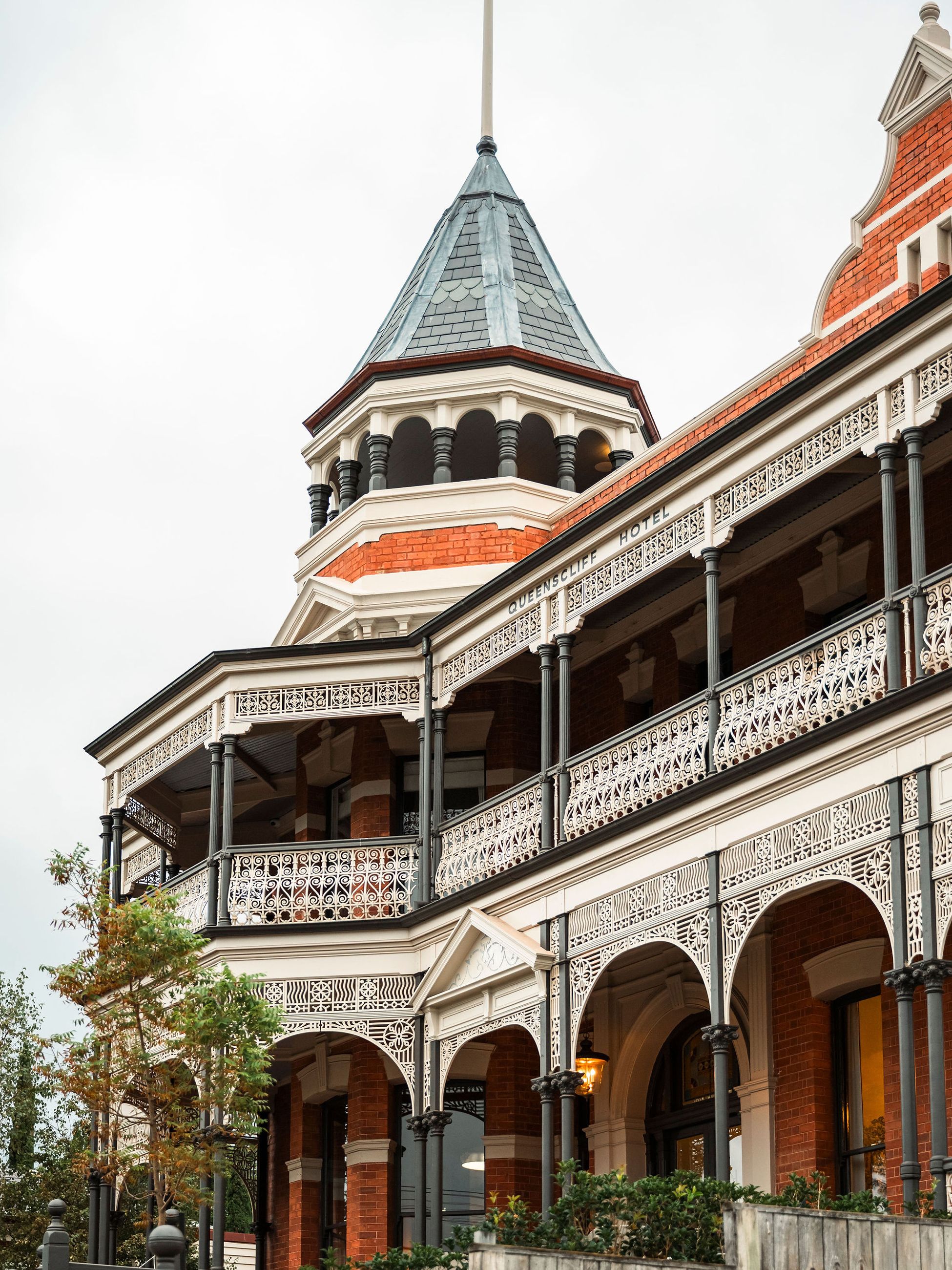
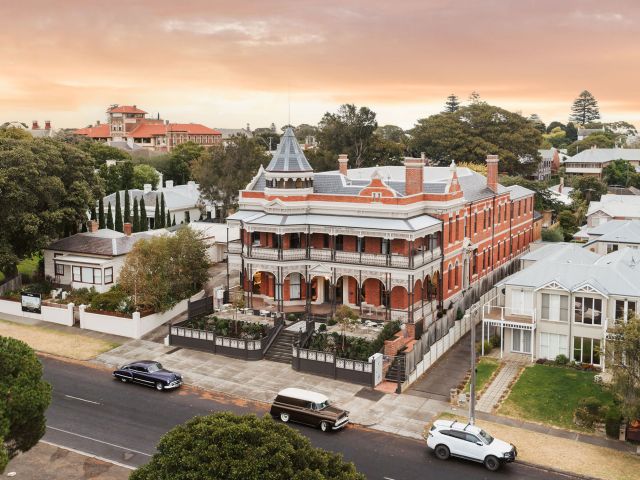
Perched in the heart of Queenscliff, the hotel stood empty for seven years, slowly slipping into disrepair. For locals, it was a sad sight: a heritage icon with a turreted tower and ornate ironwork, waiting for someone to bring it back to life.
That someone turned out to be Rob and Tammy Charter, former Queensland avocado farmers with hospitality backgrounds, who purchased the property in December 2022 as their first restoration project. What followed was a meticulous three-year overhaul in consultation with Heritage Victoria and the Borough of Queenscliff, with restoration works led by Matt Wilson from Geelong-based Built by Wilson, architectural and interior design by Melbourne’s MOLECULE Studio and landscaping by InStyle Gardens.
The Queenscliff Hotel stood empty for seven years. (Credit: Neisha Breen Photography)
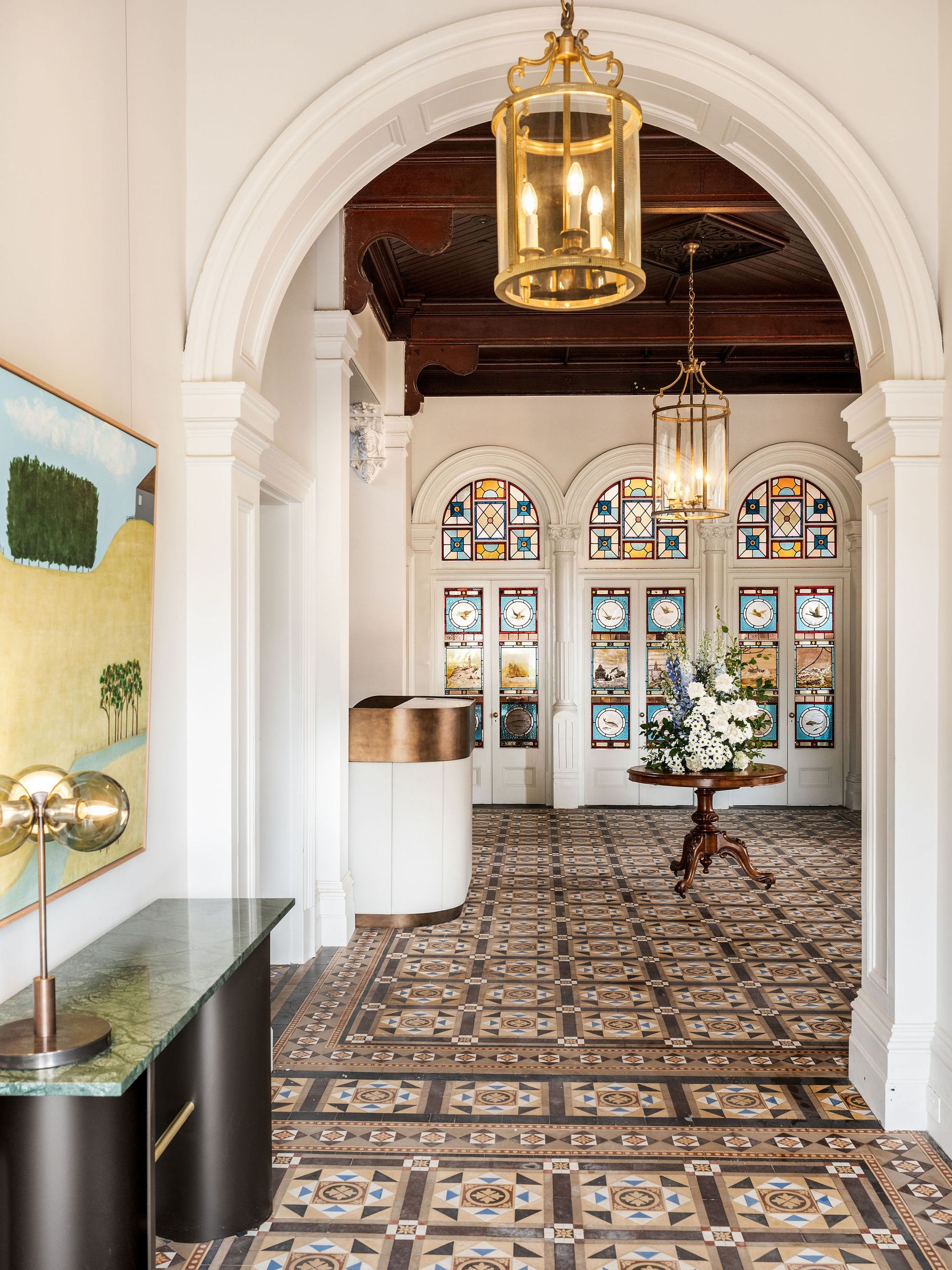
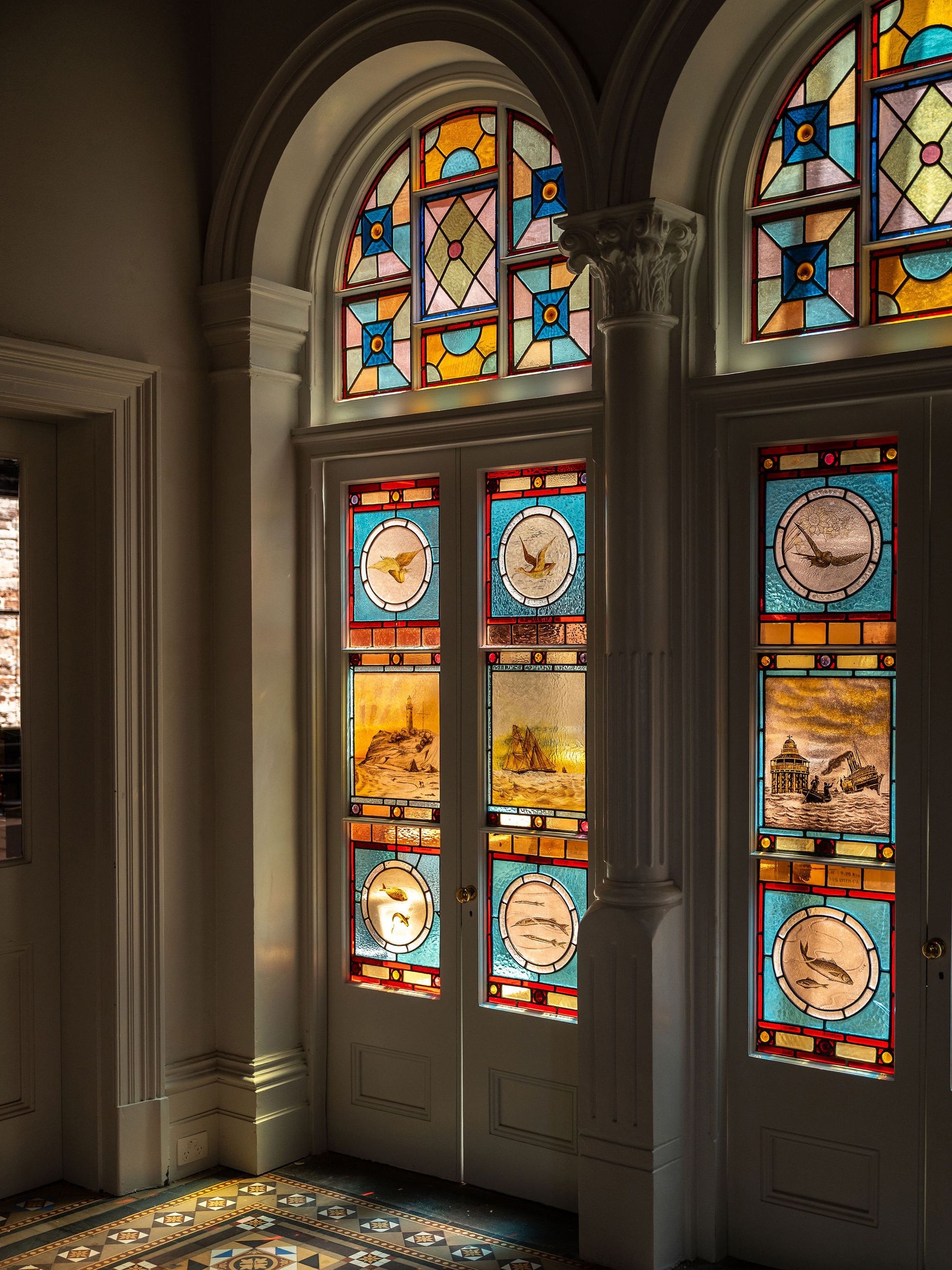
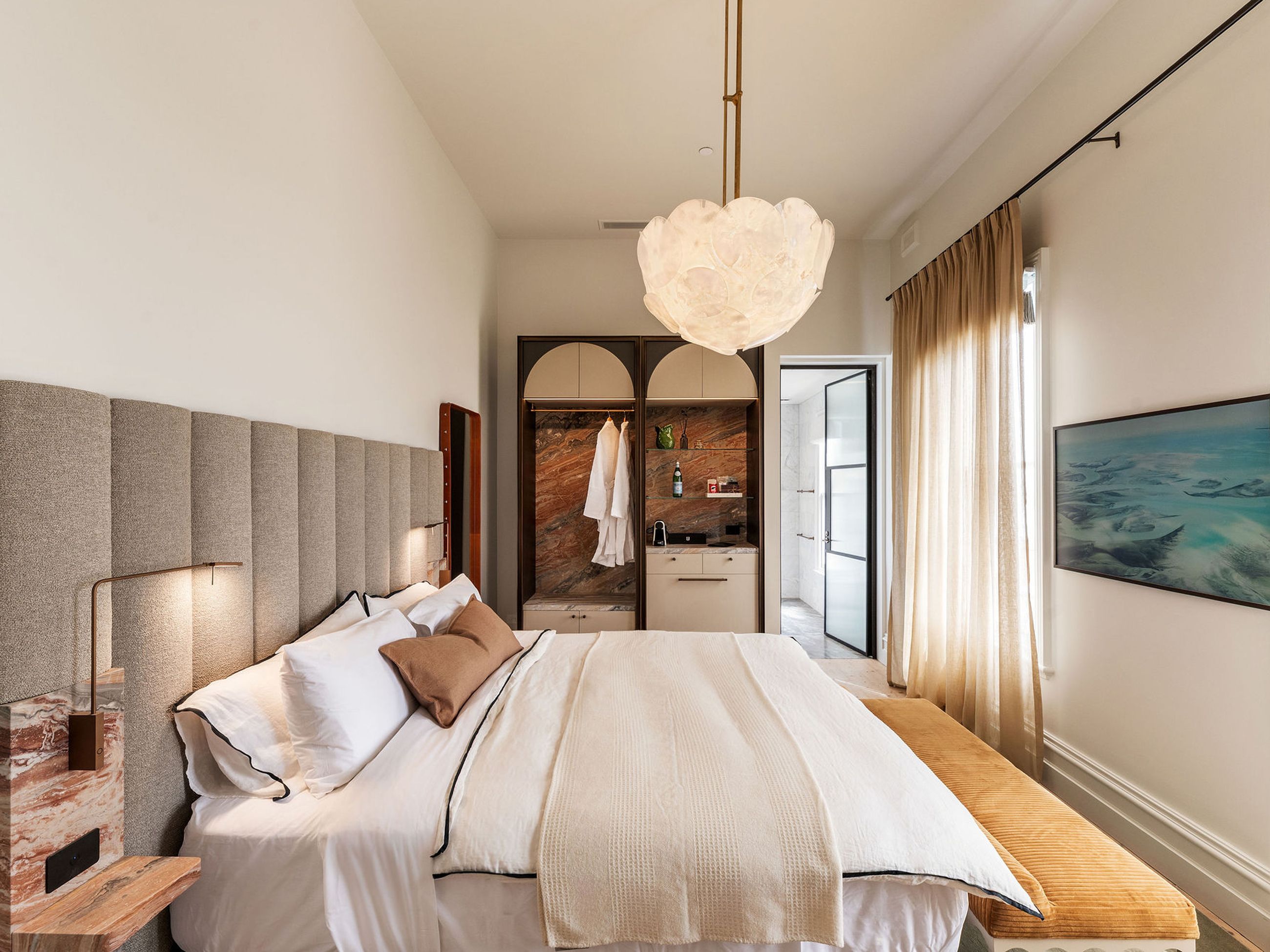
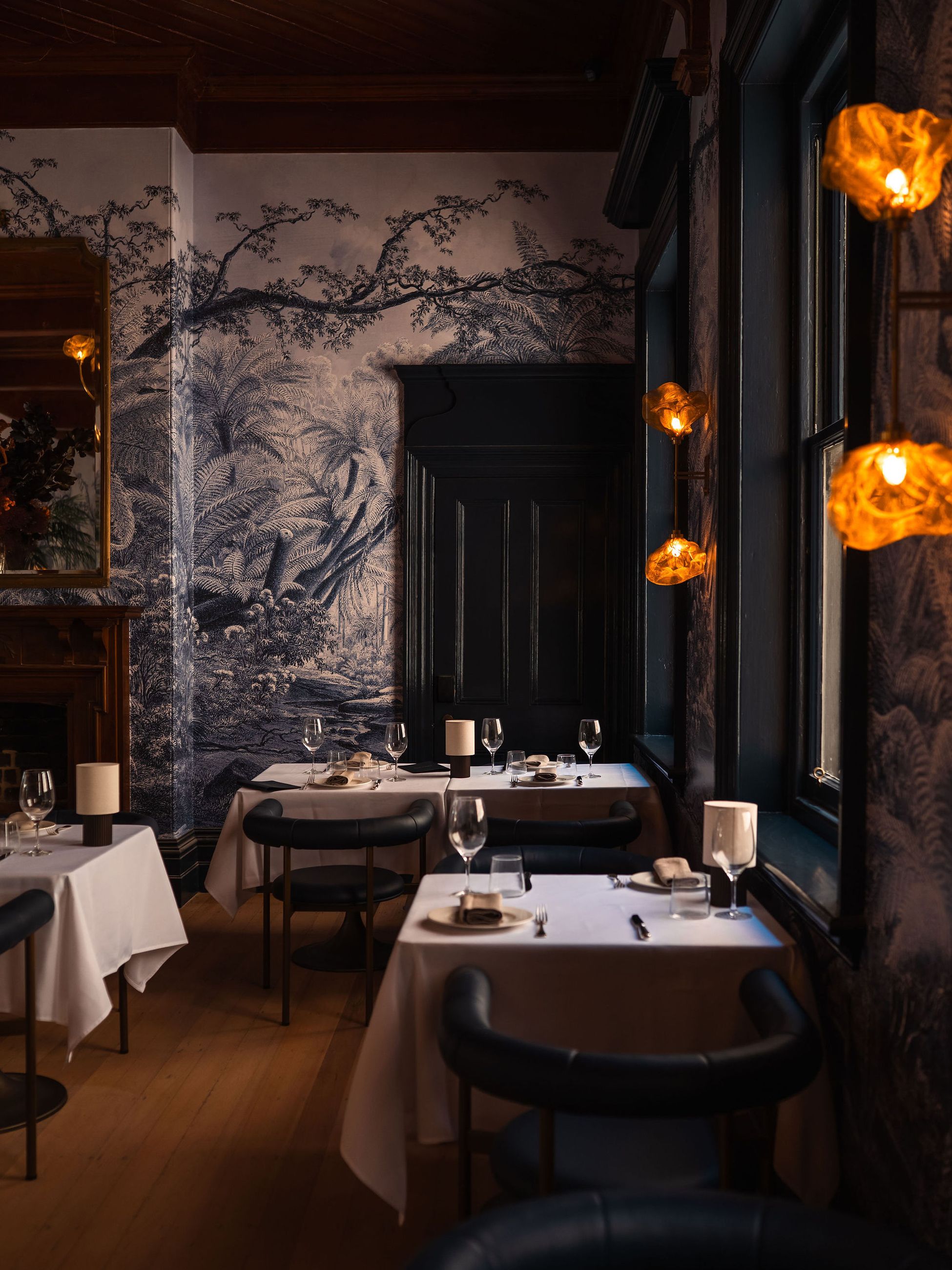
Melbourne’s MOLECULE Studio led the interior design. (Credit: Neisha Breen Photography)
The restoration has carefully preserved the hotel's architectural soul. (Credit: Neisha Breen Photography)
The result? A seamless blend of Queen Anne-style grandeur and contemporary refinement.
The tower is back – and so are the views
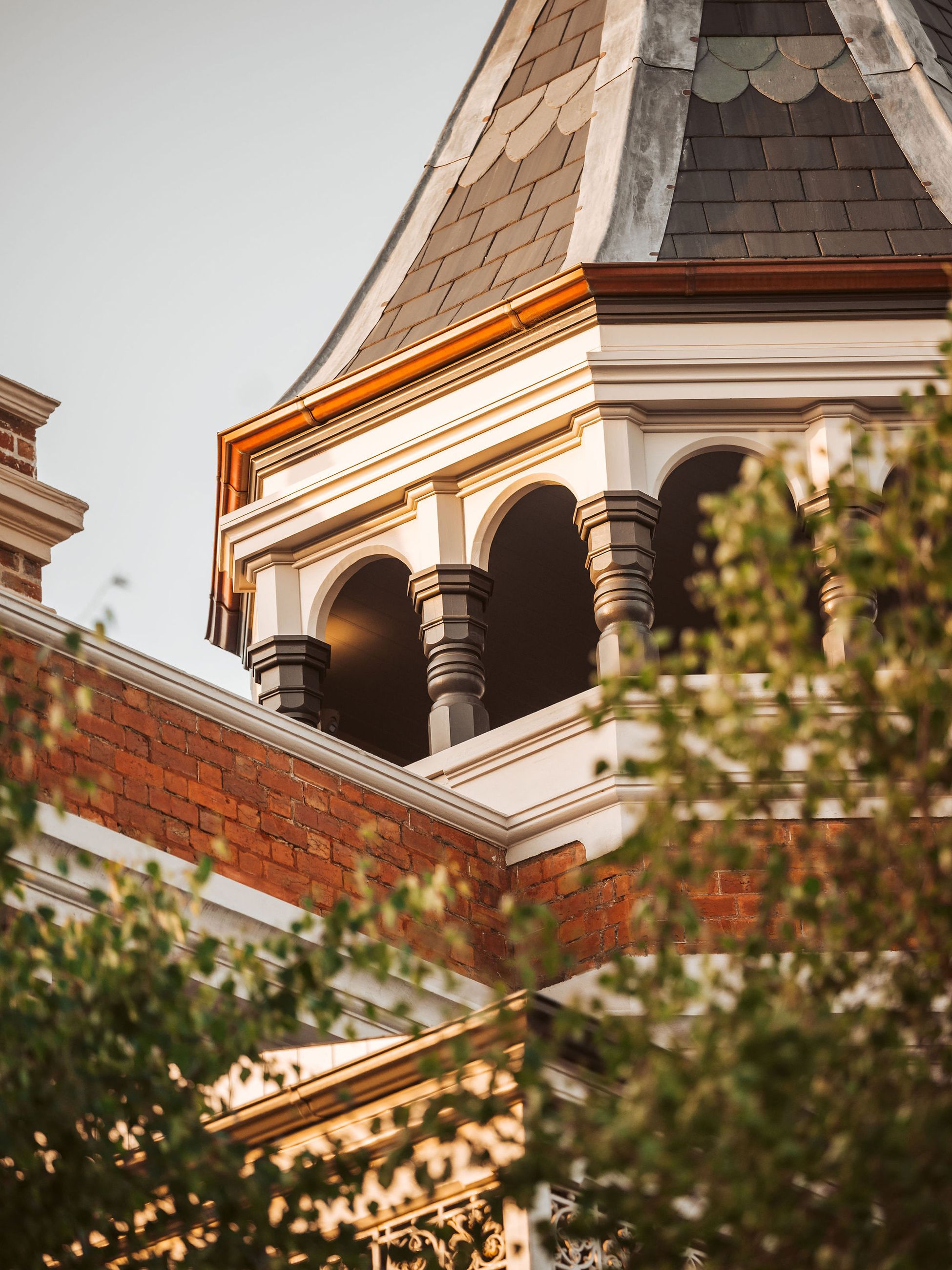
One of the most striking elements of the restoration is the return of the hotel’s turreted viewing tower to its original open-air design. Previously enclosed, it has been structurally rebuilt, complete with a newly crafted spire and turret posts made in Melbourne.
Need tips, more detail or itinerary ideas tailored to you? Ask AT.
AI Prompt
The hotel’s turreted viewing tower was restored to its original open-air design. (Credit: Neisha Breen Photography)
Guests can climb the historic staircase to the top of the tower. (Credit: Neisha Breen Photography)
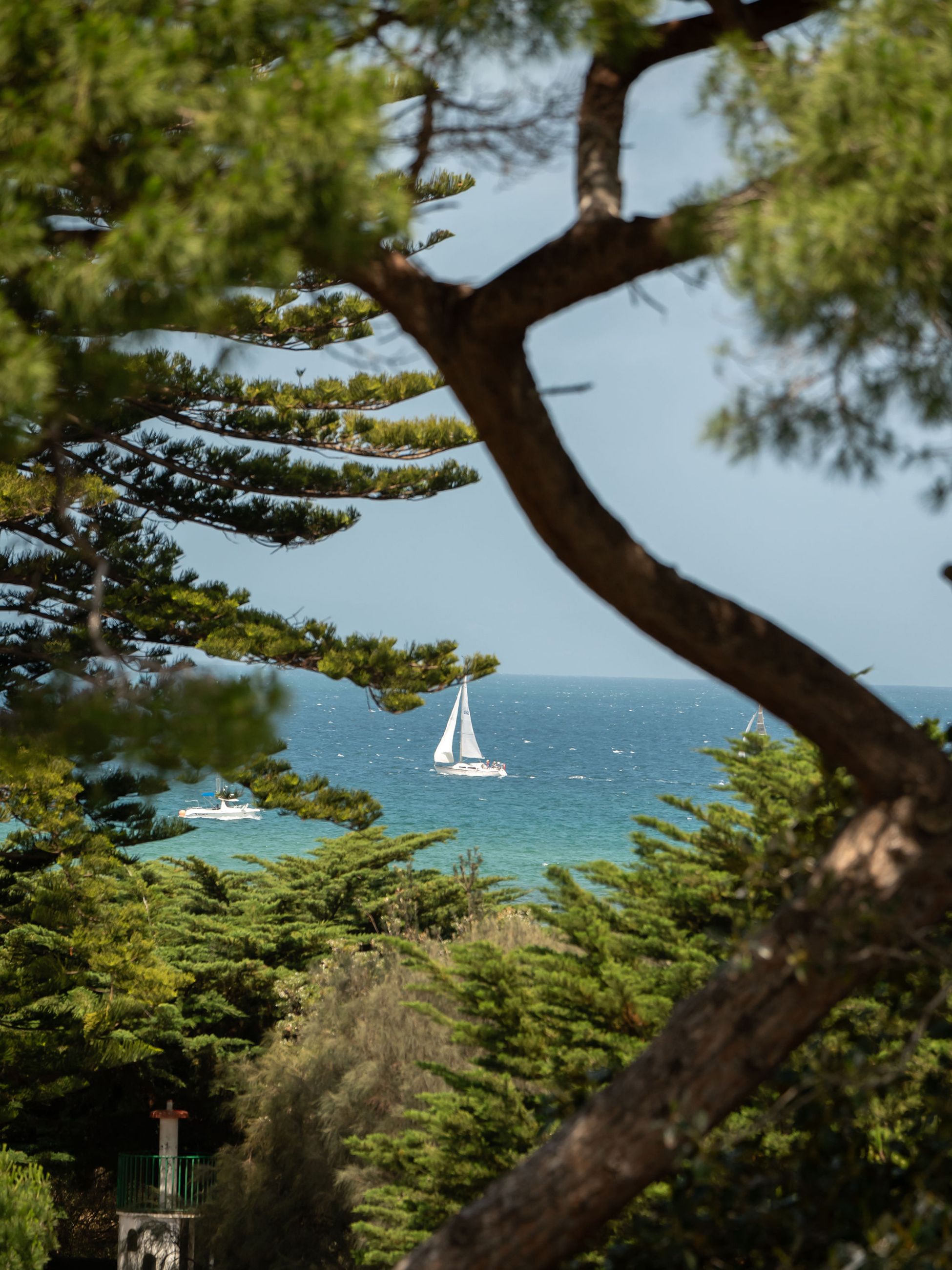
Take in views over Port Phillip Bay from the tower. (Credit: Neisha Breen Photography)
Guests can once again climb the historic staircase and take in sweeping views over Port Phillip Bay. It’s the kind of detail that elevates a stay from pleasant to memorable, especially at sunset.
The original cast-iron front fence has also been faithfully reconstructed by local tradespeople, reinforcing the hotel’s commitment to heritage integrity rather than cosmetic quick fixes.
Inside the new boutique stay
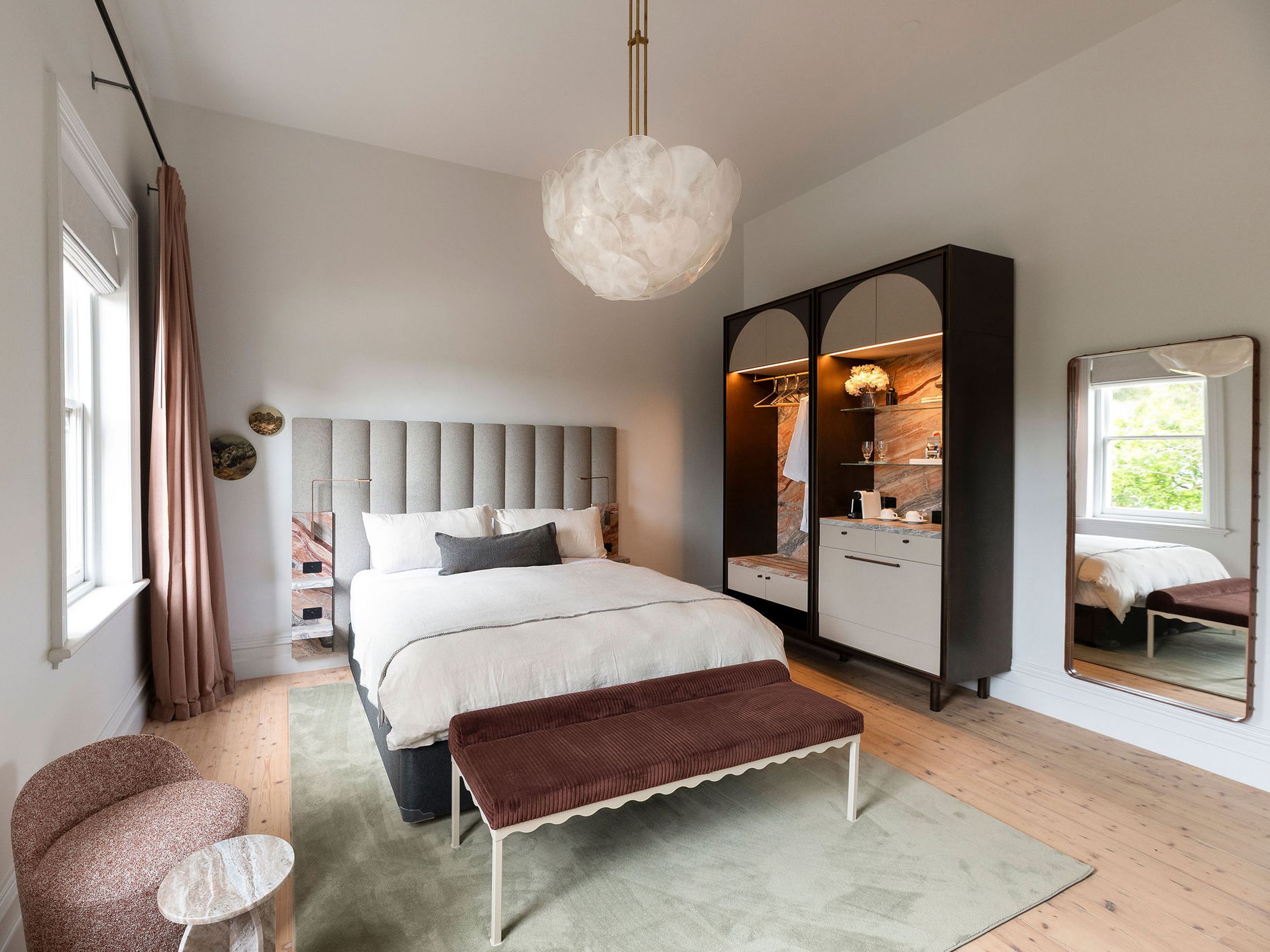
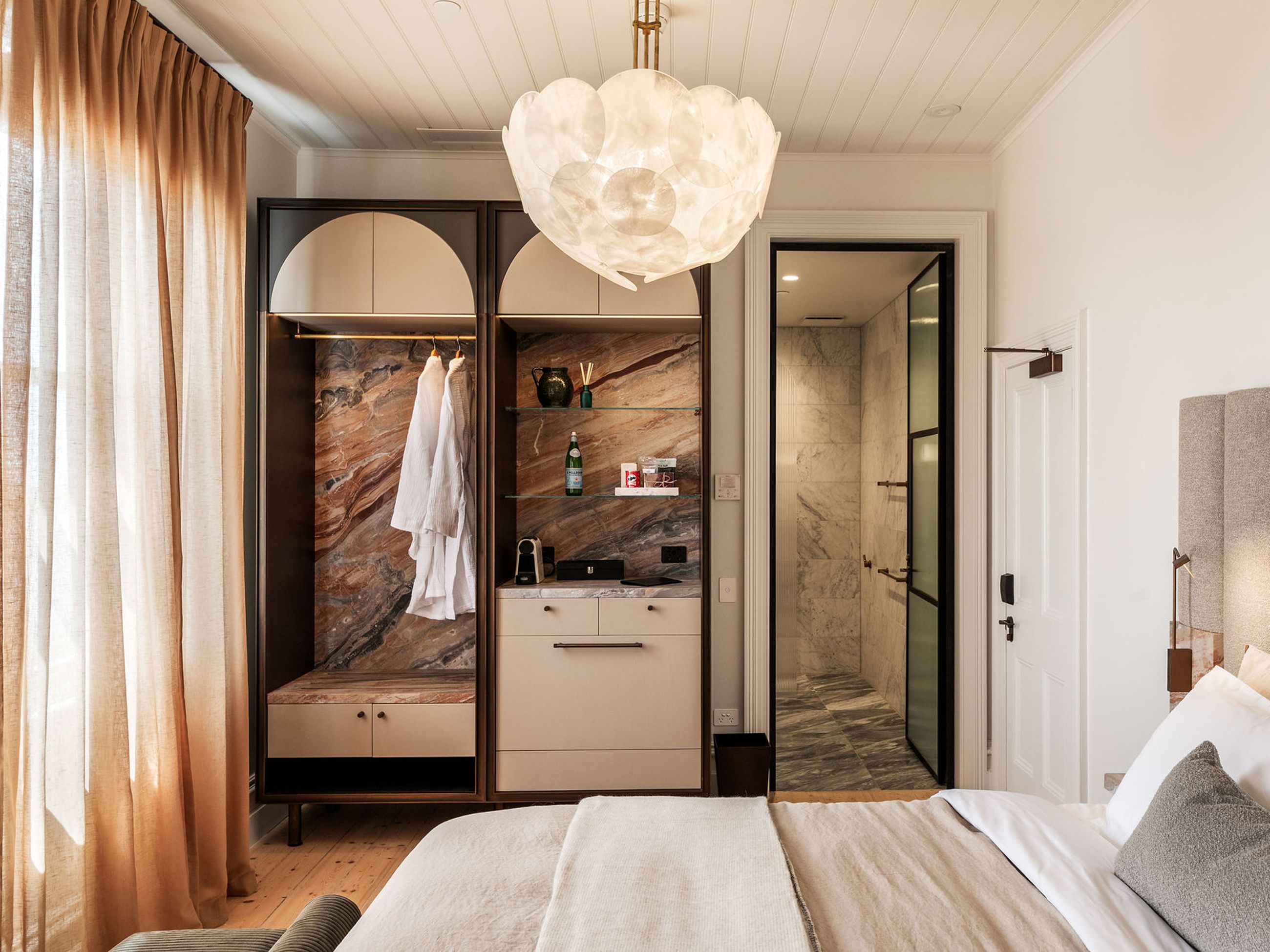
The reimagined hotel now offers 12 individually designed suites, creating an intimate, boutique experience. Some rooms open directly onto the historic verandah. Two suites – the Beach She Oak and Coconut Palm – are pet friendly, complete with an onsite dog wash for sandy paws. There are also wheelchair-accessible and ambulant-friendly suites, and flexible two-bedroom configurations for families.
The Coconut Palm Suite is pet friendly. (Credit: Neisha Breen Photography)
The Blue Jacaranda Suite is one of two accessible rooms in the hotel. (Credit: Neisha Breen Photography)
The Olive Suite is a king suite with a view over Swan Bay. (Credit: Neisha Breen Photography)
Design-wise, expect a thoughtful interplay between old and new. Heritage features sit alongside contemporary designer furnishings, floor-to-ceiling marble accents and locally crafted details, including alpaca rugs from Creswick Woollen Mills and bespoke Melbourne-made lighting. Original artworks by Bellarine Peninsula artists are displayed throughout and available to purchase.
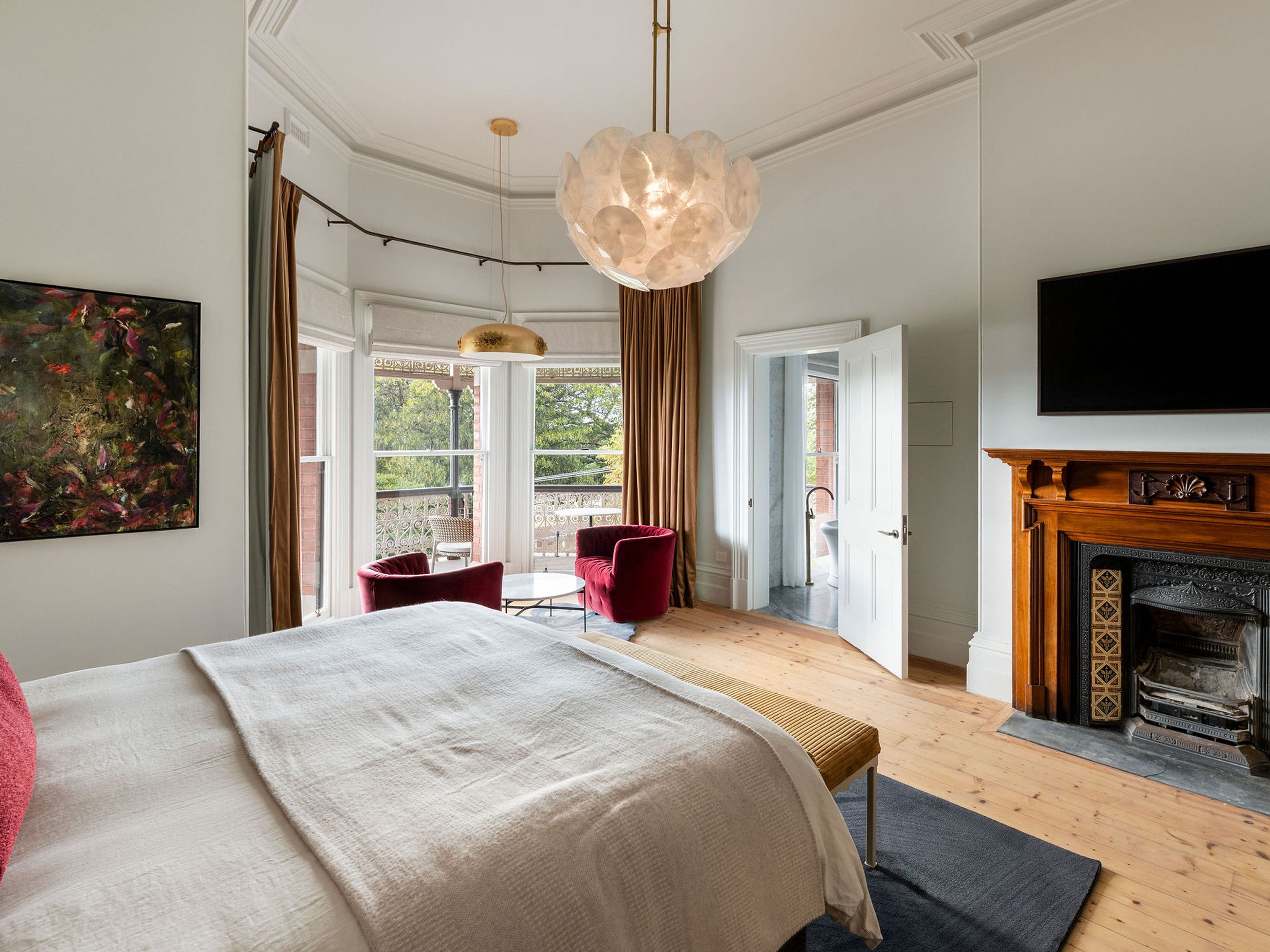
The Stone Pine Suite has a private verandah. (Credit: Neisha Breen Photography)
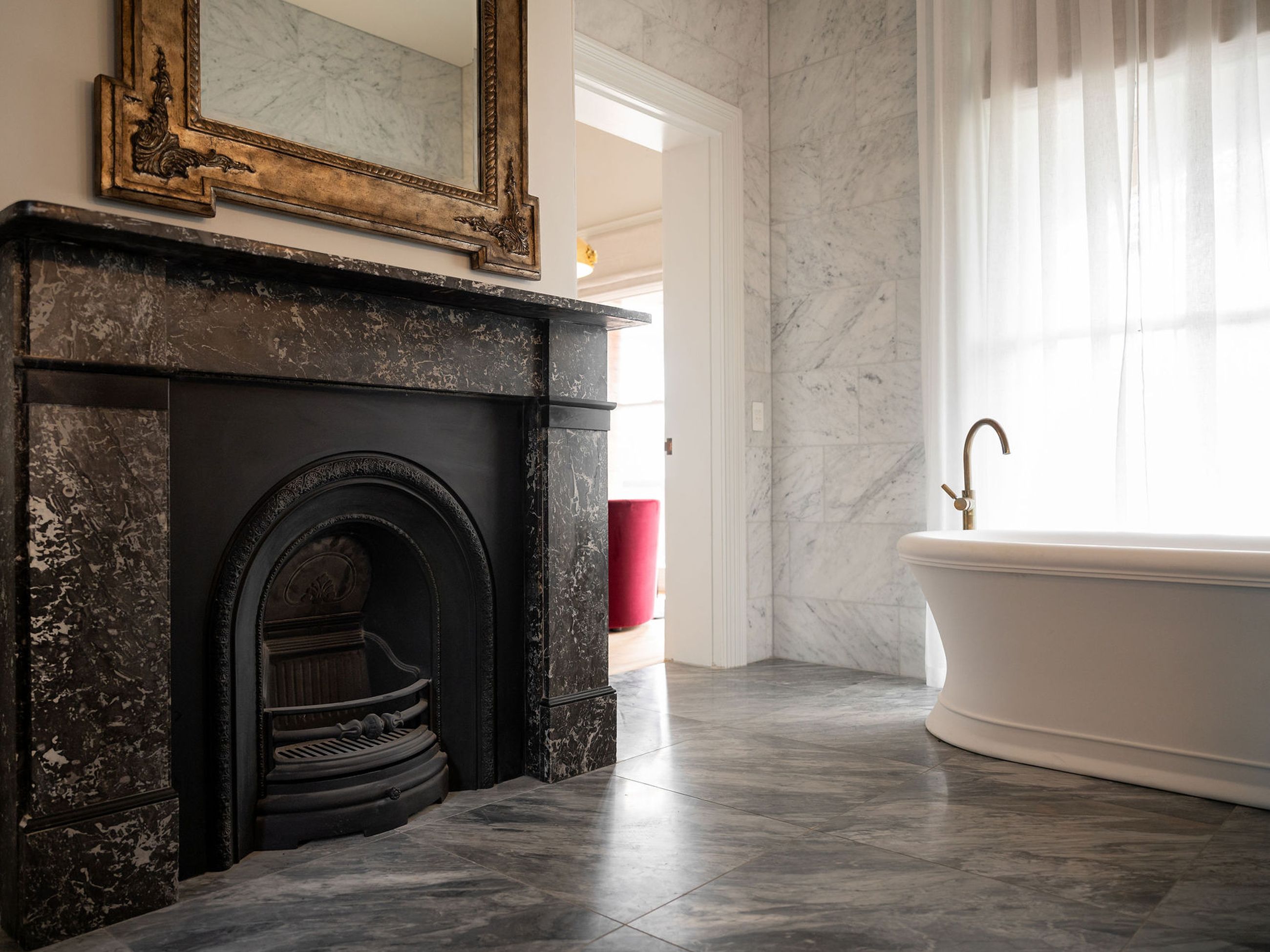
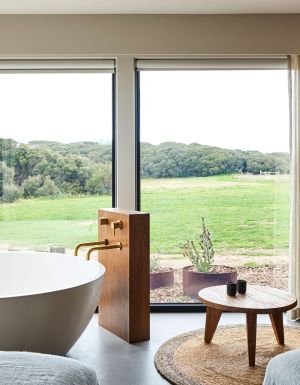
The marble bathtub is a highlight in the Stone Pine Suite. (Credit: Neisha Breen Photography)
The premium Stone Pine Suite is the standout: king bed, original fireplaces in both bedroom and marble-clad ensuite, a deep marble bath, walk-in dual shower and a private verandah with bay views. It’s the kind of space built for slow mornings and long soaks after coastal walks.
All stays include complimentary breakfast for the length of your visit, plus access to a guest lounge stocked with books and board games – and, of course, the tower.
A dining revival with serious pedigree
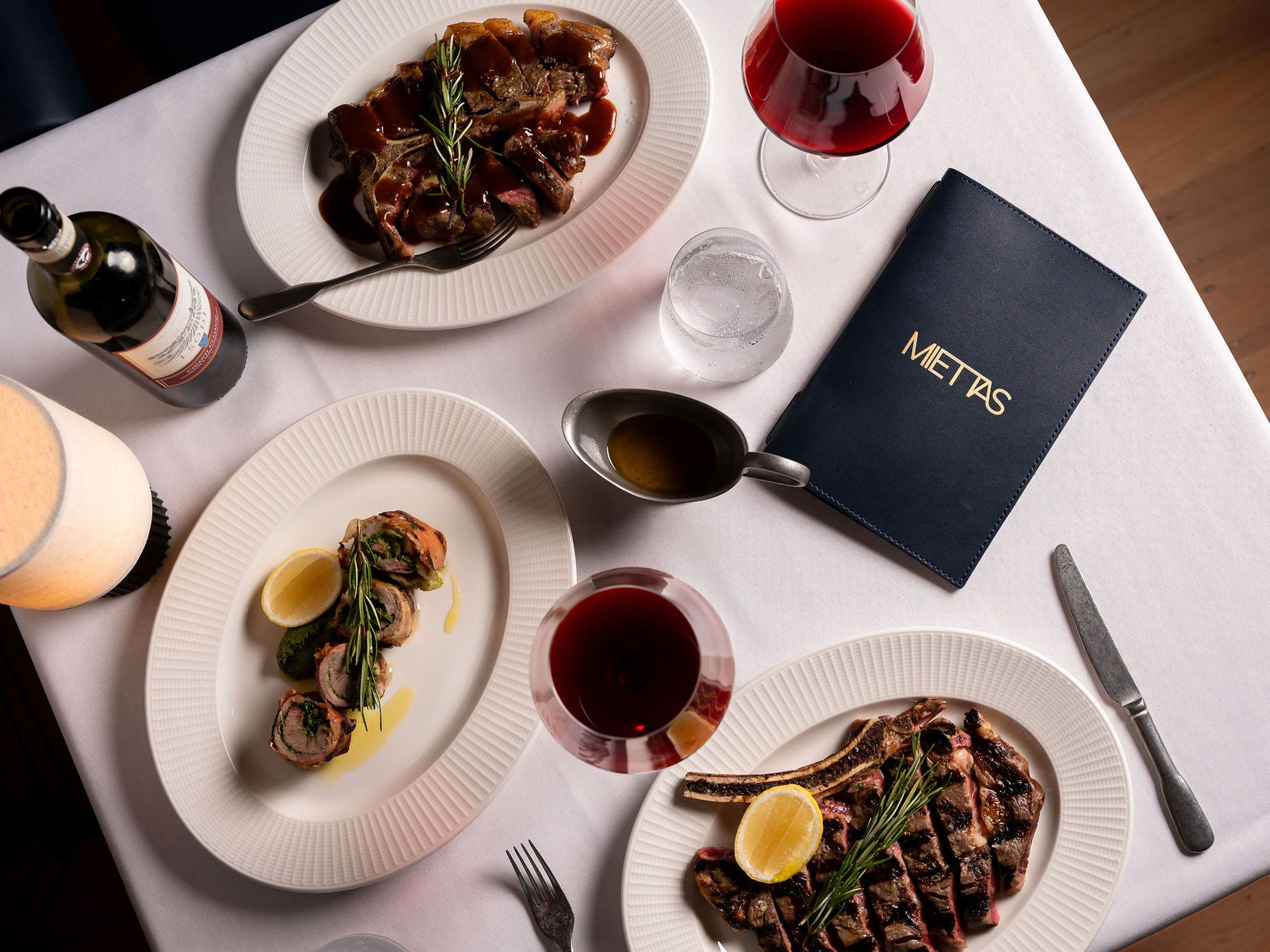
The hotel’s culinary history runs deep. In 1978, culinary icon Mietta O’Donnell brought her celebrated restaurant Miettas to the property. Now, the name returns under executive chef Salvatore Giorgio, with a focus on the richness and diversity of Bellarine Peninsula produce.
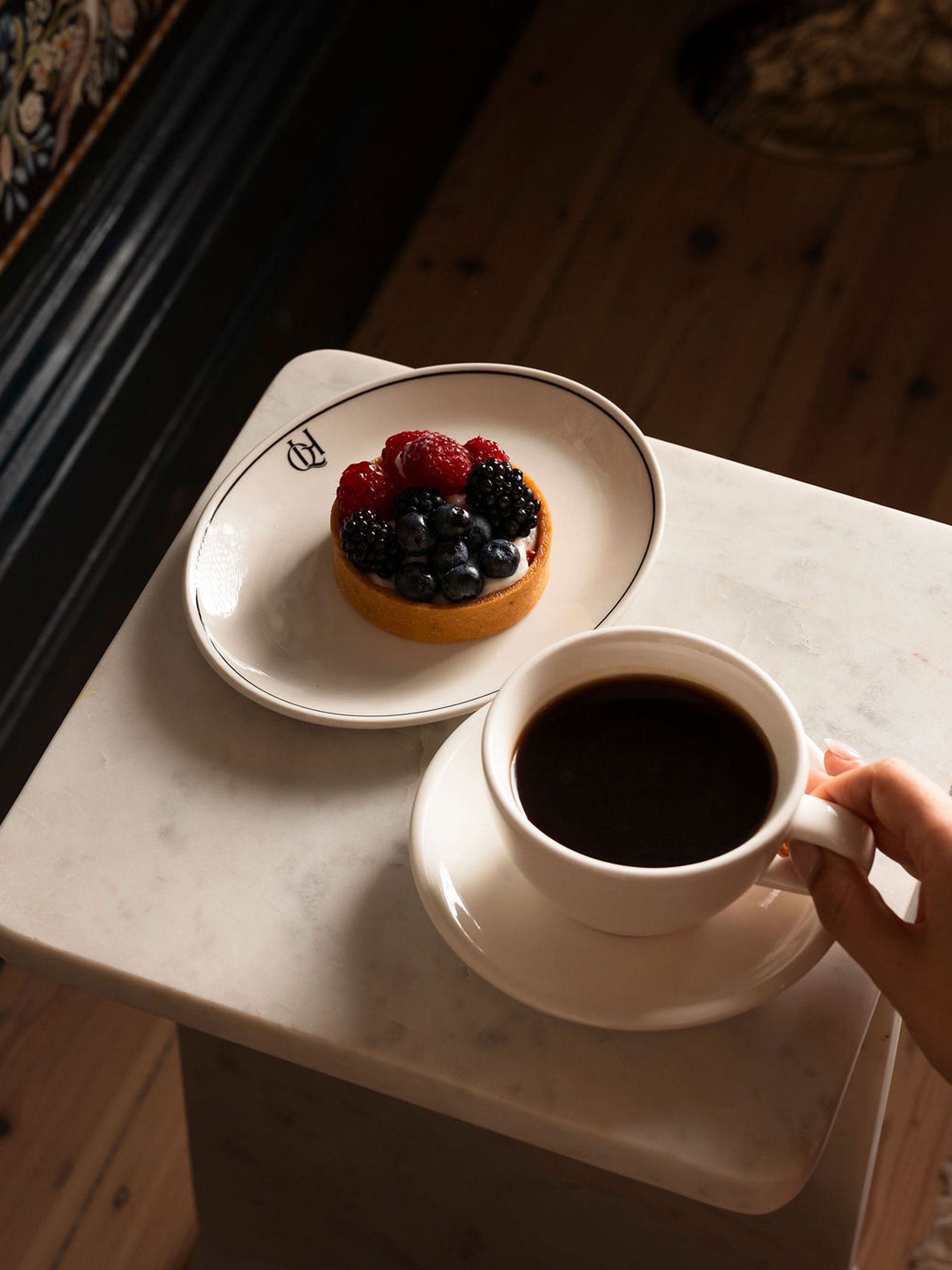
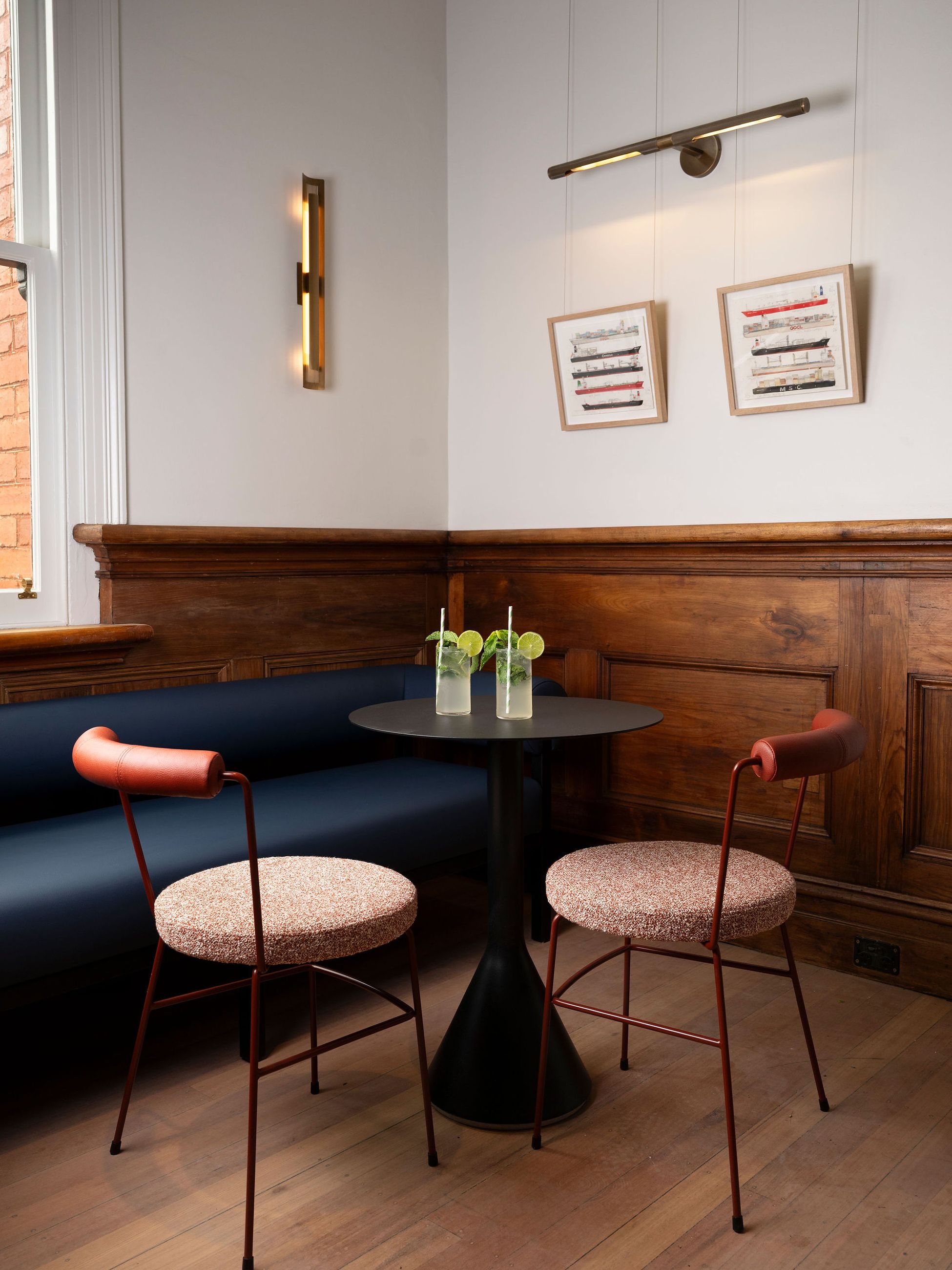
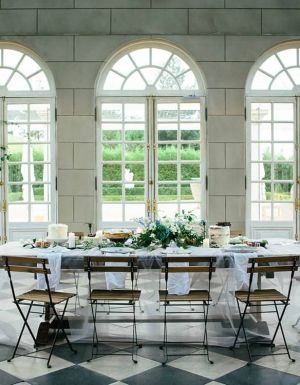
Guests also have access to The Conservatory for relaxed contemporary dining, Cafe 1888 for light bites and coffee, and The Boat Bar for pre-dinner cocktails in a sophisticated coastal setting. It’s a multi-venue offering that feels far more destination-led than your average regional hotel.
Weekly travel news, experiences insider tips, offers, and more.
Miettas has a history at The Queenscliff Hotel. (Credit: Neisha Breen Photography)
Bellarine Peninsula produce will be championed at Miettas. (Credit: Neisha Breen Photography)
Start the day at Cafe 1888. (Credit: Neisha Breen Photography)
Enjoy cocktails at The Boat Bar. (Credit: Neisha Breen Photography)
A bathhouse is coming soon
The hotel is also preparing to launch a dedicated Bathhouse – a future wellness retreat designed as a sanctuary of calm for guests.
While an opening date has not yet been announced, the upcoming space will offer steam and sauna rooms for deep relaxation, plunge pools for hot–cold therapy, and a luxurious hydro jet massage table delivering full-body water therapy. Access will be limited to a small number of guests at a time to preserve a sense of privacy, creating an unhurried experience that feels worlds away from the everyday.
Given the Bellarine’s growing appeal for bathhouse escapes, the addition positions The Queenscliff Hotel firmly in the wellness-luxe category – and makes it far more than just a place to sleep.
Details
This seaside icon is ready to make noise again. (Credit: Neisha Breen Photography)
Address: 16 Gellibrand St, Queenscliff, Victoria 3225
When: Full operations for the accommodation, The Conservatory, Cafe 1888 and The Boat Bar commence on Saturday, 14 March, while Miettas will offer an elevated Italian-inspired dining experience from 28 March.
After seven years of silence, the old seaside icon is ready to make noise again.
Want to see more stories from Australian Traveller in your Google search results?
Tick the box next to "Australian Traveller". That's it.
Emily Murphy is Australian Traveller's Email & Social Editor, and in her 4+ years at the company she has been instrumental in shaping its social media and email presence, and crafting compelling narratives that inspire others to explore Australia's vast landscapes. Her previous role was a journalist at Prime Creative Media and before that she was freelancing in publishing, content creation and digital marketing. When she's not creating scroll-stopping travel content, Em is a devoted 'bun mum' and enjoys spending her spare time by the sea, reading, binge-watching a good TV show and exploring Sydney's vibrant dining scene. Next on her Aussie travel wish list? South Australia and The Kimberley.
Wind through fern tunnels, stop for a wine in a tram bar, or chase giant murals across the wheatbelt. These drives and rides prove Victoria’s best stories are found off the straight and narrow.
There’s something unmistakably Australian about a road trip: car packed, playlist on, landscapes shifting. Travelling down the highway toward Healesville, in Victoria’s Yarra Valley, the mountains rise, flanking me on both sides. I feel its embrace, a silent invitation to explore what lies beyond.
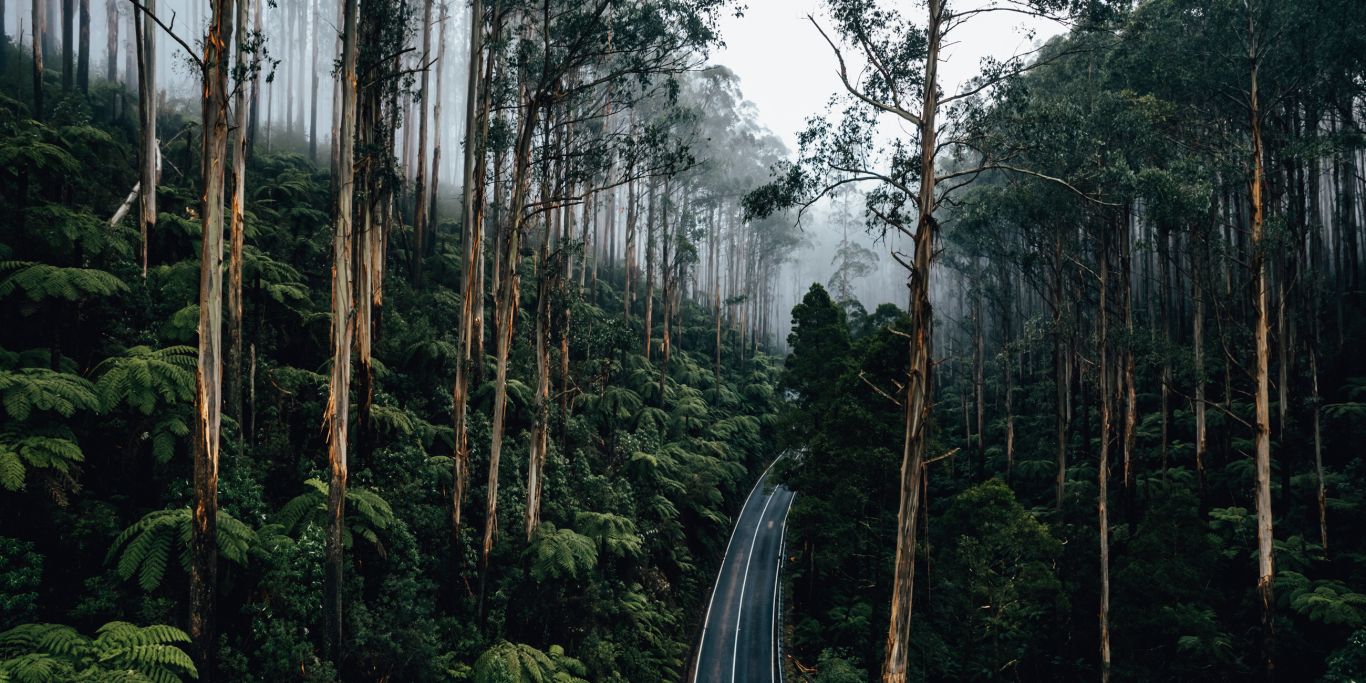
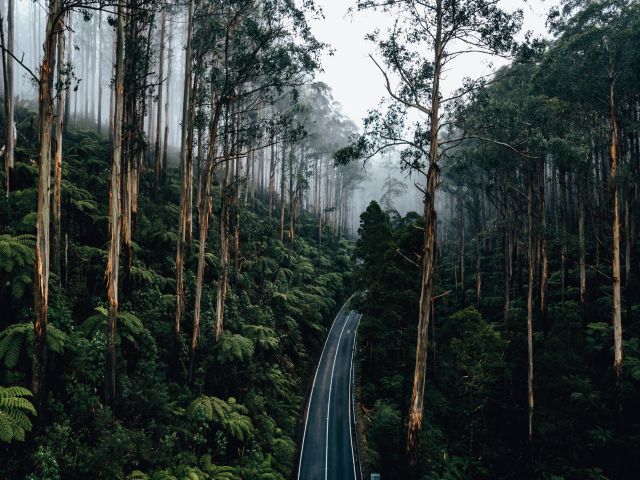
Moss-covered embankments rise on either side, and towering mountain ash trees form a green tunnel overhead. Road signs warn of wombats and cyclists but with giant ferns lining the roadside, the landscape feels prehistoric, as if a dinosaur might suddenly emerge. This, the Black Spur, is one of my favourite road trips.
The Black Spur
Through the forested canopy of The Black Spur drive that winds from Healesville to Narbethong. (Image: Neisha Breen)
The Black Spur is short compared to other Victorian road trips, just 30 kilometres, stretching from Healesville to Narbethong. But what it lacks in distance, it makes up for in scenery. Just outside Healesville, Maroondah Dam offers bushwalks and scenic views. However, if pressed for time, Selover’s Lookout is an easy roadside stop offering uninterrupted views of the dam.
In Narbethong, close to the Marysville’s snowfield, is the Black Spur Inn, a charming double-storey brick hotel that’s been welcoming travellers since 1863. Here, diners cosy up by the roaring fire or gaze through the floor-to-ceiling windows, imagining horse-drawn coaches carrying hopeful gold seekers to the eastern goldfields.
Victoria’s Silo Art Trail
The Silo Art Trail in the Wimmera Mallee region. (Image: Visit Victoria/Anne Morely)
Location: Various towns across the Wimmera Mallee region Duration: More than 200 kilometres / 4–5 hours but best over a minimum of three days
What began as a way to draw travellers back into town bypassed by highways – places such as Nullawil, Sea Lake and Patchewollock – has grown into a celebrated outdoor art movement. The Silo Art Trail now includes 23 silos, each transformed with large-scale mural portraits sharing local stories, celebrating community heroes, Indigenous history, farming life, or regional identity.
The Nullawil silo, for example, is a portrait of a local farmer in a chequered flannelette shirt alongside his loyal kelpie, painted by artist Sam Bates (AKA Smug). And the silos at Albacutya in the Grampians, painted by artist Kitt Bennett, depict her joyful memories of growing up in the countryside. Many of the murals sit right in the heart of small towns, such as Rochester and St Arnaud, making them perfect spots to pause for a country pub meal or something sweet from a local bakery.
Location: Gippsland Duration: Approximately 220 kilometres / 4 hours
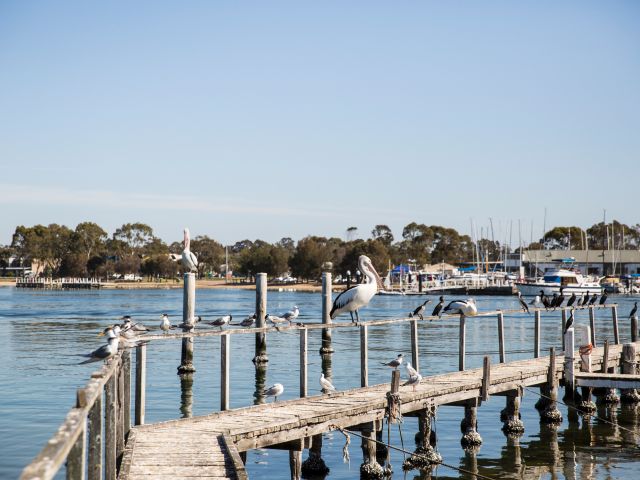
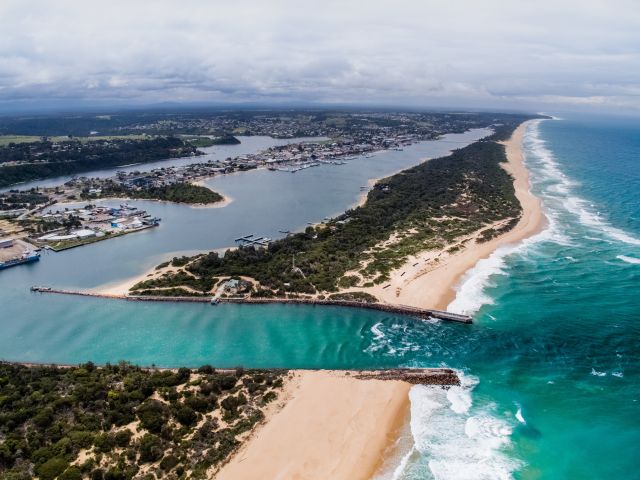
The Gippsland Lakes are a much-loved holiday spot in Victoria, but road-tripping further east reveals much more. Begin in Metung and time your visit with the monthly farmers’ market, or simply linger over lunch on the lawn of the Metung Hotel. Twenty minutes away is Lakes Entrance, where you can watch the fishing boats return with their catch.
Continue to Marlo, where the Snowy River spills into the sea, and Cape Conran for its many beaches and walks. If needing to stretch your legs, Croajingolong National Park is home to the historic Point Hicks Lighthouse and the Wilderness Coast Walk. Birdwatching and rainforest trails near Bemm River are worth a pit stop before arriving in Mallacoota, where the forest meets the sea.
Great Ocean Road
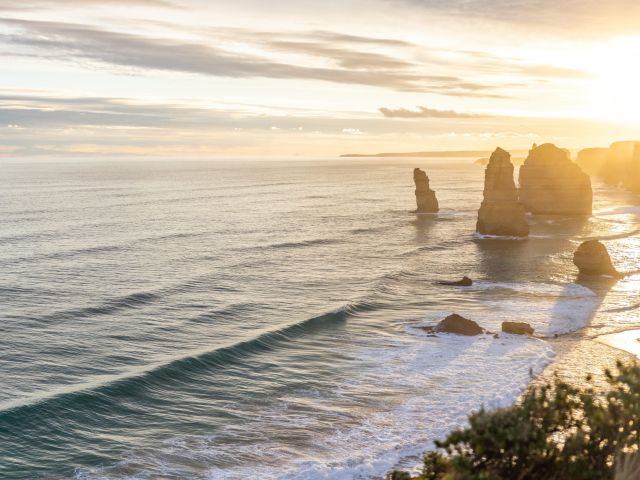
The 12 Apostles on the Great Ocean Road. (Image: Tourism Australia/Two Palms/Harry Pope)
Location: South-west Victoria, from Torquay to Allansford Duration: Approximately 250 kilometres / 4–5 hours but best over a minimum of three days
Victoria’s most famous road trip delivers it all: world-class surf breaks, rainforest walks, clifftop lookouts and wildlife encounters. The journey begins in Torquay, the state’s surf capital, then hugs the coast past Anglesea and Lorne to Apollo Bay, before curving inland through the lush rainforest of the Otways. Stop at Cape Otway Lightstation or take to the treetops at Otway Fly.
Between Cape Otway and Port Campbell lies the most photographed stretch – seven of the Twelve Apostles still standing, alongside the golden cliffs of Loch Ard Gorge. Further west, Warrnambool is a winter whale-watching hotspot, before the road winds to Port Fairy, a charming fishing village of whalers’ cottages, walking trails and offshore seal colonies further along the coast.
Location: Bellarine Peninsula Duration: Approximately 80 kilometres / 2–3 hours
The Bellarine Taste Trail is a feast for the senses, winding through coastal towns, past boutique wineries and artisan producers. It’s a choose-your-own-adventure style trail – simply grab a map and build your own delicious journey.
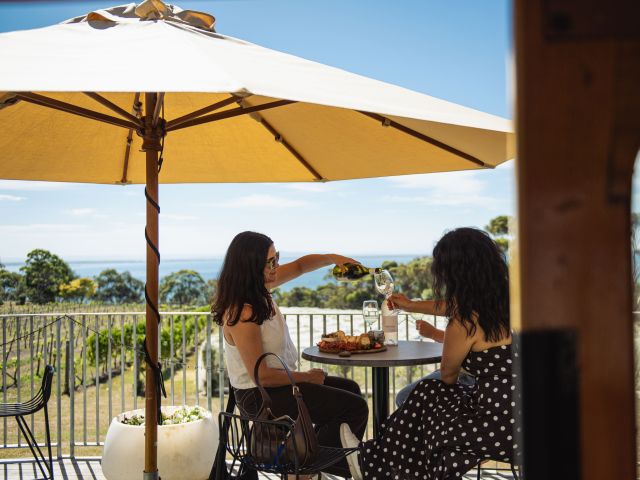
You might wander historic, seafront Queenscliff, sip wine in a converted tram bar at Terindah Estate, sample a locally distilled whisky at The Whiskery in Drydale or pick up a jar of honey at Wattle Grove in Wallington. Seafood lovers can head to Portarlington, famous for its mussels. Eat them fresh at local restaurants or head out on the water with Portarlington Mussel Tours.
O’Keefe Rail Trail – Bendigo to Heathcote
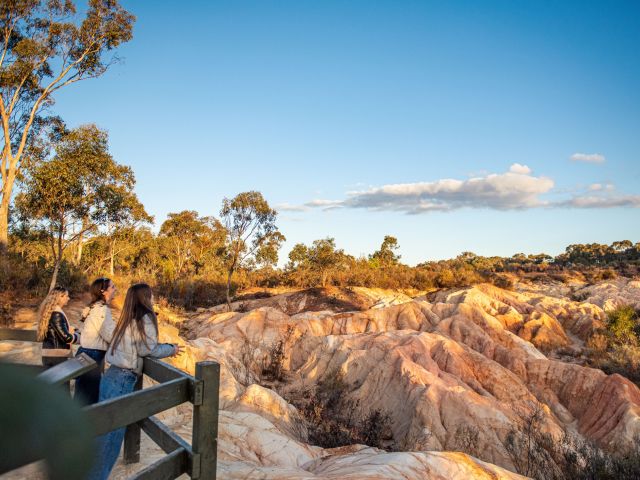
Pink Cliffs Reserve in Heathcote can be seen on the O’Keefe Rail Trail. (Image: Visit Victoria/Emily Godfrey)
Location: Central Victoria Duration: Approximately 50 kilometres / 4 hours cycling
Travellers first journeyed between Heathcote and Bendigo in 1888, when the railway line was built to link the towns. Trains stopped running in 1956, but today the route has a new life as the O’Keefe Rail Trail. The path is mostly level for easy riding, and along the way you’ll cycle past bushland, waterways and reserves. There are plenty of places to picnic, birdwatch, and if you’re lucky, spot a platypus.
The trail is well supported with water stations, bike repair points, shelters, and signage. Axedale makes a great halfway stop, with the pretty Campaspe River Reserve for a rest and local cafes for refuelling. Begin in Heathcote, known for its wineries and cafes, or in Bendigo, which is easily reached by train from Melbourne/Naarm. Shorter sections, such as Heathcote to Axedale, are also popular.
Goldfields Track – Ballarat to Bendigo
Location: Central Victoria Duration: Approximately 210 kilometres / 2–3 days cycling
The Goldfields Track traces a route once so rich in gold it made Melbourne one of the wealthiest cities in the world. Starting at Mt Buninyong, south of Ballarat, the trail leads mountain cyclists and walkers north through Creswick, Daylesford and Castlemaine before finishing in Bendigo. Along the way, you’ll encounter granite outcrops, eucalypt forests, rolling farmland and remnants of the region’s mining past.
As it passes through the lands of the Dja Dja Wurrung and Wadawurrung people, the track shares gold rush history and Indigenous stories brought to life by interpretive signs. Walk or ride the full trail or choose from one of its three distinct sections. With cosy stays, cafes and pubs, it’s easy to mix wilderness with comfort.