hero media

This picture-book trestle bridge with a vintage steam train is Gippsland’s best-kept secret

Credit: Supplied

This easy walk leads you to the oldest remaining trestle bridge in Victoria.

An enchanting bridge straight from the pages of Three Billy Goats Gruff (minus the scary troll), the Noojee Trestle Bridge is a bona fide relic from the ‘olden days’. The best part? It’s only a 300-metre walk from the car park, shorter if you don’t complete the entire loop. No whingeing about tired legs here. Follow the rail trail into Noojee, where an old steam train and vintage dress-ups await.

What to expect when you visit
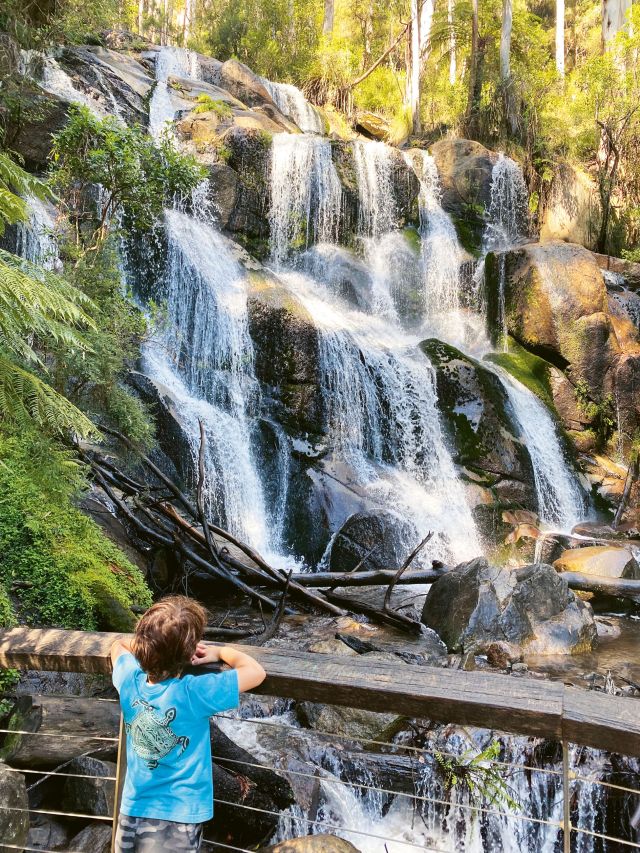
Boy admiring the waterfall near the Noojee Trestle Bridge
The enchanting bridge crossing is an easy walk for kids. (Credit: Supplied)

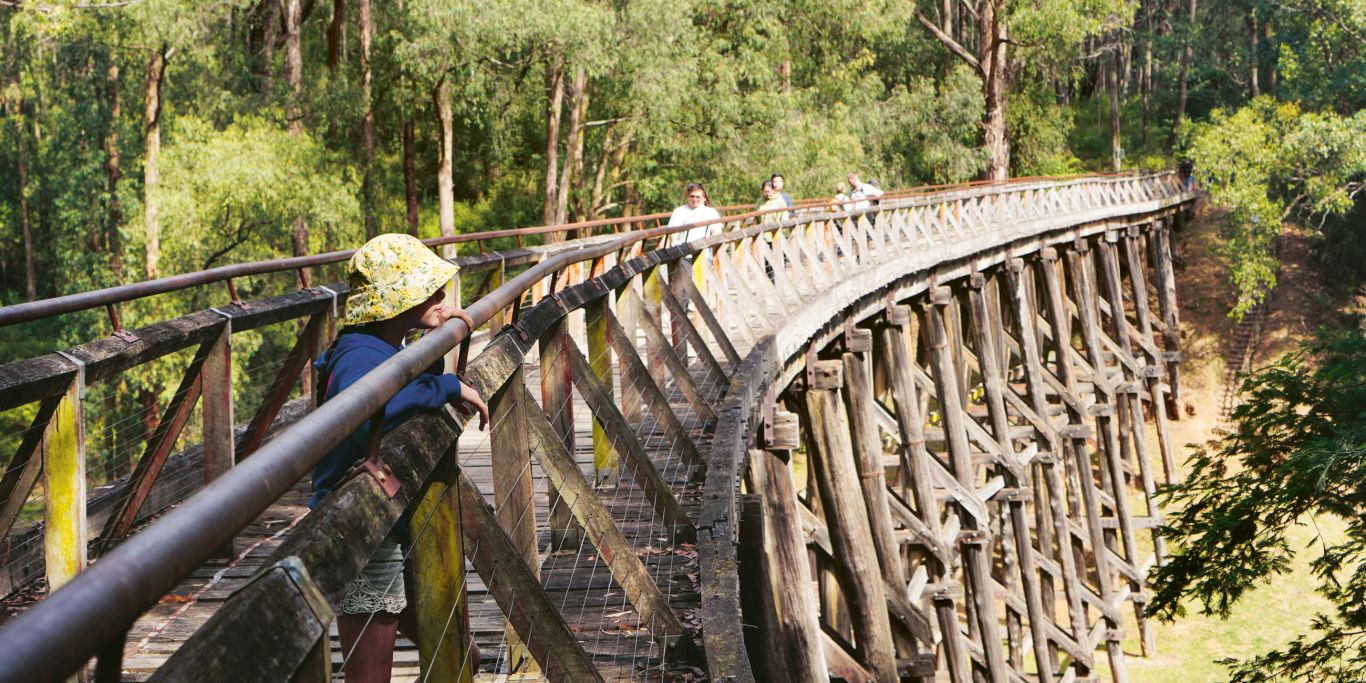
Forget cajoling the kids into walking with the promise of a reward at the end. Here, the attraction can be seen from the car park – a 21-metre-high wooden trestle bridge lording over a valley cocooned by towering mountain ash. The old railway bridge is one of the last remaining timber trestle bridges in Victoria and, despite its rickety appearance, welcomes foot traffic.

Take the steep steps on the right-hand side of the car park to the top of the bridge. Wander along the boards (the bridge is 102 metres long), stopping to take photographs and then loop back down the hill and finish where you started. There is a handrail and wire fencing, so you needn’t worry about little ones slipping through the railings, but be vigilant if you have a climber on your hands.

What is the Noojee Trestle Bridge famous for?
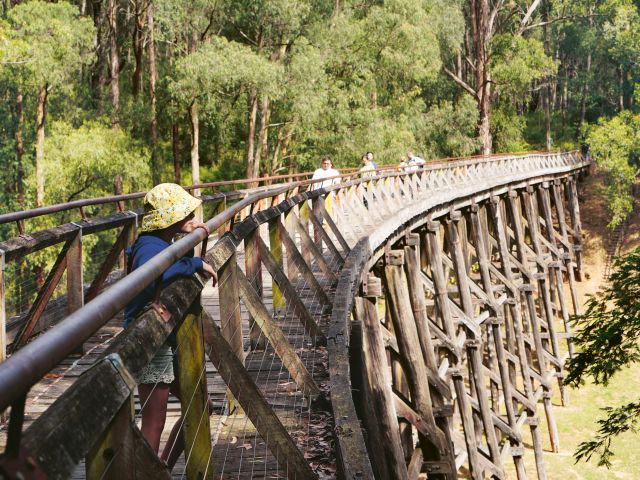
Crossing the Noojee Trestle Bridge in Gippsland
The Noojee Trestle Bridge is the oldest remaining in Victoria. (Credit: Supplied)

The original bridge was built more than a century ago, completed in 1919 as part of a 42.8-kilometre railway link between the timber town of Noojee and Warragul. Known as Number 7, it was the seventh (and today only remaining) bridge on the Noojee end of the line; affectionately nicknamed ‘Straight Bridge’ because of its comparatively subtle curve.

Twice ravaged by bushfires, the line was integral to Gippsland’s early logging boom, primarily transporting timber, but also livestock, produce and passengers for 35 years. It was decommissioned following a fire in March 1954 – just three weeks after a special train service brought passengers to Warragul for Queen Elizabeth II’s first Australian royal visit. Road haulage had steadily weakened demand, and the line was progressively dismantled, leaving just the Number 7 bridge. It was later bought by the former Buln Buln Shire in 1963 for the princely sum of one pound.

The bridge became a popular tourist attraction until safety concerns forced its closure in 1982. In the 1990s a restoration project was undertaken, replacing rotting timber foundations with concrete and repairing the 19 timber piles. It reopened in 1996 and today attracts about 10,000 visitors a year. Visitation peaked in 2005, when the bridge was lined with tables from end to end to host the ‘World’s Longest Lunch’ as part of the Melbourne Food and Wine Festival. No such feat would be possible today, as it has a maximum capacity of 10 people, so say the signs. But don’t let that put you off – it’s a wonderful family outing.

Need tips, more detail or itinerary ideas tailored to you? Ask AT.

AI Prompt

Is the Noojee Railway Station worth visiting, too?
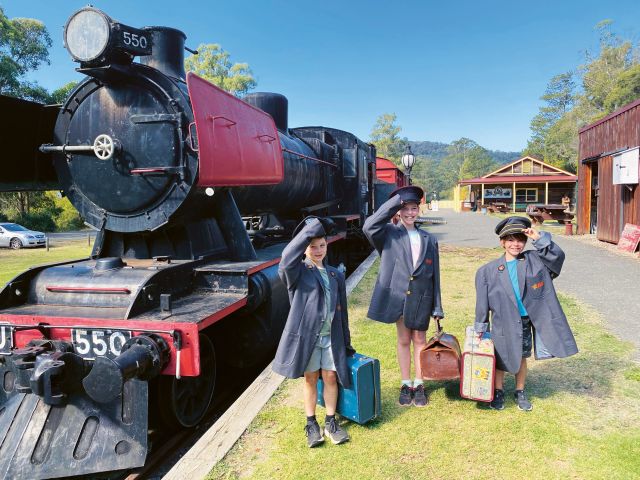
Children in dress up beside the Noojee Steam Train
The heritage centre provides stationmaster vintage costumes and luggage to try. (Credit: Supplied)

If the kids are feeling particularly energetic, you can extend your walk, taking the old rail trail to Noojee (meaning ‘keeping place’ to the Traditional Owners). It’s a flat and slightly downhill two-kilometre amble (one way), finishing at the replica Noojee Railway Station. If you don’t have the stamina, there’s no shame in driving (we did).

Either way, don’t miss calling in to the Noojee Heritage Centre and Railway Goods Shed to learn more about the timber town, once the beating heart of a 70-kilometre network of wooden tramways ferrying timber from remote sawmills. The highlight is the 1950s J Class steam locomotive. Borrow some stationmaster vintage costumes and luggage from the heritage centre (a donation is appreciated), and let the kids scramble aboard. Admire the chainsaw-carved wooden sculptures on the platform and explore the old machinery. The reserve has a pleasant picnic area with hand-carved timber tables and public toilets.

The details
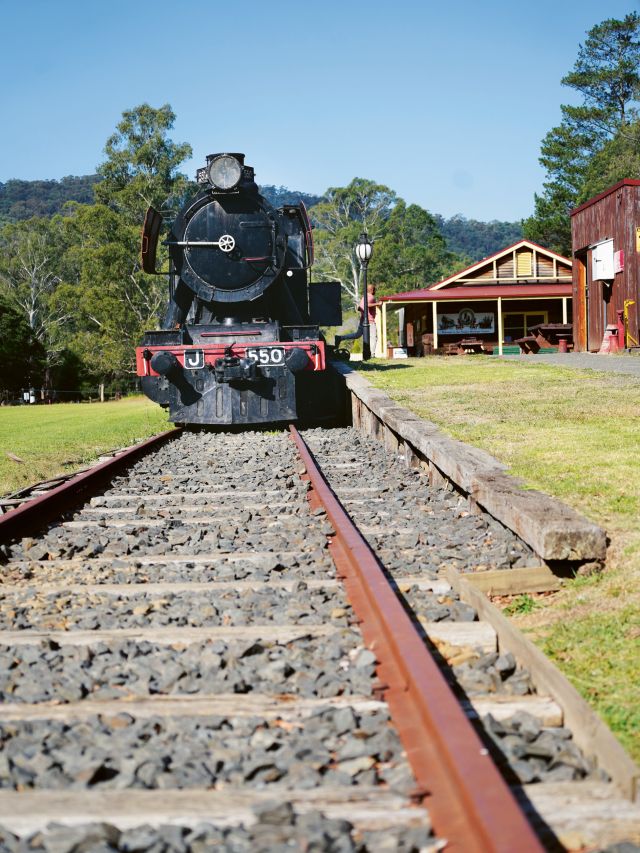
The 1950s J Class steam locomotive
Step aboard the1950s J Class steam locomotive. (Credit: Supplied)

Where is the Noojee Trestle Bridge?

The Noojee Trestle Bridge is in West Gippsland, about 130km east of Melbourne/Naarm. There’s a car park at the base, five kilometres west of Noojee on the Mount Baw Baw Tourist Rd.

Weekly travel news, experiences
insider tips, offers, and more.

When is the best time to visit?

Warm and sunlit in summer, misty and atmospheric in winter – the bridge is a hit year-round. Check conditions ahead for bushfire risk.

What type of traveller should go?

Everyone, but it is an especially magical family day out.

More information

This is an edited extract from Ultimate Family Holidays Australia by Catherine Best, published by Hardie Grant Explore – out now. For more great ideas, you can order a copy here or at all major book retailers.
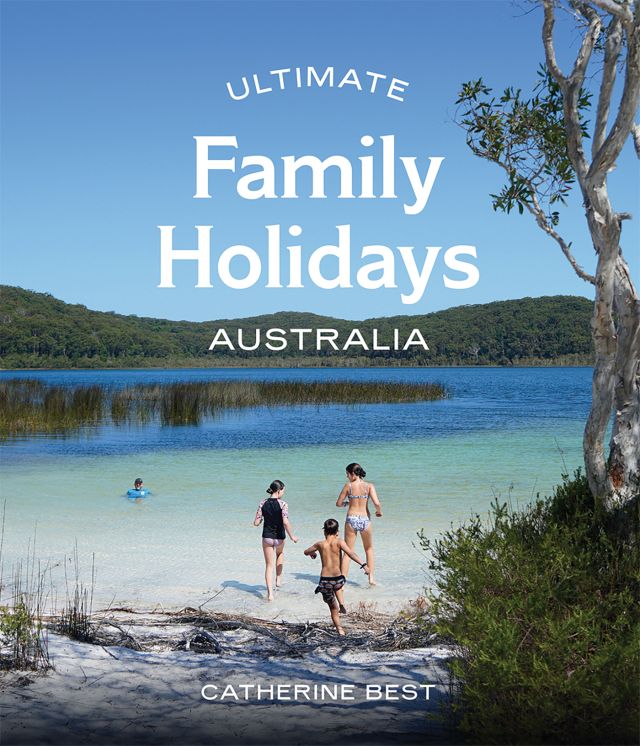
Ultimate Family Holidays Australia by Catherine Best
Ultimate Family Holidays Australia by Catherine Best, RRP AU$45.

Want to see more stories from Australian Traveller in your Google search results?

  1. Click here to set Australian Traveller as a preferred source.
  2. Tick the box next to "Australian Traveller". That's it.
hero media

A must-visit list of Victoria’s most iconic spots

From natural wonders to historical sites, we’ve rounded up Victoria’s most epic icons that deserve a place on your itinerary.

Grampians (Gariwerd) National Park

Mount William peak in Grampians (Gariwerd) National Park
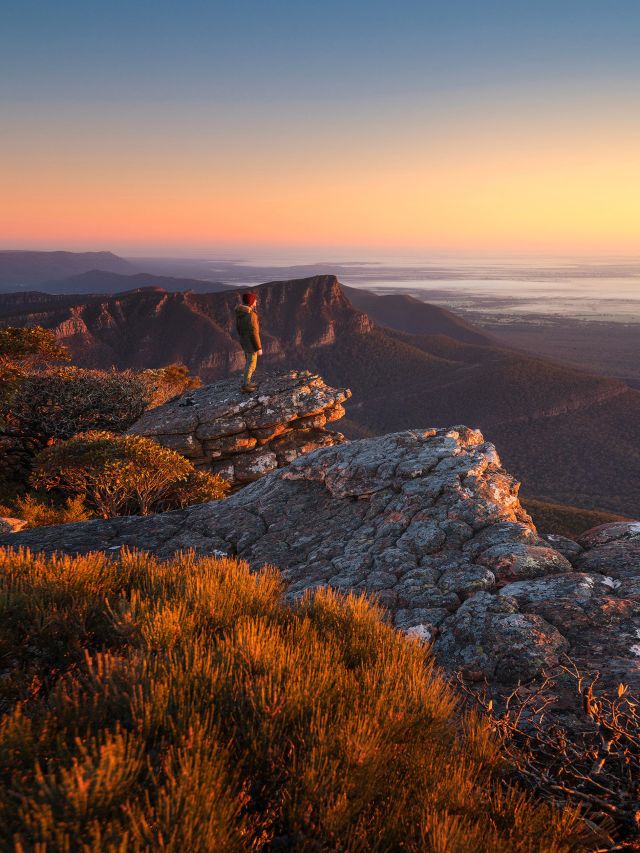
Mount William is the highest peak in the Grampians (Gariwerd) National Park. (Image: Matt Donovan)

From towering mountains to crystal cascades and ancient rock art sites, the Grampians (Gariwerd) National Park is a playground for both outdoor adventurers and nature lovers. Don’t miss the views from the highest peak Mount William or the iconic Pinnacle.

Murray River

A paddle steamer down the Murray in Echuca
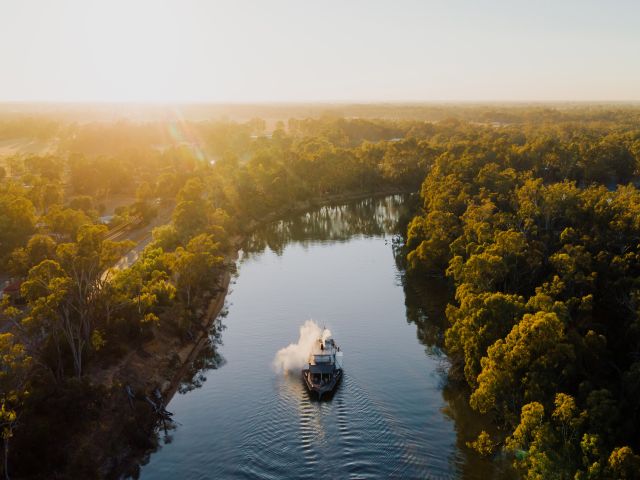
The wonders of the Murray are best experienced on board a paddle steamer. (Image: Visit Victoria)

A natural icon of majestic proportions, the Murray River flows for a staggering 2700 kilometres, making it one of the world’s longest navigable rivers. Meandering through Victoria before flowing out to sea at Goolwa in South Australia, the river is home to diverse wildlife, picturesque towns and secluded creeks and beaches.

Twelve Apostles, Port Campbell

the Twelve Apostles, Great Ocean Road
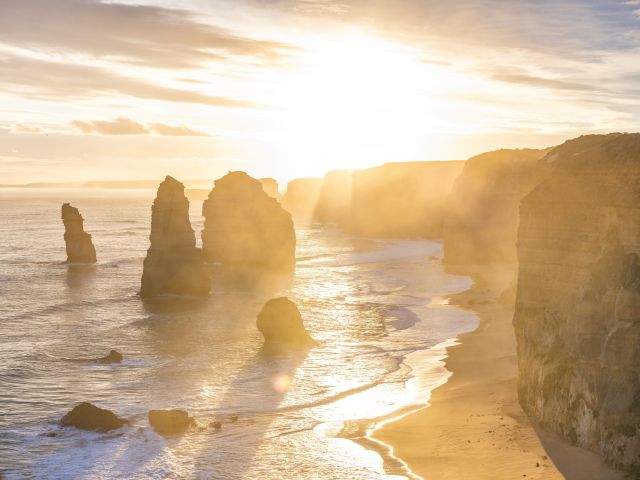
The Twelve Apostles are a star attraction on the Great Ocean Road. (Image: Tourism Australia/Two Palms/Harry Pope)

These limestone sea stacks are arguably Victoria’s most famous icon. After an $8-million upgrade to its lookout, The Blowhole near Loch Ard Gorge/Poombeeyt Kontapool (meaning breath of the whale) has recently reopened. A brand-new Twelve Apostles Visitor Experience Centre, complete with rooftop lookout, will open in 2026.

You Yangs, Geelong

kangaroos in You Yangs
Kangaroos enjoy dusk in the You Yangs. (Image: Tourism Australia)

Rising 300-plus metres from the flat volcanic plains between Melbourne/Naarm and Geelong, the You Yangs are massive granite boulders named for the local Wadawurrung word ‘Youang’, meaning ‘big hills’. Hiking, biking, rock climbing and horse-riding are popular within this regional park.

Redwood Forest, Yarra Valley

Redwood Forest, Yarra Valley
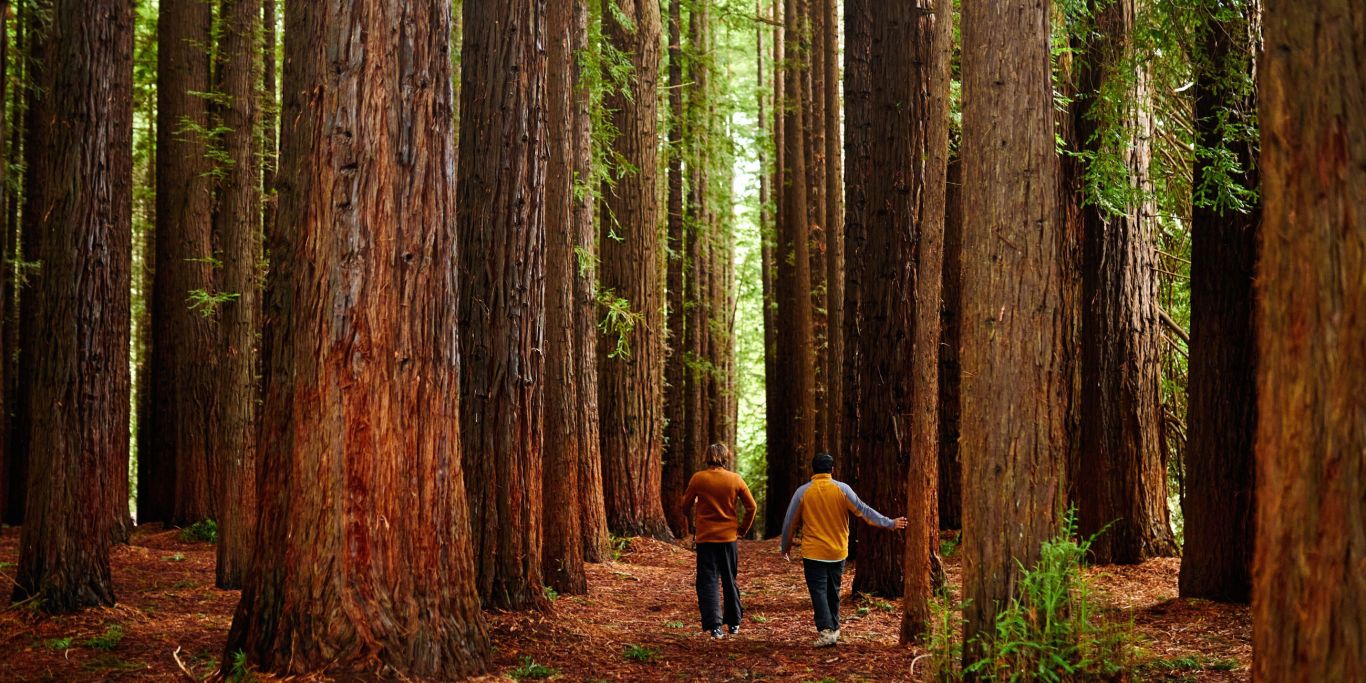
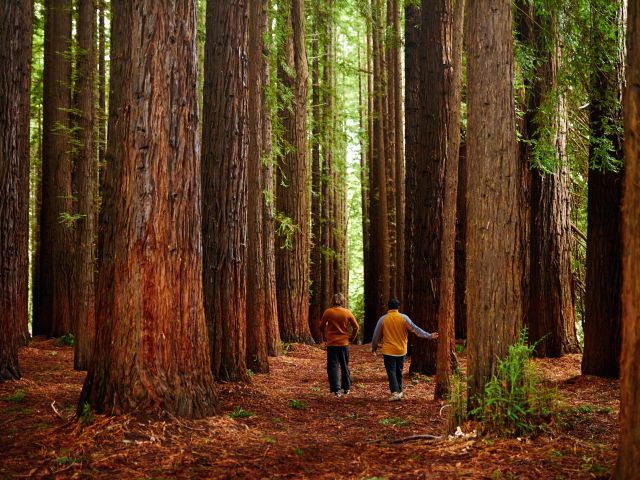
Yarra Valley’s soaring Redwood Forest. (Image: Tourism Australia)

Near the town of Warburton, an extraordinary forest of some 1500 Californian Redwoods stands among native orchids, eucalypt trees and rich birdlife. Planted in the 1930s, these 55-metre-plus trees can live for 2000 years and will grow to be some of the world’s tallest.

Wilsons Promontory, Gippsland

the Wilsons Promontory
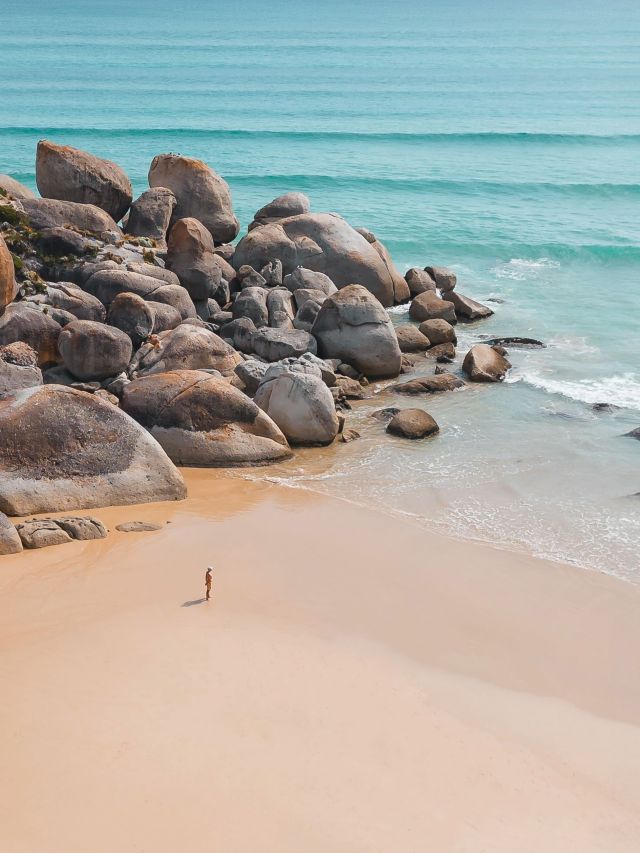
Wilsons Promontory is home to the incredible Skull Rock formation. (Image: Tourism Australia)

The Prom, as it’s known locally, is the southernmost tip of mainland Australia. This 50,000-hectare reserve comprises granite mountains and forest, fringed by sandy beaches and surrounded by a marine park rich in marine biodiversity. It’s also home to the incredible and imposing Skull Rock formation.

Hanging Rock Reserve, Macedon Ranges

the Hanging Rock Reserve, Macedon Ranges
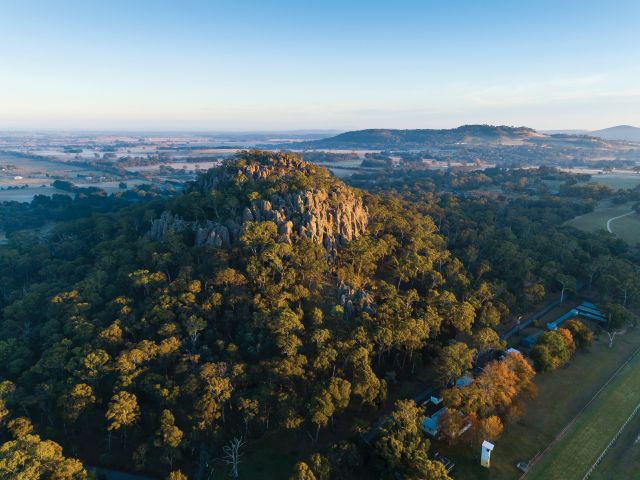
Enigmatic Hanging Rock. (Image: Visit Victoria/ Rob Blackburn)

This six-million-year-old volcanic rock was thrown into the national spotlight thanks to the 1967 novel and consequent 1975 film based on the fictional disappearance of schoolgirls in 1901. Mystery aside, visitors can walk the steep 105-metre summit, fish for trout and go twitching.

Sovereign Hill, Ballarat

exploring Sovereign Hill
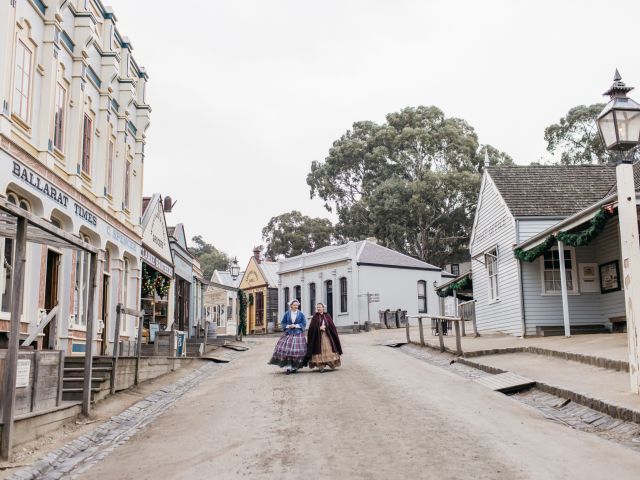
Step back in time at Sovereign Hill. (Image: Tourism Australia)

Cry ‘eureka!’ at Sovereign Hill, a living museum to the prosperous Gold Rush era of the 1850s, during which Ballarat produced the most gold in the world. Visitors to this much-loved attraction can walk historic  streets, enter a gold mine and try panning for the good stuff, too.

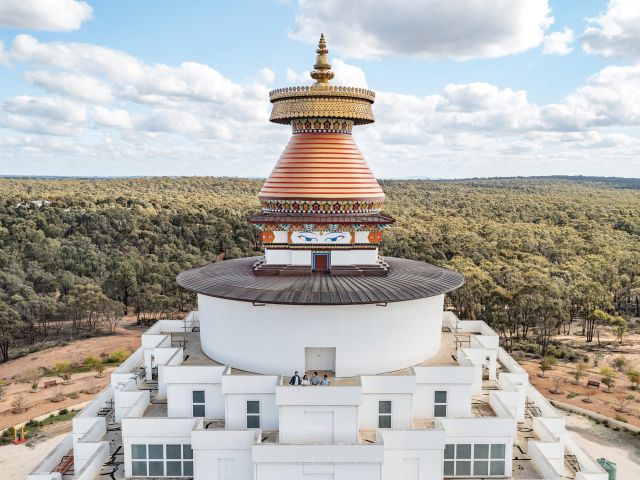
The Great Stupa, Bendigo

Great Stupa, Bendigo
The Great Stupa in Bendigo. (Image: Tourism Australia)

Who’d have thought the largest Buddhist temple in the Western world would be tucked away in Bendigo’s bushland? Welcoming visitors to explore, this sacred Buddhist pagoda is an epicentre for Tibetan culture, architecture, art and interfaith harmony.

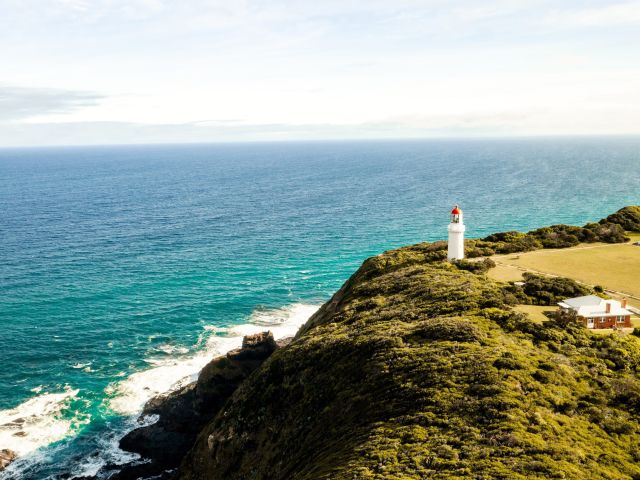
Cape Schanck Lighthouse, Mornington Peninsula

the Cape Schanck Lighthouse from above
Heritage-listed Cape Schanck Lighthouse. (Image: Tourism Australia/Two Palms/Harry Pope)

Ensuring the safe passage of ships in the notoriously treacherous Bass Strait since 1859, this heritage-listed lighthouse overlooks dramatic volcanic coast and wild beaches. The surrounding reserve is home to a plethora of wildlife including little penguins, seals and echidnas.