Forest bathing has long been part of Japanese wellness culture. A few days in WA’s Golden Outback suggest Australia has its own version: bush bathing.
Let’s get one thing straight: you haven’t experienced country life until you’ve had to wash horse crap out of your hair. I should know – I’ve scrubbed it off my clothes, scraped it out of my fingernails and wrung it from my roots.
Right now, the internet is riding high on ‘cowboy core’, pushing leather boots and suede fringe. But long before fashion editors rebranded farmwear as an aesthetic, I spent my weekends with the high school ag club, parading Hereford cattle around a ring at the Sydney Royal Easter Show. (Yes, I was that cool.)
My family didn’t run a 500-head cattle station but our acreage had horses, a bull named Bully, 15 chickens, three dogs and two white ducks called Daisy and Duke. That was a lifetime ago. At 18, I left Australia, burying that farm girl under a decade of international travel. But when I stand in Western Australia’s Golden Outback, red dust kicking up around me, I realise how much I like the bush – and how good it feels to be back in it.
Swapping city for outback
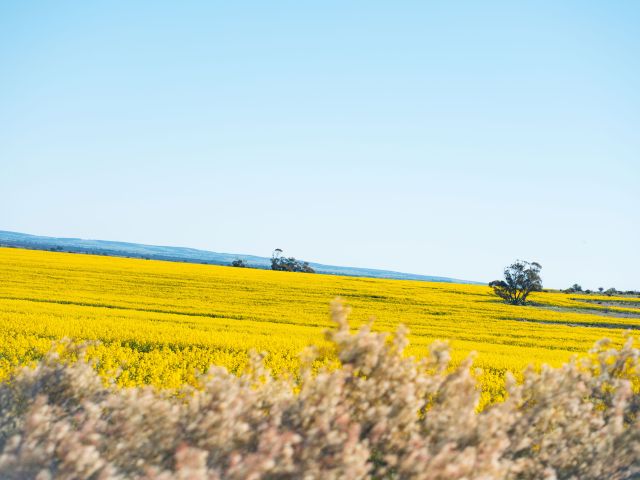
Vibrant bursts of canola butter the landscape along the Great Northern Highway. (Credit: Natasha Bazika)
The Golden Outback swallows a massive chunk of Western Australia, stretching east from Perth into the desert. My husband, Mak, and I leave the city and drive north along the Great Northern Highway, passing through small towns and seas of golden canola. About five hours in, the gold bleeds into red dirt and low scrub. Just before Yalgoo, a weathered sign makes it official: ‘The Outback Starts Here’. From this point on, we rely on local advice for navigation. “Look for the pink sign, turn right then watch for the metal bull," station owners Ian and Treasure Clark instruct us prior to our departure.
“There’s the bull!" Mak shouts, yanking the steering wheel right.
Mellenbye Station
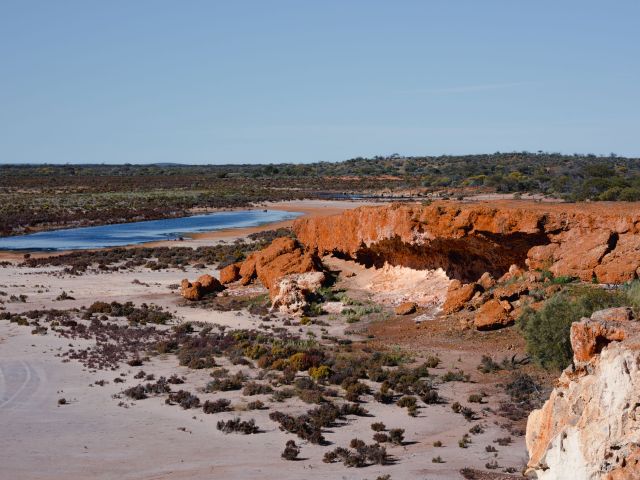
Millenia of erosian at Mellenbye Station’s The Breakway have exposed vivid swathes of red. orange and white topsoil. (Credit: Natasha Bazika)
Mellenbye Station spans almost 102,000 hectares of cattle country. We arrive as a herd of Droughtmaster and Shorthorn calves are being unloaded. “Hey there, I’ll just go grab your keys," shouts Nicola Clark, Ian and Treasure’s daughter, as she wipes dirty hands on her jeans. She gives us the keys and gets back to work, disappearing into the dust.
There are no $400 Stetson hats or shiny R.M. Williams boots here. Denim is a tool, dirty boots are mandatory and the cattle need moving. The station carries on whether visitors are here or not.
While the property accommodates campers, caravanners and families, we’re checking into The Manor, Mellenbye’s plush new dwelling. It’s a modern, fully equipped one-bedroom cottage with a big kitchen and glass doors framing the outback.
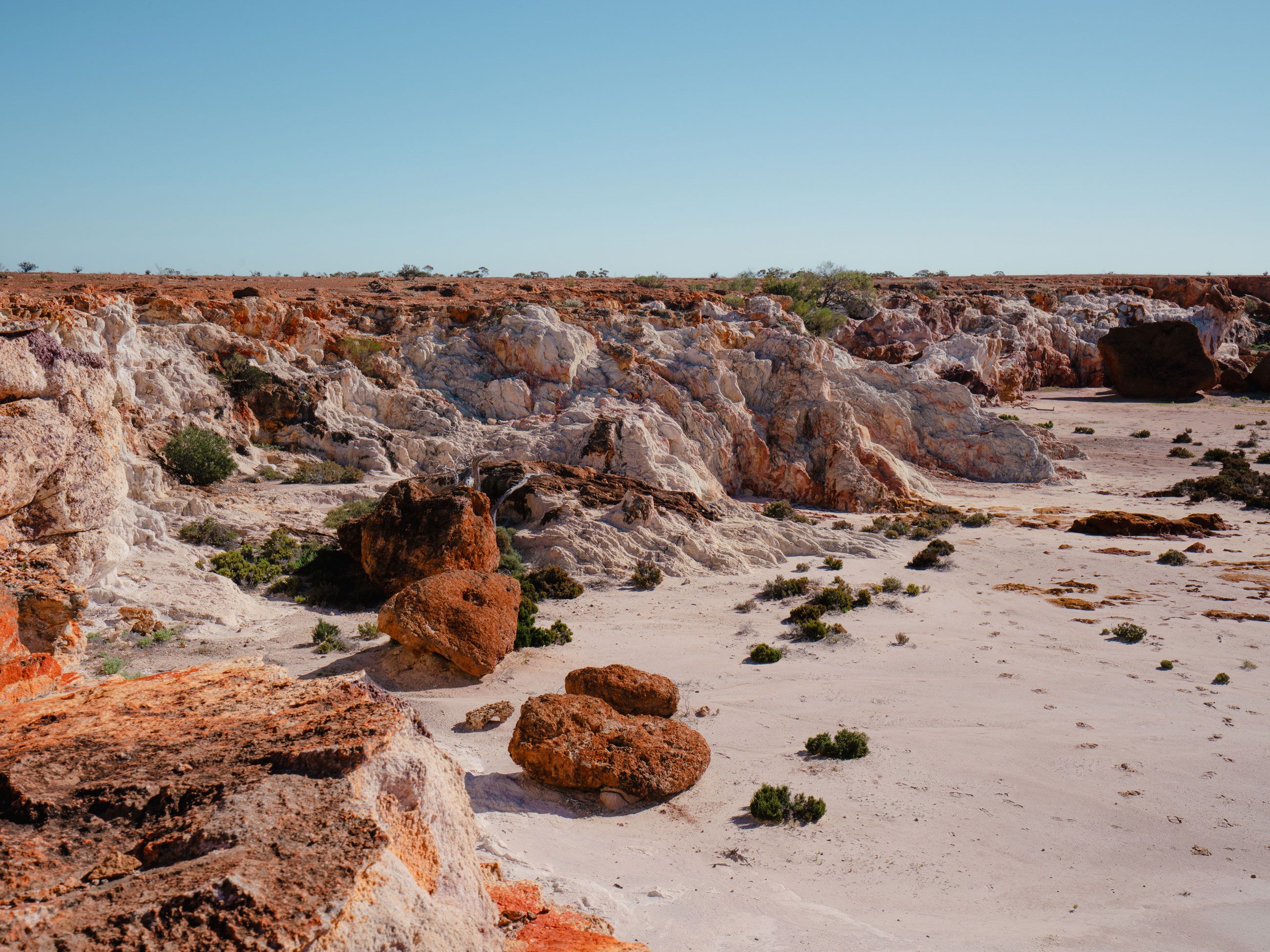
Erosion reveals the rugged texture of the outback. (Credit: Natasha Bazika)
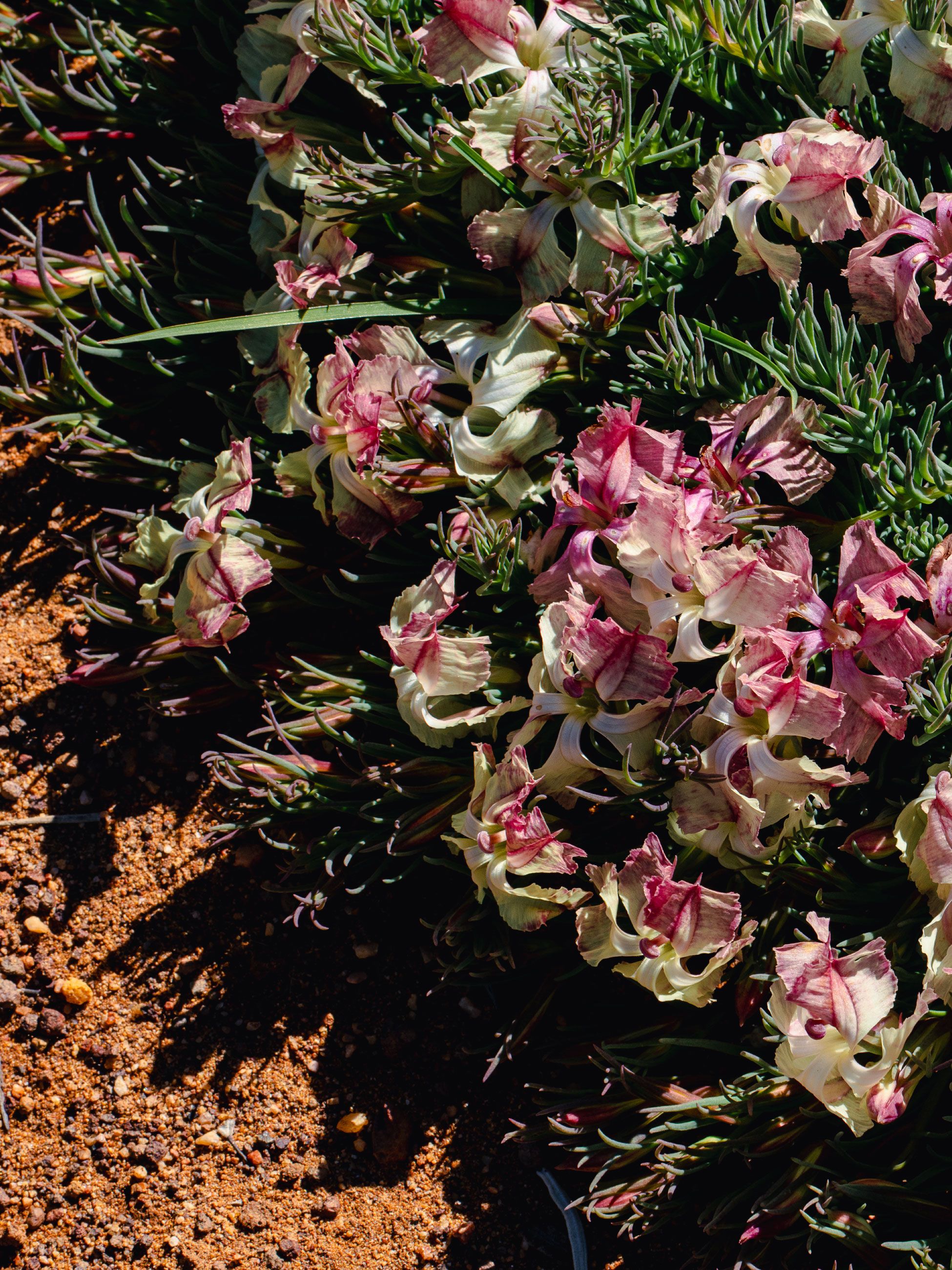
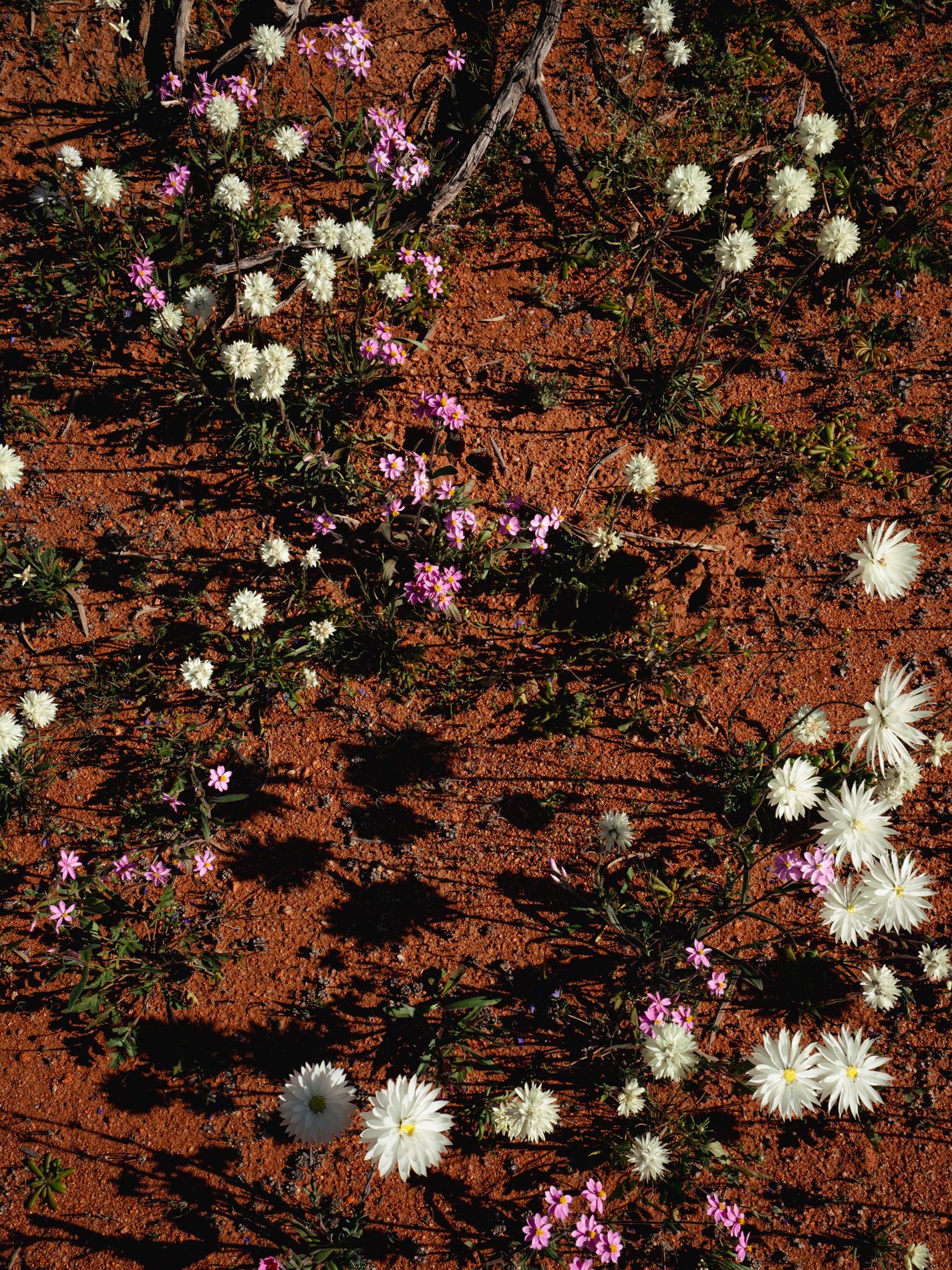
An ephemeral wreath flower sits flush against the gravel. (Credit: Natasha Bazika)
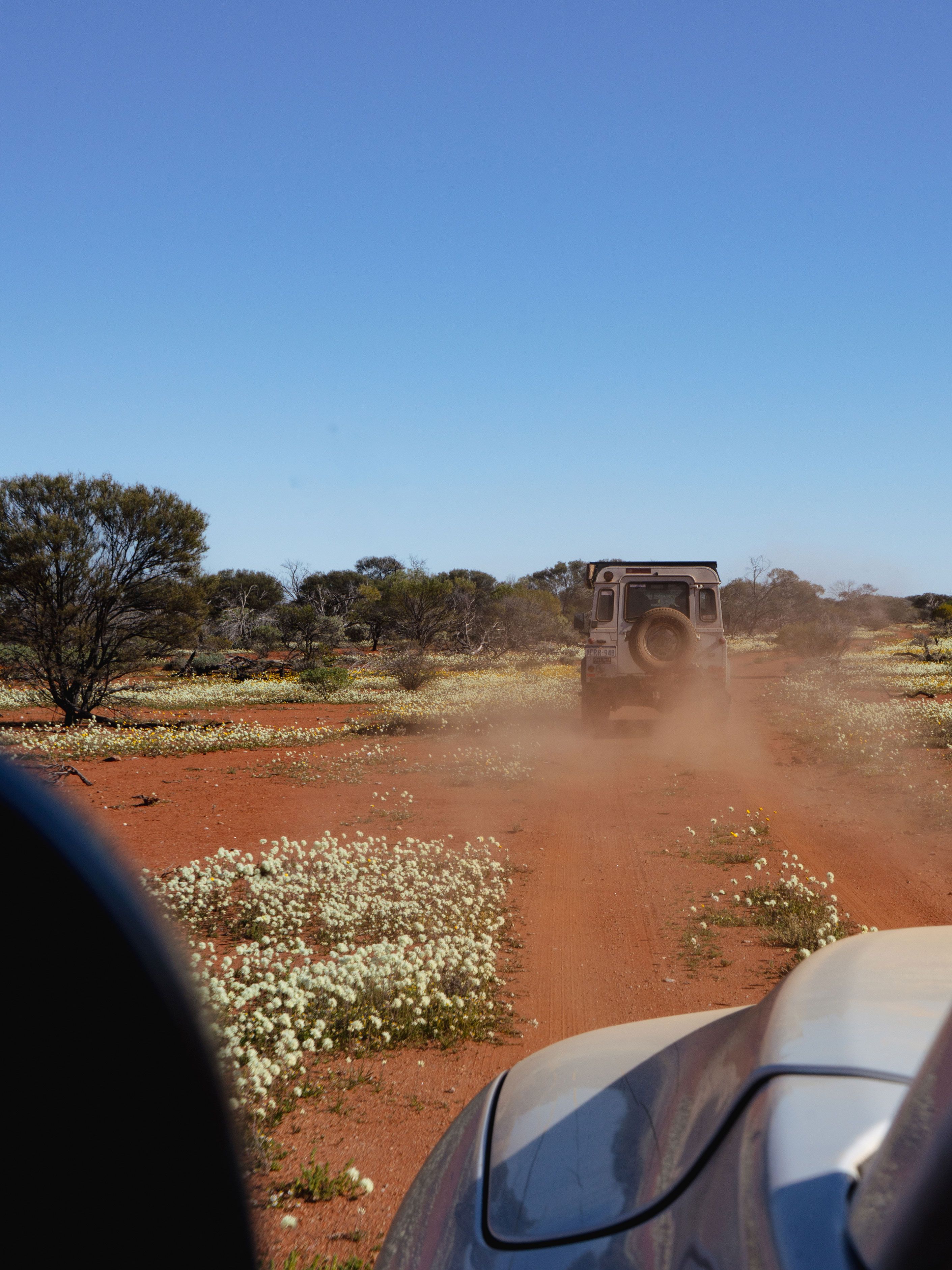
Stirring up clouds of red dust on a self-drive 4WD tag-along tour of Melangata Station. (Credit: Natasha Bazika)
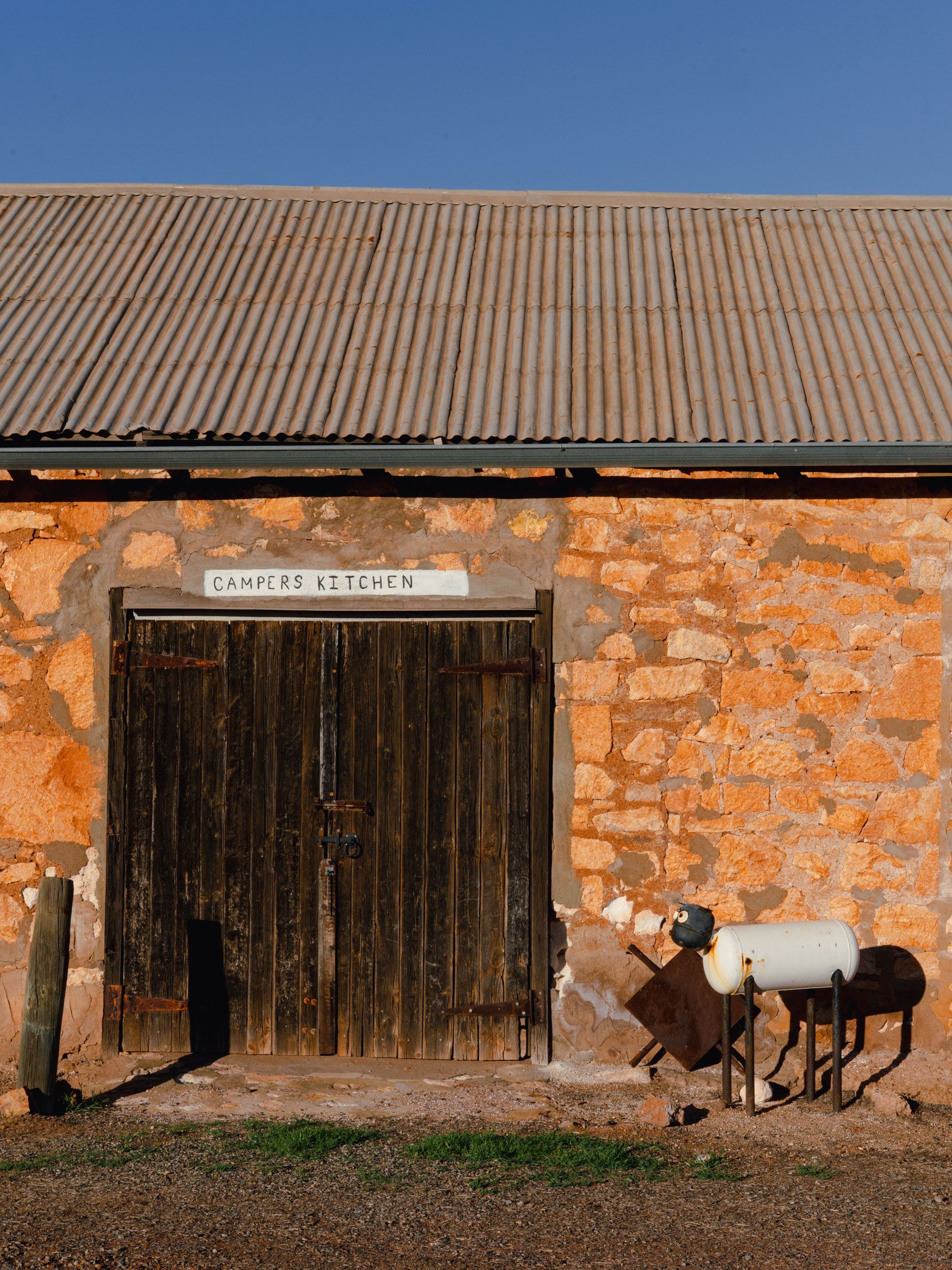
The old shearing shed has been converted into a camp kitchen. (Credit: Natasha Bazika)
Four hours of bouncing around in a 4WD with Ian and Treasure gives us an idea of just how massive Mellenbye really is (in that time, we see only a fraction of it). At Nicola’s favourite spot, The Breakaway, the soft topsoil has eroded over millennia, exposing swathes of red, pink, orange and brilliant-white earth. “If you have a self-contained campervan, you can stay here," Ian tells me. “As you can see, there’s no infrastructure around, so you need to be self-sufficient." For a view like this, I’d happily rough it.
Like any historic station, Mellenbye has its folklore. High on a rocky outcrop stands Go John, a black metal silhouette of a beloved racehorse that belonged to the station’s previous long-time owners.
It’s late July and the wildflowers are blooming early. Treasure takes us to the region’s crown jewel: the wreath flower. A perfectly symmetrical, low-lying ring of pink and white frills sits flush against the red gravel, as if someone dropped a bridesmaid’s headband in the dirt. I crouch in the dust, mesmerised.
Need tips, more detail or itinerary ideas tailored to you? Ask AT.
AI Prompt
Melangata Station
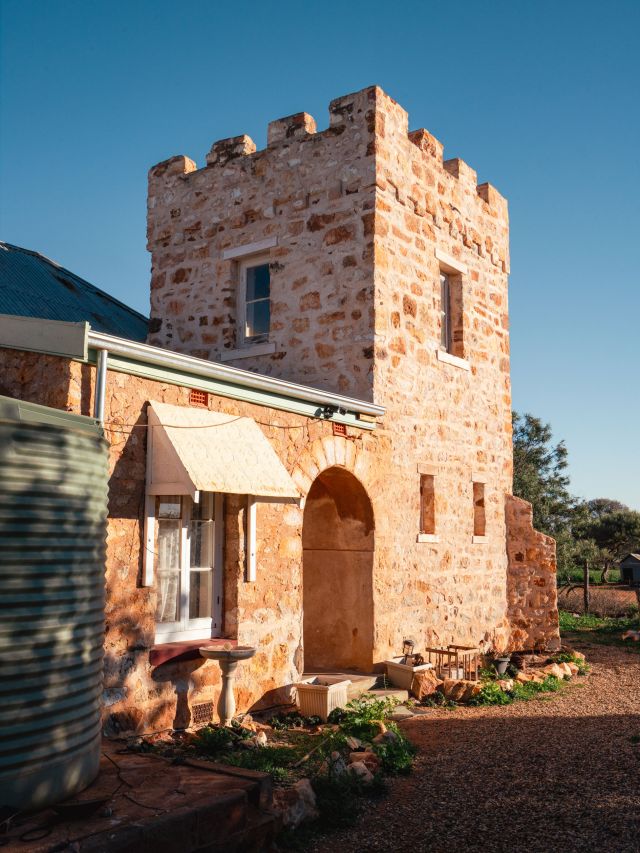
Melangata Station’s historic 1917 homestead features a locally quarried stone turret. (Credit: Natasha Bazika)
From Mellenbye, it’s a 150-kilometre drive north to Melangata Station – roughly two hours behind the wheel, or ‘just down the road’, as the locals describe it.
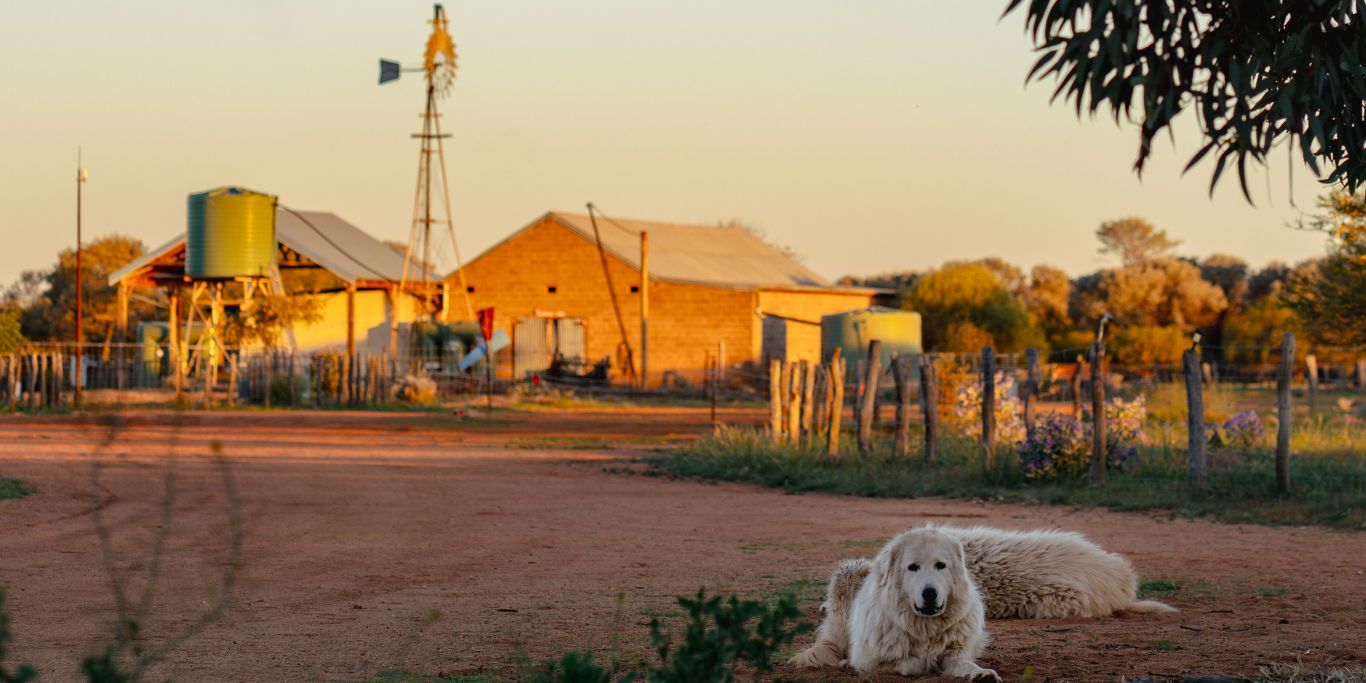
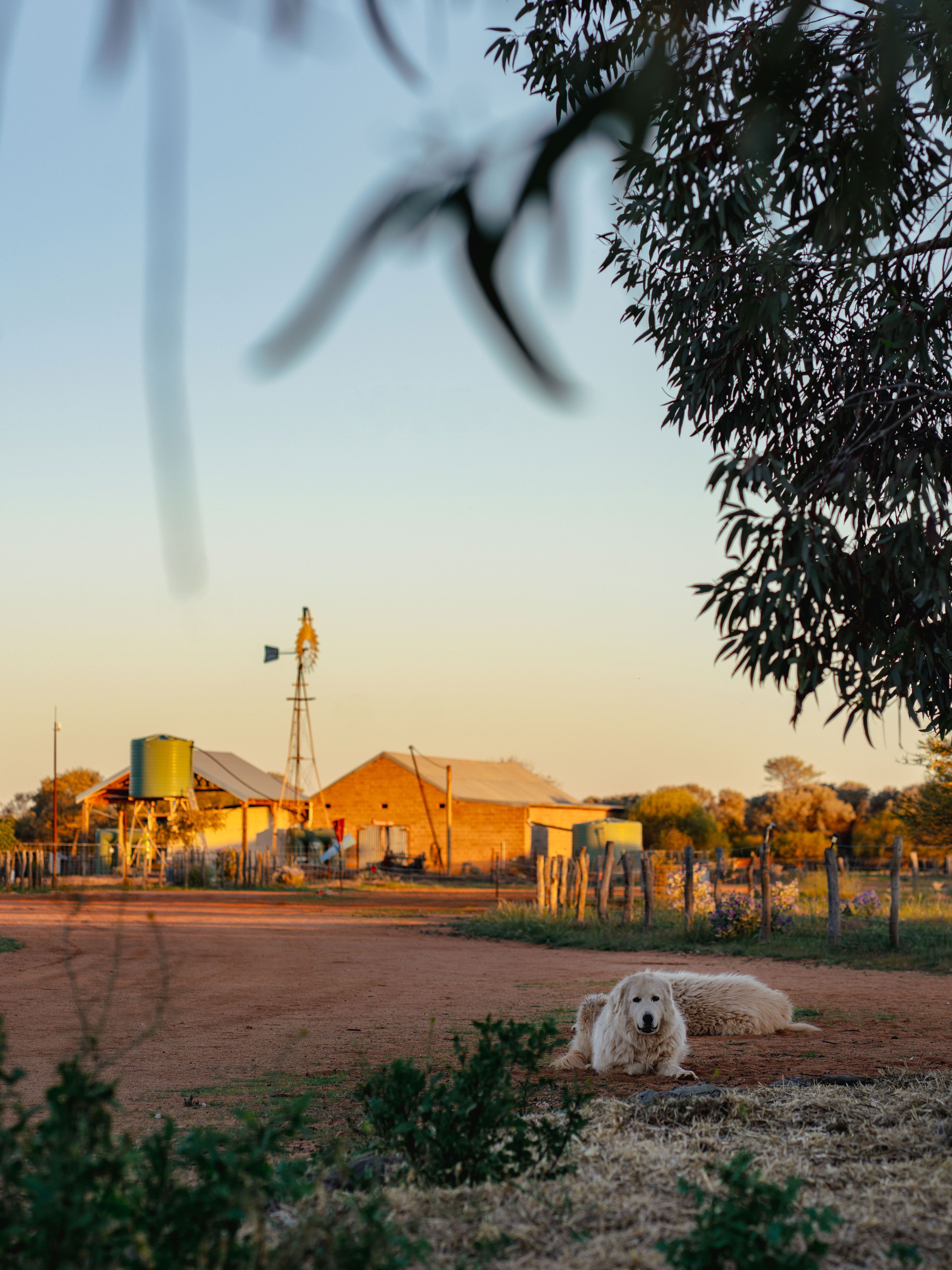
The 48,600-hectare property is run by Jo Clews and Ken Darnell and has an architectural claim to fame. Built in 1917, the homestead is the state’s only non-ecclesiastical building designed by Monsignor John Hawes, the priest-architect responsible for dozens of churches across the USA’s Mid West and the Bahamas. The thick turret constructed from locally quarried stone makes it look as if someone has left a mini English castle out in the scrub (the turret functions, Jo says with a laugh, as “Australia’s largest pantry"). Conveniently, the mini castle is our home for the next two nights, guarded by seven fluffy and fiercely loyal Maremmano-Abruzzese sheepdogs.
“Check the colour of their collar," Jo calls out. “That will tell you their name."
Meet the resident sheepdogs. (Credit: Natasha Bazika)
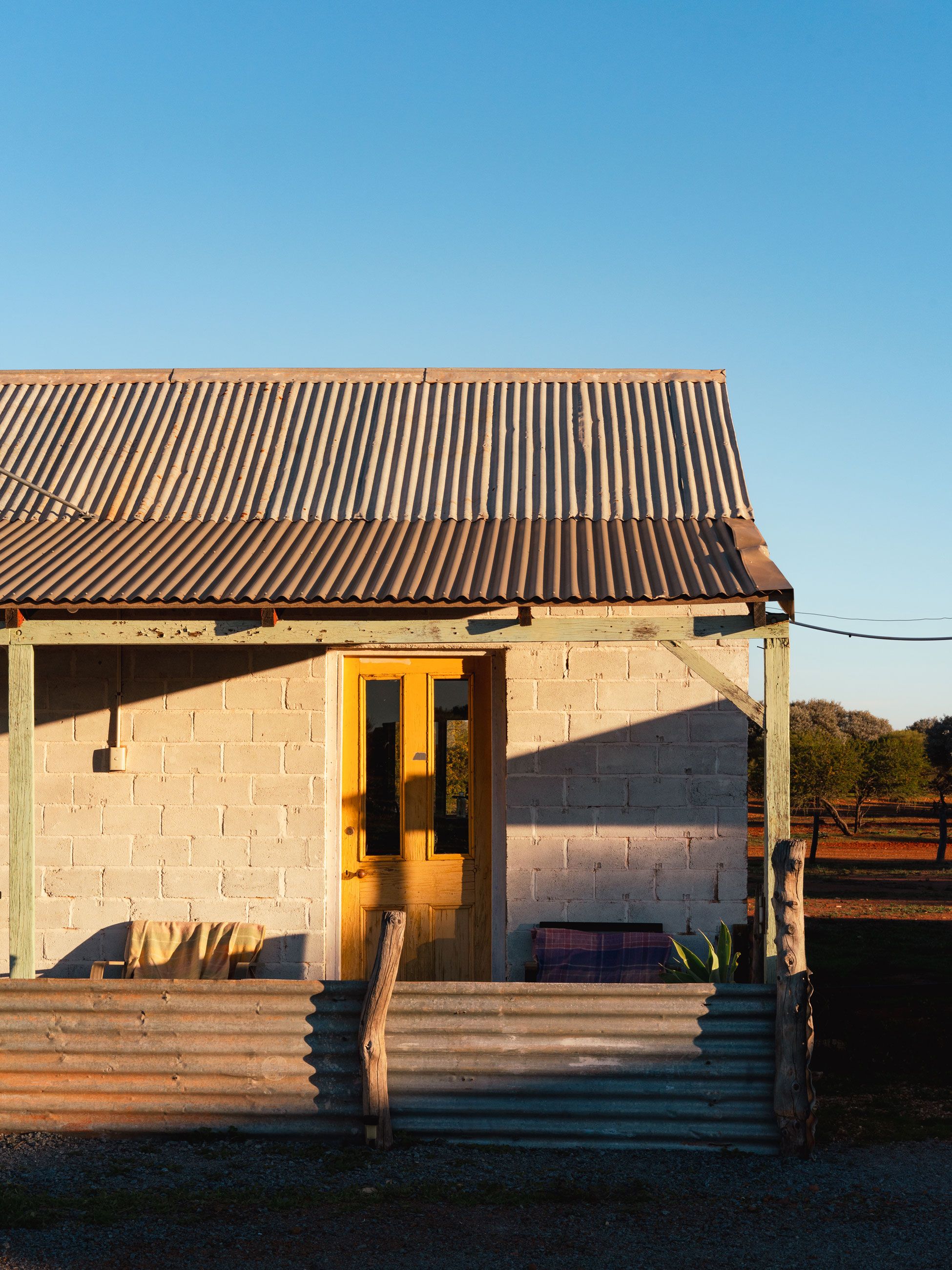
Sleep in a corrugated iron cottage at the secluded working farm. (Credit: Natasha Bazika)
Melangata Station is covered in wildflowers from August to October. (Credit: Natasha Bazika)
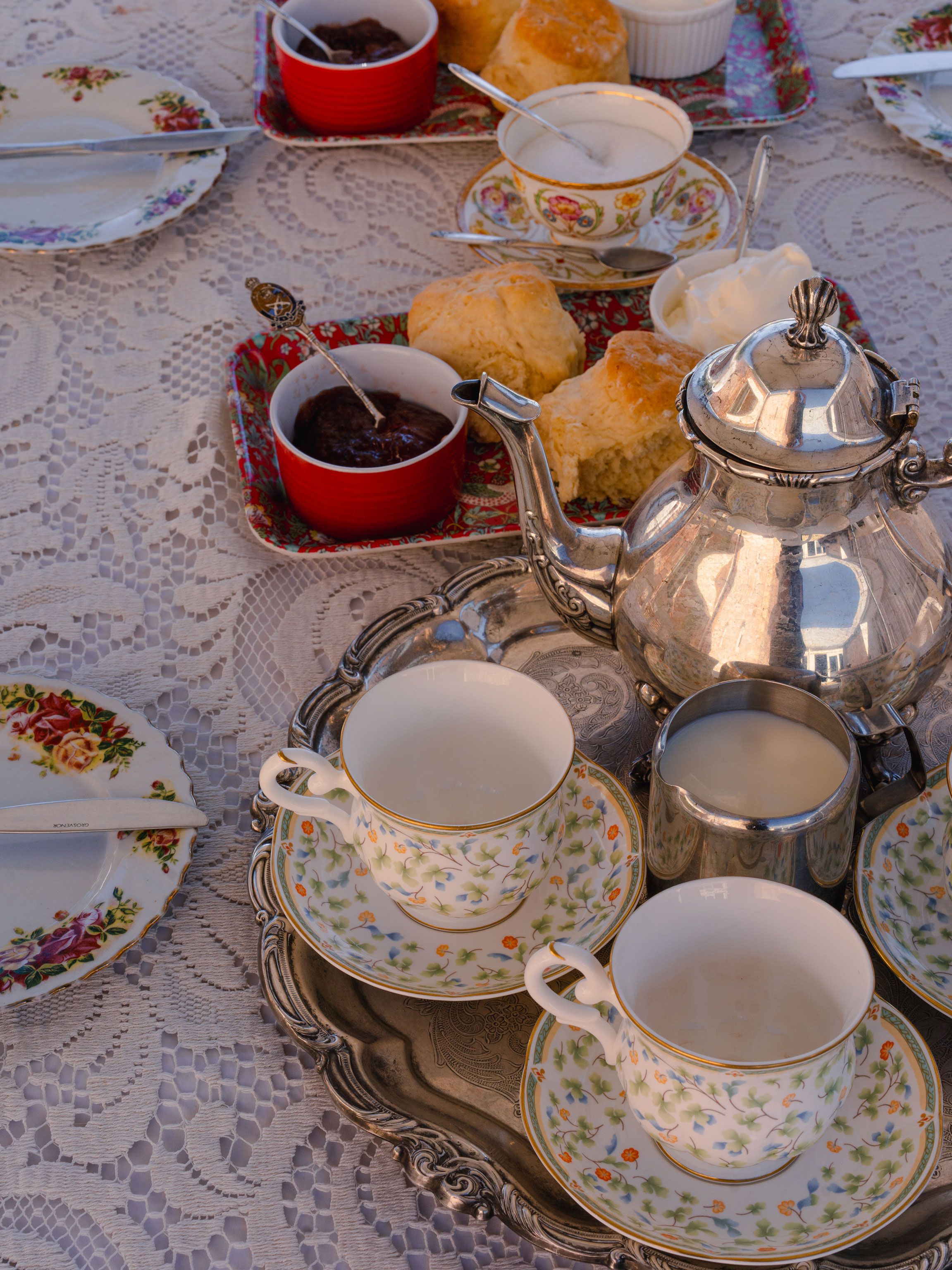
Morning tea at Melangata Station. (Credit: Natasha Bazika)
I get orange; Mak gets pink. When Jo got the dogs as puppies, she bought collars in different colours so she could tell them apart. “By pure laziness, I just decided to call them by the colour of their collar," she tells us. The only exceptions are Bella and Samson, the mum and dad of the pack, and Sunny, who wears a yellow collar.
Jo and Ken moved here in 2016, when the homestead was in rough shape. They’ve spent years painstakingly restoring it, but Jo says it’s still a work in progress. Now, they want to do the same for the landscape surrounding it.
We join Jo and Ken on a guided tour of the station alongside our fellow homestead boarders – a family from London on a bucket-list trip around Australia. They’ve already ticked off Sydney and the Great Barrier Reef; now they’ve come west, searching for an outback experience.
Melangata has about 600 to 700 sheep; the rest of the land has been set aside for ecological regeneration. I’d always associated the outback with flat, red earth, assuming emptiness was just the nature of things. But out here, I’m learning that red dirt can be a symptom of generations of overgrazing. Native bushland is the lifeblood of the ecosystem and for Jo and Ken, every patch of green is a win.
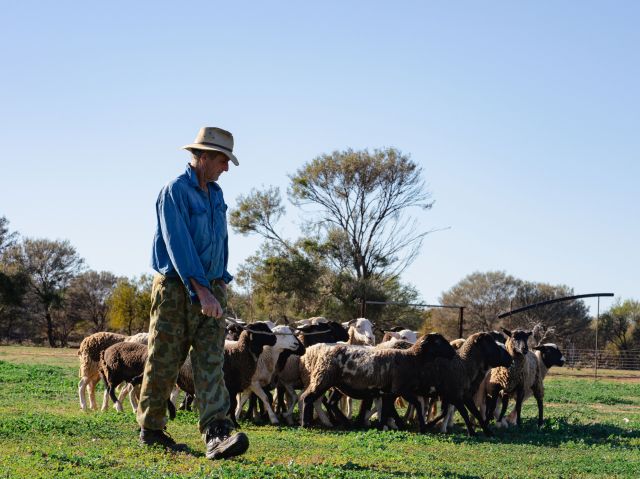
Sheep farmer Ken Darnell tending to his flock. (Credit: Natasha Bazika)
“This 16-hectare section has been completely fenced off to keep kangaroos and livestock from eating the grass," says Ken, pointing at a field of dense bush, wildflowers and trees. “This gives the native species a chance to flower, seed and spread."
The work is anything but simple. As Jo explains, it involves constant pest control, soil testing, talking to experts and seeing what works through trial and error. “I’m sick of looking at brown dirt," Jo replies candidly when a guest asks what drives her obsession. “We’re just trying to leave it better than we found it."
As we bounce along the station’s tracks, Jo and Ken point out shoots of new growth, grinning like they’ve struck gold.
Weekly travel news, experiences insider tips, offers, and more.
Bush bathing
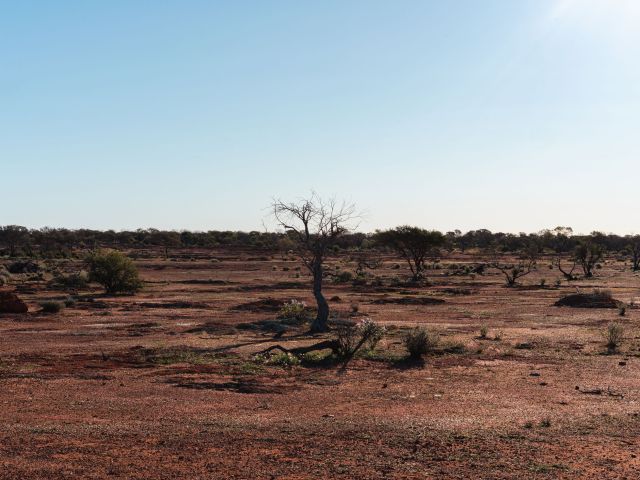
The sparse outback landscapes invites stillness. (Credit: Natasha Bazika)
As the sun dips below the horizon, our focus shifts back to the homestead. Dinner is strictly Jo’s domain and for good reason. A camp-oven master with a cookbook and TV appearances to her name, she serves up a feast of fresh bread and roasted meats and vegetables, plus apple turnover, which we enjoy around the fire.
Jo quizzes us on where we’ve come from and what brought us out here. Everyone around the table has the same answer: we’re here to escape the city. She sets down her empty plate and leans back in her seat as if she’s about to drop some wisdom. “Did you know in Japan they medically prescribe time in nature?" she asks.
“Forest bathing?" I call out.
“Yes," says Jo, grinning. “Well, out here, I call it ‘bush bathing’. We’ve completely lost touch with nature, so it’s about giving people the space to reconnect with something raw, wild and real."
I’d argue that if cowboy core is an urge to escape modern life, bush bathing is what happens when you pull it off. Neither station relies on strict schedules. At Melangata, Ken gives us a 30-minute warning before taking Chilli, a young sheepdog, out to round up a herd, asking if we want to watch. At Mellenbye, you’re free to roam the station’s tracks to see where they lead.
On our final evening in the outback, my husband and I stand with two dogs, watching 20 or so red-tailed black cockatoos soak in the twilight. The dogs are doing nothing, the cockatoos are doing even less and, for once, we are, too. Jo calls us inside for supper just as the silver crescent of the moon rises over the station.
Travel details
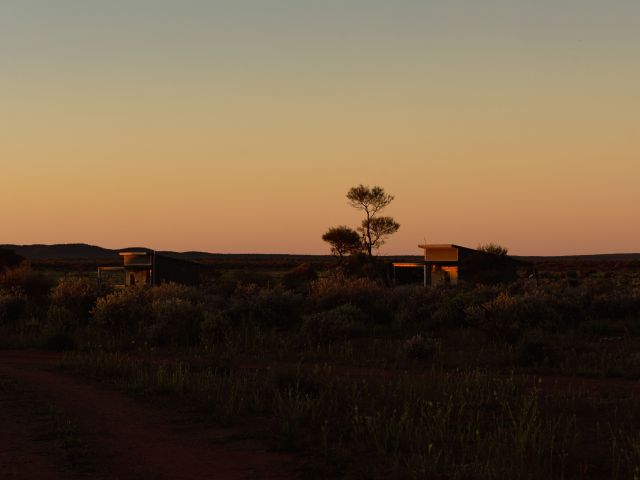
Cottages at Mellenbye Station. (Credit: Natasha Bazika)
Getting there
Mellenbye Station is about a 4.5-hour drive north-east of Perth, travelling along the Great Northern Highway. We recommend stopping in Carnamah for lunch at One L of a Good Feed, a church-turned-café. Melangata Station is 150 kilometres north of Mellenbye, a journey that includes unsealed dirt and gravel tracks, with occasional road trains and cattle on the road. A 4WD is essential for getting around the stations and travelling the unsealed roads. Download directions before setting off, as phone reception is limited. Ask your station hosts for detailed instructions before you set out, as Google Maps isn’t always accurate out here.
Staying there
There are plenty of accommodation options at Mellenbye Station Stay, including self-contained apartments, cottages, a family donga and campsites for campers and caravanners. Open year-round.
The choices at Melangata Station Stay are just as varied. Sleep in the heritage-listed homestead, a cottage, bell tent or refurbished 1970 Viscount caravan, or park your campervan at one of the unpowered sites. Open from mid-April to mid-November.
Want to see more stories from Australian Traveller in your Google search results?
Tick the box next to "Australian Traveller". That's it.
Natasha Bazika has spent over a decade collecting a global perspective, from living through the relentless energy of New York to slowing way down on the salty shores of Puglia. With a culinary track record spanning over 150 Michelin-starred restaurants, she operates on the belief that a life well-travelled requires a lot of grit, a bit of glamour, and a permanent appetite for the unexpected. She is happiest capturing the world through her camera and chasing the sweet spot where raw adventure meets incredible flavour, ideally at the end of a long, remote hike.
With unhurried mornings, long, sun-filled afternoons, evenings shaped around sunset, this iconic beach offers an all-day experience (and it’s about to get even better).
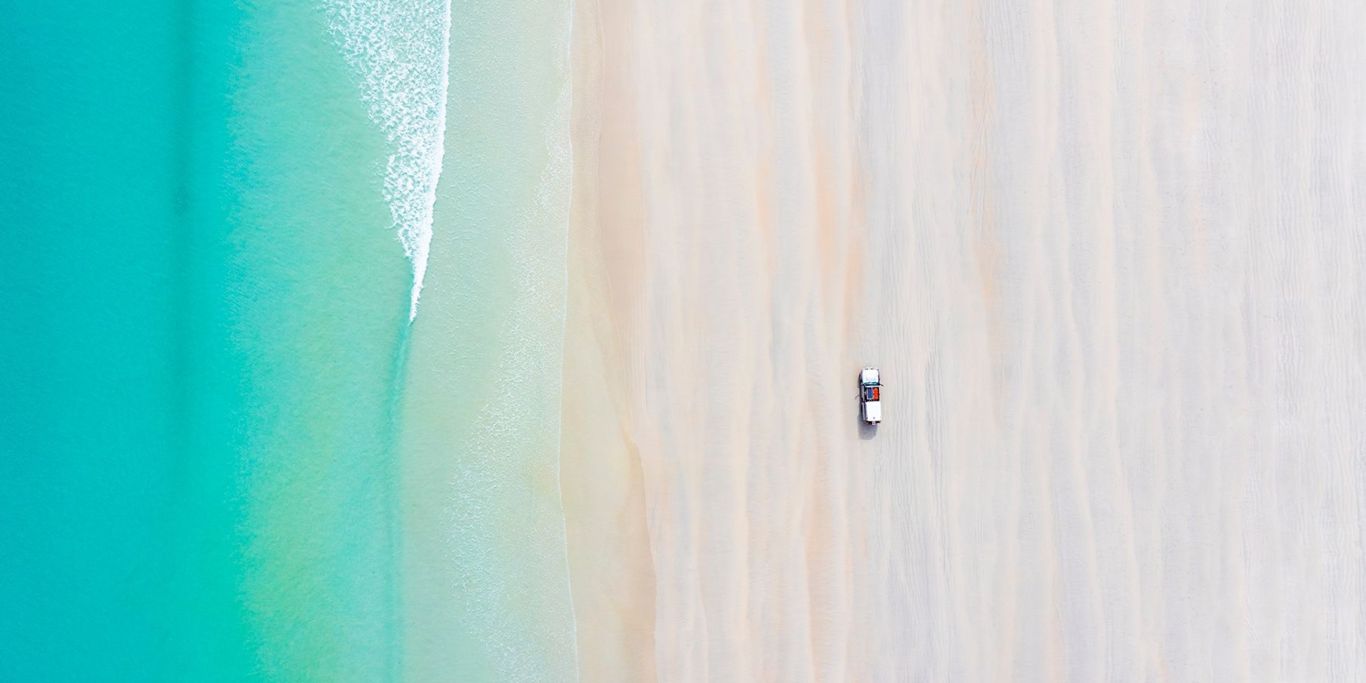
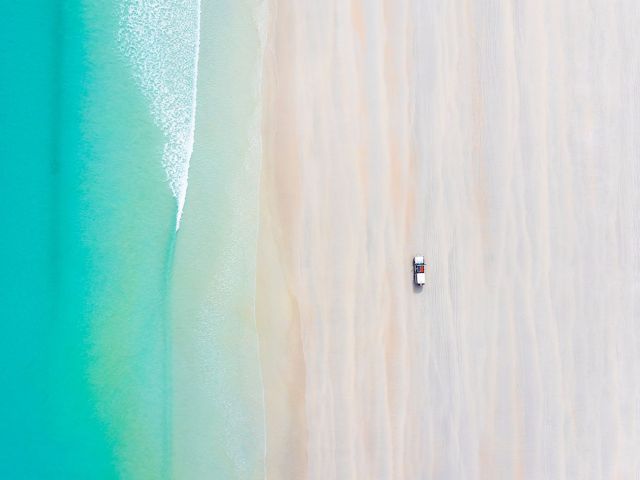
As the sun slowly rises over the languid waves and fine sand of Broome’s Cable Beach, the morning colours shift from rich apricot to pale gold and frosty pearl. Remnants of life reveal themselves in the subtle shadows – crab claw marks, towel impressions, footprints. Life here is unhurried, but don’t be fooled. This town is continually shifting like the desert dunes that surround it.
And with a $75 million upgrade – offering easier and more inclusive access for people of all abilities – it’s getting even better.
Discover the Cable Beach redevelopment.
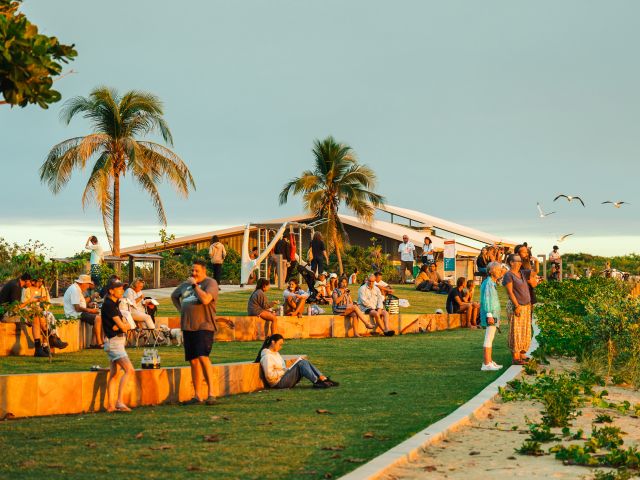
The addition of comfortable and welcoming spaces has begun (and will continue). This means visitors will be able to spend longer enjoying this beautiful environment, while knowing that the upgrade will create a more environmentally protected setting that preserves the natural character visitors come for. Come sunset, soak it in all the better thanks to the already improved foreshore areas, made for lingering while the light changes. And for the kids, a new splash park and accessible dry playground will make it easy to while away the hours.
Think you know what a day at this beach is like? Think again.
Morning colours
Cable Beach comes alive after sunrise. (Credit: Tourism WA)
As the sun colours the sky, Cable Beach shows signs of life (and not just the aquatic kind). Locals and visitors alike float in the cool water as it laps the shore, landlubbers explore the coast on foot, runners pace and beachside yoga classes bring quiet movement to the day.
When the sky is blue and the sun is firmly in position, head down to the well-known Cable Beach House for a long, slow breakfast overlooking the ocean. Think fresh tropical fruit, eggs cooked your way and strong coffee in the warm morning breeze.
Afternoon adventures
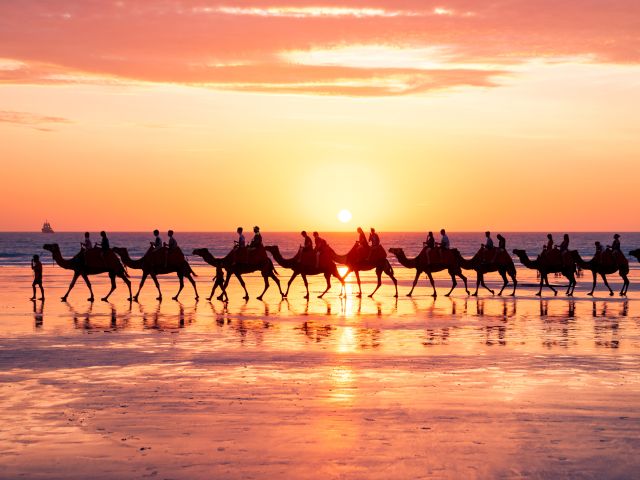
Join a camel train at sunset. (Credit: C J Maddock)
When you’re ready to explore, carve a path along the Minyirr Park Trail – a gentle 1.5-2km track through coastal bushland with spectacular views of the dunes. Refuel at the nearby Spinifex Brewery for lunch with its low-key, outdoor beer garden. There’s even an outdoor playground if you’re travelling with young humans.
Walk off your lazy lunch by watching (or joining) one of the beach soccer or volleyball games, or even try Silent Beats Broome – a silent walking disco through the dunes. Or book a spot on the famous camel trains, watching the sun drop below the horizon along the way. They’re a constant reminder of the fascinating history, landscape and cultural mix in this part of the country.
Evening degustation
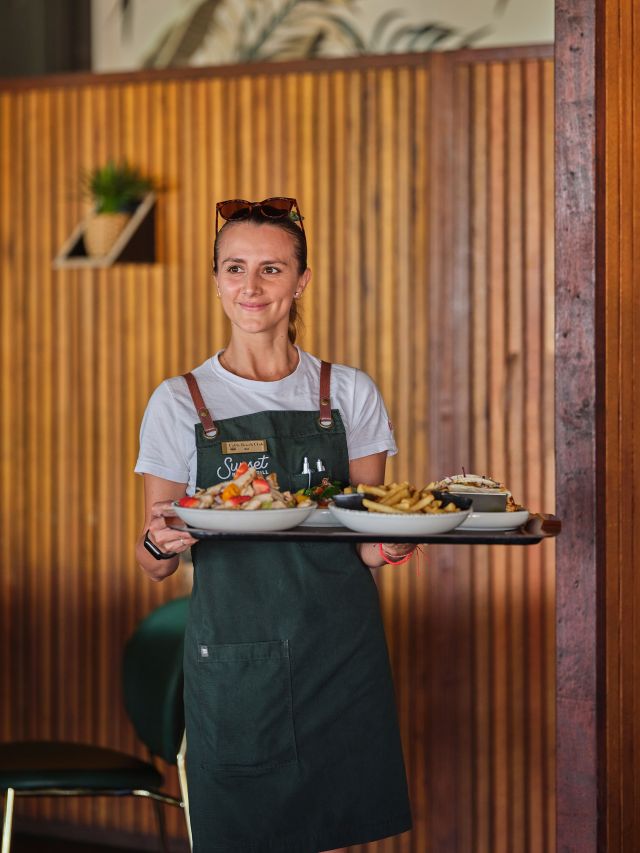
Stop into the Cable Beach Club. (Credit: Tourism WA)
As the day closes, watch the world-famous Cable Beach sunset from the appropriately named Sunset Grill at Cable Beach Club. This open-air terraced dining spot overlooking the beach is the kind of place where the view takes centre stage.
While you sip on a lychee, lime & lemonade mocktail or a local beer, enjoy the bustle of life and nature outside as the day comes to an end.
For dinner, nab a table at the Bali Hai Cafe, where they offer pan-fried crispy barramundi, Abrolhos Island scallops and deep-sea snow crab. When you’re ready for bed, check in to Pinctada Hotel Broome – a lush, tropical resort with palm-dotted gardens and a large, lagoon-style pool to cool off in.
Beyond the beach
Beyond the wide, open beach and never-ending sky of Cable Beach, there are many more reasons to visit North West Australia. These are just a few.
Unmatched experiences
Join Shinju Matsuri Festival’s popular Long Table Dinner. (Credit: Tourism WA)
Engage with the history of the land and its people on an Indigenous cultural tour exploring everything from the local wildlife to the tastes of bush tucker. To understand the importance of pearling to this town, take a tour of Chinatown, or head outside of town to the live pearl harvests at Willie Creek or Cygnet Bay Pearl Farm, one of Australia’s oldest pearl farms.
Learn why Japanese pearlers were central to Broome’s pearling success and visit the largest Japanese cemetery in Australia, where 900 Japanese pearlers were buried – a testament to the risks and rewards of this dangerous profession.
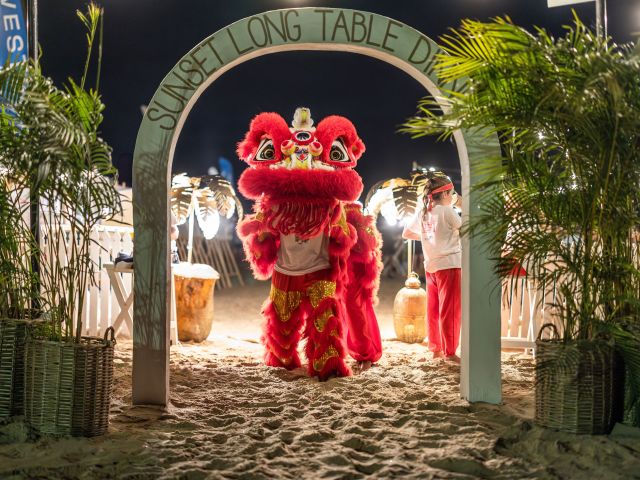
And book ahead every spring for when communal tables, freshly cooked local fare and festoon lighting fill the beach for the extremely popular Long Table Dinner on Cable Beach. It’s a highlight of the Shinju Matsuri Festival, along with the Floating Lanterns Matsuri, where you can personalise a lantern and gently release it into the sea to honour those you love.
Dining discoveries
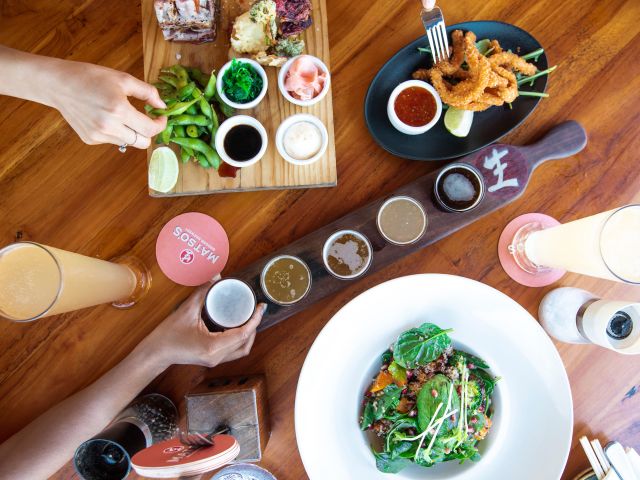
Settle in for Matso’s famous ginger or mango beer. (Credit: Tourism WA)
Further your culinary adventure at the laid-back Sunday Sesh at Matso’s Broome Brewery. Chow down on smoked crocodile or Aussie barramundi while kicking back to a local DJ as the heat of the day fades.
For more tunes, the beautiful outdoor Bay Club at the Mangrove Hotel is a great choice for dinner with live music, DJs or an event that stretches on into the early hours. Still hungry? Pop by Johnny Sausage for Italian-influenced meals paired with impeccable wines.
Natural beauties
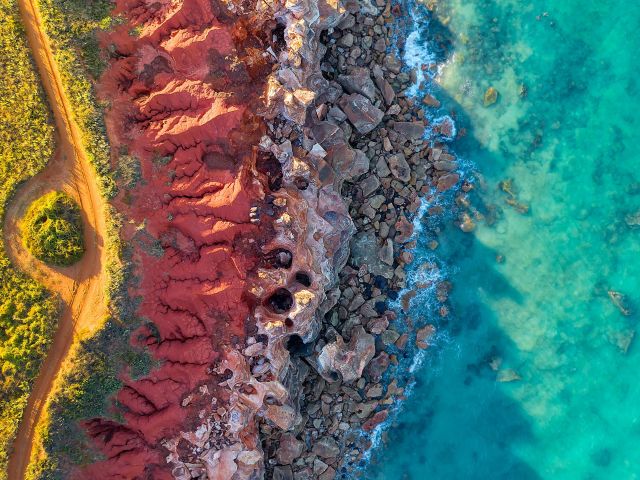
Experience the striking colours of Gantheaume Point. (Credit: Tourism WA)
Avoid the crowds and head to Town Beach for a quieter vantage point to see the phenomenal Staircase to the Moon – a natural illusion where the rising full moon is reflected on the tidal flats, creating a shimmering ‘staircase’ stretching up to the sky.
Just south of Cable Beach are the deep red cliffs and dramatic ocean views of Gantheaume Point, where 130-million-year-old dinosaur footprints can be seen, revealed at low tide. Or head to Roebuck Bay to visit the internationally significant wetlands, where vast tidal flats are home to shorebirds and coastal fauna.
Between October and March, watch turtles nesting and hatchlings emerge from the sand. You’ll be holding your breath as they make their way down to the shoreline, ready to start their life in one of Australia’s most beautiful landscapes.