The do’s and don’ts of scoring that photo with Rottnest Island’s star attraction.
If Rottnest Island isn’t already part of your WA travel plans, lock it in now and get your selfie stick at the ready: you’re about to witness the cutest marsupial in town, the ever-so-sweet and camera-ready quokka (or kwoka in Noongar).
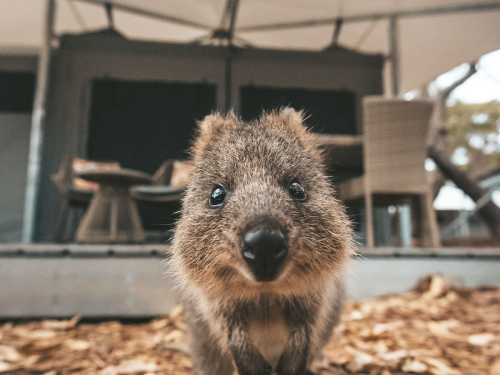
Often described as the ‘happiest animal in the world,’ these adorable creatures are endemic to Western Australia and somewhat famous—there are around 10,000 quokkas that live on Rottnest Island.
If you haven’t heard of them, first of all, how’s that rock you’ve been living under? And secondly, you’re in for a treat.
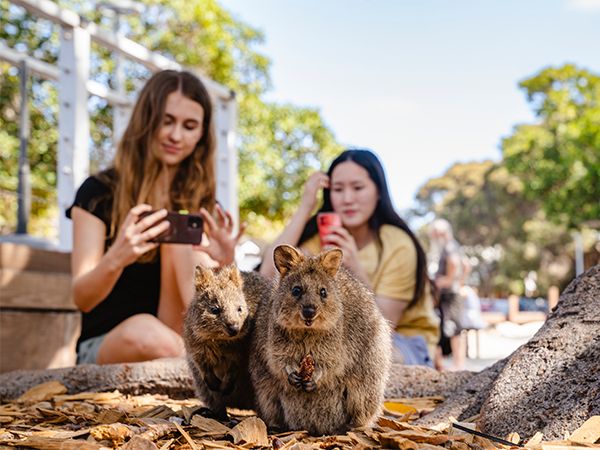
Capture the joy of a quokka while respecting their safety and comfort. (Image: Tourism Western Australia)
The quokka selfie phenomenon
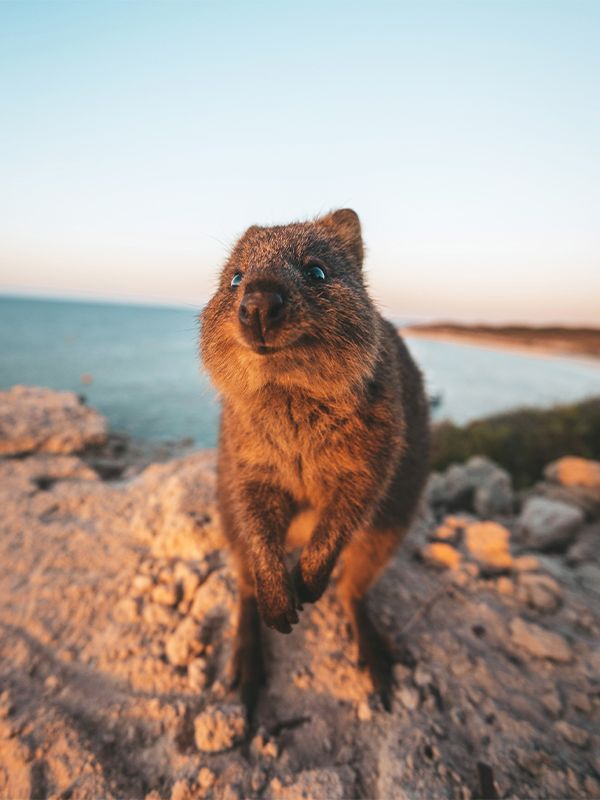
About 650,000 visitors head to Rottnest each year to bask in the sunshine and explore this island playground. However, thousands of tourists also come for the chance to post ‘selfies’ on social media with the friendly creature, including some famous faces—Hugh Jackman, Roger Federer and Margot Robbie, anyone?
Smile with the happiest animal on Earth. (Image: Tourism Western Australia)
Expert tips for quokka encounters
While most quokkas love the attention and don’t mind photobombing your ultimate Instagram-worthy shot, there are a few expert tips and tricks that can come in handy. So to help you maximise your time (and selfie) with the quokkas, we enlisted the help of an expert.
Shane Kearney, acting general manager at the Rottnest Island Authority of Environment, Heritage and Parks has shared his tips and tricks on how to get the ultimate experience with their resident quokkas in an ethical and sustainable manner.
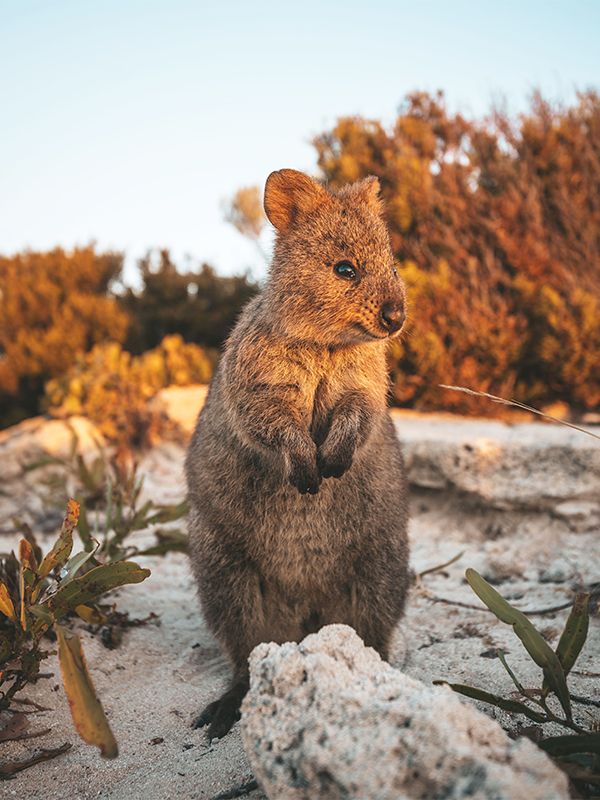
“Quokkas are fairly trusting, [and if you are] patient they will happily come to you," he says. “They are naturally nocturnal, so you’ll generally find them in the morning and early evening year-round, especially around the settlement precinct."
Quokkas are nocturnal animals that primarily sleep during the day in dense vegetation. (Image: Tourism Western Australia)
The do’s and don’ts of quokka photography
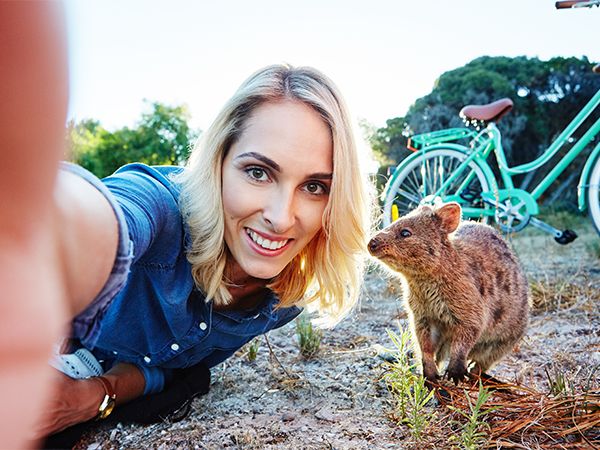
As for capturing the perfect photo? “[Be sure] to use a selfie stick to maintain a respectful distance for both human and animal safety," he continues. “If you happen upon one that is camera shy, do not attempt to feed them with food or water. It changes their behaviour and [food that is not in their natural diet] can potentially make them ill." Kearney also stresses the importance of disposing of your rubbish and riding your bike with care around the island.
Respect nature while capturing these lovely moments. (Image: Tourism Western Australia)
Final advice for the ultimate quokka experience
But his overall recommendations for ensuring the ultimate experience? “Get your smile and camera ready, enjoy the moment and [let the quokkas] come to you."
Blend the addictive energy of dance, creative cinematic movies, captivating theatre, and energising music during Perth Festival.
Perth Festival has extraordinary roots. Born as a summer community experiment back in 1953, the brainchild of Professor Fred Alexander, it’s now Australia’s longest-running international art-based festival. From its first event at University of Western Australia, it now spans across Noongar Boodjar country (Perth City) bringing worldclass performances into the hearts of ardent festivalgoers. Hundreds of curtain calls, including numerous free events, are set to linger and leave a lasting impression on those who seek thrills that fill life’s in-between spaces. Featuring unmissable highlights from 6th February to 1st March, we’ve done the legwork for you – here’s what’s on, and where:
1. East Perth Power Station
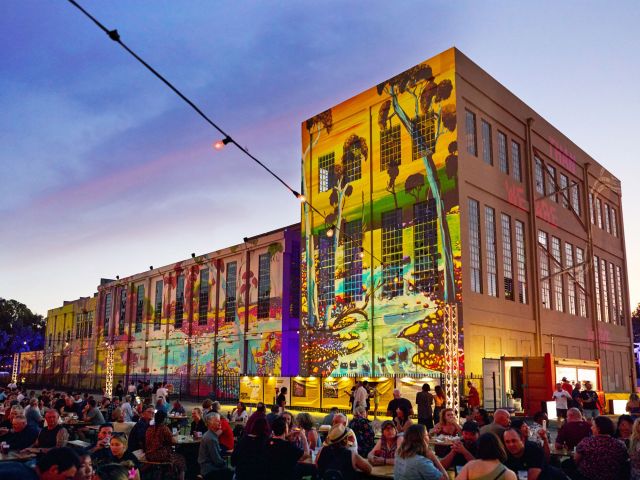
See East Perth Power Station come alive. (Image: Jessica Wyld Photography)
Abandoned, run-down and shutdown in 1981, East Perth Power Station , located on the banks of the stunning Swan River, was reinvented in 2025 as an entertainment venue for the Perth Festival. Pack a picnic, bring the family and kick back under paperbark trees at Casa Musica – a free event featuring a melting pot of world-class musicians from Australian shores and around the globe. The diversity will have you bopping until the final encore.
A decade after David Bowie’s passing, his powerful music lives on in the electrifying show, Rebel Rebel . Powerhouse vocalists join Perth Symphony Orchestra for one incredible night showcasing the singer-songwriter’s iconic hits. Illuminate your world through the eyes of First Nation Noongar artist, Lance Chadd Tjyllyungoo in a free event. His distinctive paintings and Dreamtime stories decorate the Power Station’s walls depicting spiritual beliefs. Or settle in to watch British indie pop singer-songwriter, Nilüfer Yanya .
2. St Mary’s Cathedral
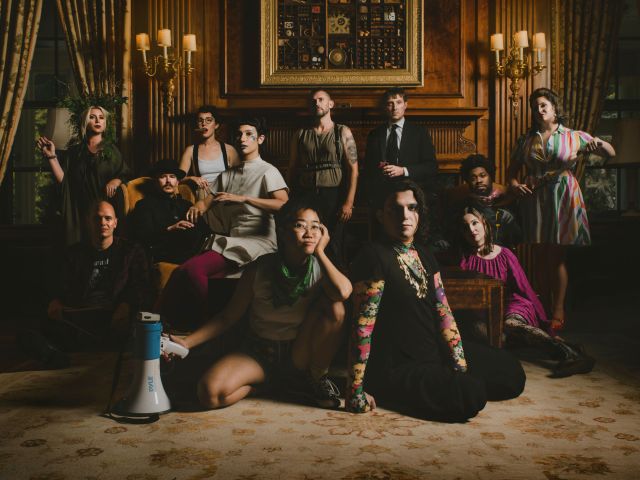
Take in Award-winning vocal group, Roomful of Teeth. (Image: Anja Schutz)
Step into the lofty ceilings of Perth’s grandest cathedral, St Mary’s, and soak up choral harmonies. Dating back to 1865, the stained-glass reproductions of Leonardo da Vinci’s Last Supper are a talking point, add talented maestros, and the stage is set to enthral.
The international line-up is impressive. Master Irish fiddler, Martin Hayes takes to the stage with exquisite lyrical compositions from his native land. Åkervinda , an award winning Swedish quartet, weave stories of love, loss, and resilience into harmonious Nordic folk songs. The USA Grammy Award-winning vocal group, Roomful of Teeth , break all the rules. Hear their voices echo through the arched vaulted ceilings.
3. Lotterywest Films
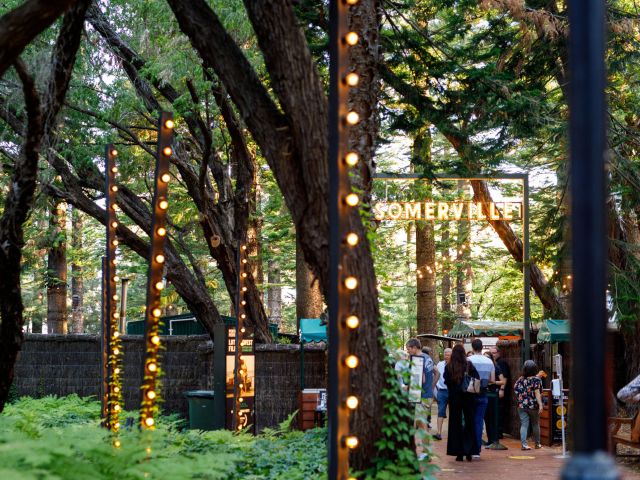
Discover the Lotterywest Films program. (Credit: Jessia Wyld Photograpghy)
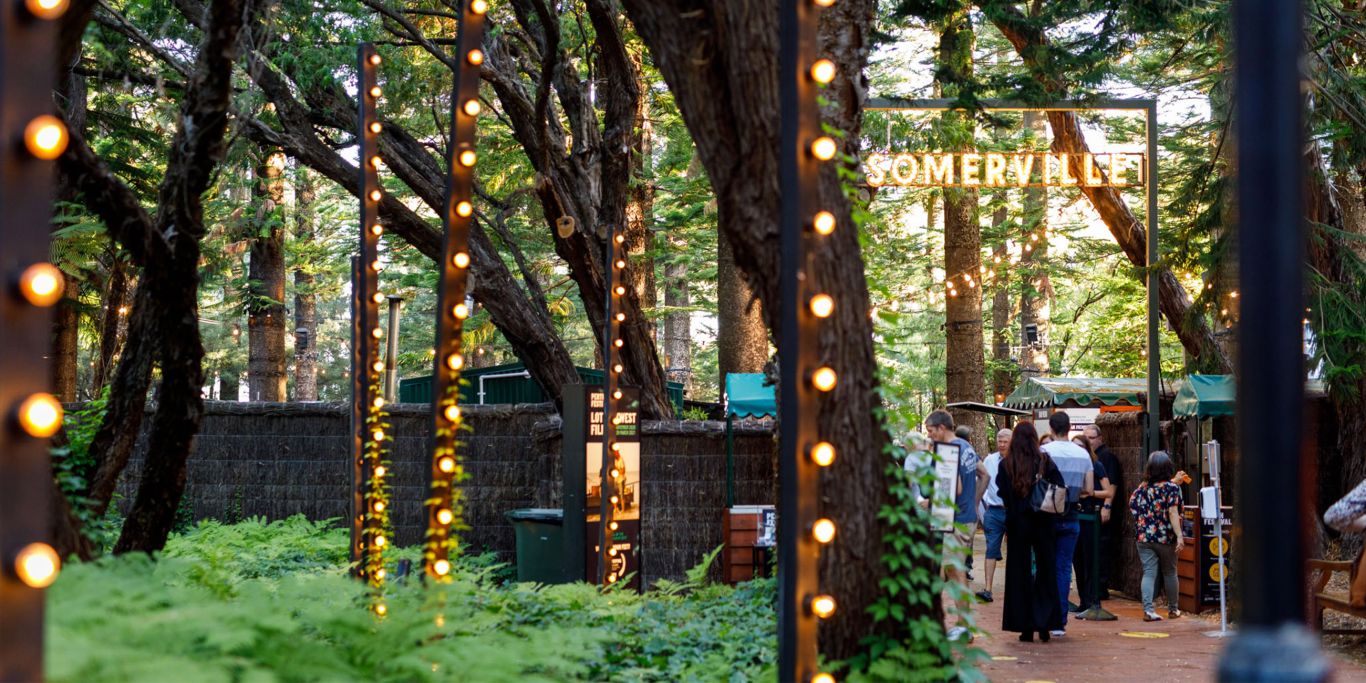
One of the festivals longest-running favourites, Lotterywest Films run a rich tapestry of cinematic features showing until 29th of March. Pack a picnic, cushions, popcorn and pop a cork under a Somerville Pine Tree as the sun sets and screenings begin. Cinema lovers, choose your poison from thrillers, deep-dive documentaries, tearjerkers, raunchy rom-coms and side-splitting comedies. The program is fantastically full, the filmmakers the best in the business, and the outdoor setting, unequalled.
4. The Embassy
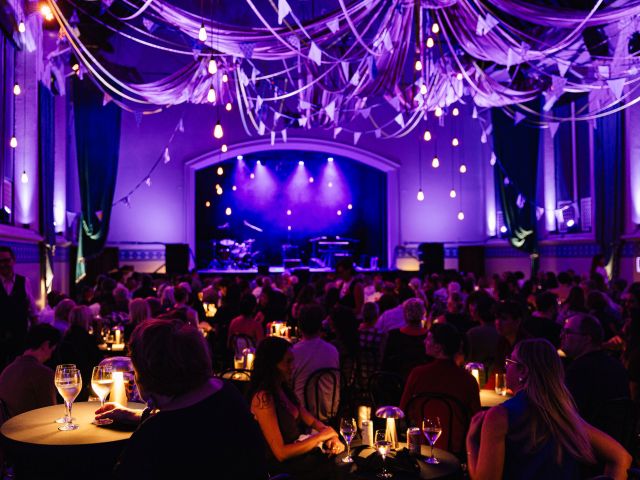
Step into the old world glitz of The Embassy. (Image: Franz Bato)
Modelled on Perth’s historic Embassy Ballroom, a devilish dance venue that operated in the 1900s, The Embassy in Perth Town Hall , serves sophistication in its A-list shows. Set your sequins a’sparkle at the, What’s TINA Got to Do With It extravaganza where guest artists play tribute as they belt out the glitzy star’s hits. The returning act, Ali Bodycoat & The Embassy Big Band, will have you jiving as you take to the dance floor reimagining a bygone era. Who doesn’t like chocolate? Black-bearded drag sensation, La Gateau Chocolat puts the raw in cacao. World-renowned for his feisty range of storied songs, he reveals the inner-man come artist through his deliciously sweet and intimate act.
5. Unusual locations
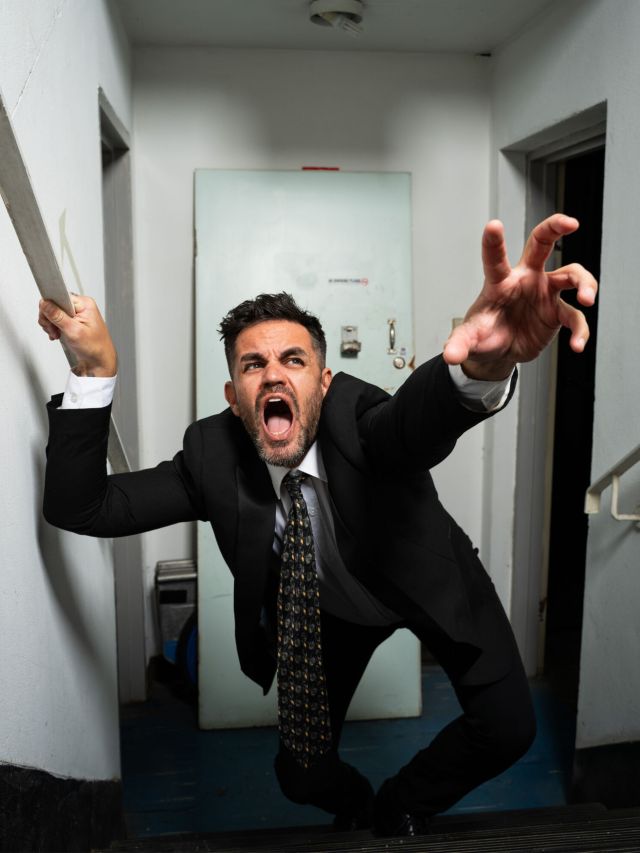
Watch a star-studded cast in The Trial. (Image: Cole Baxter)
We’ve all heard of the hit show, The Office, but a spinetingling operatic thriller acted out in disused office space? Philip Glass’ nail-biter, The Trial , has a star-studded line-up. Together they deliver a dramatic ordeal showcasing Oscar-winner Christopher Hampton’s libretto; the suspense lingers after the final bow.
Sit back under starry skies and soak up dynamic dance at Ballet at the Quarry: Incandescence . Four exclusive classical and contemporary acts illuminate the amphitheatre’s stage as Perth City twinkles at nightfall. Mystery excites the mind. West Australian Opera returns again with another ‘secret opera’. Be led from an undisclosed meeting point and let the music lead to the secret.
6. A View From A Bridge
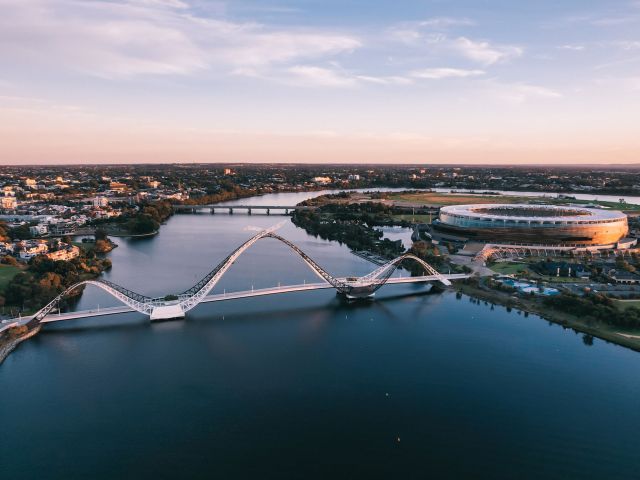
Share your innermost thoughts at A View From A Bridge.
Free, connecting strangers, and inclusive to everyone, artist, Joe Bloom’s collaborative project, A View From A Bridge has one prop – an old red telephone. Talk into the receiver , share thoughts, innermost feelings, memories, hopes and dreams as Bloom captures you from afar. The freedom to speak through the telephone movement has a worldwide following. A range of clips will be shown online.
What else to do in Perth
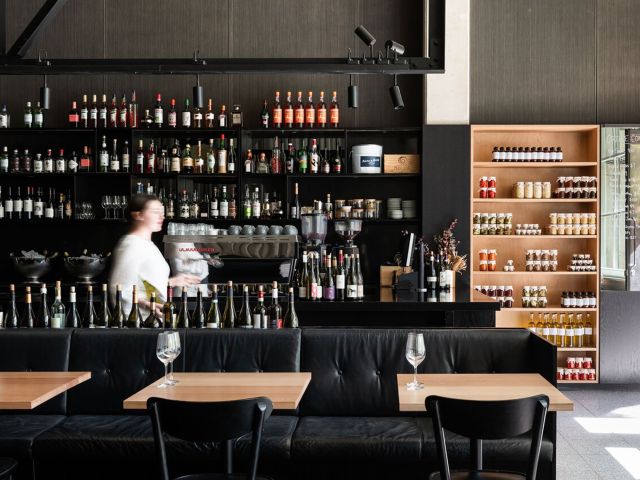
Taste the best of Perth at eateries like Shadow Wine Bar.
Endless blue skies crown Perth during February, making it the perfect time to explore Australia’s most western capital city. The city might be compact, but it packs a punch when it comes to what’s on. Perth Cultural Centre houses the city’s art-scene venues: Western Australian Art Gallery, WA Museum Boola Bardip and Perth Institute of Contemporary Arts (PICA).
After exploring the city’s alleyways, hidden corners, and main hub, savour worldclass food in Perth’s vibrant eateries. Award-winning restaurants, rooftop bars, and cafes can be found throughout; the leisurely eat-and-drink scene is literally mouthwatering, so book extra nights.