The most beautiful campsites in Western Australia

hero media
Let’s face it, Western Australia has an abundance of picture-perfect spots where you can doze under a canopy of stars.

From the dramatic Kimberley region in the north to the talcum-white beaches of the South West, you’ll be spoiled for choice in this 2.6-million-square kilometre open-air playground.


To help you on your way, we’ve compiled a list of WA’s most beautiful camping spots that’ll have you driving to your local camping store quicker than you can say ‘eureka’.


You can also follow along on the map below.


1. Osprey Bay Campground

Ningaloo Reef


Forget paying top dollar to sit around at the nearby exclusive safari camp: your own slice of paradise awaits at Osprey Bay for just $11 a night. Locals call this place ‘the aquarium’ and we promise you – it lives up to its nickname.


Situated above a rock-shelf shoreline, this campsite couldn’t boast a dreamier view: turquoise waters lapping at squeaky-clean sand. While away the time snorkelling, swimming, kayaking – or snoozing in the hammock. If you visit between late March and late June, you have the opportunity to swim with whale sharks.


Site facilities are basic – bush toilets and picnic tables. There’s no water or showers, so make sure you’re well stocked (and washed) before you arrive.


Cost: $11 adult per night, $3 child per night.
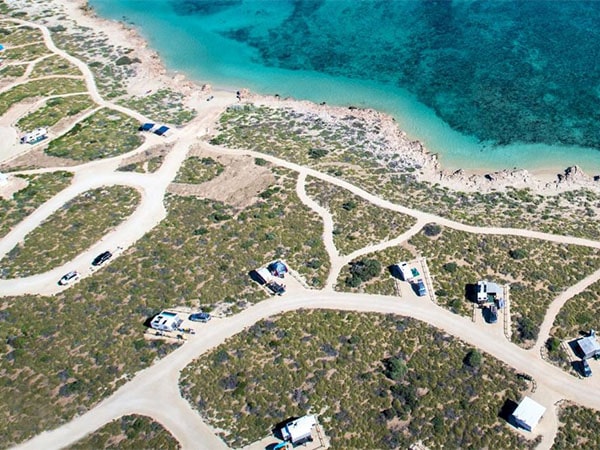
Osprey Bay
A slice of paradise awaits at Osprey Bay.

2. Dales Campground

Karijini National Park


With over 6000 square kilometres of natural real estate, the Pilbara’s Karijini National Park really knows how to make the adventure seeker blush: a medley of gorges, massive mountains rising out of flat valleys and 2500-million-year-old rocks.


Situated 1200 kilometres from Perth, the park is about as remote as you can get – it won’t suit those who can’t live without mobile phone coverage. Dales Campground is one of two locations in the park where you can stay overnight. Site facilities are basic – bush toilets, barbecue sites and a small kiosk at the visitor’s centre.


From the campground you can walk to Dales gorge, where you can swim in the Fern Pool, stand under Fortescue Falls or hike to Circular Pool. Visit the park over the cooler months (between June and September).


Cost: $11 adult per night, $3 child per night.

3. Kooljaman at Cape Leveque

Dampier Peninsula


Kooljaman at Cape Leveque is the oceanic host with the most! Situated on the Dampier Peninsula, 220 kilometres north of Broome and accessed via the partially unsealed Cape Leveque Road, Kooljaman is one of those magical WA coastal spots where red rock meets turquoise water.


Set up camp beneath a wooden shelter with palm-frond walls, ditch the shoes and watch the swoon-worthy stretches of sand and turquoise water as you poke the campfire.


With no mobile reception there’s no possibility of scrolling social media – instead spend your days swimming, fishing or reading a good book.


Cost: $50 unpowered campsites, $120 camping beach shelter.
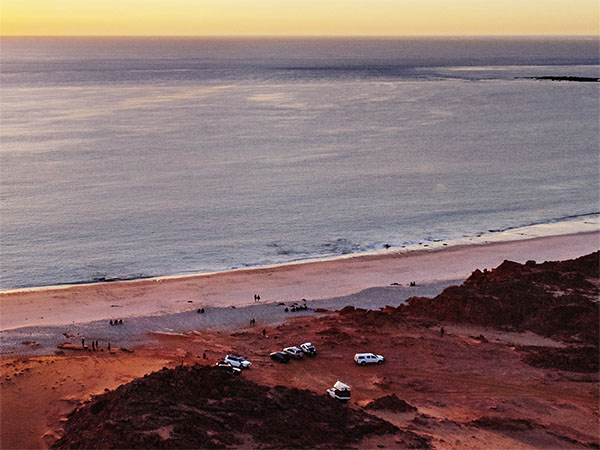
Kooljaman at Cape Leveque
Kooljaman at Cape Leveque is your ocean host with the most.

4. Lucky Bay Campground

Cape Le Grand National Park


Within 45 minutes’ drive of Esperance, Cape Le Grand National Park oozes white sandy beaches voted the best in Australia. You’ve probably seen those Tourism Australia photos of chilled out kangaroos that pose with tourists on the beach at Lucky Bay. Now you know where to get your own selfie with a roo.


The Cape Le Grand Campground has shared kitchen facilities, barbecues, picnic tables, solar-heated showers and flushing loos. Spend your days swimming, fishing or hiking.


The park’s rolling heathlands are home to pygmy possums and an array of wildflowers. Top tip – don’t miss the great coffee van on the beach over the peak Christmas season.


Cost: $15 adult per night, $3 child per night.
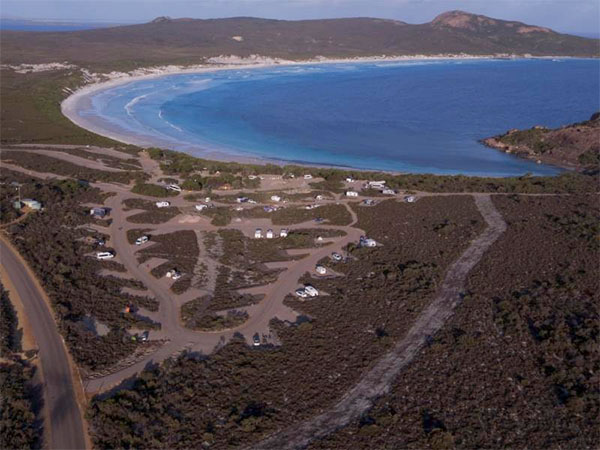
lucky bay campsite
An aerial view of lucky bay campsite.

5. Elachbutting Rock Campsite , near Westonia

The Wheatbelt


Situated four hours east of Perth, the bewitching Elachbutting Rock is a tad smaller than the more well-known Wave Rock near Hyden but it’s still super impressive – and well worth the drive. Plus Elachbutting has the added intrigue of a 30-metre tunnel, Monty’s Pass (which was caused by one helluva rock slide).


Plan your visit during wildflower season (mid-July to late October) and you’ll get to see the brilliant wildflowers – as well as the beauty of this multi-coloured granite rock.


Campsite facilities at the rock are basic – barbecues, fire pits, picnic tables and a bush loo. And best yet? It’s all for free.


Cost: Free
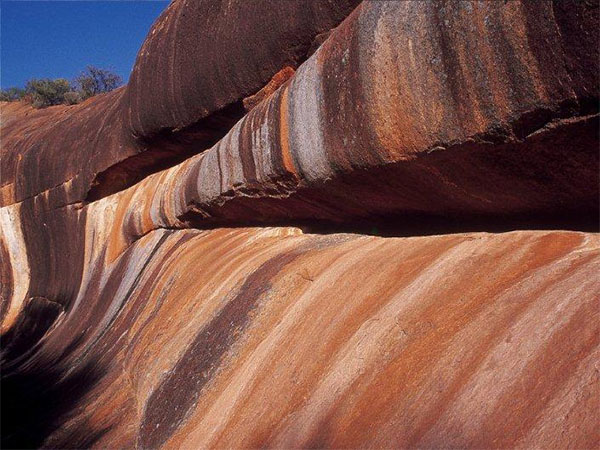
Camp in the shadow of Elachbutting Rock
Camp in the shadow of Elachbutting Rock.

6. Mitchell Falls Campground

Mitchell River National Park


Situated 560 kilometres from Kununurra, getting to the Mitchell Plateau takes time, a 4WD and dedication. It’s an adventure in its own right, and it’s well worth the effort. The thundering Mitchell Falls are among the most photographed attractions of the rugged Kimberley region.


This is no-frills camping suited to the most adventurous of travellers – there are bush toilets, but no showers. The four-tiered falls are a six-kilometre walk from the huge Mitchell Falls camping area, which is separated into a generator and a quiet area.


In the Kimberley, prime travel time is from June to August where temperatures hover around 30°C and there’s not a cloud in the sky.


Cost: $11 adult per night, $3 child per night.
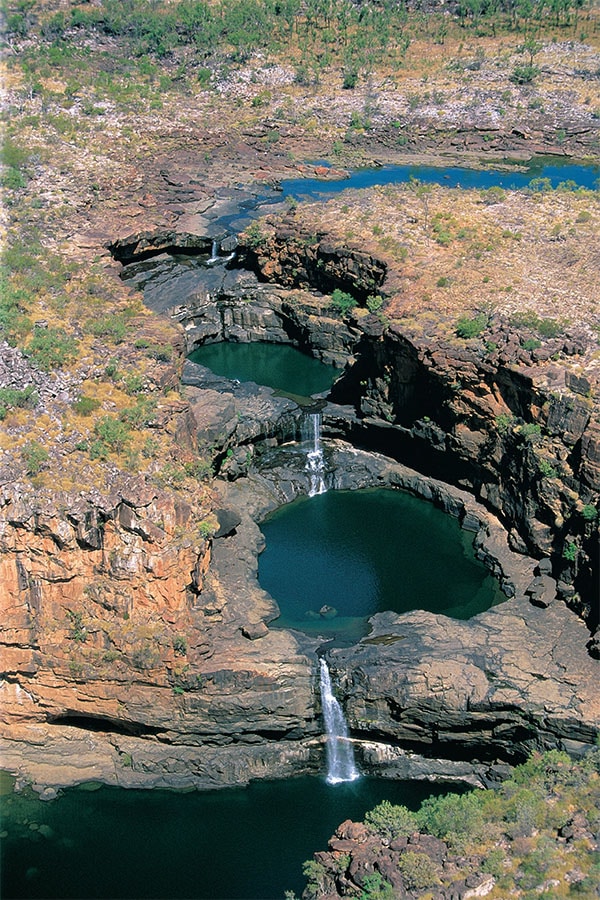
Mitchell Falls campground puts you right among the action
Mitchell Falls campground puts you right among the action.

7. Hamelin Station

Near Shark Bay

On the doorstep of Shark Bay World Heritage area, Hamelin Station offers a taste of Aussie history, stunning landscapes and distinctive adventures.


Conveniently located on World Heritage Drive (the only road into and out of Shark Bay, nearby you can investigate the ancient stromatolites at Hamelin Bay or take a day trip to Denham and see the Monkey Mia dolphins.


At the Station, a 202,000-hectare property set on 32 kilometres of Shark Bay coastline, you can sleep in the comfy shearers quarters or pitch a tent (all sites have fire pits and are separated by nature corridors).


Camping facilities are top-notch and include camp kitchens with gas burners and barbecues, modern showers and laundry facilities (also includes disabled facilities).


Cost: $14 adult for camping, $6 children, Station Stay accommodation range $80-$180
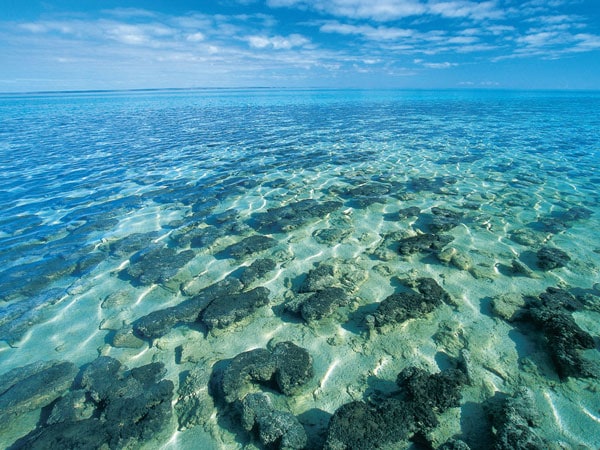
Stromatolites at Hamelin Pool, south east of Denham
Take a short drive from Hamelin Station to see the stromatolites at Hamelin Pool. Photo: Tourism Western Australia.

8. Conto Campground

Near Margaret River

You’ll find this gem just outside Margaret River, a region known globally for its wine and beaches, all tucked away in Australia’s south-west corner.


Conto Campground is not far from the stunning Conto Springs Beach, a popular place to take a dip in the ocean, bodyboard, surf or just slap on the sunscreen and relax. From here you can also walk a portion of the 135-kilometre Cape to Cape track that runs between the lighthouses of Cape Naturaliste and Cape Leeuwin.


With 116 campsites nestled among the coastal peppermint woodland, the campground had an upgrade in 2015. There are several different areas you can camp in and they all have different facilities. Some of the areas have washing up areas, barbecues and each camp area has long-drop toilets.


Cost: $15 adult per night, $3 child per night.
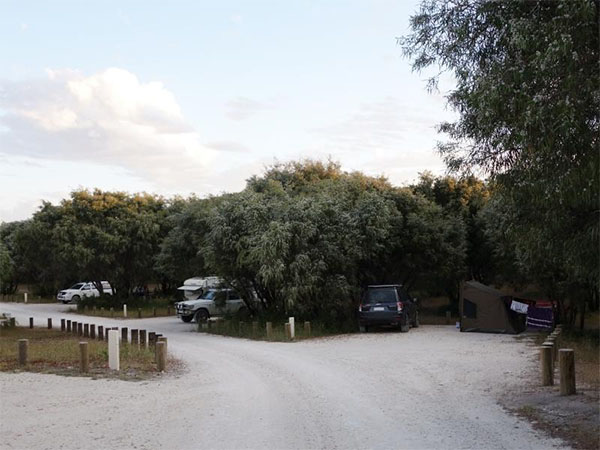
Sunset at Conto Campground
Sunset at Conto Campground.
Leah McLennan
Leah McLennan is a freelance writer based in Darwin. She was a journalist in Sydney for over a decade and counts her time as travel editor for Australian Associated Press as one of the highlights of her career. From exploring remote campsites in the Top End with her family, to seeking out new art galleries in faraway cities, she’ll grab an adventurous or arty travel experience within her reach.
See all articles
hero media

Your Mandurah guide: art, dining & dolphins await in WA’s coastal gem

Discover the perfect road trip stopover between Perth and wine country.

Western Australia punches above its weight when it comes to coastal hot spots, but no other town or city has seen a tourism boom quite like Mandurah. Named Australia’s Top Tourism Town in 2023 , it’s the relaxed, beachside break you’ve been searching for. And it’s perfectly placed, sitting between Margaret River and Perth, as it’s just a 55-minute drive from Perth’s CBD. Which is why we’ve put together your ultimate Mandurah guide.

Aerial view of Mandurah.
Plan your perfect coastal escape to Australia’s Top Tourism Town of 2023.

The best things to do in Mandurah

Wetlands and rivers, ocean and inlet; Mandurah’s laid-back lifestyle centres around the aquatic. Its waterways cover twice the ground of Sydney Harbour – measuring some 134 square kilometres in total – and form a unique environment for oceanic and estuarine flora and fauna to thrive.

In the city’s estuary lives perhaps the region’s most famed inhabitants – a resident pod of 100 bottlenose dolphins – and the inlet’s silty bottom is home to the prized blue manna crab. Spot the former breaching and playing on an hour-long dolphin cruise through the channels, or try your hand at catching the latter by wading through the estuary’s shallows with a scoop net in hand.

While swimming at the circular Kwillena Gabi Pool, chance encounters with the local wildlife aren’t uncommon. The sheltered estuarine pool takes its name from the traditional custodians of the land, the Bindjareb people, and directly translates to ‘dolphin waters’. Jutting out of the eastern foreshore, it’s enclosed by a ring of net-free floating pontoons, which allow the dolphins to swim freely through the attraction.

If that’s a little too close for comfort, book a kayak tour with Down Under Discoveries . The dolphins have been known to cruise beside the paddle-powered crafts, which are a fun, family-friendly way to explore the city’s inner waterways.

Dolphins swimming in Mandurah.
Watch dolphins glide by as you explore Mandurah.

You don’t have to be on the water to appreciate the coastal city’s aquatic beauty, with 600 kilometres of cycleways and scenic walking trails traversing Mandurah’s estuary, inlet and coast.

Follow the 30-kilometre coastal trail and you’ll come face to face with one of Thomas Dambo’s headline-making ‘Giants of Mandurah  sculptures, Santi Ikto, along the way. There are five sculptures around Mandurah in total, hidden among gum-filled reserves or sitting sentry over the water.

Head to the Mandurah Visitor Centre to pick up a map to pinpoint their exact location and download the traveller’s companion to learn more about the sights along the way. Or join a three-hour e-bike tour from The Bike Kiosk and you’ll stop by two of the giants – Santi Ikto and Yaburgurt Winjan Cirkelstone – as you sightsee central Mandurah.

 The towering Santi Ikto, one of Thomas Dambo’s iconic Giants of Mandurah.
Meet Santi Ikto, one of the legendary Giants of Mandurah.

Where to eat in Mandurah

Mandurah’s culinary scene reflects its laid-back lifestyle, with large, honest meals and locally brewed beer. After visiting Lake Clifton’s 2000-year-old thrombolites, head to the peppermint and gum-shaded beer garden at Thorny Devil Brewery . Tuck into a platter of house-smoked meats and an ale pulled fresh from the tanks. Closer to town and right on the waterfront is Boundary Island Brewery ; here, woodfired pizza, pub-style seafood dishes and easy-drinking brews are centre stage.

On a Murray River Lunch Cruise , the focus is as much on the environment around you as the food you’re filling up on. Help yourself to the colourful salads and freshly cooked meats on the buffet as you meander up the winding, jarrah tree-lined waterway, stopping at the heritage Cooper’s Mill for a quick walking tour along the way.

Keep your eyes trained on the Creery Wetlands as you pass – you’ll spot much of the region’s migratory birdlife, and, as always, might see the playful bottlenose dolphins in the inlet.

The most memorable meals aren’t necessarily always the fanciest, and lunch aboard a self-skippered Mandurah BBQ Boat is a testament to that. All food and beverage prep is left up to you as you cruise through the canals, sausages and steaks sizzling away on the central hot plate.

If seafood is more your kind of fare, board the Wild Seafood Experience , where dolphin cruise meets long table lunch. Eight courses of crab, crayfish and scallops await.

A table filled with plates of crab, crayfish, and scallops.
Dine on the water with eight courses of ocean-fresh fare.

Where to stay in Mandurah

With so many waterways comes abundant waterside stays. Like the self-contained Seashells Mandurah on the shores of Comet Bay. The calm, oceanic outlook from the one-, two- and three-bedroom apartments and villas is as close to Maldivian as Mandurah gets. Families especially enjoy the property, bouncing between the protected cove and the beachfront pool for endless hours of fun.

Seashells Mandurah; on the shores of Comet Bay.
Stay right by the sea.

The Sebel Mandurah , just a hop, skip and jump from the Mandurah Ocean Marina, has a different outlook entirely, overlooking the estuary and lively foreshore on the other side. It’s also within walking distance of the Mandurah Performing Arts Centre , cinema and a swathe of waterfront bars and eateries.

But you can’t get any closer to the water than on a vessel from Mandurah Houseboats . You don’t need a skipper’s ticket to hire one, nor do you need comprehensive boating experience; just a full driver’s license and your undivided attention during the pre-departure tuition will do. Then you’re free to take to the estuaries and tributaries for a few nights of peaceful rest, surrounded by the very element that makes Mandurah so special.

A houseboat cruising in Mandurah along the river
Captain a houseboat to explore Mandurah at your own pace.

Plan your next WA getaway in Mandurah.