
Australia’s first but underrated gourmet region
Milawa, Vic
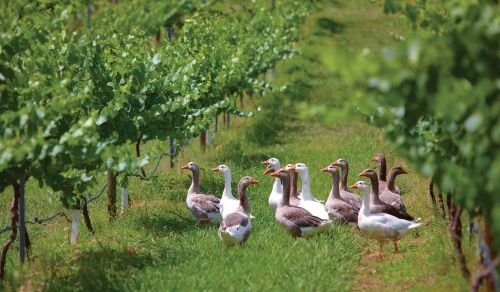
The first proclaimed gourmet region in Australia, Victoria’s Milawa Gourmet Region, is an area dedicated to top food and wine producers including Brown Brothers and Milawa Cheese Factory.
100 Incredible Travel Secrets #89 Milawa, Vic
Milawa, Vic
The first proclaimed gourmet region in Australia, Victoria’s Milawa Gourmet Region, is an area dedicated to top food and wine producers including Brown Brothers and Milawa Cheese Factory.
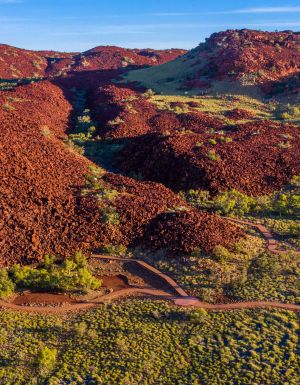
Australia just landed 5 spots on TIME’s World’s Greatest Places 2026 list
These Aussie destinations, experiences and operators just got the world's attention.
Read more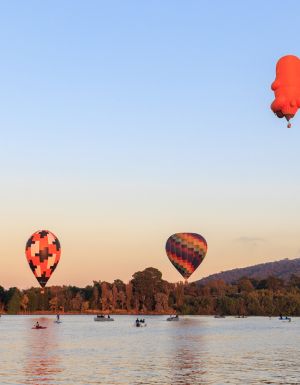
The best autumn festivals around Australia in 2026
The season of cosiness and colour calls for celebration.
Read more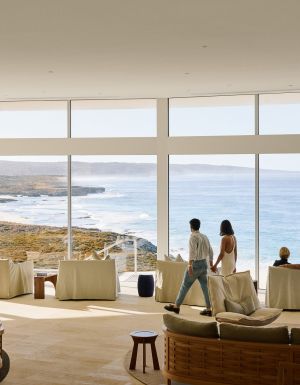
Australian luxury lodge pioneer Baillie Lodges enters new global era as ‘Beckons’
The homegrown hospitality group behind Southern Ocean Lodge and Longitude 131° is expanding internationally under a new name.
Read more
The best last-minute Easter getaways you can still book
From luxury lodges and coastal resorts to outback adventures and cruise deals, these Easter getaways prove there’s still time to escape.
Read more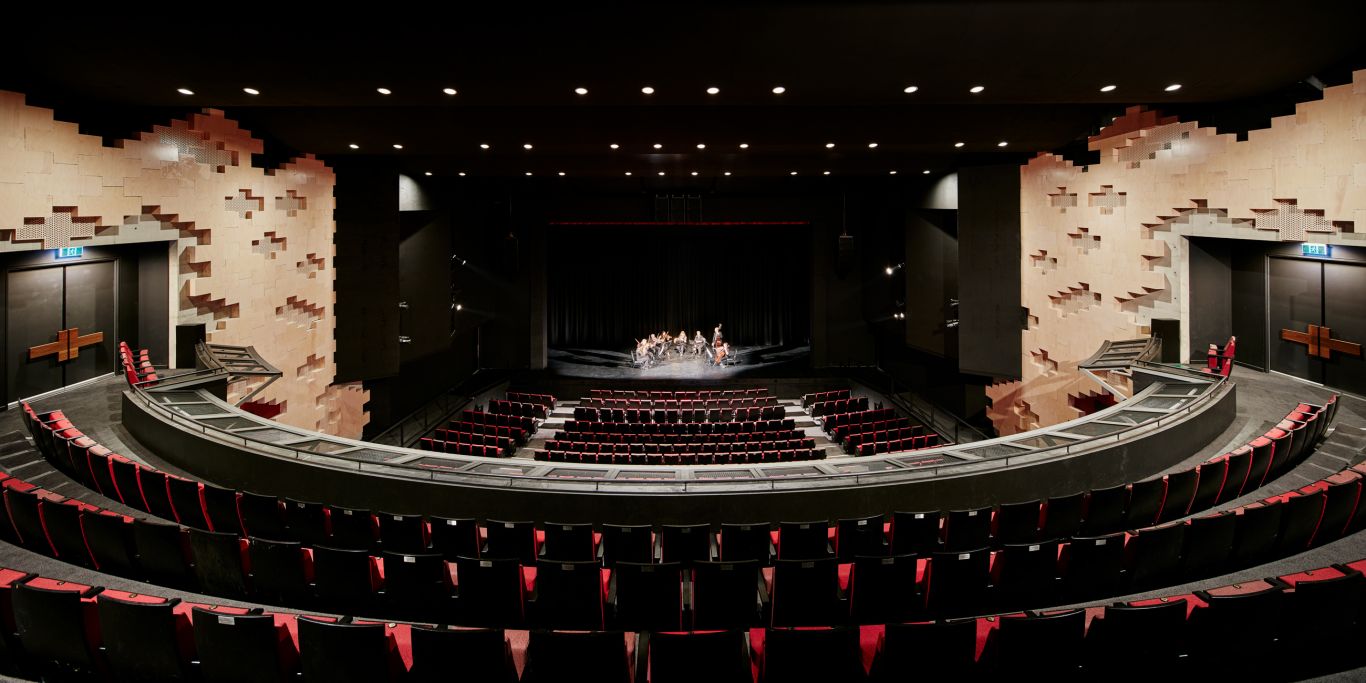
Film lovers need to add these Victorian theatres to their bucket list
From grand, gold rush-era masterpieces to Art Deco wonders to repurposed prisons, we’ve rounded up four of Victoria’s best regional theatres to catch a show at next time you’re travelling through.
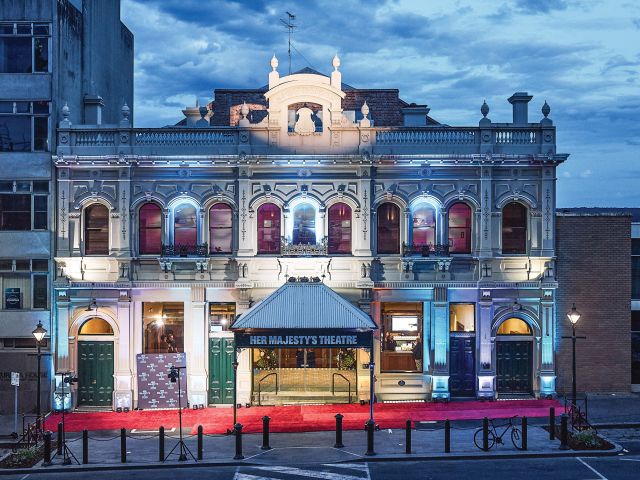
A monument to the immense gold rush wealth flooding through Ballarat in the second half of the 19th century, Her Majesty’s Theatre (‘Her Maj’ to locals) celebrates its 150th anniversary as the city’s premier performing arts venue this year.
Built in a classical style and immaculately preserved (thanks largely to a recent $16-million restoration), this Lydiard Street landmark is the oldest continuously operating theatre in mainland Australia, notable for its double balcony and a stage that slopes towards the front, making it one of the most audience-friendly venues in the country to see a show.
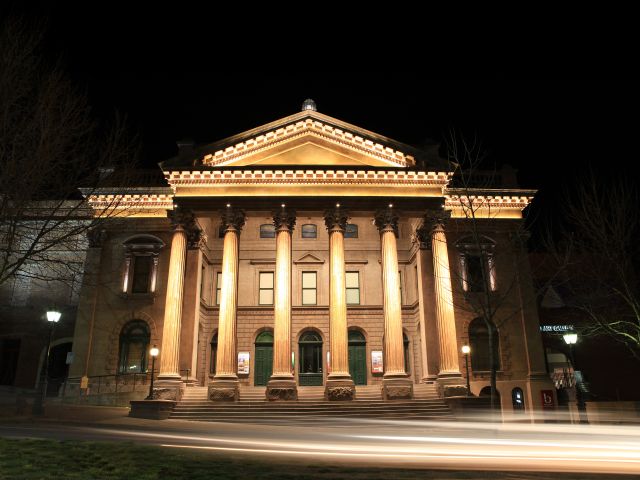
Denoted by its distinctive Corinthian columns, more reminiscent of ancient Greece than regional Victoria, The Capital theatre in Bendigo has been through several iterations since the first stone was laid in 1873.
Originally a Masonic hall, the renaissance revival-style building became a theatre in the 1890s, falling into disrepair for a time during the 1970s, before being restored and reopened (as the Bendigo Regional Arts Centre) in 1991. Today, the 480-seat venue hosts everything from comedy to cabaret to traditional theatre, dance, opera and live music.
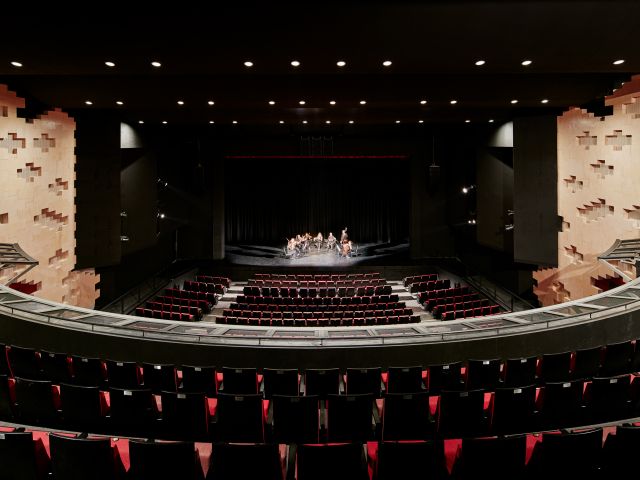
Bendigo has busted out as a regional performing arts hotspot, so it’s fitting that one of its newest venues is housed within a former prison. Meaning ‘meeting place’ or ‘gather together’ in the language of the local Dja Dja Wurrung people, the $26-million, 950-seat auditorium rose from within the red brick walls of the historic Sandhurst Gaol in 2015.
It’s an eerie feeling as you approach the imposing granite facade, pass beneath the old gallows and pick up your ticket from the box office occupying a repurposed cell block. With the building playing a main character in the show, this is performative architecture at its finest.
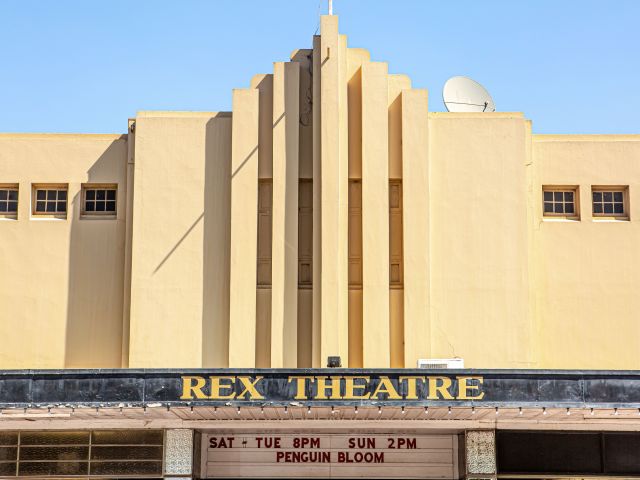
Regional theatres don’t come more romantic than this Art Deco gem in the river town of Charlton, in north-central Victoria. Built in 1938, the 350-seat community-owned theatre provides an essential entertainment outlet for residents in the Wimmera Mallee region, as well as visitors making the trip up the Calder Highway from Melbourne.
The volunteer-run venue is the last remaining purpose-built cinema in regional Victoria, and hosts the Charlton Film Festival every February, plus three weekly film screenings (Tuesday, Saturday and Sunday).

