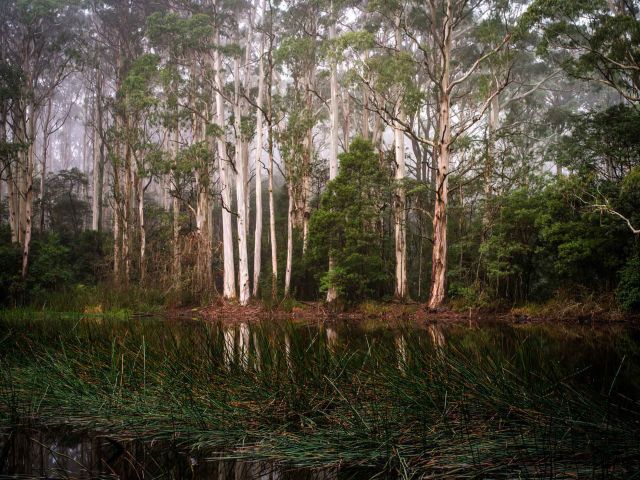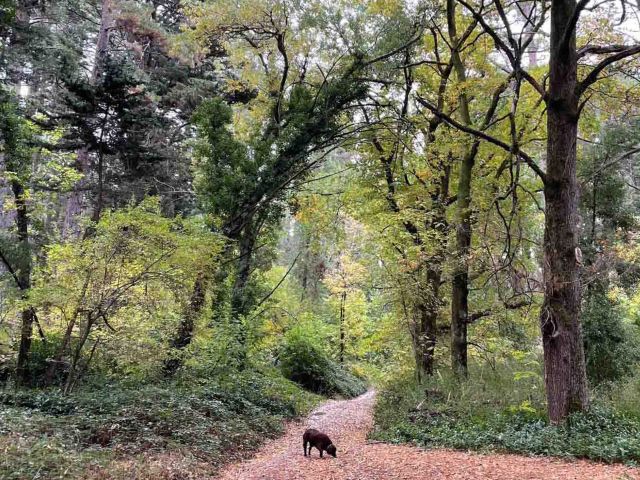

Big skies and otherworldly landscapes are the hallmarks of Australia. Discovering them in-depth becomes easier with the experts.
Australia’s extraordinary landscapes make this vast continent like no other place on Earth, offering an unforgettable feast for the senses as you traverse deserts, cruise on vast inland lakes and dine under star-studded skies. What makes this land special is the people you’ll meet along the way, and the chance to forge a deep connection with the country and its people. The new AAT Kings small-group tours focus on the incredible experiences available in remote places that might otherwise seem daunting.
With an average of 16 guests and a maximum of 24, the tours offer intimate access to the best Australia has to offer, with special behind-the-scenes encounters led by knowledgeable experts.
1. Tasmania and Flinders Island Explorer

Escape the tourist trail in north-eastern Tasmania while still seeing everything the island state has to offer. From coastal villages to bucolic rural scenery, the six-day Tasmania and Flinders Island Explorer tour offers world-class food and wine, with the bonus of a flight to Flinders Island.
From Launceston, the tour winds through the verdant Tamar Valley and includes a stop at Fork It Farm, where guests are given insight into sustainable farming while snacking on a house-made charcuterie platter paired with Tasmanian wines.
Fly by private plane to secluded Flinders Island, uncovering pristine beaches and savouring local seafood and wine. Explore the main settlement and learn about the history of Settlement Point and Wybalenna before soaking up views of the island and Bass Strait and exploring part of Strzelecki National Park. From there, it’s another scenic flight to Bicheno, flying down the east coast of Tasmania and across the stunning Bay of Fires and Wineglass Bay (a taste of what’s to come by land).
Other highlights include the UNESCO World Heritage-listed Brickendon Estate, still run by the same family since its founding in 1824, where the property’s convict history will be revealed.
In Devonport, a heritage train ride will track alongside the Don River to Coles Beach before returning to learn more about Tasmania’s railway history and vintage locomotives at Don River Railway.
Need tips, more detail or itinerary ideas tailored to you? Ask AT.
AI Prompt
2. South Australian Outback Adventure
From Adelaide, the highlights of the eight-day South Australian Outback Adventure tour open up the rugged grandeur of the Flinders Ranges, Wilpena Pound and Arkaroola. Home to the Adnyamathanha people for tens of thousands of years, the natural beauty and wide open spaces of this remote region unfold as you explore from both land and air.
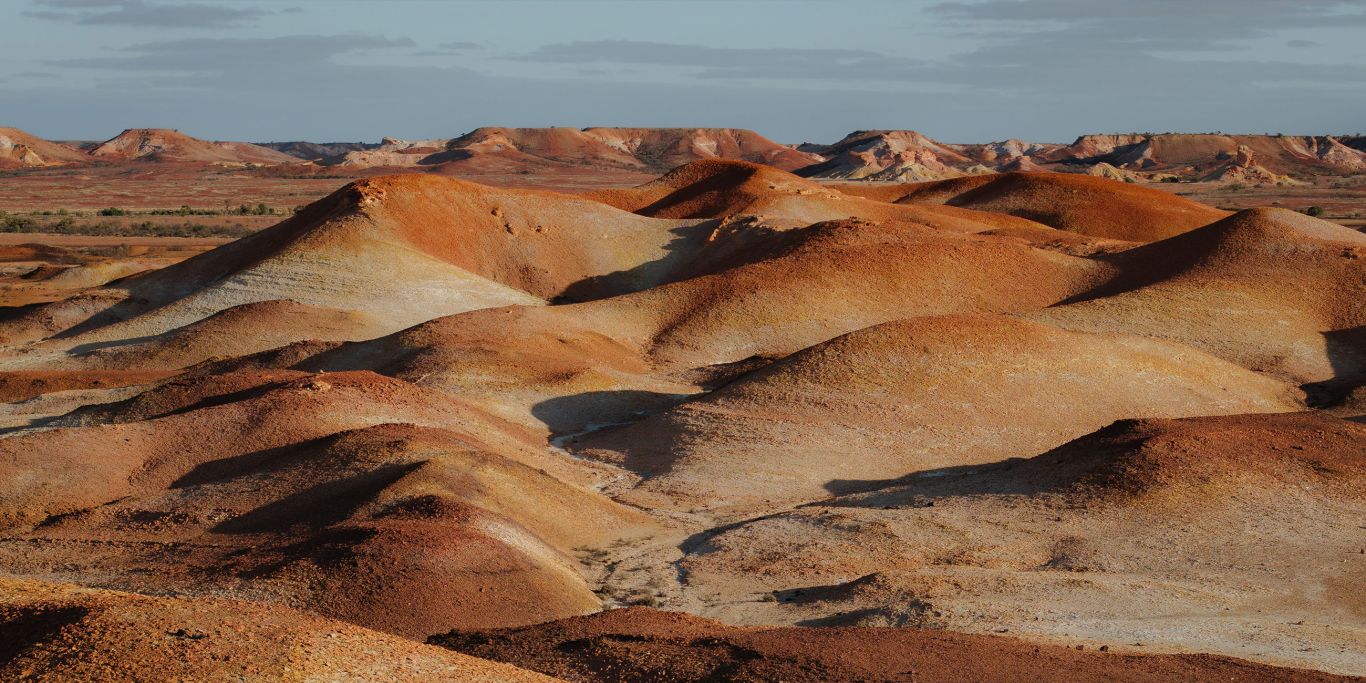
Looking to the skies for a new way to experience South Australia’s outback, a scenic flight over the striking outcrops of the colourful Anna Creek Painted Hills and the shimmering saltpan of Kati Thanda-Lake Eyre is an eye-opener like no other.
Wilpena Pound Resort, owned and managed by the Indigenous community, is a haven in the midst of Ikara-Flinders Ranges National Park. It’s worth the hike to enjoy sweeping views over the natural amphitheatre before your journey continues through dramatic gorges, where you may spot endangered yellow-footed rock-wallabies.
At the award-winning Arkaroola Wilderness Sanctuary, dive deep into the region’s billion-year-old geological history with an expert guide as you tackle the steep ascent of the Ridgetop Track in an open-air 4WD. When the sun goes down, look up at the dazzling wonders of the Milky Way in this International Dark Sky Sanctuary.
3. Broome and the Kimberley Highlights

From Broome’s sparkling beaches to the red dirt of Kununurra, the Kimberley region is one of Australia’s most extraordinary and unforgettable places. It’s a region of contrasts, beginning with multicultural Broome and the history of pearl divers.
Kick off your Broome and the Kimberley Highlights experience with a tour of Broome led by a local Aboriginal guide. You’ll learn about 40,000 years of culture as you explore historic landmarks, discover bush foods and medicinal plants and enjoy a private didgeridoo performance.
Learn about Broome’s rich pearling history at Willie Creek Pearl Farm, on the banks of a turquoise tidal estuary that provides the perfect environment for growing the South Sea pearls for which Broome is world-renowned. Then cruise the calm waters to see the oyster farm before a masterclass that reveals the secrets of the pearl industry.
As you continue your discovery of the Kimberley, fly over the dramatic striped domes of the Bungle Bungle Range, the Argyle Diamond Mine and gorgeous Lake Argyle, Western Australia’s largest freshwater body of water. Take a sunset cruise on the lake, which is dotted with more than 70 islands and is a birdwatcher’s paradise. The water teems with freshwater crocodiles, barramundi, bream and cod.
Complete your seven-day exploration of the Kimberley in Kununurra with a local Aboriginal guide to hear Dreamtime stories and wander through the ‘mini bungles’ of Mirima National Park.
Weekly travel news, experiences
insider tips, offers, and more.
4. Outback Contrasts

From Alice Springs, the six-day Outback Contrasts adventure includes the wonders of Uluru, Kata Tjuta and Kings Canyon, offering premium accommodation and exceptional experiences. Ancient rock art, creation stories and the spiritual essence of the land will be revealed as you discover some of Australia’s most iconic landmarks.
A highlight of your stay in Alice Springs will be meeting chef Rayleen Brown, who shares her knowledge of Aboriginal native foods with a tasting of the many flavours of Central Australia’s wild harvest bush tucker. More culinary indulgence will follow at Discovery Resorts – Kings Canyon in the heart of Watarrka National Park, where you’ll enjoy a degustation menu and paired fine wines under the desert moon.
After a sunrise walk on the rim of Kings Canyon, head off to the Wanmarra community to learn about the Luritja and Pertame people’s spiritual connection to the land at Karrke Aboriginal Cultural Experience. Crossing desert scenes, you’ll arrive at Uluru and end the day watching the setting sun’s changing palette on the ancient landscape.
More awe-inspiring landscapes will be revealed as you wander between Kata Tjuta’s tallest domes in Walpa Gorge and explore the rugged beauty of Simpsons Gap in the West MacDonnell Ranges.
Want to see more stories from Australian Traveller in your Google search results?
- Click here to set Australian Traveller as a preferred source.
- Tick the box next to "Australian Traveller". That's it.