Restaurants in Byron, Melbourne and Brisbane have made Condé Nast Traveller’s 2026 Hot List – here’s what makes each one worth the trip.
Condé Nast Traveller’s annual Hot List is one of the more credible barometers of where the world’s dining scene is heading. It doesn’t reward longevity or reputation; it looks for what’s genuinely new and exciting. This year, three Australian restaurants made it. Across three cities, three completely different concepts, and three different ways of thinking about what a restaurant can be. Here’s what made the list.
Feu, Byron Bay, NSW
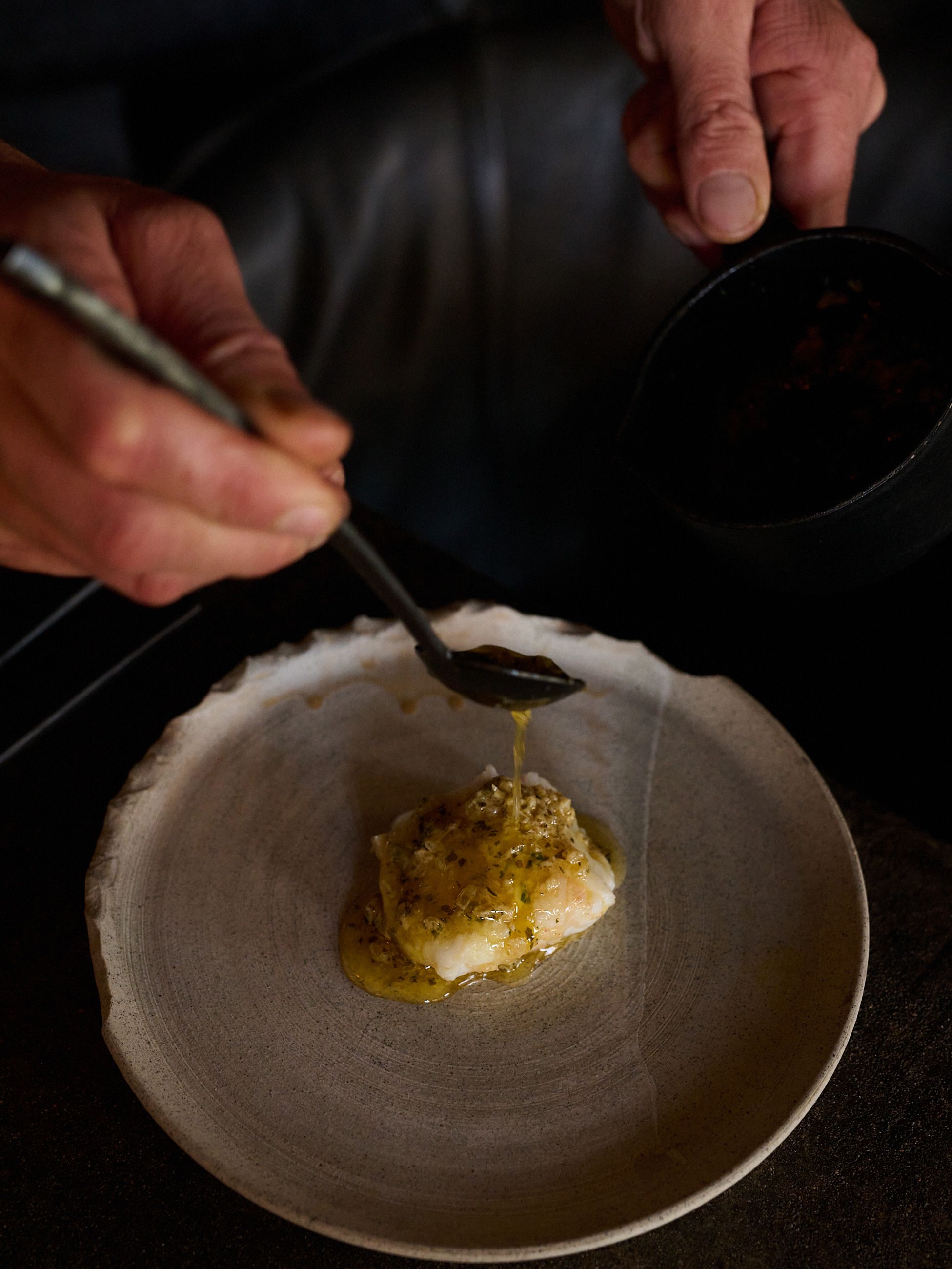
Feu has ditched the menu.
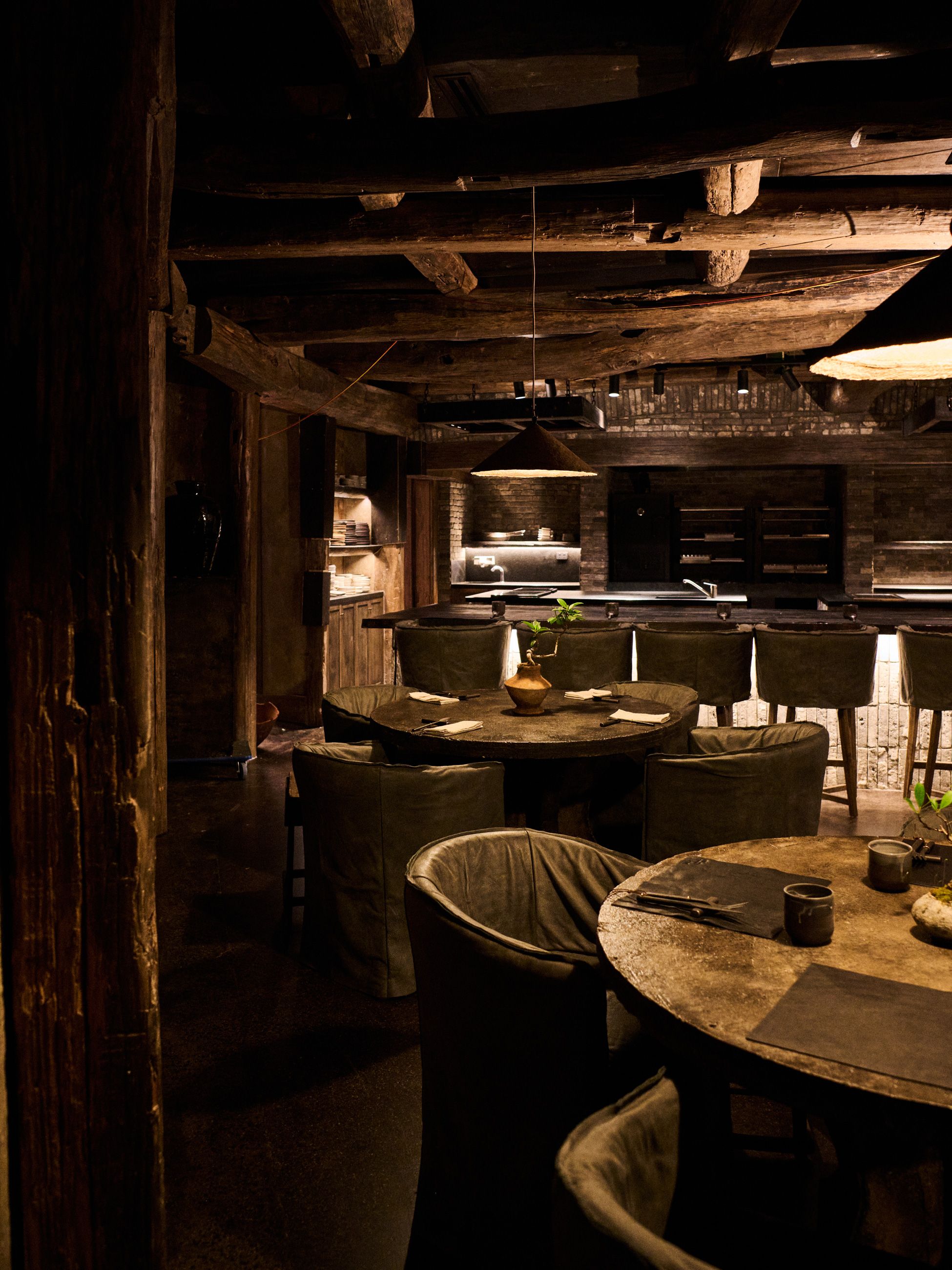
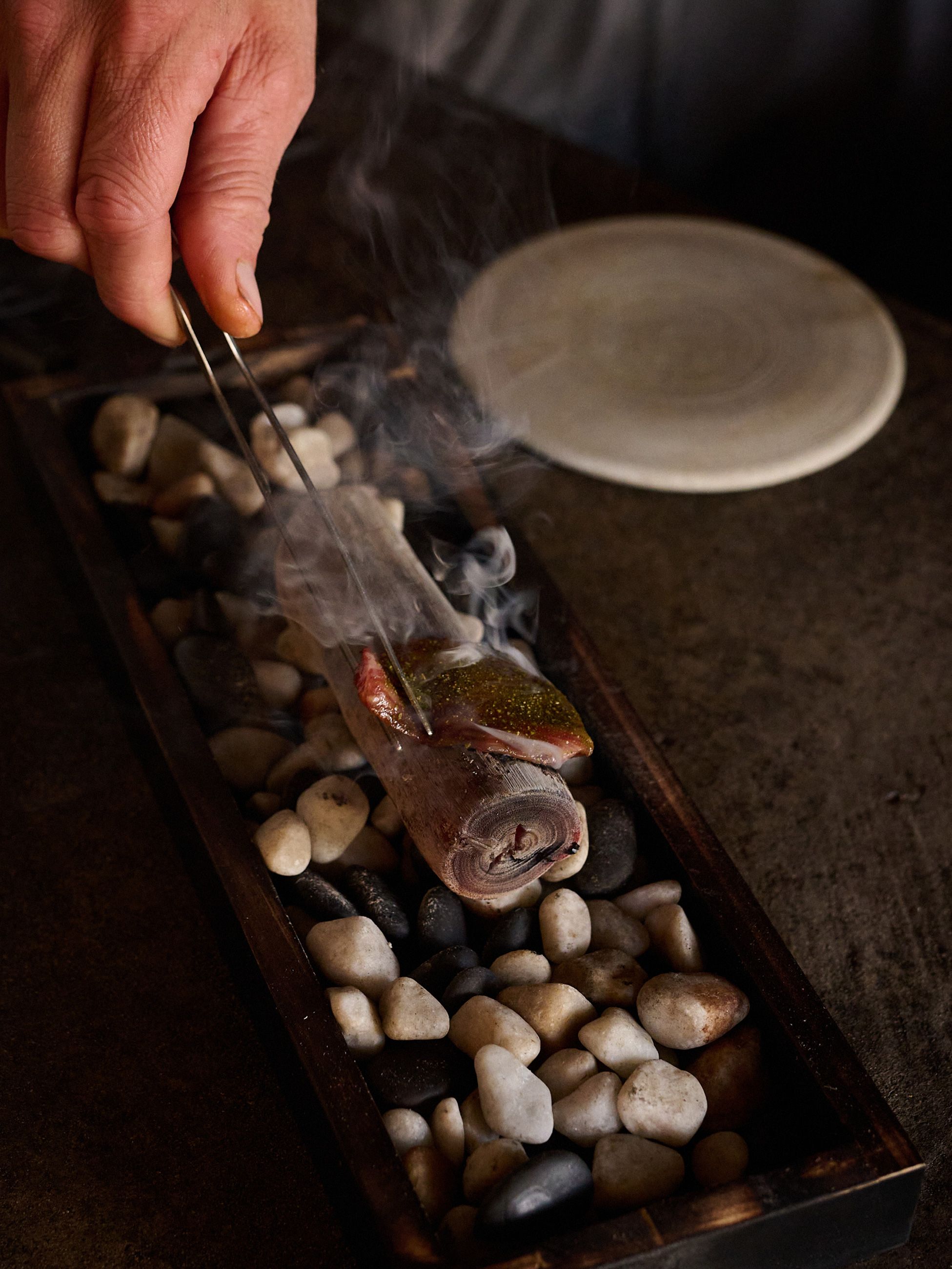
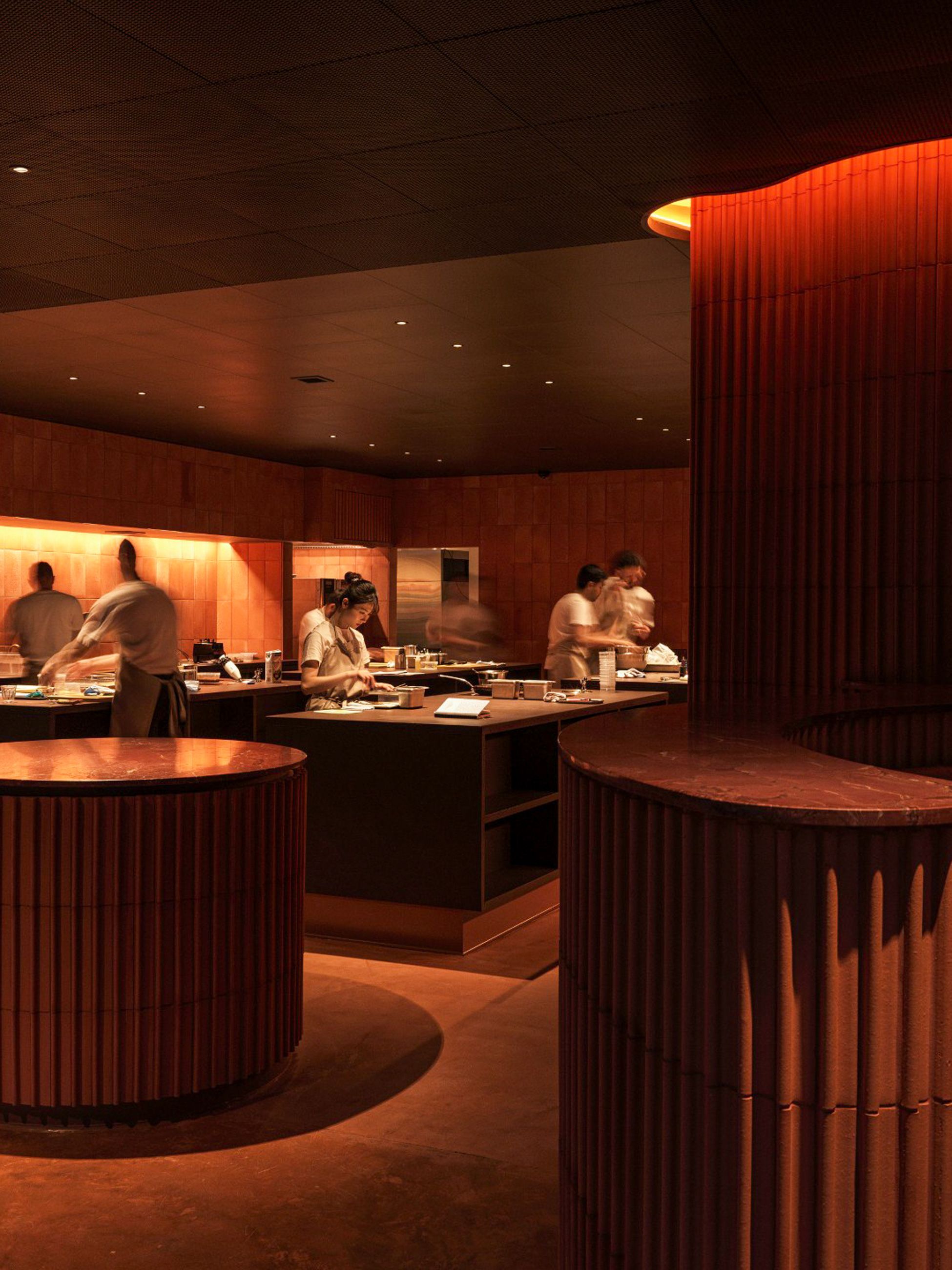
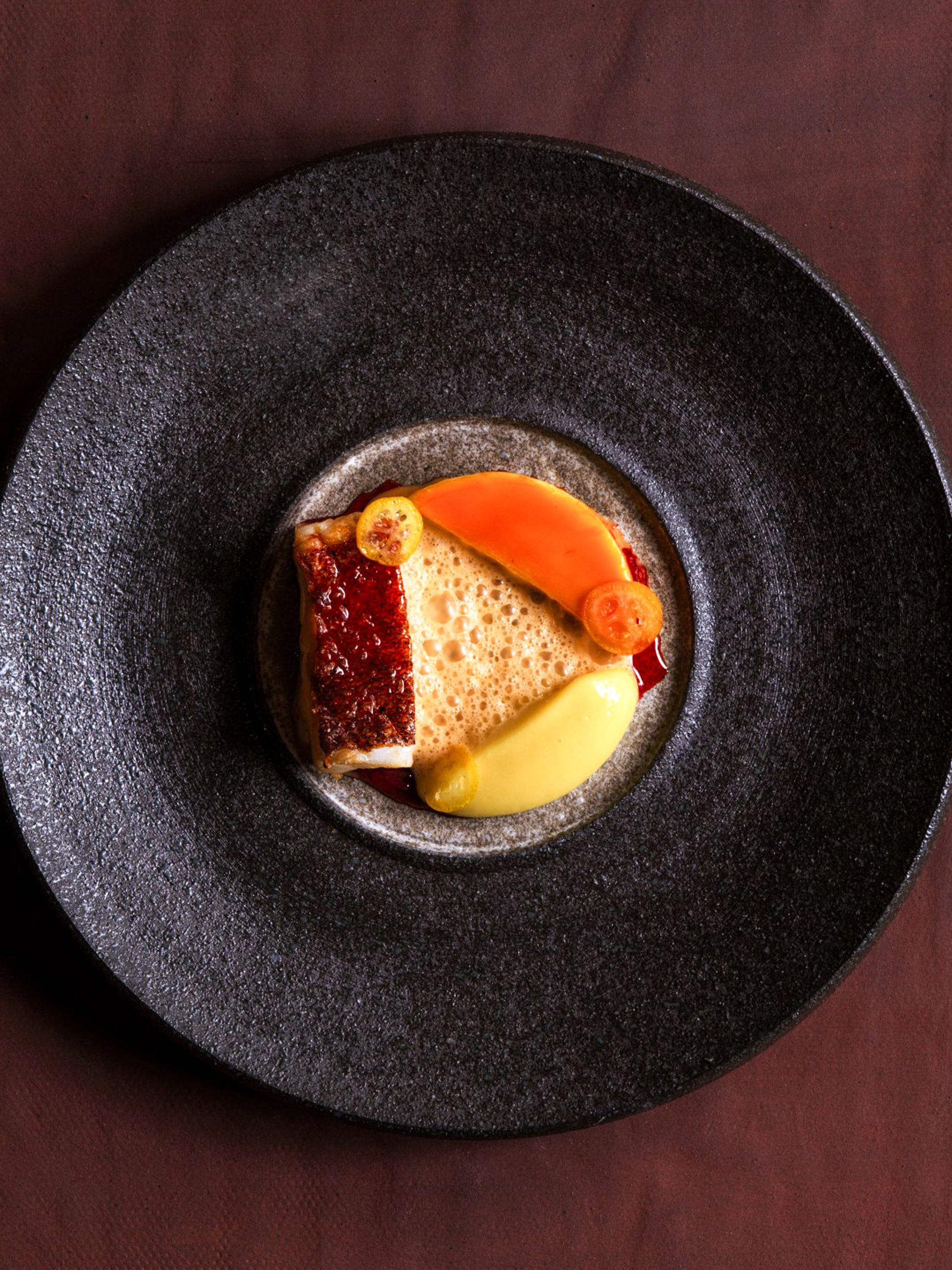
Everything at Feu is cooked over charcoal.
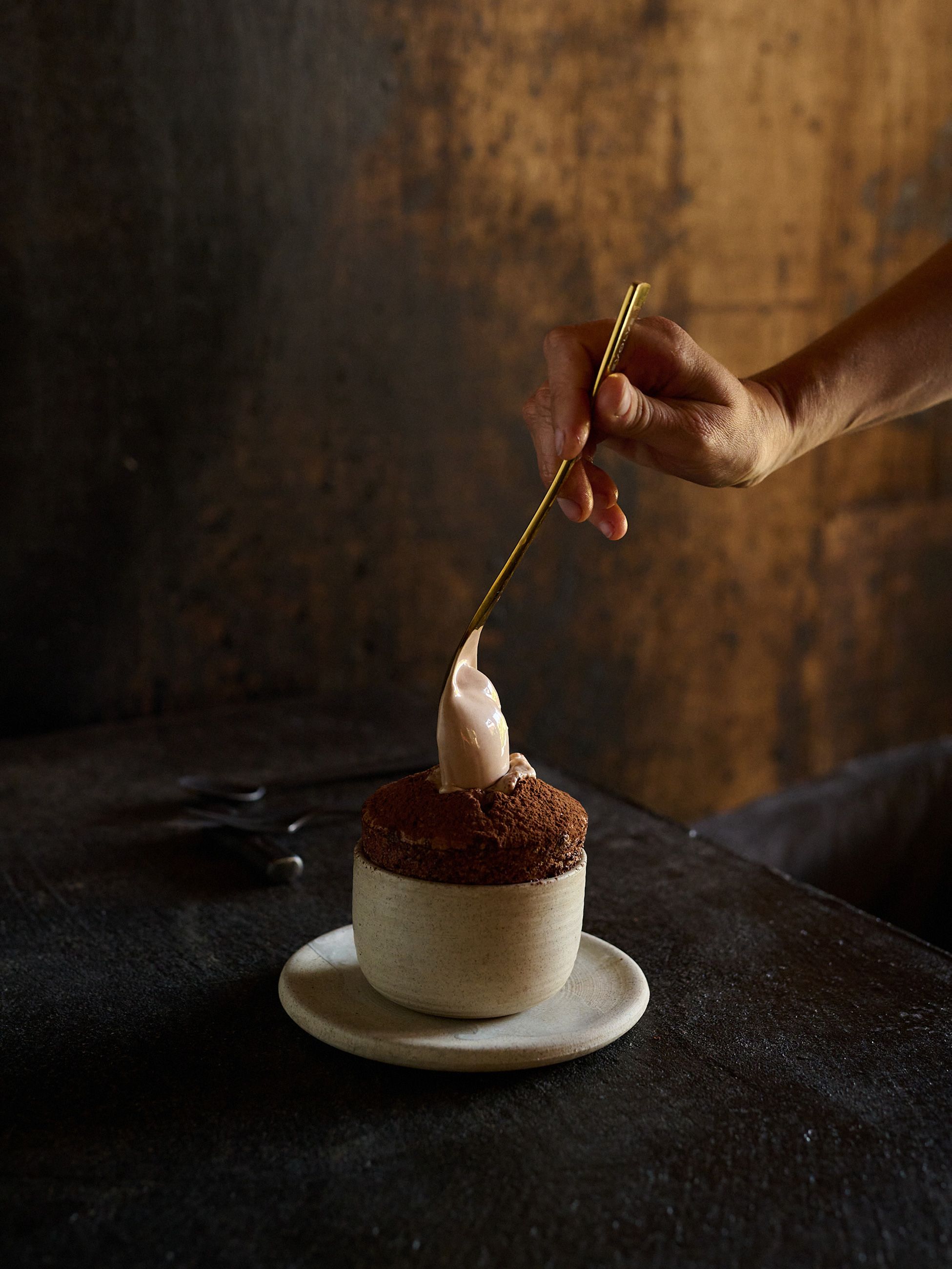
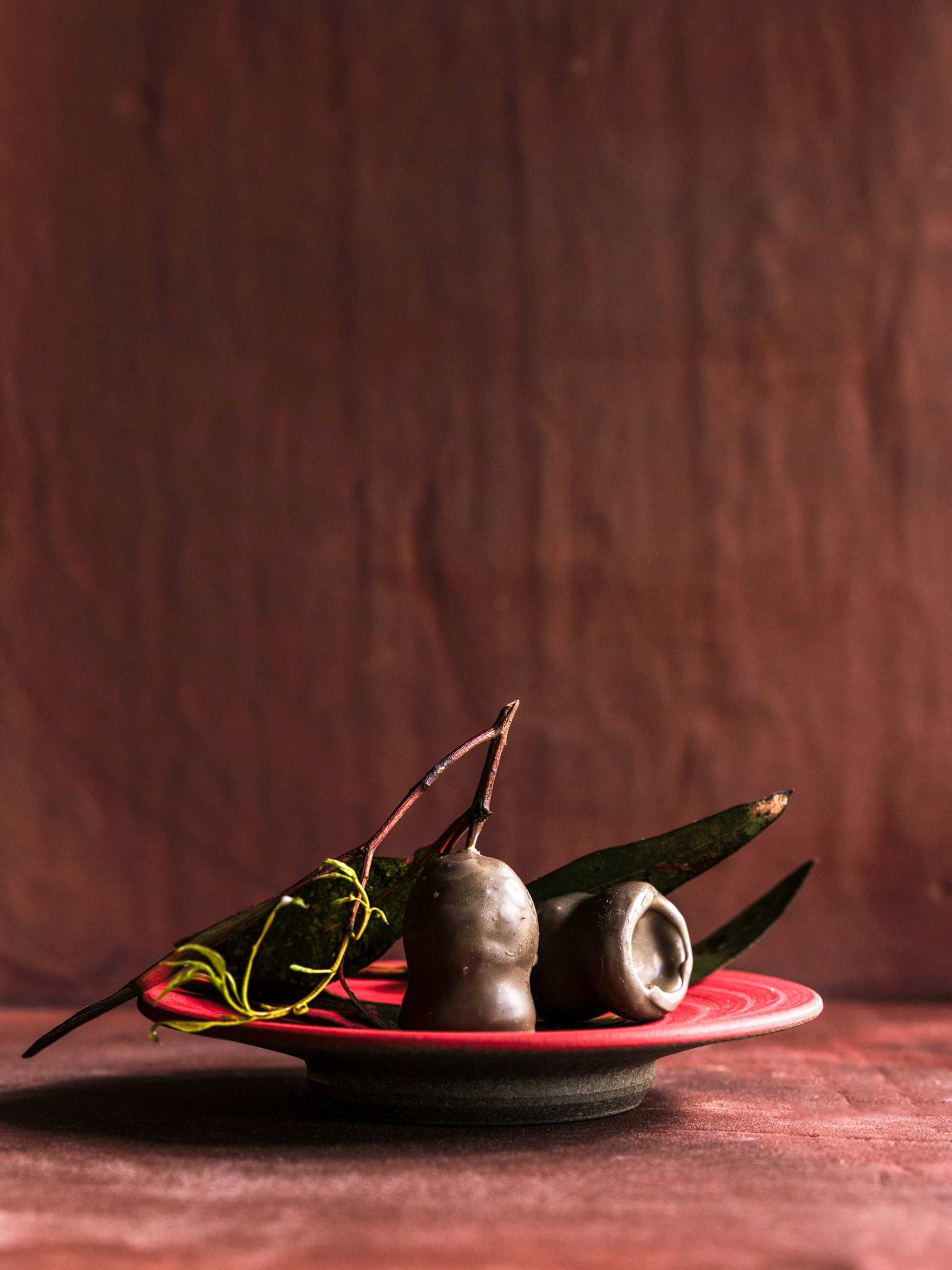
The choc souffle at Feu is a hit.
Diners choose their ingredients at Feu.
Feu, inside Shannon Bennett’s new Belongil precinct, has ditched the menu entirely. Diners choose their key ingredients – anything from bay lobster to flame tail snapper – from a list sourced through a 12-month road trip up the east coast. Those ingredients are represented by hand-crafted ceramic artworks; you place them in front of you in the order you want to eat, and the kitchen takes it from there, cooking everything over yellow box timber burned to charcoal.
Three ingredients are $280, five are $320, and seven are $360. It’s a high-concept premise that could easily feel gimmicky, but the sourcing rigour and the cooking over fire give it real substance.
Where: The Belongil, 33-35 Childe Street, Byron Bay, NSW
Yiaga, Melbourne, Vic
Need tips, more detail or itinerary ideas tailored to you? Ask AT.
AI Prompt
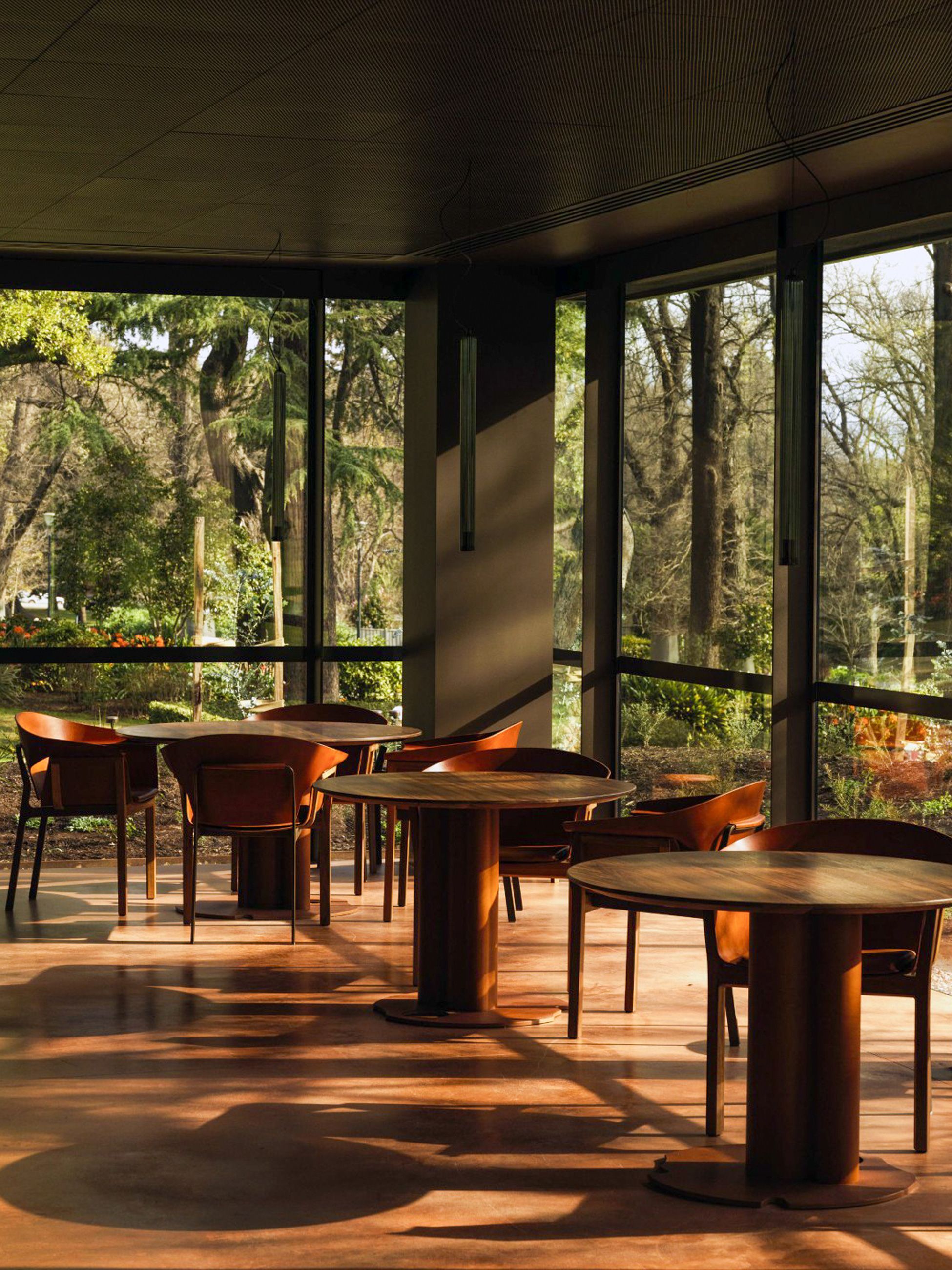
Sit by Yiaga's floor-to-ceiling windows. (Credit: Jason Loucas)
The set menu is shaped entirely by Australian producers. (Credit: Jason Loucas)
It's a celebration of Australia. (Credit: Jason Loucas)
Yiaga means ‘seek and find’. (Credit: Jason Loucas)
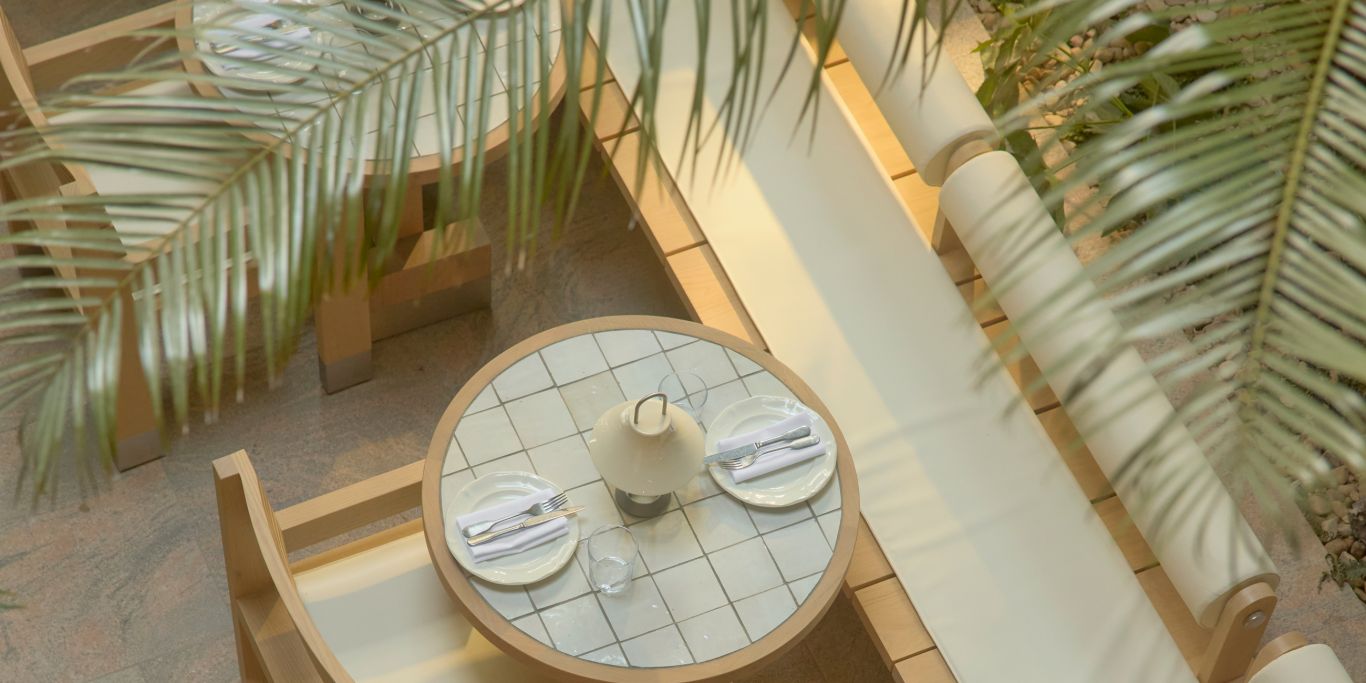
Located inside Fitzroy Gardens, Yiaga opened in 2025 by renowned Australian chef Hugh Allen (Vue de Monde). Yiaga means ‘seek and find’ in the local Wurundjeri language, and it embodies that ethos through its celebration of Australia in its design, produce and craft. The 44-seat restaurant has a custom Vivienne Wong dining table carved from a fallen cypress branch out of the Royal Botanic Gardens, floor-to-ceiling windows looking onto century-old elms and a Tasmanian blackwood timber cellar.
The $320 set menu is shaped entirely by Australian producers.
Where: Fitzroy Gardens, 230-298 Wellington Parade, East Melbourne, Vic
Golden Avenue, Brisbane, Qld
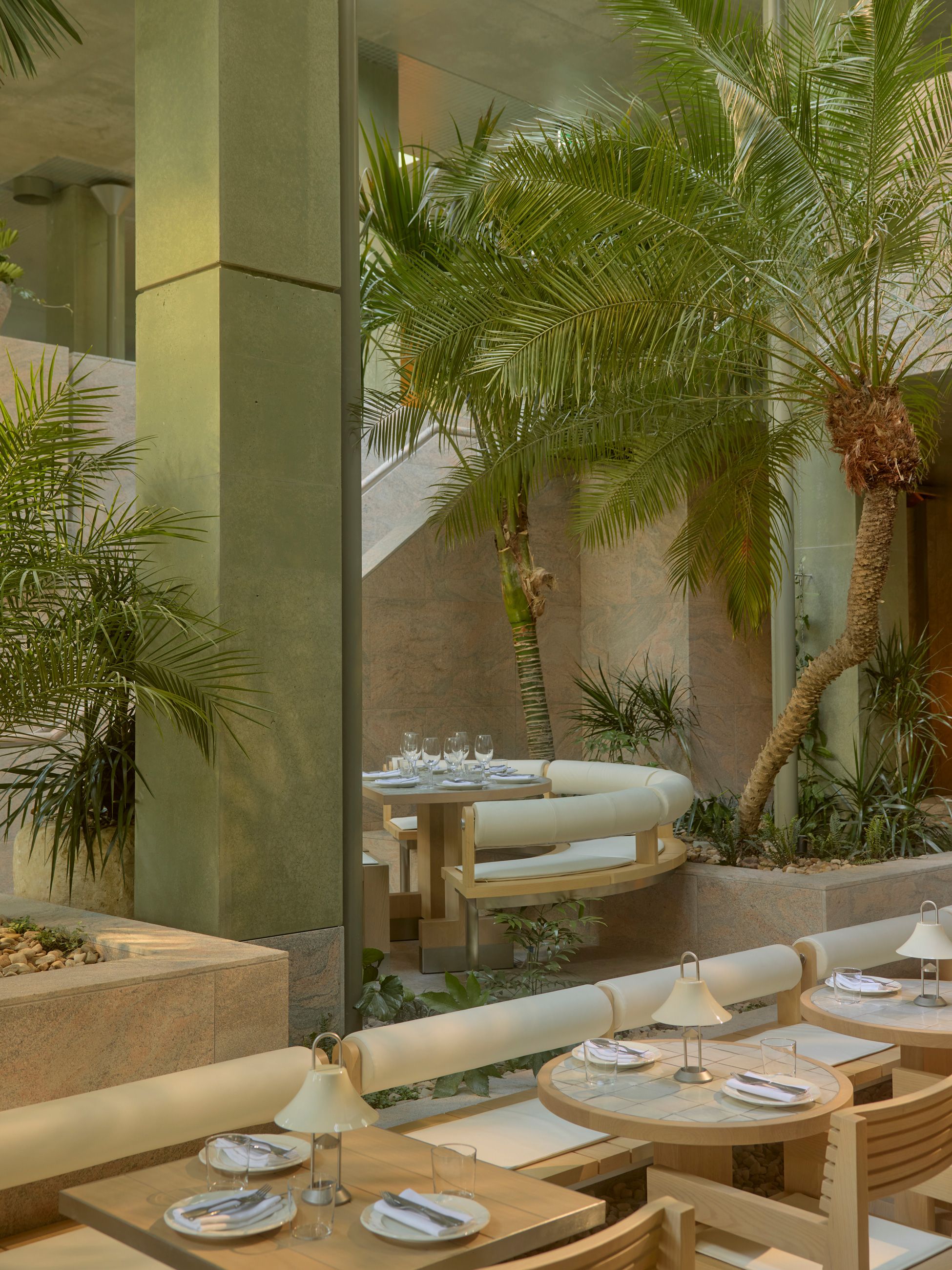
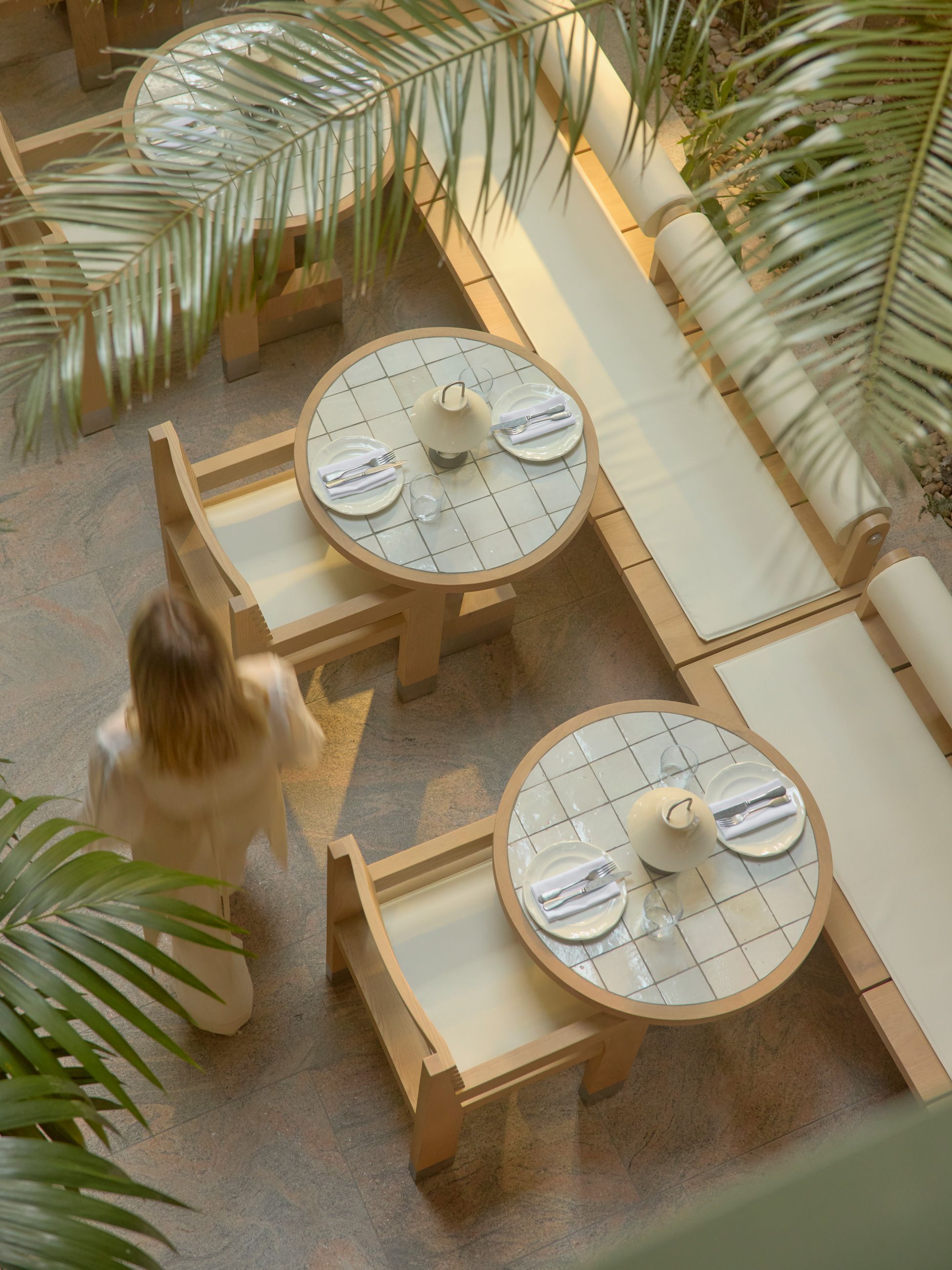
Golden Avenue has garden terrace energy. (Credit: Jessie Prince)
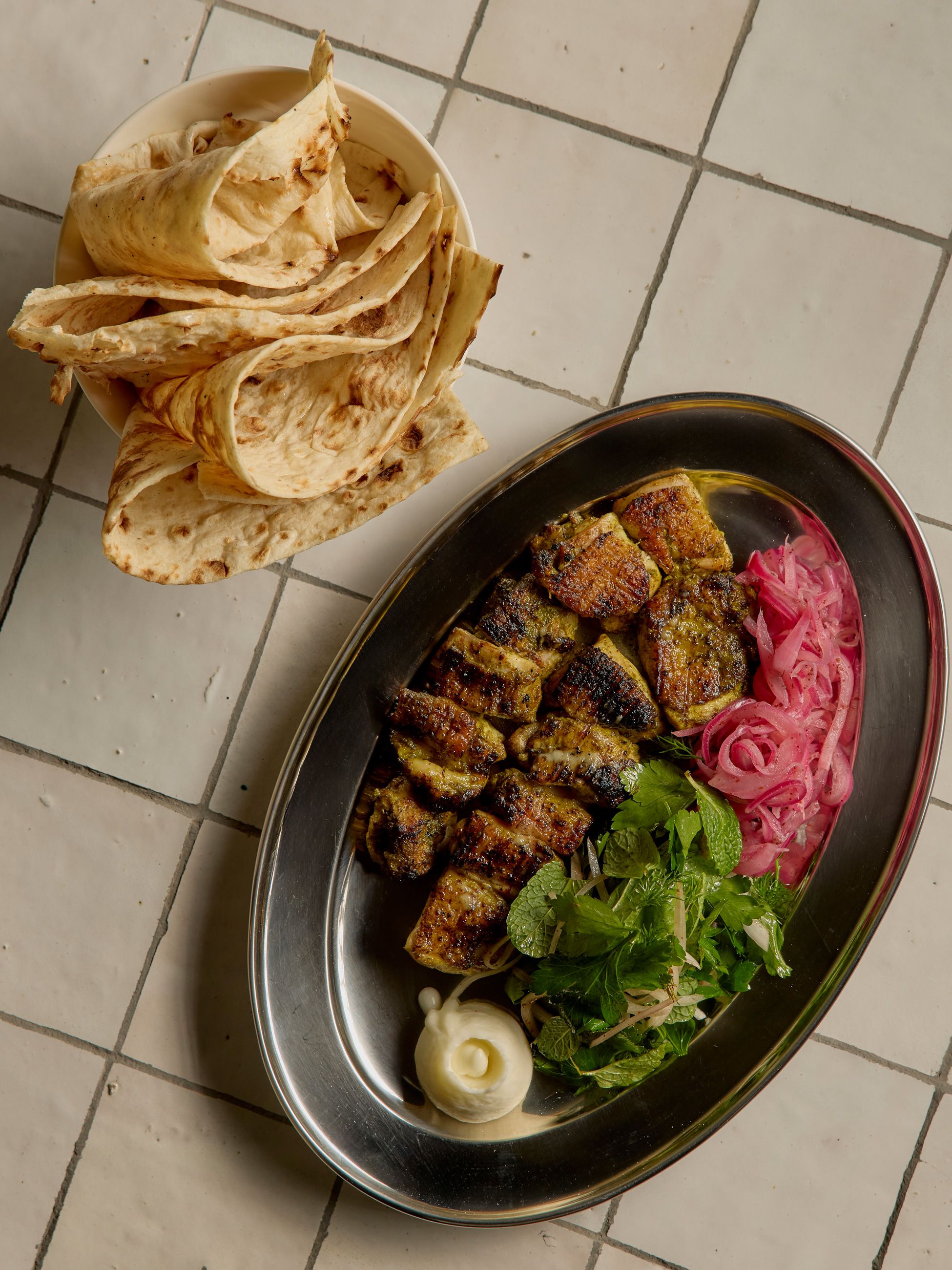
The fenugreek chicken shish is a popular dish. (Credit: Jessie Prince)
Enjoy comforting Middle Eastern cuisine at Golden Avenue. (Credit: Jessie Prince)
Golden Avenue believes all great food is meant to be shared. (Credit: Jessie Prince)
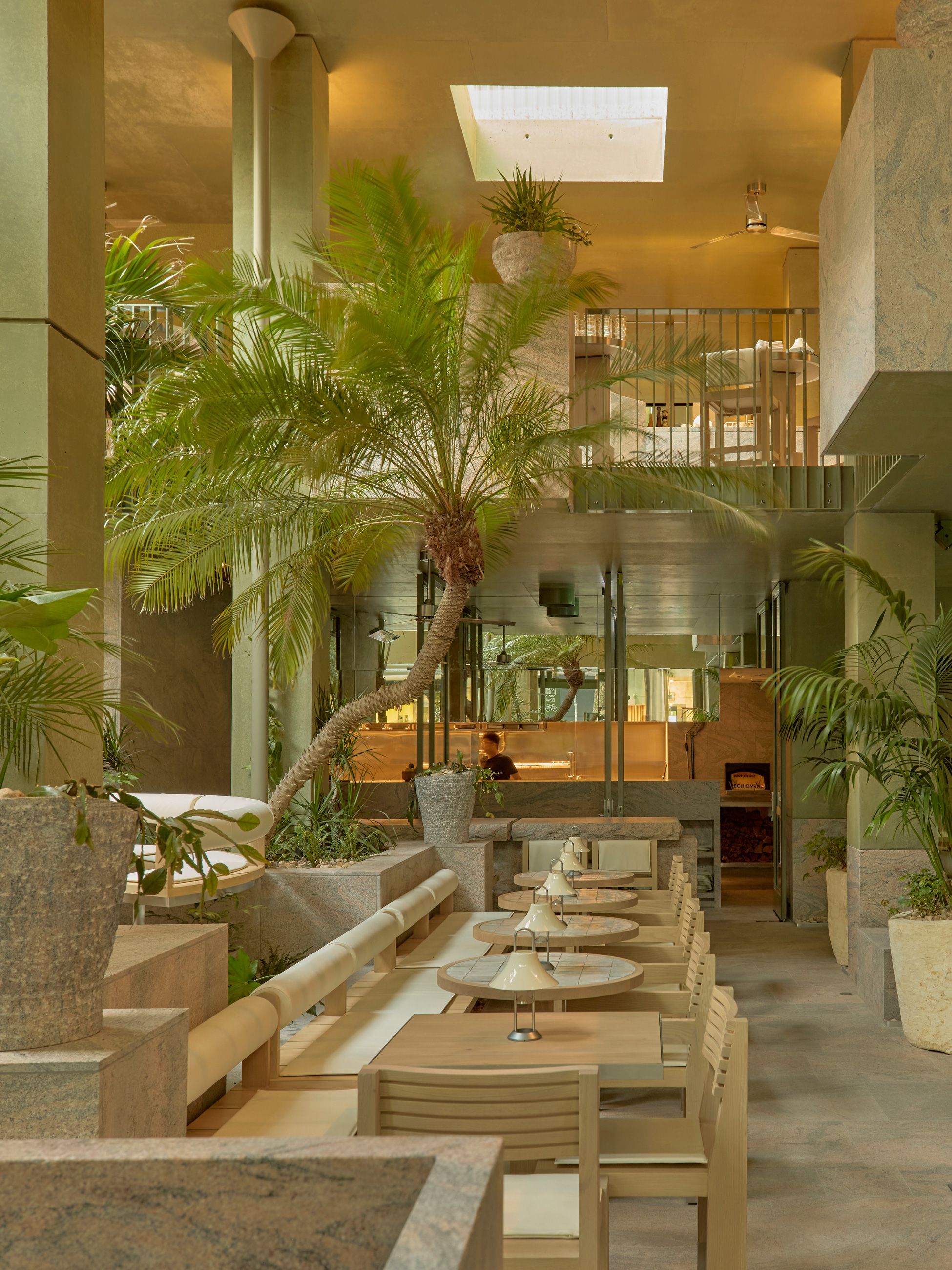
From the Anyday group (Agnes, hôntô, Bianca), Golden Avenue brings a woodfire-driven take on Middle Eastern cooking to Brisbane’s Edward Street. Culinary director Ben Williamson and head chef Tim Yates run a share-style menu built around charcoal and housemade breads – Machoui lamb shoulder, fenugreek chicken shish, a rose-pistachio-mochi dessert – with Habibi Funk on the speakers and garden terrace energy throughout.
It’s generous and vivid without losing polish.
Where: 67 Edward Street, Brisbane City, Qld
Want to see more stories from Australian Traveller in your Google search results?
Tick the box next to "Australian Traveller". That's it.
Emily Murphy is Australian Traveller's Email & Social Editor, and in her 4+ years at the company she has been instrumental in shaping its social media and email presence, and crafting compelling narratives that inspire others to explore Australia's vast landscapes. Her previous role was a journalist at Prime Creative Media and before that she was freelancing in publishing, content creation and digital marketing. When she's not creating scroll-stopping travel content, Em is a devoted 'bun mum' and enjoys spending her spare time by the sea, reading, binge-watching a good TV show and exploring Sydney's vibrant dining scene. Next on her Aussie travel wish list? South Australia and The Kimberley.
Switch the hustle and bustle for a weekend of birdsong and greenery on the border.
Straddling the Murray River where New South Wales meets Victoria, Albury Wodonga is just hours by car or train (or even a quick flight) from many major cities, but it feels a million miles away from the everyday.
Here, you’ll find a blend of relaxed country lifestyle and modern city amenities, where a booming culinary scene and vibrant arts offerings meet a rich Indigenous history and stunning natural vistas. Spend time amongst river red gums, wildlife-filled wetlands and winding waterways.
Ready to roll on the river? Here’s where to begin.
1. Birdwatch in Wonga Wetlands
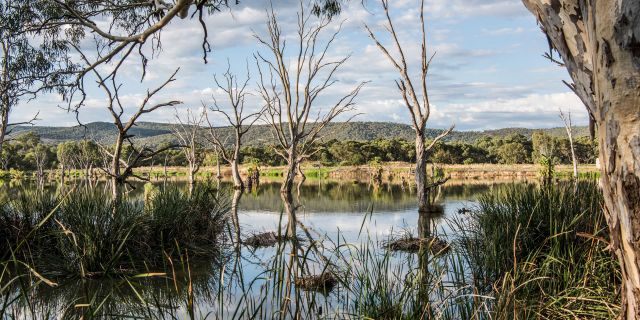
Walk along Wonga Wetlands, looking for local birdlife. (Credit: Destination NSW)
It might be close to Albury’s CBD, but Wonga Wetlands feels a watery world away. This former grazing land has been restored to 80 hectares of lagoons, billabongs and river red gums, and you can now wander three kilometres of walking trails as you spot cormorants, spoonbills, egrets and sacred kingfishers. More than 170 bird species call the wetlands home, thanks to the Murray’s cycle of flooding and drying, so pack a picnic, settle in at a bird hide, and pull out those binoculars.
2. Explore the Murray River
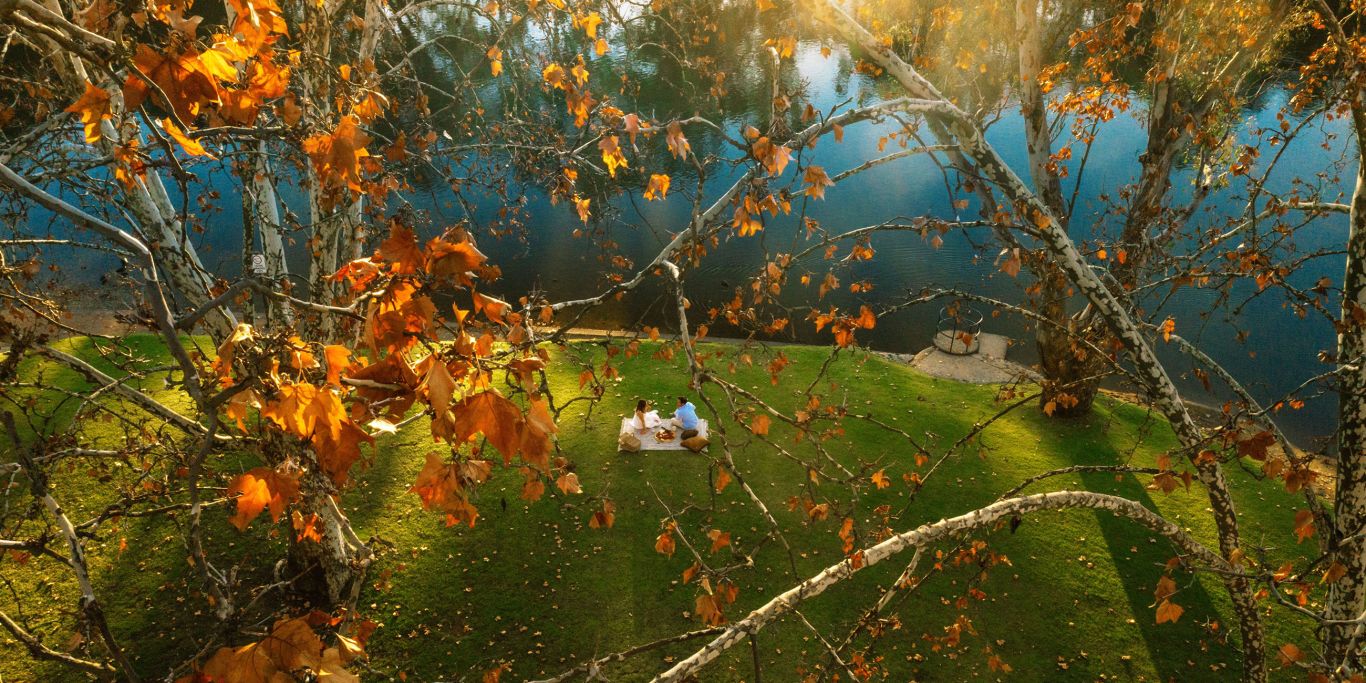
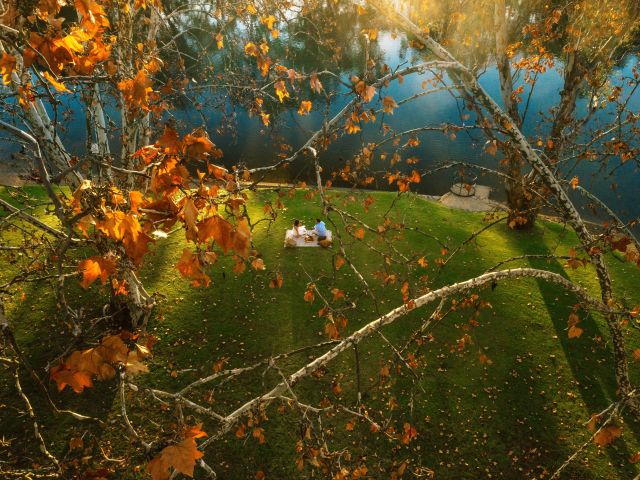
Take a picnic to enjoy in Noreuil Park. (Credit: Destination NSW)
The Murray River runs between Albury and Wodonga, where locals swap desks and deadlines for shaded riverbanks. Less than a kilometre from Albury’s CBD sits Noreuil Park, the city’s favourite stretch of riverfront. Cool off on the famous loop float, hire a kayak, launch a stand-up paddleboard or cast a line.
Afterwards, chuck a rug on the lawn under a plane tree, fire up one of the free barbecues and watch the water as you munch on some Murray cod.
3. Take a sculpture walk
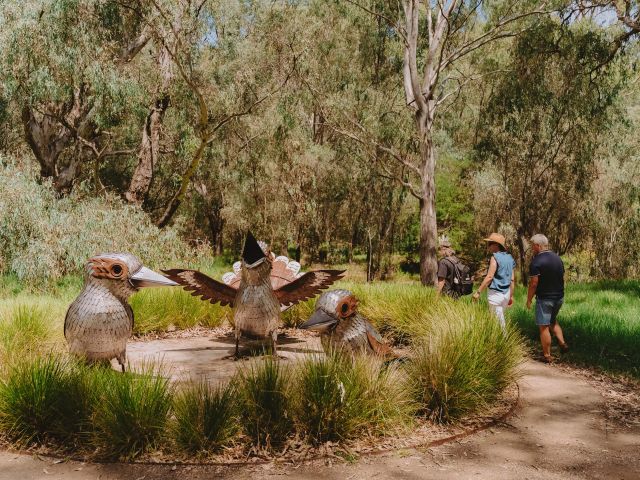
See the art along the Yindyamarra Sculpture Walk.
Albury Wodonga’s three sculpture trails showcase the Murray through First Nations tales on foot or by bike. Along the Yindyamarra Sculpture Walk, 15 contemporary Aboriginal artworks celebrate kinship and Country. The Crossing Place Trail passes the Wodonga Scar Tree, where local Indigenous people once harvested bark to craft canoes, and the Gateway Island trail tells you how the Murray sustained First Nations people for millennia.
4. Get moving on local tracks and trails
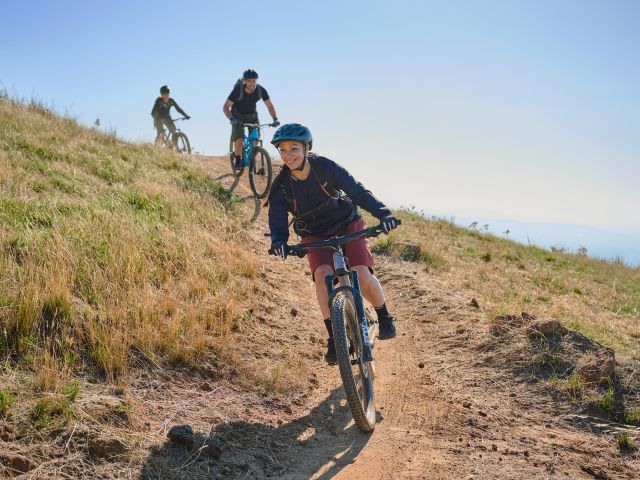
Take your bike to Hunchback Mountain Bike Park.
More than 100 kilometres of trails cross Albury Wodonga’s hills, reserves and riverbanks. Mountain bikers can tackle the championship-calibre descents of Nail Can Hill, weaving through eucalyptus forest where the rare crimson spider orchid blooms, or hone their skills at Hunchback Mountain Bike Park‘s 29 graded trails.
Keen to explore on foot? Huon Hill makes the sore legs worth it, with lookouts across Lake Hume and the Kiewa Valley, while McFarlanes Hill meanders through stringybark woodland and rocky outcrops.
For a slower pace, the 44-kilometre High Country Rail Trail hugs the shores of Lake Hume, crossing the red-pillared Sandy Creek Bridge before rolling into Tallangatta.
5. Check into restorative stays
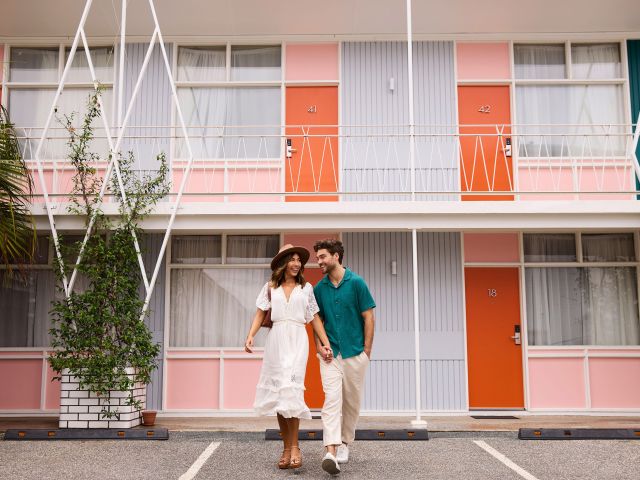
Check into one of Albury Wodonga’s over 60 accommodation options. (Credit: Destination NSW)
Some moments call for a boutique hotel. Others call for backing the caravan up beside the lake. Whether you’ve spent the day splashing in the Murray, furiously clocking kilometres on the bike trails or entertaining kids in playgrounds at the water’s edge, there’s somewhere to lay your head.
From motels shaded by river red gums to lakeside holiday parks and boutique hotels, Albury Wodonga’s 60-plus accommodation options mean you’re never far from a morning walk along the Murray or dinner on Dean Street. But be warned: book ahead. You might not be the only one craving a weekend by the Murray, especially in the school holidays.
6. Enjoy delicious dining options
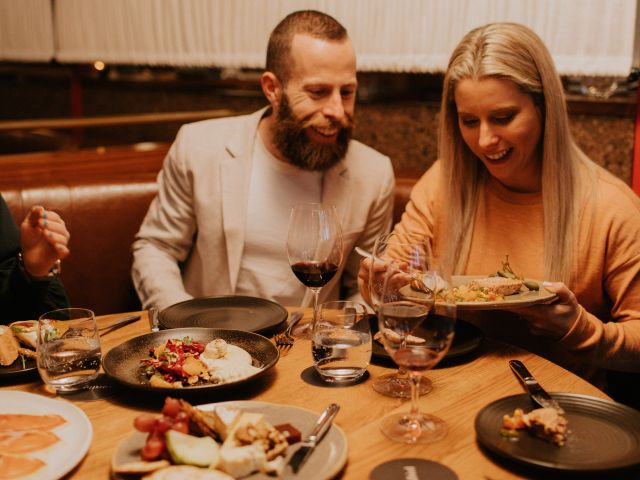
Enjoy incredible meals in Albury Wodonga.
Every paddle, bushwalk and bike trail deserves a proper meal afterwards. Once you’ve swapped out your damp swimmers or your dusty trainers and start to sniff out a feed, you’ll quickly discover you’re surrounded by one of Australia’s richest agricultural regions.
Unsurprisingly, Albury Wodonga’s dining scene is all about that Riverina produce. We’re talking Murray cod (of course) but also premium local beef from the valleys, olive oil from nearby groves, cool-climate wines and European-style cheeses.
The restaurants, wine bars and breweries around Dean Street and Junction Square are all within easy reach, serving everything from modern Australian and Mediterranean to Thai, Vietnamese, Italian and classic wood-fired steakhouse fare. Looking for a riverside brunch? A comforting bowl of dumplings on a winter evening? Or up the ante with the vibrant flavours of Europe? Whatever the craving, there’s a table waiting.
7. Get out on Lake Hume
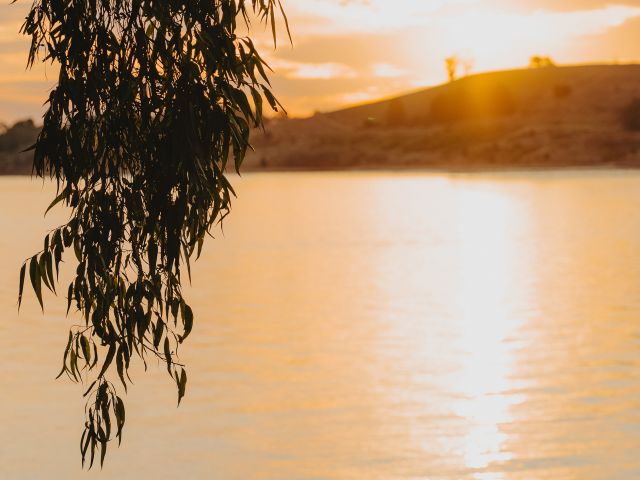
Be sure to stay for a Lake Hume sunset.
When you’re ready to dial up the solitude, trade the river for a veritable inland sea: Lake Hume. Just 15 minutes from Albury and Wodonga, it’s one of Australia’s largest water storage reservoirs. In other words, there’s plenty of space to swim, paddle and stake out a patch of shoreline all to yourself.
Take the long way through Riverina farmland, stopping at the dam wall to appreciate just how enormous Lake Hume is. Cast a line for Murray cod, rainbow trout, golden perch or redfin and unpack a bag of bakery treats beneath the trees before launching a kayak into the vastness.
Afterwards, stop by the Bonegilla Migrant Experience, where the remaining accommodation blocks tell the stories of more than 320,000 post-war migrants who passed through between 1947 and 1971. Give yourself time to walk through the preserved camp, stopping to digest the photographs, personal stories and artworks that reveal what it meant for residents to begin a new life at the edge of the world.
Even if you’re exhausted, stay until twilight. The sunset is about to put on a hell of a leaving show for you.