Spotted: The 8 best whale-watching locations in Australia

hero media
Whale migration in Australia is a magical time. Here is where to join in.

Humbling and fascinating, locals and tourists head out in droves to the headlands and on whale-watching tours during whale-watching season.

But where are the best places to go to make out the breaches and water spouts of thousands of migrating whales? Here are the top whale-watching locations in Australia.

1. Hervey Bay, Qld
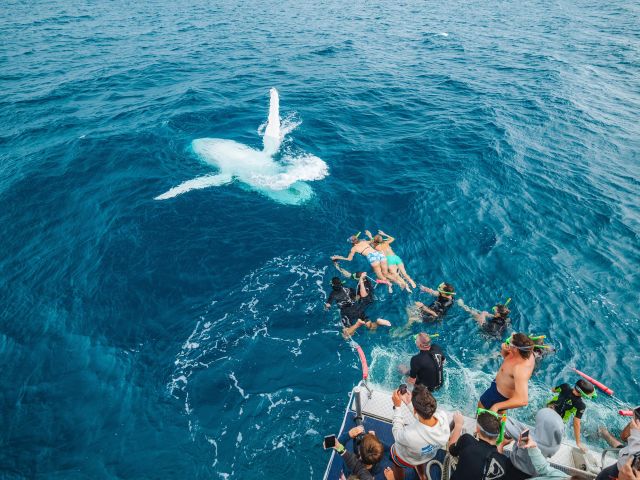
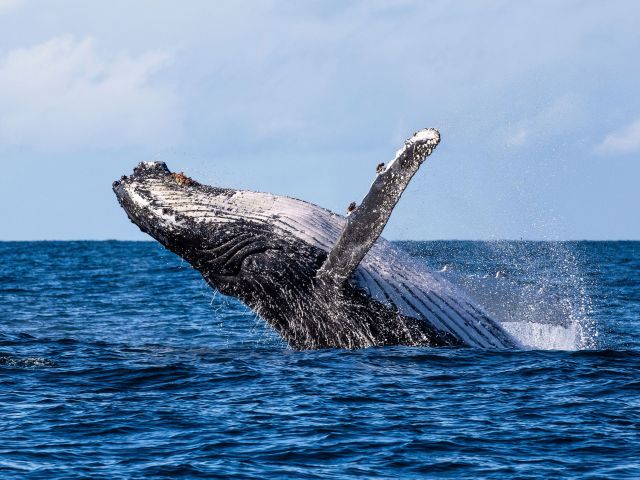
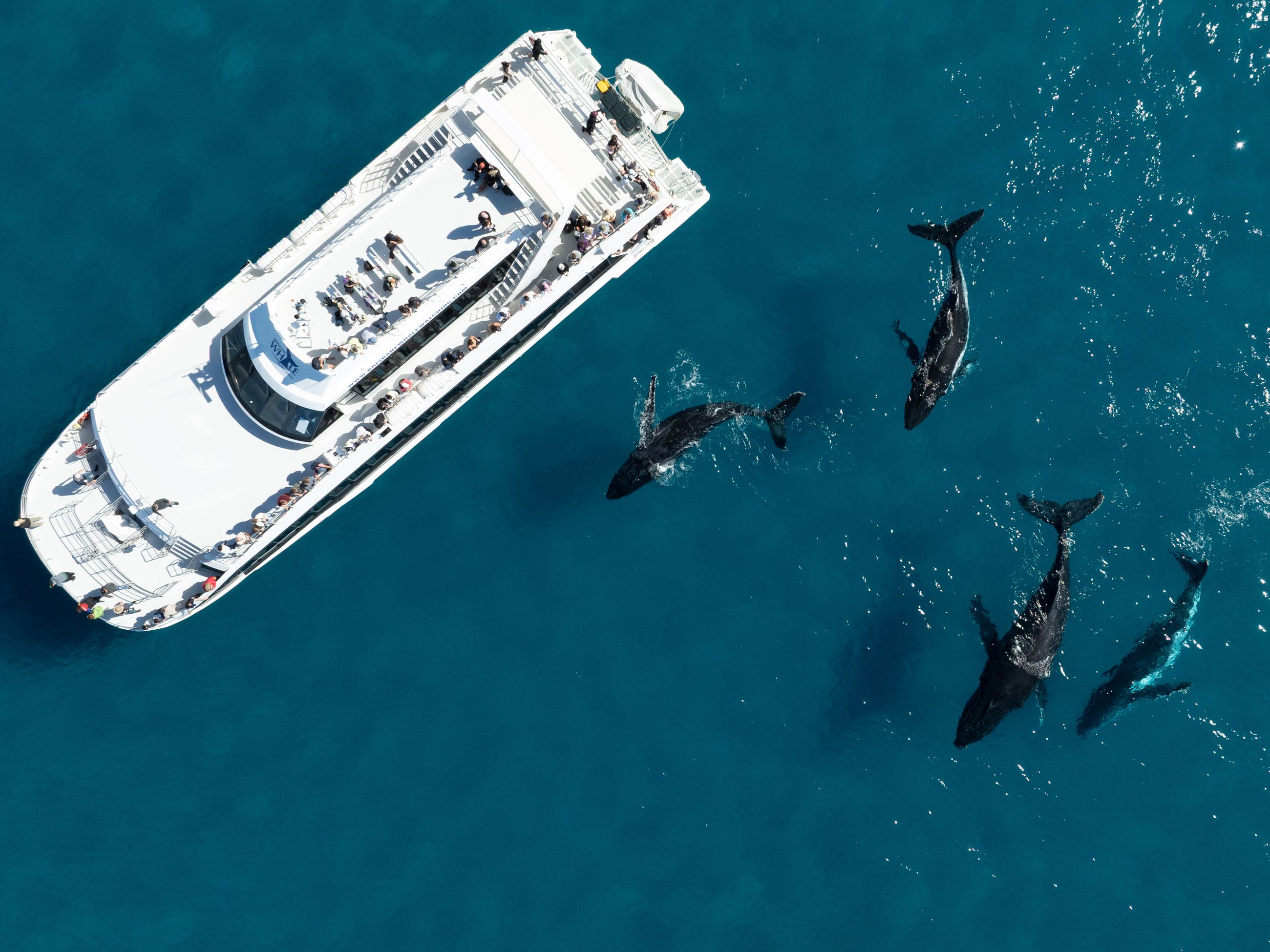
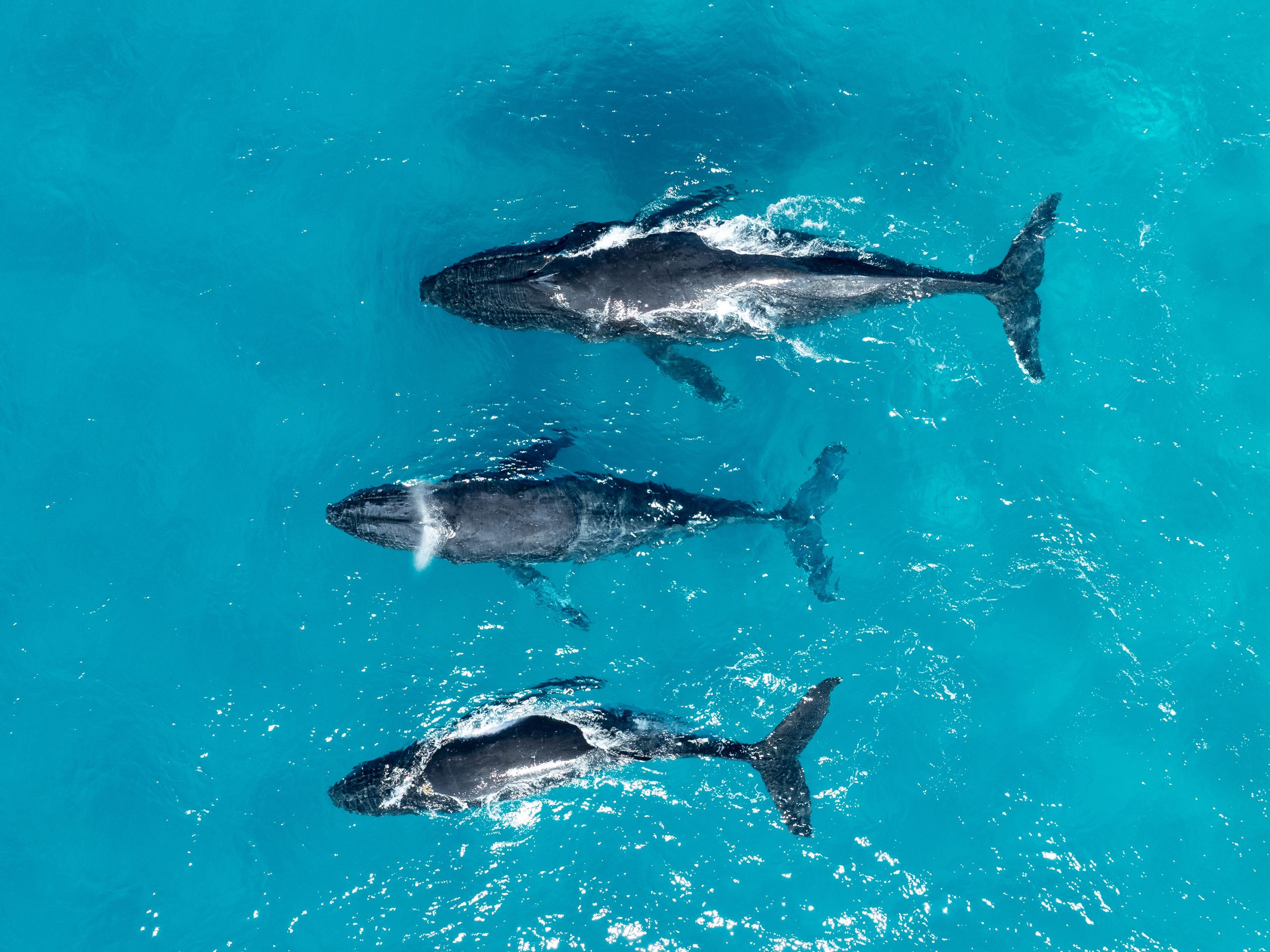
Every winter, pods of humpback whales can be spotted off the east coast of Australia. They make their way up from Antarctica to the Great Barrier Reef to mate and give birth, before taking their calves out of the nursery and going back down south.

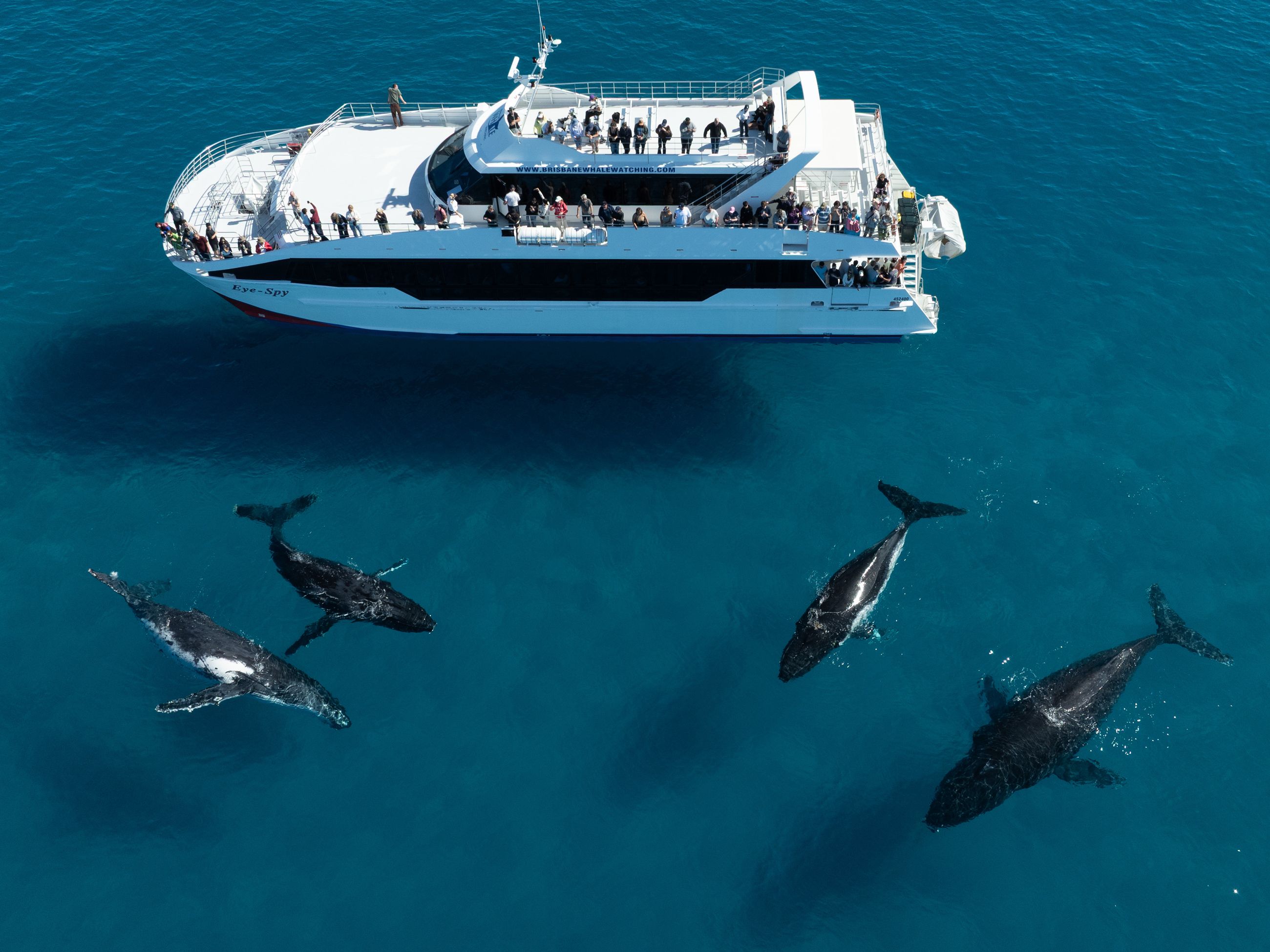
a whale-watching tour in Hervey Bay
Join a whale-watching tour in Hervey Bay. (Image: Tourism and Events Queensland)

It is for this reason that the warm and sheltered waters of the Great Sandy Marine Park on the Fraser Coast and nearby K’gari make for the ideal rest area for migrating whales.

whales popping out of the water in Hervey Bay
The Great Sandy Marine Park is the ideal rest area for migrating whales. (Image: Tourism and Events Queensland)

Hervey Bay was the world’s first Whale Heritage Site , named by the World Cetacean Alliance and is one of the most popular places in Australia to observe the mighty tail slaps of these peaceful creatures.

a whale breathing out of the water in Hervey Bay
You might even get a chance to swim with humpback whales. (Image: Tourism and Events Queensland)

2. South Coast, NSW

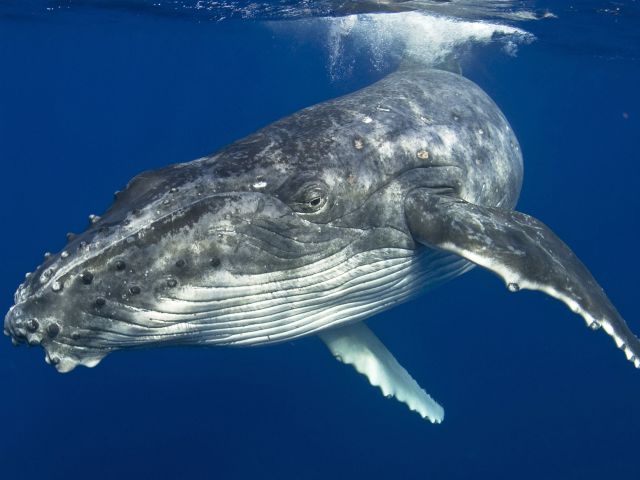
Whales are a regular fixture of the NSW South Coast during the colder months – in particular, close to the Sapphire Coast. From the waters of Bermagui to Eden, you will be able to see travelling humpback whales and southern right whales as they rest and feed in the waters.

travelling humpback whales in Jervis Bay, South Coast, NSW
Spot humpback whales while on the South Coast. (Image: Jordan Robins)

There is also a fascinating history of whale and human collaboration here. Up until the early 20th century, it was rumoured that orcas would even help whalers to catch baleen whales – that is, until whalers killed and maimed some of their pod.

a whale underwater in Jervis Bay, South Coast, NSW
Southern right whales and humpback whales travel in the waters of the South Coast. (Image: Jordan Robins)

3. Bremer Bay, WA

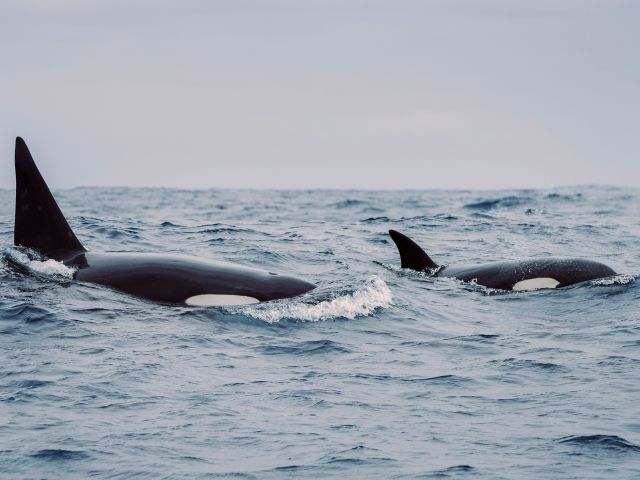
From early in the year until April, family pods of orcas (also known as killer whales) begin turning up to Bremer Bay in the south of Western Australia. Why do they come here? It is still not 100 per cent certain. But whatever the reason, avid whale watchers can make their way out to watch them hunting in groups, stalking squid and other prey.

whales spotted along Bremer Bay
Orcas come to Bremer Bay from early in the year until April. (Image: Tourism Western Australia)

In autumn, you might also recognise sperm whales and pilot whales. In winter, keep an eye out for southern right whales, who arrive to raise their calves in the sheltered waters of Bremer Bay.

A group of Orcas in Bremer Bay.
Get a chance to spot orcas up close. (Image: Tourism Western Australia)

4. Victor Harbor, SA

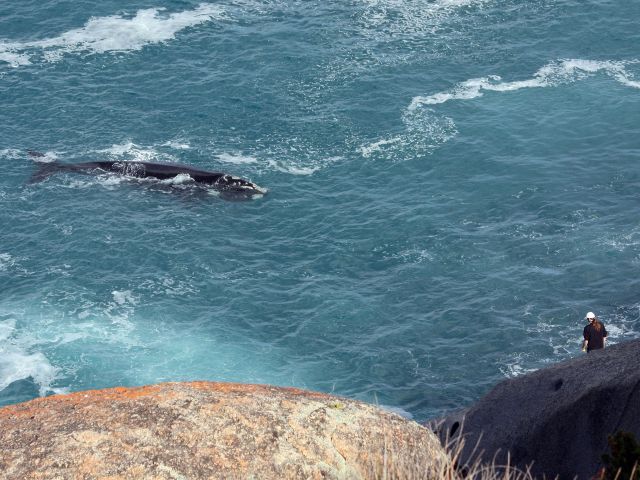
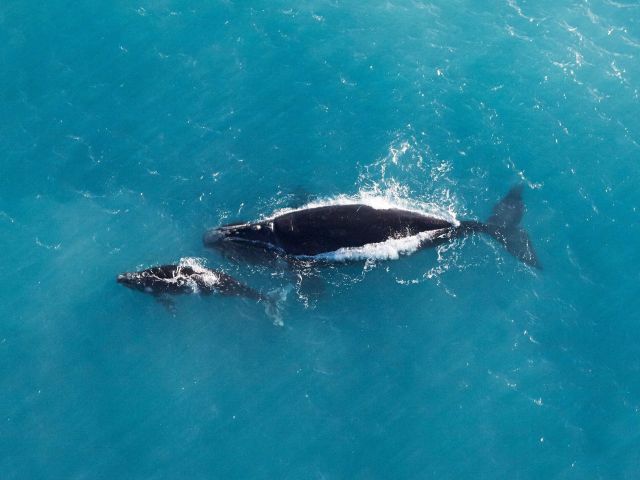
Perched up on a lookout or steaming out to sea, from May to October it’s likely you’ll get a sighting of the southern right whale on South Australia’s Fleurieu Peninsula. Each year, they make their annual migration from Antarctica along the coast of southern Australia. This means that if you keep an eye out, you can catch a glimpse of them in beachside towns like Victor Harbor.

an aerial view of a whale popping out of the water at Victor Harbor
Catch the annual whale migration from Victor Harbor. (Image: South Australian Tourism Commission)

Chances are you will also experience other impressive marine wildlife sightings, like common and bottlenose dolphins, as well as New Zealand fur seals and Australian sea lions on a trip out – a bonus not to be sniffed at.

a southern right whale on South Australia
Get a sighting of the southern right whale. (Image: The Big Duck Boat Tours)

5. Freycinet National Park, Tas

Today, Freycinet National Park on Tasmania’s east coast is known as one of the best places in the island state to see southern right whales. But this was not always the case. During the early 19th century, whales found here were mercilessly hunted for their oil-rich blubber and useful bones.

a southern right whale jumping out of the water at Freycinet National Park
Get an up-close look at southern right whales in Freycinet National Park. (Image: Tourism Tasmania/bodhiimages)

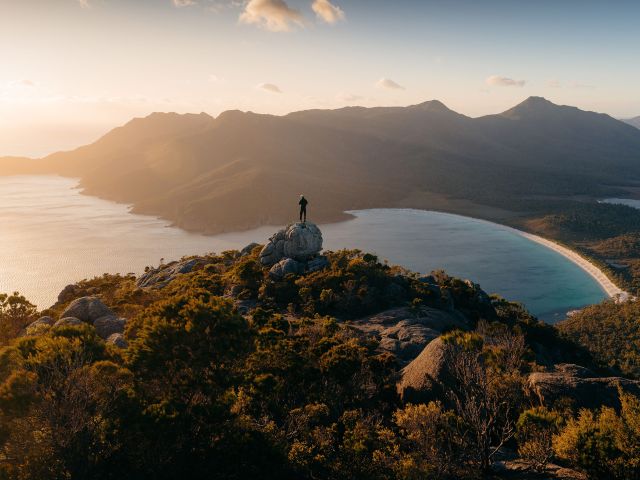
In fact, the lovely Wineglass Bay was named because of the way its blue waters were transformed into a gory ‘red wine glass’ when the blood of whales would fill it. A beautiful name for a gruesome practice.

an aerial view of the mountains and white-sand beach at Wineglass Bay
Go whale-watching at the picturesque Wineglass Bay. (Image: Melissa Findley)

6. Whitsundays, Qld

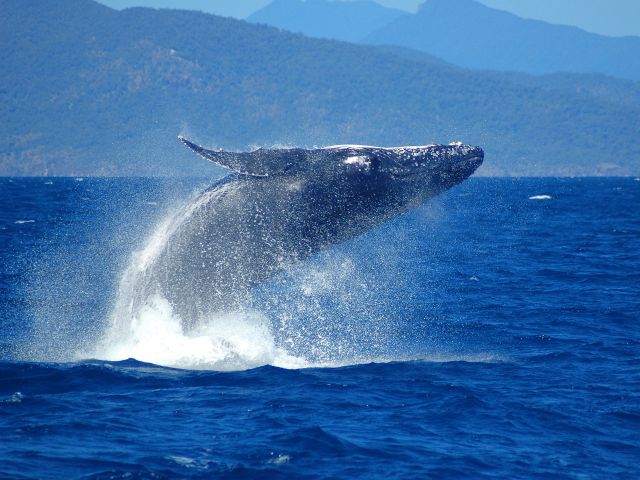
The tropical waters of the reef in the Whitsundays are some of the best places to find whales and have also been named a Whale Heritage Site. So, keep an eye out for breaching and playing calves with their mothers here.

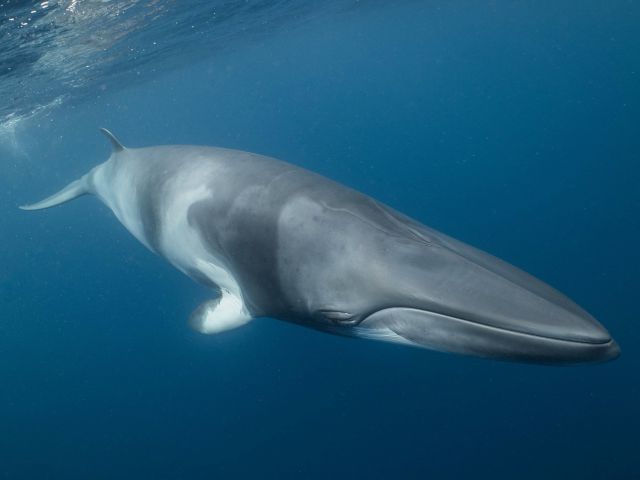
If you’re careful (and very, very lucky), you might even identify a female dwarf minke whale.

a dwarf minke whale spotted underwater in the Whitsundays
Have a chance to see a female dwarf minke whale. (Image: Tourism and Events Queensland)

7. The Kimberley, WA

The dry season from May to October is the best time to explore the red rock formations and dusty roads of the enormous Kimberley region.

a whale-watching tour in Kimberley
Embark on a whale-watching tour off the coast of the Kimberley. (Image: Tourism Western Australia)

It’s also when humpback whales make their annual journey from Antarctica to this remote corner of Western Australia. Calves and adults alike are protected by islands and reefs, for the breeding season.

humpback whales migrating on the Dampier Peninsula Coast, Kimberley
Migrating humpback whales appear on the Dampier Peninsula. (Image: Tourism Western Australia/@from.miles.away)

8. Eyre Peninsula, SA

A 12 or so-hour drive in the opposite direction of Victor Harbor will take you to the high cliffs of the Head of Bight. Near the Nullarbor Plain on the Eyre Peninsula, the high vantage point offers another excellent location to see whales.

a group of whales gathering at the foot of Head of Bight, Eyre Peninsula
The Head of Bight is an excellent location to see whales. (Image: South Australian Tourism Commission)

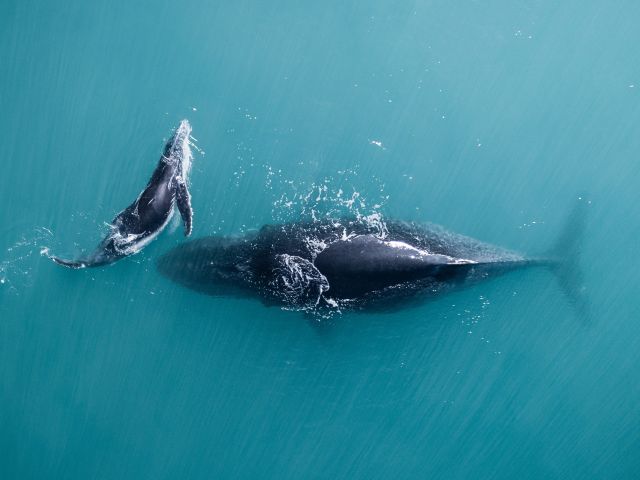
Southern right whales give birth near here, meaning you will also make out calves playing with their mothers in the relatively safe waters. The best time to come to spot them here is in August.

Eyre Peninsula Head of Bight whale watching
Spot mothers and calves playing together. (Image: South Australian Tourism Commission)
For more whale-watching inspiration, see our in-depth whale-watching guides to Sydney, Port Stephens, the Gold Coast and Merimbula.
Kate Bettes
Kate Bettes is a freelance travel writer. Whether having a picnic in Vietnamese jungle with new friends, or partying in the back of a limousine in Hollywood, Kate’s experiences have left her with the sneaking suspicion that the best travel memories happen when you least expect. It’s this feeling - and how to get it - that she loves to write about.
See all articles
hero media

What it’s really like to stay on the world’s largest sand island

Exploring the world’s largest sand island starts with the perfect K’gari homebase.

The morning light is still soft, but it’s already a perfect sunny day. We left our K’gari homebase at Kingfisher Bay Resort  with our guide, Peter Meyer, at 9 am to make the most of our time to explore all that the world’s largest sand island holds. The size of K’gari is hard to grasp until you arrive here. This is no sandbar. Stretching 120 kilometres, unique lakes, mangrove systems, rainforest, 75 Miles of beach, historic shipwrecks, small townships and even one of Queensland’s best bakeries are all hidden within its bounds.

But first, one of the island’s most iconic sights: the pure silica sand and crystal clear waters of Lake McKenzie.

Laying eyes on it for the first time, I’m finally able to confirm that the photos don’t lie. The sand is pure white, without the merest hint of yellow. The water fades from a light halo of aqua around the edges to a deeper, royal blue, the deeper it gets (not that it’s particularly deep, six metres at most). The surface remains surprisingly undisturbed, like a mirror.

Arriving with our guide before 10 am means that no one else is around when we get here. Which means we have the pleasure of breaking the smooth surface with our own ripples as we enter. As a self-confessed wimp with chilly water temperatures, my fears are quickly assuaged. Even in the morning, the water stays around 23 degrees – perfect for lazing about all day. But we have more sights to see.

Exploring K’gari

ariel of in lake mckenzie on k'gari fraser island
Relax in the warm waters of Lake McKenzie. (Image: Ayeisha Sheldon)

This was the Personalised 4WD tour offered by Kingfisher Bay Resort, and my absolute top pick of experiences. Over the course of the day, we had the freedom to create our own bespoke itinerary (plus a provided picnic lunch along the way), with an expert guide who had plenty of stories and local expertise to give context to what we were looking at. From the history of the SS Maheno shipwreck, which survived the First World War only to be washed ashore by a cyclone in 1935, to a detailed description of how an island made of sand could sustain such diverse flora.

If it’s your first time to K’gari, the Beauty Spots Tour is another great option. Departing daily from Kingfisher Bay Resort (you’ll start to notice a trend, as many of the tours do start and end here), an air-conditioned, 4WD bus takes guests to the island’s most iconic locations, including the best places to swim, like Lake McKenzie and Eli Creek. The latter offers a gentle current, perfect for riding with a blow-up tyre out towards the ocean.

The next day, for a look at a completely different side of K’gari, I joined one of Kingfisher Bay Resort’s Immersive Ranger-guided tours to kayak through the mangroves of Dundonga Creek. This long, snake-like stretch of creek winds its way inland from the ocean outlet we entered by, at times too narrow for three kayaks to be side-by-side. Small insects buzz from leaf to leaf, while birds call overhead. Occasional bubbles indicate we’ve passed some fish that call this place home.

kayak tour through the mangroves at k'gari island
Learn about the island’s mangroves from your Ranger. (Image: Reuben Nutt/ TEQ)

If kayaking isn’t for you – or if, like me, you simply want more – other ranger-led experiences include nature walks and a dedicated Junior Eco Ranger Program for kids ages five to 12 (these run every weekend, and daily over the peak December holidays). Just ask for a timetable of upcoming tours when you check in.

While during whale season, Hervey Bay Whale Watch & Charters operates tours from the hotel’s jetty to get up close to the famous Humpback Highway of Hervey Bay, from 7 November to 31 May, attention turns to the Aqua Oasis Cruise . Departing from the resort every Tuesday, Thursday, Saturday and Sunday for resort guests, adventure along the island’s remote western coast, pointing out wildlife like dolphins, turtles, flying fish and eagles along the way.

The cruise drops anchor so guests can jump into the water using the boat’s equipment – from SUP boards to inflatable slides and jumping platforms. Then refuel with a provided lunch, of course.

Unwind at sunset

two people drinking cocktails at sunset bar, kingfisher bay resort
Unwind at the Sunset Bar. (Image: Sean Scott)

As much as days on K’gari can be filled with adventure, to me, the afternoons and evenings there are for unwinding. Sunsets on K’gari are absolutely unbelievable, with Kingfisher Bay on the west side being the best spot to catch the colours.

The Sunset Bar , located at the start of the resort’s jetty and overlooking the beach, is the ultimate location for sundowners. Let chill beats wash over you as you sip on cool wines, beers and cocktails in a relaxed, friendly vibe. Personally, a cheese board was also absolutely called for. As the sun sinks, the sand, sea and horizon turn a vibrant shade of orange, with the jetty casting a dramatic shadow across the water.

When the show is over, head back to the hotel for dinner at the Asian-fusion Dune restaurant, or the pub-style Sand + Wood. But if your appetite is still whetted for more lights and colours, the evening isn’t over yet.

Settle into the Illumina stage for Return to Sky, an immersive light and sound show leading viewers on a captivating journey through K’gari’s stories and landscapes.

Indulge and disconnect

woman setting up massage room at kingfisher bay resort Island Day Spa
Find bliss at Island Day Spa. (Image: Jessica Miocevich)

Of course, there is a type of traveller who knows that balance is important, day or night. While Kingfisher Bay Resort offers more than one pool for guests to spend all day lounging by (they’ll even serve you food and drinks while you do it), you’ll find me at the Island Day Spa.

The masseuses could match the magic hands of any big city spa, and I felt the warm welcome as I walked into the light, breezy reception. Choose from a range of botanical facials, beauty treatments and soothing massages using traditional techniques (obviously, I couldn’t go past a relaxing massage). All products used contain organic, native botanical ingredients with nutrient-rich plant extracts to soothe skin and mind. To really indulge, try out one of the packages, couples treatment or even a pre-wedding day offering.

Getting there

kingfisher bay resort 4wd tour driving passed ss maheno on k'gari island
The world of K’gari awaits. (Image: Jessica Miocevich)

Getting to K’gari is shockingly easy. Find daily flights into Hervey Bay from Brisbane, Melbourne and Sydney. Kingfisher Bay Resort offers a shuttle bus between the airport, their headquarters in Hervey Bay and the ferry to take you to K’gari.