As part of our ‘Everything you need to know about cruising‘ series, we went straight to the experts to get their insider tips on booking and taking a cruising holiday.
When considering a cruise holiday for the first time, the volume of cruise lines, types of cruises, destinations, shore excursions and everything in between can be overwhelming. We’ve answered the most commonly asked questions about cruising to help you book the right cruise for you.
More from our ‘Everything you need to know about cruising’ series:
Cruise vs Resort: the pros and cons of the different types of holidays
Which cruise line? The dummy’s guide to choosing a cruise
Everything a first-time cruiser should know
How to book your first-ever cruise
What size cruise ship is right for me?
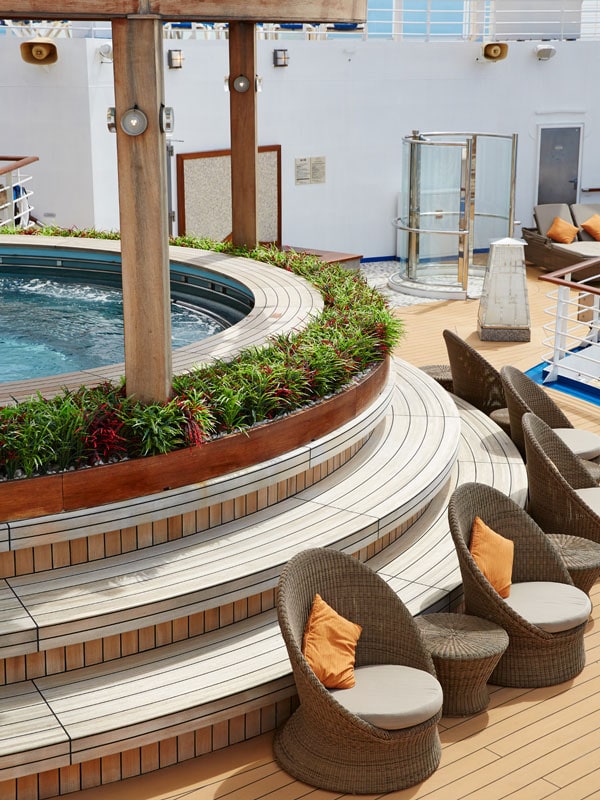
Large cruise ships
Cruise expert Louise Goldsbury says a large cruise ship is 1750 passengers or more.
“These are mega-resorts at sea, with a lot going on," she says.
“Large ships offer a huge variety of dining options, kids’ activities and the most lavish entertainment productions you can get (there’s even a Cirque du Soleil show on-board one international ship).
“Also, they almost always sail well – regardless of bad weather. The catch: their sheer size means service can lean towards one-size-fits-all."
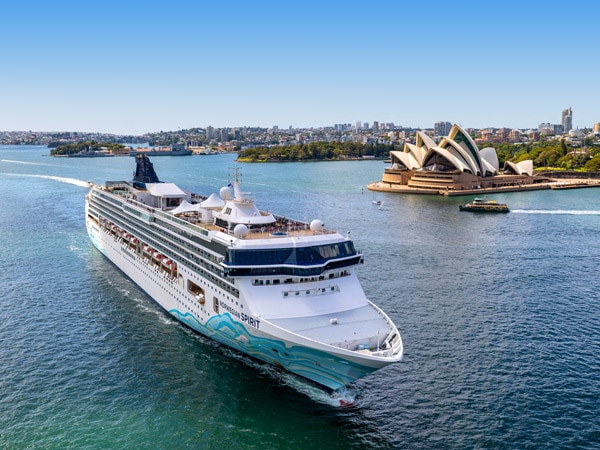
Mid-sized cruise ships
“A mid-sized cruise ship is approximately 750 – 1749 passengers. A mid-sized ship is a happy medium between the benefits of a large hotel and the intimacy of a smaller one," Goldsbury says.
“Mid-sized ships mightn’t have the huuuuuge entertainment and dining options of their super-sized sisters, but they generally offer a more laidback atmosphere, still with a generous amount of variety (and without the queues)."
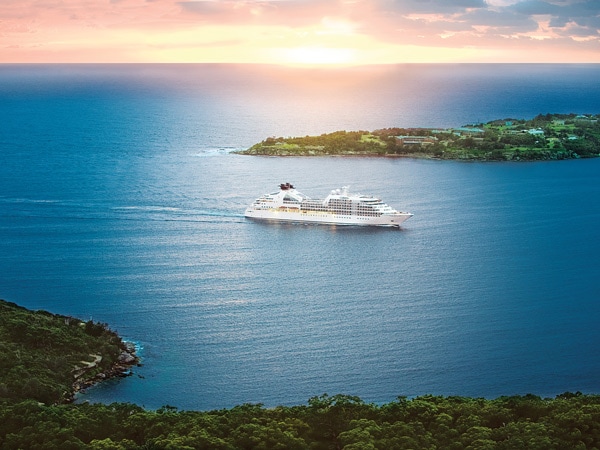
Small cruise ships
“A small ship is 749 passengers or less," Goldsbury says.
“Now it is more like a lavish boutique hotel. Internationally, some small ships can be rather downmarket, but in Australia small ships tend to be all about luxury: cooked-to-order cuisine, highly personalised service and a day-to-day structure free from the rigidity of larger ships. They are best in calm seas."
When’s the best time of year to take a cruise holiday?
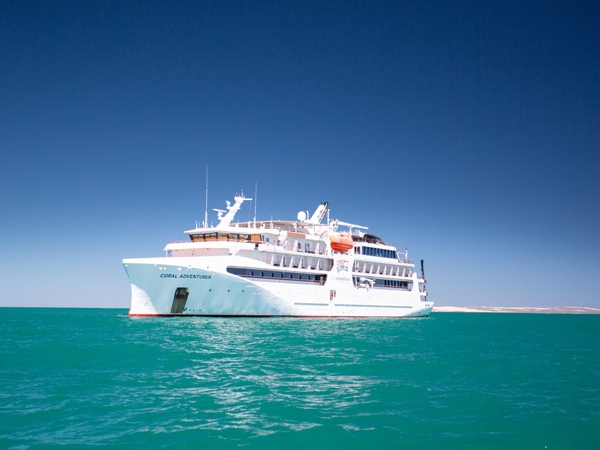
Brett Dudley, founder and former owner of ecruising.travel, says the best time to cruise depends on the destination you choose.
“The best time to cruise around Australia is between late October and March," he says.
“However, there are some cruises that operate all year round. Asia and the USA have cruising all year round as well.
“In Alaska, you can cruise between April and August, in Europe the season runs May to September, and in Canada and New England, cruise from September to November."
Is cruising expensive or is it value for money?
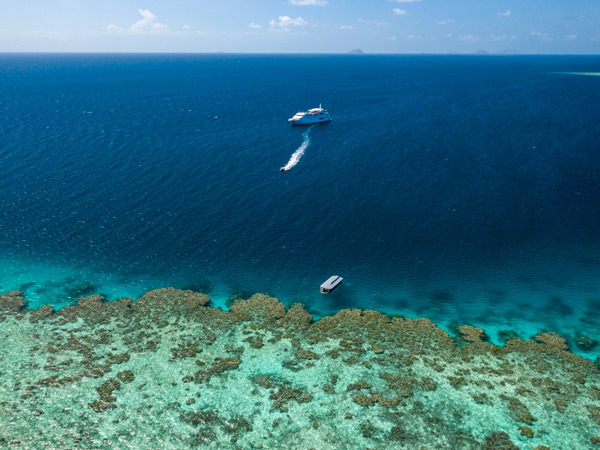
Jan Harrington, former general manager of product and business development for Cruise Guru, says cruising offers unbeatable value for money.
“The great thing about taking a cruise is that you have your hotel-style accommodation and transport combined as well as meals and entertainment. In general, you can also choose your style of meal. You will never go hungry," she says.
“Most entertainment such as group activities, classes and theatre shows are included in the cruise fare. And don’t forget the access to the gym and pools. The ship also takes you from port to port, cutting out on the cost of transportation items such as airfares and taxis, so effectively you are saving a lot!"
What time of year will I get the best price?
Joel Katz, managing director of Cruise Lines International Association (CLIA) Australasia, says cruise lines release their itineraries at various times throughout the year, often depending on the seasons and the different regions of the world they operate in.
“It’s a good idea to book as far ahead as possible. Booking early also gives you the best chance of securing your preferred cabin options and dates," he says.
“A good CLIA-accredited travel agent will be aware of the best specials available at any particular time."
Am I going to be the youngest person on board?
“No, cruising is incredibly diverse. There is something out there for everyone, you just need to find what suits you," Breeanna Perez, former groups coordinator of Clean Cruising, says.
“From my experience, you will find many people in the younger generation gravitate to the ships with the bells and whistles such as waterslides, indoor sky diving and dodgem cars where the ship is a destination in itself. These ships have a broad variety of entertainment from the high tech evening shows to nightlife, deck parties and movie theatres to appeal to those audiences.
“The cruising industry is innovative when it comes to technology on board and these generations absolutely love this. You just need to pick your ship."
Do I need to pack any essentials?
“As well as packing for the weather in your cruise destination, you should also think about the excursions and activities you’ll take part in," Katz says.
“Consider whether you’ll need walking shoes, wet-weather protection or other outdoors gear. It’s also important to check on the on-board dress requirements – are there formal nights that require black tie, or theme nights involving party wear?
“Check to see if you need a passport. If your cruise includes an international port like the Pacific Islands, New Zealand or Bali, even for the day, you will need one – regardless of whether you plan to stay on board. Also, don’t forget at least one power adaptor – some ships only have US sockets."
What’s different about expedition cruises?
“Adventure cruising combines an adventure/expedition experience with a leisure cruise," Harrington says.
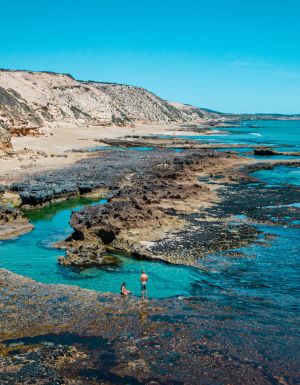
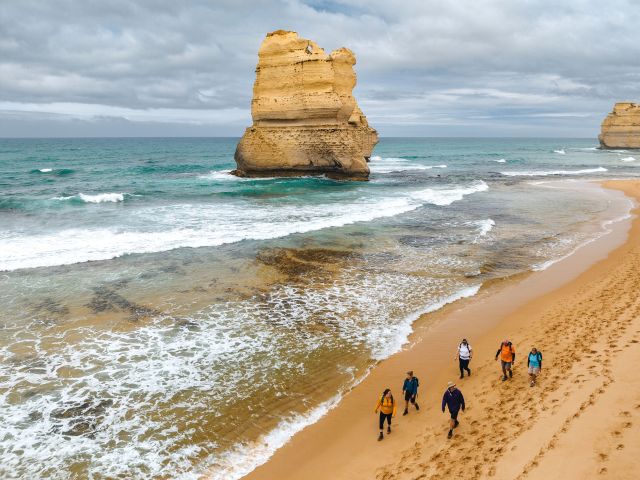
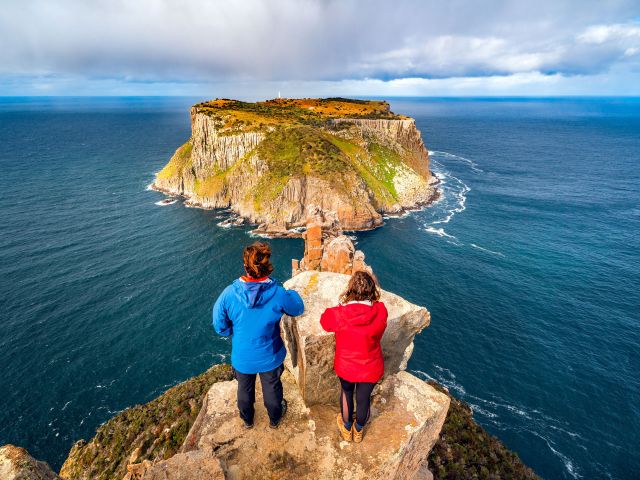
“You can explore remote regions of the world, often only accessible by the sea and learn about the history and culture of places off the beaten track. Zodiac inflatable rafts are often used to get passengers onshore where you can take part in activities such as hiking, kayaking and bird watching to name a few. The ships are generally smaller and offer a more intimate atmosphere onboard.
“Many adventure or expedition cruises will have lecturers or an expedition team onboard who give presentations on the culture, history and geography of the destinations."

How do I score an upgrade on a cruise?
“The most common way is to book a Guarantee cabin. Guarantee means you book a spot on the ship but the cruise line chooses the cabin number for you," Perez says.
“These fares tend to be the cheapest in the category type, but there are pros and cons to this so depends on the type of sailor you are and whether you get seasick or not.
“For example, people have booked an obstructed ocean view guarantee and when their room is assigned it can be a non-obstructed ocean view, it’s not always the case but if the ship needs to fill a space they will just move you.
“I tell my clients if you don’t get seasick and don’t mind which deck you are on, take the luck of the draw!"
What is good about river cruising?
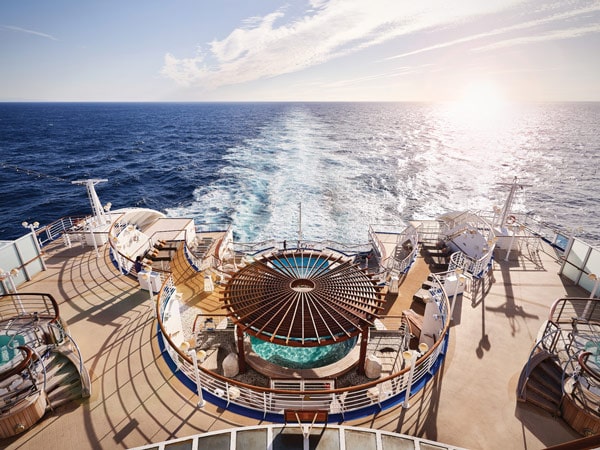
“River cruise operators offer a very different style of cruising to their ocean-going counterparts. A river cruise often involves much more time on land – every day is a port day and there are lots of towns and villages to explore along the waterways. A river cruise is often a good option for anyone who isn’t sure about going to sea, or who prefers smaller travelling groups," Katz says.
What are cruise lines doing to limit their environmental impact?
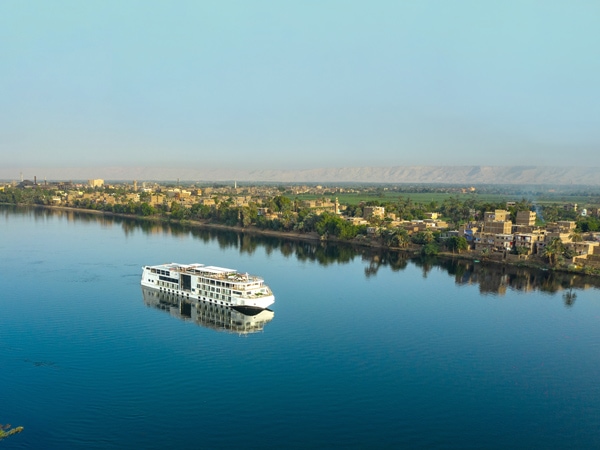
“The cruise industry worldwide has committed to sustainable practices. Cruise Lines International Association (CLIA) recently announced a historic agreement among cruise lines to reduce emissions by 40 per cent by 2030, through initiatives including new fuels and advanced exhaust cleaning systems," Katz says.
“Cruise lines are also leaders in other initiatives like recycling systems, waste reduction and sewage treatment technologies that protect the oceans. The aim of CLIA cruise lines is not only to meet environmental requirements worldwide, but wherever possible to exceed them."
Will I get seasick?
“Every person is different, and some cruisers find their sea legs pretty quickly," Dudley says.
“There are many tips and tricks to help reduce the chances of seasickness like having ginger sweets and drinks, or some cruisers try over-the-counter preventatives suggested by their medical practitioners or even patches or wristbands that are said to work very well.
“When choosing it is important to consider the location of your cabin and the size of the ship as these factors influence your overall experience."