Can you say these 10 tongue-twister Australian place names?

hero media
The awkward moment when you realise you’ve been mispronouncing a place your whole life…

In Australia, our place names often originate from First Nations languages that have unique phonetic structures and sounds that are uncommon in English. Unfortunately, that means they are often mispronounced.

New research by language learning and culture experts Preply has analysed Australian place names and revealed the biggest tongue twisters.

Sylvia Johnson, head of methodology at language learning and culture experts Preply, says Australian place names are a clue to the country’s unique cultural heritage.

“While accurate translations and spellings may have been lost to time, many Australian place names are emblematic of those who have existed before," she says.

“When it comes to pronouncing long or unfamiliar place names, my advice is to speak the name slowly and sound out each syllable. Hearing the name phonetically can help imitate the native pronunciation."

How many of these places can you pronounce correctly on the first try?
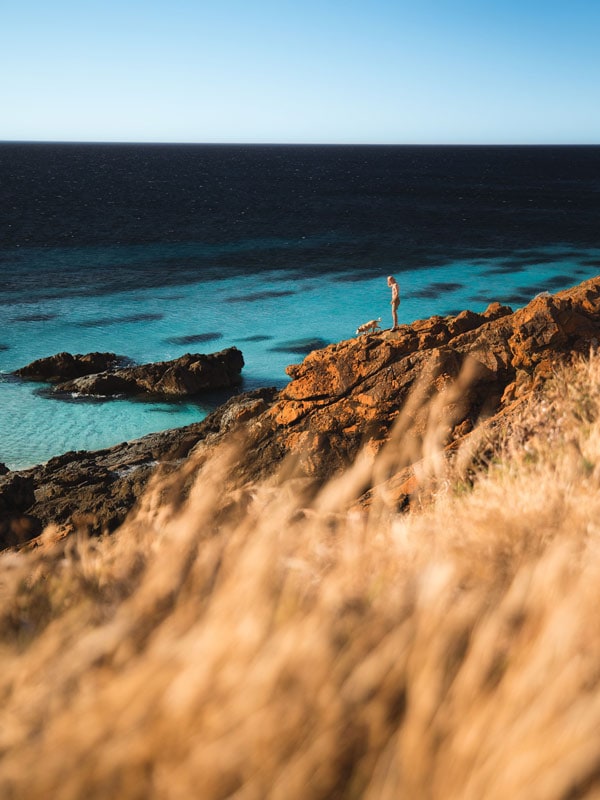
Carrickalinga Beach in South Australia with person
New research has analysed Australian place names and revealed the biggest tongue twisters. (Image: Mitch Toft)

10. Albury-Wodonga, NSW/Victoria

The border city of Albury-Wodonga is separated by the Murray River with Albury in NSW and Wodonga in Victoria. The Albury-Wodonga area was known as Bungambrawatha, or ‘Homeland’, by the Wiradjuri people, until 1838 when colonisers decided ‘Albury’ was easier to pronounce. Wodonga, meaning ‘bulrushes’, still retains its Aboriginal name.

Pronunciation: Al-buh-ree-Wod-on-gah
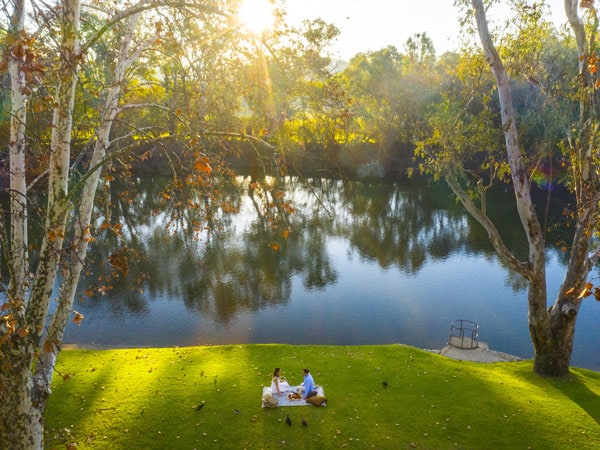
Couple enjoying a riverside picnic at Noreuil Park, Albury.
Albury-Wodonga is separated by the Murray River. (Image: Destination NSW)

9. Widgiemooltha, Western Australia

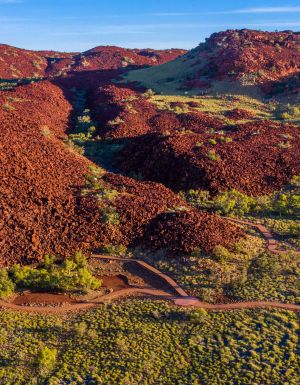
An abandoned town in Western Australia, Widgiemooltha is not quite a ghost town, but it was once a thriving mining community found on the southern shoreline of Lake Leffroy. Located on Kalaako land, Widgiemooltha is believed to be derived from a word meaning ‘beak of an emu’.

Pronunciation: Wid-gee-mool-tha
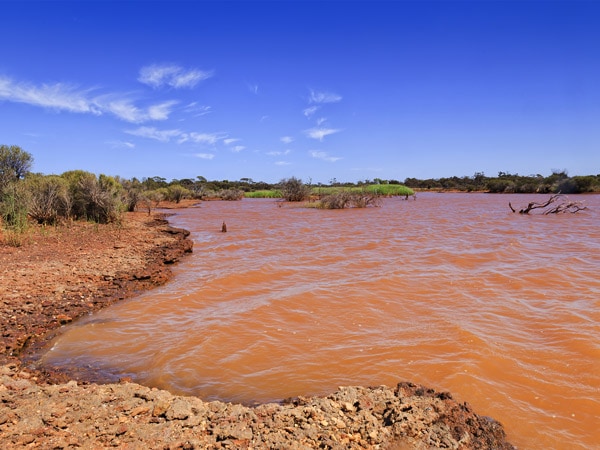
Lake Leffroy near Widgiemooltha in Western Australia.
Lake Leffroy is near the abandoned Widgiemooltha.

8. Koolyanobbing, WA

Meaning ‘place of large rocks’, Koolyanobbing is an iron ore mining town between Perth and Kalgoorlie on Kapurn Country. Salt is also harvested from nearby Lake Deborah, a five-million-year-old salt lake.

Pronunciation: Kool-yah-nob-ing

7. Bishopsbourne, Tasmania

Bishopsbourne, or The Bourne as it’s called by the locals, is a tiny rural town (only 137 residents were recorded in the 2021 census) in northern Tasmania around half an hour from Launceston. The 13-letter place name is the easiest one for me on this list!

Pronunciation: Bish-ops-bourne
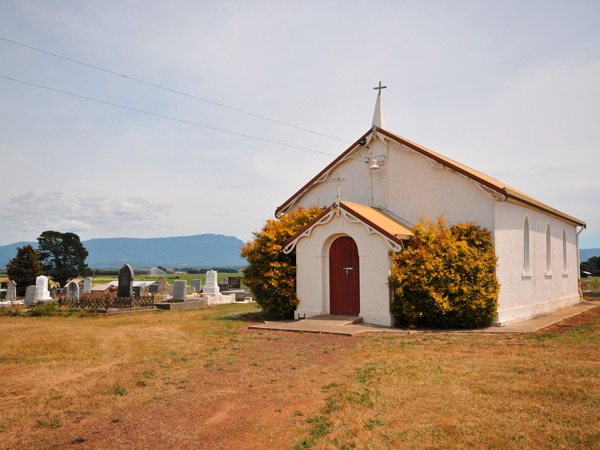
Bishopsbourne Church Of The Holy Nativity
Bishopsbourne is known as The Bourne to locals.

6. Carrickalinga, South Australia

Carrickalinga or Karrakardlangga/Karragarlangga in Kaurna, a branch of the Pama–Nyungan languages is a small, coastal town on South Australia’s Fleurieu Peninsula, on Kaurna land. The name is reportedly a corruption of the name given to a former Aboriginal camp meaning ‘place of redgum firewood’.

Pronunciation: Ka-ruh-kuh-ling-guh
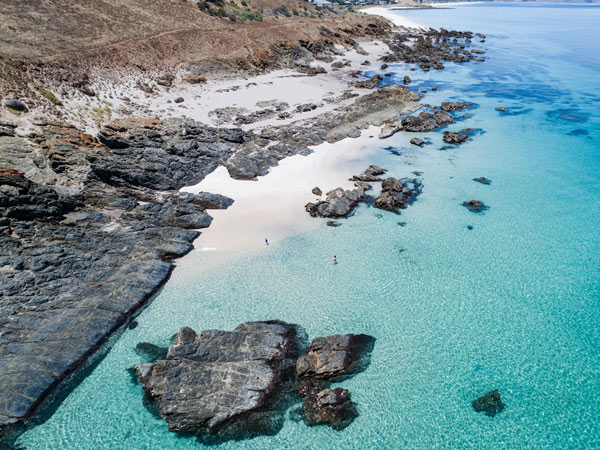
Aerial shot of Carrickalinga Beach in South Australia
Carrickalinga has a stunning coastline. (Image: Jesse Ehlers)

5. Coonabarabran, NSW

On Wiradjuri Country, Coonabarabran is a small town that sits on the divide between the Central West and the North West Slopes regions of NSW. Meaning ‘inquisitive person’, Coonabarabran is actually the stargazing capital of Australia! The town is right beside Warrumbungle National Park, Australia’s first International Dark Sky Park.

Pronunciation: Koo-nuh-ba-ruh-bran
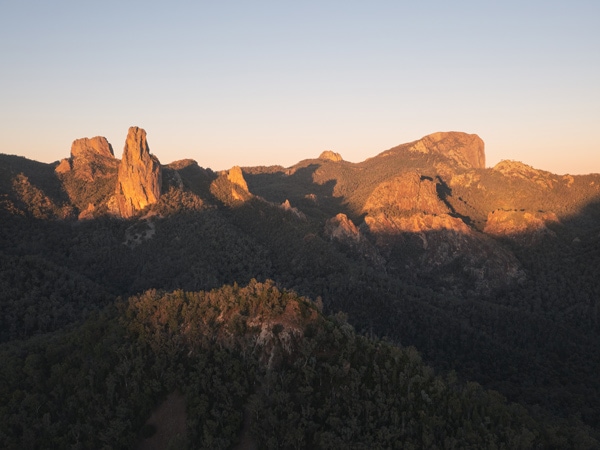
Scenic sunrise views across Warrumbungle National Park, near Coonabarabran.
Coonabarabran is the stargazing capital of Australia. (Image: Destination NSW)

4. Nowra-Bomaderry, NSW

Nowra-Bomaderry is one of the easier place names to say on this list, but it does have 14 letters in its name. Nowra-Bomaderry sits on either side of the Shoalhaven River on the NSW South Coast. The land to the north of the river is Dharawal Country, and the land to the south is Yuin Country. Nowra means ‘black cockatoo’ and Bomaderry means ‘fighting ground’ or ‘running water’ in the native languages.

Pronunciation: Now-rah-bow-ma-de-ree
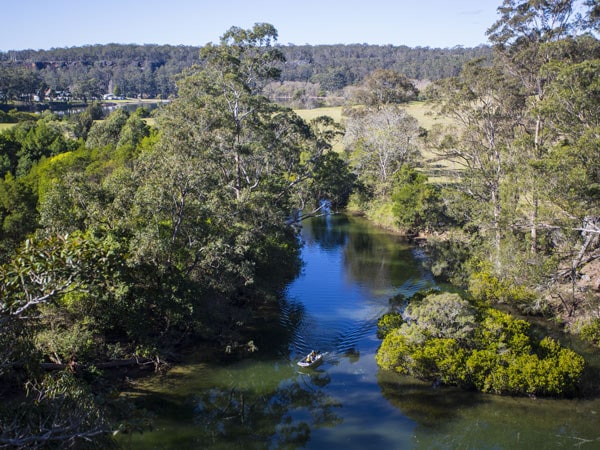
Scenic views of the Shoalhaven River passing through Nowra.
Nowra-Bomaderry sits on either side of the Shoalhaven River. (Image: Destination NSW)

3. Boomahnoomoonah, Vic

Containing 15 letters, Boomahnoomoonah comes in third for Australia’s longest place names. Boomahnoomoonah is located roughly three hours’ drive from Melbourne, in the Shire of Moira in Victoria, an area known for its agriculture. Sitting between Yarrawonga and Wangaratta in north-eastern Victoria, Boomahnoomoonah is said to mean ‘big water’ in the local Yorta Yorta language.

Pronunciation: Boo-mah-noo-moo-nah

2. Cadibarrawirracanna, SA

Lake Cadibarrawirracanna is one of Australia’s beautiful salt lakes located near the well-known Kati Thanda–Lake Eyre in South Australia. It’s also the second biggest tongue twister when it comes to Australian place names with 19 letters. Often referred to as Lake Cadi, Cadibarrawirracanna means ‘the stars were dancing’ in the Arabana language.

Pronunciation: Cad-i-bar-rah-wir-a-can-nah
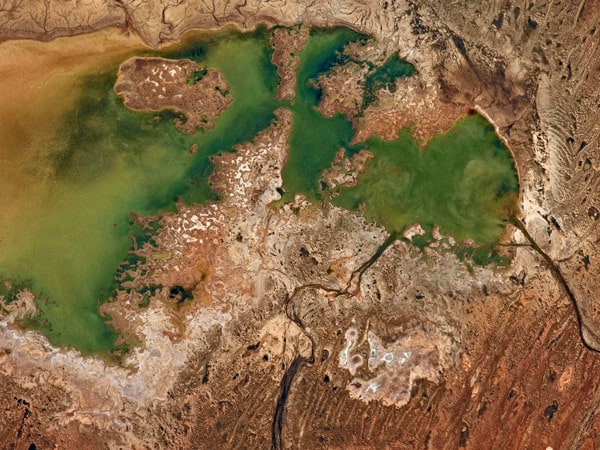
Aerial shot of Lake Cadibarrawirracanna in South Australia
Lake Cadibarrawirracanna is one of Australia’s beautiful salt lakes.

1. Mamungkukumpurangkuntjunya, SA

Taking out the top spot is Mamungkukumpurangkuntjunya, a hill in the Aṉangu Pitjantjatjara Yankunytjatjara lands of South Australia. With 26 letters, Mamungkukumpurangkuntjunya translates to ‘where the devil urinates’.

Pronunciation: Ma-mung-koo-kum-pu-rang-kunt-jun-ya

Emily Murphy
Emily Murphy is Australian Traveller's Email & Social Editor, and in her time at the company she has been instrumental in shaping its social media and email presence, and crafting compelling narratives that inspire others to explore Australia's vast landscapes. Her previous role was a journalist at Prime Creative Media and before that she was freelancing in publishing, content creation and digital marketing. When she's not creating scroll-stopping travel content, Em is a devoted 'bun mum' and enjoys spending her spare time by the sea, reading, binge-watching a good TV show and exploring Sydney's vibrant dining scene. Next on her Aussie travel wish list? Tasmania and The Kimberley.
See all articles
hero media

Mornington Peninsula’s storied past: war, shipwrecks and a runaway convict 

The Mornington Peninsula is a coastline of contrasts, where convict and military history meets shipwrecks, wild seas and adventures above and below the surface.

The Mornington Peninsula can be the kind of place where salt-tangled hair feels like a badge of honour – proof you’ve been somewhere wild, raw and real. Peel back the layers and you’ll discover stories that anchor this region to something other than its famed food and wine.

This land is the traditional Sea Country of the Bunurong/Boon Wurrung people. Long before grapevines were planted and artisanal goods were crafted, the Bunurong Traditional Owners lived in deep connection with the land and sea. Today, places such as Mushroom Reef Marine Sanctuary echo that tradition, with families exploring its rockpools in search of colourful sea stars and crabs at low tide and learning how these fragile ecosystems have been cared for across countless generations.

a group of people visiting the Port Nepean National Park
Take in the rugged coastal landscape at Port Nepean National Park. (Image: Tourism Australia)

A visit to Point Nepean National Park feels like stepping back through time. The fort, built in 1882, protected the narrow entrance to Port Phillip Bay until the end of the Second World War. It was here that the first Allied shot of the First World War was fired – at a German cargo ship trying to escape just hours after war was declared. Nearby, the old Quarantine Station, one of Australia’s first permanent quarantine facilities, established in 1852, still stands. Walking through the hospital and disinfecting complex evokes stories of those who arrived from faraway shores.

Not far from here is a story of survival that inspired the Aussie phrase ‘you’ve got Buckley’s chance’. In 1803, escaped convict William Buckley vanished into the bush near what’s now Sorrento. Everyone thought he had no hope of surviving, but he reappeared 32 years later, having lived with local Aboriginal people.

Even the waters here hold history. The infamous stretch known as The Rip, just three kilometres wide at the entrance of Port Phillip Bay, is among the most treacherous waterways. Countless ships were lost here in the 19th and early 20th centuries, and in 1967, Australia’s own Prime Minister Harold Holt disappeared while swimming off the coast, never to be found.

a seal swimming in Port Phillip Bay
A seal swimming in Port Phillip Bay. (Image: Tourism Australia/Two Palms/Harry Pope)

But for all its danger, the sea here also holds extraordinary beauty. Dolphins are often seen near Sorrento’s cliffs, while below the surface, seagrass meadows and rocky reefs teem with life. Marine tours offer a viewing to this underwater wonderland, while back on terra firma, walking trails lead along beaches, through coastal scrub, and over rock pools.

And if you think you’ll forget about the Mornington Peninsula once you’ve left? You’ve got Buckley’s chance.

A traveller’s checklist

Staying there

the suite interior at InterContinental Sorrento
Luxury interiors at the historic InterContinental Sorrento. (Image: Greg Elms)

Point Nepean Discovery Tents is immersive glamping beside the historic Quarantine Station. Or upgrade to luxury at the 1875-built InterContinental Sorrento .

Playing there

an aerial view of Cape Schanck Lighthouse
Make your way to the Cape Schanck Lighthouse. (Image: Tourism Australia/Two Palms/Harry Pope)

Bayplay Adventure Tours offer eco-adventures from snorkelling with sea dragons to kayaking with dolphins and cycling Point Nepean. Cape Schanck Lighthouse is fascinating to explore on a guided tour, which takes you into the lighthouse and keeper’s cottage.

Eating there

Portsea Hotel is a beautifully restored 1876 Tudor-style pub right on the beach, serving seasonal local fare.