How a surfer and a rock legend saved Australia’s beaches

hero media
Australia’s National Surfing Reserves are hallowed ground when it comes to the beaches found along our coast, and not only for surfers.

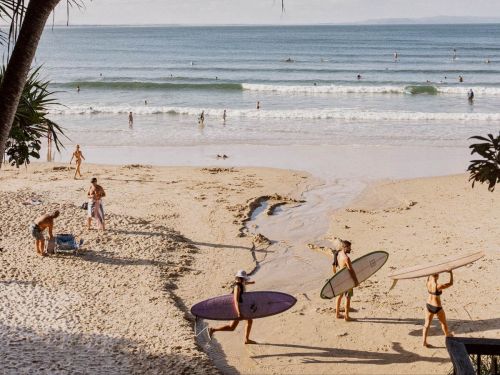
Head down to the beach at daybreak, anywhere the swell is permitted to reach the shore, and you’ll see them. The wetsuit-clad meditators, the board shorts and bikini brigade, the groms and the silver-haired sea dogs with boards under arm, all gathered in their sandy place of worship.

Peeling towards rocky points, butting up against sandbars or curling around artificial reefs, waves break rhythmically on Australia’s coastline in all kinds of conditions. The surf calls to the soul of those who find solace duck-diving into its salty embrace. Those hooked on the indescribable feeling of riding a wave.
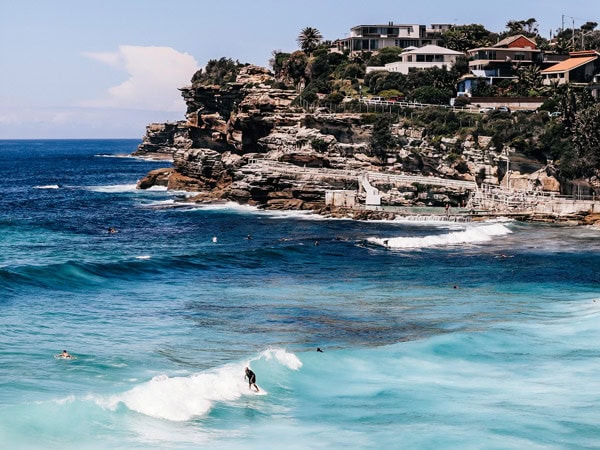
surfing in Bondi Beach
Bondi Beach is one of Australia’s most iconic surf spots. (Image: Elise Hassey)

When it comes to the quality of surf breaks, and the sheer number of them that ring the continent, Australia is indeed the lucky country. Surfing took off in Australia after being introduced by Hawaiian Duke Kahanamoku in 1915, its popularity never waning. Australia is renowned as one of the world’s premier surfing destinations and it’s inescapably intertwined in the coastal fabric.
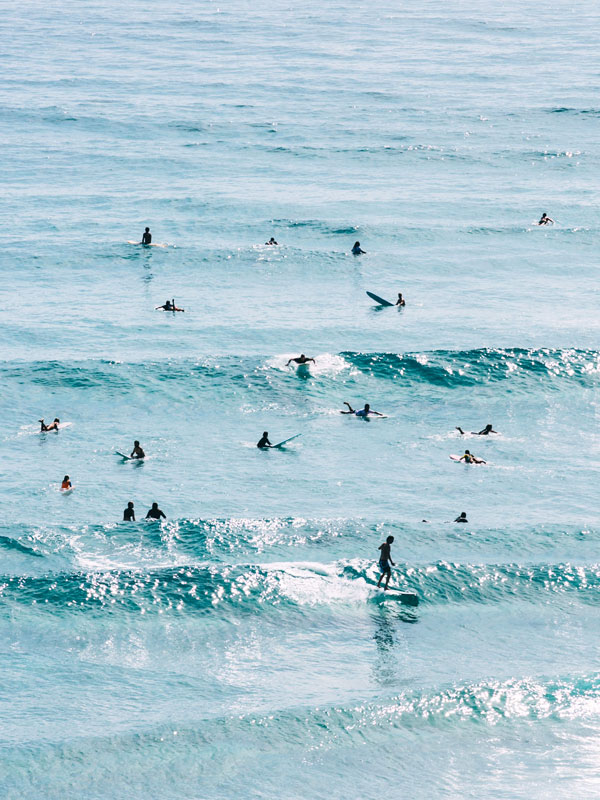
surfers hitting the waves
Australia’s surf breaks are the envy of the world. (Image: Elise Hassey)

“Surfing is much more than a sport," says conservationist Brad Farmer. “It’s a culture, it’s an art form, it’s a pastime, it’s a meditation. That’s why people go to the beach. Billions of visitors go there for this experience, which is really subjective and ephemeral."
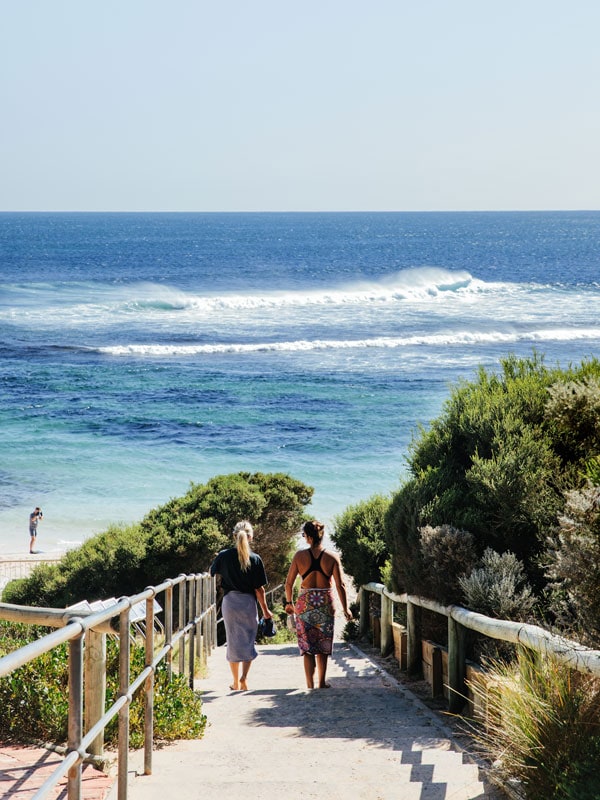
two women walking down the beach staircase at Yallingup Beach
Yallingup is paradise for surfers and sun worshippers. (Image: Elise Hassey)

If Farmer’s name rings a bell, it’s because he’s also the man responsible for declaring the top beaches in Australia each year as Tourism Australia’s Beach Ambassador – a title he’s held since publishing his book 101 Best Australian Beaches with co-author Professor Andy Short in 2013. The annual list is carefully curated to showcase the diversity of beaches Australia has to offer.
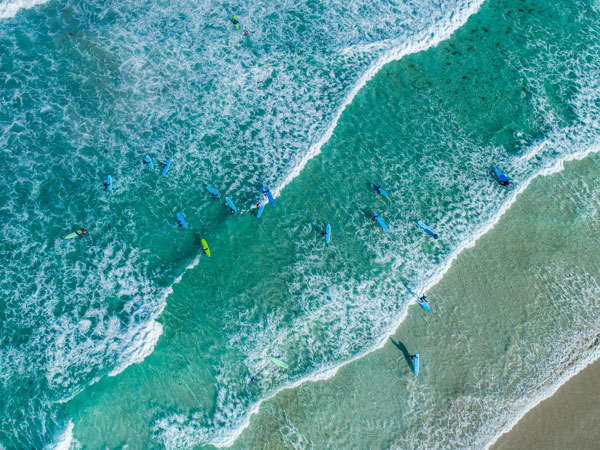
surfing at Margaret River
Margaret River Surf School runs private surf lessons for all ages. (Image: Tourism Australia)

As a surfer himself, Farmer comes at it with a long history of advocating for Australian beaches. He’s responsible for creating the non-profits Surfrider Foundation Australia and Ocean Care Day, and is working alongside indomitable pro-surfer Kelly Slater to develop a model for UNESCO to recognise significant coastal sites. But it was his work as the founder of National Surfing Reserves that has led to the most profound change in how we value Australia’s outstanding surf breaks and the lifestyle they afford.
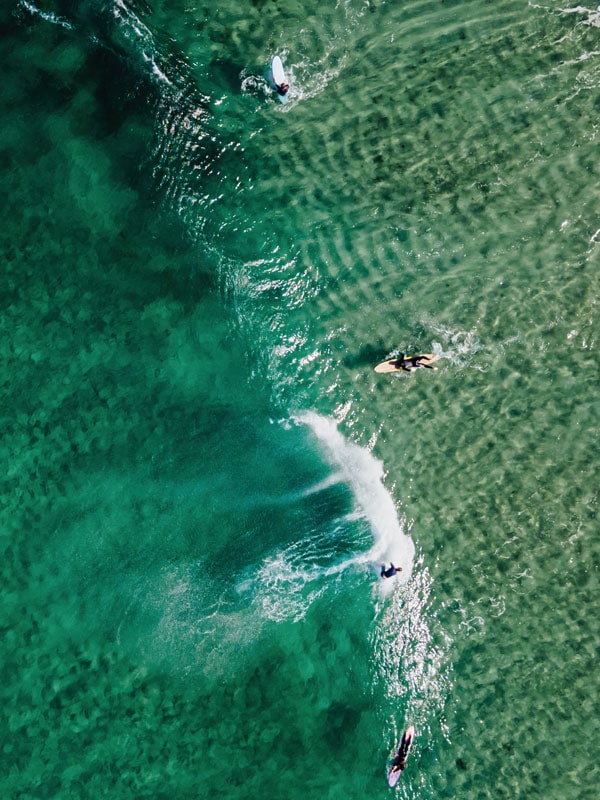
surfing at Margaret River
Margaret River is a swell magnet in the south-western corner of WA. (Image: Elise Hassey)

What are National Surfing Reserves?

The idea to protect surf breaks was seeded in 1973 when a group of local surfers created a ‘Surfing Recreation Reserve’ at Bells Beach, Victoria.
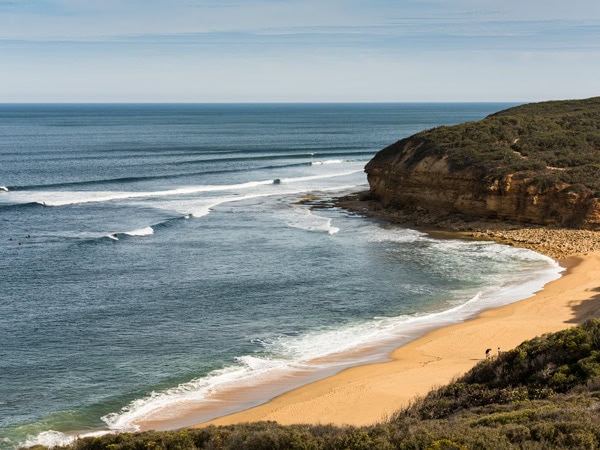
an aerial view of Bells Beach
Bells Beach is where pro Mick Fanning won his first-ever World Surf League tour. (Image: Robert Blackburn/Visit Victoria)

At the time, Australia’s surf culture was quickly gaining pace – it was the early days of Rip Curl and a time when shortboards were adopted to surf punchy beach breaks, as opposed to the longboards beloved in places like California. With our remote and untouched landscapes – and the advent of innovative gear such as wetsuits and board shorts that made the game a whole lot more enjoyable – Australia’s surf scene quickly became the envy of the world.
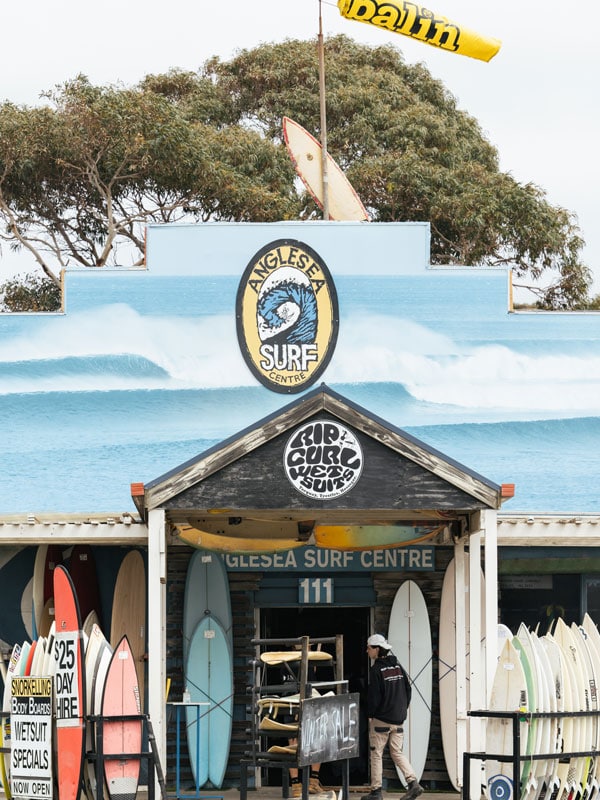
the Anglesea Surf Shop, Victoria
Pick up a secondhand surfboard from the old-school surf shop in Anglesea, Victoria. (Image: Elise Hassey)

Taking the concept of Bells and the power the reserve had held in the face of relentless coastal development, Farmer established the not-for-profit National Surfing Reserves in 2005 under the patronage of rock legend, environmentalist and then Federal Member of Parliament, Peter Garrett.

He had a list – the top surf spots found among about 1100 surfing beaches ringing Australia’s coast – and since Maroubra was declared as the first National Surfing Reserve in 2006, 18 more renowned breaks have been added to the list.

The criteria is strict and the application process can take anywhere from nine months to six years, but ultimately, each successful reserve is recognised as a place of “intrinsic environmental, heritage, sporting and cultural value to our nation".
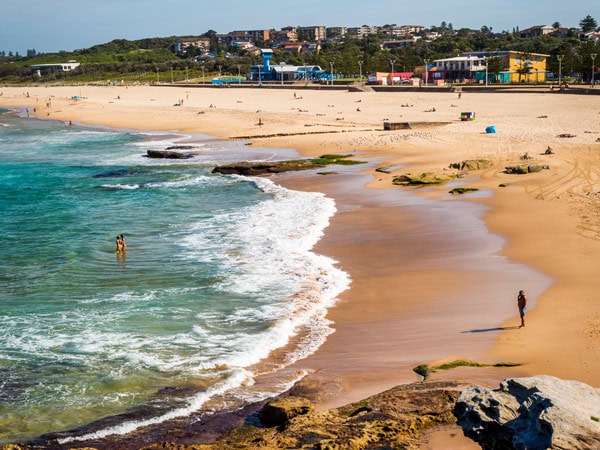
the Maroubra Beach National Surfing Reserve in Sydney
Sydney’s Maroubra Beach was Australia’s first National Surfing Reserve. (Image: Destination NSW/Anna Kucera)

In 2009, Farmer helped the non-governmental Save The Waves Coalition take the idea global with the launch of World Surfing Reserves, and in 2016, Regional Surfing Reserves were added, extending to “any local surf breaks that have good waves and the community feel a sense of pride."

“It’s as much about protecting these sandy spots of worship, as it is about the community around them," says Farmer. “Empowering those who love and use our beaches, with a say in how they’re managed," he says. “This is what we call a sacred site – similar to how Indigenous Australians would have a bora ring or midden. The community have a sense that this is a place of awe, there’s something sacred about this particular site, not only for the quality of its waves."
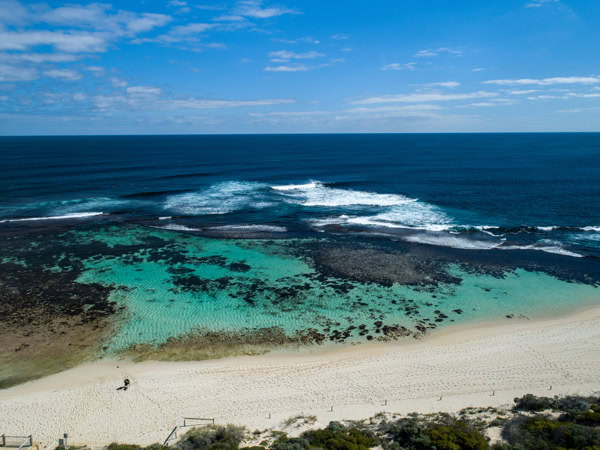
the Yallingup Beach in WA
Yallingup Beach is considered by many as the birthplace of boardriding in WA. (Image: Tourism Australia)

For Australia’s Saltwater people, the First Nations groups born and raised to understand and care for the coast and its waves like no other, the ocean is like family. Indigenous ex-pro and co-founder of the Royal Indigenous Surfing Association, Robbie Page, sees it similarly to Farmer. “Surfing’s a healing place," he said in the ABC documentary Changing Tides. “It’s got no prejudice, it teaches every human, welcomes every human."
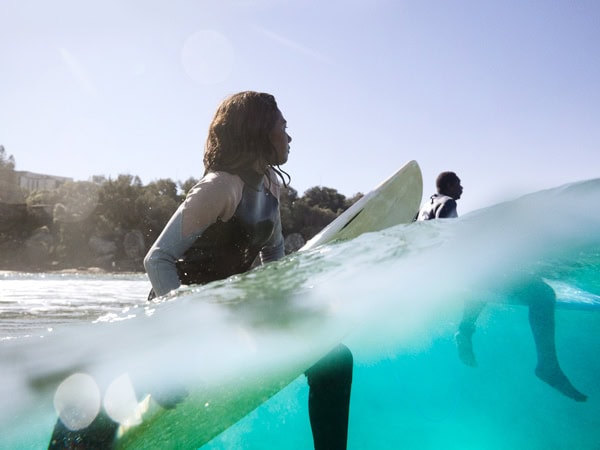
surfing at Freshwater Beach
Freshwater Beach has more than a century of surfing heritage. (Image: Destination NSW/Mark Clinton)

What do National Surfing Reserves protect?

National Surfing Reserves are essentially decreed so that all people can enjoy, understand and protect these special coastal environments. While the volunteer-led National Surfing Reserves has always had people power on its side – and likely the approval of tourism boards who use the reserves in their marketing efforts – until recently, it lacked legal sway.
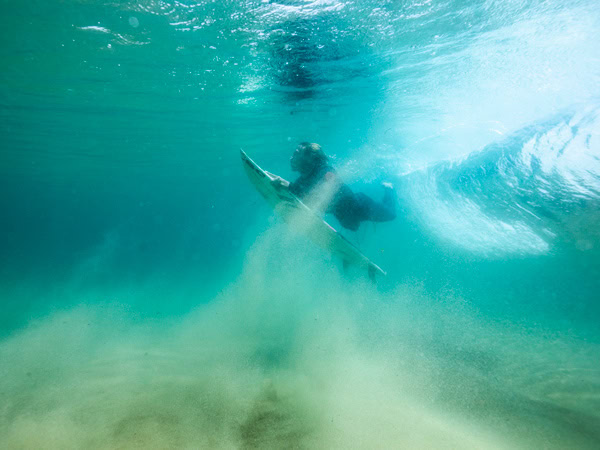
a surfer duck-diving under a wave at North Narrabeen Beach
A surfer ducks under a wave at North Narrabeen Beach. (Image: Destination NSW/Guy Williment)

The movement had been able to persuade the NSW government to gazette surfing reserves in 2007, formally recognising them in the Crown Lands Act. “It was the first time in the world that surfing and surfers had been recognised in any law in any country," says Farmer.

However, the reserves have since become a springboard for surf communities to read the riot act. Which is exactly what happened in 2020, when there was a threat of over-development at Killalea Regional Park – aka The Farm. “It was fought on the basis of surf reserves, and is now a [protected area] park," explains Farmer.
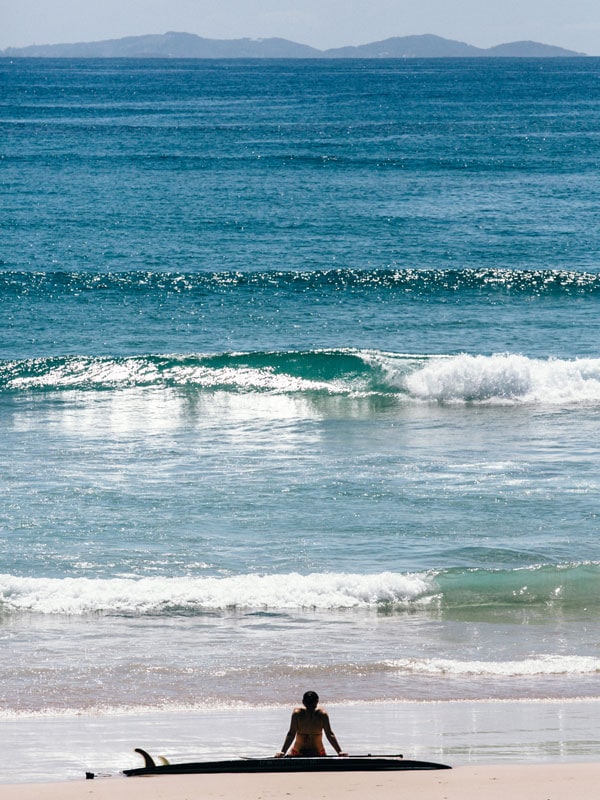
a surfer sitting on a surfboard on the shore while watching the waves
Surfers travel to Australia to find a magical break. (Image: Elise Hassey)

One of the key players in this fight was a local surfer called Chris Homer, the then-president of National Surfing Reserves. Leading a record-breaking paddle out to oppose the construction of a 200-seat function centre and 15 cabins inside Killalea Reserve, Homer’s passion and leadership saw him elected as mayor of Shellharbour soon after, even though he had no prior political experience.

“Whether in legislation, or lore, these places are sacrosanct and not to be touched, and the wording is such that surfers will have primacy in the decision-making process," says Farmer.
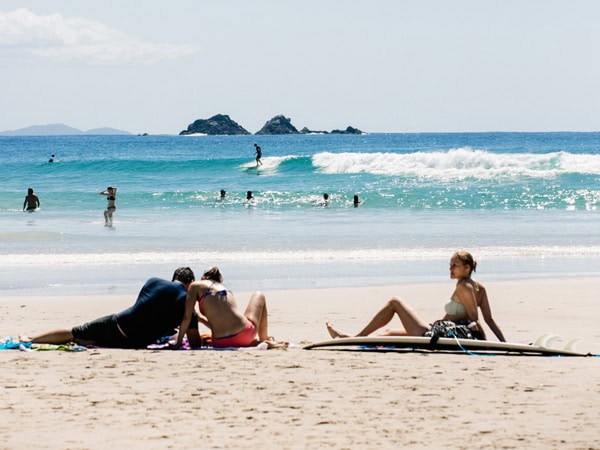
surfers sitting on the beach at Byron Bay
Byron Bay in NSW’s Northern Rivers is a wonderland for surfers. (Image: Elise Hassey)

In mid-2023, with a strong contingent of those surfers on the Central Coast, Norah Head National Surfing Reserve welcomed the news that a wind farm proposed off the coast of NSW would no longer include the surf spot. The original proposal had the potential to affect two iconic surf reserves, Norah Head and Merewether – both hotbeds of surfing talent.

Since then, more research has come to light on not only the importance of Australia’s surf breaks from an environmental point of view, but an economic one, too. Surfing is worth almost $3 billion annually to Australia’s economy, according to a recent study by the Australian National University, and that’s making more people in higher places sit up and pay attention.
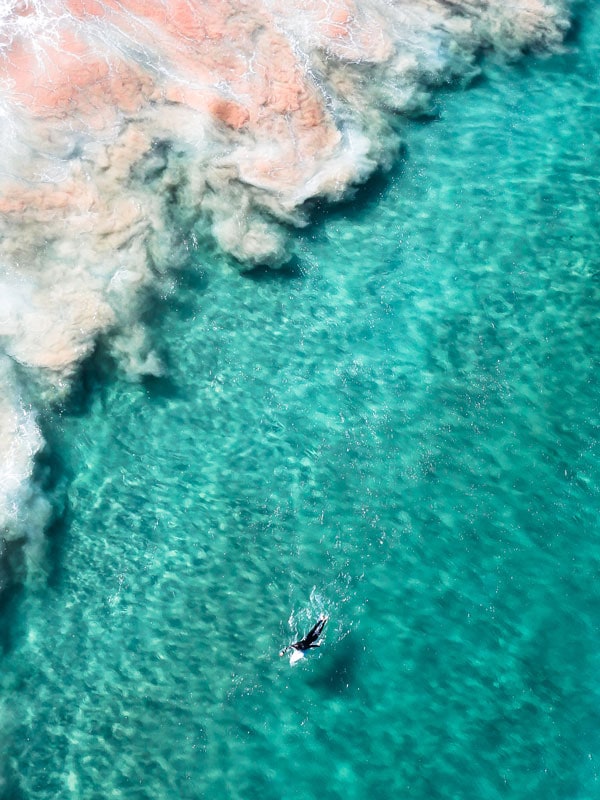
surfing at Freshwater Beach, Sydney
A surfer paddling at Freshwater Beach, Sydney. (Image: Destination NSW/Adam Krowitz)

How National Surfing Reserves are keeping surf culture alive

Another goal of National Surfing Reserves is to safeguard the continuum of surf culture. City of Gold Coast council even has a detailed Surf Management Plan, which includes programs to teach surf etiquette, to ensure visitors clearly understand local safety customs. Similarly, Noosa has a Surfer Code to reduce the chance of conflict and injury.
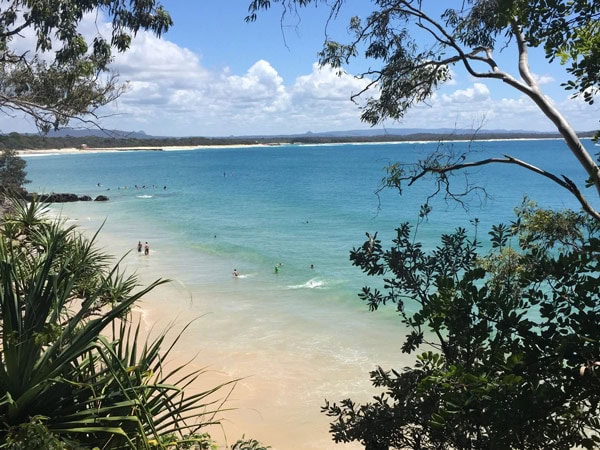
the Main Beach in Noosa
Noosa’s pristine Main Beach is a surfing hotspot. (Image: Tourism Australia/Glen Davis)

Surfers, after all, are not just those out riding the waves. The beauty, value and mental health benefits of surfing permeate the desirable beachside lifestyle so many Australians enjoy and visitors yearn to experience.
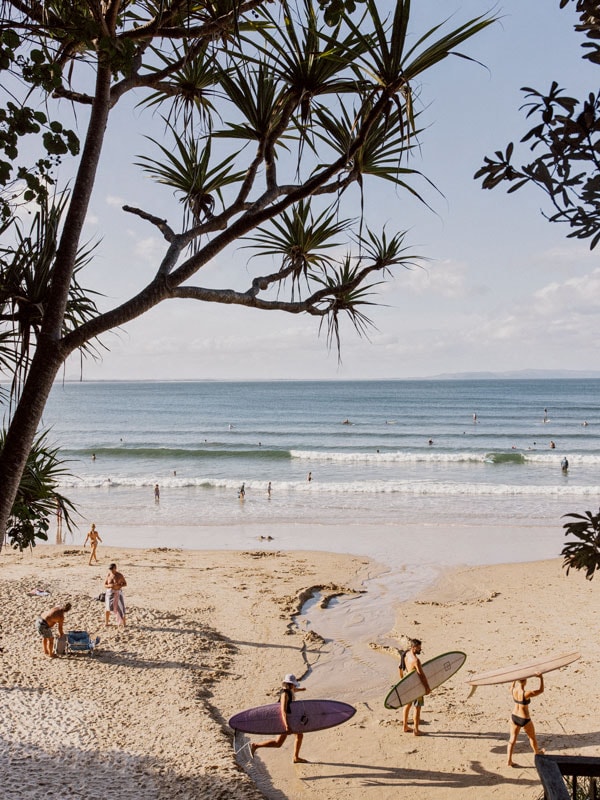
the surf culture in Noosa
Local community and surf culture, such as that found in Noosa, are a determining factor in what qualifies as a Surfing Reserve. (Image: Elise Hassey)

Ultimately, whether you’re a hardcore big-wave rider with saltwater in your veins or have no desire to go further than watching the waves with a coffee in hand, understanding and appreciating that these sites have seen quality waves being ridden consistently – in some places for more than 100 years – provides a sense of legacy.
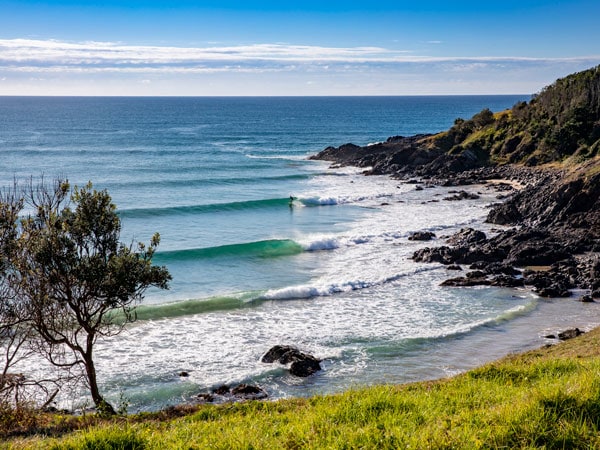
the surfing reserve at Crescent Head, NSW
Ride the waves at NSW’s Crescent Head. (Image: Destination NSW/Dallas Kilponen)

Years from now, Farmer believes, these surfing reserves will become akin to national parks and, he hopes, will be protected at all levels, not excluding UNESCO. “I will continue to argue that waves have absolutely unique qualities to humanity – not just to their enjoyment, but they’re a phenomena of nature … and they deserve to be recognised as such," says Farmer.
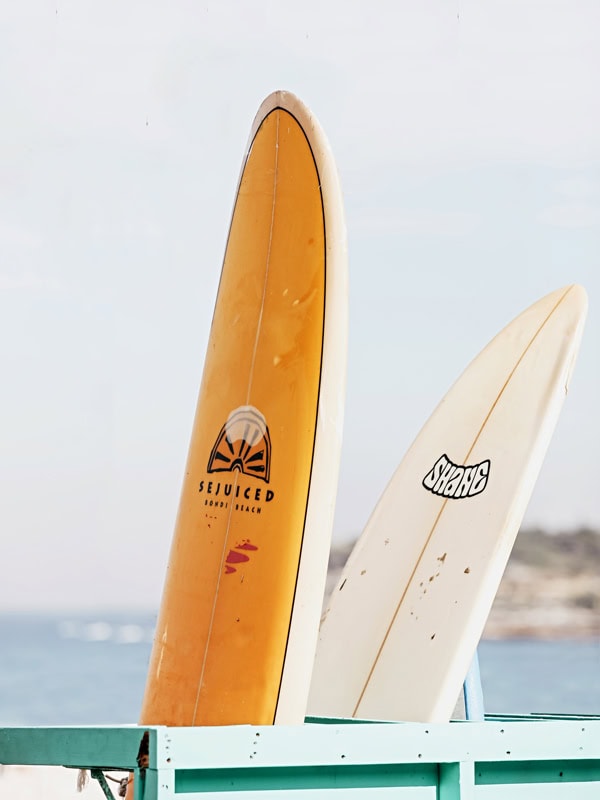
surfboards in Bondi Beach
Surfboards lined up at Bondi. (Image: Elise Hassey)

Australia’s National Surfing Reserves

  1. Maroubra, NSW, March 2006
  2. Angourie, NSW, January 2007
  3. Lennox Head, NSW, February 2008
  4. Crescent Head, NSW, June 2008
  5. Cronulla, NSW, September 2008
  6. Merewether, NSW, March 2009
  7. Killalea, NSW, June 2009
  8. North Narrabeen, NSW, October 2009
  9. Margaret River, WA, March 2010
  10. Kalbarri, WA, March 2010
  11. Manly-Freshwater, NSW, September 2010
  12. Yallingup, WA, December 2011
  13. Gold Coast (Burleigh Heads, Currumbin Alley, Snapper-Kirra), Qld, February 2012
  14. Daly Head, SA, January 2013
  15. Point Sinclair, SA, January 2013
  16. Phillip Island (Woolamai, Smiths Beach, Summerland, Cat Bay), Vic, March 2013
  17. Noosa, Qld, March 2015
  18. Bondi, NSW, December 2017
  19. Norah Head, NSW, November 2022
Celeste Mitchell
With visions of hosting Getaway, Celeste Mitchell graduated with a Bachelor of Journalism and entered the hard-hitting world of boy bands, puberty, and fashion, writing for magazines like Girlfriend, Total Girl, CLEO and TV Hits in the early noughties (there was a lot of Twilight references). Since switching gears to full-time freelancer in 2013, focused exclusively on travel, she’s criss-crossed the globe, opened a co-working space, lived in Mexico, and co-founded slow and sustainable site, Life Unhurried. The Sunshine Coast-based author (Life Unhurried & Ultimate Beaches Australia, Hardie Grant) and mum of two regularly pinches herself that she gets to explore new places and ask all the nosy questions she wants in the name of work.
See all articles
hero media

The perfect mid-week reset an hour from Melbourne

Winding down in the Yarra Valley, where ‘work from home’ becomes ‘work from wine country’.

Steam from my morning coffee curls gently into the cool valley air, mist-veiled vineyards stretch out in neat rows below me. Magpies warble from trees, and the morning’s quiet carries the soft bleating of lambs from a nearby paddock. Midweek in the Yarra Valley has its own rhythm. It’s slower, quieter, with more empty tables at cafes and cellar doors, and walking trails I can claim all to myself. It’s as if the entire region takes a deep breath once the weekend crowd leaves.

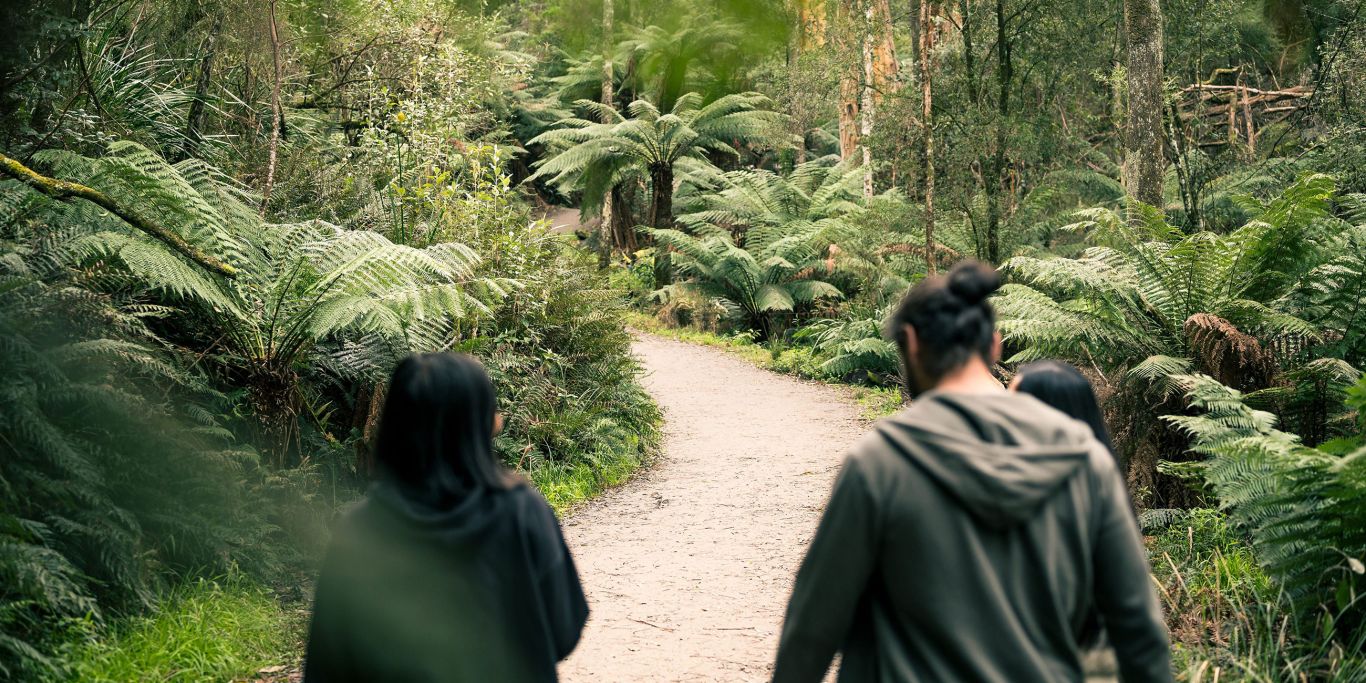
walking trails in the Yarra Valley
You’ll find walking trails are less crowded during the week. (Image: Visit Victoria)

I haven’t come here for a holiday, but to do a little work somewhere other than my home office, where I spend too much time hunched over my desk. Deadlines still loom, meetings still happen, but with flexible work evolving from ‘work from home’ to ‘work from anywhere’, I’m swapping the view of my front yard to the vineyards.

A quiet afternoon at Yarra Valley Dairy

holding a glass of wine at Yarra Valley Dairy
Wine time at Yarra Valley Dairy, where you can enjoy a toastie or bagel in the cafe. (Image: Visit Victoria)

With the Yarra Valley just over an hour from the CBD, many Melburnians could drive here in their lunch break. I arrive late in the afternoon and am delighted to discover the Yarra Valley Dairy still open. On weekends, I’ve seen queues spilling out the door, but today there’s only one other couple inside. There’s no need to rush to secure a table; instead I browse the little store, shelves stacked with chutneys, spices, artisan biscuits and gorgeous crockery that would look right at home in my kitchen. It’s hard not to buy the lot.

a cheese tasting plate atYarra Valley Dairy
A cheese tasting plate at Yarra Valley Dairy.

I order a coffee and a small cheese platter, though the dairy has a full menu, and choose a wooden table with bentwood chairs by a wide window. The space feels part farm shed, part cosy café: corrugated iron ceiling, walls painted in muted tones and rustic furniture.

Outside, cows meander toward milking sheds. If pressed for time, there’s the option of quick cheese tastings – four samples for five dollars in five minutes – but today, I’m in no rush. I sip slowly, watching a grey sky settle over the paddock. Less than an hour ago I was hunched over my home-office desk, and now my racing mind has slowed to match the valley’s pace.

Checking in for vineyard views at Balgownie Estate

Restaurant 1309 at Balgownie Estate
Restaurant 1309 at Balgownie Estate has views across the vines.

As my car rolls to a stop at Balgownie Estate , I’m quietly excited, and curious to see if my plan to work and play comes off. I’ve chosen a suite with a spacious living area and a separate bedroom so I can keep work away from a good night’s sleep. I could have booked a cosy cottage, complete with open fireplace, a comfy couch and a kettle for endless cups of tea, but as I am still here to get some work done, I opt for a place that takes care of everything. Dinner is served in Restaurant 1309, as is breakfast.

oysters at Restaurant 1309, Balgownie Estate
Oysters pair perfectly with a crisp white at Restaurant 1309.

On my first evening, instead of the usual walk about my neighbourhood, I stroll through the estate at an unhurried pace. There’s no need to rush – someone else is preparing my dinner after all. The walking trails offer beautiful sunsets, and it seems mobs of kangaroos enjoy the view, too. Many appear, grazing lazily on the hillside.

I wake to the call of birds and, after breakfast, with the mist still lingering over the vineyards, I watch two hot-air balloons silently drift above clouds. Perched on a hill, Balgownie Estate sits above the mist, leaving the valley below veiled white.

kangaroos in Yarra Valley
Spotting the locals on an evening walk. (Image: Visit Victoria)

Exploring the Yarra Valley on two wheels

the Yarra Valley vineyards
Swap your home office for a view of the vineyards. (Image: Visit Victoria/Cormac Hanrahan)

Perhaps because the Yarra Valley is relatively close to where I live, I’ve never considered exploring the area any way other than by car or on foot. And with a fear of heights, a hot-air balloon is firmly off the table. But when I discover I can hop on two wheels from the estate and cycle into Yarra Glen, I quickly realise it’s the perfect way to step away from my laptop and experience a different side of the region.

COG Bike offers pedal-assist e-bikes, and while the bike trail and paths into town aren’t particularly hilly, having an extra bit of ‘oomph’ means I can soak up the surroundings. Those lambs I heard calling early in the morning? I now find them at the paddock fence, sniffing my hands, perhaps hoping for food. Cows idle nearby, and at a fork in the bike path I turn left toward town.

It’s still morning, and the perfect time for a coffee break at The Vallie Store. If it were the afternoon, I’d likely turn right, in the direction of four wineries with cellar doors. The ride is about 15 kilometres return, but don’t let that put you off. Staying off the highway, the route takes you along quiet backroads where you catch glimpses of local life – farmers on tractors, weathered sheds, rows of vines and the kind of peaceful countryside you don’t see from the main road.

A detour to the Dandenong Ranges

legs hanging over the sides of the train, Puffing Billy Railway
The iconic Puffing Billy runs every day except Christmas Day.

The beauty of basing myself in the Yarra Valley is how close everything feels. In barely half an hour I’m in the Dandenong Ranges, swapping vineyards for towering mountain ash and fern-filled gullies. The small villages of Olinda and Sassafras burst with cosy teahouses, antique stores and boutiques selling clothing and handmade body care items.

I’m drawn to RJ Hamer Arboretum – Latin for ‘a place for trees’. Having grown up among tall trees, I’ve always taken comfort in their presence, so this visit feels like a return of sorts. A stroll along the trails offers a choice: wide open views across patchwork paddocks below, or shaded paths that lead you deeper into the quiet hush of the peaceful forest.

The following day, I settle into a quiet corner on the balcony of Paradise Valley Hotel in Clematis and soon hear Puffing Billy’s whistle and steady chuff as the steam train climbs towards town. Puffing Billy is one of Australia’s most beloved steam trains, running through the Dandenong Ranges on a narrow-gauge track. It’s famous for its open carriages where passengers can sit with their legs hanging over the sides as the train chugs through the forest. This is the perfect spot to wave to those on the train.

After my midweek break, I find my inbox still full and my to-do list not in the least shrunken, just shifted from one task to another. But I return to my home office feeling lighter, clearer and with a smug satisfaction I’d stolen back a little time for myself. A midweek wind-down made all the difference.

A traveller’s checklist

Staying there

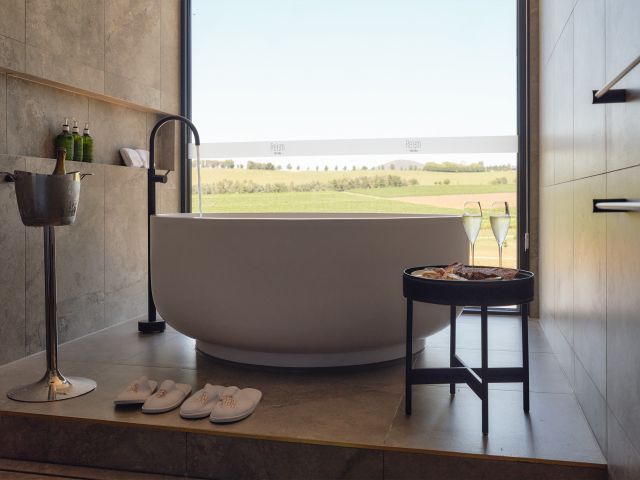
Balgownie Estate offers everything from cellar door tastings to spa treatments and fine dining – all without leaving the property.

Playing there

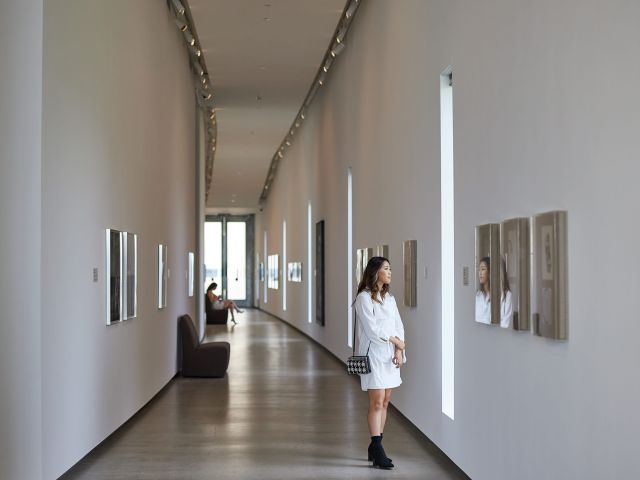
the TarraWarra Museum of Art, Yarra Valley
Visit the TarraWarra Museum of Art. (Image: Visit Victoria)

Wander through Alowyn Gardens, including a stunning wisteria tunnel, then explore the collection of contemporary artworks at TarraWarra Museum of Art . Cycle the Yarra Valley with COG Bike to visit local wineries and cellar doors.

Eating and drinking there

Olinda Tea House offers an Asian-inspired high tea. Paradise Valley Hotel, Clematis has classic pub fare, while the iconic Yering Station offers wine tastings and a restaurant with seasonal dishes.

seasonal dishes at the restaurant inside Yering Station
The restaurant at Yering Station showcases the best produce of the Yarra Valley. (Image: Visit Victoria)