Our guide to the best B&Bs in the Northern Territory
ALICE STATION
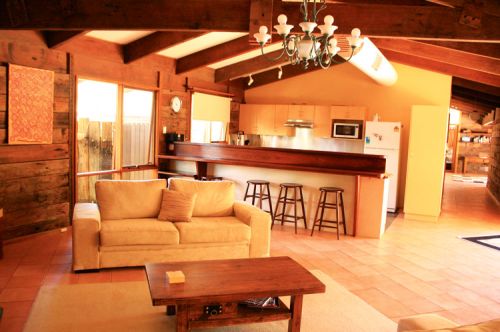
This modern, architecturally designed home was constructed from recycled Ghan railway sleepers. Nestled into a tranquil bush setting against a rocky escarpment just outside Alice Springs town centre, the house has four guest rooms, all of which feature sloping ceilings and timber beams.
SOMETHING SPECIAL
Alice Station is popular with overseas visitors, and one look at the backyard will tell you why – it can get absolutely crowded with mobs of visiting kangaroos. Red kangaroos, wallaroos and western and eastern greys all come to have a fossick in the grass. Pink and grey galahs are regular guests here too.
WHILE YOU’RE HERE
Visit Olive Pink Botanical Gardens (a short walk away); find out about the ancient habitats of the area at Alice Springs Desert Park; shop for art and crafts in Todd Mall; check out the Araluen Arts Centre.
CONTACT: Deborah Rock.
25 The Fairway, Alice Springs
(08) 8953 6600; www.alicestation.com
EDEN AT FOGG DAM
This is a B&B with a very big difference – the backyard is an extraordinary heritage-listed wildlife sanctuary, Fogg Dam in the Adelaide River wetlands region of the Northern Territory. While the accommodation and decor is basic, it’s clean and comfortable and, really, it’s what’s outside the door that will have the biggest impact.
SOMETHING SPECIAL
Eden at Fogg Dam won Best Hosted Accommodation at the 2010 Northern Territory Tourism Awards. Besides the welcoming, friendly service, there are 230 bird species at Fogg Dam. There are also melaleuca woodlands, lily and lotus-flower-covered flood plains, eucalypt forests, and wildlife including long-necked turtles, frogs, wallabies and dingoes.
WHILE YOU’RE HERE
Go birdwatching; take the Jumping Crocodiles tour on the Adelaide River; visit Kakadu (88km from the B&B); swim in waterholes and under falls at Litchfield National Park.
CONTACT: Heather Boulden and Jeremy Hemphill
Off The Arnhem Highway between Darwin and Kakadu
(08) 8988 5599.
FEATHERS SANCTUARY
Just 10 minutes’ drive out of Darwin, Feathers Sanctuary is a B&B&B – it offers bed, breakfast and birds, and plenty of them. Accommodation comprises four cute private bungalows with massive barn-style doors, corrugated iron roofs and indoor-outdoor bathrooms – because it gets hot up here!
SOMETHING SPECIAL
With a name like Feathers, you would be expecting some local birdlife, but what you find here is just astonishing. There are two large aviaries, but take a walk around the two acres of grounds and you’re likely to see a mix of native and exotic birds roaming around with you, such as ducks, egrets, kingfishers, bustards and brolgas. The owners have also established a breeding program for the rarer species on site.
WHILE YOU’RE HERE
Visit Mindil Beach Markets; have dinner at the Wharf Precinct; explore Fannie Bay Gaol Museum and the nearby WWII bunkers; go in the Cage of Death at Crocosaurus Cove.
Time your visit to Margaret River just right, and you can spend the ultimate weekend wining, dining and exploring the region with Pair’d Margaret River Region x Range Rover.
Wine, world-class produce, surf, sun and beaches: it’s an alluring combination. And the reason so many pin the Margaret River region high on their travel hit-lists. There’s drawcard after drawcard to the southwestern corner of Western Australia, and the Pair’d Margaret River Region x Range Rover food and wine festival showcases the best of it over the course of one weekend in November. It’s never been easier to sip, see and savour the Margaret River region.
In partnership with Pair’d Margaret River Region, Range Rover invites you on a seven-day itinerary of refined adventure, where luxury and exploration go hand in hand. It’s the perfect WA road trip, and there’s no better way to do it than in a Range Rover.
Day 1
Check into Pullman Bunker Bay.
There’s no more popular West Australian road trip route than that between Perth and the Margaret River Region. It’s an easily digestible, three-hour drive, with worthy pit stops along the way.
Make the first of them one hour and 15 minutes in, at Lake Clifton. Here, find a 2000-year-old living thrombolite reef. Drive for a further 40 minutes and chance meeting some of Bunbury’s dolphin population at Koombana Bay.
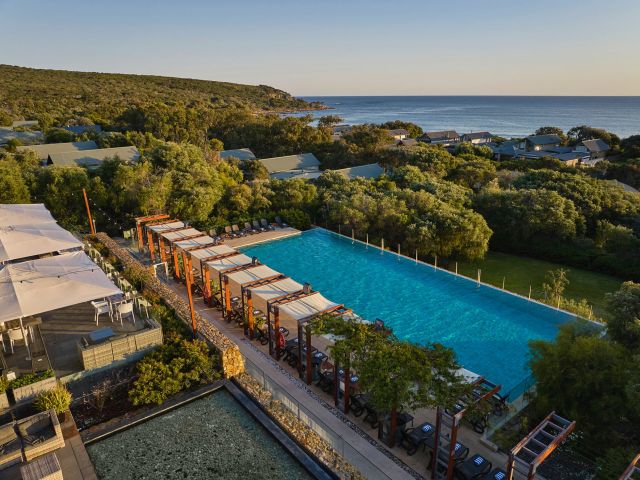
Pullman Bunker Bay is the final stop, just over three hours south of Perth. This beachfront, five-star resort is the ultimate base for exploring the Margaret River Wine region.
Day 2
After a leisurely morning breakfast with an ocean view, start your Range Rover and head towards the Dunsborough town centre. Browsing the decidedly coastal-themed goods of the town’s many independent boutiques is a great way to while away the hours, breaking up the sartorial with an artisan gelato snack stop, or some good old-fashioned Australian bakery fare.
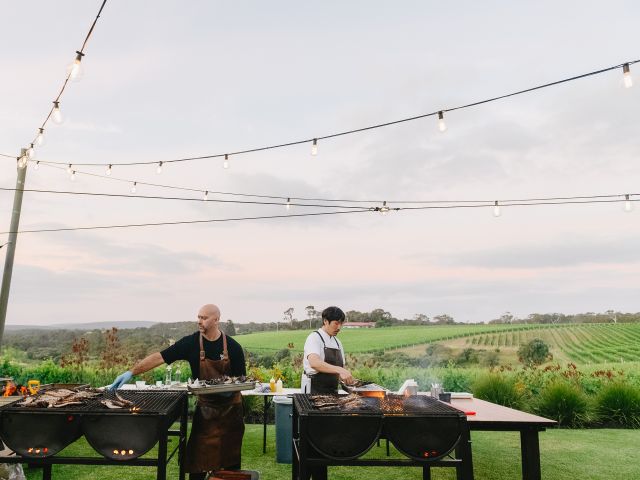
Leave room; you’ll need it for the Good Natured Gathering dinner at Wayfinder. Indulge in a four-course feast by chef Felipe Montiel, which uses produce from the winery’s market garden to enhance a selection of sustainably sourced seafood and meat. But food is just the support act. It’s organic wine that’s the star of the show, generously poured and expertly paired to each dish.
Day 3
Settle in for cabernet at Cape Mentelle Winery.
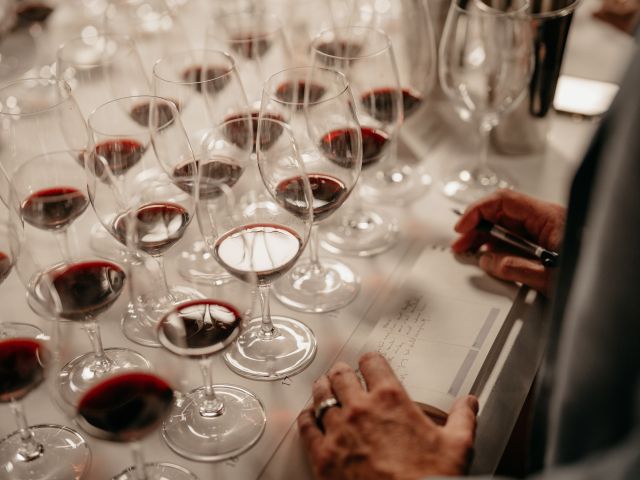
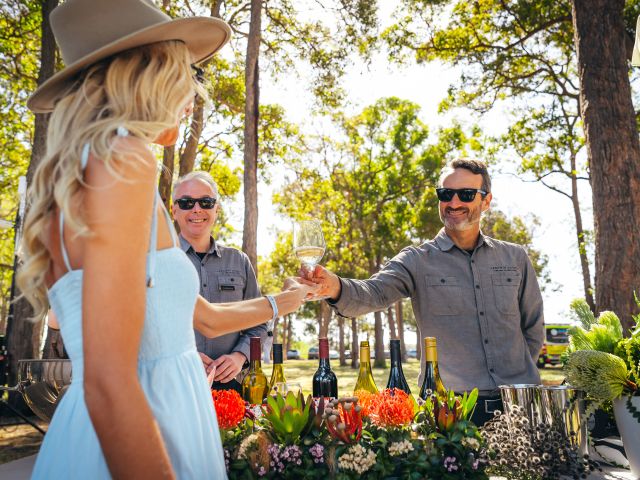
With a grand total of 20 wines from vintage 2022 to try, it’s a good thing Cape Mentelle’s International Cabernet Tasting kicks off early. Make your way to the estate for a 10:00 AM start, where a global selection of wines will be poured blind, before a long lunch by Tiller Dining is served.
Given that the Margaret River is responsible for more than 20 per cent of Australia’s fine wine production, it’s only right to delve into it while in the area.
Continue exploring the region via taste and terroir aboard Alison Maree, a whale-watching catamaran, as you cruise Geographe Bay . Admire the rolling green hills and crisp white beaches of Quindalup in sunset’s golden light, all the while sipping through the Clairault Streicker catalogue and dining on canapes.
For a more substantial dinner, venture into Busselton for a seven-course British x Australian mash-up , courtesy of Brendan Pratt (Busselton Pavilion) and Oliver Kent (Updown Farmhouse, UK). They’ll be putting their rustic yet refined spin on the likes of local marron, wagyu and abalone – championing the simple beauty of the world-class ingredients.
Day 4
Elevate your dining experiences at Pair’d X Range Rover Beach Club.
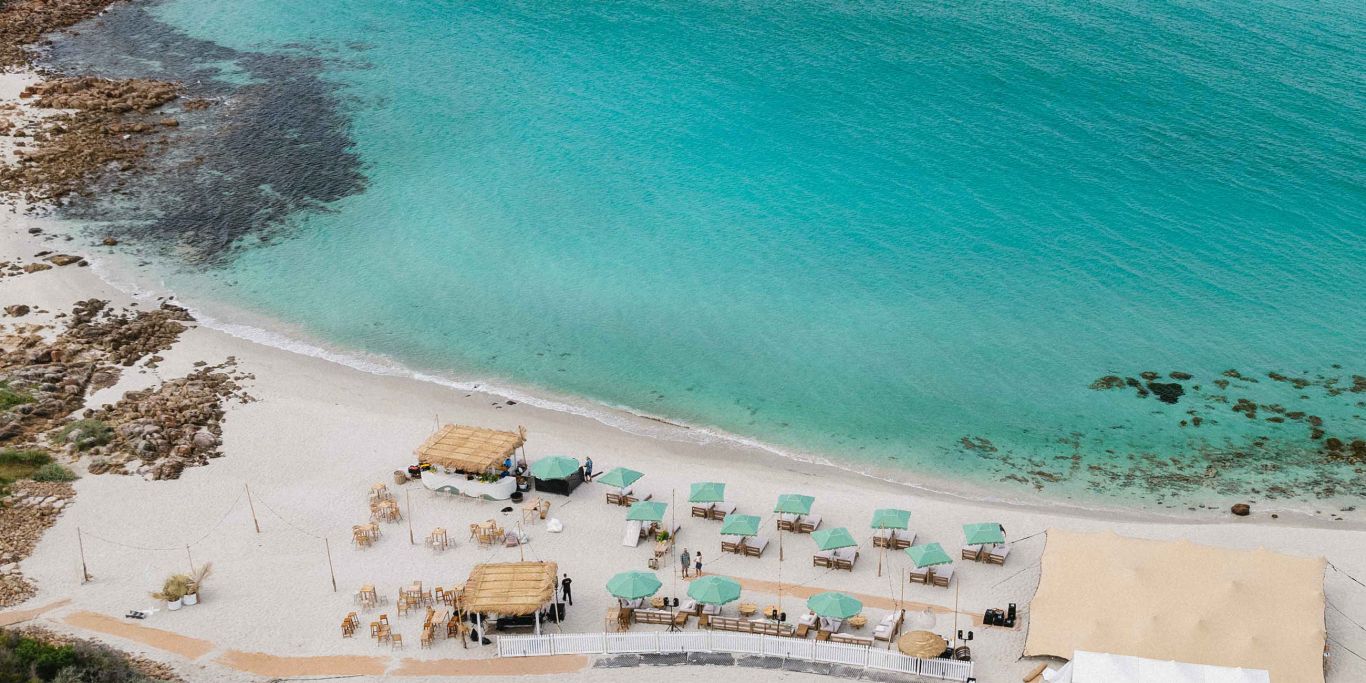
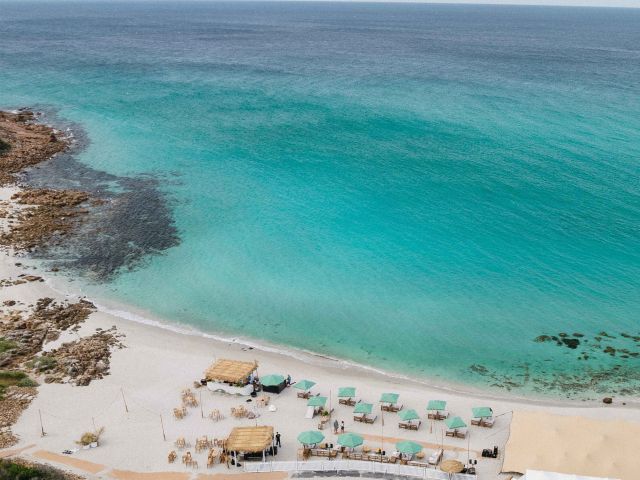
Wrap your fingers around a wine glass and wiggle your toes into the sand at Pair’d Beach Club x Range Rover on Meelup Beach. Sit down to an intimate wine session with sommelier Cyndal Petty – or a four-course feast by Aaron Carr of Yarri – and revel in the open-air beach club, bar and restaurant’s laidback coastal vibe. It’s a whole new way to experience one of the region’s most renowned beaches.
Follow up a day in the sun with a casual Italian party at Mr Barvel Wines . Purchase wines –including the elusive, sold-out Nebbia – by the glass and enjoy canapes with the towering Karri forest as a backdrop.
If you’d prefer to keep it local, head to Skigh Wines for the New Wave Gathering , where the region’s independent wine makers and their boundary-pushing wines will be on show. Street-style eats, a DJ and complimentary wine masterclasses complete the experience.
Day 5
Taste your way through Howard Park Wines. (Image: C J Maddock)
Spend the morning at your leisure, driving the winding roads through the Boranup Karri forest in your Range Rover. Soak in the views at Contos Beach, and call into the small cheese, chocolate and preserve producers along the way.
Make your next stop Howard Park Wines for The Grand Tasting presented by Singapore Airlines . Numerous wine labels will be pouring their catalogues over four hours, accompanied by food from chefs Matt Moran and Silvia Colloca, with live opera providing the soundtrack.
Cap off a big weekend with one last hurrah at Busselton Pavilion. Six ‘local legends’ – chefs Brendan Pratt (Busselton Pavilion), Mal Chow (Chow’s Table), Aaron Carr (Yarri), Ben Jacob (Lagoon Yallingup), Corey Rozario (Dahl Daddies) and Laura Koentjoro (Banksia Tavern) – will be preparing a dish each. Dance the night away as vinyl spins and the sun sets on another day.
Day 6
Head underground. (Image: Tourism WA)
After a busy few days of wining and dining, it’s wise to observe a rest day. There’s no easier task than unwinding in the Margaret River Region, also famous for its high concentration of world-class beaches.
Relax on the grassy knoll as you watch the region’s most experienced surfers braving the World Surf League break at Surfer’s Point, or don your own wetsuit and try out one of Gracetown’s more beginner-friendly waves. Swimmers will find their Eden at Meelup Beach, Eagle Bay, or Point Piquet, where the sand is brilliantly white and the water as still as a backyard swimming pool.
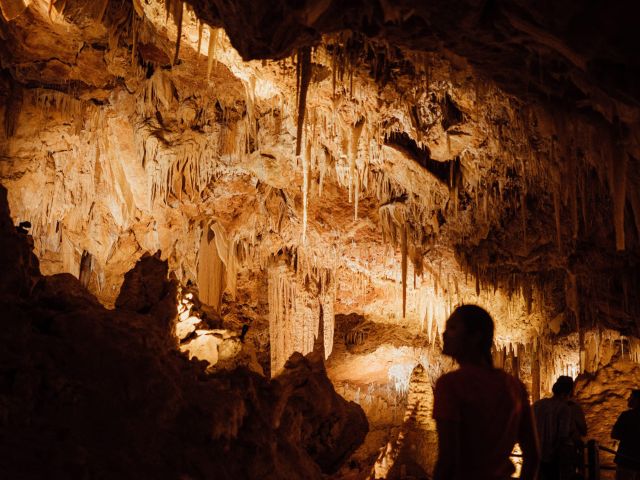
Not into sun, sand, and surf? Head underground at Mammoth Cave, just one of the region’s many stalactite-filled caves.
Day 7
Farewell the Margaret River.
Pack up your Range Rover with new favourite wines and newfound memories, ready for the three-hour journey back to Perth.