Why you should tick that carbon offset box when flying

hero media
Air travel is a notorious guzzler of fossil fuels, which should make offsetting a no-brainer for conscious travellers.

What is offsetting?

In layman’s terms, the concept of carbon-offset schemes effectively means you are paying a price to remove the emissions produced when you fly or drive by investing in programs that have a positive effect on the Earth, thereby cancelling out or neutralising your impact. Think of it as yin and yang with the added bonus of frequent flyer points. Programs that airlines or their offsetting partners contribute to include reforestation, landcare and social initiatives that prevent the same amount of CO2 entering the atmosphere through their actions.
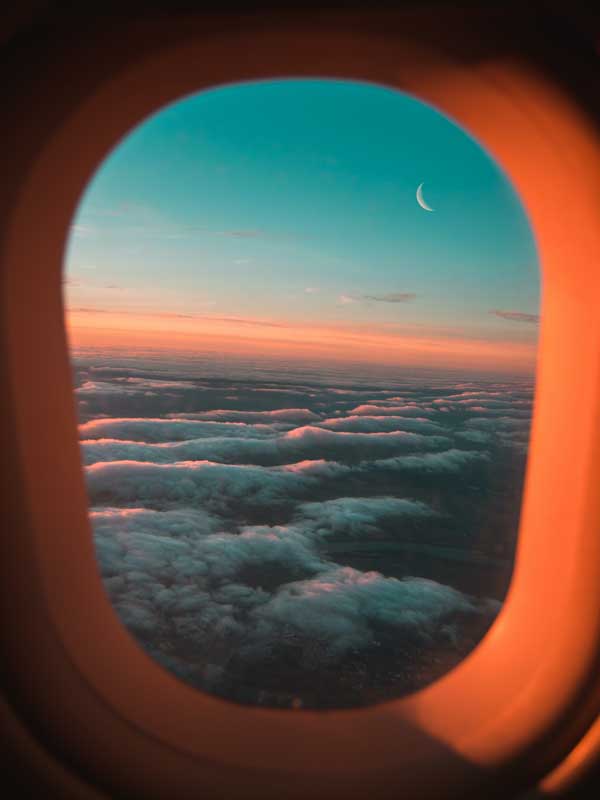
View from plane window
Cancel out the CO2 emissions you use when flying by offsetting.

Why should you do it?

Before the pandemic, research showed that greenhouse gas emissions from commercial air travel were growing at a much faster rate than previously predicted by the United Nations’ International Civil Aviation Organization (ICAO) – up to 70 per cent faster, in fact. And while we all bought into the silver lining of lockdown resulting in a dramatic drop in greenhouse emissions, the zeal with which we have taken to the skies again over Australia means this was just a pause in proceedings. Indeed, a return to the larger-than-forecast increases of the past will end up cancelling out initiatives like developments in engine and aircraft efficiency and clean fuels altogether. So, short of never flying again, offsetting is a tangible way to cancel out the damage you do every time you board a plane.
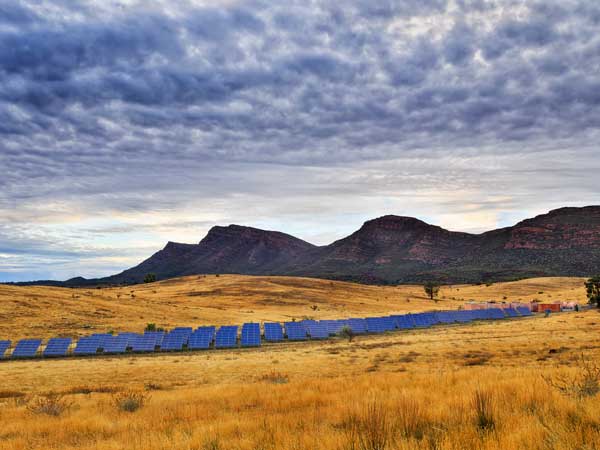
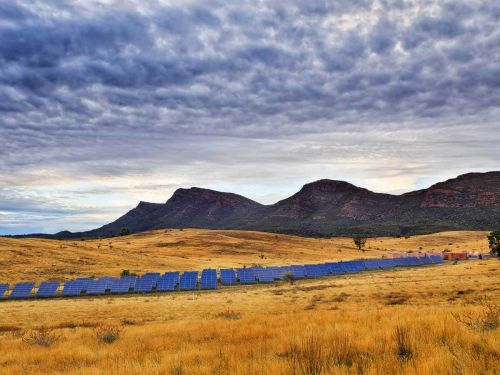
Solar panels in Flinders Ranges National Park SA
Carbon offsetting is one way we can support initiatives that work to fight against the damage we’ve already done.

What difference does it make?

Maybe the question should be: ‘What is the alternative?’ With many tipping points already reached when it comes to climate change, at this stage we have to work on the premise that every little bit counts because the alternative is actually too frightening to contemplate. A good rule of thumb, if you are concerned about where exactly the difference is being made when you offset, is to choose companies and not-for-profits that support Australian initiatives so you can see both the benefit and the results in action.

Sand dune conservation in Australia
Check that your carbon offsets support Australian initiatives so you can see both the benefit and the results in action.

How much does it cost?

Probably not as much as you think. While you would need an economics degree to properly understand the ins and outs of how carbon pricing works, and there is actually no standardised price on carbon, what we can tell you is that your emissions when flying are calculated based on the length of your journey, the type of aircraft you are travelling on and the cabin class you are seated in. All of this information is combined to produce a total CO2 emissions amount in tonnes, and then a charge is applied to this.
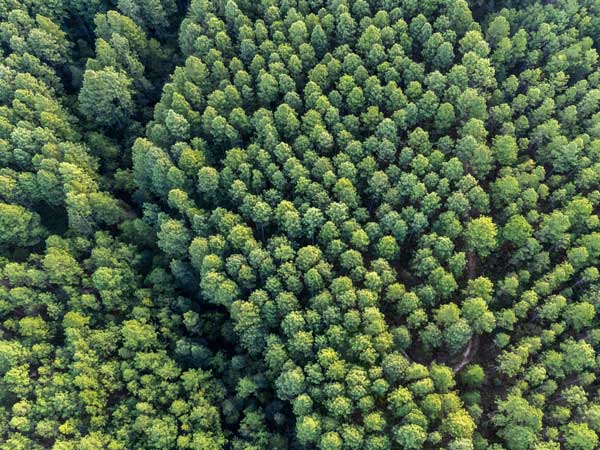
Drone view of pine plantation forests in the Sunshine Coast Hinterland
Protecting our green spaces is of paramount importance.

Greenfleet , a leading Australian not-for-profit environmental organisation established in 1997 with a mission to protect the climate by restoring forests, offers domestic carbon offsetting on both long-haul and short-haul flights. The cost of offsetting a return domestic short-haul flight (Melbourne to Sydney or Brisbane to Darwin) is just $14.40, while long-haul (Sydney to Perth or Melbourne to Broome) is $43.20.

It is often cheaper to offset through your chosen airline at the time of booking; a carbon-offset price for a return economy-class flight from Sydney to Adelaide on Qantas was just $3.30 when we logged onto the airline’s website, with an added commitment from the airline to match every dollar spent, doubling the positive impact (although we did note that ‘No thanks, not this trip’ is the default selection when the offsetting option appears in the booking process). Virgin Australia invests in programs that have social, environmental and economic benefits such as the Tasmanian Land Conservancy.
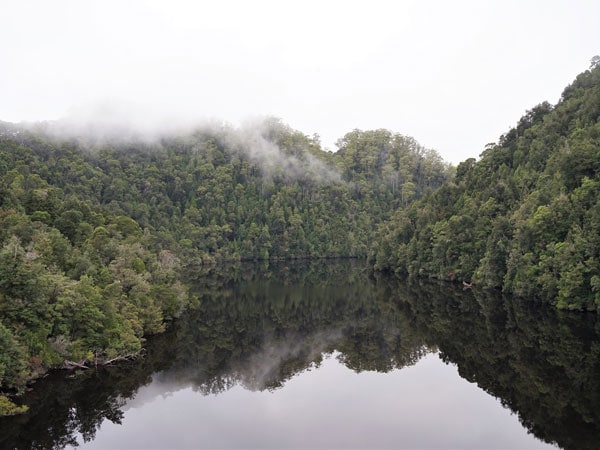
A tiny cloud hovers over the dark waters of Gordon River
Research where your carbon offsetting contribution goes. (Image: Gordan River Tasmania; Steve Madgwick)

The best ways to do it?

One of the easiest ways to offset your flights is directly through the airline at the time of booking. The option is usually presented towards the end of the booking process (after adding check-in baggage, choosing travel insurance, and booking a hire car…), so make sure you scroll through all the pages and keep your eyes peeled for it. Some airlines use a calculator that allows you to put in your flight details separately and then click to buy. If the airline you are travelling with doesn’t provide offsetting options, you can then opt to offset your flights yourself through an Australian-based offset company like Greenfleet or TEM .

For more tips and advice visit our guilt-free guide to sustainable travel.
hero media

An insider’s guide to Noosa’s best-kept winter secrets

As the cooler weather rolls in, head to this popular Sunshine Coast destination to enjoy stunning natural beauty, culinary wonders and mild temperatures.

As southern Australia’s weather starts to cool – the frost visiting every morning and the evening chill descending at dusk – you might reach for your thickest cable knit sweater and warmest blanket. But why not reach for your suitcase and sunglasses and book a ticket to Noosa in winter instead?

Sure, it’s a favourite destination for sun-seeking summer travellers. But as locals will readily tell you, winter is the best time to uncover hidden gems across the region – not only is the weather mild and enjoyable, but the beaches and hinterland are picture-perfect, too. You might even spot a whale or two if you visit from June to September.

Discover how to spend your winter surrounded by Noosa’s stunning natural beauty.

Noosa Rivermouth And Main Beach
Make the most of mild temperatures of Noosa in winter.

Where to eat in Noosa

Known for its dynamic cuisine, Noosa is an overflowing foodie destination. Whatever your tastebuds fancy, the region has it covered.

There are the classic eateries, like lively beachfront Bistro C (try the caramelised pork belly), popular Season Restaurant on Hastings Street (order the spanner crab pasta) and stylish Locale (our pick is the slow roasted White Pyrenees lamb shoulder).

There are also chic new restaurants offering tasty dishes, like the Mediterranean fare at Pelis , Cantonese-inspired dim sums at Sabrosa , organic sourdough pizza from El Capitano , traditional recipes and tequila at Dona Cocina Mexicana and modern Italian-Australian creations from Lucio’s Marina .

diners at Lucio's Marina in noosa in winter
Taste modern Italian-Australian at Lucio’s Marina. (Image: Nickolas May)

Where to stay in Noosa

Once you’re full, you’ll need to find a place to lay your head, and Noosa has no shortage of accommodation options. From five-star resorts with palm-fringed lagoon pools to self-catered apartments and family-friendly budget options, stays in the heart of the action on Hastings Street to sleeping steps from the beach or in more spacious and relaxed accommodation along the river, Noosa offers something for everyone.

There’s the laid-back luxury of Netanya Noosa overlooking Noosa Main Beach, which offers studios, two- and three-bedroom apartments, or the family-oriented Ivory Palms Resort in Noosaville, with its three pools, jumping pillow and playground. Guests also love the versatile RACV Noosa Resort and its numerous pools, waterslides and tennis courts.

For a wildlife experience, hop on a ferry and travel to the eco-friendly Senses Noosa North Shore . Surrounded by 16 hectares of native bushland, the beautiful architect-designed property blends indoor and outdoor living and offers three stunning pools and a spa. Guests can even spot kangaroos and rainbow lorikeets from shaded verandahs.

a beachfront swimming pool at Netanya Noosa
Gaze over Noosa Main Beach at Netanya Noosa. (Image: Lumea Photo)

Things to do on land

There’s no denying it, the main beach – with its creamy-coloured sand, consistent breaks and epic coastline views – is Noosa’s shining star attraction. Bordering this is the wildly popular Noosa National Park, where you can explore over 15 kilometres of walking tracks, including options like the Coastal Walk, Tanglewood Walk and Palm Grove Walk.

A short stroll away is busy Hastings Street, which is full of life during the day and long into the night. Enjoy a little shopping, a late brunch, dinner out and a cocktail as the sun goes down.

Climb onto a fully electric tuk tuk with Noosa e-TukTuk to get an insider’s tour of the region. For a more in-depth exploration, book a bespoke tour with Joel’s Journeys and head to the lush green hinterland, or discover the rugged landscapes of Great Sandy National Park with Sunny Jeeps to spend the day with the wind in your hair and sand underfoot.

woman enjoying the view after hiking through Noosa National Park, noosa in winter
Take in views of the beautiful Noosa Hinterland. (Image: Demy Gavin)

Things to do in the water

Noosa isn’t just about the beach, the national parks and shopping; one of the most popular ways to embrace winter is to explore on water.

You could brave the waves on a surfboard, explore the languid Noosa River on a stand-up paddleboard or even head to the Noosa Everglades for a day adventuring on a boat, canoe or kayak.

Enjoy the winter sunsets aboard the newly launched HV Stillwater , a luxury, hybrid-powered catamaran that glides silently along Noosa’s waterways. You can also book a table on the only floating restaurant on the river – Noosa Cruiser – and dig into freshly cooked cuisine.

For a little more adventure, head out with Kingfisher Safari Co and cruise around the Noosa River Inlet and Lake Cootharaba. Or search for whales and dolphins (from June to September) on a small charter boat tour with WhaleSongs Noosa ; with an onboard researcher to explain what you’re seeing, as well as a hydrophone, you’ll be able to listen to the haunting songs of some of the world’s biggest animals while enjoying a winter’s day in the sun.

women kayaking through Noosa everglades noosa in winter
Explore the gorgeous Noosa Everglades. (Image: Emily Redfern)

Book your winter getaway in Noosa at visitnoosa.com.au.