From land, sea or sky, redefine your notion of the natural world with outdoor adventures and pursuits of all persuasions.
Journey with our writers as they take you into Australia’s top 11 emerging nature experiences from our 100 Emerging Destinations and Experiences series.
1. A game-changing Great Ocean Road wildlife haven
Travelling with: Jo Stewart
Many people visit the high-drama 12 Apostles (or what’s left of the famous sea stacks that are gradually crumbling away). But a new social enterprise is inspiring another kind of awe and wonder.
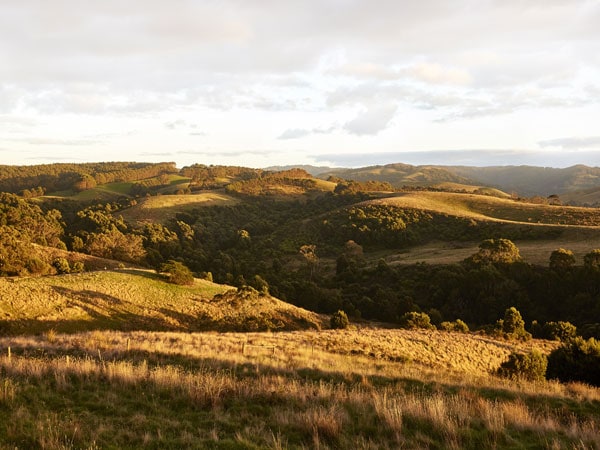
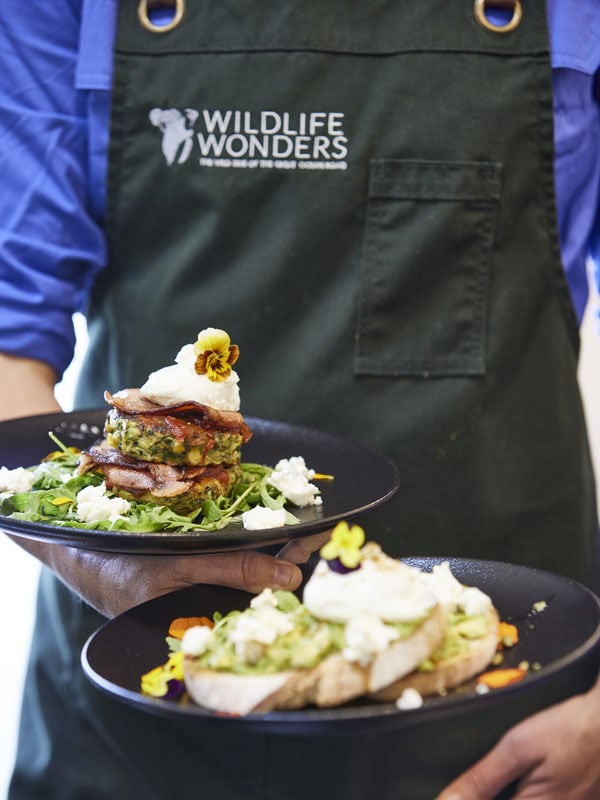
Wildlife Wonders , just five kilometres from Apollo Bay, has it all: eucalypt forests rich with birdlife, free-ranging native mammals, accessible walking trails, passionate nature guides, blockbuster ocean views and excellent coffee (from Apollo Bay Roaster, Hello Coffee) at the on-site cafe.
More than a kilometre of feral predator-proof fencing provides a sanctuary for native fauna to freely roam, as nature intended. And the best part is that every visit to Wildlife Wonders supports the work of the Conservation Ecology Centre, a long-running not-for-profit organisation dedicated to boosting biodiversity in the Otways region via environmental research, habitat restoration and species recovery programs.
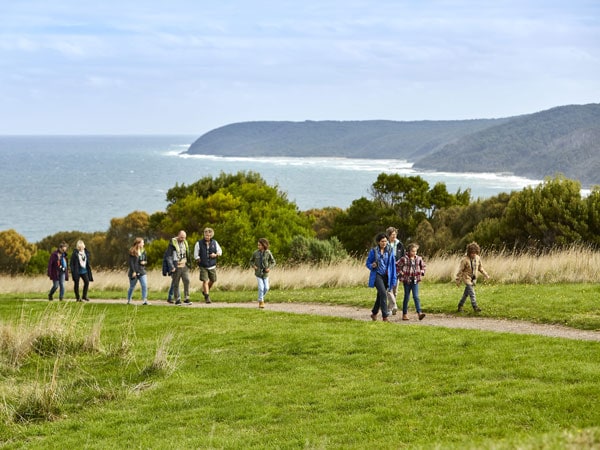
During a 75-minute guided walking tour through the habitat, you’ll get the chance to see some of Australia’s best-known animals (koalas, wallabies, emus and kangaroos) but there’s also plenty of other species you might not have encountered before, such as Tasmanian pademelons, eastern bettongs, southern brown bandicoots, long-nosed potoroos and the endangered Otways black snail, a carnivorous mollusc only found in the Otway Ranges.
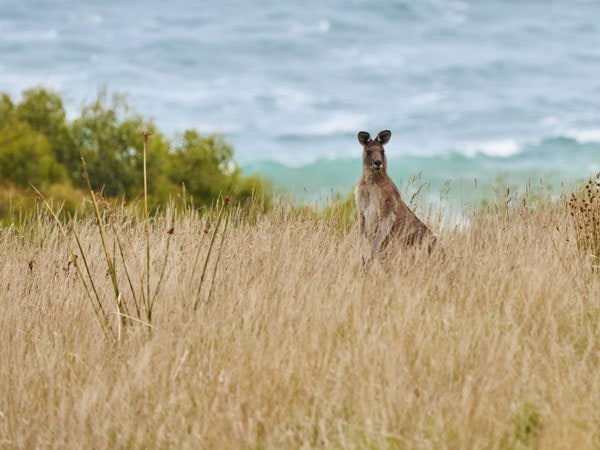
All creatures great and small are honoured here, so next time you’re travelling along the Great Ocean Road, make a detour and take a walk on the wild side.
2. The tiny trend making big waves
Travelling with: Emily Murphy
Surrounded by a lush green pine forest, I step out of my car and am greeted with silence as I’ve never heard it. Calm, peaceful, sleepy serenity. I’m physically only two hours south of Sydney, but mentally I’m a world away. We pack our things into wheelbarrows and tread down the steep hill, a few hundred metres into the wild unknown. Enveloped by ferns and leafy canopies, I’m amazed this can be found so close to the city.
The trees open into a clearing, and then we see her. Jojo, our Unyoked cabin. With cabins all over the country, Unyoked was created to help people understand how nature can make us better and allow us to weave it into our lives easily and regularly.
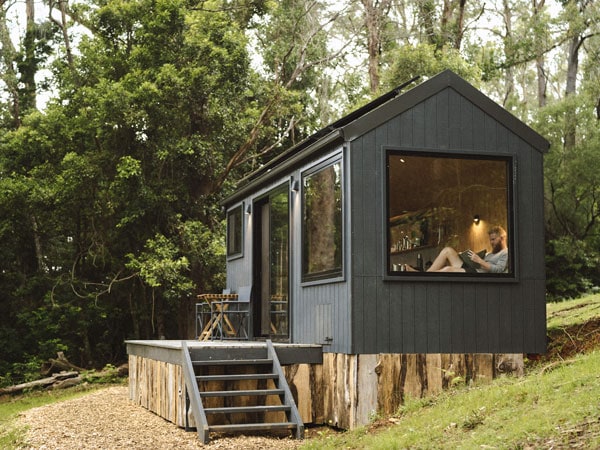
Jojo welcomes us with her charm, comfort and all-encompassing luxury. The plush KOALA queen-size bed sits surrounded by two giant windows overlooking the small valley below, the same serene views you’ll soak in from the bathroom’s rainfall shower.
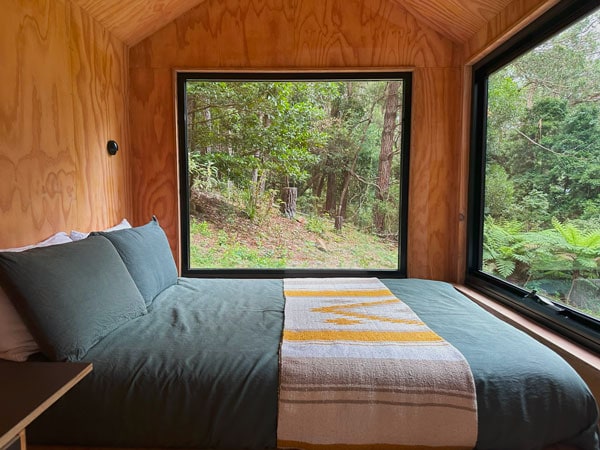
The next two days are filled with fire-making, games of UNO and Scrabble, kitchen experiments, walks in the forest and a whole lot of lying in bed watching and hearing wildlife float by the windows. I leave feeling more connected to nature than I have in as long as I can remember.
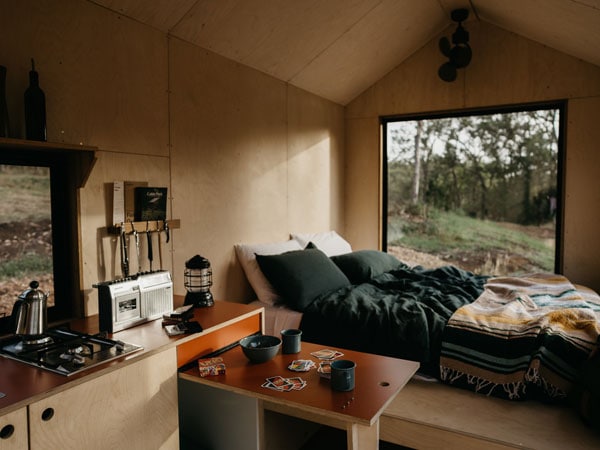
The pure perspective of how big nature is and how small we are in comparison reminded me I need to show more love and give more space to the world around me. Unyoked isn’t the only company going off-grid for nature. The trend is growing, with tiny houses springing up like mushrooms after rain.
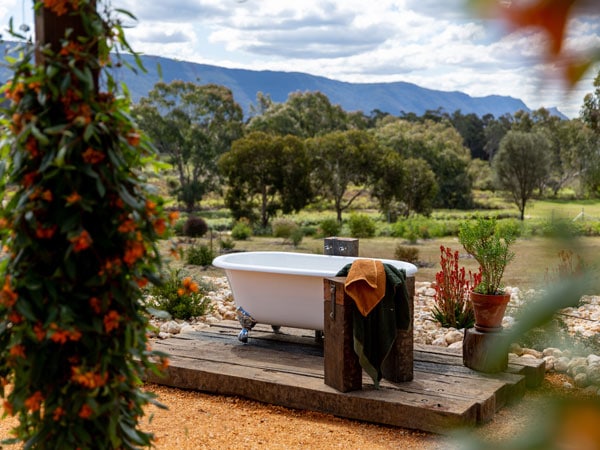
For an immersive tiny house in the foothills of Victoria’s Grampians/Gariwerd, Nook on the Hill is built almost entirely from repurposed materials. Complete with a stunning outdoor bath, this tiny house is the perfect cosy escape.
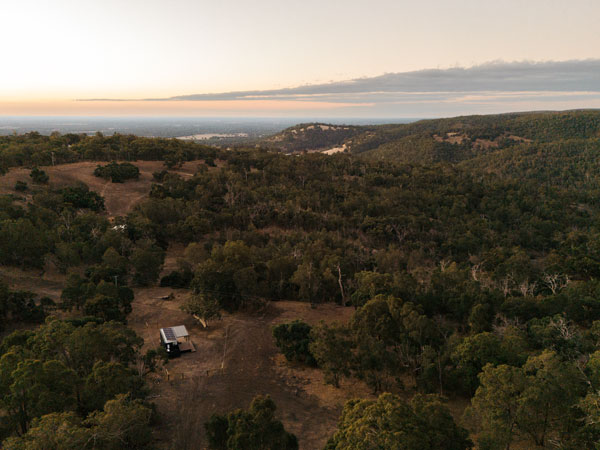
Over in WA, you’ll find Heyscape – tiny cabins for those who love being immersed in nature, but also love a comfortable bed with the blinds drawn. In Queensland’s Lamington National Park, part of The Gondwana Rainforests of Australia, Binna Burra Lodge has just opened its new Tiny Wild Houses.
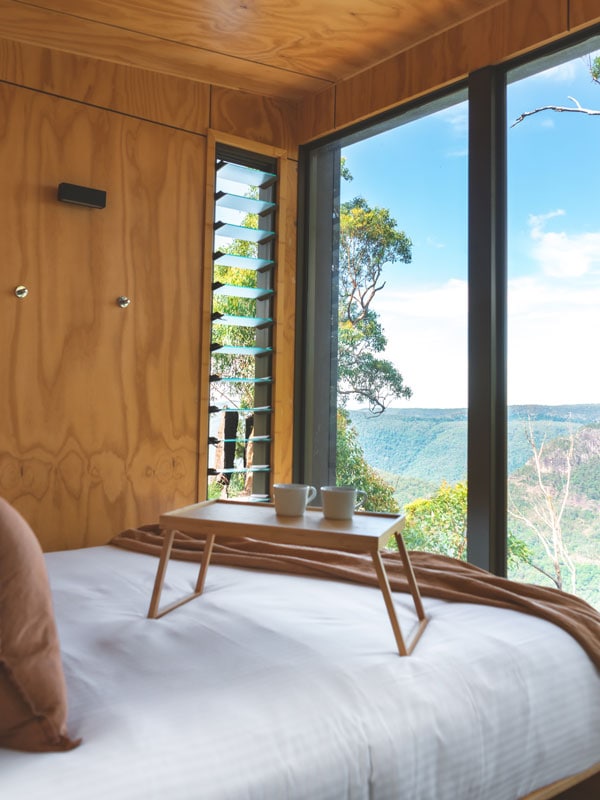
Part of the historic rainforest lodge’s post-bushfire rebuild, they have an entire glass wall providing stunning vistas of the Ships Stern Range. If you’re looking for capital in Canberra, Cubby and Co offer ‘naked’ stays, encouraging guests to leave technology behind and reconnect with loved ones, nature and the stars.
3. Go elemental in the Grampians/Gariwerd
Travelling with: Imogen Eveson
The distinctive craggy mountains of the Grampians/Gariwerd range rise dramatically from pastoral plains, carving a landscape unique in Victoria and creating an environment ripe for outdoor pursuits.
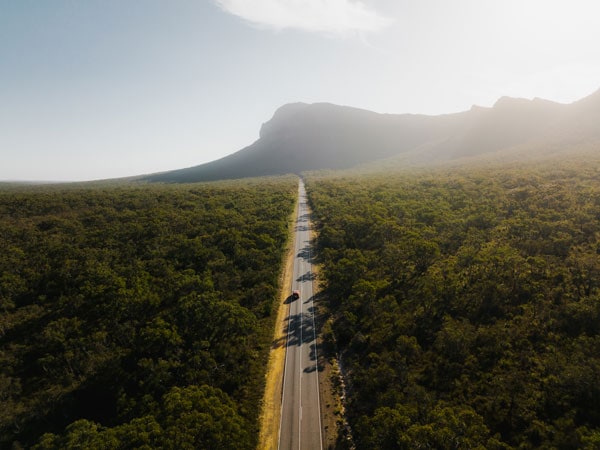
Three hours’ drive west of Melbourne, this quietly achieving region is known as a hiking hotspot – and the launch of the 13-day Grampians Peaks Trail in late 2021 further cemented its status.
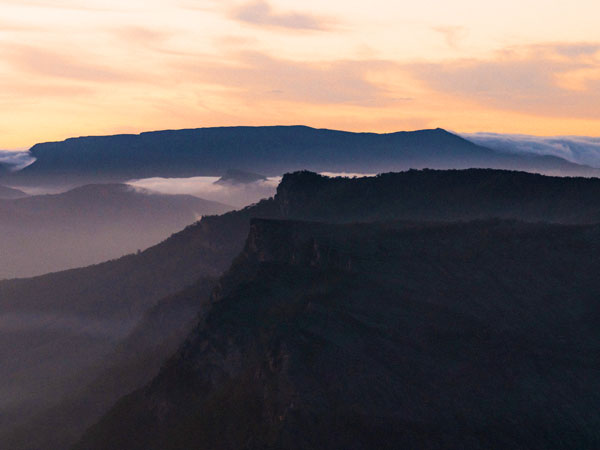
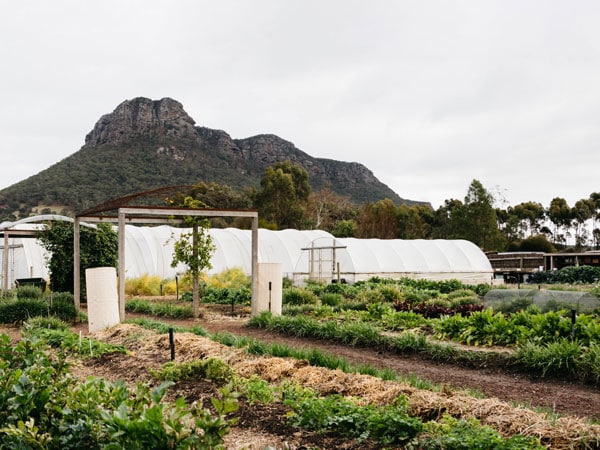
It’s an elemental kind of place. But you will feel connected to those elements no matter your pace of pursuit: whether scaling Mt Sturgeon/Wurgarri or sitting in its shadow at Wickens at the Royal Mail Hotel , tucking into a degustation made with veg freshly plucked from the kitchen garden.
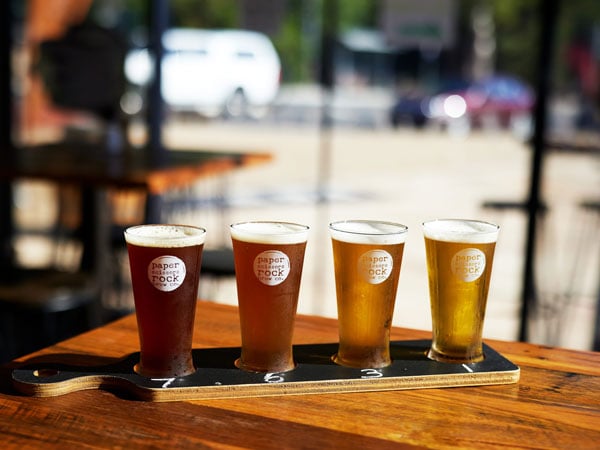
You’ll feel it when taking a moment to sip pale ale in the sun at Paper Scissors Rock craft brewery in main hub Halls Gap. Or squirrelling away a bottle of local Fallen Giants shiraz and holing up in the region’s newest boutique accommodation (but 10 years in the planning), the lovingly handcrafted Nook on the Hill.
4. Fly in the country’s first Indigenous-owned hot-air balloon
Travelling with: Megan Arkinstall
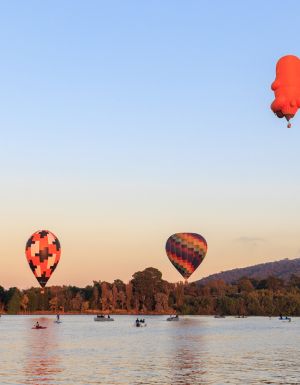
Outback Queensland’s Yagurli Tours has launched the first 100 per cent Indigenous-owned hot-air balloon experience in Australia. What started as a fishing charter service in Burketown in 2017 has now grown to include sunset cruises, history and cultural tours, and now hot-air balloon flights over the Gulf of Carpentaria.
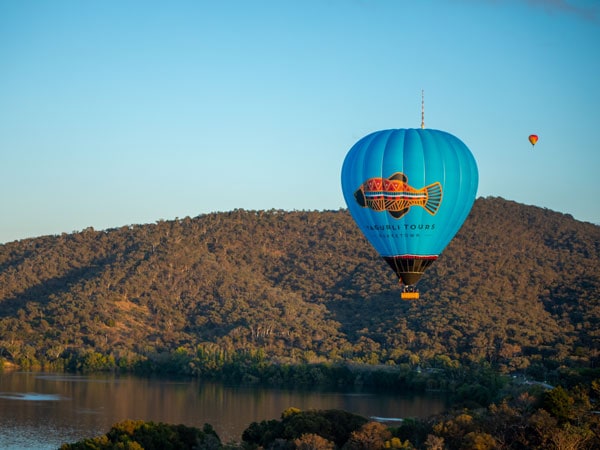
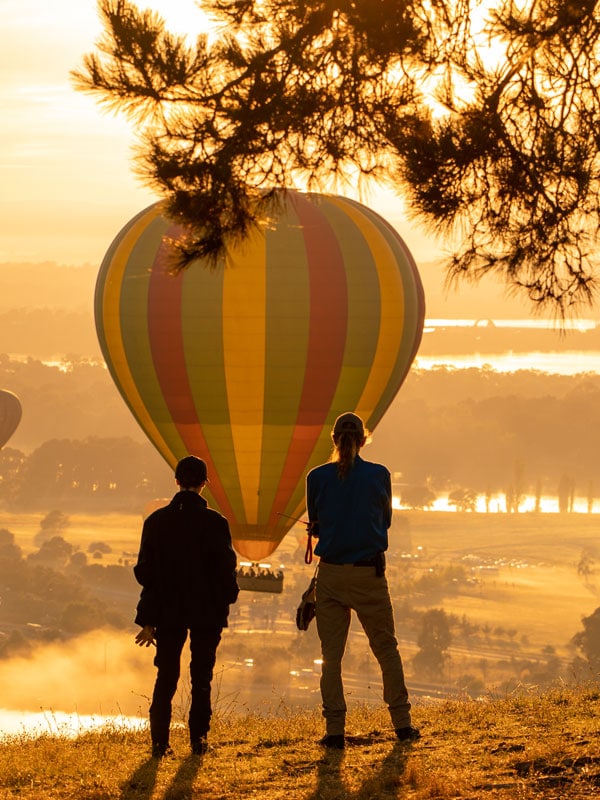
Soar over the country’s largest salt pan with views of the Albert River and the ocean, and learn about the rich cultural heritage and local flora and fauna of Gangalidda and Garawa Country. As well as sunrise flights, the company is set to offer afternoon and evening flights, the first and only location in Australia to do so.
5. An immersive Indigenous tour debuts in the Scenic Rim
Travelling with: Craig Tansley
“Sorry… I ran out of breath," Kruze Summers (aka Gurruhmun) stops playing his didgeridoo mid-song and speaks slowly through a grin. “I’ve been practising all morning." His Yarriba Dreaming tour is new and he’s a little anxious, but that’s part of the charm of it: it’s a fresh look at a region we know little about.
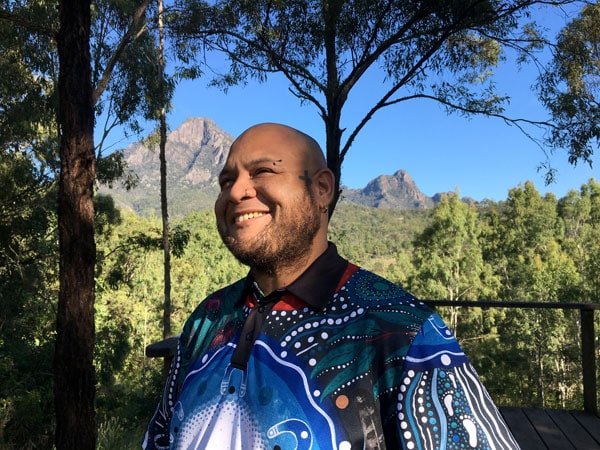
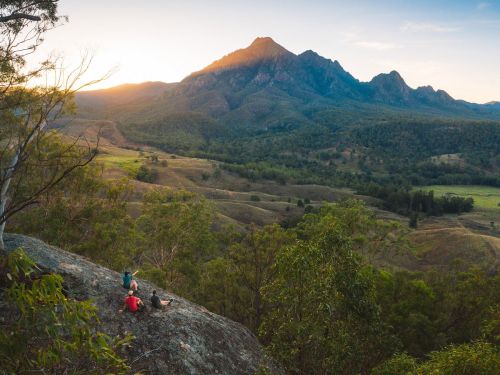
We’re in Queensland’s Scenic Rim at Mt Barney Lodge, beside the second-tallest mountain in south-east Queensland. Summers – a Ugarapul and Bidjara man – takes guests on the first Indigenous tour in the region, allowing guests to connect with nature on a walking tour using knowledge passed down to him by his grandfather, a significant local Elder; yarriba means walking together.
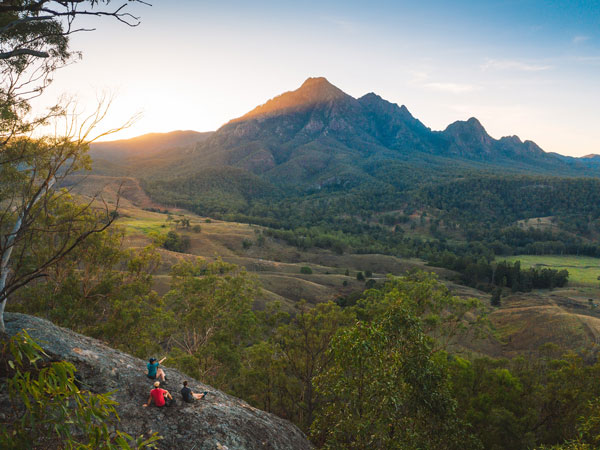
First introduced as a three-day tour last year, Summers is now offering half- and full-day versions of the tour. I’m staying in a homestead that’s more than a century old (that was once part of a dairy farm) within the grounds of the lodge.
Summers’ tour offers an immersive look into the lives of thousands of generations of his ancestors. He takes me to a sacred birthing waterhole, tells me the laws of the place and paints a picture of how life was here. “This was a special place," he says. “Life began here, men were not allowed without permission. This is a woman’s world."
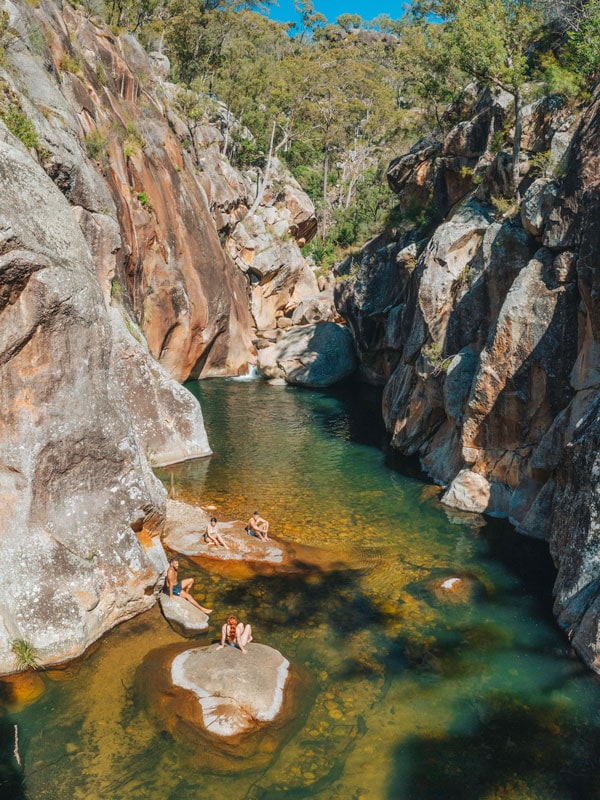
We collect bush tucker, such as the bulrush that lines the river banks, and we sit awhile and study the animals of the bush; Summers explains which of them are sacred to his people. “A lot of culture in this area was decimated with colonisation," he says. “All our secrets, all our totems, all our laws, they were never written down. There’s so much knowledge passed down; I’m just trying to pass it on."
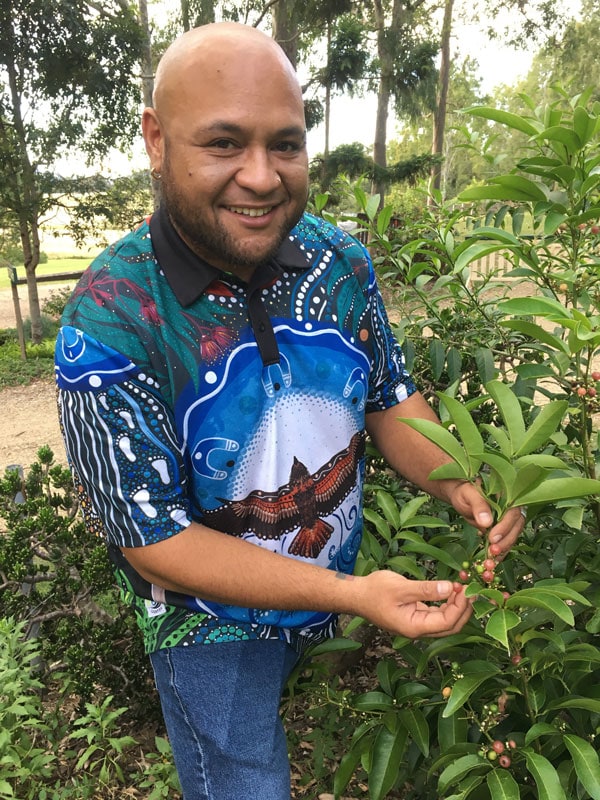
At dusk we gather round a fire that we light without matches to sit under a million stars eating Y-bone steaks cooked in a stew on its embers. “There’s not one story that explains everything at any place," Summers says. “I’m just telling you my version, passed down by my grandfather, by his grandfather before. There’s a complexity to all of it. There are stories I don’t know, but that’s the beauty of this place."
6. Wander the Wild South Coast Way
Travelling with: Alexis Buxton-Collins
Less than two hours from Adelaide, Deep Creek National Park is filled with deep gorges, dappled sclerophyll forests and windswept clifftops looking across the treacherous Backstairs Passage to the rugged coastline of Kangaroo Island.
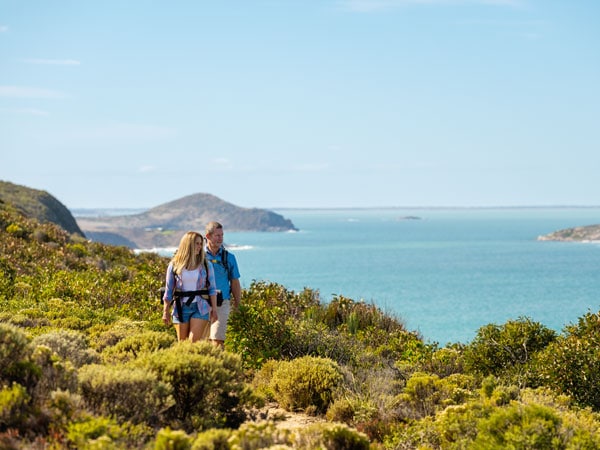
Add in hidden coves ringed by granite boulders covered in orange lichen and the tannin-stained waters of an infamously cold waterfall, and it’s easy to see why the South Australian park is so popular with locals.
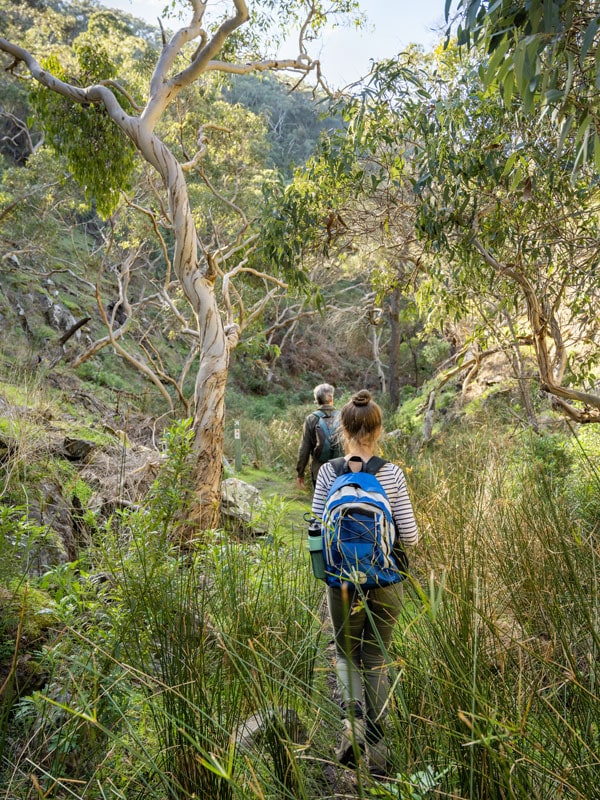
But you can avoid the masses by tackling the five-day Wild South Coast Way hike that connects Cape Jervis and Victor Harbor via new walk-in campsites, where the only crowds you’re likely to see are mobs of roos grazing on the yacca-studded slopes at sunset.
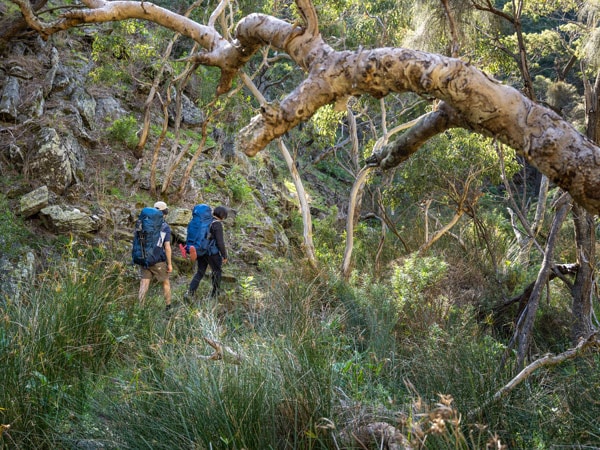
As a bonus, download the geo-located National Parks app and you’ll trigger stories from park rangers and Traditional Owners at certain locations along the hike.
7. Take in the scale of the Pilliga, NSW’s hidden wilderness
Travelling with: Daniel Down
The Pilliga is like a brilliant green island in a sea of brown pasture on the western side of the Great Dividing Range, and a bastion of what once was: a forest wilderness.
If you’re in NSW’s Narrabri region, this massive swathe of nature – habitat for koalas and endemic animals such as the Pilliga mouse – is essential viewing often skipped over in favour of spots with a little more clout to their name.
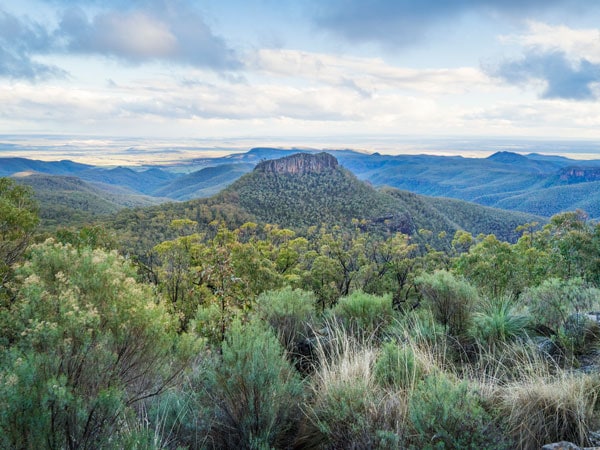
The best way to see its Amazon-like scale is to climb two mountains, each in a spectacular national park. Take a day to climb Mt Exmouth in the Warrumbungles to the south-west of the Pilliga. From here you can look north out across the Pilliga’s infinite stretch of eucalypts. Legs rested, take the Newell Highway north.
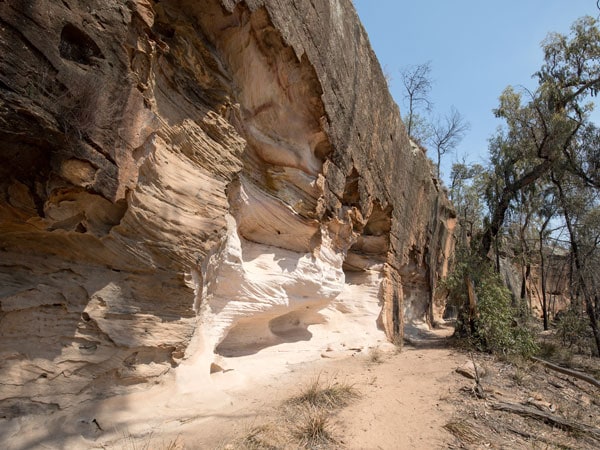
Stop at the Sandstone Caves in Pilliga Nature Reserve, sacred to the Gamilaraay people, before heading on to Narrabri and Mt Kaputar National Park. Book a cabin or camp for the night and summit the titular mountain in the evening to watch the sun sink into the Pilliga. It’s life-affirming stuff.
8. Rising above the Murray River
Travelling with: Emily Murphy
Once-in-a-century floods tore through South Australia’s Murray River regions in summer 2022, devastating communities in its wake. Recovery efforts have been fierce, and there’s never been a better time to discover the Riverland and Murray River, Lakes and Coorong regions.
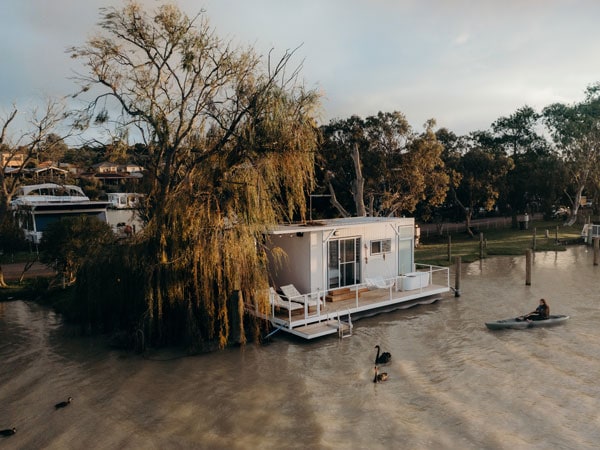
The Murray River, Lakes and Coorong is ideal for floating downstream on a houseboat, with the sounds of birds as your playlist and the dramatic sunset as your backdrop. Whereas the Riverland has its own unique flow of giant cliffs, wetlands, mallee scrub and is the country’s largest wine-producing region.
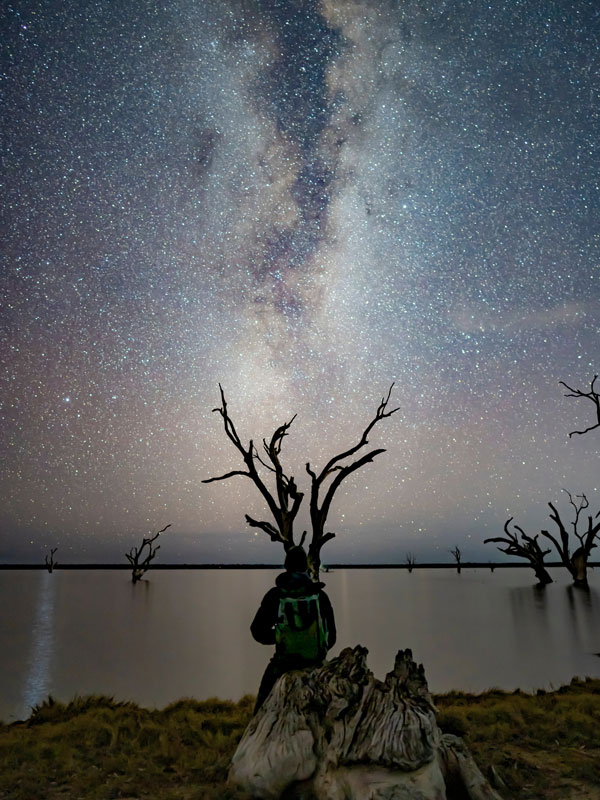
Don’t miss stargazing at the River Murray International Dark Sky Reserve , Australia’s first Dark Sky Reserve, to see the Milky Way at its most magical.
9. Cruise wild Tasmania on a luxury catamaran
Travelling with: Taylah Darnell
Admire the most remote wilderness areas of Tasmania from the comfort of Odalisque III, On Board ’s newest family member. The luxurious boutique catamaran has been purpose-built for exploring Tasmanian waters with the family-owned expedition company.
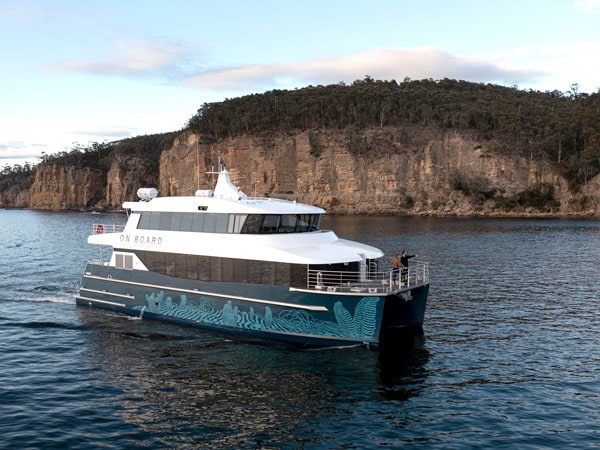
During an expedition, guests are treated to gourmet meals in the Wheelhouse Lounge, local wines and treats, guided off-ship walks and world-class service from staff.
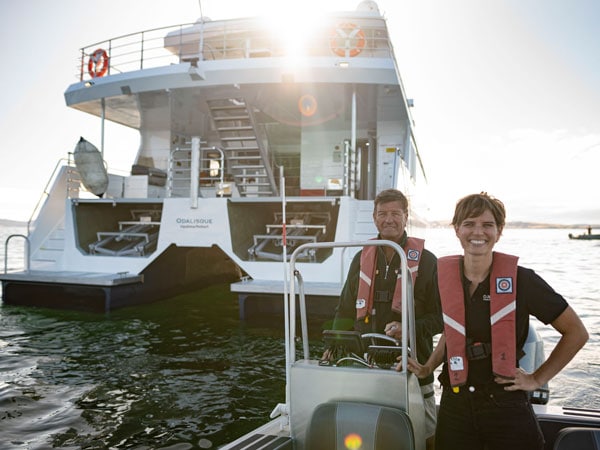
Enjoy panoramic views from one of three outdoor viewing decks by day and dream away from a luxe queen bed in one of six private cabins by night. Odalisque III has been outfitted with materials designed to have a low environmental impact, so you can relax guilt-free.
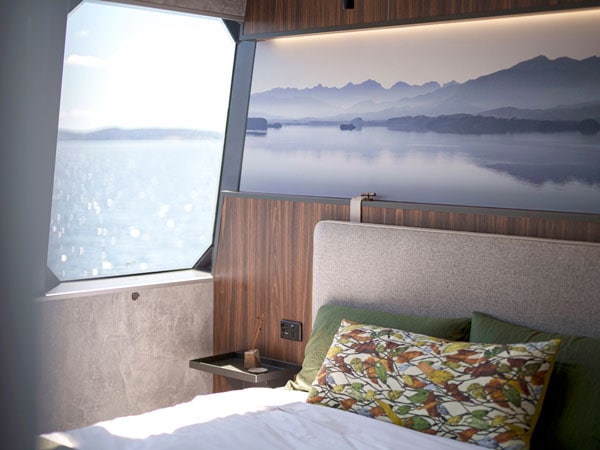
10. Get clued up on Christmas Island
Travelling with: Carla Grossetti
Perhaps it’s the annual red crab migration, which sees millions of crabs descend like a red curtain into the sea. Maybe it’s the fact that 63 per cent of Christmas Island is clad in emerald jungle. Or the fact you might spot the rare brown booby nesting on its rocky shores and a frigatebird in the forest canopy. There are a multitude of reasons more and more visitors seem to be clued up about Christmas Island.
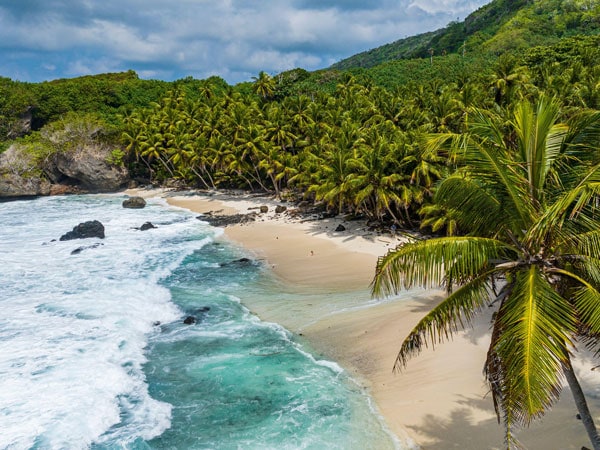
The opportunity to swim with giant whale sharks is another draw for this destination. In addition to the red crab migration, you can book a tour year-round with Indian Ocean Experiences (part of Australian Wildlife Journeys’ portfolio of extraordinary adventures; also see Naturaliste Charters below), to snorkel and dive with shoals of colourful fish. Or watch the waves drum onto the shore near the famous blowholes.
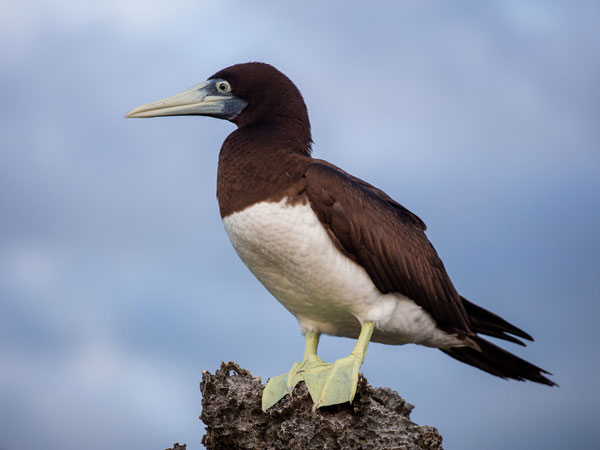
You can also take a deeper dive into this Australian territory when you explore its colourful multicultural history. Put this remarkable destination at WA’s doorstep on your radar if you’re in pursuit of nature and adventure.
11. Western Australia’s orca hotspot
Travelling with: Katie Carlin
The spotlight has been firmly on the tiny WA hamlet of Bremer Bay since the film adaption of Tim Winton’s Blueback hit cinemas in 2022, but between January and April it’s also frequented by the stars of a different film franchise – killer whales (orcas).
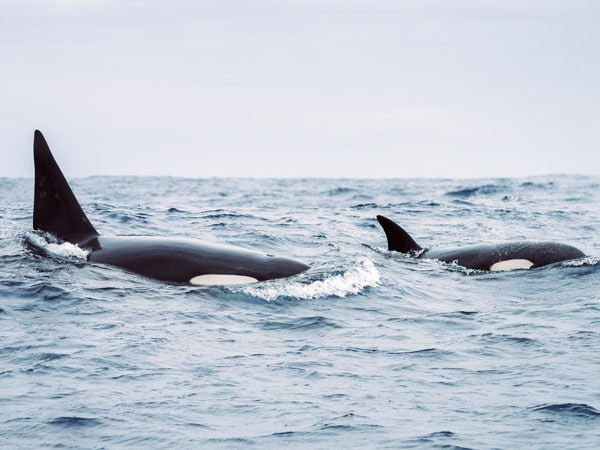
Around 65 kilometres offshore in the 5000-metre-deep Bremer Canyon, more than a hundred orcas are on the hunt – and Naturaliste Charters takes travellers right into the centre of the daily feeding frenzy.
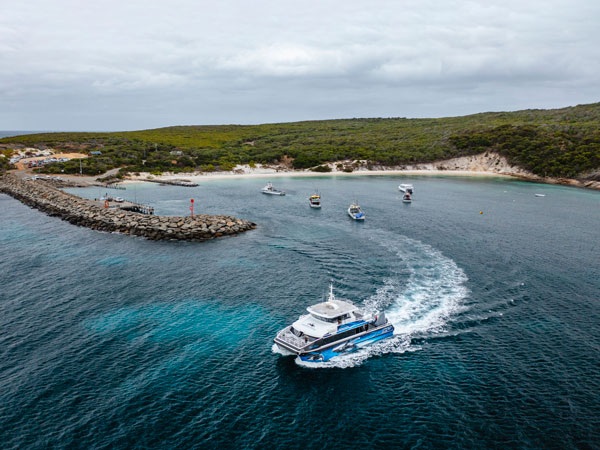
The full-day group tour is led by a qualified marine biologist, so expect a thorough retelling of the guide’s most thrilling encounters peppered with extensive knowledge of the local marine ecology teeming just beneath the surface.