
Look up for the last (and best) meteor shower of the year.
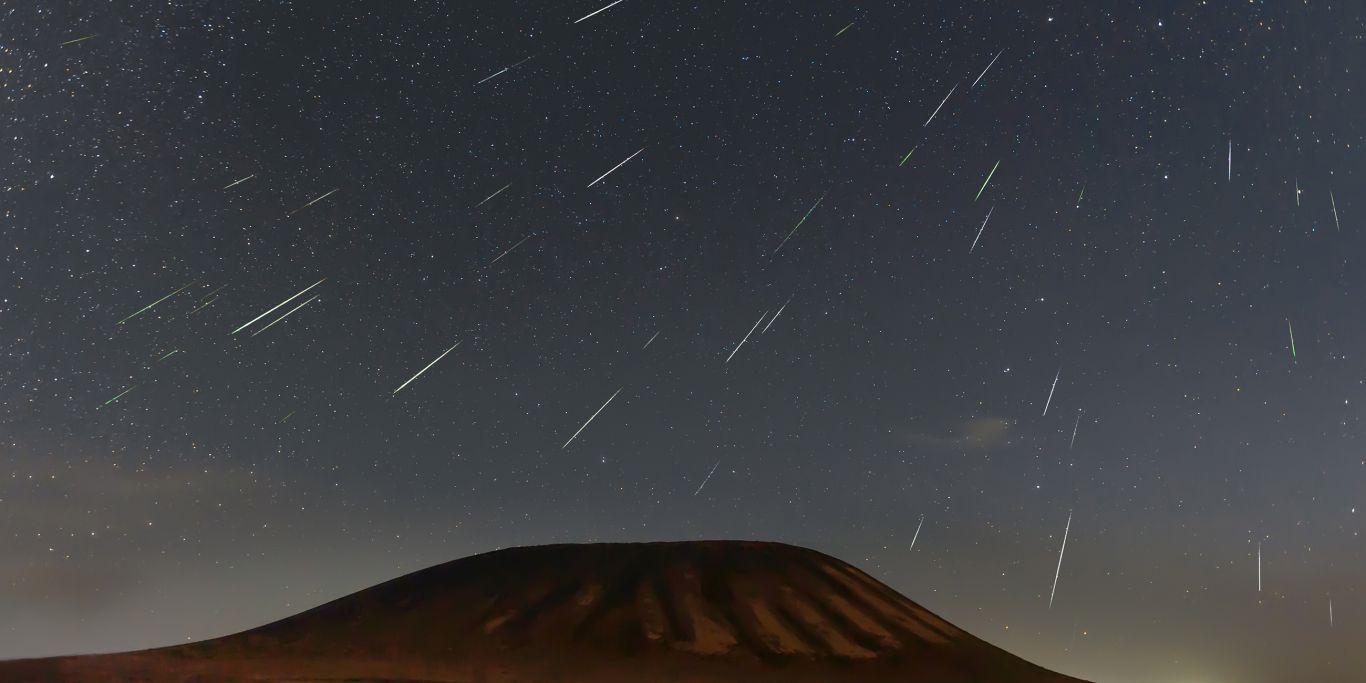
There’s something magical about meteor showers, a sky of shooting stars twinkling across the sky. It seems a fitting way to end 2025, so luckily, Australia will be treated to one last show: The Geminid meteor shower.
What is the Geminid meteor shower?
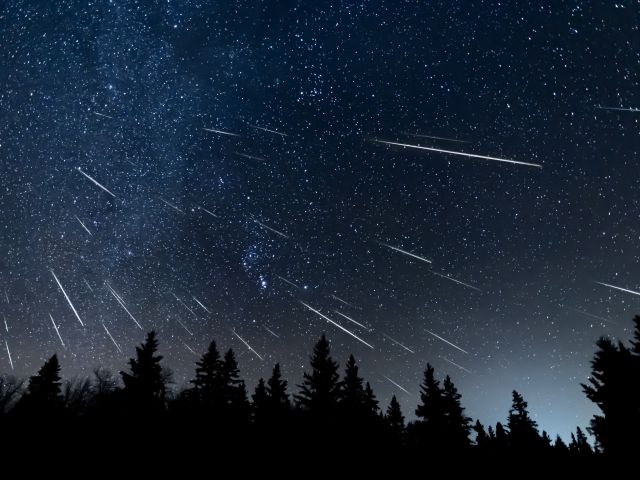
Several night sky organisations rank the Geminids at the top of their lists, like the International Meteor Organization , which calls the meteor shower the “best and most reliable of the major annual showers presently observable". The shower originates from the asteroid 3200 Phaethon, which NASA has stated orbits the Earth in approximately 1.4 years.
Not only is it one of the brightest celestial displays, but the Geminid meteor shower is occasionally the colour of fireworks: yellow, green, blue and red. This is thanks to the various metallic elements in the debris from the asteroid – think sodium, magnesium and calcium. These elements burn in different colours as they vaporise in Earth’s atmosphere.
When to watch
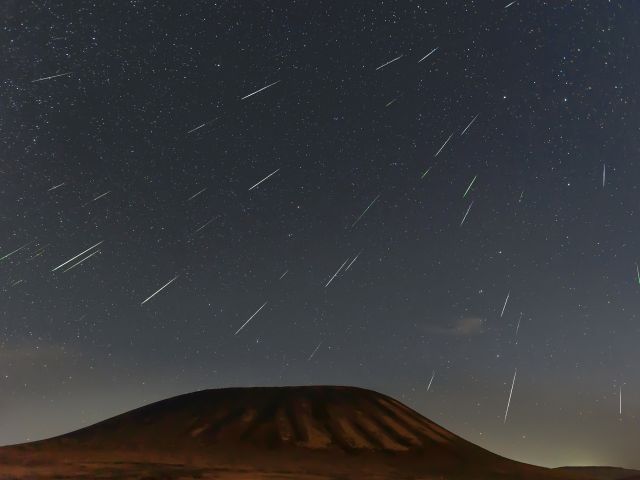
While the shower has already started, and will continue until 24 December, its peak performance is coming up. The predicted peak (aka when the meteors will be shining brightest in the night sky) is between 14-15 December.
This is thanks to a waning crescent moon that won’t interfere with a dark sky backdrop for the Geminids to put on their show.
Where to watch

As with all night sky events, a clear, dark sky is the dream. According to EarthSky , when the conditions are just right – ie, you’re under a dark sky with no moon – you might catch 120 Geminid meteors per hour. So yes, you probably want to head out of the city, with all its light pollution. In Australia, you’ll also need a clear view of the eastern sky.
A pollution solution? Join Thredbo’s Geminids Meteor Shower Hike. This unique adventure takes hikers on a guided journey to the summit of Mt Kosciuszko, climbing steadily as day turns to night, until stopping to watch the natural light show in astonishing clarity at the peak. The 13-kilometre Grade 3 round-trip is challenging but rewarding.
Rather go it alone? Try designated Dark Sky Parks like Warrumbungle National Park in NSW, or head to as remote a location as you can get to.