How to prepare for a cyclone, according to an expert

hero media
Yetta Gurtner , James Cook University

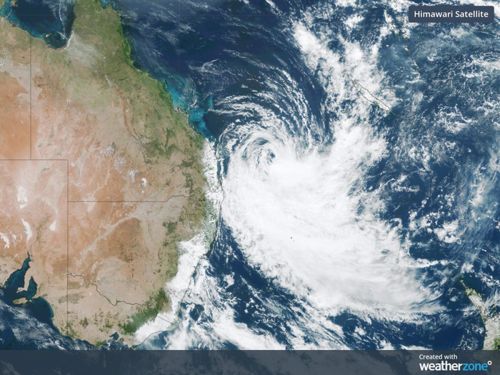
Tropical Cyclone Alfred is predicted to make landfall anywhere between Bundaberg and northern New South Wales this week. The Australian Bureau of Meteorology has warned it may bring severe hazards and “dangerous and life-threatening flash flooding".

So, how do you prepare for a cyclone – and what do you do if it’s too late to leave?

Tropical #CycloneAlfred (category 2) will continue moving southeastwards away from the #Qld coast on Monday before it’s expected to slow down and turn westward from Tues, moving towards the southern Qld coast.

Latest: https://t.co/4KFWWiahr3 pic.twitter.com/N8cdRzij7a

— Bureau of Meteorology, Australia (@BOM_au) March 2, 2025

How to prepare

Your starting point is to consider the risk to yourself and everyone in your household (including pets). Consider ensuring you have:

  • non-perishable food that everyone in the family will eat (enough for five to seven days)
  • water for drinking and cleaning (three litres per person per day)
  • medication (two weeks worth)
  • toiletries and first aid kit
  • pet food/supplies
  • torches
  • batteries
  • a back up battery for your phone
  • baby formula and nappies if needed
  • protective clothing and closed-in shoes
  • cash in small denominations
  • valuable documents such as passports, title deeds, ID, insurance details, photos (these can be photographed or packed in weather-proof container or envelope)
  • kids’ books, card games, board games, headphones
  • anything else you may need or really value (and isn’t too heavy to carry).

Make sure you have a grab-and-go kit that you can carry by yourself if authorities suddenly tell you to evacuate immediately.

Conventional wisdom used to be to prepare enough supplies for three days of disruption. Now, experts recommend having enough for five to seven days. After the initial disaster there may be road blockages or supply chain problems.

Ensure you have enough medication for a week or two, because pharmacies may take days or weeks to re-open. And remember that many medications, such as insulin, need to be refrigerated, so consider how you’d keep them cool if the power went out.

Fill containers with water and stick them in your freezer now; they can keep your freezer cool if you lose power. They can also become drinking water in future.

Talk to your neighbours. Do they have a generator or a camping fridge you can use? This is a great opportunity to get to know your community and pool your resources.

Ask yourself if you have friends with whom you or a pet can stay. One of the main reasons people don’t evacuate is because they can’t bring their pets (not all evacuation shelters allow them, so check in advance).

Consider what you can do now to prepare your house. One of the most common call-outs the SES receives is about blocked drains and gutters, so check if there’s time to clean your gutters now. You won’t be able to do it during the storm.

Stay informed – and don’t rely on hearsay

Have a plan for getting truthful information before, during and after the cyclone.

Rely on the information provided by official sources, as they will tell you when it’s too late to evacuate or when it’s safe to come out. This is highly context-specific and will depend on where you are located.

Get advice where possible from your local council’s disaster dashboard (most councils have one).

It should provide information such as where to get sandbags, which roads are closed (which can affect your evacuation plan) and evacuation centre openings and locations.

Anyone who monitors social media will see how many amateur meteorologists and maps are out there, but these are often not the best source. Always rely on official sources rather than hearsay, trending footage or amateur “experts".

Always have an battery-operated AM-FM radio. If power goes out, relying on your phone to track information will drain your phone battery very quickly.

You may be able to charge it via your car or laptop, but telecommunications networks may not be active.

So having a battery-operated radio on hand – and plenty of batteries – is crucial.

⚠️Issued 4:51am AEST Monday 3 March 2025⚠️

🌀The latest track map for Tropical #CycloneAlfred is available.

Regardless of the track Alfred takes, severe coastal hazards are likely for southern #Qld and north-east #NSW .

Track Map & Cyclone Bulletin: https://t.co/OGEZjBtOPJ pic.twitter.com/hhckFxyQtj

— Bureau of Meteorology, Queensland (@BOM_Qld) March 2, 2025

What if the cyclone hits while you’re at home?

If it’s too late to evacuate, have a plan for sheltering in place.

Find the smallest room in your house with the least windows (which can shatter in a storm). This is often the bathroom, but it could be under the stairs. It is usually on the lowest level of the house.

Bring your food, water, radio, blankets and supplies there. Avoid walking around the house during the cyclone to fetch things; there could be glass on the floor or debris flying around.

It’s hard to predict how long you will need to shelter there, but it’s important not to leave until official sources say it is safe to do so.

Cyclones come in stages. They arrive from one direction, then comes an eerie calm as the “eye of the storm" passes over. Next, the other half of the cyclone arrives. Don’t go outside during the eye of the storm, because it’s not over.

Outside the house, there may be powerlines down, broken glass and other hazards. Don’t venture out until you get official clearance from the disaster dashboard or official sources on the radio saying it is safe.

For non-life threatening emergencies – such as a tree on your roof, or water running through your house – call the SES on 132 500 or register on the SES Assistance app (if you’re in Queensland). They will not come during the event itself but will come later.

If it’s a life threatening emergency, always call triple 0.

After the storm

After the storm, consider how to make your house more cyclone-ready in future. Many houses in North Queensland are designed for cyclone zones, but not as many further south will be.

Climate change means cyclones are likely to be more severe in future. These days, be cyclone-ready 365 days a year.

Yetta Gurtner , Adjunct senior lecturer, Centre for Disaster Studies, James Cook University

This article is republished from The Conversation under a Creative Commons license. Read the original article .

hero media

Your guide to feeling rested and reconnected after your holiday

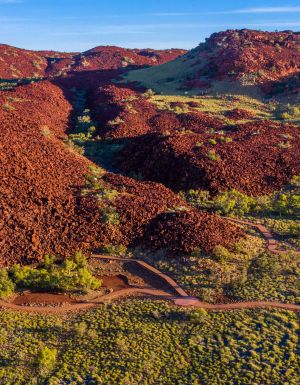
The wild, otherworldly beauty of The Grampians offers a perfect place to unwind, slow down and relax.

Not all holidays yield the same result; some are bustling, with endless things to do, events to book and places to see. All great things, but they leave you feeling more tired than before. Then, there are destinations that help you slow down, making real connections and participating in self-care.

Destinations like The Grampians : surrounded by untouched nature, allowing a chance to reconnect with yourself and loved ones at a slower pace.

Discover six science-backed ways to enjoy a holiday and feel restored at the end of it.

1. Practice mindfulness

Hamilton Gallery, the grampians
Be present at Hamilton Gallery. (Image: Visit Victoria)

Mindfulness – the practice of tuning into the present moment – has been found to help in reducing stress, anxiety and depression. One way to practice this art is by immersing yourself in art.

Hamilton Gallery has been in operation for over 60 years, and is not only home to many significant art pieces but also runs workshops and events for all ages to expand their awareness and understanding of art. The gallery is also the custodian of the largest collection of Gunditjmara artefacts held on country.

If you prefer to practice mindfulness through movement, visit Halls Gap Zoo to feed the meerkats – who wouldn’t feel better after focusing on these little guys? Or visit The Grampians Horse Riding Centre for an unforgettable morning ride through 10 kilometres of bushland. Enjoy the soothing movement of the horse and experience the bush anew.

2. Indulge in self-care

two people swimming in the Venus Baths, the grampains
Take an immersive bath in nature on the Venus Baths loop walk. (Image: Visit Victoria)

While the term self-care might conjure up images of indulgent bubble baths or a soothing massage, there’s more to it than pampering. Self-care is any action that protects your physical, emotional and mental well-being.

Like taking an immersive ‘bath’ in nature. Do just that on the Venus Baths loop walk – ideal for less experienced hikers or those walking with kids – stopping at freshwater-filled rockpools to cool down along the way.

Serious hikers (we’re talking some rock hopping and traversing slippery tracks) can tackle the Wurgarri, or Mount Sturgeon walk, which rewards the effort with panoramic views from the summit.

For those whose idea of self-care leans more towards arts and culture, a visit to WAMA is a must. Australia’s first national centre for environmental art is home to exhibitions that explore the natural world through film, installation, painting, performance and more.

3. Embrace nature

Boroka Lookout, the grampians
Soak in incredible views over Halls Gap at Boroka Lookout. (Image: Visit Victoria)

Spending time in nature is the ultimate way to soothe your body and mind. It’s been proven to help with all manner of things, from reducing stress to boosting cognitive function. And there’s no better place to enjoy it than among the raw sandstone, wildflowers and native creatures of The Grampians.

Rocklands Reservoir, spanning 6700 hectares, is an ideal spot. Breathe in the fresh air and enjoy the view over Grampians National Park. Cast a line, hire a canoe or follow nature trails along the water’s perimeter. How’s the serenity?

To appreciate nature’s imposing power, head to Splitters Falls. Here, find unrivalled tranquillity. Spring is the best time to visit, when bouquets of native spring flowers greet visitors.

Those with limited mobility will appreciate Boroka Lookout, a viewing platform surrounded by breathtaking views over Halls Gap and the eastern Grampians. Come early to witness a sunrise you’ll never forget.

4. Prioritise Rest

outdoor bathtub at Nook On The Hill
Recharge at Nook on the Hill. (Image: Visit Victoria)

Above all else, a holiday should be an opportunity to recharge, and there’s no better way to do it than to get a good night’s sleep. We don’t need to tell you how essential sleep is, for everything from mental health to strengthening the immune system.

Try Wanderlust Glamping , where guests fall asleep to the soothing sounds of nature after an evening relaxing around the fire pit and wake to your very own green oasis.

For pure luxury in the foothills of the Grampians National Park, look no further than Nook on the Hill – a handcrafted tiny house surrounded by rewilded, lush native Australian bush. It might be small, but Nook on the Hill has everything needed to unwind in style, including an outdoor bath for balmy nights.

For a modern farm stay, book at Mount William Station in the foothills of The Grampians. The station combines old-world charm with modern amenities and easy access to everything this region has to offer.

5. Engage Your Senses

Salingers Cafe, destinations that help you slow down
Indulge in a meal at Salingers. (Image: Visit Victoria)

Few human senses are as fun to indulge in as taste. A meal at Salingers in Great Western is the ultimate treat, and not only for the taste buds. The food is excellent, but Salingers’ really unique attraction is the bustling beehive that lives within the walls of the historic building.

For an expertly smoked burger, ribs, or beef brisket, head to Flame Brothers in Halls Gap. Tuck into delicious food while you enjoy the view.

If you prefer your senses heightened by the pump of adrenaline, Grampians Soaring Club offers an eagle-eye view of the Grampians National Park and Pyrenees Ranges from a glider. Take in the sights with a cross-country flight, ridge soar, or altitude wave flight.

6. Connect and reconnect

The Dimboola Imaginarium, Wimmera Mallee victoria
Step into the whacky Dimboola Imaginarium. (Image: Denis Bin)

Making shared memories is a wonderful way to reconnect with old friends or make new ones. These unexpected finds make it easy to discover something new in The Grampians.

Amateur geologists will delight at the Kanawinka geotrail, which covers 60 sites over Australia’s most extensive volcanic province. Visit the Penshurst Volcano Discovery Centre to learn more about volcanic activity in The Grampians, or head to nearby Mount Napier State Park for a trip into the Byaduk lava caves.

Pop in to the Ros McArthur Art Studio to peruse the gardens full of native and exotic plants and flowers that serve as the subjects of Ros’s still life paintings.

For a shopping experience like no other, head to the Dimboola Imaginarium . Far more than a shop, the Dimboola Imaginarium is an immersive experience where you’ll find all manner of quirky bits and pieces. Expect the unexpected.

Put these science-backed holiday benefits to the test during a trip to The Grampians. Plan your peaceful getaway at visitgrampians.com.au.