How to prepare for a cyclone, according to an expert

hero media
Yetta Gurtner , James Cook University

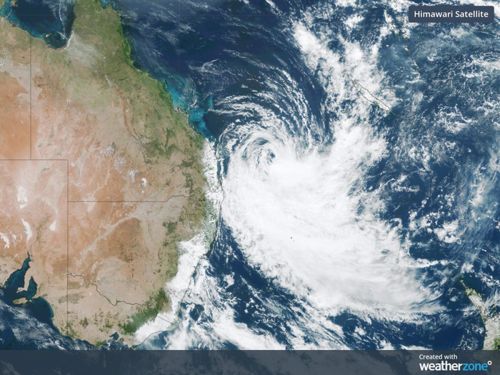
Tropical Cyclone Alfred is predicted to make landfall anywhere between Bundaberg and northern New South Wales this week. The Australian Bureau of Meteorology has warned it may bring severe hazards and “dangerous and life-threatening flash flooding".

So, how do you prepare for a cyclone – and what do you do if it’s too late to leave?

Tropical #CycloneAlfred (category 2) will continue moving southeastwards away from the #Qld coast on Monday before it’s expected to slow down and turn westward from Tues, moving towards the southern Qld coast.

Latest: https://t.co/4KFWWiahr3 pic.twitter.com/N8cdRzij7a

— Bureau of Meteorology, Australia (@BOM_au) March 2, 2025

How to prepare

Your starting point is to consider the risk to yourself and everyone in your household (including pets). Consider ensuring you have:

  • non-perishable food that everyone in the family will eat (enough for five to seven days)
  • water for drinking and cleaning (three litres per person per day)
  • medication (two weeks worth)
  • toiletries and first aid kit
  • pet food/supplies
  • torches
  • batteries
  • a back up battery for your phone
  • baby formula and nappies if needed
  • protective clothing and closed-in shoes
  • cash in small denominations
  • valuable documents such as passports, title deeds, ID, insurance details, photos (these can be photographed or packed in weather-proof container or envelope)
  • kids’ books, card games, board games, headphones
  • anything else you may need or really value (and isn’t too heavy to carry).

Make sure you have a grab-and-go kit that you can carry by yourself if authorities suddenly tell you to evacuate immediately.

Conventional wisdom used to be to prepare enough supplies for three days of disruption. Now, experts recommend having enough for five to seven days. After the initial disaster there may be road blockages or supply chain problems.

Ensure you have enough medication for a week or two, because pharmacies may take days or weeks to re-open. And remember that many medications, such as insulin, need to be refrigerated, so consider how you’d keep them cool if the power went out.

Fill containers with water and stick them in your freezer now; they can keep your freezer cool if you lose power. They can also become drinking water in future.

Talk to your neighbours. Do they have a generator or a camping fridge you can use? This is a great opportunity to get to know your community and pool your resources.

Ask yourself if you have friends with whom you or a pet can stay. One of the main reasons people don’t evacuate is because they can’t bring their pets (not all evacuation shelters allow them, so check in advance).

Consider what you can do now to prepare your house. One of the most common call-outs the SES receives is about blocked drains and gutters, so check if there’s time to clean your gutters now. You won’t be able to do it during the storm.

Stay informed – and don’t rely on hearsay

Have a plan for getting truthful information before, during and after the cyclone.

Rely on the information provided by official sources, as they will tell you when it’s too late to evacuate or when it’s safe to come out. This is highly context-specific and will depend on where you are located.

Get advice where possible from your local council’s disaster dashboard (most councils have one).

It should provide information such as where to get sandbags, which roads are closed (which can affect your evacuation plan) and evacuation centre openings and locations.

Anyone who monitors social media will see how many amateur meteorologists and maps are out there, but these are often not the best source. Always rely on official sources rather than hearsay, trending footage or amateur “experts".

Always have an battery-operated AM-FM radio. If power goes out, relying on your phone to track information will drain your phone battery very quickly.

You may be able to charge it via your car or laptop, but telecommunications networks may not be active.

So having a battery-operated radio on hand – and plenty of batteries – is crucial.

⚠️Issued 4:51am AEST Monday 3 March 2025⚠️

🌀The latest track map for Tropical #CycloneAlfred is available.

Regardless of the track Alfred takes, severe coastal hazards are likely for southern #Qld and north-east #NSW .

Track Map & Cyclone Bulletin: https://t.co/OGEZjBtOPJ pic.twitter.com/hhckFxyQtj

— Bureau of Meteorology, Queensland (@BOM_Qld) March 2, 2025

What if the cyclone hits while you’re at home?

If it’s too late to evacuate, have a plan for sheltering in place.

Find the smallest room in your house with the least windows (which can shatter in a storm). This is often the bathroom, but it could be under the stairs. It is usually on the lowest level of the house.

Bring your food, water, radio, blankets and supplies there. Avoid walking around the house during the cyclone to fetch things; there could be glass on the floor or debris flying around.

It’s hard to predict how long you will need to shelter there, but it’s important not to leave until official sources say it is safe to do so.

Cyclones come in stages. They arrive from one direction, then comes an eerie calm as the “eye of the storm" passes over. Next, the other half of the cyclone arrives. Don’t go outside during the eye of the storm, because it’s not over.

Outside the house, there may be powerlines down, broken glass and other hazards. Don’t venture out until you get official clearance from the disaster dashboard or official sources on the radio saying it is safe.

For non-life threatening emergencies – such as a tree on your roof, or water running through your house – call the SES on 132 500 or register on the SES Assistance app (if you’re in Queensland). They will not come during the event itself but will come later.

If it’s a life threatening emergency, always call triple 0.

After the storm

After the storm, consider how to make your house more cyclone-ready in future. Many houses in North Queensland are designed for cyclone zones, but not as many further south will be.

Climate change means cyclones are likely to be more severe in future. These days, be cyclone-ready 365 days a year.

Yetta Gurtner , Adjunct senior lecturer, Centre for Disaster Studies, James Cook University

This article is republished from The Conversation under a Creative Commons license. Read the original article .

hero media

The ultimate spring and summer guide to Melbourne

There’s nothing quite like Melbourne in the warmer months. Come spring, the city emerges from its cold-weather cocoon and brims with marquee events, vibrant seasonal menus, brilliant blooms and a fresh energy.

The centre of the city is where most of the magic happens. It’s a labyrinth of art-lined alleys and meandering laneways, filled with restaurants, cafes, rooftop bars, galleries, live music joints, theatres, boutiques, high-end hotels like The Westin Melbourne and much, much more. In spring and summer, especially, locals and travellers alike come to enjoy the balmy weather and celebratory spirit.

If you’re planning to be one of them, here are the best places for eating, drinking, exploring and staying.

Where to stay

The Westin Melbourne

couple inside their room at the westin melbourne
View the city from above in your suite.

Situated in the heart of the city on bustling Collins Street, The Westin Melbourne is a supremely convenient base. With the hotel as a base, explore the entire CBD – including Federation Square and Melbourne’s shopping, dining, theatre and sporting precincts – on foot.

Despite its central location, the hotel is something of an oasis. It has a serene ambience and elegantly understated design that provides respite at the end of a busy day. Think timeless interiors with warm timbers and neutral tones, and spacious rooms with signature Heavenly® beds and sumptuous linens. You’ll also indulge in impeccable service and amenities like fitness and wellness centres and an indoor pool. Selected rooms have sweeping city views.

Where to eat and drink

1. Allegro

Allegro is refined yet welcoming, pairing seasonal Australian produce and international flavours, finished with finesse. The à la carte, set and pre-theatre menus change seasonally. In spring and summer, expect a lively and creative line-up of dishes. You can also partake in a playful and limited-edition High Cheese offering that’s well worth trying if you’re a lover of blues and bries.

The restaurant happens to be located right inside The Westin Melbourne. It’s an ideal spot if you’re staying at the hotel and need somewhere to dine or drink before hitting the town.

2. Lobby Lounge

the westin melbourne lobby lounge
Step into the Lobby Lounge.

Whether you’re after a quick bite before exploring the city, a leisurely lunch or dinner, or a post-theatre nightcap, head to The Westin Melbourne’s elegant Lobby Lounge .

The menu features everything from moreish snacks, small bites and share plates to hearty all-day meals and desserts. The accompanying drinks list is a treasure trove of varietals, with a notable leaning towards Victorian drops and an excellent selection of spirits.

For a truly indulgent experience, book yourself in for the signature high tea . You’ll savour three tiers of beautifully crafted sweet and savoury treats, specialty tea and coffee, and the option for a sneaky glass of bubbly.

3. Other places to dine

diners at supernormal melbourne
There’s no shortage of tasty dining options, in and nearby The Westin Melbourne. (Credit: Visit Vic)

Dotted around the city are some of Melbourne’s most acclaimed dining destinations. Supernormal is a local institution. Feast on inventive Pan-Asian dishes made with fresh ingredients, paired with a Japanese whisky or sake from the extensive drinks list. At Gimlet , the surroundings are utterly romantic, the service impeccable and the food outstanding. Expect sustainably sourced meats, seafood and produce finished with European flavours and technique.

Apollo Inn – the sister venue to Gimlet and Supernormal – does punchy snacks, share plates and incredible drinks. Try the signature Picon Biere, a refined take on a shandy.

Dukes Coffee Roasters at Ross House is a great place to start your day, serving up organic and sustainable brews made with precision.

While you’re in the city, take a wander down Hosier and AC/DC Lanes. Beyond the famed street art along both, you’ll find a cluster of must-try eateries and bars, including MoVida, Pastuso, Bar Bambi and Tres a Cinco.

Things to do

1. Take a run through Melbourne’s green spaces

a bridge across yarra river
Run or walk along the Yarra River. (Credit: Visit Vic)

Melbourne’s outdoors look their very best in spring and summer. The parks and gardens come alive with colourful blooms, the trees in and around the CBD regain their verdant canopy, and the Yarra River sparkles in the sun.

A run or walk in nearby green spaces, like Carlton Gardens, Fitzroy Gardens and the Royal Botanic Gardens, lets you soak up the scenery. The Westin Melbourne also provides curated running routes through surrounding gardens and along the Yarra. Workout gear and Bala weights can be borrowed from the hotel if you forget to pack your own.

2. Browse the boutique galleries

two women looking at an exhibition in the national gallery of victoria
See the collections of NGV. (Credit: Visit Vic)

Independent art galleries are practically synonymous with Melbourne, and many of them are conveniently situated in the city centre. You can easily hop between Flinders Lane Gallery , Arc One Gallery , Outre Gallery , Caves Gallery , Gallery Funaki and D’Lan Contemporary , allowing you to experience the city’s vibrant art scene in a single day.

If you’ve got an afternoon to spare, venture over the Yarra to the National Gallery of Victoria . The iconic and historic institution houses both a vast permanent collection and an exciting roster of rotating exhibitions.

3. Catch some live music

live music at the cherry bar in melbourne
Dive into Melbourne’s live music scene. (Credit: Visit Vic)

Melbourne’s live music scene reignites when spring hits. In and around the CBD are several beloved live music venues that showcase everything from jazz to rock to electronic.

Visit intimate venues like Bird’s Basement , Wax Music Lounge and Cherry Bar , or larger ones, such as The Toff , Forum and Palais Theatre , for major acts. Plenty of bars, restaurants and clubs host regular gigs, too, including The Westin Melbourne’s Lobby Lounge. Every Saturday from 12-3pm, enjoy live strings alongside your lunch or afternoon tea.

4. Soak up the atmosphere at the MCG

three punters in big hats at the melbourne cricket ground
Book tickets for a big sports bash. (Credit: Visit Vic)

The Melbourne Cricket Ground welcomes its namesake sport in the warmer months. Watch One-Day Internationals, T20 Internationals, Big Bash League and Sheffield Shield matches throughout the season, or settle in for the multi-day Boxing Day Test.

Spring and summer are also when the MCG holds big events and concerts. Surrounded by the roar and energy of the venue’s legendary crowds, there are few places better than this to see a live gig.

5. Experience the magic of the Regent Theatre

the inside steps of melbourne's regent theatre
Soak in Regent Theatre’s architecture. (Credit: Visit Vic)

Standing proud for nearly 100 years, the Regent Theatre is a stunning venue: its grand exterior opens to a gorgeously ornate interior decked out with chandeliers, plush drapes and gilded details.

Stopping by to take in its architecture is memorable enough. But if you’ve got the time, book a ticket to one of the spectacular shows that take place inside. The venue hosts a diverse line-up of live music, musicals, opera, dance, theatre and comedy. In spring and summer, the program is at its most energetic, with events to suit all tastes.

Whatever draws you to Melbourne, The Westin Melbourne is at the centre of it all. Start preparing for an adventure at marriott.com.