From luxury lodges and coastal resorts to outback adventures and cruise deals, these Easter getaways prove there’s still time to escape.
As autumn starts to kick in, the Easter break is our last chance to catch the tail-end of warmer weather before the mercury plummets. And with Easter just weeks away, Australians might assume the best holiday deals are long gone. But there are still plenty of last-minute escapes available across the country and beyond.
From discounted luxury stays to family packages and cruise departures over the long weekend, these are some of the standout Easter offers you can still snap up.
1. A Top End wildlife safari
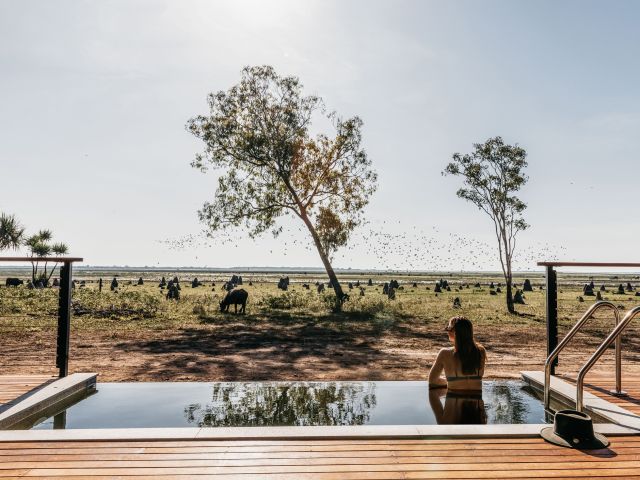
The Australian safari camp is home to some of the country’s most spectacular bird and wildlife. (Credit: Hels Orr)
If you’ve ever wanted to experience the Top End like a safari destination, Bamurru Plains delivers exactly that. Set on the vast floodplains west of Kakadu National Park, this luxury wilderness lodge is known for its immersive wildlife encounters, where guests can spot buffalo, wallabies and prolific birdlife from open-air safari bungalows.
The all-inclusive experience includes guided airboat safaris, wildlife drives and bush walks, along with gourmet meals and beverages served in the lodge’s elevated dining pavilion overlooking the wetlands. For Easter travellers, the property is offering 10 per cent off selected stays between April and May, with prices starting from $5090 per room for two nights. Families can also take advantage of an April bonus where one child stays free.
2. A luxury escape in the Blue Mountains
Delight in a charming local stay at Echoes Boutique Hotel.
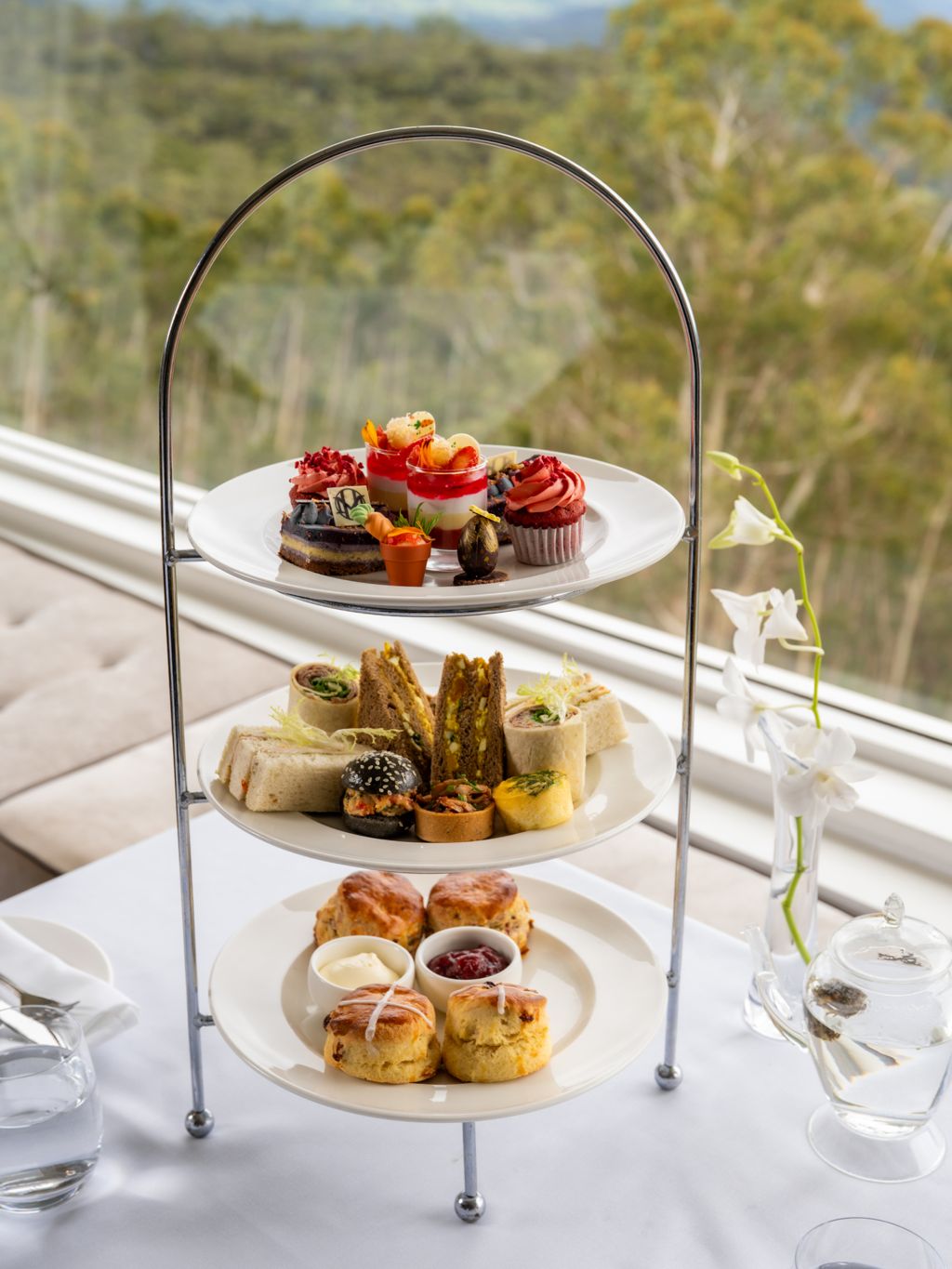
Easter High Tea at Hydro Majestic Hotel.
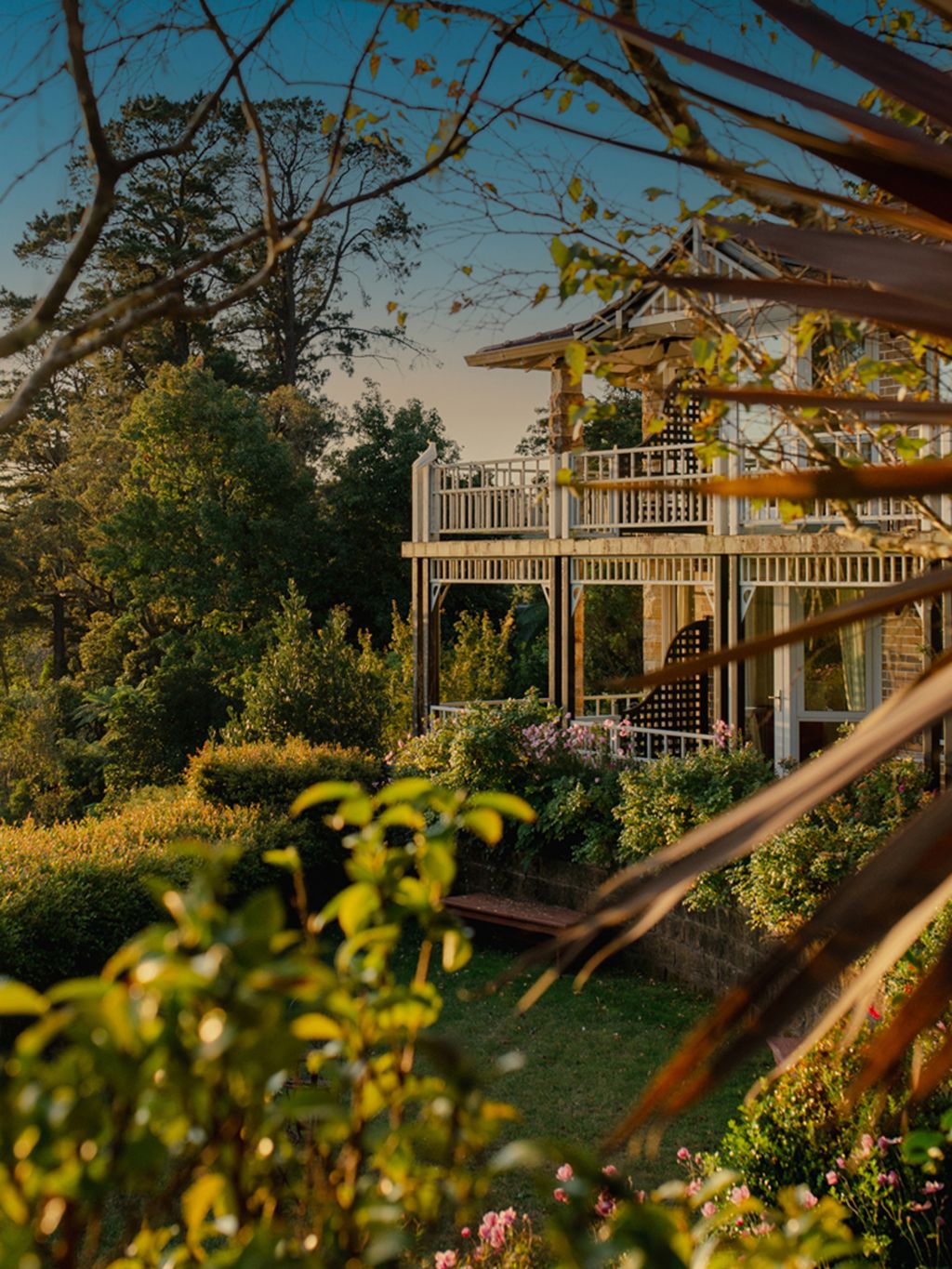
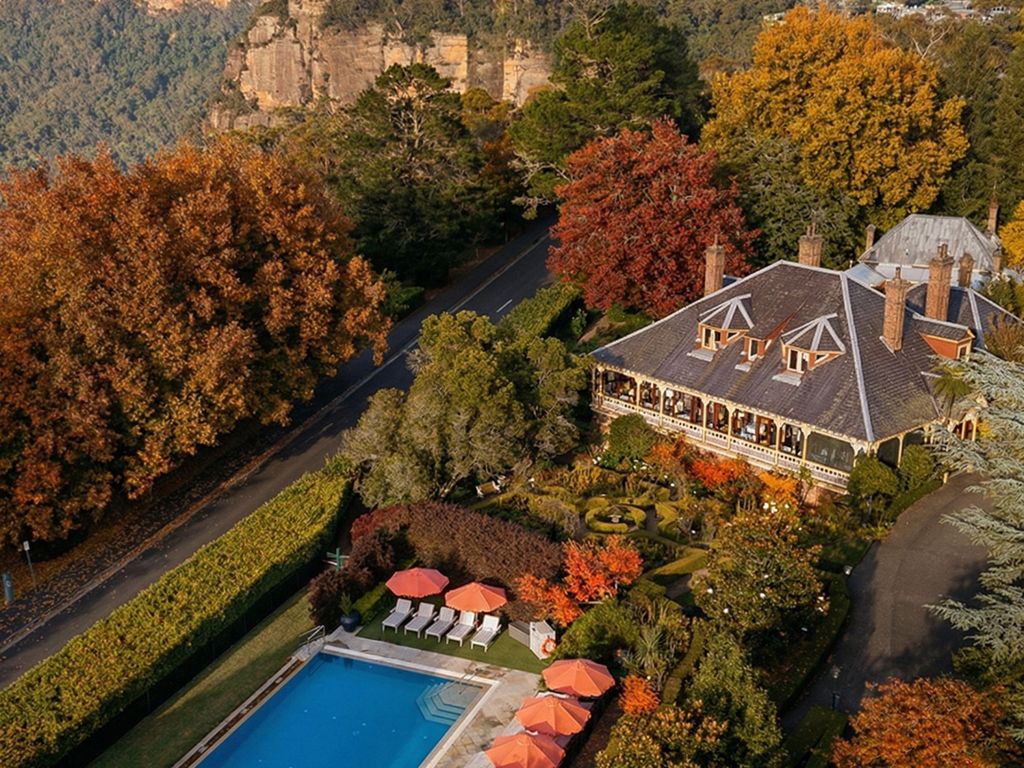
Lilianfels resort captures sweeping views of the Jamison Valley.
Parklands Country Gardens & Lodges is nestled in the quaint village of Blackheath.
Easter Sunday egg hunts will also take place at Parklands, Hydro Majestic and Lilianfels, while the Hydro Majestic’s Wintergarden Restaurant will host a special Easter High Tea from 3 to 6 April, priced from $99 per person or $134 with free-flow sparkling wine. The offer is valid for new bookings made until 30 April 2026, for stays until 31 May 2026.
3. A Tasmanian east coast adventure
Weekly travel news, experiences insider tips, offers, and more.
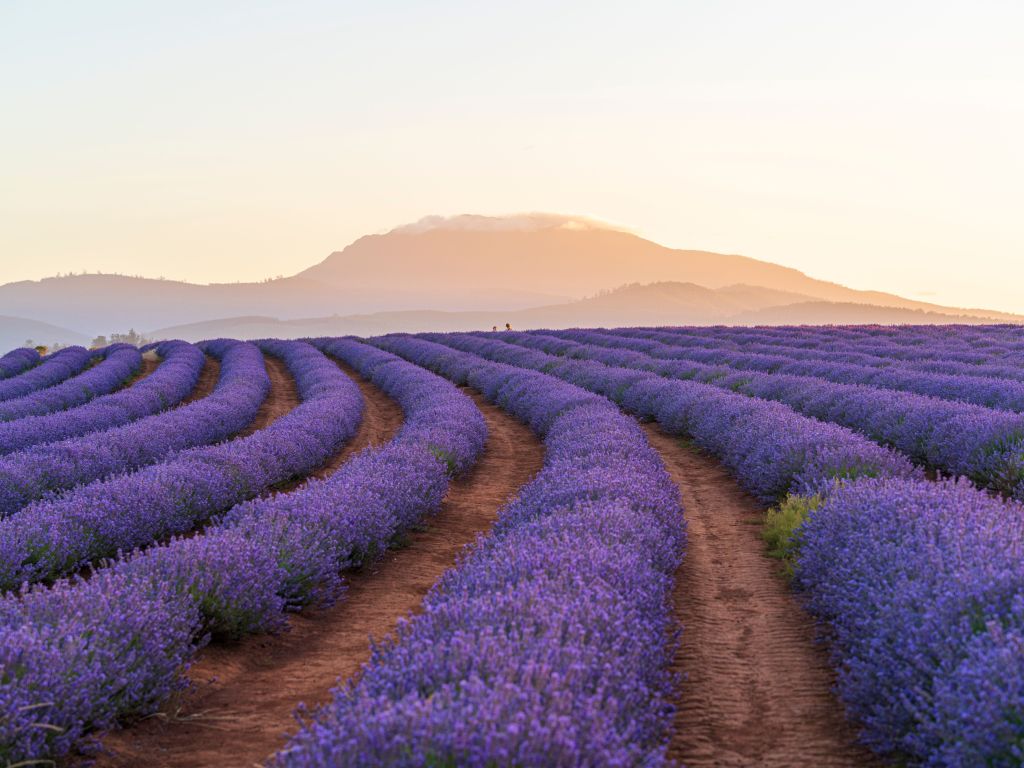
Bridestowe creates high-quality lavender products and welcomes visitors from across the world. (Credit: Luke Tscharke)
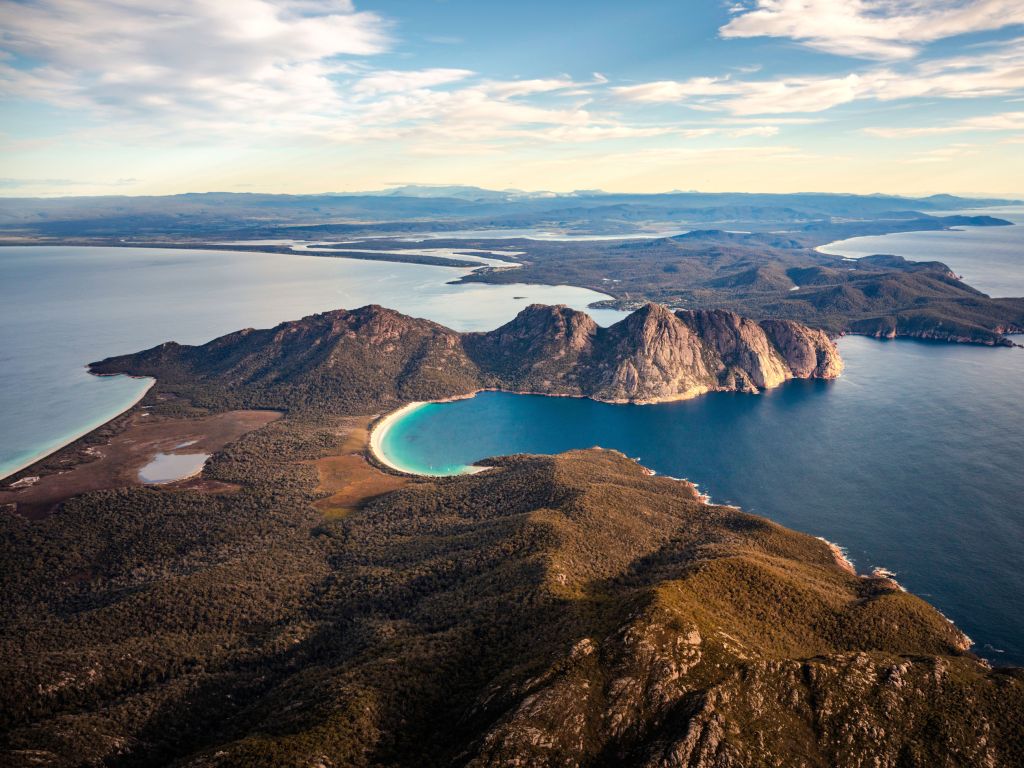
Aerial view of the Wineglass Bay. (Credit: Luke Tscharke)
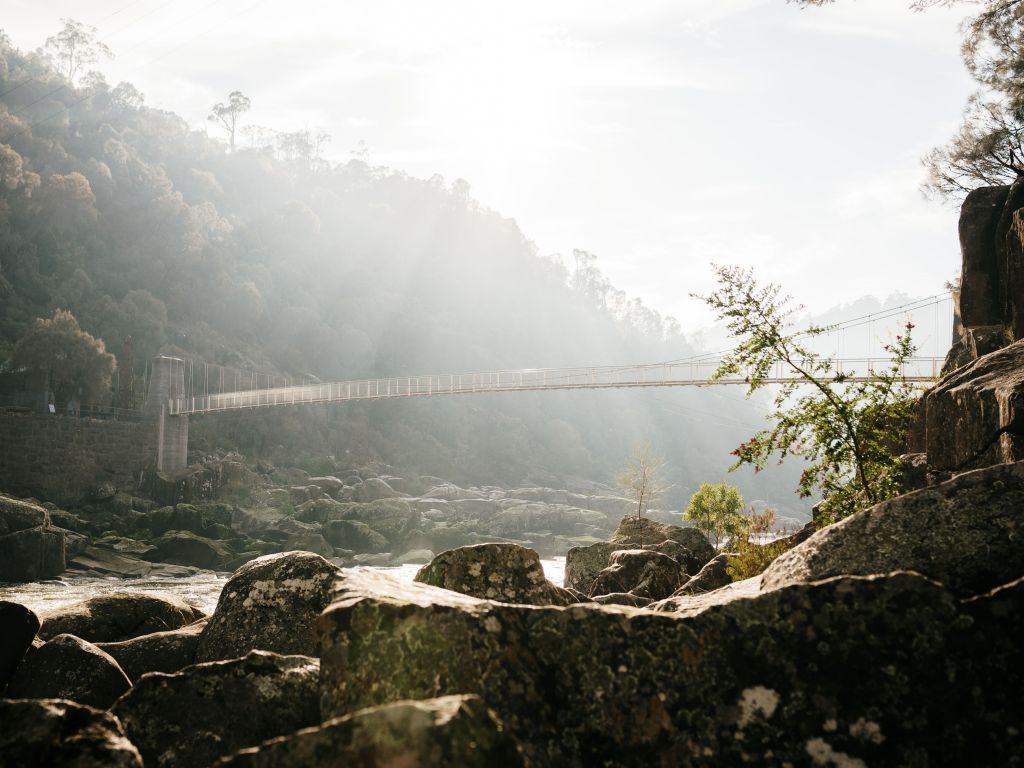
The historic Duck Reach Power Station. (Credit: Tourism Tasmania/Nick H Visuals)
The itinerary takes travellers through Freycinet National Park, home to the iconic pink-hued sweep of Wineglass Bay, as well as historic sites like Port Arthur and charming regional stops including a lavender farm. Along the way, guests travel with expert guides and enjoy curated experiences designed to showcase Tasmania’s landscapes, produce and history.
The tour is priced from $2650 per person, making it a great option for travellers who want a structured Easter getaway without the hassle of planning every stop.
4. A country Easter in the Queensland hinterland
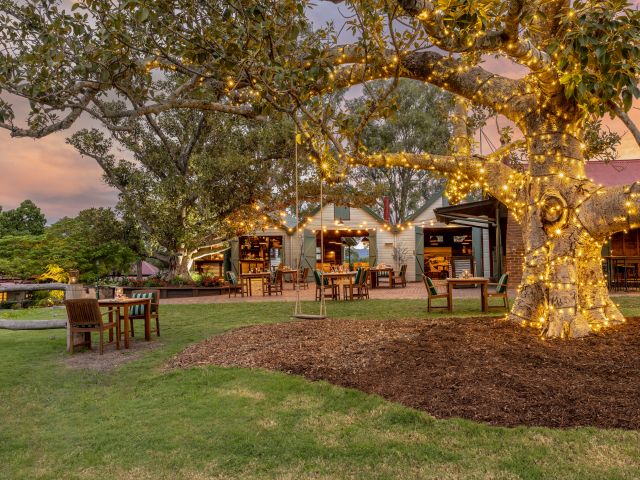
Experience farm-to-table dining at Spicers Hidden Vale. (Credit: Hamilton Lund Photographer)
At Spicers Hidden Vale in Grandchester, just an hour from Brisbane, guests can celebrate Easter with a relaxed country escape complete with egg hunts, lawn games, live entertainment and seasonal dining. Set against the retreat’s picturesque rural backdrop, the Easter package is priced from $661 per night for two guests in a Valley View room, with event tickets from $49 per child and $99 per adult.
5. A luxury Sydney stay near the Opera House
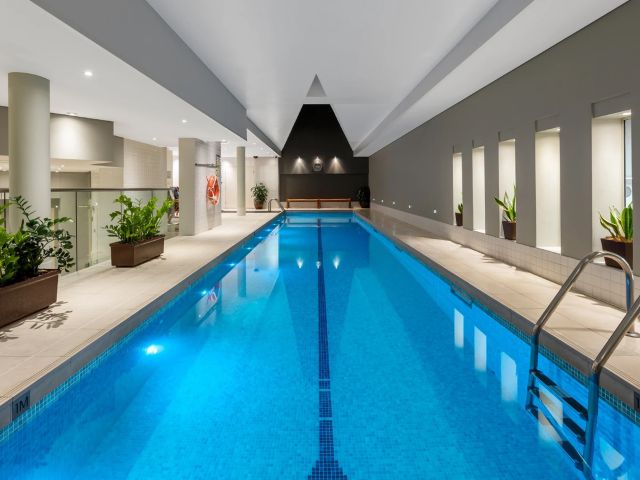
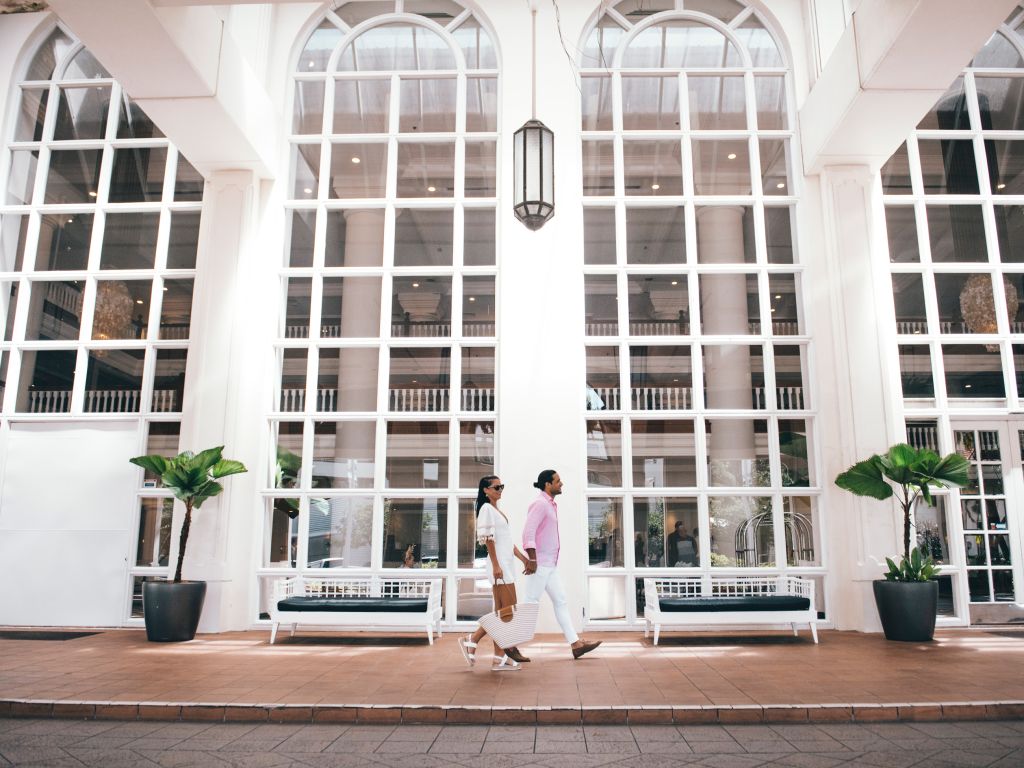
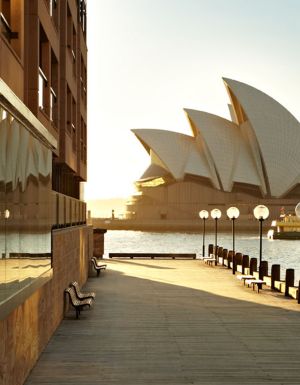
Paradox Sydney is set within a heritage-listed architectural masterpiece dating from 1856.
Another strong city-break option is Paradox Sydney , just moments from Circular Quay. You can book a two-night stay from $779 in a Premier Room Atrium View, with three-night packages from $1104.
The deal includes daily buffet breakfast at Lady Fairfax Room, a $50 dining credit, a welcome house wine, beer or soft drink per guest at The Fax Bar, and guaranteed 1pm late checkout for two guests. The offer ends 30 March 2026, with travel available until 31 March 2027.
6. A Japanese wellness retreat in Victoria
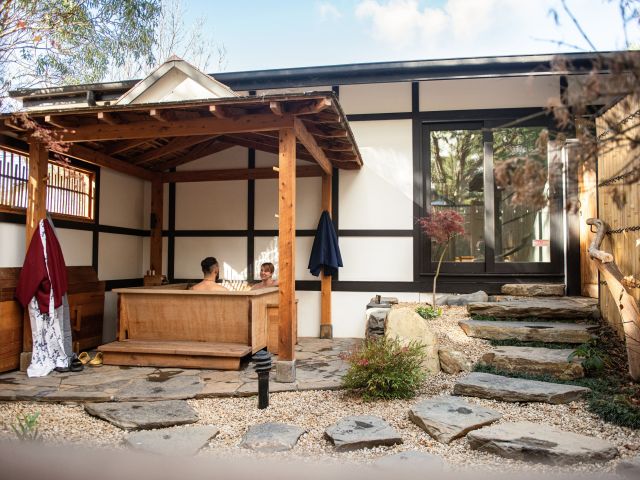
A peaceful Japanese escape awaits at Shizuka Ryokan. (Credit: Emily Godfrey)
The three-night wellness package blends traditional Japanese hospitality with restorative treatments, including Japanese bathing rituals, yoga and meditation sessions, reflexology and aromatherapy massages, as well as a partner yoga and massage experience. Guests are also treated to a multi-course omakase banquet dinner, complete with sake tasting.
Prices start from $1110 per person, with 10 per cent off bookings made until 31 March for stays between 2 and 17 April using code: Easter Getaway, making it a peaceful Easter option for travellers seeking a full mind-and-body reset.
7. A luxury wildlife escape in the Flinders Ranges
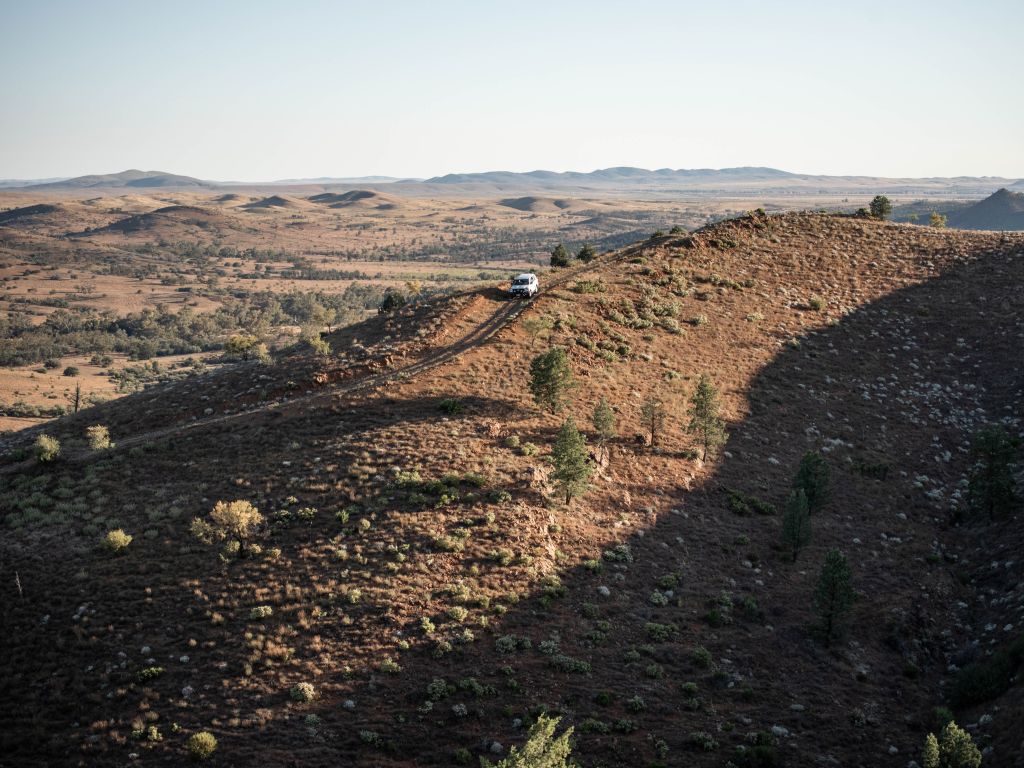
Arkaba is a private wildlife conservancy. (Credit: Tracey Experience Co)
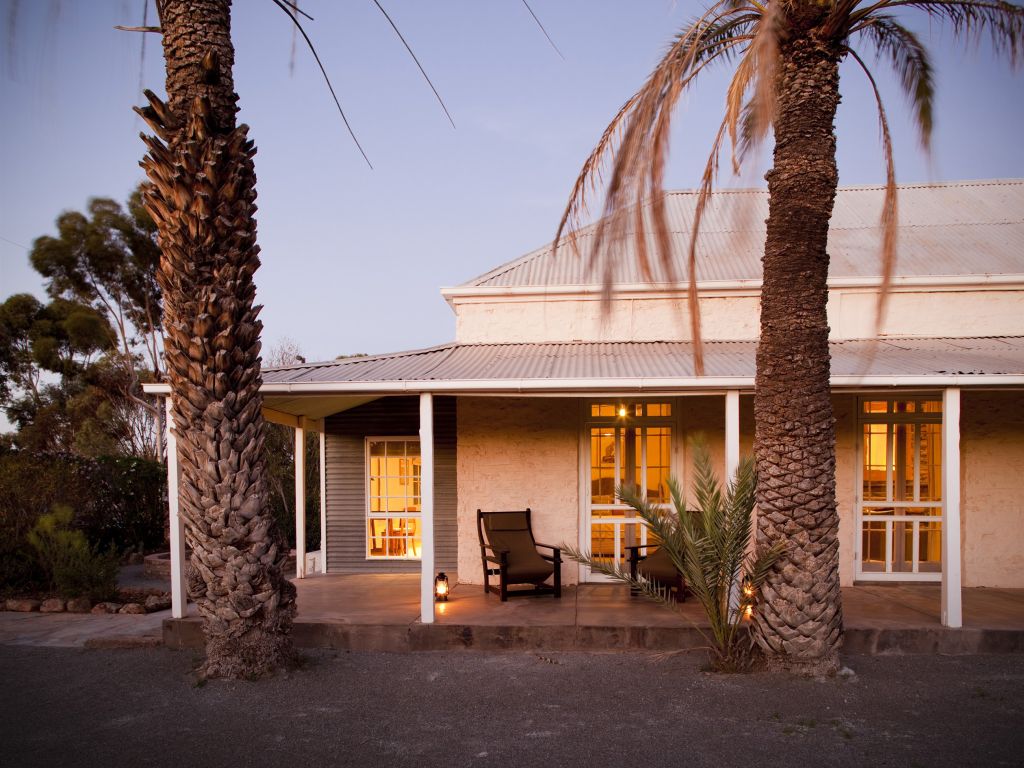
Stay in the historic homestead. (Credit: Randy Larcombe)
Set within a 25,500-hectare private wildlife conservancy, the property was once a working sheep station and is now dedicated to conservation and immersive outback experiences. Guests can explore the rugged ranges through guided walks, wildlife drives and scenic tours, while evenings are spent enjoying gourmet dining under expansive outback skies.
The all-inclusive stay starts from $5770 per room for two nights, and guests can save 10 per cent on selected stays between April and May, making Easter a perfect time to experience the region’s dramatic landscapes and cooler autumn temperatures.
8. A family-friendly Cairns holiday
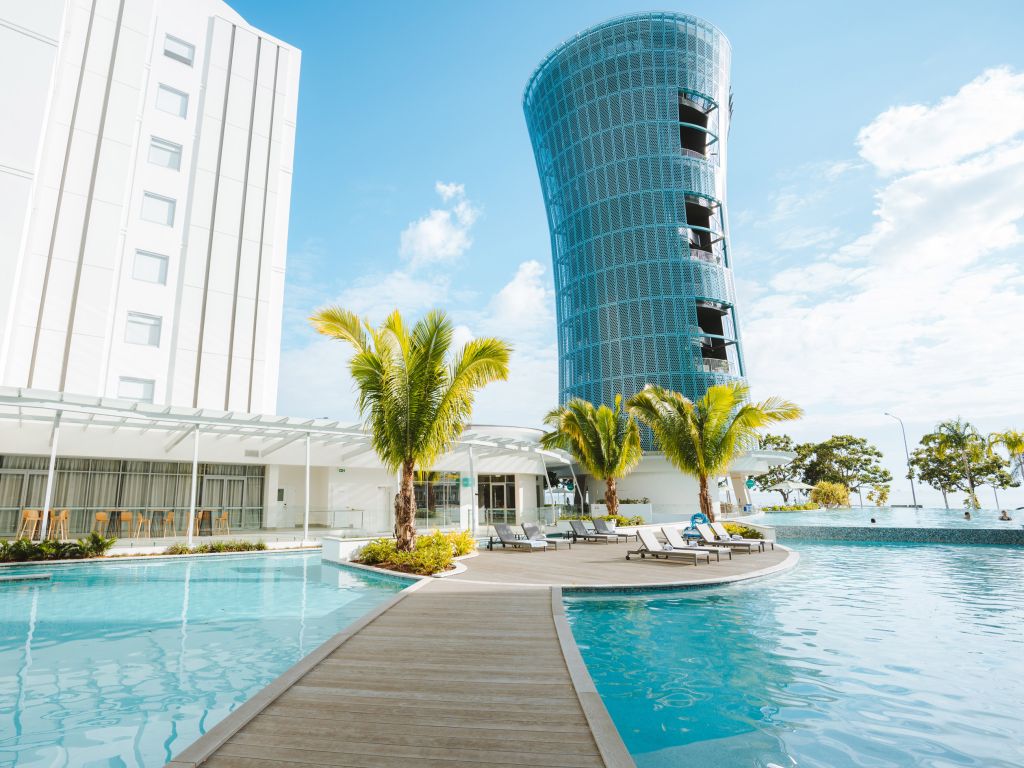
Contemporary luxury meets Far North Queensland charm. (Credit: Tourism Tropical North Queensland)
Crystalbrook Riley's chic, private, European-inspired pool cabana. (Credit: Tourism Australia)
Novotel is a tropical retreat in the heart of Cairns.
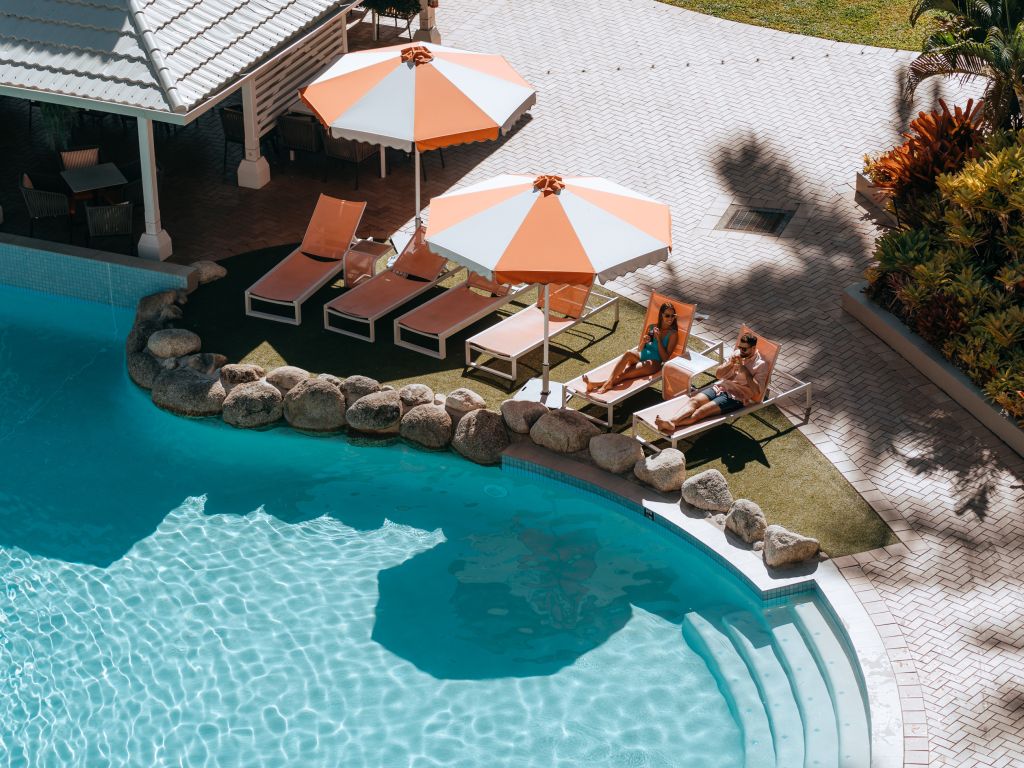
The main Tropical North Queensland hub has several Easter deals on the table. At Crystalbrook Riley, families can book a five-night package that includes daily breakfast at Paper Crane for two adults and two children, a Green Island Eco Adventure excursion, 10 per cent off dining across Crystalbrook’s Cairns restaurants and bars, and complimentary bike hire.
Nearby, Novotel Cairns Oasis Resort is offering its Reef Creatures Family Escape from $450 per room for two nights, including family accommodation, daily buffet breakfast and general admission to Cairns Aquarium. Children aged 15 and under stay and eat breakfast free, and Accor members can save an additional five per cent. The deal is available to book until 31 March 2026 for travel until March 2027.
There’s also a Stay 3, Pay 2 offer at Pullman Cairns International , where families get a complimentary third night, with kids 11 and under staying free and receiving complimentary breakfast. Guests travelling over Easter can also enjoy festive extras, including a Good Friday seafood buffet, sunset BBQ with fire performance and an Easter Sunday egg hunt, alongside school holiday kids’ activities. Book by 31 March for travel until 30 April.
9. A coastal Terrigal escape
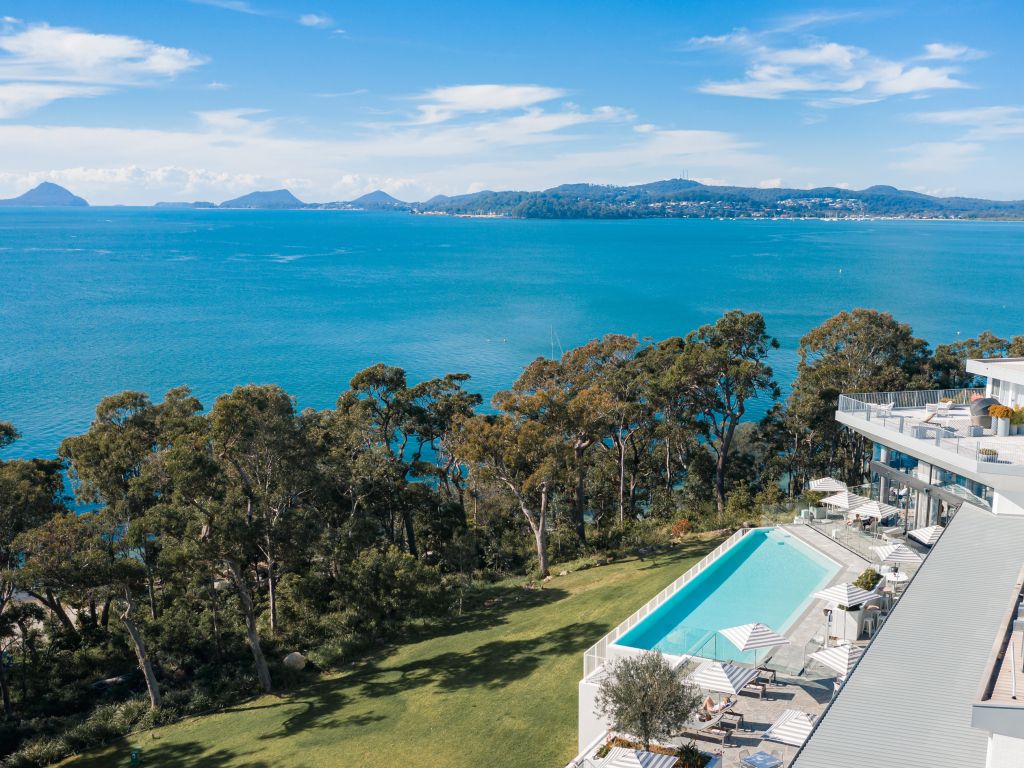
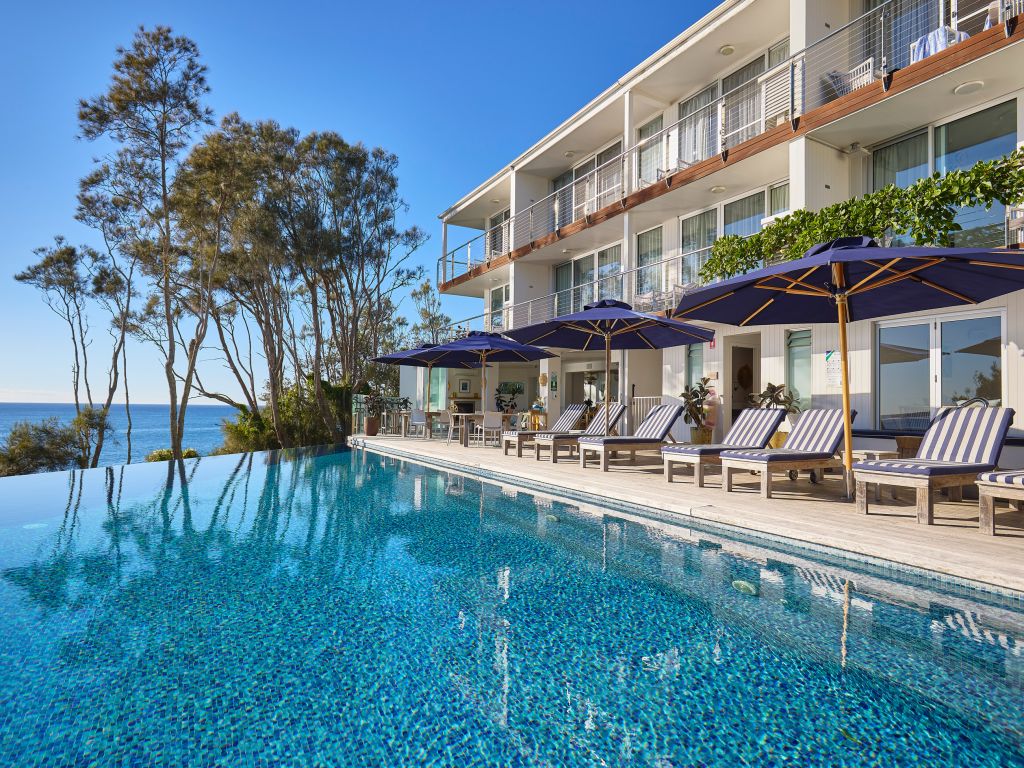
Crowne Plaza Terrigal offers a family-friendly beachside escape.
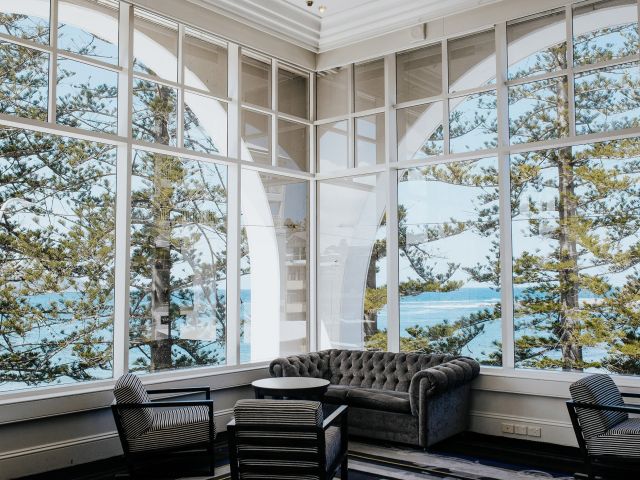
If you’re craving a classic NSW beach getaway, Crowne Plaza Terrigal Pacific has a tempting coastal escape available.
The hotel’s Winter Escape package starts from $529 for two nights and includes daily buffet breakfast for two adults, secure car parking, a bottle of wine on arrival and 25 per cent off food and drinks across the hotel’s restaurants and bars. Overlooking the iconic Terrigal Beach, the property makes a great base for seaside walks, ocean swims and relaxed long lunches.
The deal must be booked by 12 March 2026, with stays available until 24 September 2026, making it a flexible option for an Easter or autumn getaway.
10. A stylish Melbourne CBD stay
Next Hotel is located in city’s east end district.
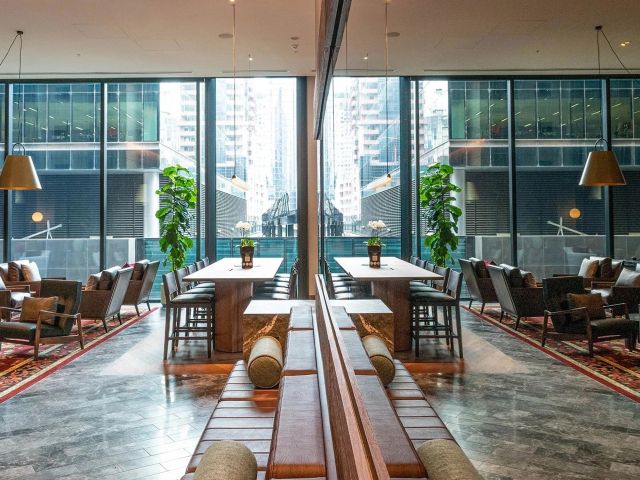
Luxury Escapes is offering a stay at Next Hotel Melbourne from $549 for two nights in a Next Queen Room, with three-night packages from $799. The Manhattan-style hotel sits right in the heart of the CBD.
The deal includes a generous $150 dining and drinks credit per package to use across the hotel’s onsite venues, plus guaranteed 12pm late checkout for two guests. The offer ends 27 March 2026, with travel available until 31 March 2027.
11. A remote outback lodge escape in Queensland
The luxury lodge invokes the spirit of adventure in the Queensland outback.
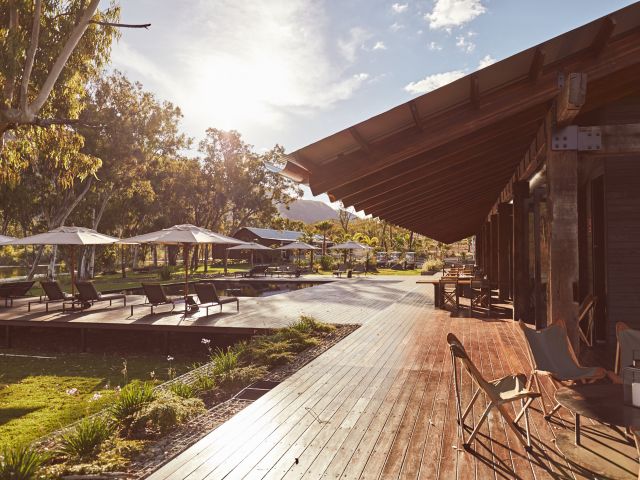
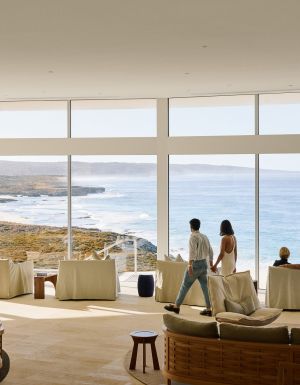
If you’d rather go big this Easter, Mt Mulligan Lodge in outback Queensland is offering a luxe all-inclusive stay from $1253 per person for two guests. The experience includes four nights, all gourmet meals, beverages, mini bar and signature experiences, with accommodation in the property’s contemporary Outback Retreat overlooking the weir and Mount Mulligan’s fiery rock face.
Guests who linger a little longer can also enjoy 10 per cent off when booking four nights or more.
12. A wine region balloon flight at sunrise
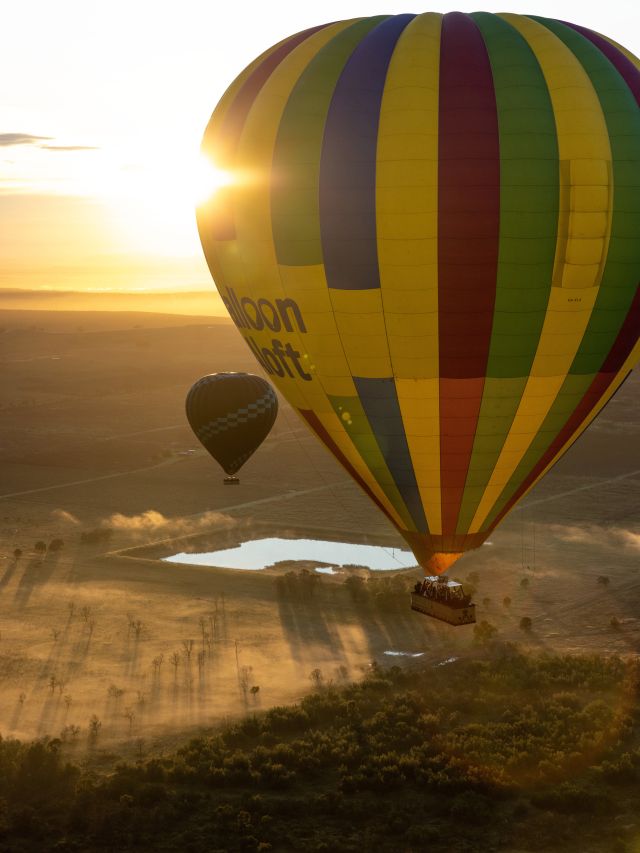
Balloon Aloft offered the first passenger balloons in Australia in 1980. (Credit: Destination NSW)
For something memorable, Balloon Aloft is offering $50 off general adult tickets during autumn, with Easter flights included in the sale. Sunrise hot-air balloon experiences depart from spectacular locations including Camden, Mudgee, the Hunter Valley and Byron Bay, with each flight followed by a gourmet breakfast celebration at a local restaurant or winery.
13. A luxury wilderness walk in Tasmania
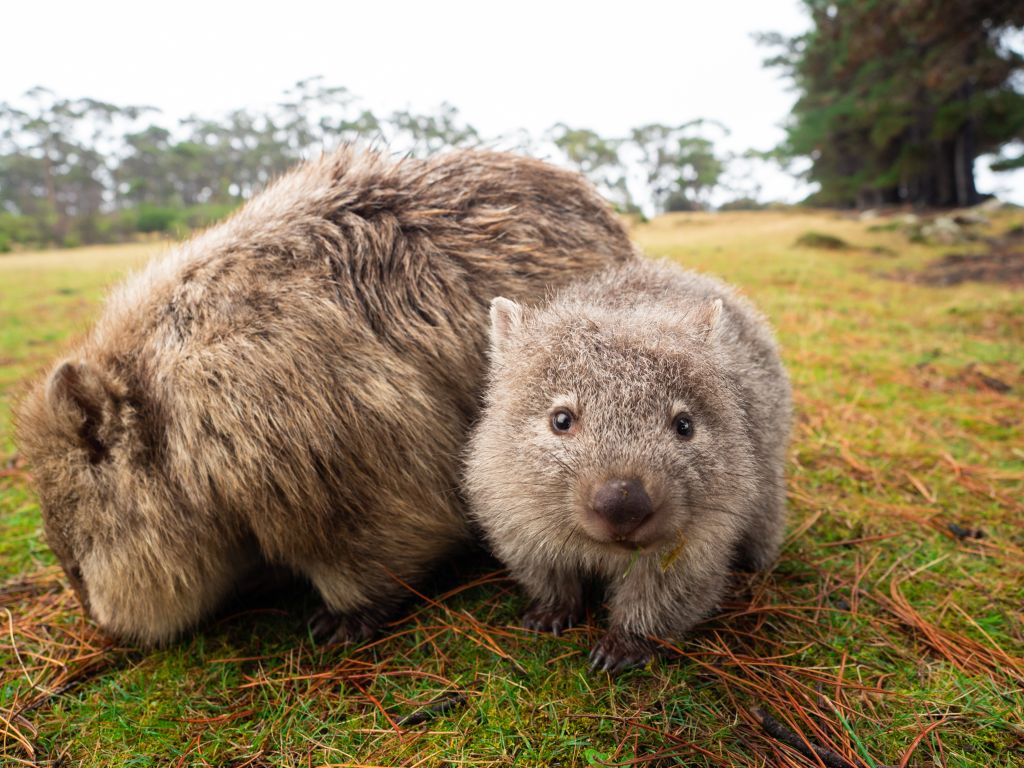
Spot wombats on Maria Island.
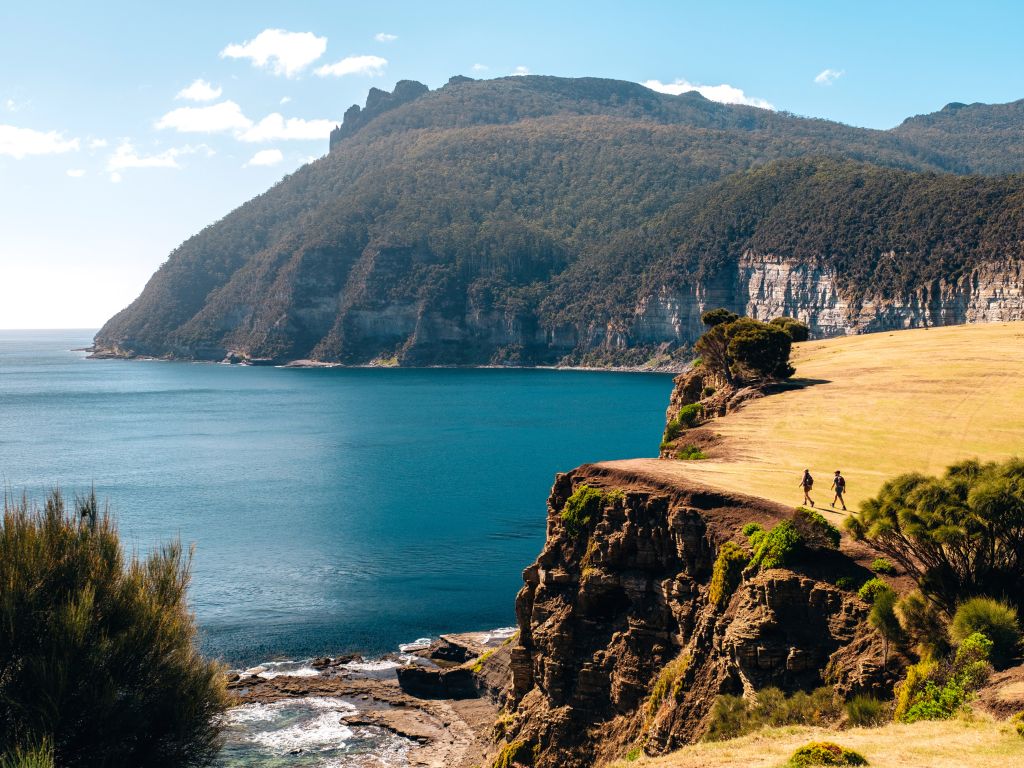
The Maria Island Walk is incredibly scenic.
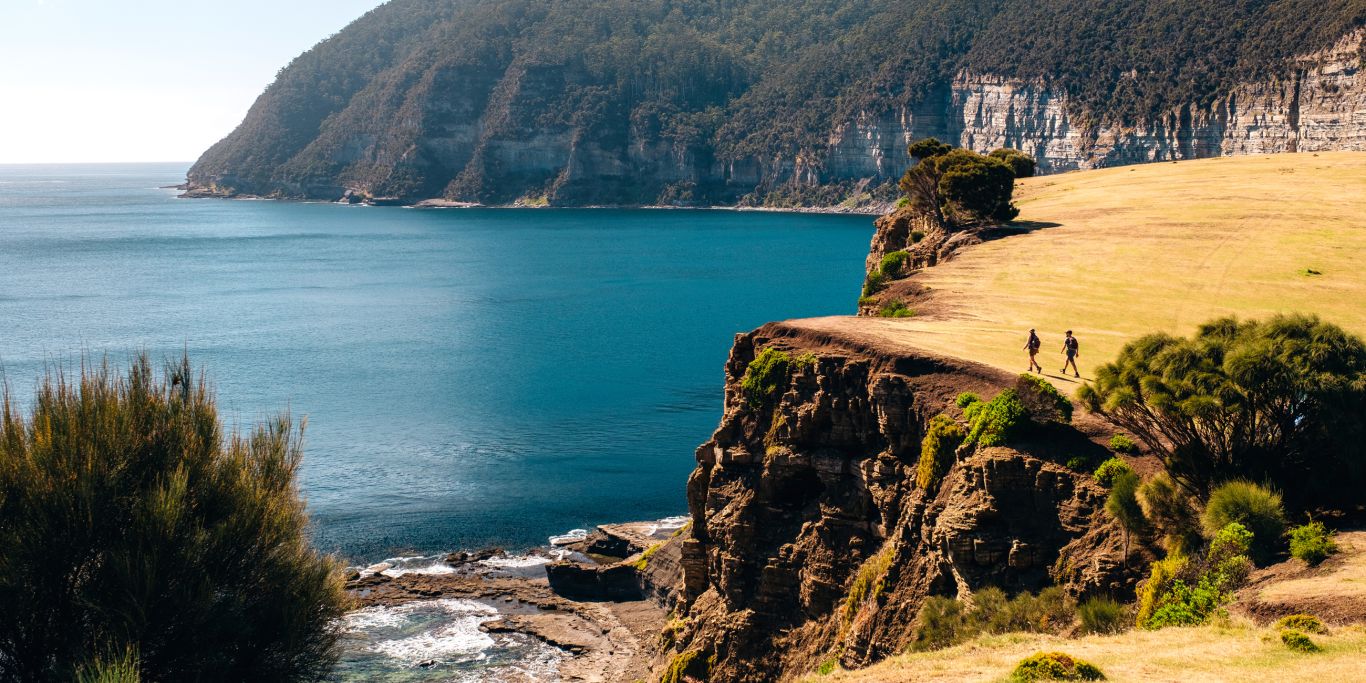
The Maria Island Walk offers a guided four-day, three-night escape through one of Tasmania’s most wildlife-rich national parks, with pristine beaches, coastal trails, chef-prepared meals and remote camp stays all part of the experience. Prices start from $3350 per person twin share, making it a bucket-list Easter option for walkers wanting something truly immersive.
14. A relaxed Sunshine Coast beach escape
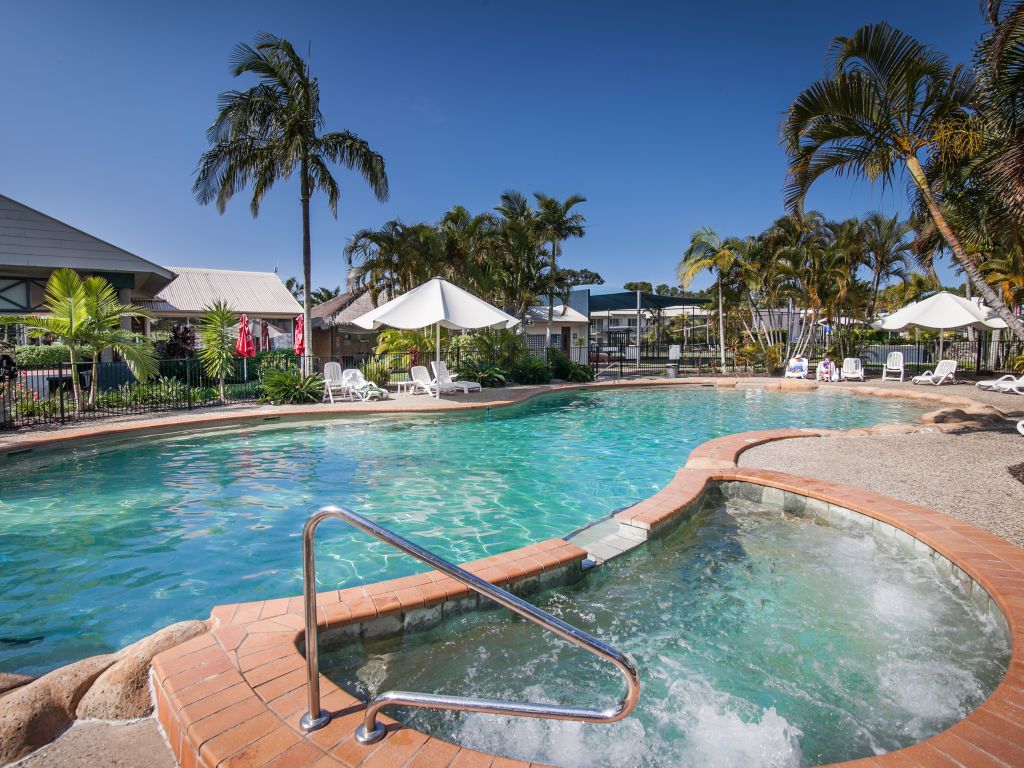
Ivory Palms Resort is taking 15% off stays of 3+ nights.
Relax knowing you've saved 15% at Essence Peregian Beach.
Save 15% on 5-night stays at Glen Eden Beach Resort.
Glen Eden Beach Resort at Peregian Beach is offering 15 per cent off five-night stays, making it a strong pick for a quieter beachfront holiday.
In Noosaville, Ivory Palms Resort is taking 15 per cent off stays of three nights or more with promo code TODAY26, valid for stays from 6 to 19 April 2026 and booked by 13 March 2026.
Essence Peregian Beach is also offering 15 per cent off its Exclusive Easter Escape, plus a bottle of wine on arrival for stays of at least three nights.
Over on Noosa North Shore, Senses Noosa North Shore has a 20 per cent discount, with three-bedroom houses from $520 per night and two return ferry passes included for stays of three nights or more using promo code TODAY.
15. A boutique hotel stay in regional NSW
Bring the family along this Easter.
The Gem Hotel in Griffith is offering a Deluxe King Room for $200 per night during the Easter school holiday period, plus 20 per cent off dining at its award-winning European-style steakhouse, Bull & Bell. Travellers can unlock the offer using the code TODAY. It’s a timely excuse to visit during the Griffith Easter Party , which runs from 2 to 6 April.
16. A Red Centre escape near Uluṟu
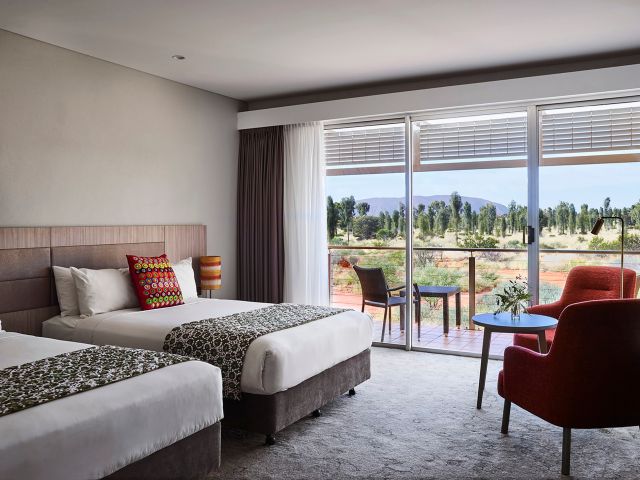
Base yourself at Desert Gardens Hotel. (Credit: Anson Smart)
For a warm-weather Easter break, the Red Centre offers a completely different kind of holiday. At Desert Gardens Hotel, guests can stay from $245 per night, twin share in a Standard Room.
The hotel sits within walking distance of the resort’s restaurants, galleries, cultural experiences, and, of course, Uluṟu-Kata Tjuṯa National Park. Travellers can spend their days exploring the region’s ancient landscapes, joining guided walks or watching the famous desert sunsets.
The offer is valid for travel between 1 and 15 April 2026, with a minimum three-night stay required, and is available until midnight on 11 March 2026, subject to availability.
17. A coastal getaway in Mollymook or Port Stephens
Bannisters Port Stephens is hosting some Easter activities. (Credit: Ben Mack)
You'll be swimming in extras at Bannisters this Easter.
The Bannisters hotels in Mollymook and Port Stephens are offering Autumn Extras with direct bookings, including 10 per cent off food and beverage, a seasonal in-room treat and early check-in or late check-out, subject to availability.
Over Easter, Bannisters Port Stephens will host family-friendly fun at Cheeky Dog , including live music, a jumping castle and an Easter egg hunt, while both Port Stephens and Mollymook are also dialling up the holiday mood with extended happy hours and live entertainment.
18. A luxury Brisbane stay
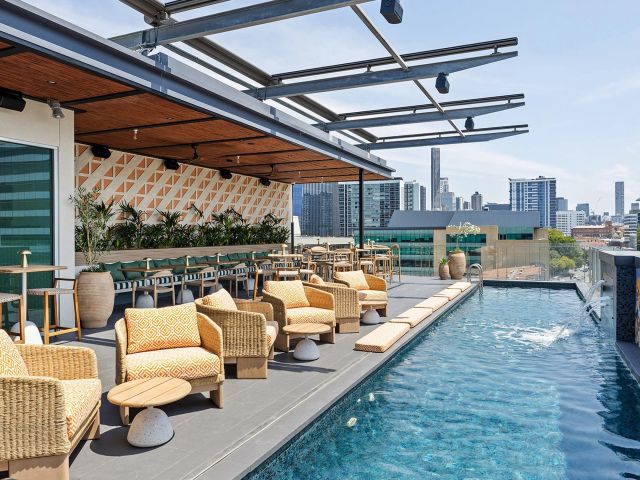
Stay in Brisbane luxury for under $600.
Fortitude Valley’s stylish Ovolo Brisbane is offering a two-night luxury stay from $599 in a Valley King, with three-night stays from $899. The package includes a guaranteed upgrade from Valley Queen to Valley King, daily a la carte breakfast at Kazba, a nightly drink during apero hour, a $50 dining credit, daily valet parking and guaranteed 12pm late checkout for two guests. The offer ends 20 March 2026, with travel available until 30 April 2027.
Enjoy a wine flight for two at Shaw + Smith’s Adelaide Hills Tasting Room.
Oval Hotel’s Summer Stays with Shaw + Smith package is a love letter to South Australian wine culture. Based at the sleek, stadium-adjacent hotel in Adelaide’s CBD, the deal is priced from $399 per night and includes a welcome bottle of Shaw + Smith sauvignon blanc in your room, a three-course dinner for two at Bespoke Wine Bar & Kitchen on arrival night and a classic wine flight for two at Shaw + Smith’s Adelaide Hills Tasting Room.
Extra nights can be added from $229 per night, with self-parking and wi-fi included throughout. The offer is available for stays until 7 April 2026, making it a compelling Easter option for wine lovers wanting a stylish city base with cellar door access just a short drive away.
Emily Murphy is Australian Traveller's Email & Social Editor, and in her time at the company she has been instrumental in shaping its social media and email presence, and crafting compelling narratives that inspire others to explore Australia's vast landscapes. Her previous role was a journalist at Prime Creative Media and before that she was freelancing in publishing, content creation and digital marketing. When she's not creating scroll-stopping travel content, Em is a devoted 'bun mum' and enjoys spending her spare time by the sea, reading, binge-watching a good TV show and exploring Sydney's vibrant dining scene. Next on her Aussie travel wish list? Tasmania and The Kimberley.
Make this dazzling stretch of beaches and natural wonders your home base for a grand adventure
Whether you’re setting out solo, bringing a mate, or packing in the whole family, no road trip along Australia’s East Coast is complete without at least a few days spent exploring the Coffs Coast. A stunning stretch of NSW coastline nestled between ancient high-elevation rainforests and magnificent, undiscovered beaches, Coffs offers amazing biodiversity, stunning natural beauty, and heaps of local charm, without the crowds. Pull up in Coffs Harbour , your perfect home base for these unforgettable day-trips.
1. Southern Beaches
The Coffs region boasts 30 of Australia’s most beautiful, unspoiled beaches, directly abutting a dramatic tableau of mountains and rainforests. Drive South of Coffs Harbour to find up-and-coming surf destinations where it’s still possible to catch an empty wave. First up is the picturesque Sawtellvillage . Wander the famous fig-tree-lined main street packed with laid-back places to eat and drink. Enjoy panoramic views and seasonal whale sightings at Bonville Headland on the Southern end of the beach.
Nearby Bongil Bongil National Park boasts seven kilometres of empty beach, along with hiking and cycling trails through beachfront rainforests – keep an eye out for koalas living in the trees. Boambee Beach and Boambee Creek Reserve are great for families, with shallow waters perfect for kayaking and SUPing, plus an off-leash dog beach.
Experience small-town charm in Sawtell.
2. Orara Valley Tourist Trail
The Orara Valley Tourist Trail has it all: hinterland bushwalks, birdwatching, horse riding, pristine swimming holes and rolling green pastures dotted with dairy farms and historic villages. And it’s only 15 minutes west of Coffs Harbour.
Sample produce at a roadside stall, stop into Coramba Hotel for a quintessential country pub lunch, or try the Idle in Cafe in Nana Glen for coffee and scones. Then spend the afternoon kayaking the Orara River or mountain biking on Mt Coramba. If you’re feeling adventurous, follow the 4WD touring route along the Orara Escarpment in Bindarri National Park , a rugged landscape with dazzling views that winds through untouched eucalypt rainforests and waterfalls.
Explore the green heart of Coffs.
3. Dorrigo National Park
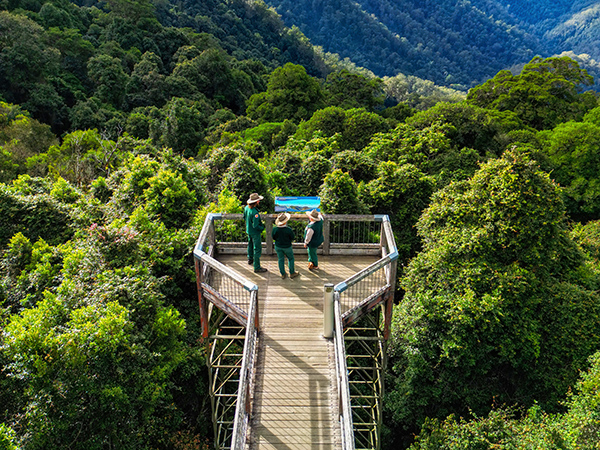
Enjoy a classic day trip from Coffs to forest bathe in some of the oldest subtropical rainforests in the world at Dorrigo National Park, part of the World Heritage-listed Gondwana Rainforests. These million-year-old ecosystems promise rare bird sightings, towering strangler figs, and epic walking tracks and picnic spots. Try the 6.6 km Wonga Walk to experience dreamy Crystal Shower Falls (where you can walk behind the falls) and the Skywalk Lookout, which offers spectacular views of the valley and coast. Then stop in Dorrigo town for a homey lunch. It’s worth noting that a section of the road between Ulong and Dorrigo – which dates to the 1880s – is unsealed, adding to the area’s end-of-the-earth allure but making travel difficult in adverse weather conditions. Alternatively, head to Dorrigo via the delightful township of Bellingen .
Wander the Skywalk.
4. Northern Beaches
For another tranquil expanse of sun, sand and surf breaks, head north to Woolgoolga (Tourism Australia’s Best Mainland Beach for 2025. Taste the coffee and local-produce breakfast at one of several cafes, then spot whales during their migration season along the Woolgoolga Whale Trail to the headland. Emerald Beach offers clear blue waters and another headland walk, perfect for taking in views of South Solitary Island, a dramatically rocky-cliffed island with a historic lighthouse. Red Rock, some 40km north of Coffs and named for its striking coastal rock formations, boasts a gorgeous estuary reserve that’s perfect for languorous days spent picnicking, swimming, fishing, and connecting with the relaxed local pace.
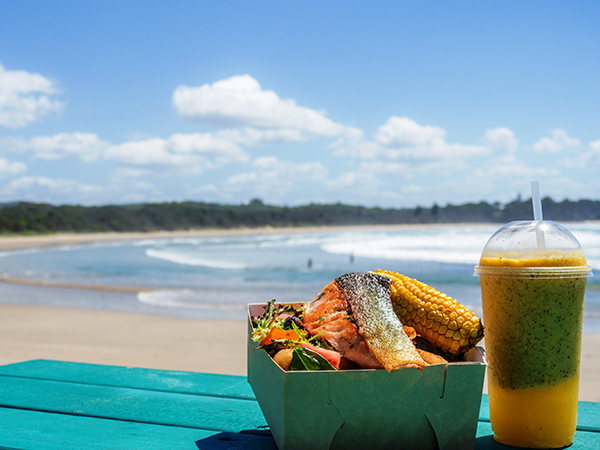
Enjoy fresh seafood overlooking Woolgoolga Beach.
5. Jetty precinct
You could easily spend a whole day exploring the Jetty precinct – from its foreshores to the marina to Muttonbird Island. Start with fresh fish and chips from local institution Coffs Harbour Fisherman’s Co-op , before browsing the popular Harbourside Markets held every Sunday on the foreshores.
Take a scenic walk along the breakwall to Muttonbird Island , a cultural and ecological treasure with panoramic views and rich Gumbaynggirr heritage. The Giidany Miirlarl Education Space shares the island’s ancient stories, or join a guided moonlight tour to see the seasonal return of the muttonbirds.
Back at the Jetty Strip, find a buzzing mix of cafes, bars and restaurants with cuisines from around the world, open from morning until late. Don’t miss The Jetty Pavilion , a favourite for its unique menu blending modern Australian cuisine with vibrant world flavours.
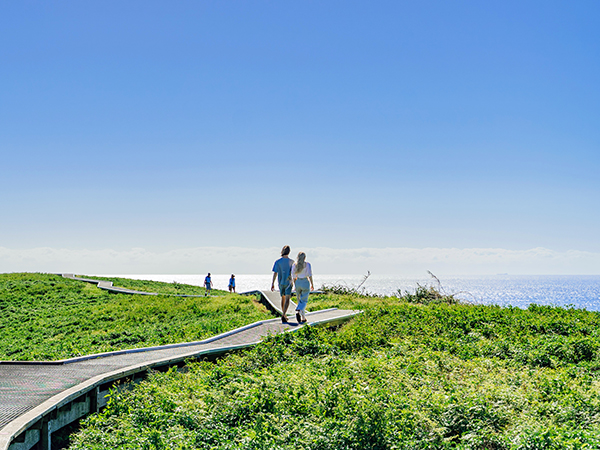
Walk the path where land meets sea and sky.
6. Grafton
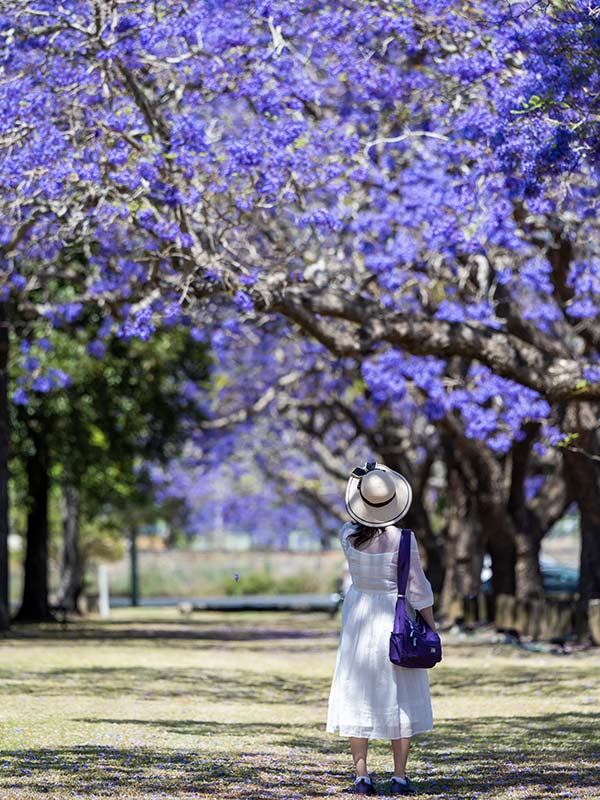
Head inland from mid-October to early November to catch Grafton’s jacaranda season, when the town’s streets and parks are covered in purple. Even better, time your trip between 24 October and 2 November to attend the famous Jacaranda Festival, with special food items, performances and more. At any time of year, follow the self-guided Grafton Heritage Trail to discover the town’s historic buildings, landmarks and stories. Or get the blood pumping with a trip along the longest mapped white-water trail in Australia – the Clarence Canoe and Kayak Trail. Book a tour with Exodus Adventures .
Time your Grafton trip to see the jacarandas in full bloom. (Image: @myclarencevalley)
7. Nambucca
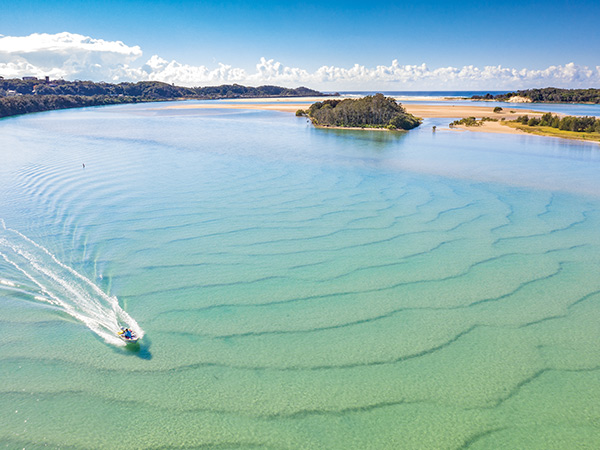
Just south of Coffs Harbour sits Nambucca, the ideal town for a relaxed, coastal day trip. Hire a canoe, kayak or boat to explore over 80 kilometres of waterways stretching from the hinterland to the ocean. For those who prefer to stay on dry land (or double up their adventure for the day), stretch your legs along the V-Wall – a scenic coastal walk along the Nambucca River – dotted with boulders painted by the community, sharing messages, art and local stories. Stop along the way to buy Sydney rock oysters direct from local farmers, or try your own hand at fishing. Before heading back to Coffs, refuel on fresh seafood and wood-fired pizzas at Matilda’s in Nambucca .
Explore Nambucca’s waterways. (Image: Seen Australia)